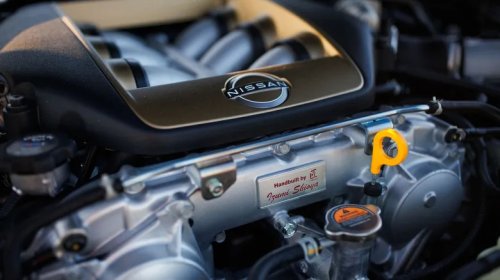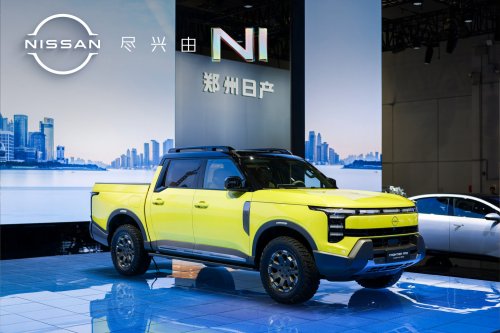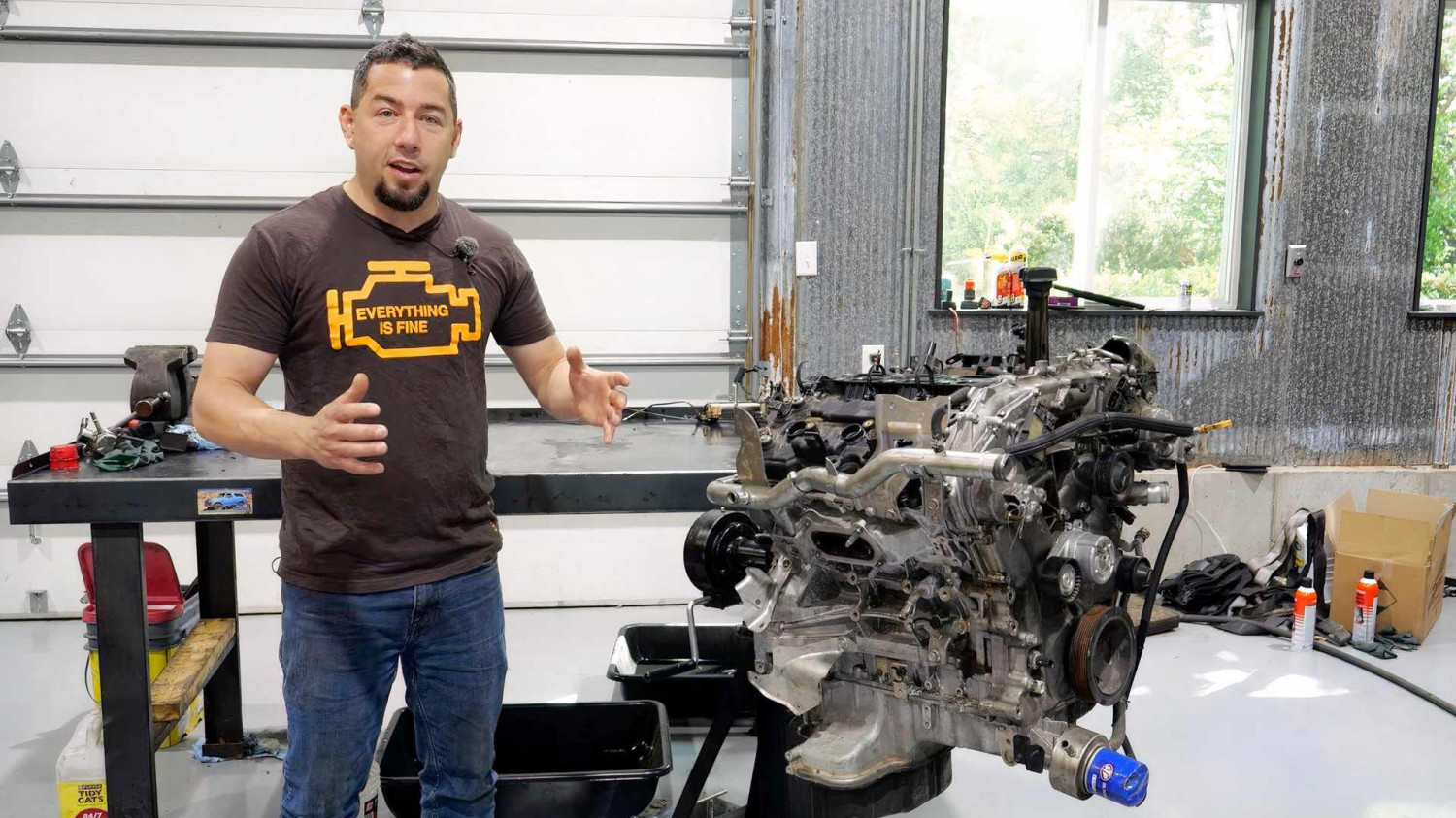
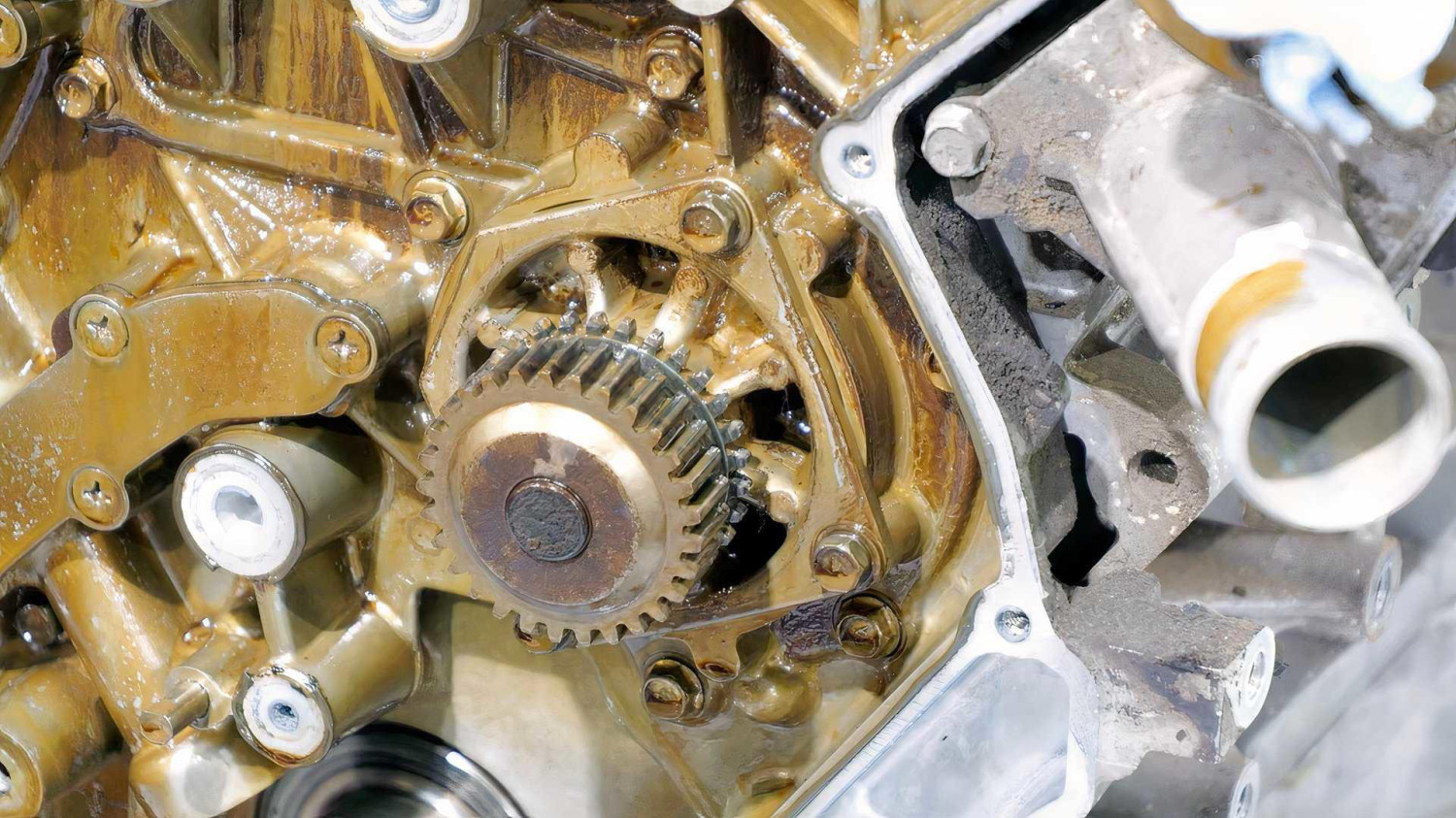
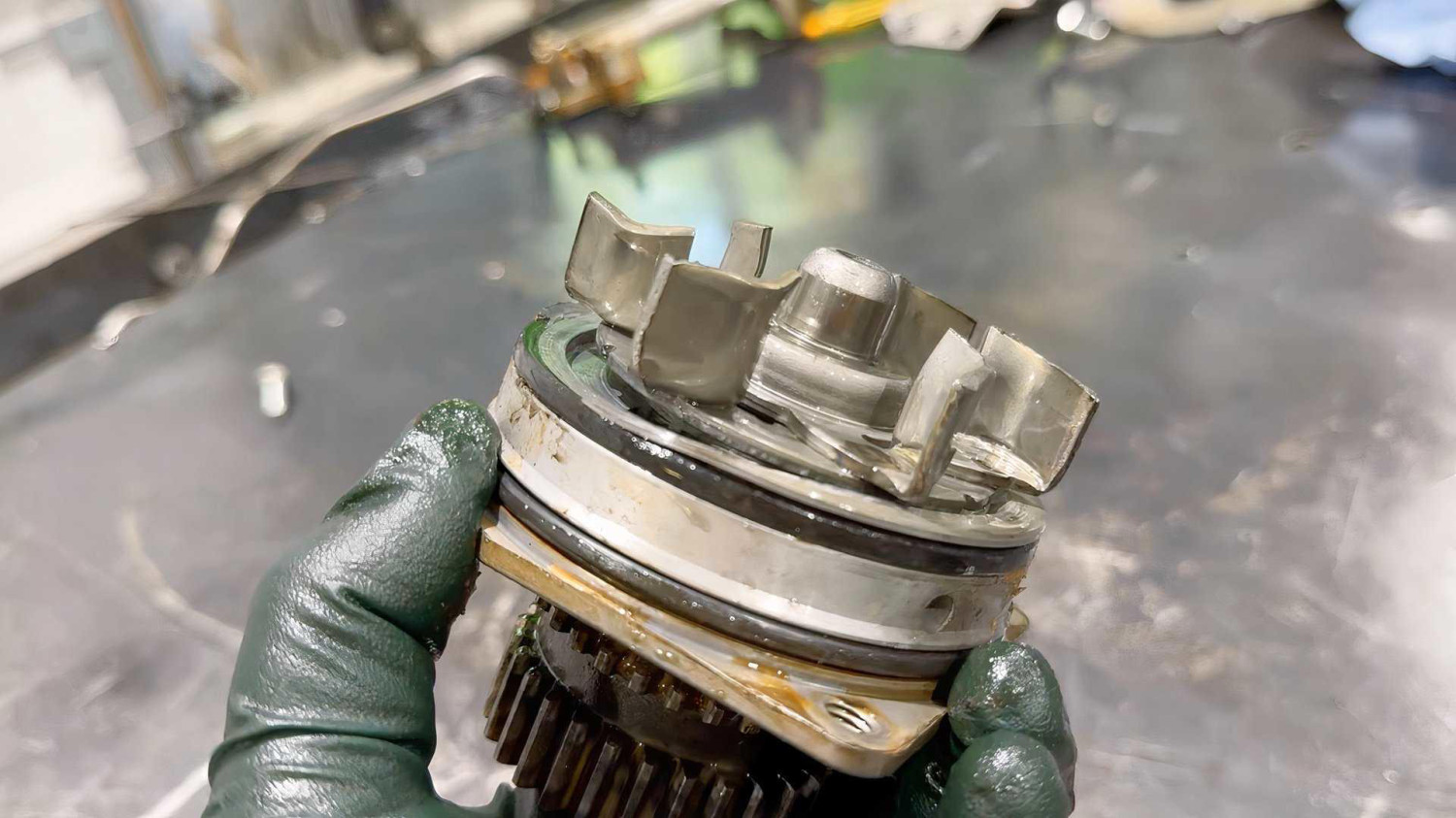


















Nissan's VQ series of V6 engines have proven themselves to be rugged and dependable over the past 20+ years. Up until 2008, it won 14 Ward's Best Engine awards in a row. Nissan is a different company now, but there's been little cause for concern about its engines... until now.Eric at our favorite YouTube engine teardown channel, I Do Cars, has run up a red flag over the VQ38DD pulled from a 2022 Nissan Frontier with 120,000 miles. It suffered a catastrophic engine failure, and according to Eric, "the culprit here will likely become an infamous failure." By the end of this teardown video, he has a very clear picture of what happened, and why it will probably happen to other Frontier owners, too.Youtube/I Do Cars It Always Comes Down to Maintenance The VQ38DD engine is a 3.8-liter version of the VQ series with direct-injection and arrived for the 2020 model year. Until recently, it was only in the Frontier pickup truck, but has found its way recently into the Nissan Armada (or Patrol for most non-US markets). CarBuzz has driven the Frontier a few times since the latest generation dropped in 2020; the 310-horsepower engine with 281 pound-feet of torque is excellent and more than capable for the truck. However, we road test new cars. We aren't privy to how these engines may (or may not) function a few years down the road.Essentially, the failure in this particular engine comes down to the water pump. At 120,000 miles, water pumps can fail and if it's caught quickly, the problem doesn't need to become a catastrophic failure. In fact, the chances of a water pump failing if the coolant is replaced at the correct intervals are slim.Typically, the water pump is a part bolted onto the outside of the engine. However, the VQ38DD's water pump is internal, meaning it's inside the engine. And when it fails, it can damage the block beyond repair. That is what happened in this case. And in spectacular fashion, no less. Not A New Way Of Doing Things Youtube/I Do Cars Internal water pumps aren't new, or new to Nissan. But they're not exactly common because burying something that will likely need to be replaced at some point deep in the engine isn't customer-centric engineering. The usual fix by engineers for an internal water pump is to create an access cover. This is where the real problem emerges – the VQ38DD doesn't have an access port. So, when the pump fails, the engine has to be pulled apart.Here's the real gut-punch, though. The previous Nissan V6 engine – the 4.0-liter VQ40 – did have an access port. According to Eric, that water pump replacement job was about a 2.5-hour process according to official "book" labor times. On the VQ38, which doesn't have an access port, it's apparently way more complicated. Specifically, it becomes an 11-hour job, according to I Do Cars. With a national average rate for shop labor being around $200 and the price of a new water pump, Eric points out this water pump replacement jumps from $700 to over $2,200. Ouch.Call it bean counting or call it engineering by spreadsheet, but eliminating the access port likely saved Nissan a small bit of money per engine. However, that translates into a lot of work later if a water pump needs replacing. And water pump failures are common enough on all engines to figure it's really a case of when, not if, the VQ's pump needs to go. And for the 3.8-liter engine, it costs owners way more than it used to.Youtube/I Do Cars Spread Nissan's minor savings out over a million engines, and the company may have saved a million bucks. That's all speculative, of course, but such cost-cutting measures have existed among most every automaker since cars first rolled off assembly lines. In Nissan's case, it's trying to keep its head above water, but the result is the same – someone else eats the cost further down the road.So before you plunk down some cash on that used 3.8-liter Frontier, you may want to ask if the water pump has been replaced.Source: I Do Cars / YouTube