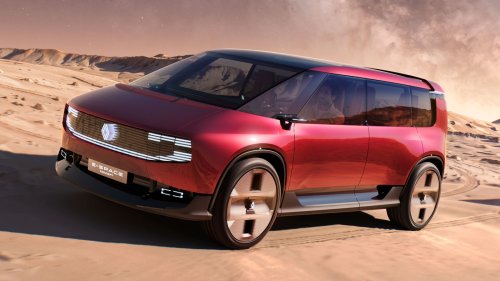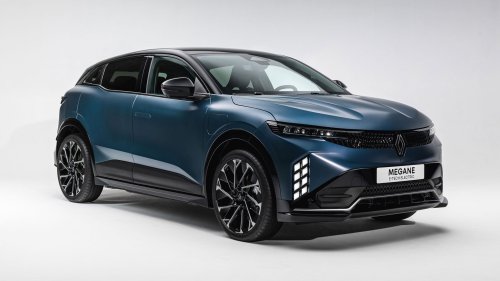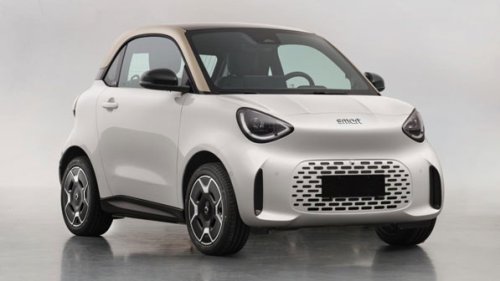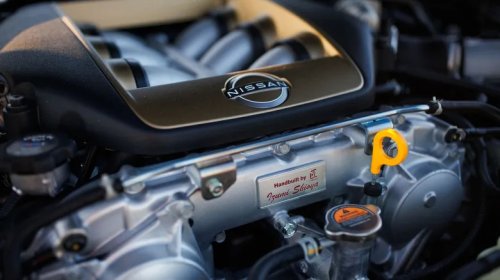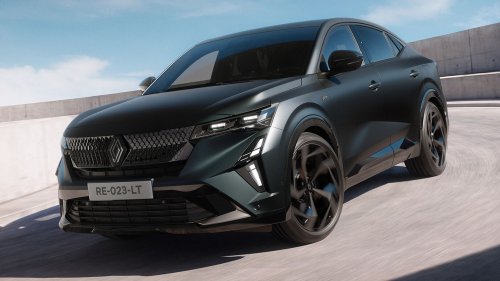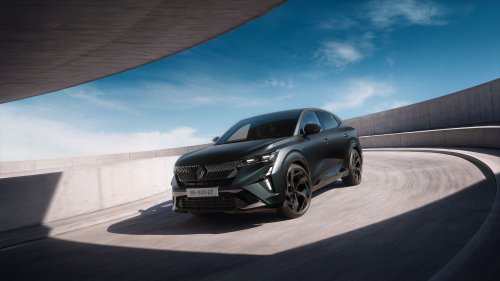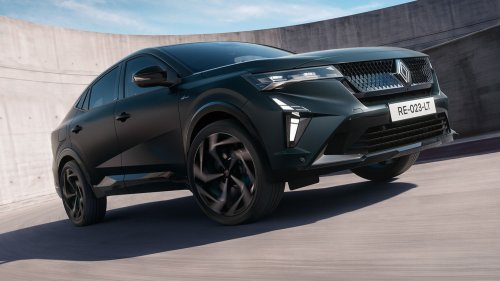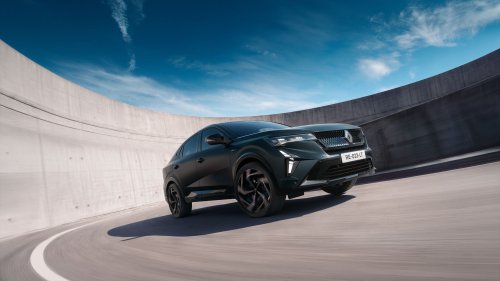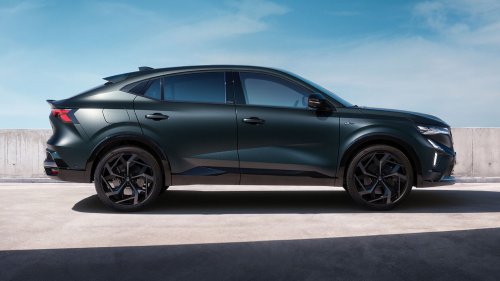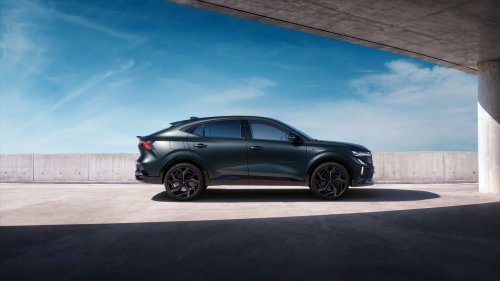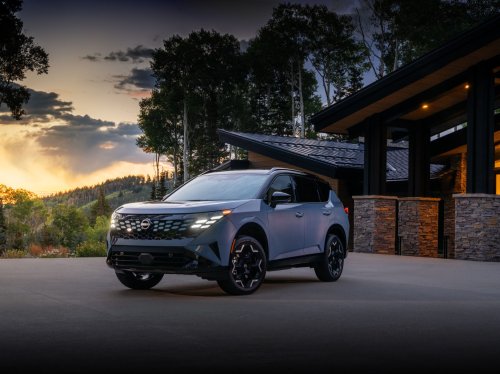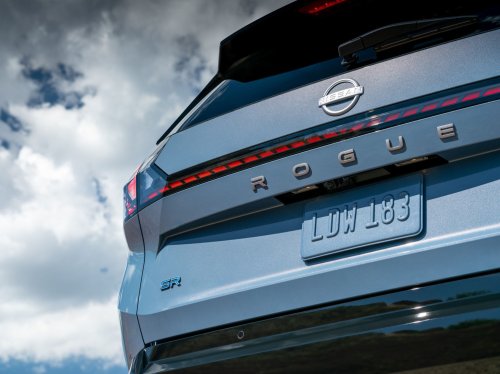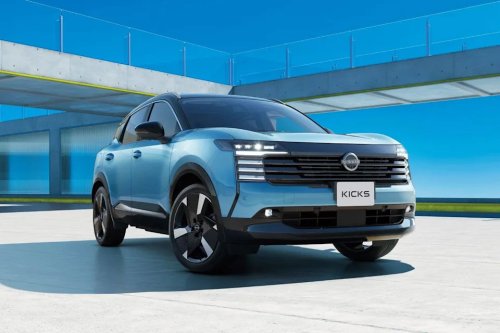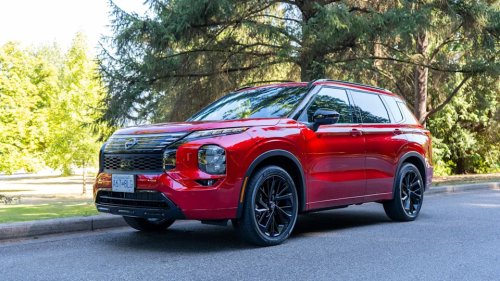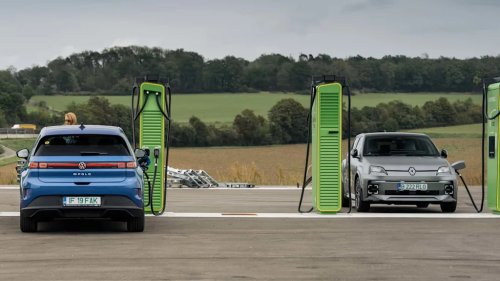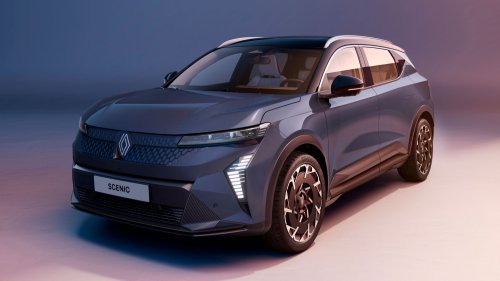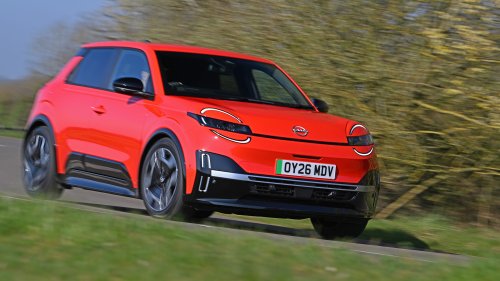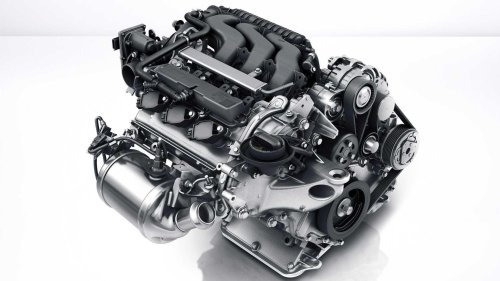
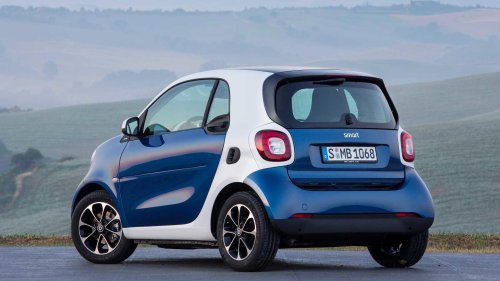
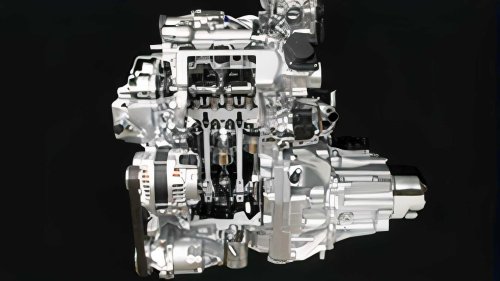
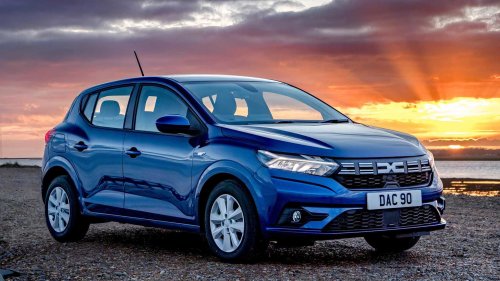
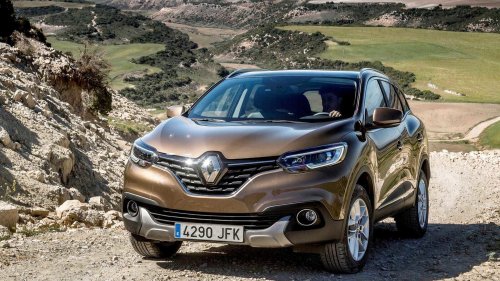
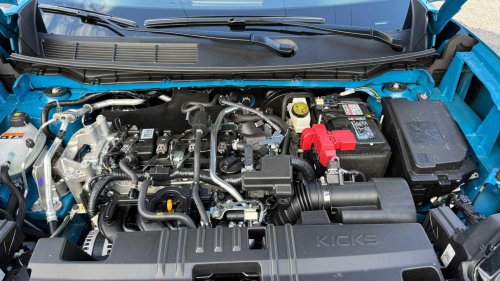



















Automakers commonly pool their resources together when developing mass-produced engines, primarily because it can hasten development times due to the extra minds and resources focusing on the project. In addition, the development costs can be shared between multiple parties, making the whole thing more affordable and less of a financial risk for those involved. Plus, drivers who own the lower-end cars these engines sometimes feature in don't really care if vehicles from another brand share the same powerplant, so the approach makes sense.Nissan kicked off the HR engine program with help from Renault in the early 2000s, with the engine remaining in production to this day. The unit that resulted is one of the most versatile in the automotive world. The Nissan HR Family Was Developed To Succeed In Small And Cheap Offerings smart The story of the Nissan HR engine tracks all the way back to 2004, when a four-cylinder engine made its debut in the likes of the Nissan Note and Tilda. The unit was developed by Nissan with help from Renault, with whom the brand had been involved in a technical partnership since 1999. As time passed, the need for a more compact and more efficient engine cropped up, primarily as emissions regulations started to tighten at the start of the 2010s.Nissan and Renault got to work on an evolution of the HR engine to meet these needs, and this resulted in the introduction of the HR12DE, which retained an inline-arrangement but now with three cylinders instead of four. Available in both naturally aspirated and supercharged form, only Nissan made use of it initially, with Renault eventually joining the party with an altered turbocharged version in 2012. It didn't take long for another automotive giant to come sniffing around, though. Mercedes-Benz Wanted A Slice Of The Action smart Needing a more efficient engine for the small vehicles offered by its Smart sub-brand, Mercedes-Benz felt the HR unit would act as the ideal base. It struck up a working relationship with Renault-Nissan and got to work on a development of the HR12DE, which ultimately made its debut in 2014. The engine has been continually developed and used in different formats ever since, and has proven useful for a range of different uses over the years. Compact And Efficient Nissan The HR engine was initially available in 1.2-liter form as the HR12DE, in both NA and supercharged formats. The advanced unit was envisioned to be very light from the outset, hence the decision to produce the block and cylinder heads from aluminum. When twinned with its small size, due to its 3.07-inch bore and three-cylinder layout, it proved ideal for smaller cars built with efficiency and low running costs in mind. To this end, the engine was equipped with variable valve timing, while the brands involved worked hard to keep friction in components like the cylinders, exhaust, and valves so as to minimize fuel loss and heat in equal measure.Mercedes was looking for a smaller unit when it got involved, so it led the charge to develop its M281 engine. Also known as the HR10DE in Nissan form, it was developed with a smaller 2.84-inch bore, which reduced total displacement to 1.0-liters. The NA engine has been utilized in Renault, Smart and Nissan offerings since its 2014 inception. Aside from the 2.84 and 3.07-inch bore arrangements, the HR has also been built in a 2.97-inch configuration, courtesy of a Renault-built unit introduced in 2022. The HR Engine Has Proven Itself An Extremely Adaptable Creation Dacia Nissan, Renault, and Mercedes' baby has positioned itself as an extremely versatile engine over the years, with it being built in NA, turbo, and supercharged forms for use in a range of different vehicles. These range from compacts like the Nissan Micra and Renault Clio, to larger SUVs such as the Nissan Serena and Renault Kiger. Its compact and light construction has also made it perfect for the trend towards efficiency in recent years, with later variants being twinned with electric motors in various Nissan models to create a hybrid powertrain.An engine such as the HR, or the Mercedes-branded M, is a must for brands these days, considering the strict emissions regulations currently. Thanks to the unit's forward-thinking design – which prioritized compactness and lightness well before it was cool – it has proven an ideal development bed for more modern engines that need some form of hybrid unit to cut it in the extremely hard-fought marketplace. The HR has proven a key ally for Renault, Nissan, and Mercedes so far, and there's no sign that its work is done anytime soon. Many Models Are Home To The Trusty HR I3 Engine Renault With three distinct formats of the HR having been developed over the years, which are further split up into NA, turbo, and supercharged units, it shouldn't come as a surprise to learn they've been featured in a wide range of machinery. Most of these cars were only available outside of the US though, with the limited number that were, such as the Nissan Note, only being offered with a four-pot stateside instead. The engine could be had in Mercedes M281 format however, under the hood of the third-gen Smart ForTwo that was offered in the US between 2014 and 2019.More recently, the engine has been included in foreign metal such as the Renault Espace MPV, the Renault Rafale mid-size SUV, as well as the French brand's Romanian budget spin-off marque Dacia's Bigster and Duster models. It was also found under the hood of Smart's larger ForFour offering, and the popular European Nissan Juke nameplate. Its Four-Pot Sibling Has Found Even More Favor In Modern Society Jared Rosenholtz/CarBuzz/Valnet Aside from the three-cylinder HR, the three brands have also worked closely in developing the four-cylinder version of the HR engine, which is named the M282 in Mercedes form. While it shares the same 2.84 and 3.07-inch bore layouts as the three-pot units, the extra cylinder affords the powerplant more grunt. This makes it better suited for larger cars that need to transport heavier loads, or simply need to be nippier.In this form, the unit can be had in models like the Mercedes A and B-Class offerings, as well as American imports such as the Nissan Kicks. Available in NA and turbocharged configurations like its smaller counterpart, the four-cylinder HR is designed to meet the same sort of targets as the three-pot by being as light and compact as a four-banger can possibly be. The only difference is that with a fourth cylinder on the scene, it's better suited for cars that need a bit of extra grunt.The three-cylinder engine is more efficient, but it lacks the outright power needed to do much more than standard commuting. The four-cylinder unit is also more refined, making it a superior option for cars developed to cover greater distances. That's why, other than a few examples like the Espace, the I3 tends to be found in smaller cars that spend most of their lives dancing through city streets.One thing is for sure, unless ICE engines can make another big step in terms of efficiency or EVs find a way to abolish their fossil-fueled competitors completely, it's likely the venerable HR-based series of engines will be with us for a while longer yet.Sources: Nissan.