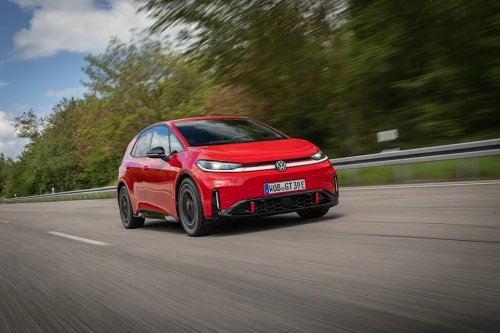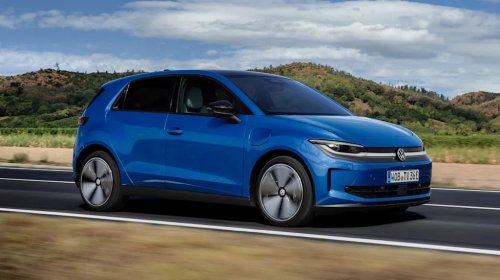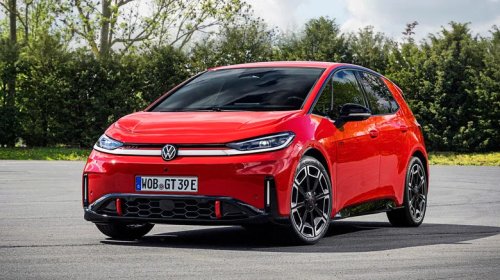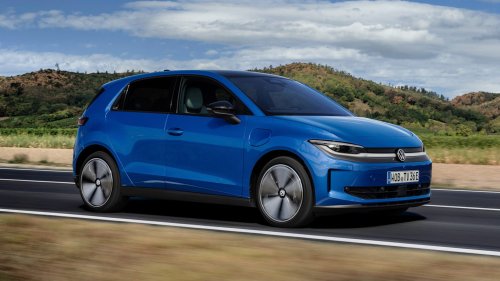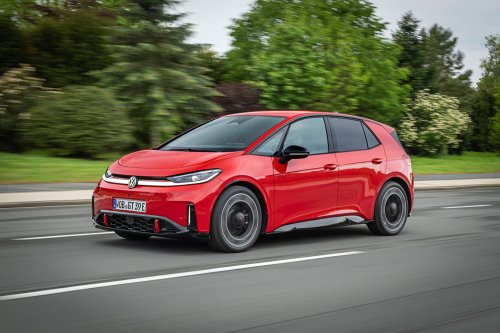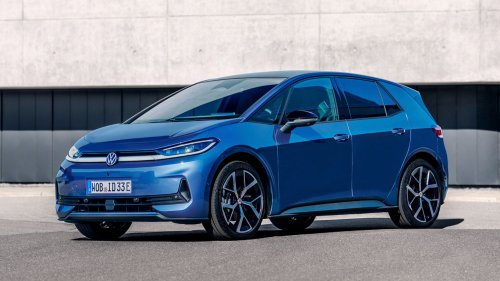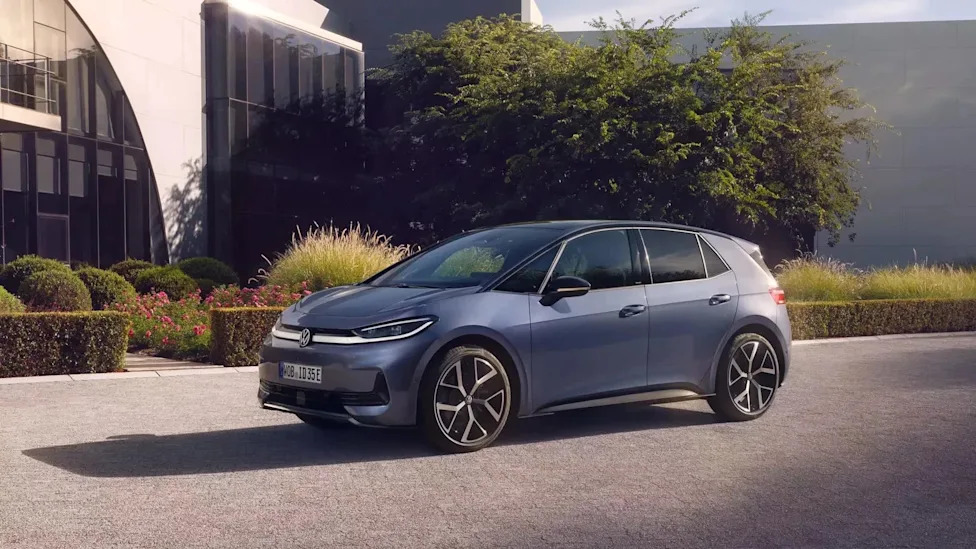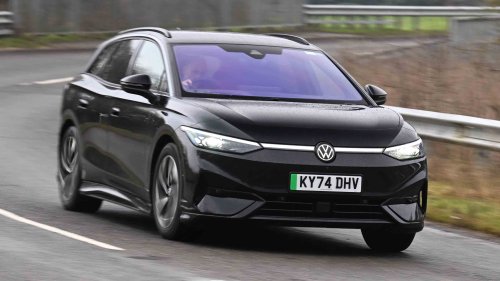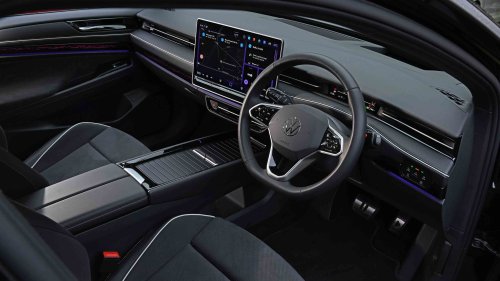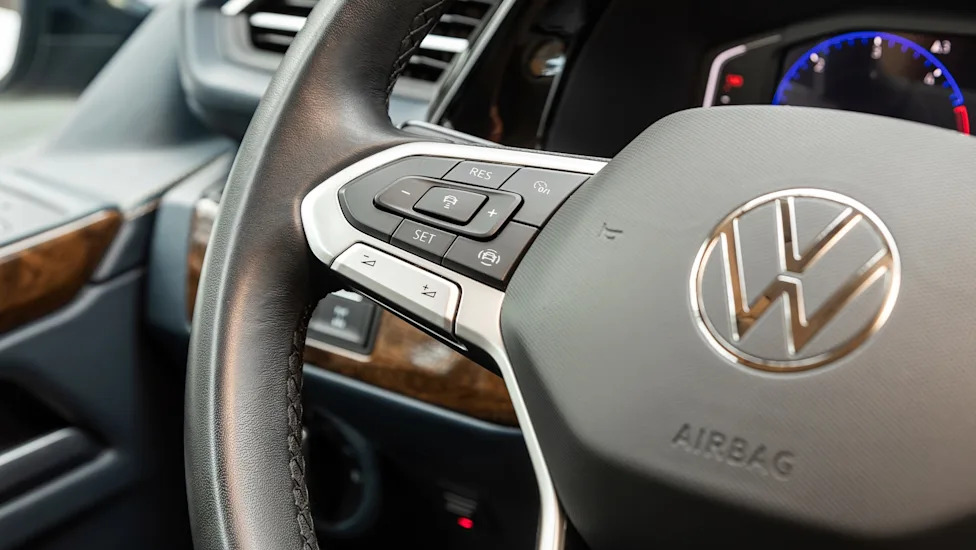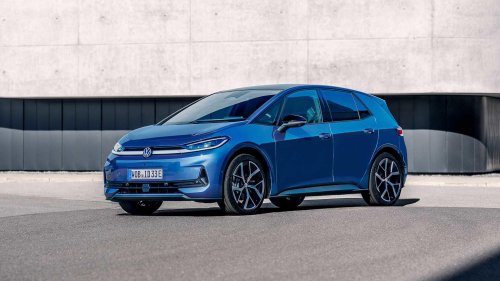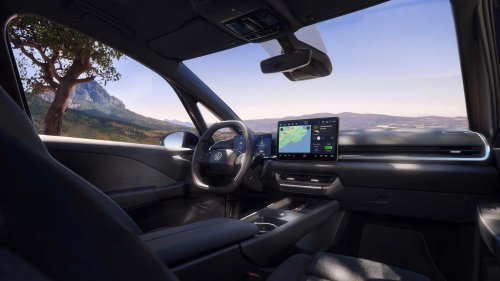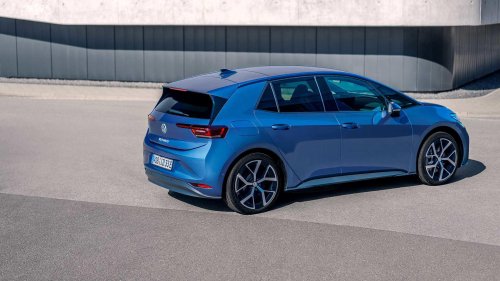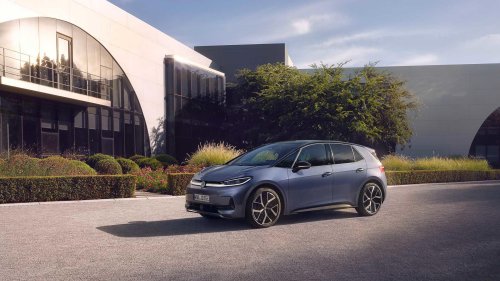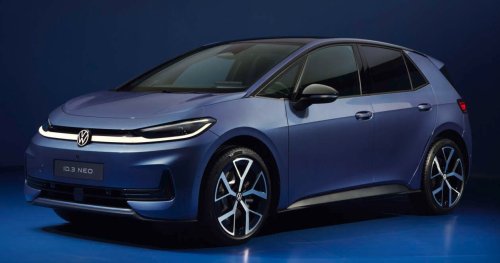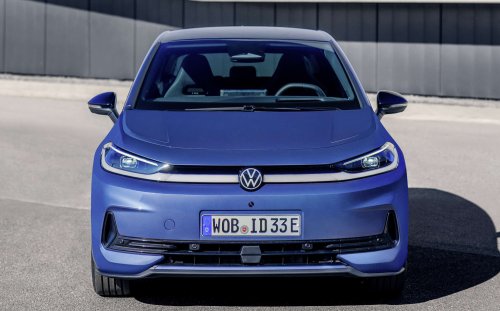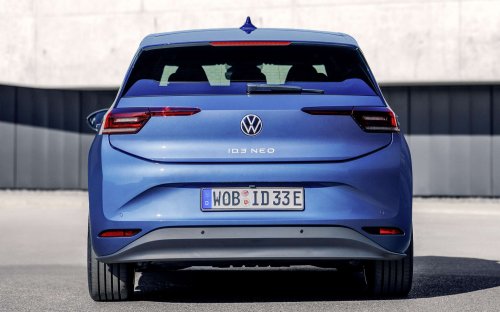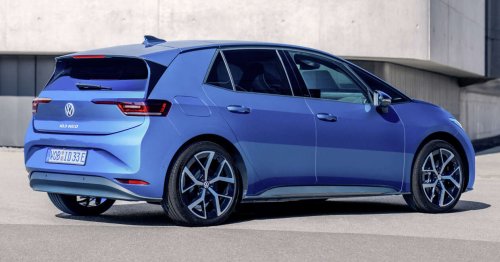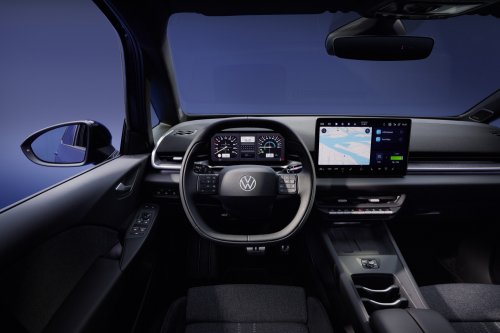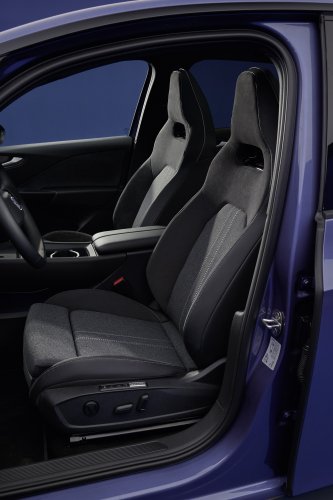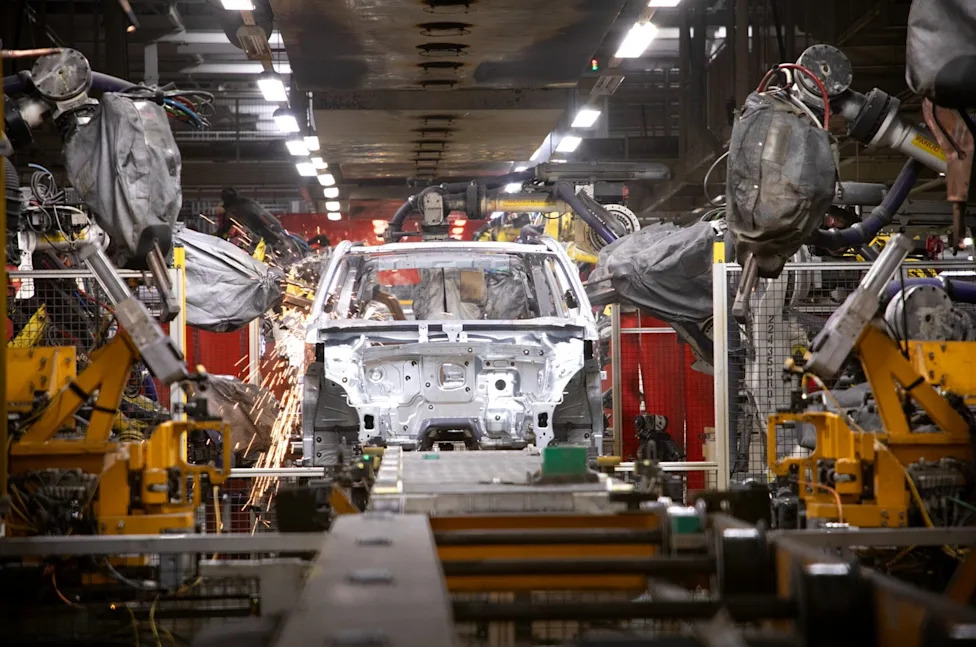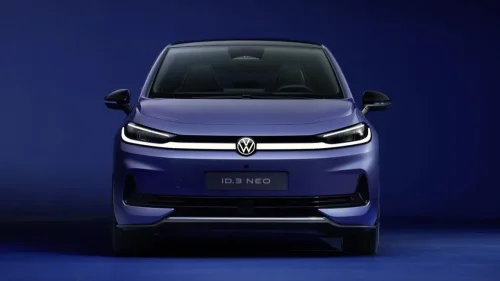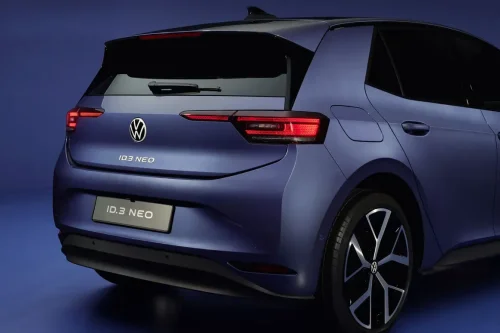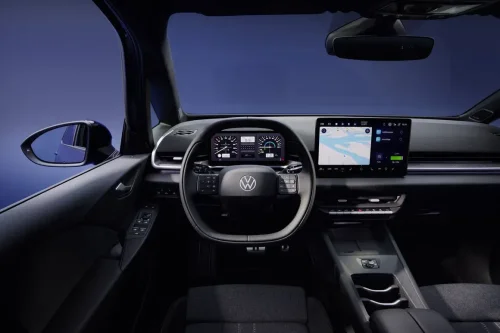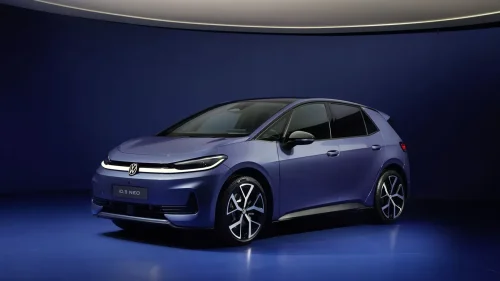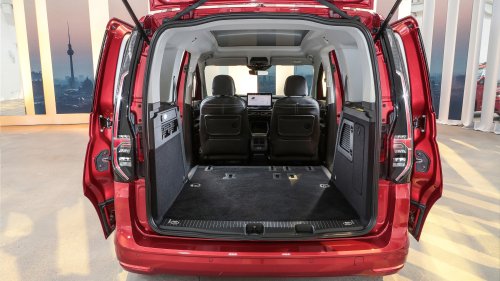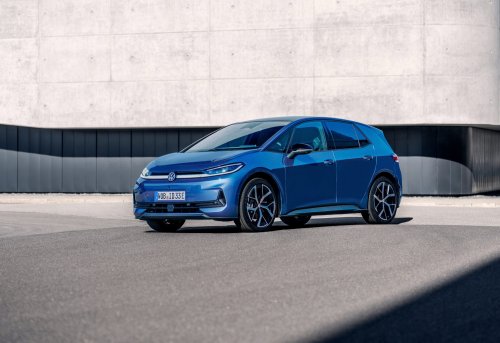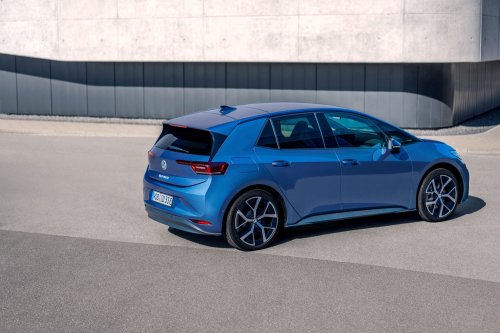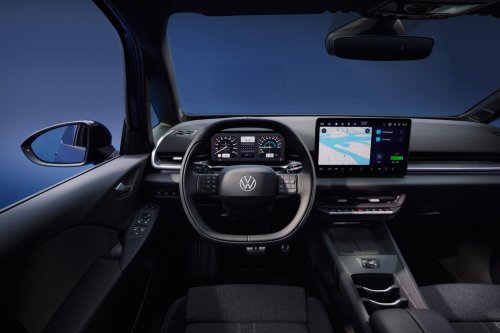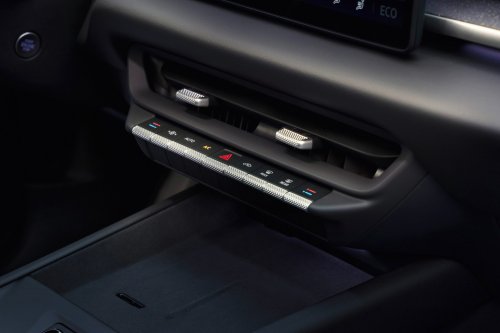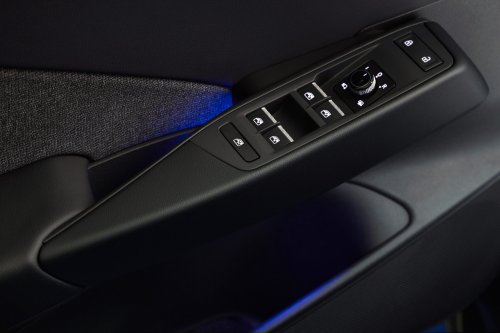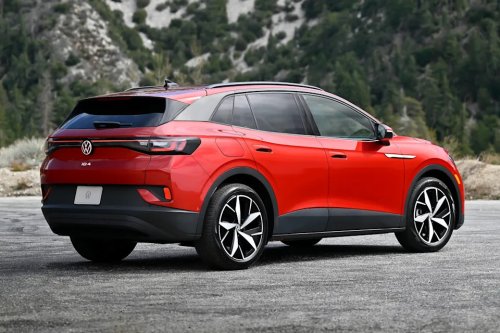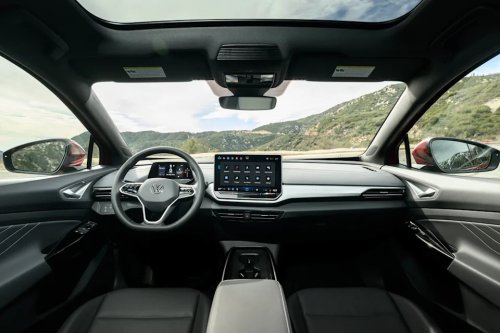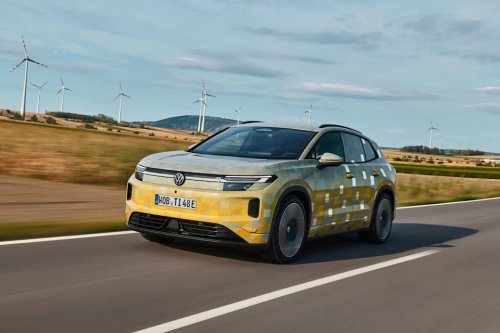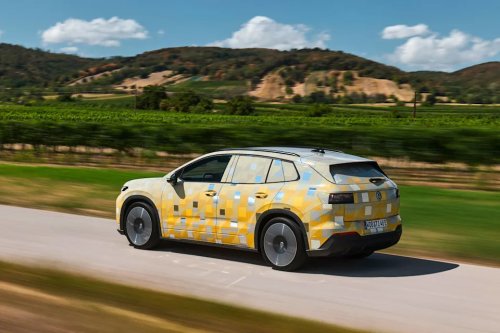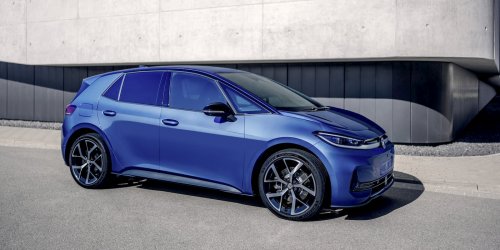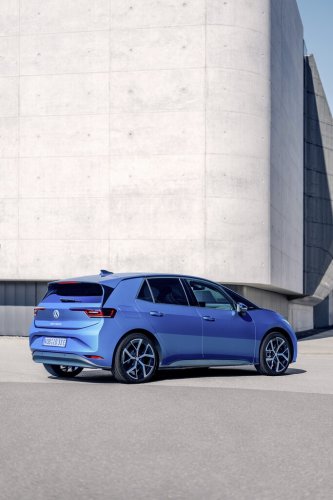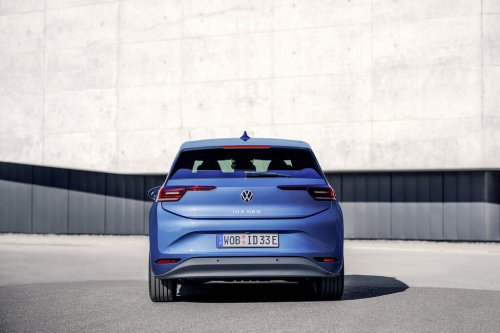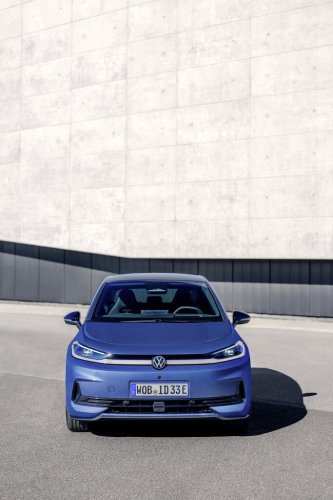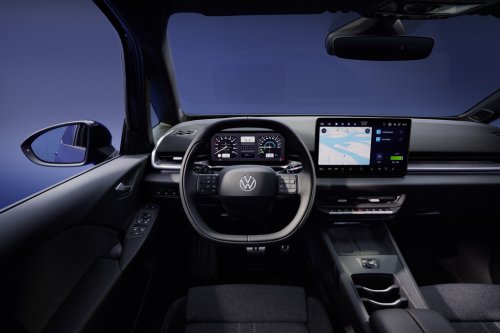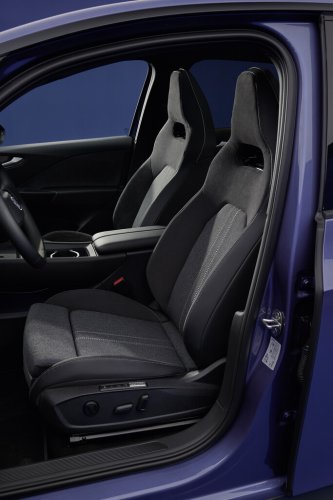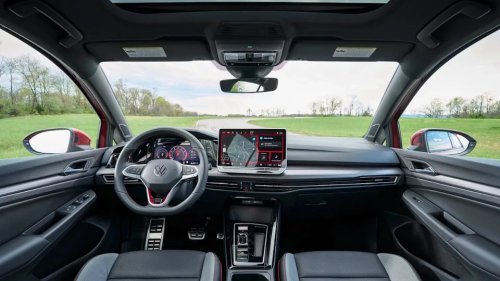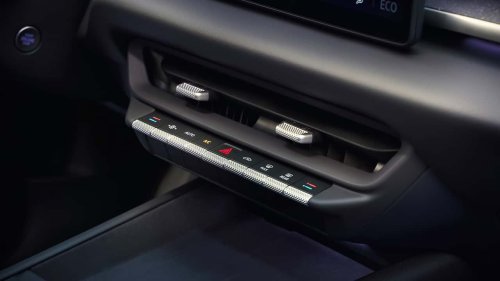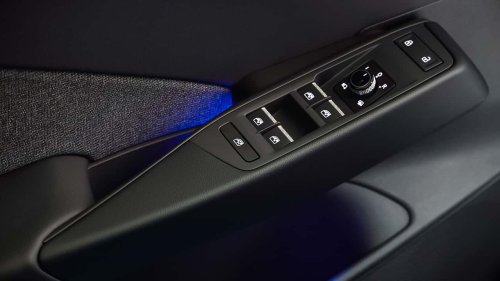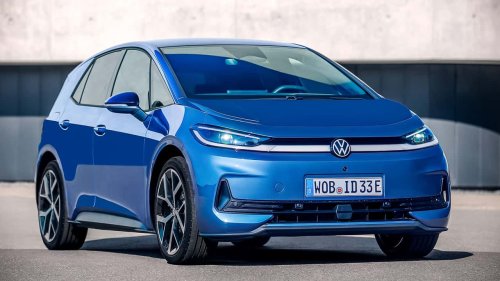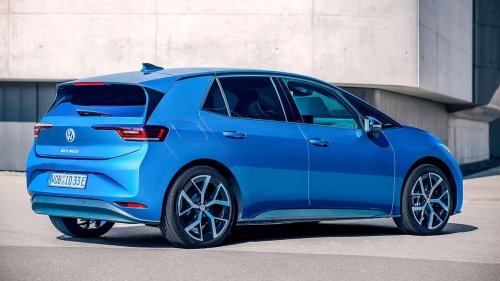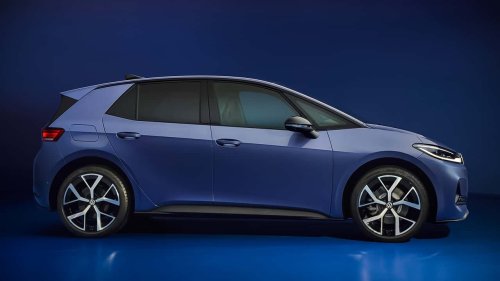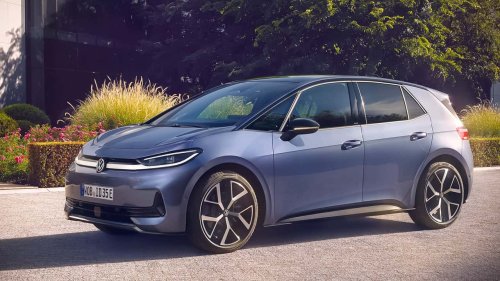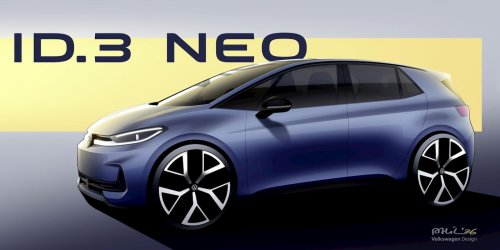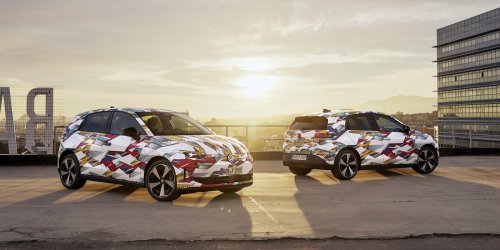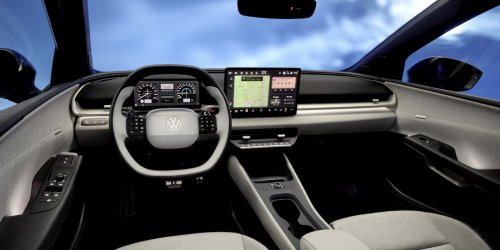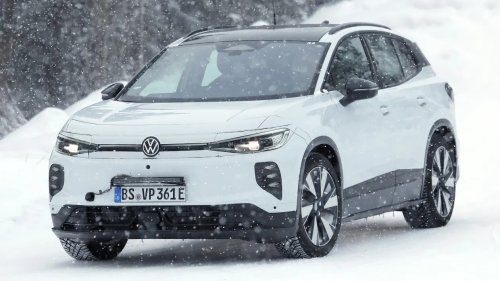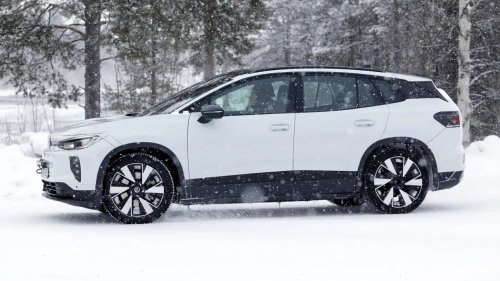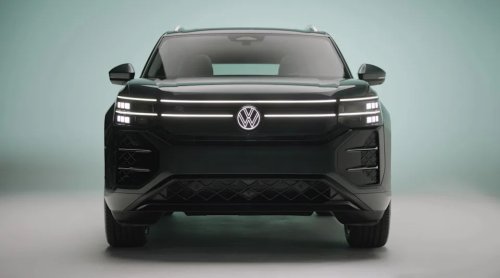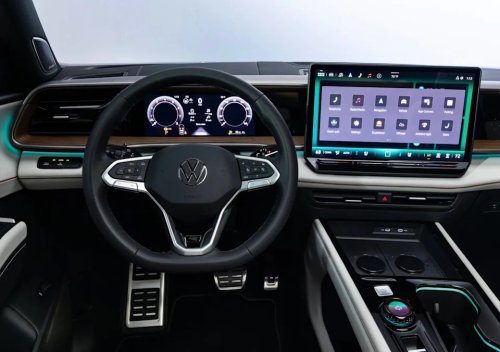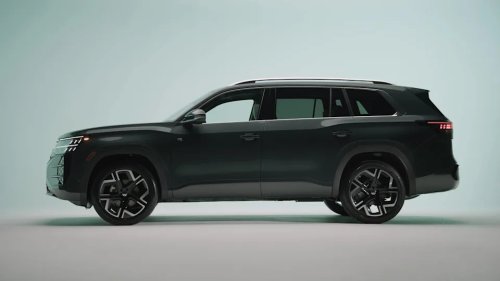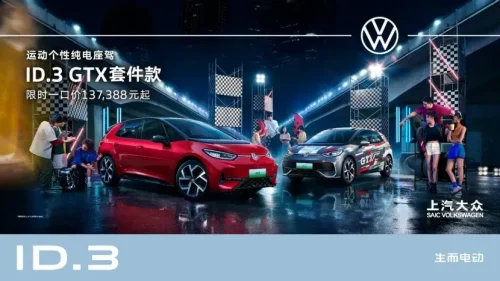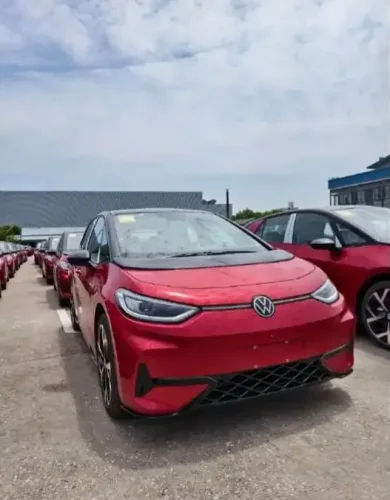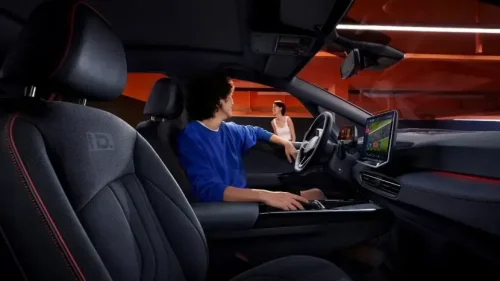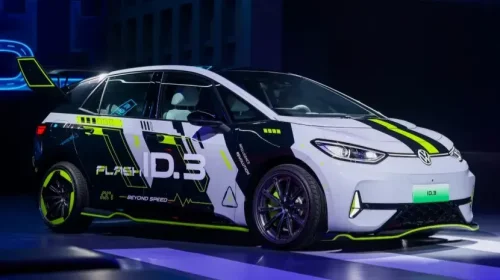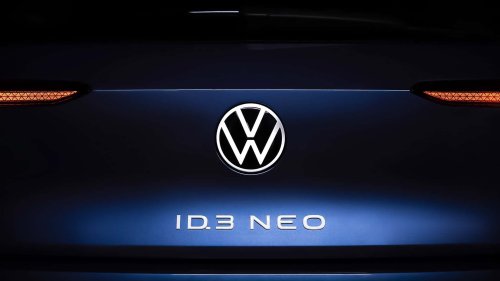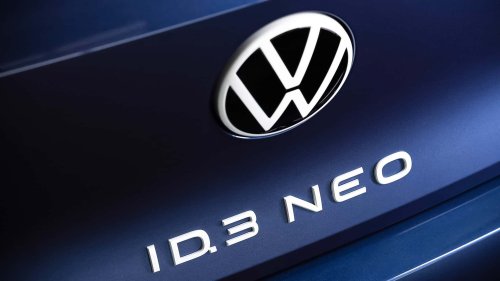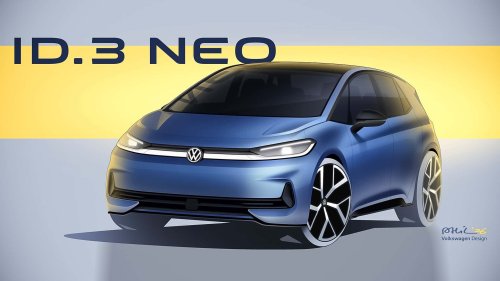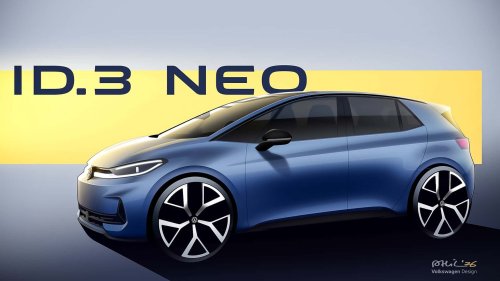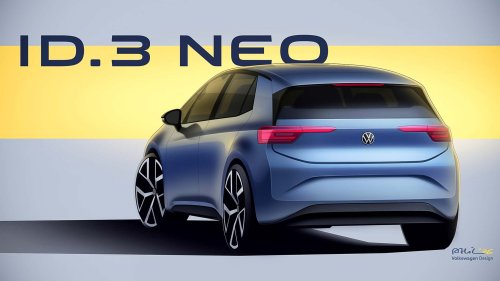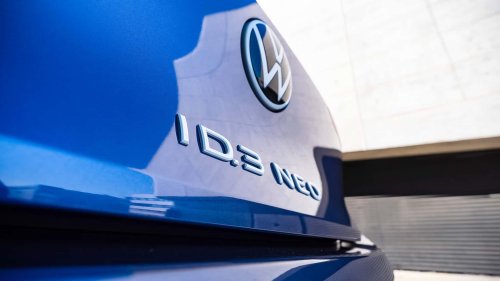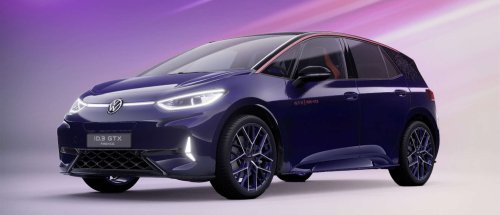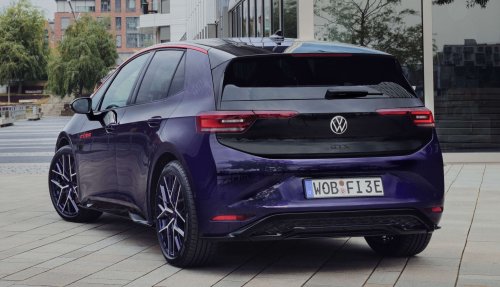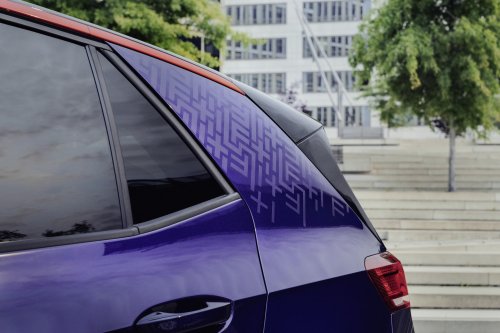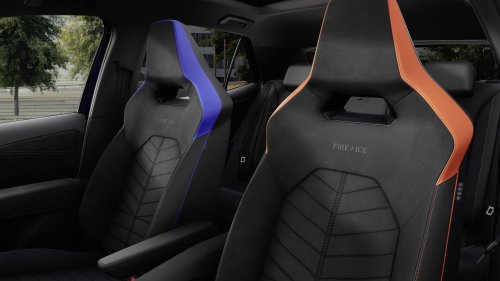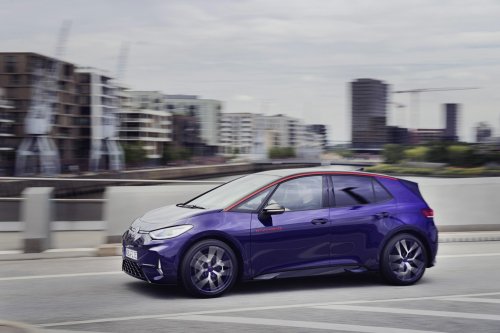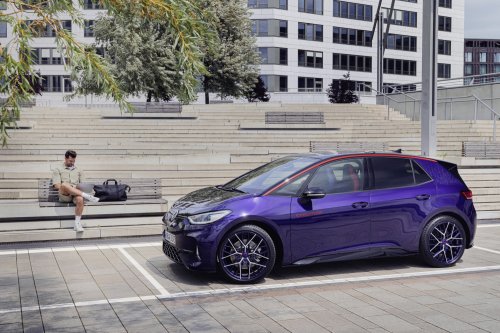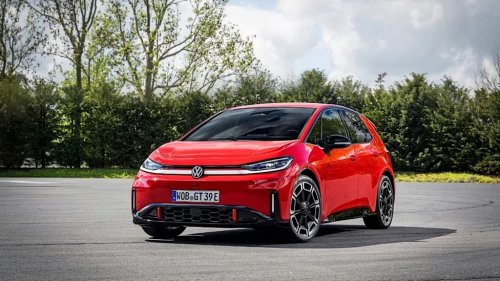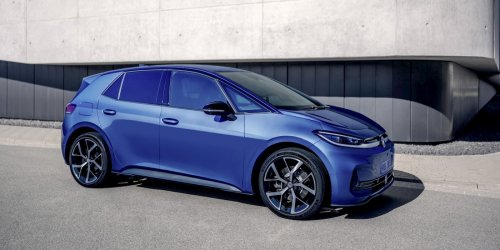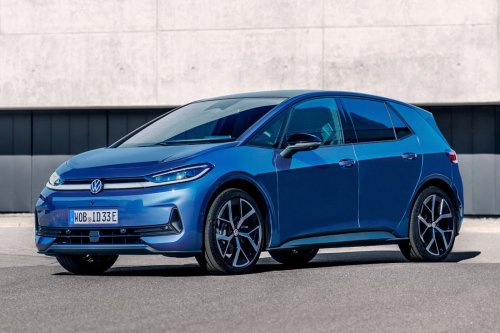
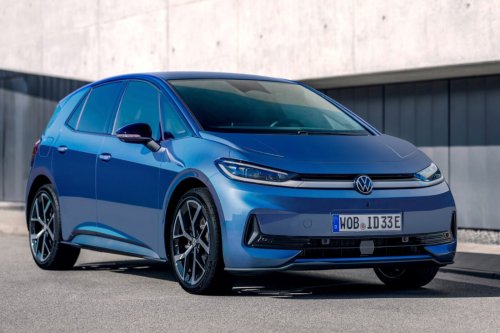
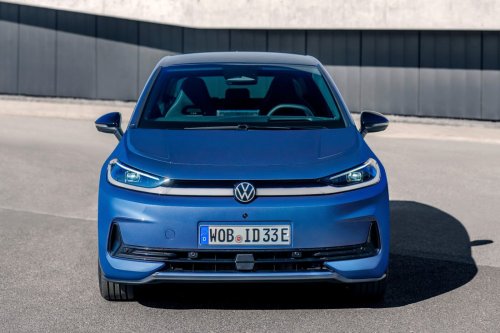
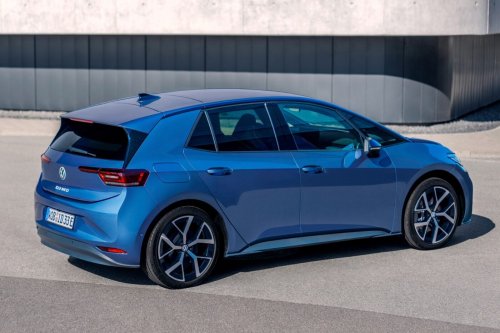
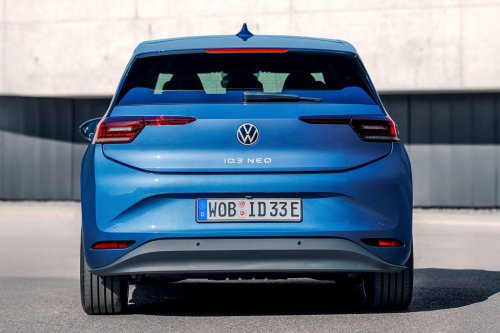
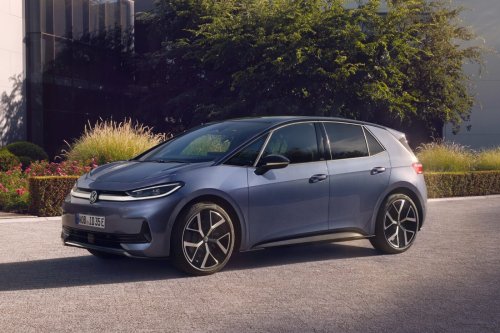
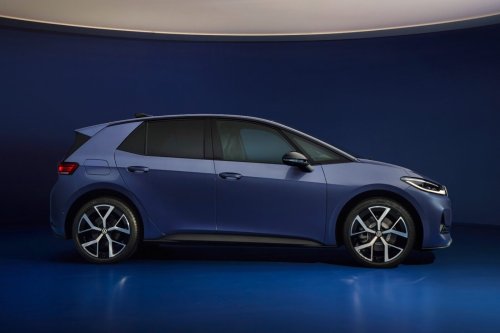
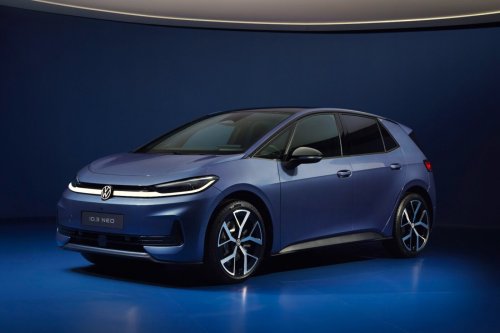
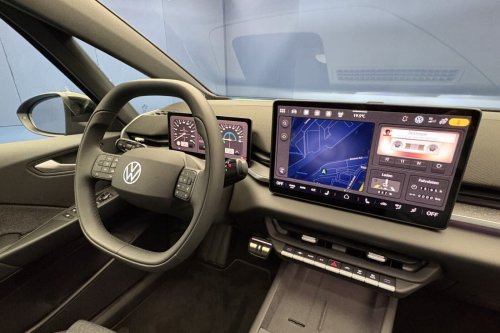
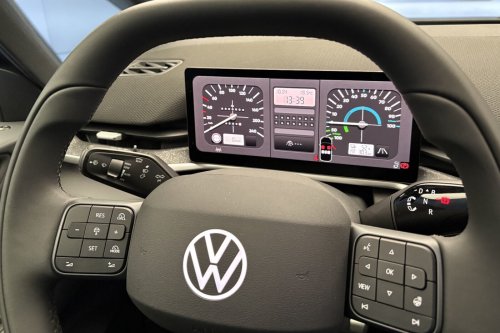
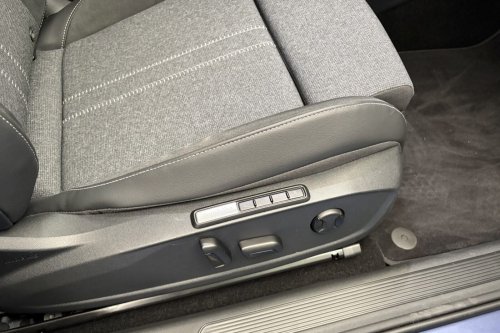
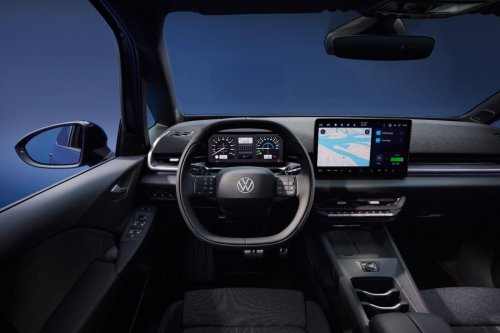
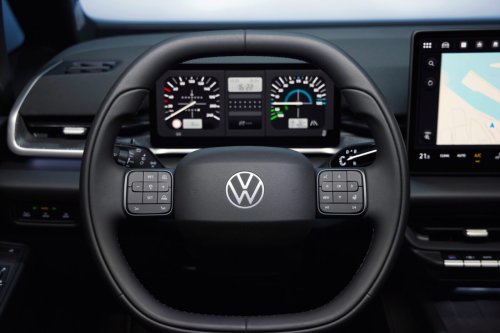
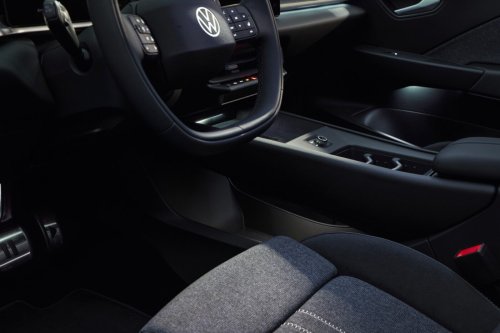
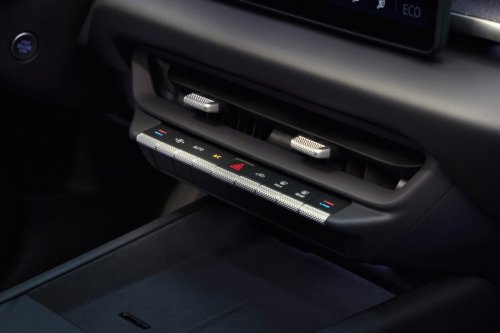
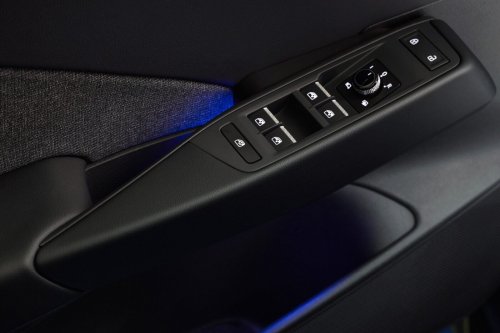
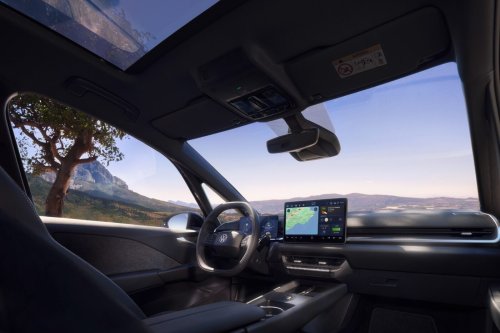
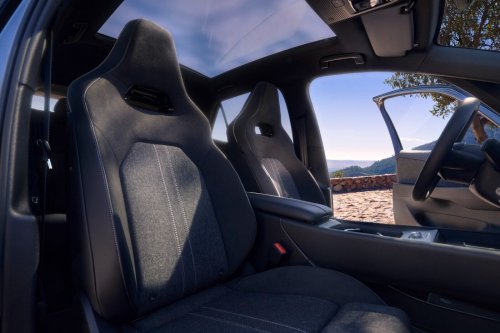



















Just days ago, Volkswagen invited media representatives to Hamburg, where the carmaker struck an unusually self-critical tone. Martin Sander acknowledged that the brand had lost focus on what matters most: the customer. Under the banner ‘True Volkswagen’, the company is now setting a new course – electric, of course.“In 2022, we took a clear decision in the Brand Board of Management: we were going to sharpen up the Volkswagen brand and once again consistently focus on our core virtues,” said Thomas Schäfer, CEO of Volkswagen Passenger Cars and Head of the Core Brand Group. He added: “Starting in 2026 with the debut of the new ID. Polo, new ID. Cross and new ID.3 Neo, we are launching the first electric product lines that reflect this new Volkswagen philosophy and will enrich the small car and compact class.”The ID.3 is set to play a key role in this strategic shift, with around 78,000 customers across Europe opting for it in 2025 alone. In Germany, it even ranked second among battery-electric vehicles, just behind the ID.7. However, the compact electric car faced significant criticism at its market launch, not only for its design but also its usability. In particular, the touch buttons on the steering wheel and the climate control system came under fire. Even the first facelift three years ago did not resolve all these issues.Now, Volkswagen has comprehensively further developed and enhanced the ID.3. As part of the new brand strategy ‘True Volkswagen,’ which aims to refocus the brand on classic VW virtues such as ‘a new design language, visible and tangible quality, technologies at the level of the next higher class and intuitive operation,’ a new evolutionary stage of the compact all-rounder has emerged. It also comes with a new name: ID.3 Neo.New front end, familiar side profileThe newly designed front end follows the Pure Positive design language recently defined by Andreas Mindt, Head of Design for the Volkswagen brand and the Group. It is intended to create a clear link to other new electric Volkswagen models, such as the ID. Polo and ID. Cross. At the same time, the ID.3 Neo visually moves closer to the Golf, even if Volkswagen does not explicitly state this. Image: Volkswagen Image: Volkswagen Image: Volkswagen Image: Volkswagen Image: Volkswagen Image: Volkswagen Image: Volkswagen Image: VolkswagenThe most noticeable update is at the front: the new LED headlights are significantly slimmer and connected by a wide, glass-covered light strip, illuminated along its lower edge depending on the trim level. In this configuration, the VW logo is also illuminated. The mid and lower sections of the front end have been redesigned as well. Unlike before, the openings for the drivetrain and cooling now extend far into the sides of the bumper, where the ACC radar sensor is also housed.In profile, the new ID.3 Neo appears more elongated and dynamic, even though the side sections remain largely unchanged apart from new wheel designs. The effect is mainly due to a revised colour concept: unlike the predecessor, the roof, roof spoiler and windscreen frame are now finished in the body colour.The tailgate, previously always black, is now also painted to match the exterior. With this, Volkswagen is deliberately aligning the model more closely with its classic compact cars. The rear itself, however, remains unchanged.Interior with tangible and visible improvementsVolkswagen appears to be following through on its promises – particularly in the interior, at least at first glance. The entire cockpit layout, including the centre console and tunnel, has been completely redesigned.A key improvement is the addition of a dedicated climate control panel with haptic toggle switches – unlike in the facelifted Cupra Born. This directly addresses one of the main criticisms of the previous interior. The new multifunction steering wheel also features haptic controls, and overall, the materials and controls give a more premium impression.The interior materials no longer come across as a plastic-heavy environment. Instead, many surfaces are now finished in fabric or feature soft-touch padding – including the redesigned centre armrest and sections of the door panels.However, it is likely that not all of these upgrades will be available in the entry-level version. Image: Daniel Bönnighausen Image: Daniel Bönnighausen Image: Daniel Bönnighausen Image: Volkswagen Image: Volkswagen Image: Volkswagen Image: Volkswagen Image: Volkswagen Image: Volkswagen Image: VolkswagenThe displays in the dashboard have also been enlarged and are now standard. The driver information display – referred to by Volkswagen as the ‘Digital Cockpit’ – has grown significantly to 10.25 inches. It offers various views, including the integration of the optional navigation map. Using the ‘View’ button on the steering wheel, drivers can also switch to a retro-style layout, reminiscent of the instrument graphics found in late-1980s Golf models.The infotainment system, now branded ‘Innovision’, has been completely redeveloped and is based on Android. It replaces the previous ‘Discover’ setup and is operated via a 12.9-inch touchscreen, with graphics and layout similar to models such as the ID.7 and the current Golf.Initial impressions point to a more responsive and intuitive system. As before, the ID.3 Neo offers route planning with charging stops and automatic battery preconditioning, although a manual battery heater function appears to be missing. New, however, is the V2L (Vehicle-to-Load) feature, which is available from the base version.With the new software generation, Volkswagen is also bundling its ‘VW Connect’ package free of charge for ten years from first delivery. It includes a range of features that were previously part of the paid ‘VW Connect Plus’ service – such as the IDA online voice assistant, navigation services, a digital vehicle key, charging functions and various remote services.As before, the ID.3 Neo is optionally available with an augmented-reality head-up display, projecting key driving information into the driver’s field of vision. It also integrates active navigation from a smartphone via Apple CarPlay or Android Auto into the AR display – a feature that remains far from standard.Space remains similarSpace utilisation and interior room remain largely unchanged – unsurprising given that the dimensions have barely shifted despite the extensive updates. The ID.3 Neo continues to measure 4.26 metres in length, 1.81 metres in width and around 1.55 metres in height, with a wheelbase of just under 2.77 metres.Boot capacity also remains the same: 385 litres with the asymmetrically split rear seats in place, increasing to 1,267 litres when folded down. Optionally, the model can be equipped with a mount for a bicycle carrier with a maximum support load of 75 kilogrammes. A factory tow hitch, however, is still not available.Mostly new technology under the bonnetThe most significant updates, however, take place beneath the surface. The ID.3 Neo is now based on the further-developed MEB+ platform, an evolution of Volkswagen’s existing electric architecture announced earlier.Unlike the front-wheel-drive models ID. Polo and ID. Cross, the ID.3 Neo continues to use the rear-wheel-drive configuration of the MEB+ platform.Volkswagen is also introducing new drivetrain technology with the ID.3 Neo. The model will use the newly developed APP350 motor, replacing the previous APP310 in variants up to 170 kW. The upcoming range-topper, the ID.3 GTI, is set to feature the more powerful APP550.Both drive units are permanently excited synchronous machines, with their designation referring to maximum torque in Newton metres. Compared to the APP310, the APP350 offers improved efficiency, which should translate into lower energy consumption and, on paper, a higher range with a similar battery size.Earlier announcements, such as the introduction of the new Cupra Born and the planned LFP batteries for the Ford Explorer and Capri, had already hinted at the direction Volkswagen was taking with its revamped compact electric vehicle. At launch, the ID.3 Neo will be available in three trim lines, three power levels, and three different battery sizes.Depending on the configuration, the electric motor delivers 125, 140, or 170 kW. The mid-range variant is thus 10 kW less powerful than before. The 125 kW drive is combined with a new LFP battery with a net energy content of 50 kWh and forms the standard configuration of the ID.3 Neo Trend. Previously, this variant was paired with a 52 kWh NMC-based battery.The ID.3 Neo Life and ID.3 Neo Style will be offered either with the 140 kW version and a 58 kWh LFP battery or with the 170 kW drive and the familiar 79 kWh battery with NMC cell chemistry. Previously, batteries with 59 kWh and 79 kWh were used, with the smaller variant still based on NMC cells. Volkswagen has not yet provided figures for top speeds.TrendLife/StyleDriveRWDRWDPower125 kW140/170 kWTorque350 Nm350 NmBattery (net)52 kWh58/79 kWhWLTP range471 km494/630 kmDC charging power105 kW105/183 kWDC charging time 10-80%approx. 26 min.approx. 29/26 min.AC charging powerN/AN/AAC charging time 10-100%N/AN/AVolkswagen is still holding back on some key technical details, as charging times and WLTP range figures remain provisional.Based on current information, the 50 and 58 kWh battery variants are expected to support DC charging at up to 105 kW. The larger 79 kWh battery is set to reach a peak charging power of up to 183 kW – slightly below the previous figure of 185 kW.Depending on the battery version, DC charging from 10 to 80 per cent is expected to take around 26 to 29 minutes, according to Volkswagen. For the entry-level battery, VW specifies 26 minutes, while the 58 kWh version is expected to take 29 minutes for the same charging window. Despite the slightly lower peak charging power, the 79 kWh battery is also projected to complete the 10 to 80 per cent charge in 26 minutes.Volkswagen states the WLTP range of the ID.3 Neo with the 50 kWh battery at up to 417 kilometres. The 58 kWh version is rated at up to 494 kilometres, while the 79 kWh battery is expected to deliver up to 630 kilometres.For comparison, the predecessor achieved up to 383, 429 and 564 kilometres respectively. This indicates that Volkswagen is targeting significantly higher range primarily through more efficient drive systems and detailed optimisations, rather than major changes to battery capacity.Volkswagen reorganises trim line-upAlongside the technical updates, Volkswagen is also reorganising the ID.3 range. With the launch of the ID.3 Neo, the previous trim levels ‘Pure’, ‘Pro’ and ‘Pro S’ will be replaced by the brand’s more familiar ‘Trend’, ‘Life’ and ‘Style’ designations.Even the entry-level ID.3 Neo Trend comes with a broad range of standard features. These include the ‘IDA’ voice control system with ChatGPT integration, ‘App Connect Wireless’ for Apple CarPlay and Android Auto, an auto-dimming interior mirror, ‘Keyless Start’ and automatic climate control.Heated steering wheel functionality is available as an on-demand feature rather than standard – a somewhat surprising choice. In addition, numerous driver assistance systems are included as standard, such as adaptive cruise control (ACC), traffic sign recognition, ‘Lane Assist’ and ‘Front Assist’ with pedestrian and cyclist detection.The new ID.3 Neo Life will also leave the VW plant in Zwickau, Germany, with features such as 18-inch alloy wheels, inductive smartphone charging, a two-zone automatic climate control system (‘Air Care Climatronic’), a rear-view camera, and a proactive occupant protection system. Furthermore, upgraded upholstery materials will enhance the interior.However, it is only the top trim line ‘Style’ that comes with the aforementioned ‘IQ.LIGHT’ LED matrix headlights, including an illuminated VW logo at the front, and the dynamic high-beam assistant ‘Dynamic Light Assist’ as standard. LED rear lights, a theft alarm system, 30-colour ambient lighting, steering wheel and seat heating, as well as the navigation function, are also part of the extended standard equipment in this version. For the ID.3 Neo Style, progressive steering and adaptive chassis control (DCC) are available as optional extras. Volkswagen has not yet disclosed pricing.Pre-sales are set to begin later this month, with the market launch scheduled for July.