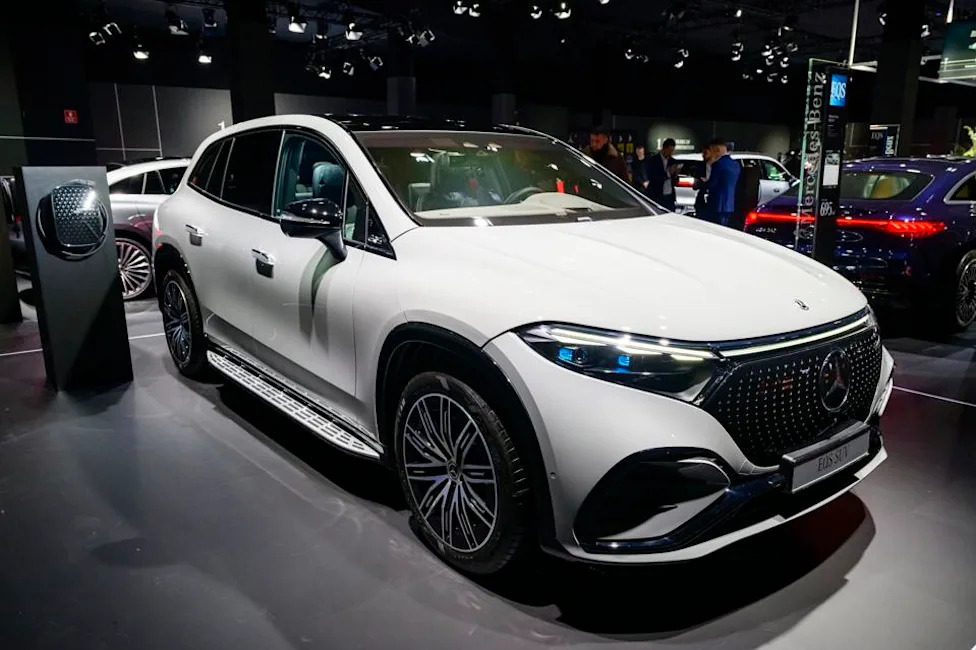
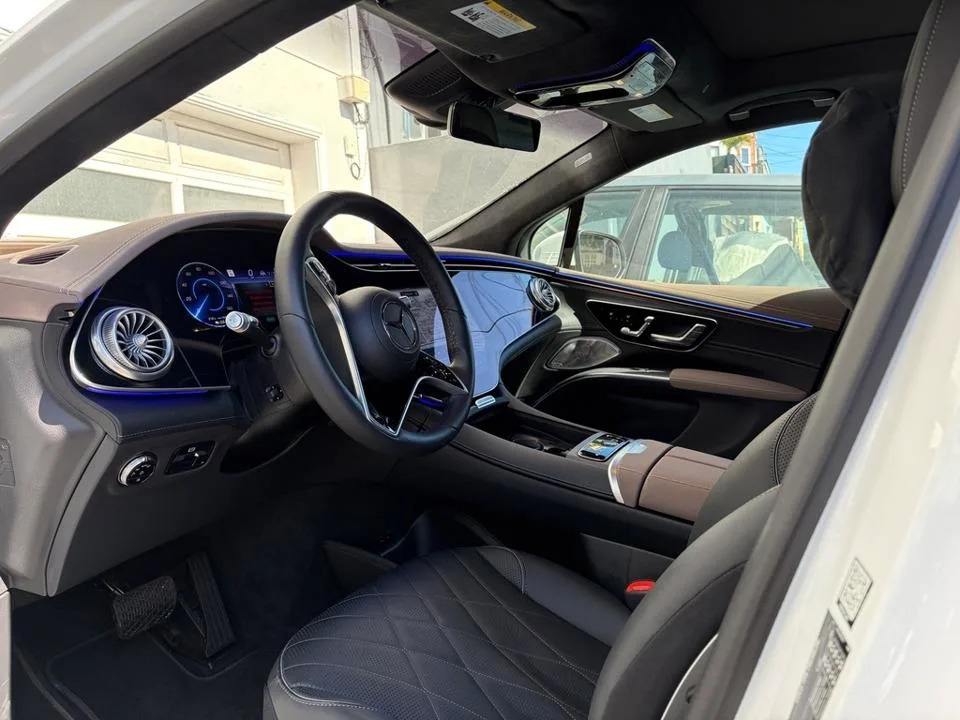
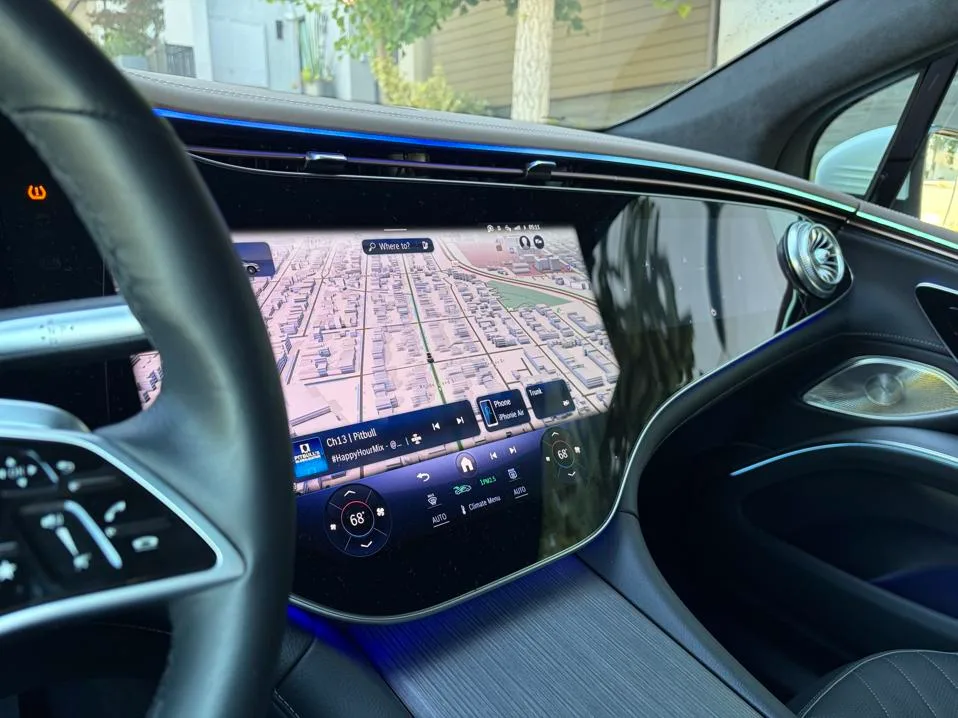
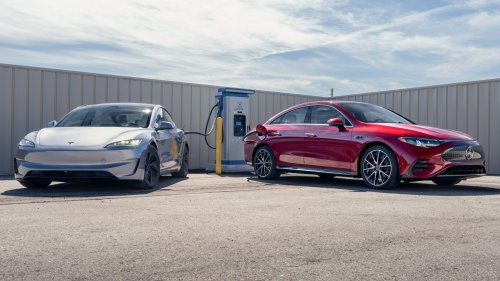
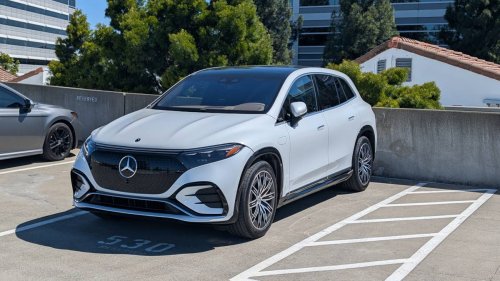
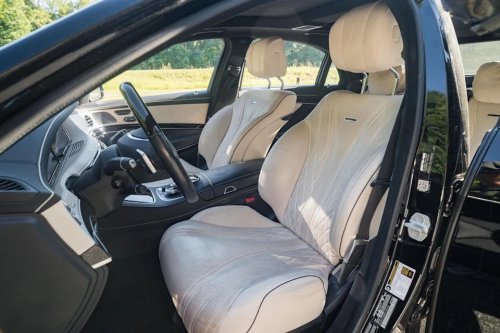
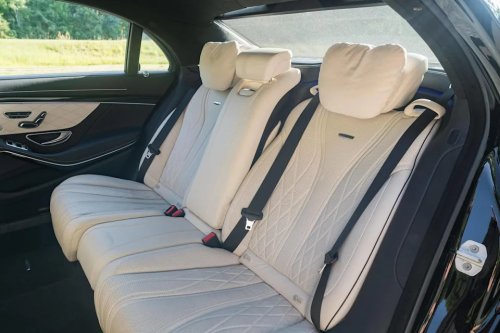
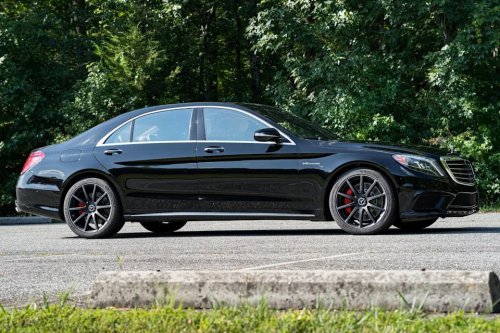
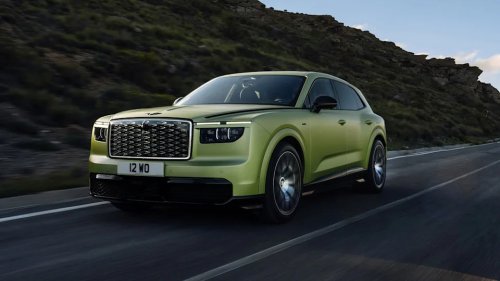
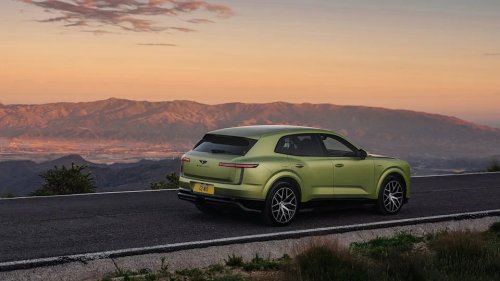
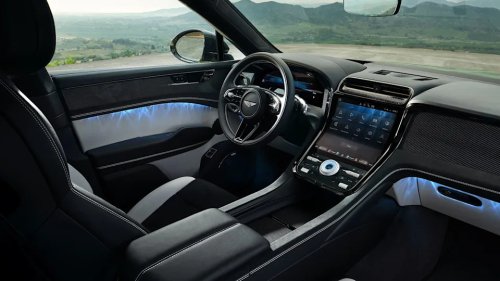
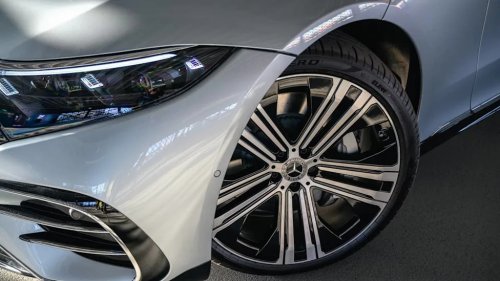
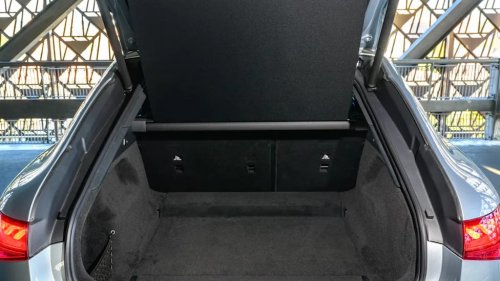
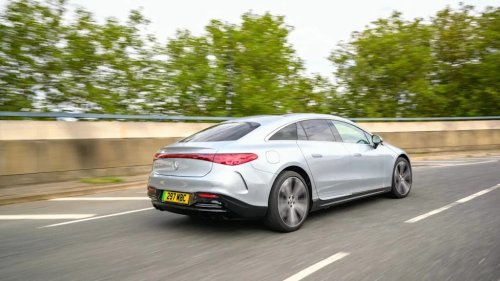
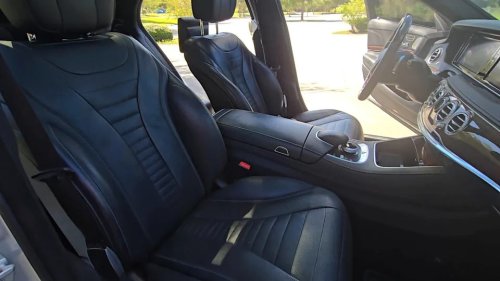
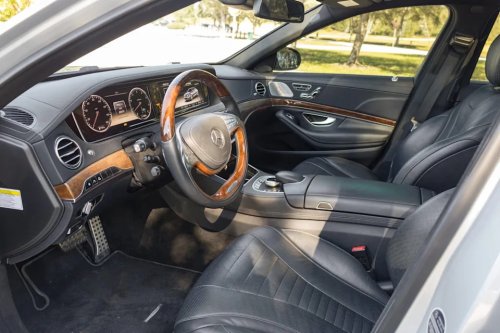
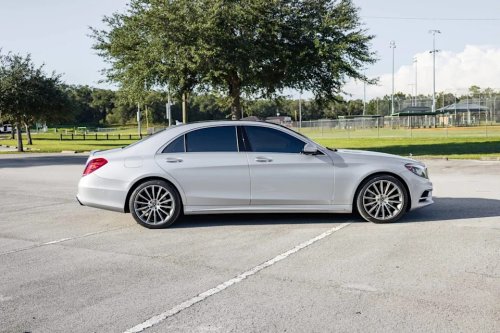
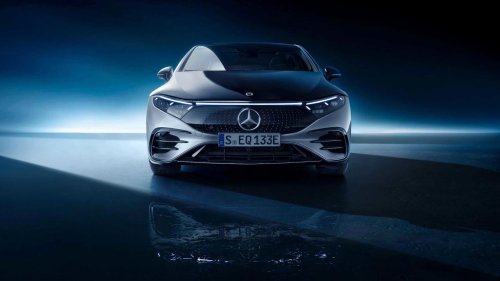
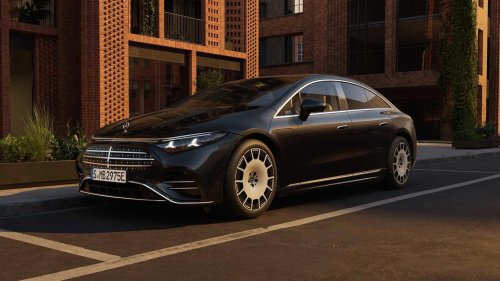
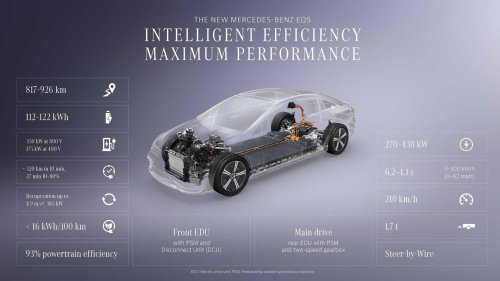
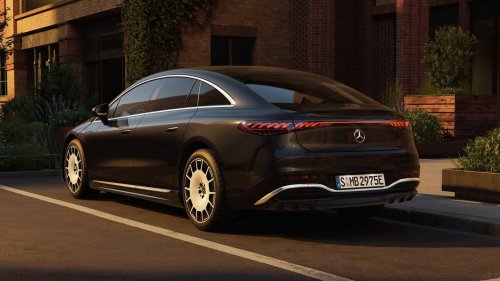
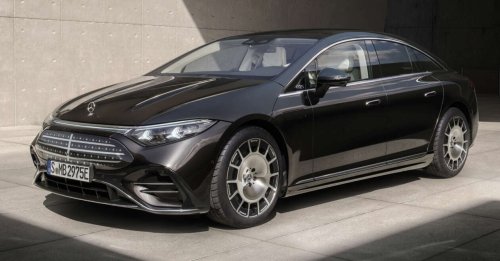
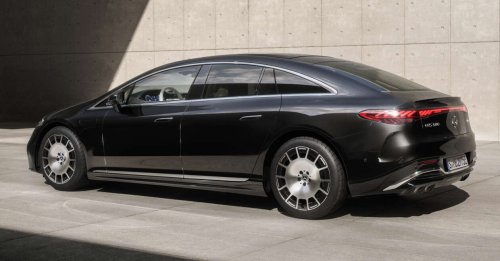
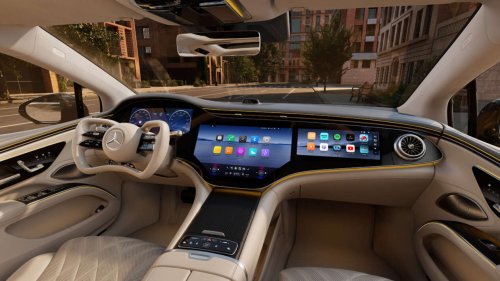
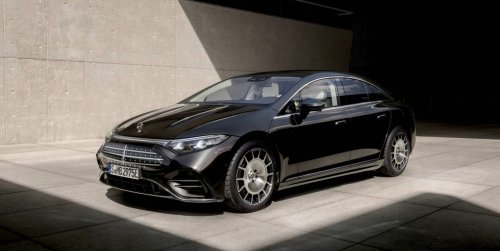
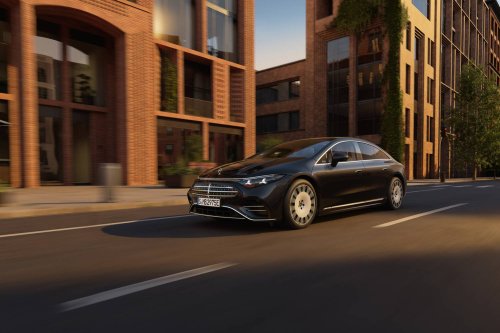
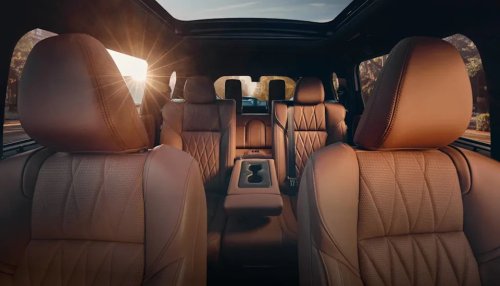
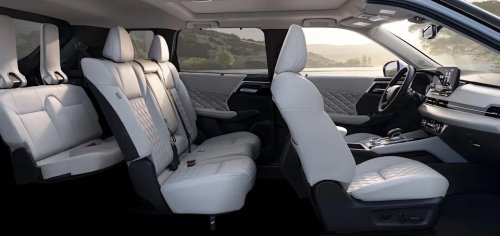
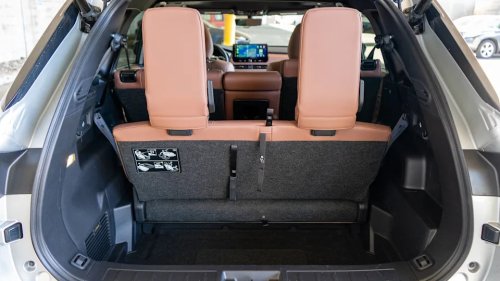
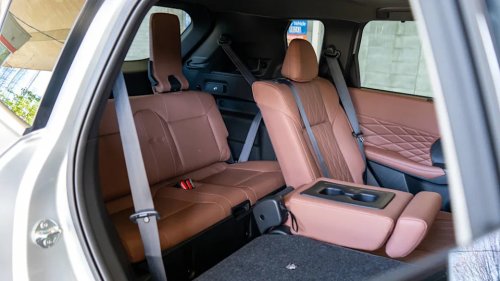
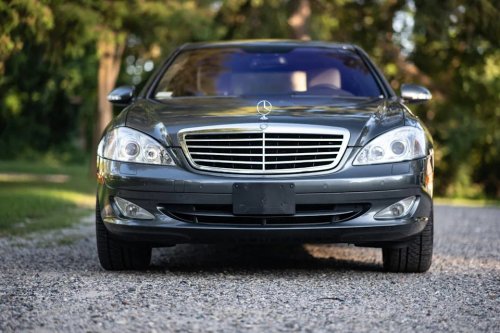
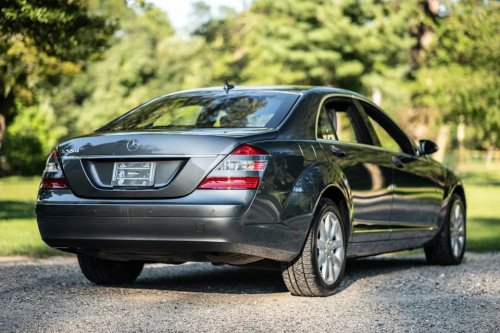
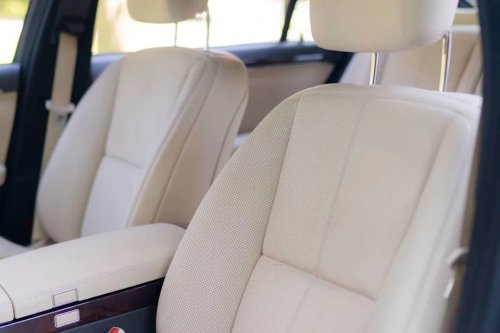
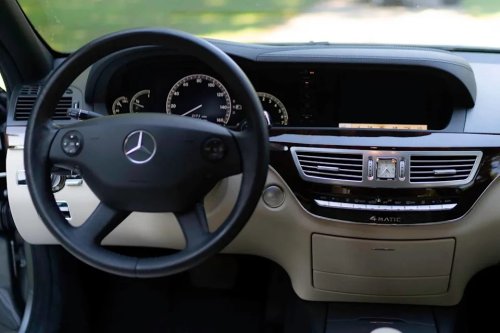
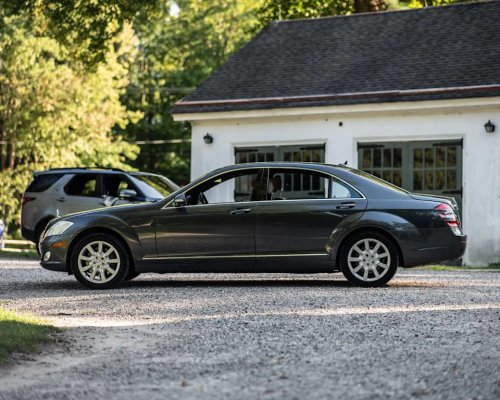
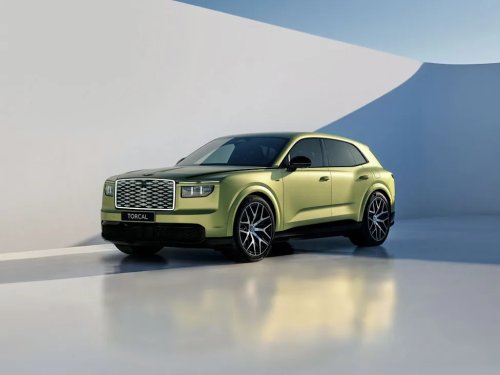
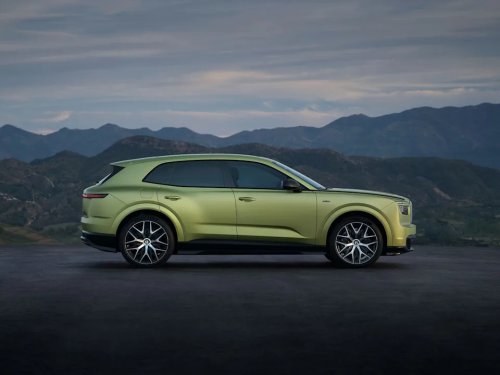
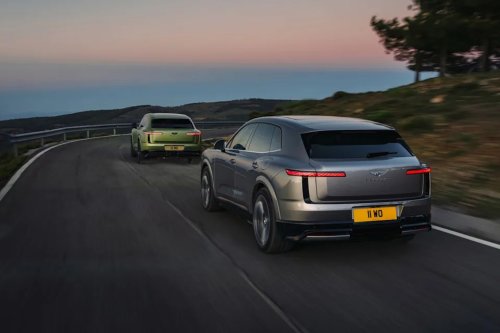
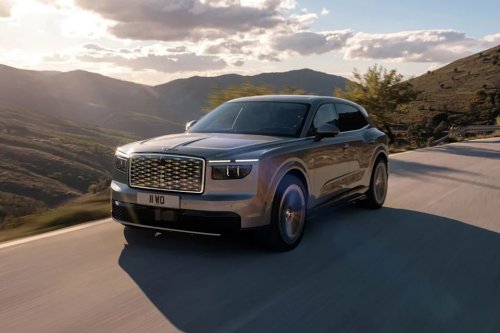
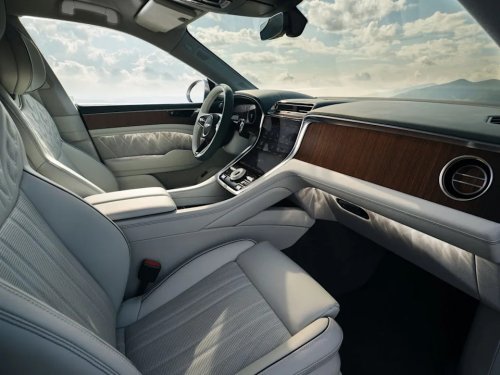
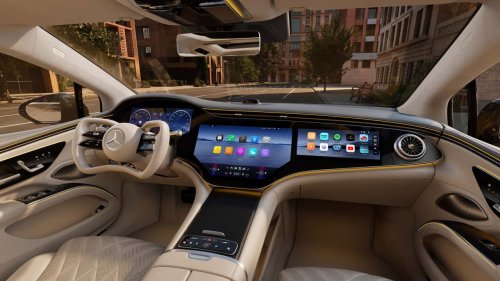
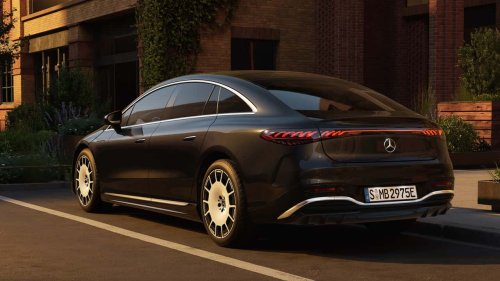
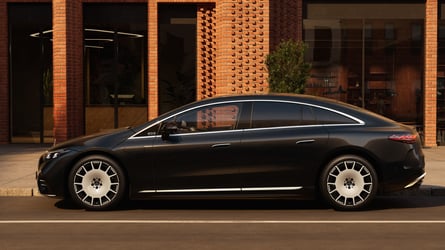
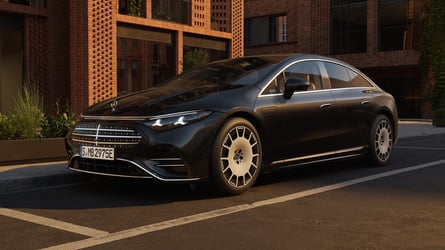
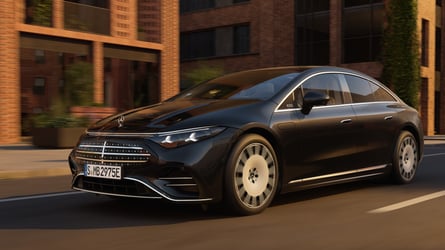
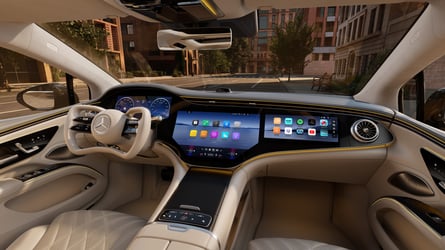
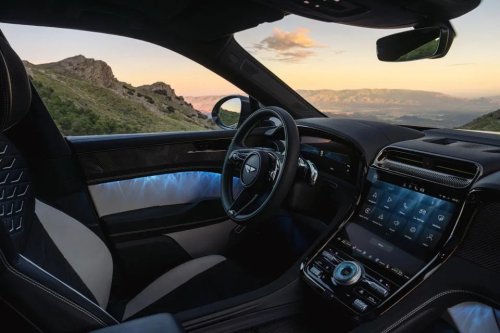
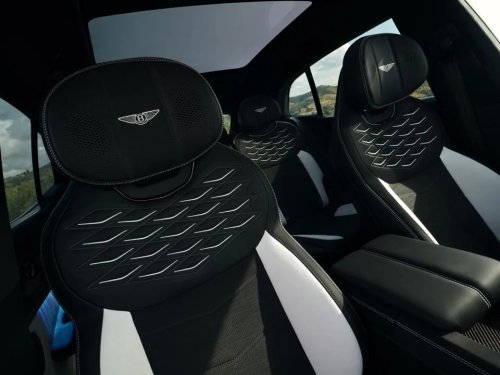
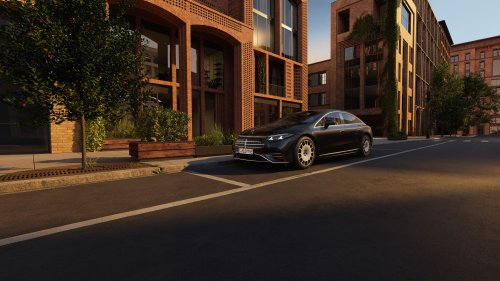
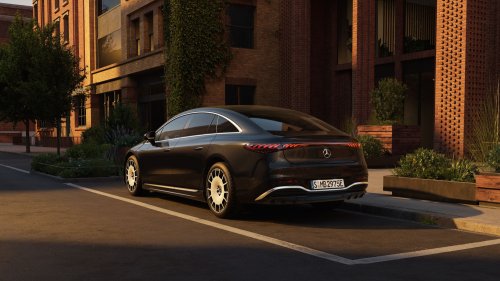
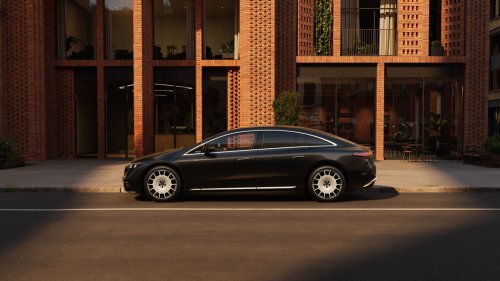
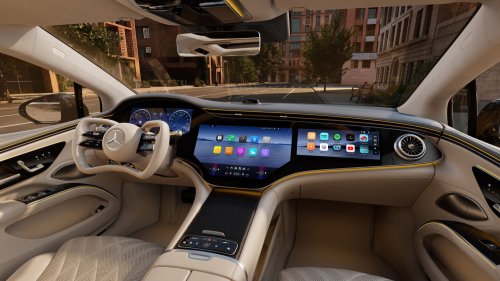
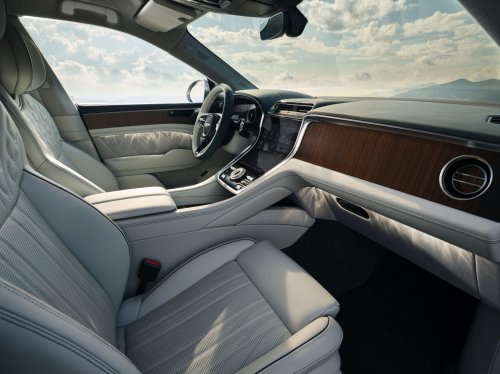
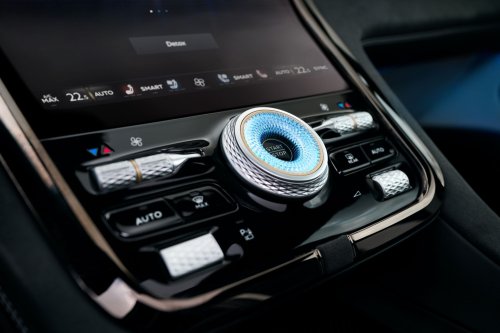
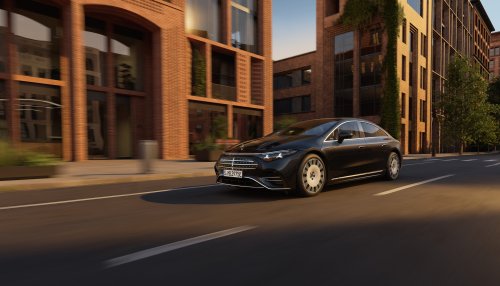
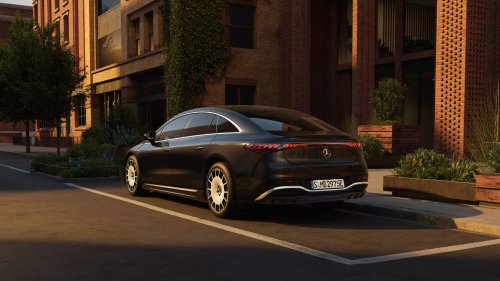
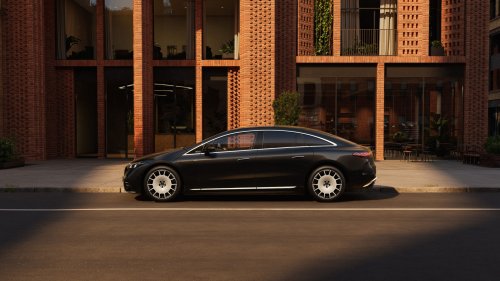
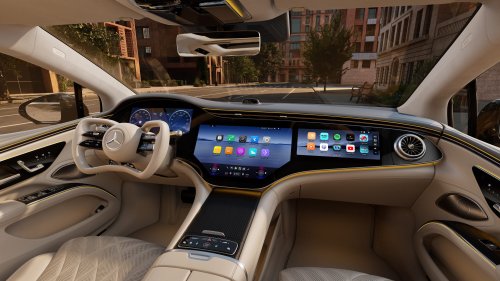
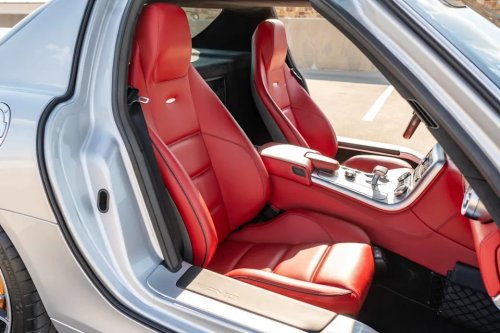
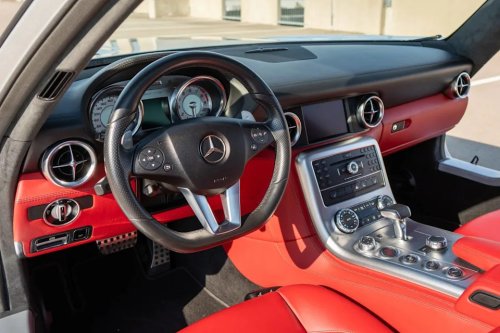
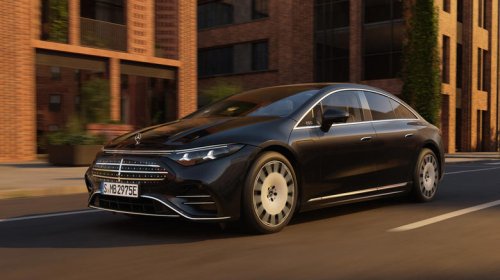
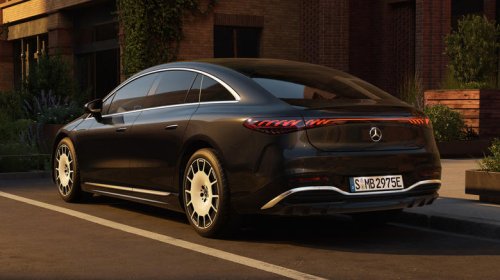
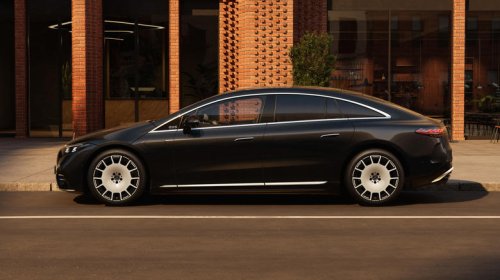
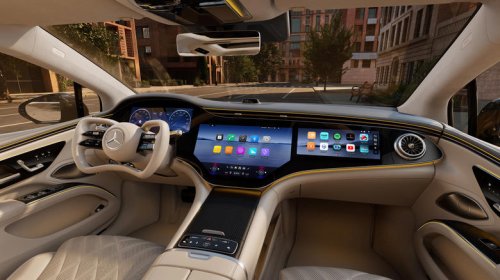
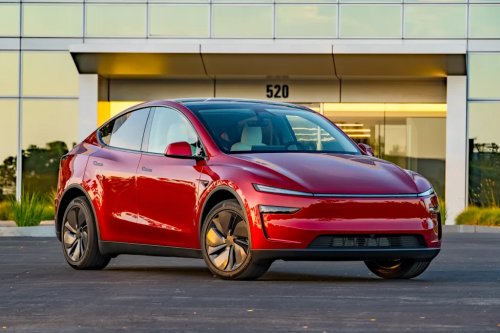
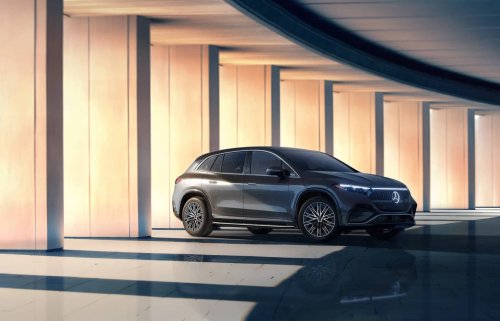
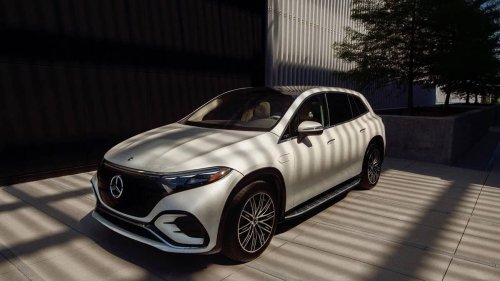
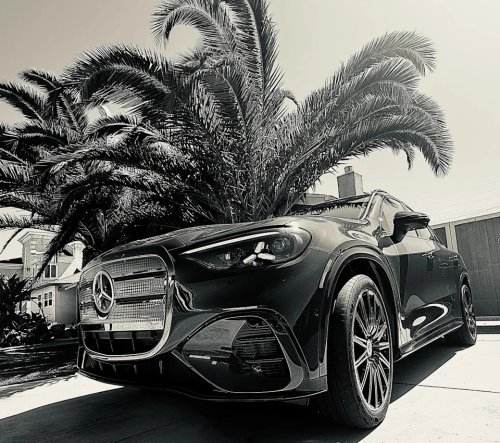
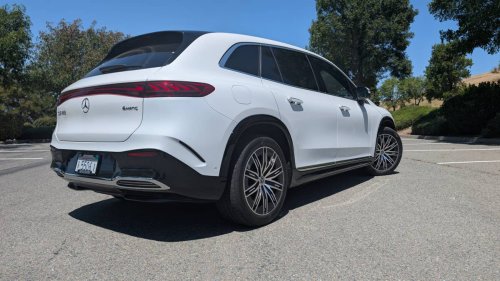
The Mercedes-Benz EQS 400 SUV is one of the more luxurious EV options.Getty ImagesAt $105,330 the 2026 Mercedes-Benz EQS 400 SUV with optional features like a heads-up display and highest trim level with its 118 kWh battery and over 300-mile range is a luxury electric SUV on price alone. But its features confirm its luxury status. (The base starts at just under $90,000.)The quality of the seats with cushioned headrests and ventilation and massage settings and the quiet hum of the drive made it easy to forget about a simpler, smaller, noisier affordable version of an EV that this luxury liner was pushing further away.Tesla's second quarter earning results came in last week, and while optimistic for a continued electric future, the EV pioneer set a tone that was focused on AI and robotics. Only a brief mention of a lower-cost Tesla (the current base Model 3 sedan starts just under $37,000) while the EV maker devoted more airtime and shareholder presentation space to the new Model YL—a longer wheelbase version of the popular Model Y with a bigger price tag (it's now the most expensive version at nearly $62,000).AdvertisementAdvertisementWhat does this have to do with Mercedes-Benz and its $100,000 SUV? It breaks open a growing problem: fewer compelling options that aren't luxury or luxury-priced. Mercedes is one of the automakers continuing to pursue EVs as others pull back (the Honda Prologue and Acura ZDX join the Nissan Ariya to the growing list of discontinued all-electrics). And while Mercedes' new electric CLA is noticeably more affordable, it's not the entire lineup.After driving the Mercedes SUV for a week in San Francisco, I quickly embraced all the features that make the EQS one of the more luxurious e-SUVs available (the Mercedes-Maybach EQS 680 SUV starts at $180,000 for comparison, but the EQS SUV is better matched with the BMW iX or Audi Q8 e-tron in size and price).Here's what made the case for yet another expensive EV.SpaciousThe EQS sits tall. At 67.8 inches it's 4 inches taller than a Model Y and those increments make it feel like a throne. But it's the backseat where the spaciousness shines, giving passengers the limousine experience the EQS sedan is known for. It has nearly 2.5 inches more legroom in the second row than the BMW iX.AdvertisementAdvertisementThen there's the cargo space. While the EQS continues the sad tradition of no front trunk, the back trunk and under-carriage hold provide ample room when opting for no third row with 31 cubic-feet.The front seat is a comfortable spot in the Mercedes EQS 400 SUV.SumptuousMercedes puts considerable thought into its seats with its leather material choice, plush headrests and even steering wheel feel and materials along the dash and front console. Heated and cooled seat settings, along with massage options make driving a comfort activity. The backseat isn't forgotten and similarly feels as plush and luxurious.SilentEven slamming the door of the Mercedes is a subdued event with its soft-close doors. While all battery-powered cars are quiet compared to cars with engines and fuel that rev and sputter, the EQS blocks out almost all road noise, which is a magical feeling. It makes for one of the most calming, soothing driving experience. I found myself sitting in the car long after I'd parked, savoring the contemplative quiet. It also contributed to shutting out the outside world and always keeping the windows up.The Mercedes EQS 400 SUV features the massive 56-inch Hyperscreen across the front dash.SlickThe technology in the EQS SUV is well integrated and tries to be easy to use. While the advanced driving settings on the highway felt unpredictable and inconsistent, the interior tech on the massive 56-inch Hyperscreen touchscreen was reliably, well, visible. While the center screen suffers from information overload, it does provide augmented reality driving directions, video of side traffic and turn-by-turn directions that adapt to route changes and traffic.AdvertisementAdvertisementAs part of the driving experience in an EV, I found myself consistently turning on the Intelligent Recuperation setting that automatically adjusts regenerative braking based on the car's sensor suite.So while the EQS 400 SUV is a desirable vehicle that I begrudgingly returned to the fleet, it doesn't help open the world of EVs (and its benefits) to more drivers. The average price of a new Mercedes EV is around $80,000. Tesla is closer to $65,000. The average across the board for 2026 is just under $50,000, and just over $56,000 for an all-electric, according to Kelley Blue Book's new-vehicle data released earlier this month. We need more electric options below that price range, but it's hard to find.This article was originally published on Forbes.com