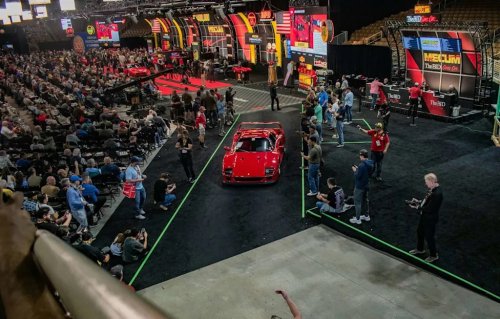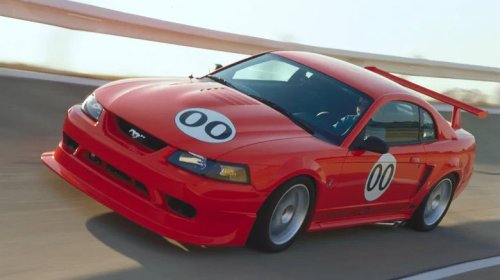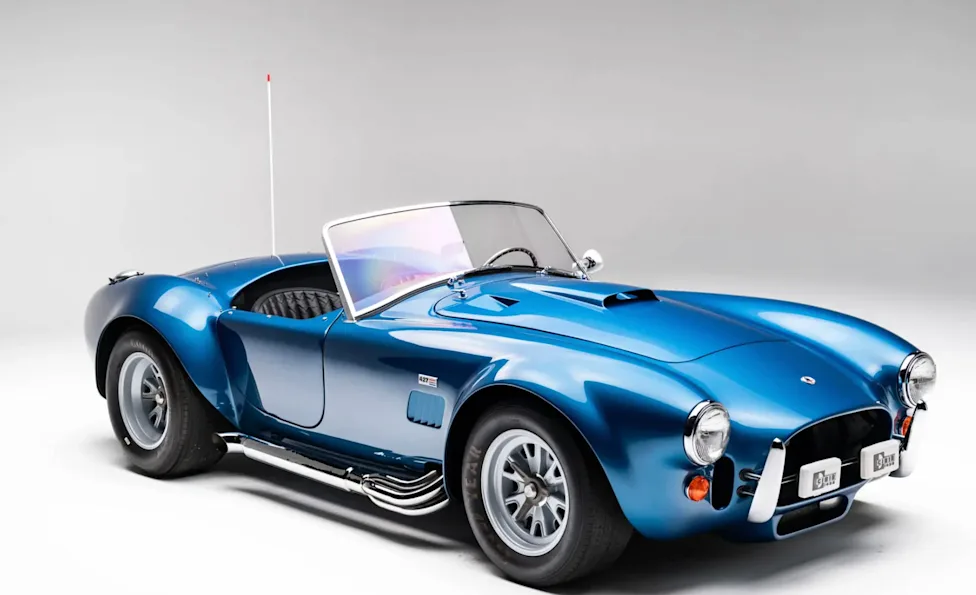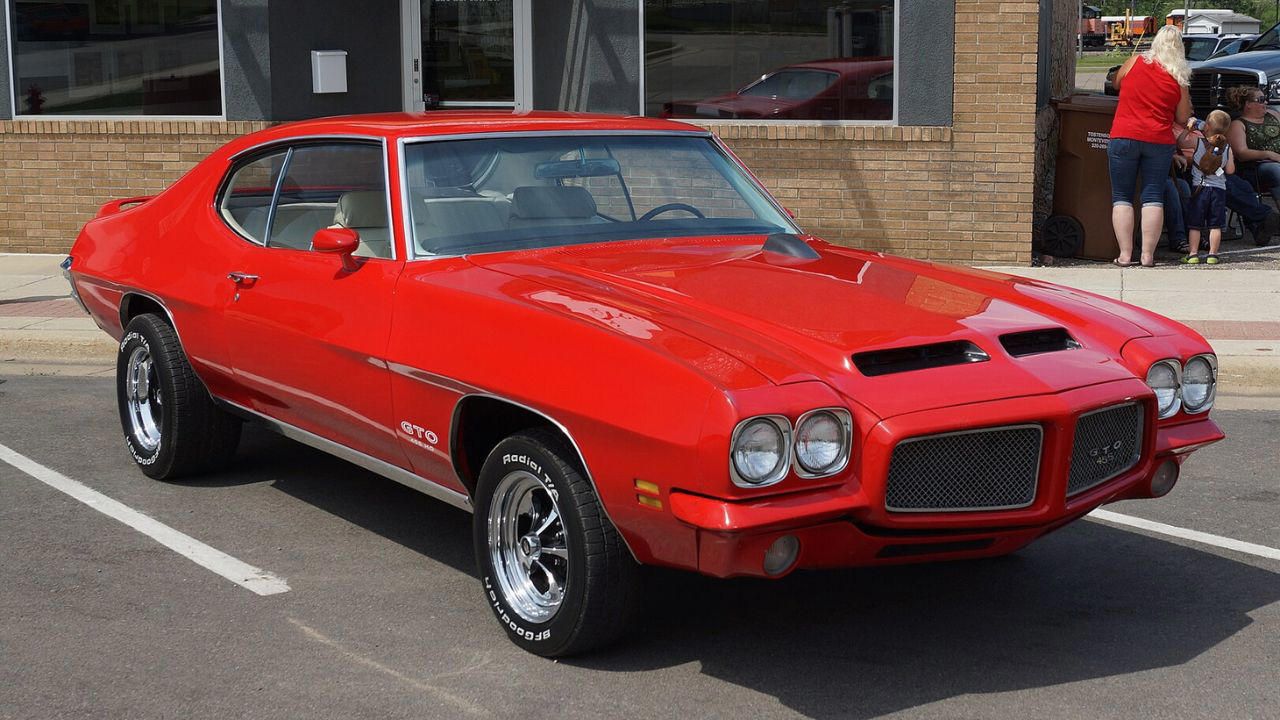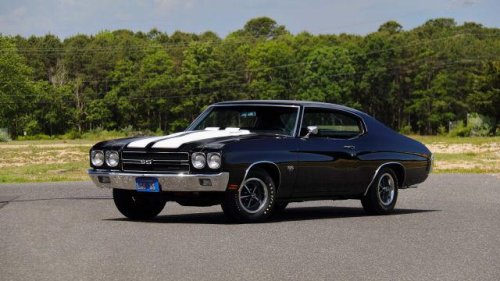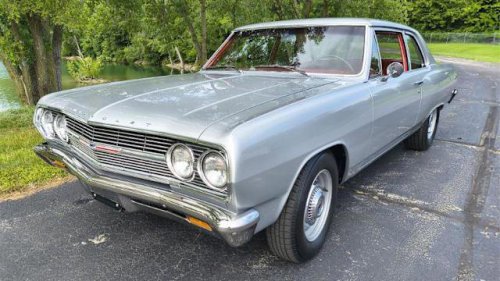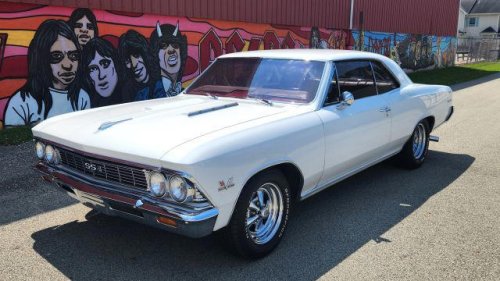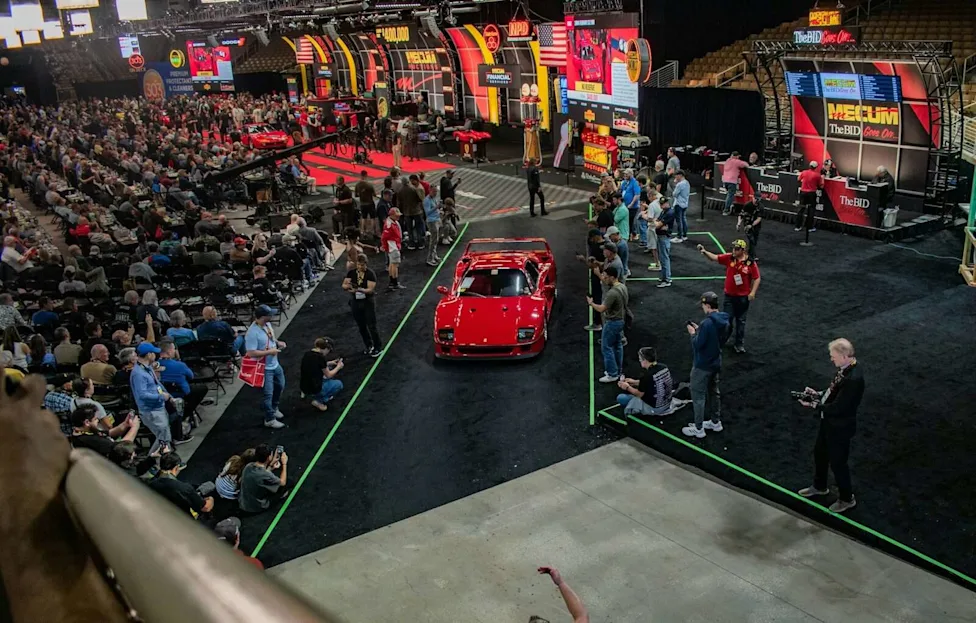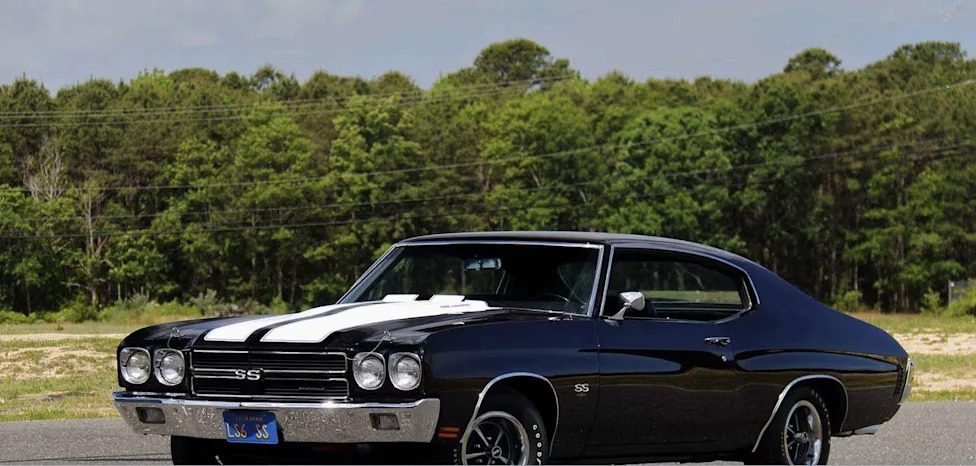



















Mecum Harrisburg 2026: Two Kinds of Rare Are Crossing the Same BlockMecum returns to the Pennsylvania Farm Show Complex July 22-25 with roughly 1,200 vehicles crossing the block over four days, broadcast live on ESPN+ from Thursday through Saturday. That volume makes for a good headline, but volume has never been what separates a meaningful auction from a busy one. What matters is what happens at the top of the docket, and this year's Harrisburg headliners frame a question worth sitting with: what actually makes a car rare, and does it matter how that rarity was earned?Two lots make the point better than any press release could. Lot S141, a 1970 Chevrolet Chevelle LS6, became rare the way muscle cars have always become rare: low original build numbers, decades of attrition, and enough surviving paperwork to satisfy a skeptical marque historian. Lot S117.1, a 2026 Chevrolet Corvette ZR1 Stars & Steel Edition Convertible, was rare from the day it was invoiced. Chevrolet built exactly 25 of them, and only three carry the carbon aero package. Both cars will be scarce the moment the gavel falls. Only one of them had to prove it over fifty-six years.The Documented ChevelleWe've already examined the Chevelle's two build sheets, its listing in the LS6 Registry, and the case it makes against the reimagined Nova Custom crossing the block the same day. The short version is worth repeating, because it sets the standard for everything else at Harrisburg: a build sheet is factory paperwork never intended to outlive assembly day, and when one turns up decades later tucked beneath a front seat, it functions less like a keepsake and more like a forensic exhibit. It ties a specific body to a specific engine on a specific day in 1970, and no amount of restoration money manufactures that after the fact. Strong LS6 Chevelles have now headlined Mecum sales in back-to-back seasons, and the common thread isn't horsepower. It's paperwork.The Overlooked CougarMore interesting, and far less discussed, is lot F229: a 1970 Mercury Cougar Boss 302 Eliminator. Ford's own Boss 302 Mustang has spent five decades as a blue-chip pony car, celebrated in books, registries, and giveaways. Mercury's version of the same idea never received the same treatment. The Eliminator package dressed the Cougar in the same functional aggression Ford gave the Mustang, with stripe kits, a functional hood scoop, and the small-block High Output 302 shared with the Boss program, but Mercury built it in far smaller numbers and aimed it at a buyer who wanted the performance without the Mustang's ubiquity. Fewer were built, fewer were preserved, and the registries and reference books that keep Mustang Boss values anchored simply don't exist to the same degree for the Cougar. That is a genuine form of rarity, not a marketing one, and it's the kind history tends to correct once collectors notice it. Cars overlooked because they weren't the obvious choice often become the more interesting choice once the obvious one gets too expensive.AdvertisementAdvertisementThen there's the other kind of rare. Also on the docket is a 1995 Ford Mustang SVT Cobra R, No. 225 of 250 built. SVT shipped the Cobra R without a back seat, without air conditioning, and without much interest in comfort at all, because the car was never meant for the country club; it was homologation-adjacent equipment for racers, built in a run Ford capped by intention rather than by economics. Three decades later, Chevrolet is running a version of the same playbook far more explicitly with the Corvette ZR1 Stars & Steel Edition Convertible: 25 built, only three with the carbon aero package, positioned as an instant collectible before a single example has turned a lap. The current ZR1 platform is already a legitimate performance statement on its own merits, which makes the Stars & Steel edition less about proving the car's credentials and more about controlling its supply.Manufactured ScarcityThat distinction matters more than it sounds. Organic rarity is validated by decades of survivorship, registries, and a documented ownership chain nobody had to plan for. Manufactured rarity is validated by nothing yet except the manufacturer's word and a low number stamped on a build plate, structurally no different from any other limited-run special edition of the last decade. Some of those manufactured-rare cars go on to become genuinely important. Most simply become expensive quickly and ordinary slowly, once the next limited edition arrives to compete for the same collectors' attention. The Cobra R is a useful test case precisely because it has had thirty years to answer the question the Stars & Steel Corvette hasn't been asked yet.Who's Actually BuyingHarrisburg's ten consigned collections tell a parallel story about who is actually buying. The Jim Spangler Collection is built around Camaros, the kind of focused, decades-long devotion to one nameplate that still defines a meaningful share of this market. The Wolfpack Rides Collection, assembled by a father-son team, is customs rather than factory-original cars, a reminder that plenty of serious collectors chase craftsmanship and personal history rather than matching-numbers pedigree. The Motown Muscle Collection crosses Mopar, Ford, and Chevrolet lines entirely, collecting an era rather than a brand. And the Winner's Circle Project Collection, benefiting STEAM education programming, continues a philanthropic pairing this same auction hosted in a different form last year, a pattern increasingly common at volume sales where consignors want their cars to do more than simply change hands.The Real Read on the MarketNone of this shows up in a headline about nearly 1,200 vehicles. But it's the reason a volume auction like Harrisburg is arguably a better read on the health of the muscle car and modern-performance market than any single blue-chip sale in Monterey. Monterey tells you what a handful of the wealthiest buyers in the world will pay for the best example of something. Harrisburg tells you what several thousand real bidders, across ten private collections and a four-day docket, are actually willing to fight for right now. Watch where the money concentrates this weekend, on the documented Chevelle, on the overlooked Cougar, or on the brand-new Corvette built to be scarce, and you'll learn more about the state of the collector market than any single result could tell you on its own. Documentation compounds the way a repaint never can; manufactured scarcity, on the other hand, still has to earn its premium one decade at a time.Join our Newsletter, follow our Instagram page, and follow us on Facebook.