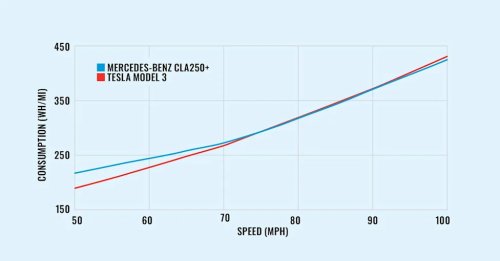
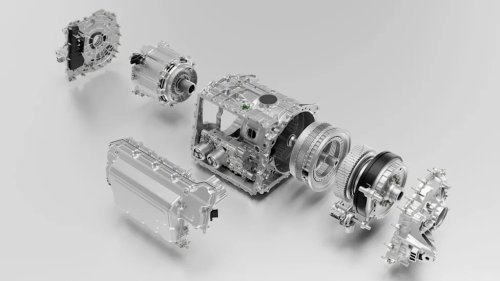
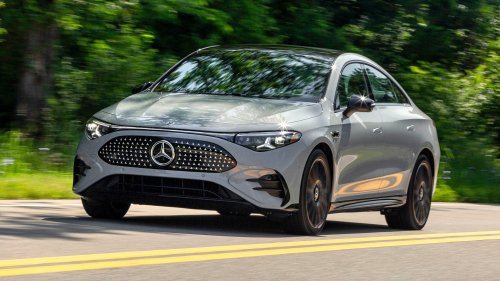
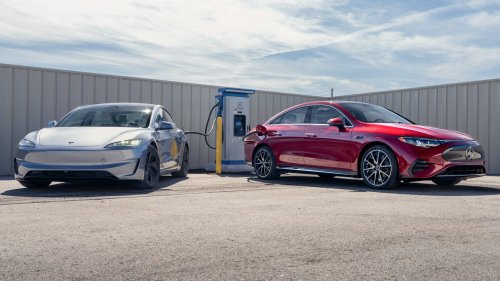
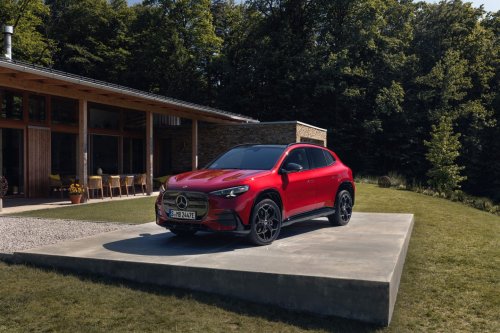
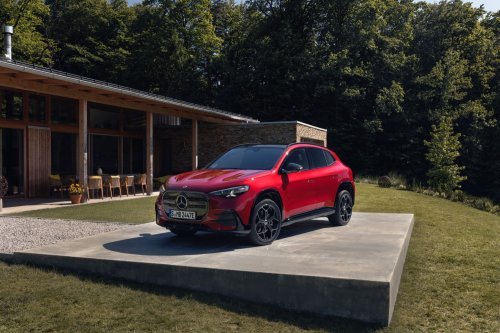
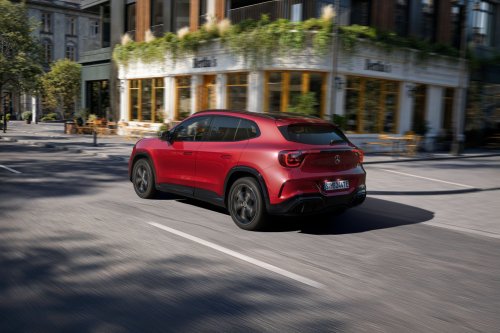
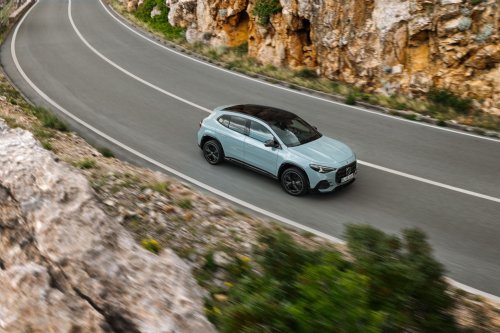
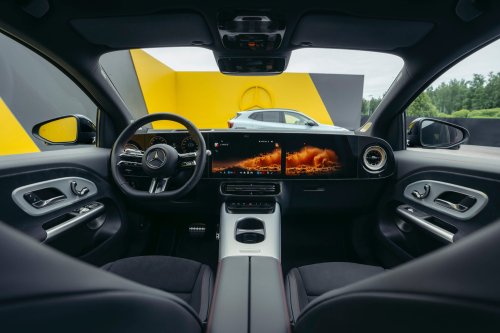
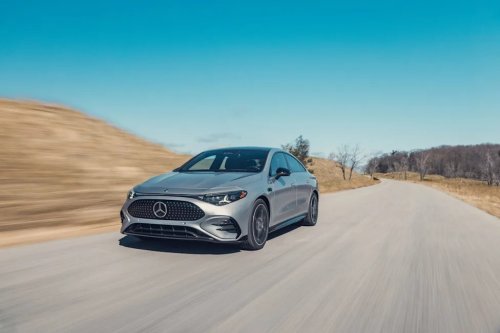
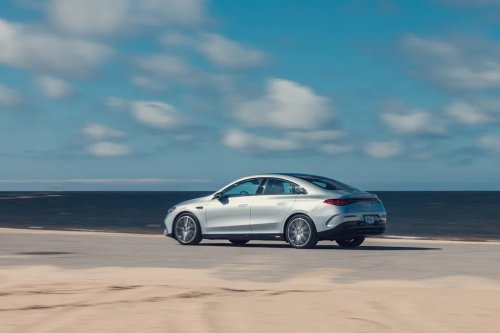
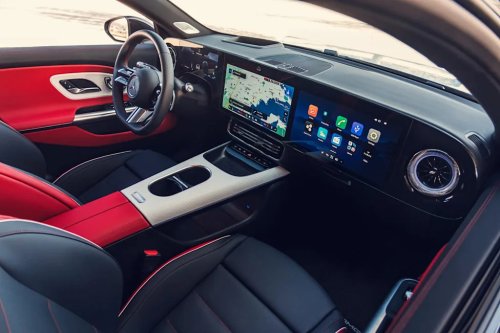
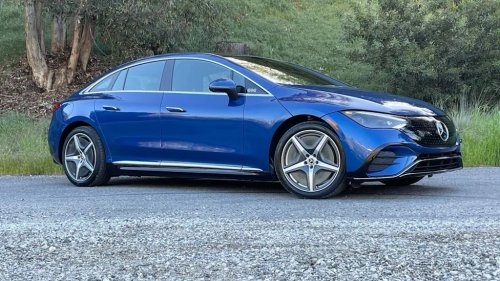
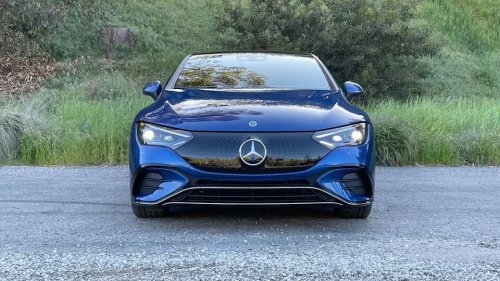
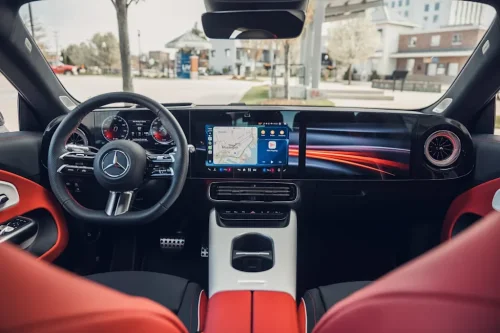
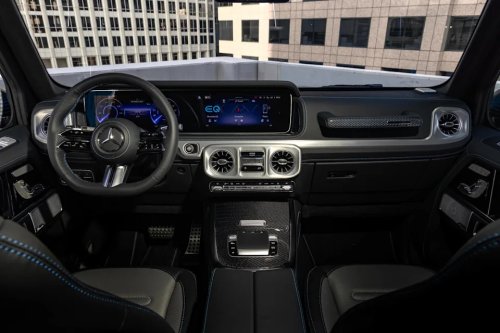
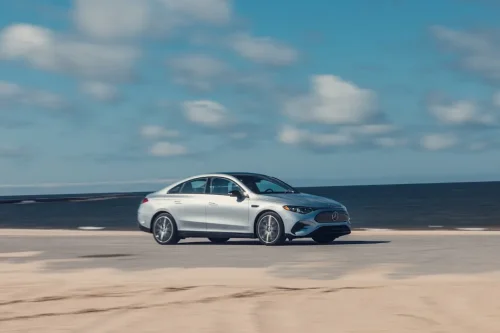
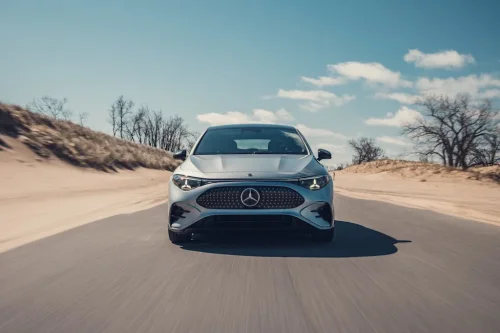
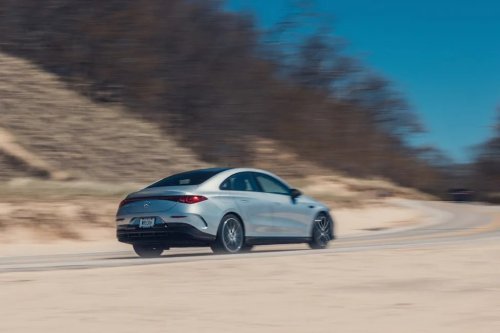
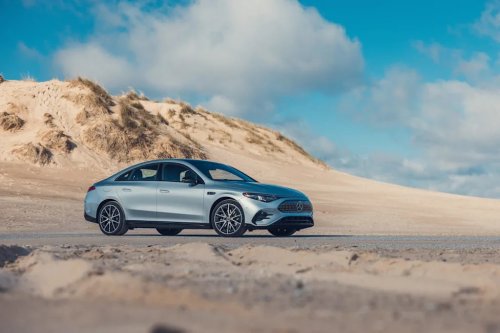
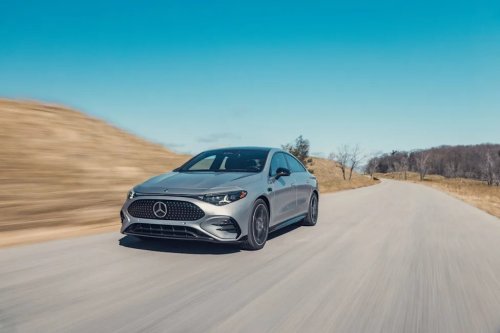
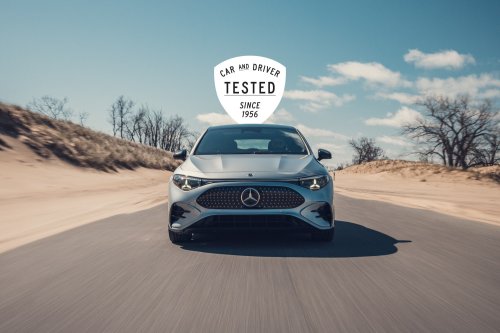
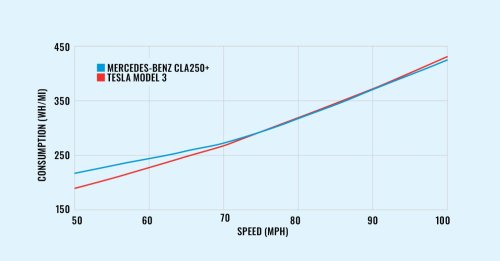
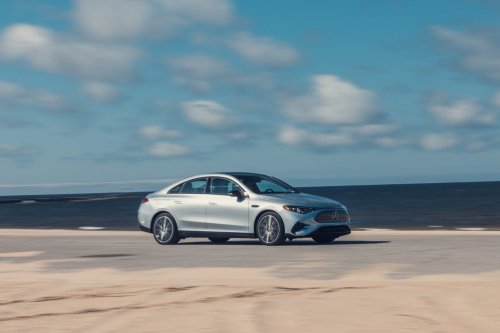
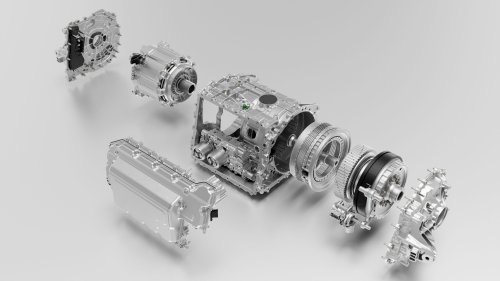
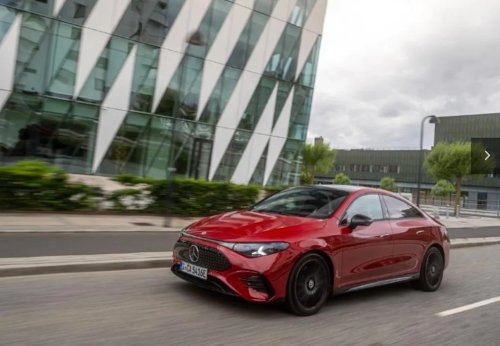
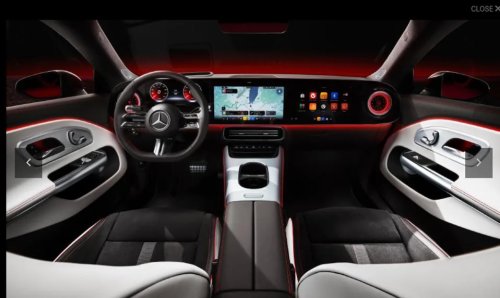
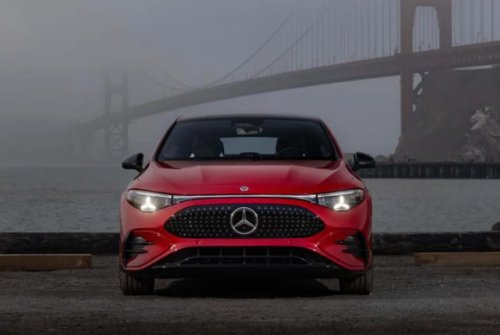
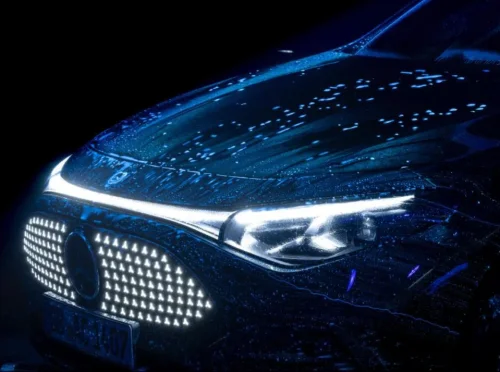
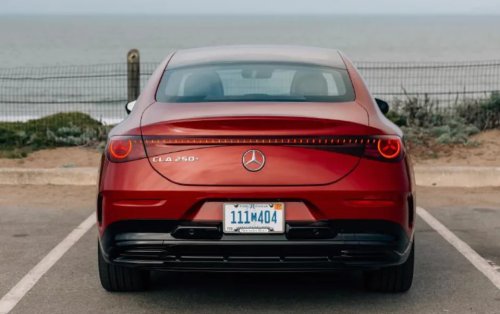
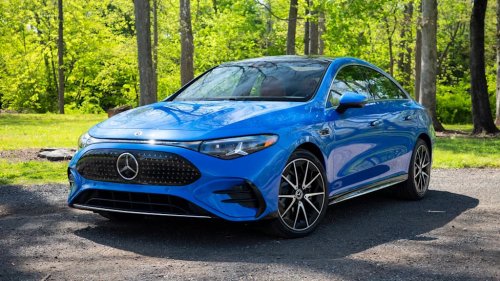
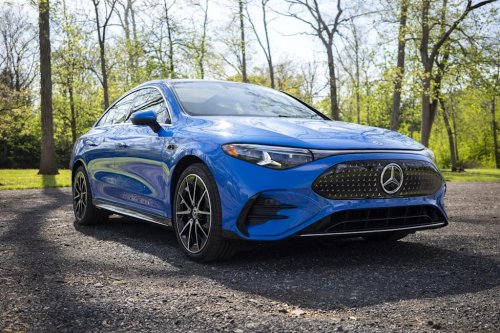
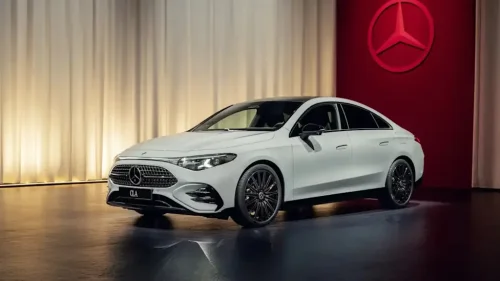
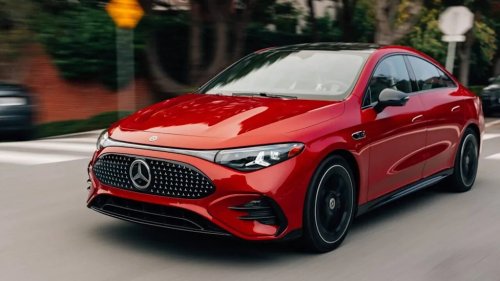
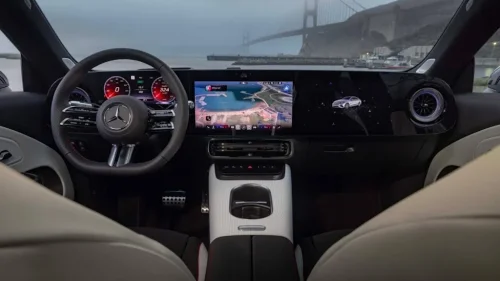
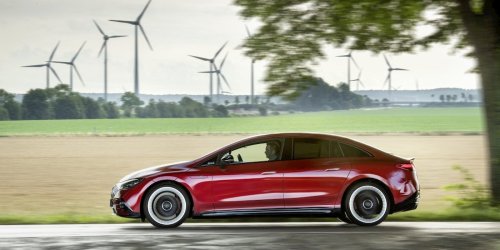
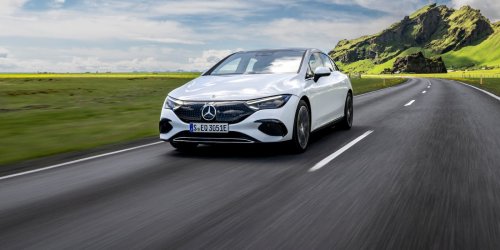
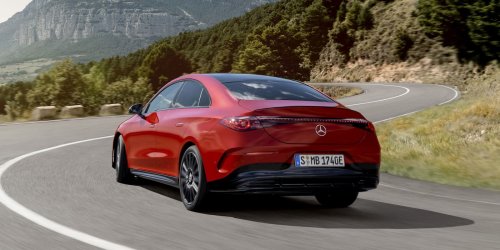
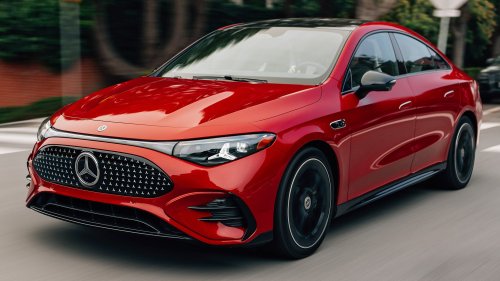
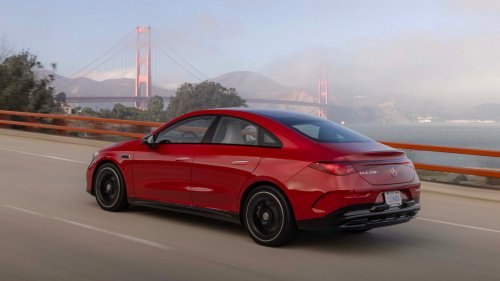
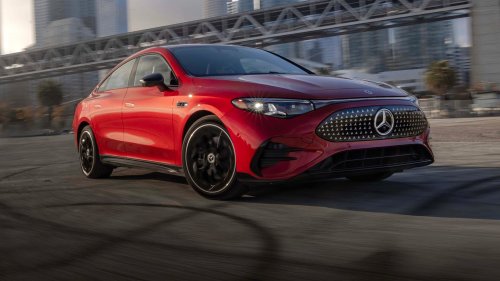
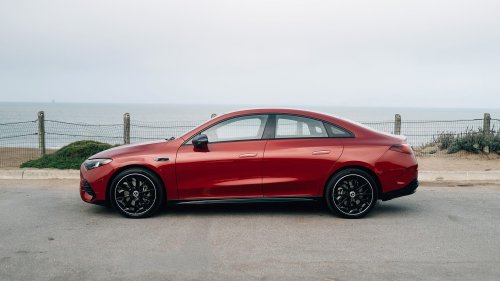
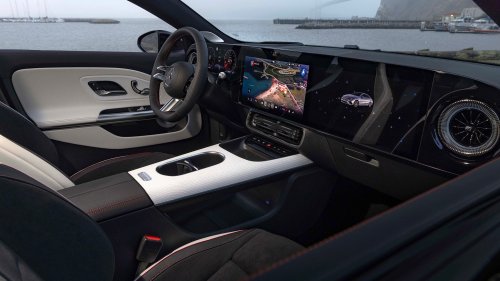
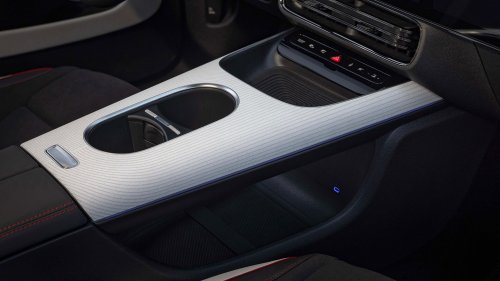
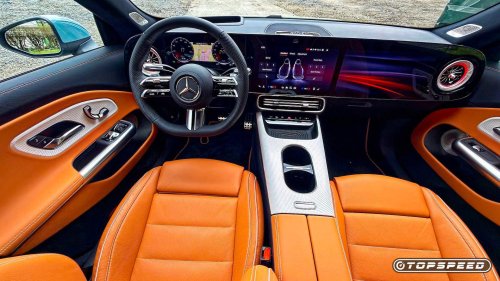
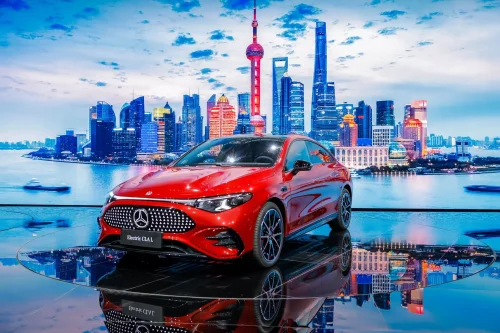
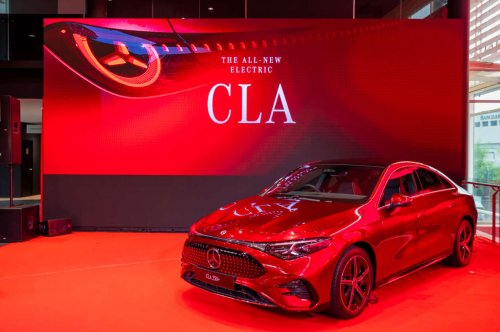
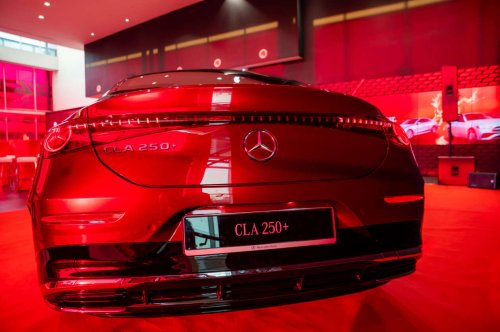
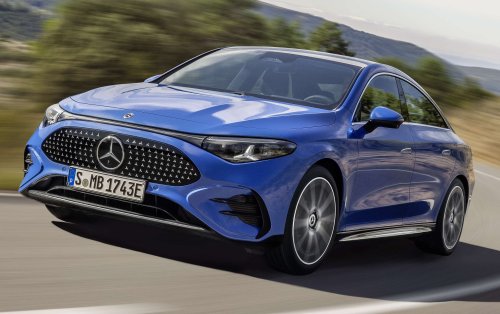
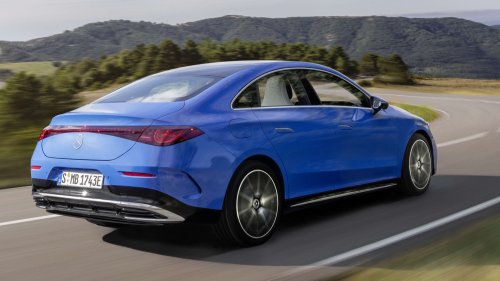
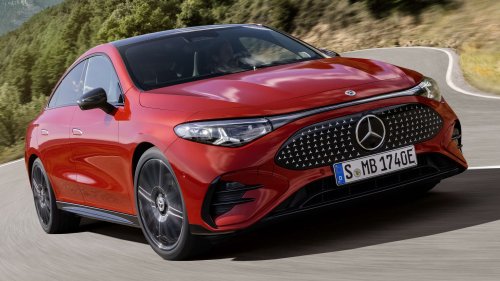
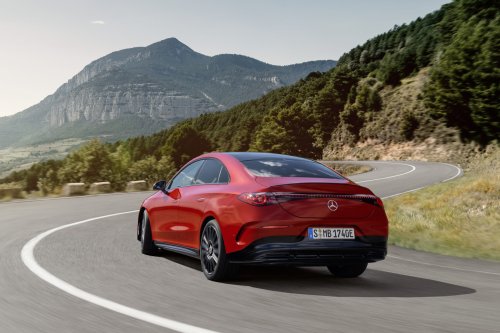
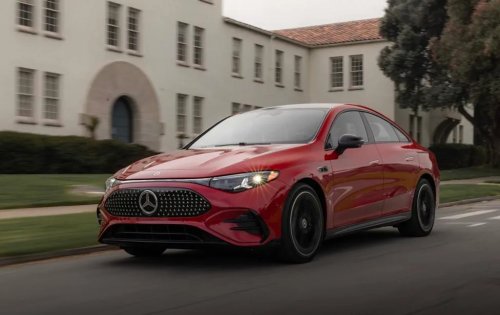
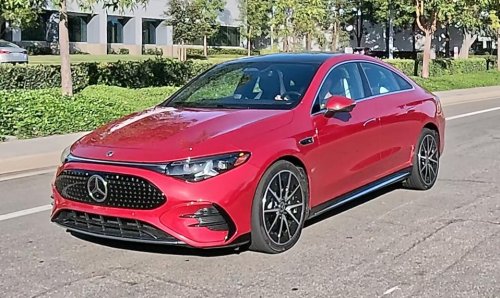
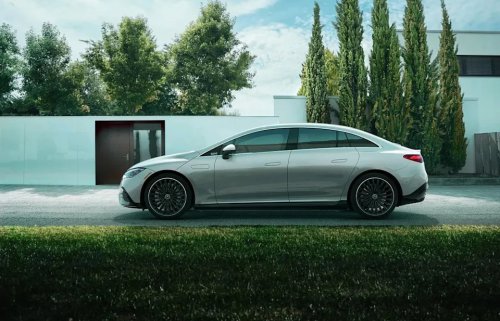
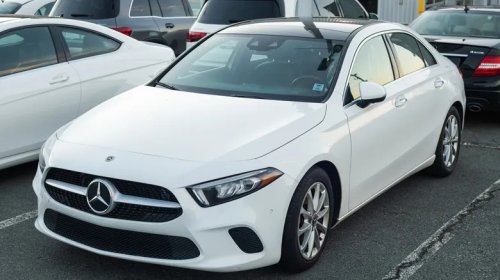
We Test the New CLA EV's Gearbox for EfficiencyMichael Simari - Car and DriverThe new 2026 Mercedes-Benz CLA EV joins the very small group of EVs that use a multigear transmission.We tested a rear-drive 2026 CLA250+ and a 2026 Tesla Model 3 with a fixed gear ratio on a five-mile oval at varying speeds from 50 mph to 100 mph to quantify the consumption and range gains a two-speed transmission provides.While the base Model 3 was significantly more efficient at the lower test speeds, the CLA closed the gap as speeds rose and pulled ahead slightly at the highest speeds.Welcome to Car and Driver's Testing Hub, where we zoom in on the test numbers. We've been pushing vehicles to their limits since 1956 to provide objective data to bolster our subjective impressions (you can see how we test here).An electric motor's efficiency varies far less over the entirety of its speed range than a combustion engine's. But there's still an advantage to reducing motor speed at elevated vehicle velocities. That's why the new 2026 Mercedes-Benz CLA EV joins a very small group of electric vehicles, including the Porsche Taycan, that have a multigear transmission, rather than simply a fixed reduction ratio.Car and DriverTo quantify just how much of a consumption advantage the CLA250+'s rear-mounted two-speed gearbox unlocks, we ran repeated back-to-back runs with this car and an entry-level, rear-drive Tesla Model 3 around a five-mile oval test track at 50, 60, 70, 80, 90, and 100 mph. At 60 mph and below, the Tesla, on 18-inch wheels with aerodynamic covers, has significantly lower consumption than the CLA, partially because the Benz we tested was wearing the optional 19-inch summer tires rather than the more efficient 17s or 18s that are available.Michael Simari - Car and DriverBut the advantage of the multigear transmission shines through as speeds rise. Above about 65 mph, the CLA shifts to its top gear, which cuts motor speed by more than half. At 90 mph, for example, the CLA's motor is humming around 6000 rpm, while the Tesla's is furiously rotating at 10,000. The lower speeds help the CLA's motor achieve as high as 93 percent efficiency, Mercedes claims, and the CLA closed the consumption gap with the Model 3, even slightly bettering the Tesla at the highest two test speeds.AdvertisementAdvertisementMost of the time, you'd be hard-pressed to notice the CLA's subtle one-two shift, unless you're in Sport mode and hold the accelerator to the floor, where it accentuates the upshift by pulling power more dramatically before the handoff. The CLA's two-speed transmission also certainly helped in our highway range test, which we run at a steady 75 mph. There, the CLA250+ went 340 miles, impressively improving upon its 317-mile EPA range figure. That puts it in the top 10 longest-range EVs we've tested and, among those range champs, the CLA is the EV with the least amount of energy in its battery pack (85 kWh).The two-speed transmission is integrated directly into the housing for the rear motor.Mercedes-BenzAlthough a CLA250+ wearing the most efficient 17-inch wheels and tires might have gone 400 miles in our highway test, the new CLA EV—even on the worst-case 19s—is efficient indeed.➡️ Skip the lot. Let Car and Driver help you find your next car.Shop New Cars Shop Used CarsYou Might Also LikeGift Guide: Best Ride-On Electric Cars for KidsFuture Cars Worth Waiting For: 2025–2029