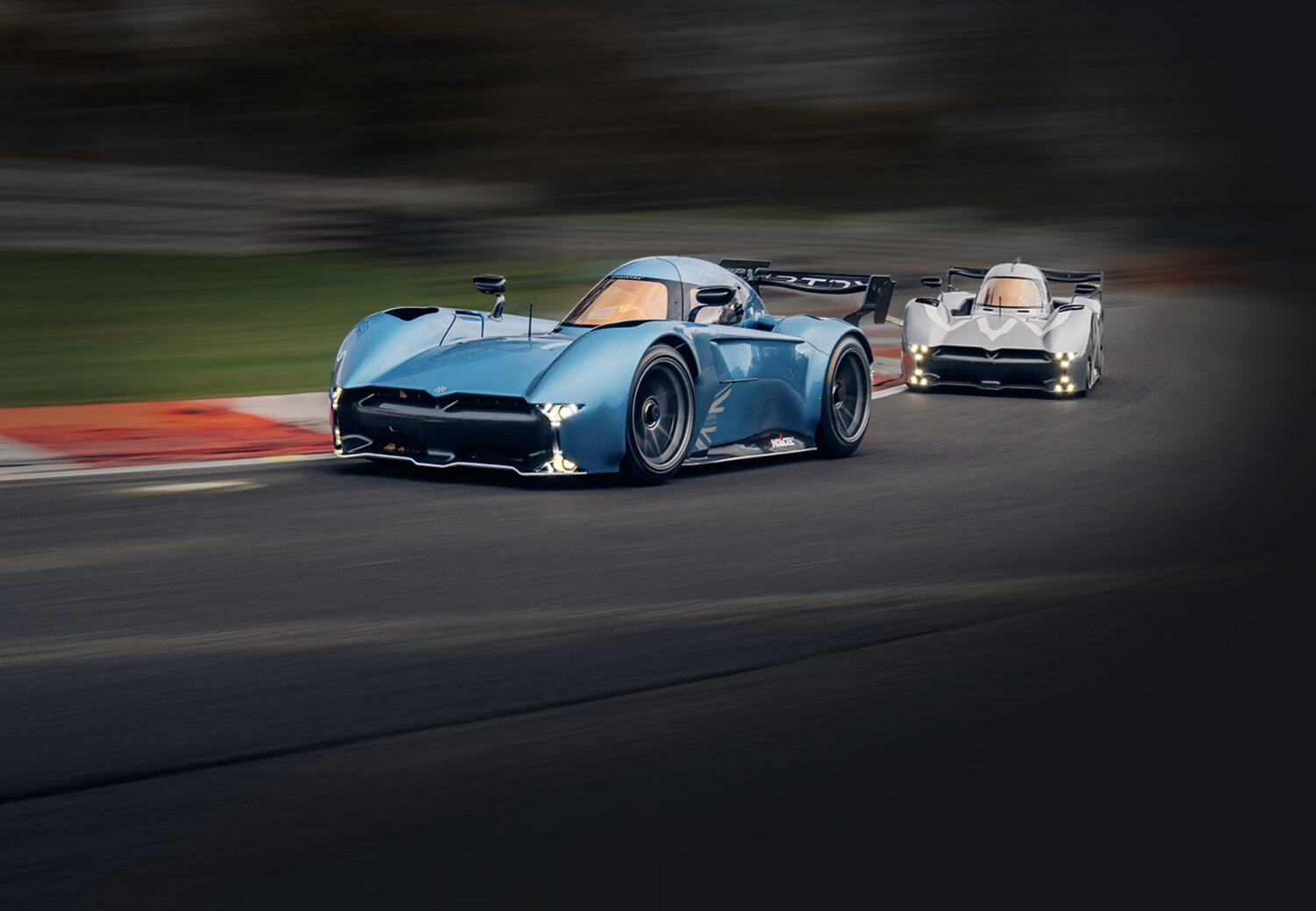
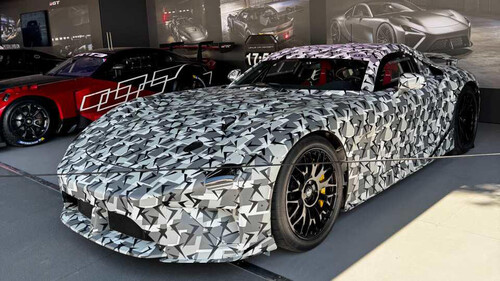
McMurtry's Fan-Powered Madness Is Going Into Production, and the Laws of Physics Should Probably Lawyer UpFor years, the McMurtry Spéirling has felt like a rumor that got out of hand. A tiny British single-seater with a literal fan bolted to its backside, generating downforce out of thin air, sticking itself to the road like a tarmac-seeking limpet, and then casually obliterating the most sacred record at the Goodwood Festival of Speed. It was the kind of car that seemed destined to live forever as a YouTube clip and a barstool argument. Well, put the argument down. McMurtry is putting the thing into production. The production version is called the Spéirling PURE, and the company has been teasing its final form ahead of a proper reveal. The headline you need to internalize: this is no longer a science project. People are going to be able to buy a fan car. On purpose. With money. So what exactly is this thing? If you somehow missed the hype, the Spéirling's party trick is a "downforce-on-demand" system. Instead of relying on wings and bodywork to glue it to the ground at speed like a normal car, McMurtry uses fans to actively suck the car onto the asphalt — even when it's sitting completely still. That means grip that doesn't care whether you're doing 150 mph or pulling out of your own garage at walking pace. The result is a featherweight EV with cornering and braking numbers that read like a typo. This isn't a brand-new idea — Gordon Murray famously did it with the Brabham BT46B "fan car" in Formula 1 before it was hustled out of the sport — but McMurtry is the first outfit brave (or unhinged) enough to package it for the road in 2026. The Goodwood thing nobody can stop talking about The Spéirling didn't ease its way into the conversation. It kicked the door down by smashing the Goodwood hillclimb record, the unofficial drag race of the supercar world, and it did it with an electric drivetrain and a vacuum cleaner strapped to the back. Watching it launch is genuinely unsettling — there's no wheelspin, no drama, just a small car teleporting up the hill while everything around it suddenly looks slow and a little embarrassed. Goodwood has been a graveyard for overconfident machinery before — just ask the Lotus Evija X prototype that crashed almost immediately — so the fact that the Spéirling went up there and rewrote the record book instead of the body shop's invoice tells you something. Production means compromises (sorry) Here's the part that'll start fights in the comments: the production Spéirling PURE will not look exactly like the wild prototypes. Turning a record-setting track toy into something you can actually deliver to customers means real-world packaging, ergonomics, and the kind of boring engineering that keeps a company alive. McMurtry has hinted the final design will be its own thing rather than a carbon copy of the camo'd test mules we've been drooling over. Will purists complain? Absolutely. They always do. But the alternative was this car staying a one-off legend forever, and frankly that would have been the bigger crime. Where it fits in the great EV-versus-everything brawl The Spéirling lands right in the middle of the moment electric performance cars are having. The hypercar world is currently a knife fight between gas-burning gods and silent electric monsters, and the gas side isn't going quietly — see the Koenigsegg Jesko, which has been busy embarrassing million-dollar EVs on the top-speed front. Meanwhile EVs keep answering back, like the BYD Yangwang U9 Xtreme that grabbed the fastest-production-EV crown at the Nürburgring. The Spéirling refuses to play that game. It's not trying to win a straight-line top-speed war — it's a corner-devouring, brain-rearranging grip machine that makes everything else feel like it's driving on ice. And if you're still fuzzy on where a car like this sits in the food chain, our explainer on what actually separates a hypercar from a supercar in 2026 is a decent place to get your bearings. It's also showing up at the same Goodwood that just hosted the first $20 million Gordon Murray hypercar — fitting, given Murray basically wrote the original fan-car playbook decades ago. The bottom line A road-legal fan car was the sort of thing we all assumed regulators, accountants, or basic physics would eventually strangle in its crib. Instead, it's heading to production, it still drives like it's mad at the ground, and McMurtry seems entirely unbothered by how absurd that is. We love it. So let's settle this in the comments: is McMurtry's fan-powered Spéirling the most exciting thing to happen to performance cars this decade — or is a literal vacuum cleaner with a seat the dumbest $2-million party trick ever sold to people with more money than sense? And which would you actually rather park in your garage: the silent suction monster, or a screaming gas-powered hypercar that does it the old-fashioned way? Sound off below.