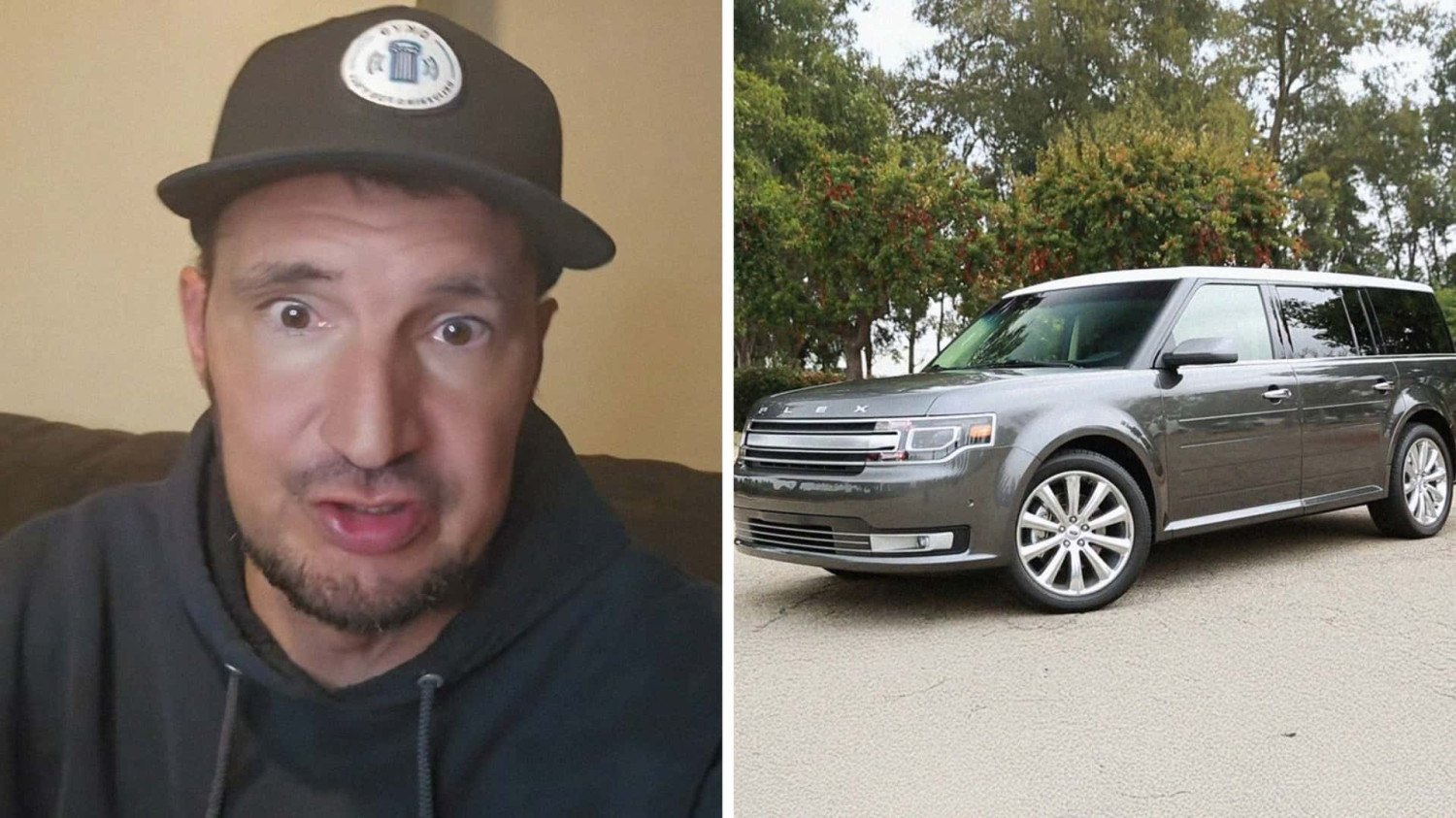
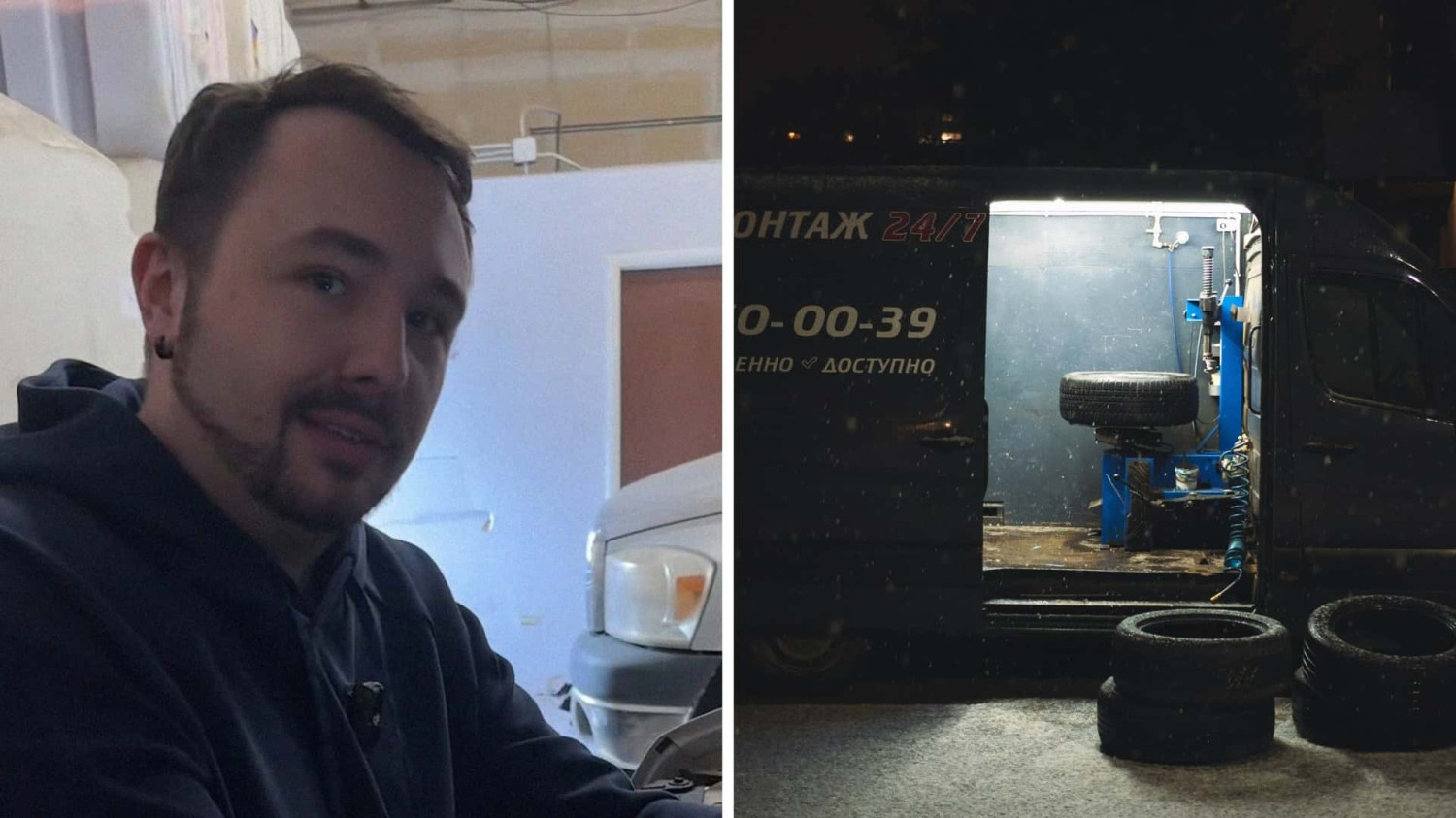
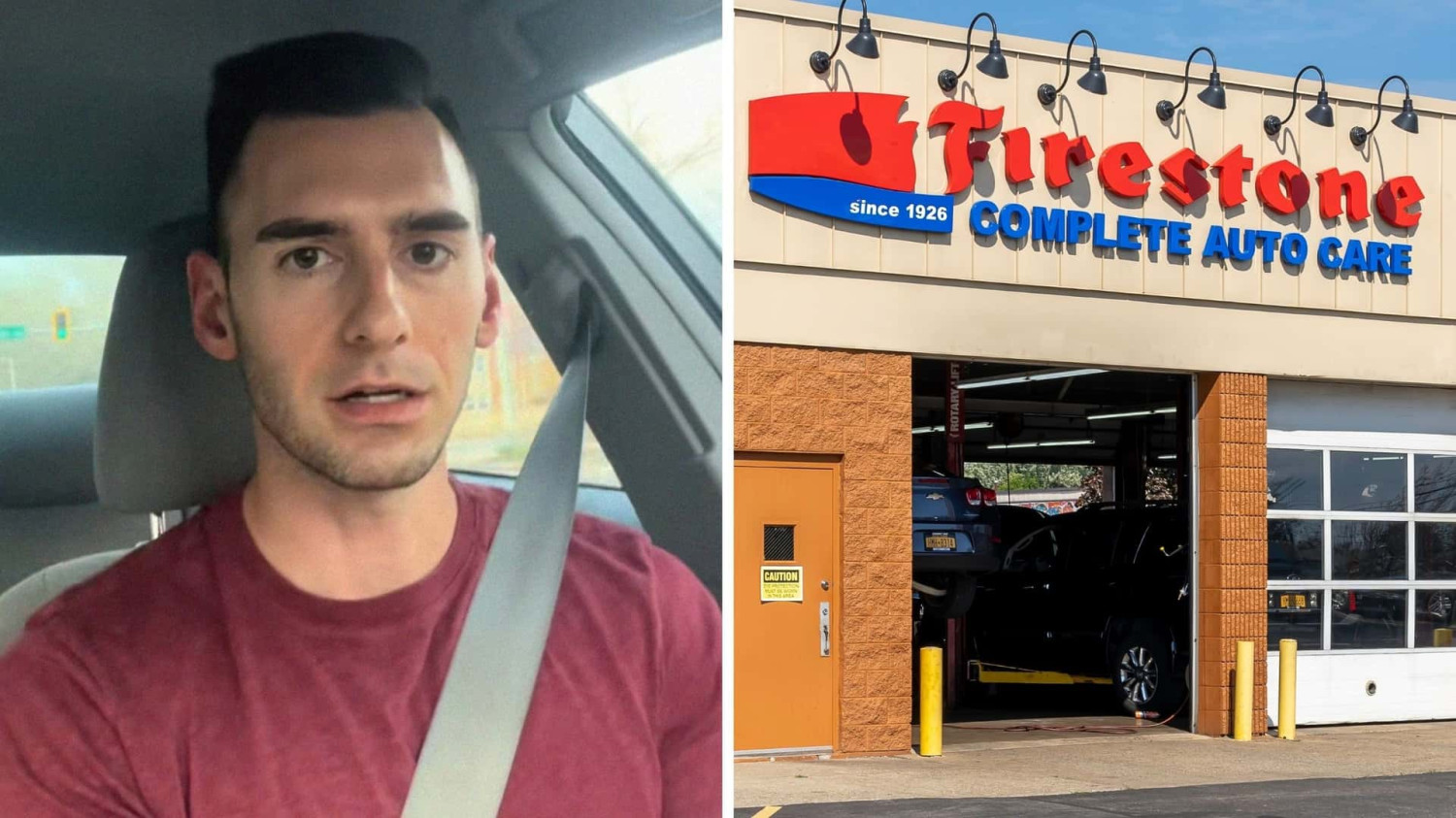
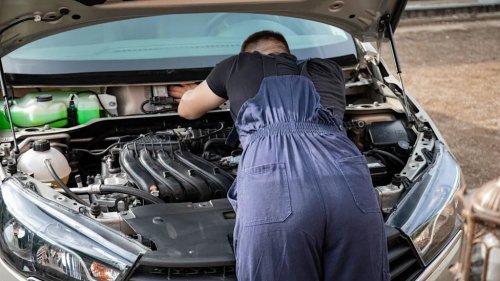
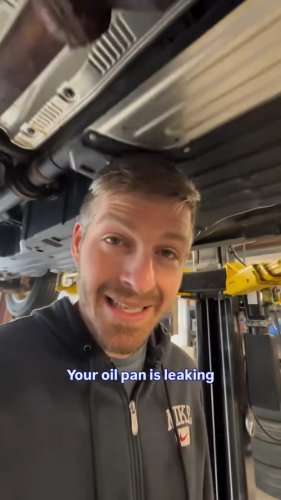
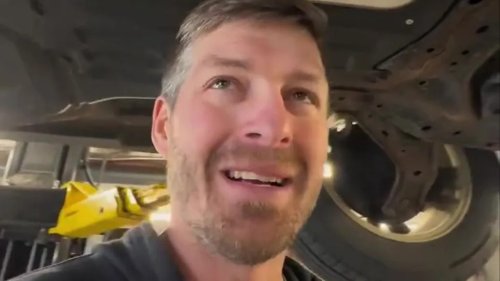
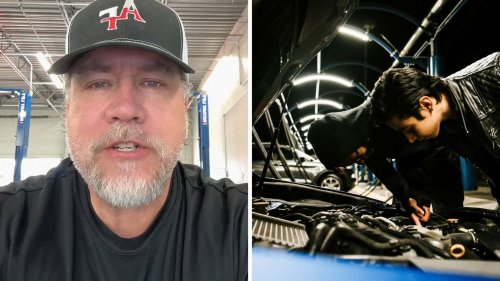
Image Credit: shittystateofmind2 / TikTok.There is a version of this story that every car owner has lived through at least once. You take your vehicle in for something simple, something routine, and it comes back to you with a new problem you did not bring it in with. Sometimes that is just bad luck. Other times, the timing is hard to explain away. A TikTok video that has now racked up well over 215,000 views is putting that exact question in front of a large and skeptical audience, and the comment section has opinions.The video, posted by the user @shittystateofmind2, lays out a scenario that has the kind of sequence that raises eyebrows. He brought his car to a dealership for a routine oil change, something that should be an in-and-out job with zero drama attached. By the next day, his car would not start at all. Not a sluggish crank, not a hesitation. Completely dead.After some poking around, the owner zeroed in on the starter as the source of the problem. He called an independent mechanic, the kind not affiliated with any dealership, who agreed to replace the starter for $500. That is where the story gets its real twist. Shortly after the independent mechanic got under the car, he called the owner back with a pointed question: who had last worked on this vehicle?AdvertisementAdvertisementWhen the owner explained it had just been serviced at a dealership, the mechanic laid out what he was looking at. The starter appeared to have been deliberately unscrewed. He could not say with absolute certainty who did it, but he offered a fairly clear opinion about where the blame likely fell. That one-two punch of a timing that is too convenient and a mechanic's frank assessment is what sent this story viral, and it is not hard to understand why.The Comment Section Had Thoughts, And Not All of Them AgreedReaction in the comments split roughly into two camps. The majority landed on the side of suspicion, with viewers sharing their own stories about dealerships that always seemed to discover new problems every time a car came in for service. One commenter summed it up with the kind of weariness that comes from experience: every visit seemed to turn up something extra that needed attention, while the independent shop they eventually switched to only addressed what was actually asked of them.But a smaller group of commenters raised a legitimate mechanical question. If the starter had been disconnected, how did the car start and drive off the dealership lot in the first place? It is a fair point, and it did not go unaddressed. One viewer offered a plausible explanation: the fastener may have been left just barely holding on rather than fully removed, loose enough that driving over ordinary road bumps could eventually shake the cable free. That scenario would explain why the car ran fine initially and failed the following day.What Dealership Service Departments Actually PrioritizeThis kind of story does not happen in a vacuum. There is a well-documented tension between what dealership service departments should do for a customer and what their internal sales goals push them to do. A former dealership service writer who shared his experience with Edmunds described a work environment where service sales were consistently prioritized over straightforward vehicle care. He recalled being pressured by management to recommend services that vehicles did not actually need and to charge more than the work warranted.AdvertisementAdvertisementOne of the tools used to accomplish that is language. Phrases designed to create urgency or convenience are a standard part of the service department playbook. Telling a customer that brake pads are at less than 50 percent sounds alarming, but the reality is that most manufacturers do not recommend replacement until that figure is much closer to 15 percent.Framing unnecessary services around mileage milestones is another common approach. In one documented example, a dealer's recommended service schedule had nearly doubled the frequency called for in the vehicle's own owner's manual.How to Protect Yourself Before You Hand Over the KeysThe most effective defense a car owner has is also the least glamorous one: read the owner's manual. It tells you exactly what your specific vehicle needs and when it needs it. Dealership service menus are not written around your car's actual engineering requirements. They are written to generate revenue. Those are two very different documents, and knowing the difference matters.Beyond the manual, establishing a relationship with a trusted independent mechanic before something goes wrong is worth more than most people realize. A good independent shop builds its business on repeat customers and word of mouth, not on upsell quotas. Getting a second opinion on any repair estimate over a few hundred dollars is simply good practice, especially when the problem appeared immediately after a dealership visit.The Bigger Picture on Dealership Service TrustIt would be inaccurate to paint every dealership service department with the same brush. Many run honest, competent operations and employ technicians who take genuine pride in their work. Factory-trained mechanics working on the specific brand they were certified on can offer a level of model-specific expertise that is hard to match elsewhere. Warranty work in particular is almost always best handled through a dealership.AdvertisementAdvertisementBut the profit structure of a service department creates incentives that do not always point in the customer's direction. Being an informed owner is not paranoia. It is just the sensible approach to a transaction where one side knows a great deal more than the other. Whether this particular starter was tampered with or simply failed on its own remains unconfirmed. What the story does confirm is that a lot of drivers have felt that same nagging suspicion, and they are paying closer attention than some service writers might expect.If you want more stories like this, follow Guessing Headlights on Yahoo so you don't miss what's coming next.



















 +31 others