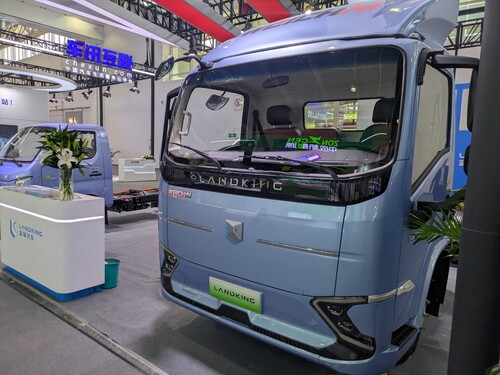
Gabriel Johnson · 4 months ago@gabrieljohnson277Louisiana's First Buc-Ee's Is So Massive, Preparing For The Inevitable Traffic Will Cost The City $11,000,000 Liked by+61 othersPost commentRelated Posts2008 Honda S2000 CR For Sale With 11,000 Miles 32 · Matthew Campbell · 2 months ago‘If You Go to Speedway or Circle K or Shell:’ Woman Stops In Kentucky Buc-ee's. Then She Tries to Get a Refill 36 · Sarah Wright · 9 months ago‘He’s Looking at the Sky.’ Louisiana Police Measured a Squatted Truck at 13 Inches Nose-Up, Then Towed It After Its Second Ticket in Three Days. 52 · Kayla Wright · 24 days agoSpaceX To Build Second Spaceport In Louisiana That It Claims Could Launch Thousands Of Starship Rockets Per Year 78 · Annabelle Walker · 1 months agoTrump EPA Plan to Put Louisiana in Charge of Toxic Coal Ash Threatens Drinking Water 41 · Mason Roy · 2 months agoHyundai Steel’s Potential Economic Costs, Mercury Pollution & Drinking Water Threats Must Be Fully Evaluated Under Louisiana Public Trust Doctrine 11 · Alexander King · 2 months agoLouisiana, Massachusetts warn dealerships to include document fees in advertised vehicle prices 68 · Nicole Poirier · 4 months agoUnder Pressure, Hyundai Steel to Significantly Reduce Emissions, Switch from Gas to Electric Heaters at Proposed Louisiana Plant 10 · Victoria King · 4 months agoHyundai Issued with Demands on Louisiana Steel Mill by Delegation of Labor, Civil Rights, Environmental Health Leaders 12 · Caleb Roy · 5 months agoA forgotten Mustang fastback and two Jeep CJs prove you can find cool things in Louisiana 82 · Lily Johnson · 5 months agoHyundai Failed to Consider Cleaner Alternatives in Air Permit for Proposed Louisiana Steel Plant in Violation of the Law & Company Promises 97 · Mia Harris · 5 months agoVolkswagen’s culling of 75 models by 2035 was inevitable, says CEOAva Nelson · 11 days agoGlobalFoundries: 48V Migration Inevitable, but 12V Unlikely to Exit Soon 17 · Amelia Anderson · 1 months agoNASCAR’s Brake Failures at Gateway Were Inevitable, Remain Hard to Solve 53 · Justin Leblanc · 1 months agoYou May Not Like It, but the Mazda MX-5 Miata’s Fate Is Inevitably Electric 40 · Mason Morgan · 2 months agoKids Turned a $530,000 Ferrari Into a Slide. The Parents’ Response Made a Lawsuit Inevitable. 60 · Madeleine Lavoie · 3 months agoThe Inevitable Electrification of Labor? — CleanTechnica Field Trip 92 · Mia Rogers · 4 months agoLANDKING Makes Electric Trucks Look Inevitable at Auto China 79 · Amélie Labelle · 5 months agoA 1,380 hp Volvo XC hybrid? New Zeekr 8X makes it feel inevitable 81 · Gabriel Carter · 6 months agoThe InEVitable Episode 137: Son of Rivian, the Also TM-B E-Bike 75 · Gabriel King · 6 months ago




 +61 others