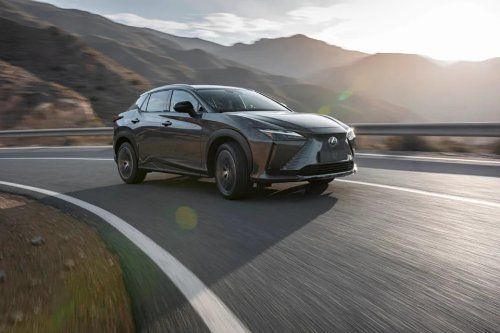
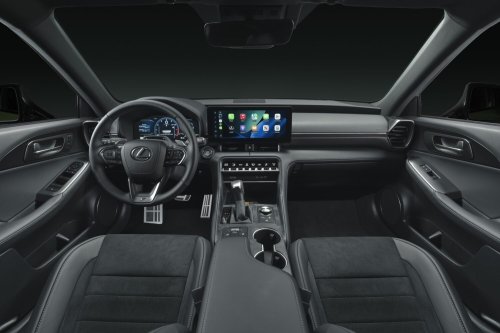
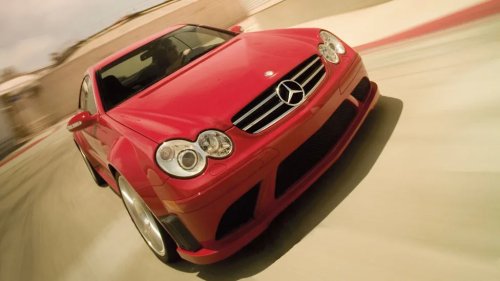
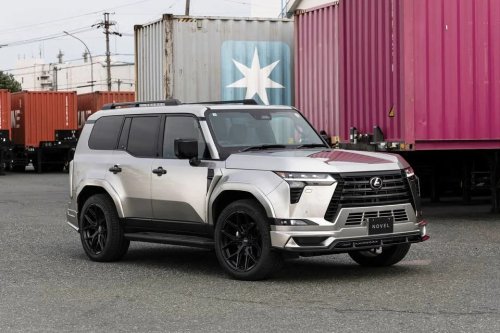
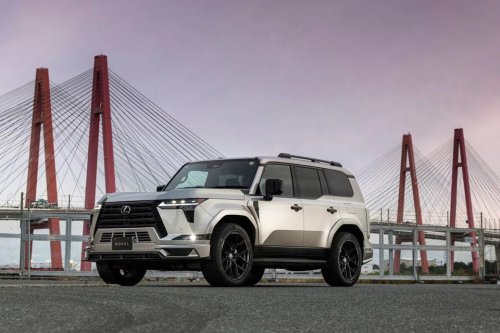
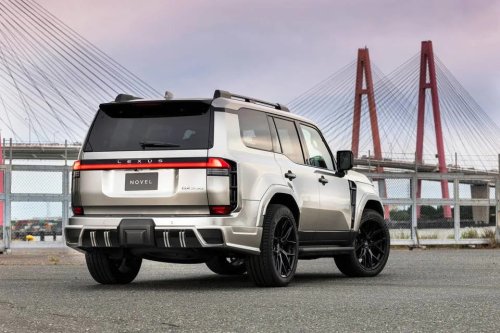
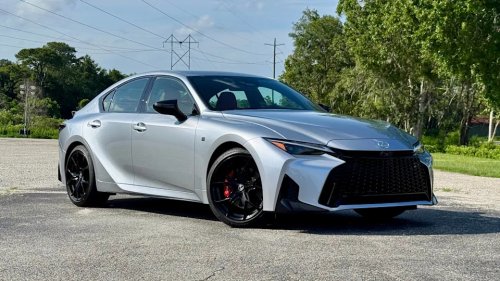
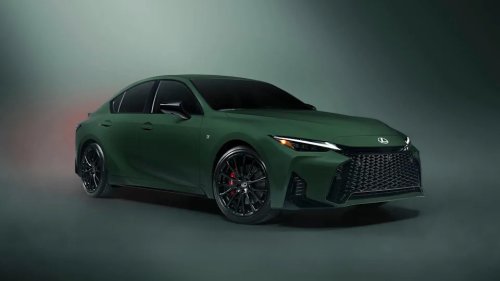
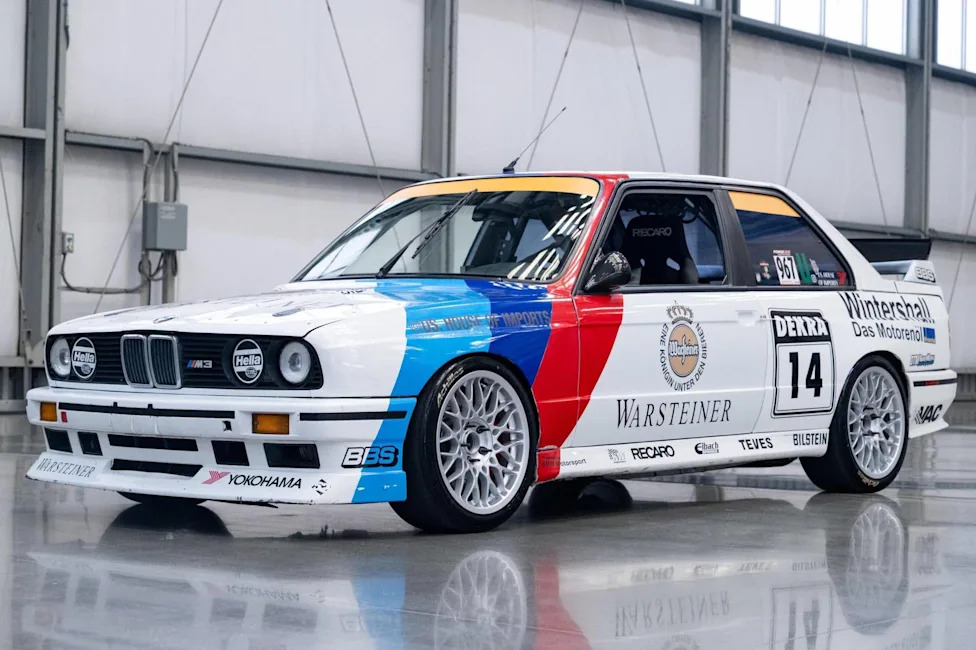
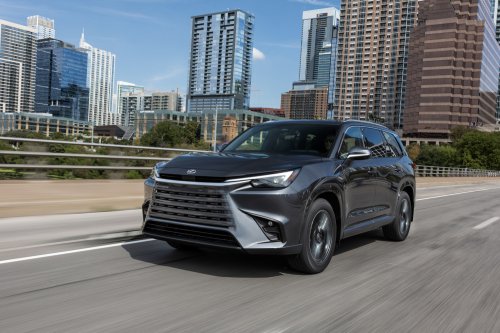
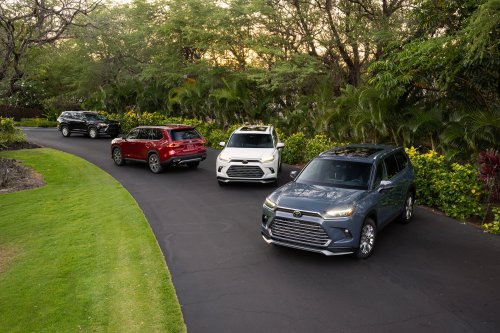
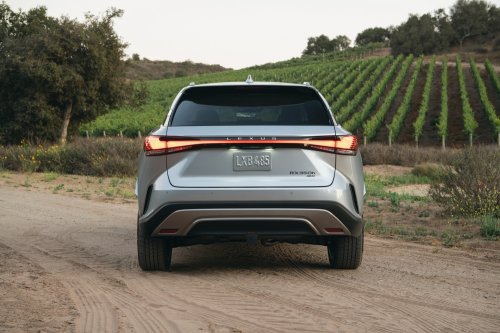
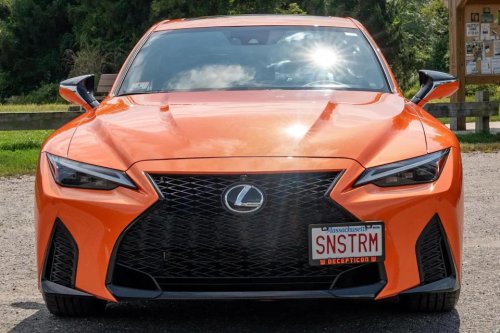
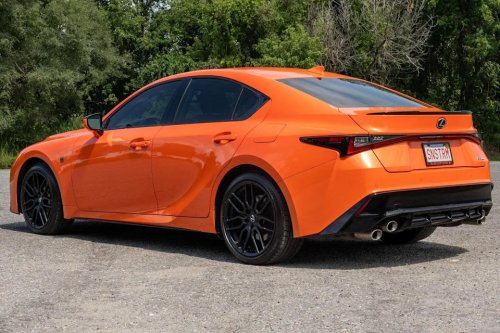
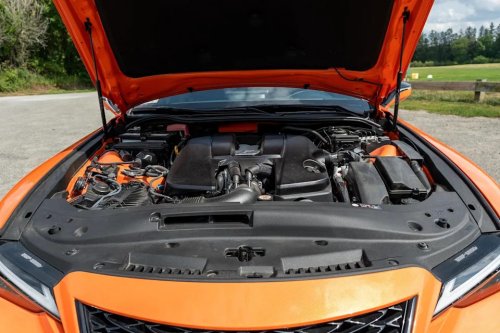
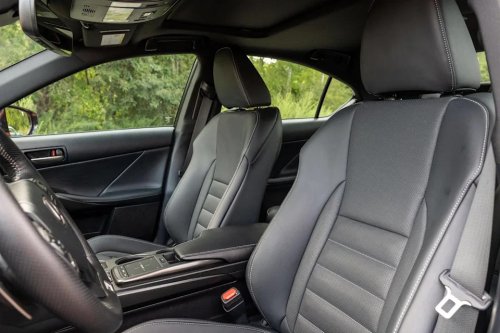
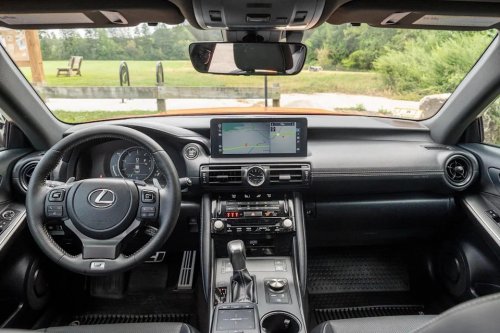
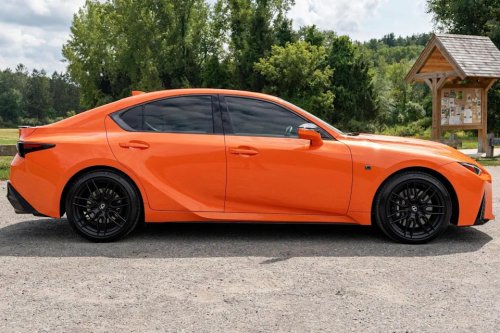
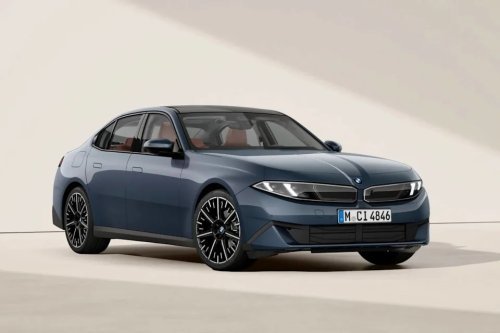
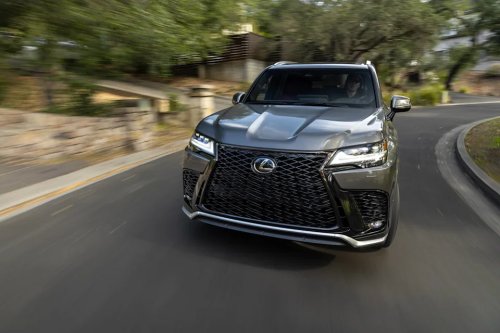
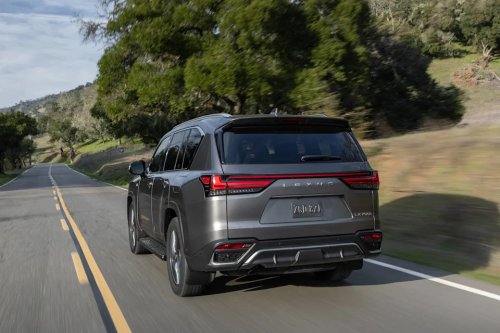
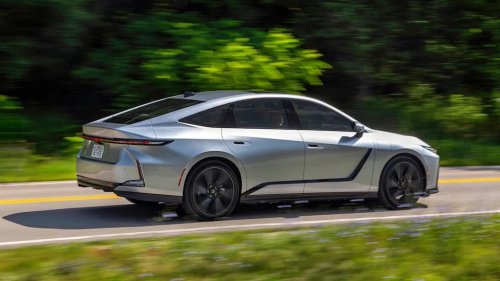
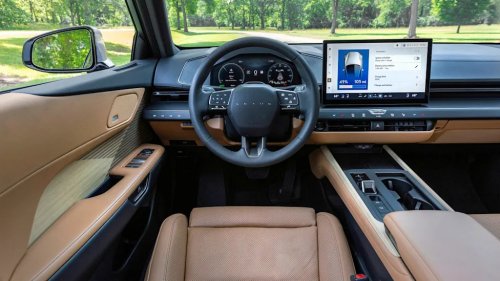
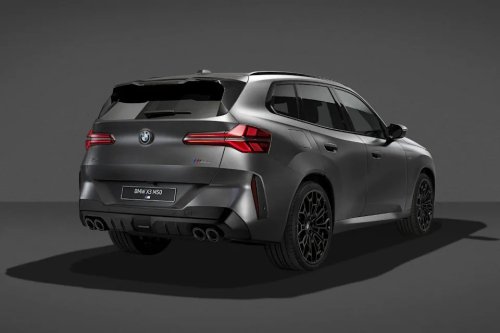
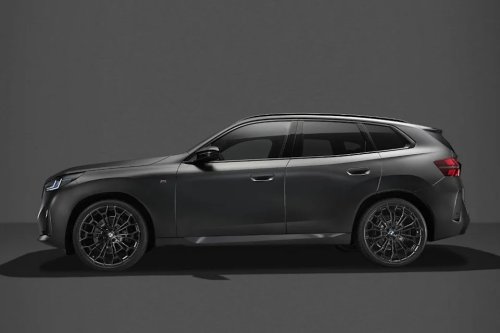
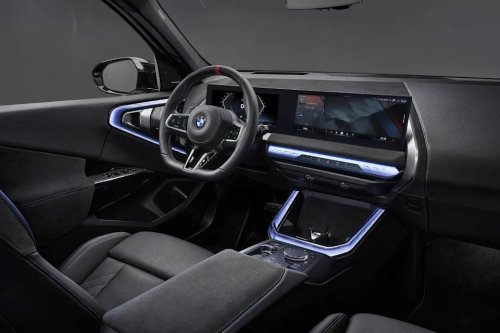
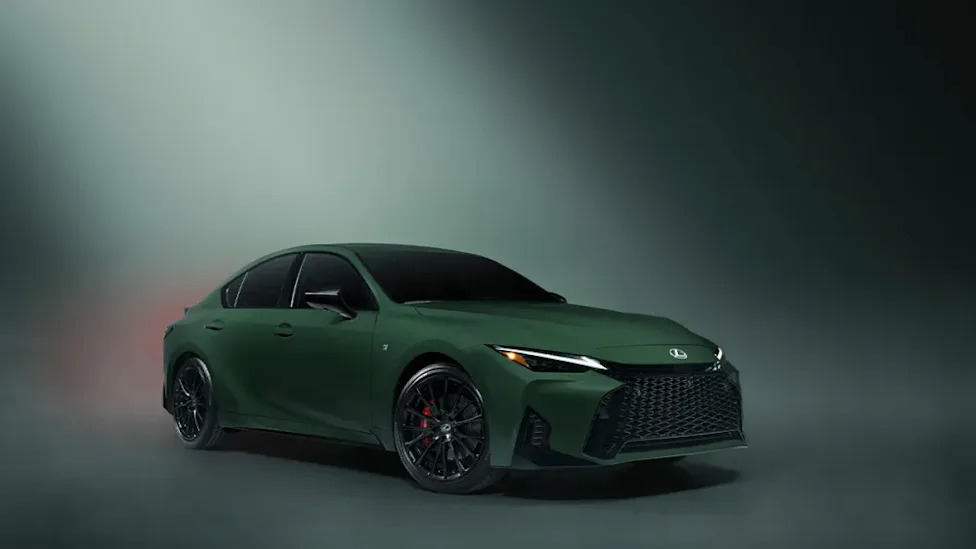
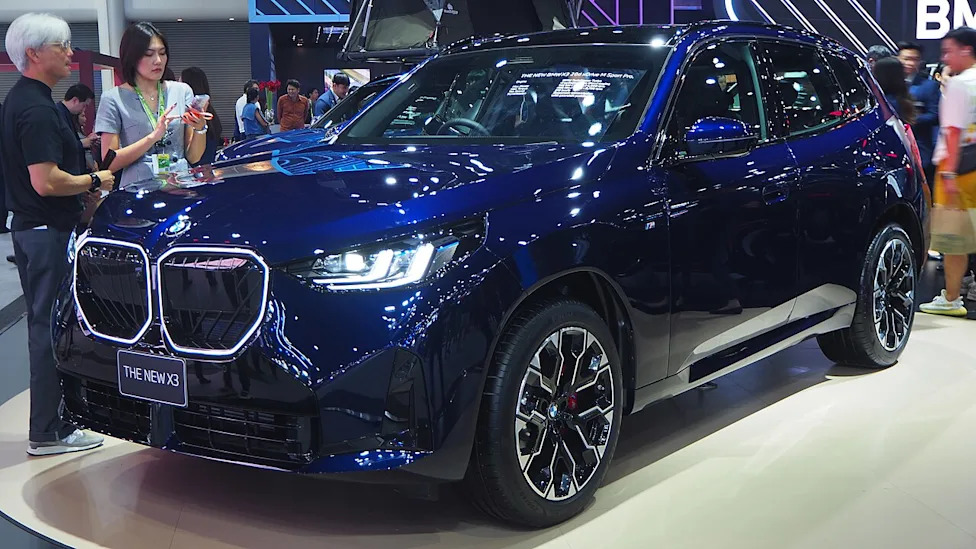
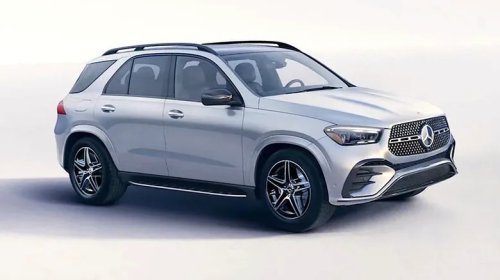
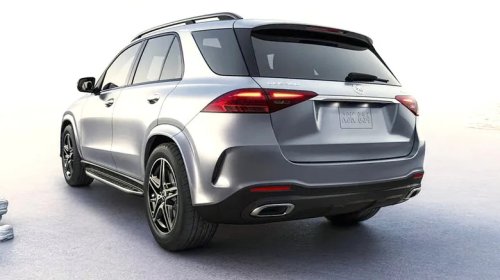
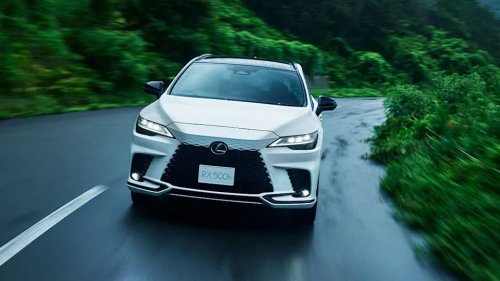
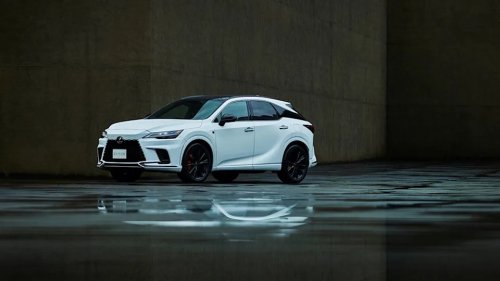
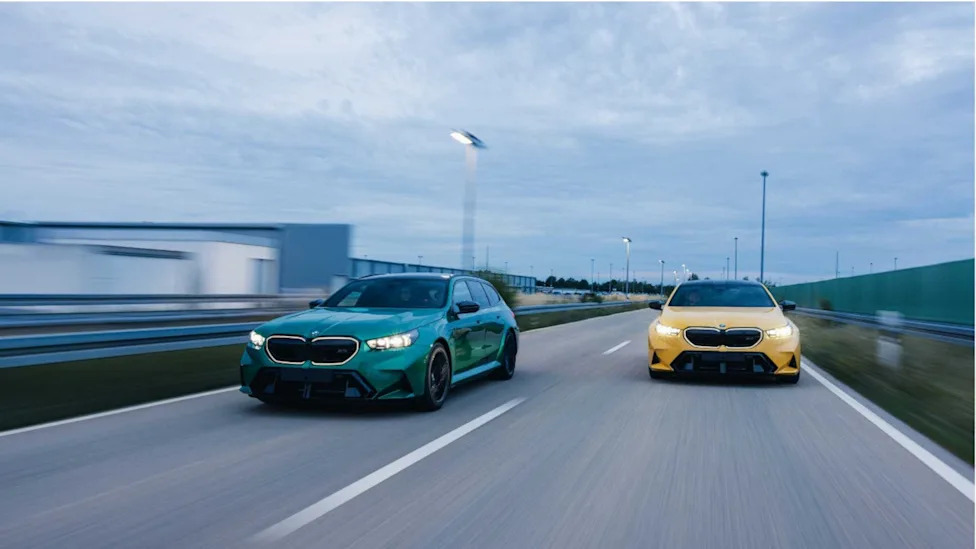
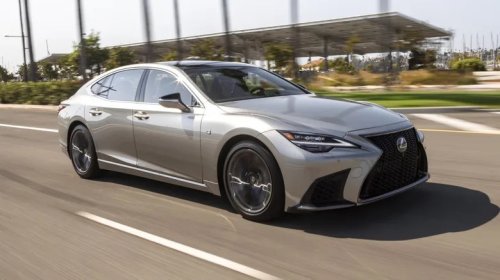
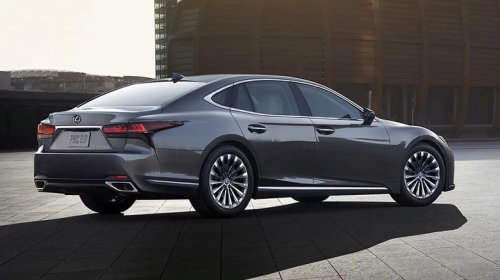
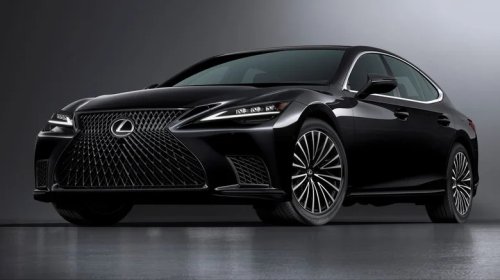
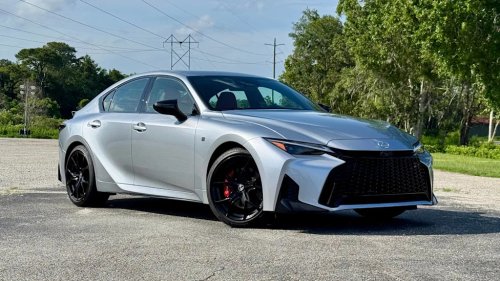
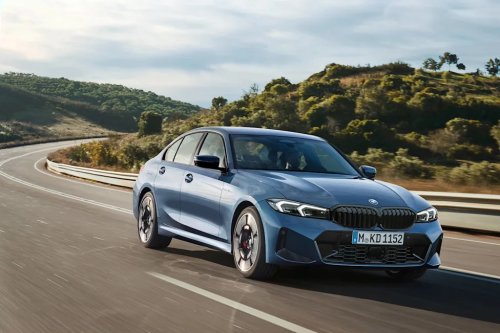
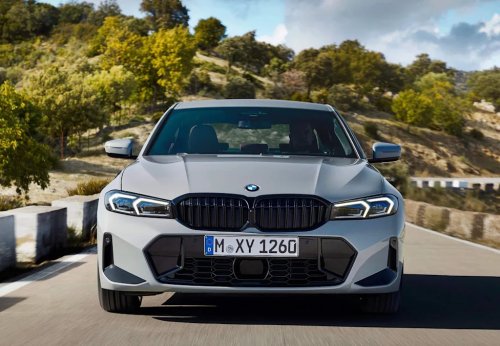
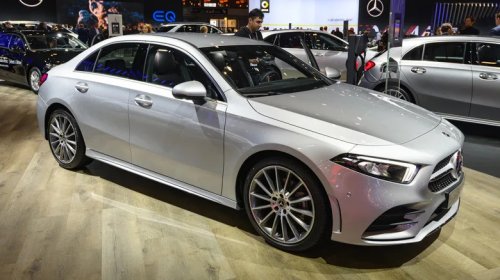
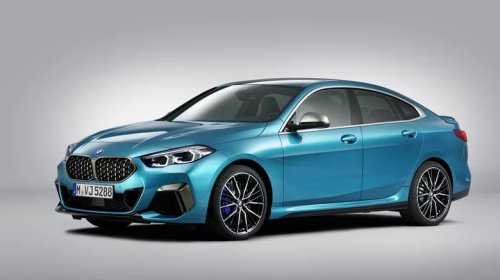
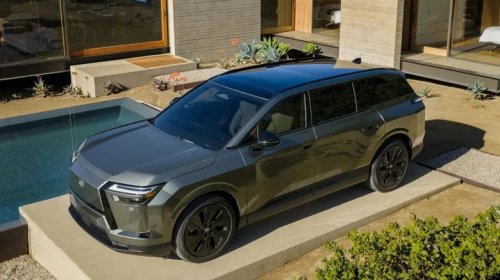
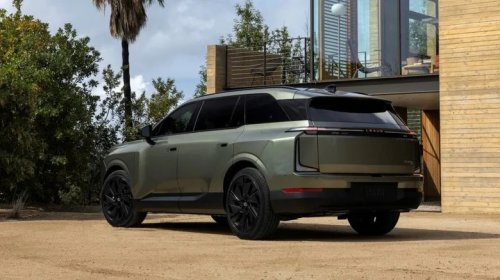
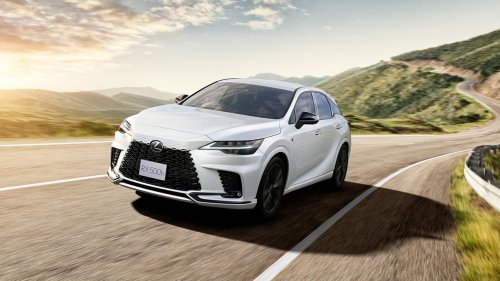
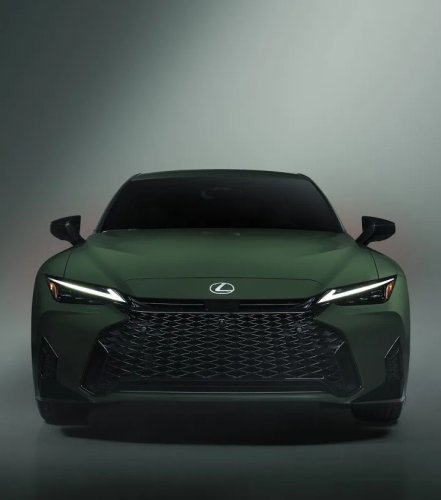
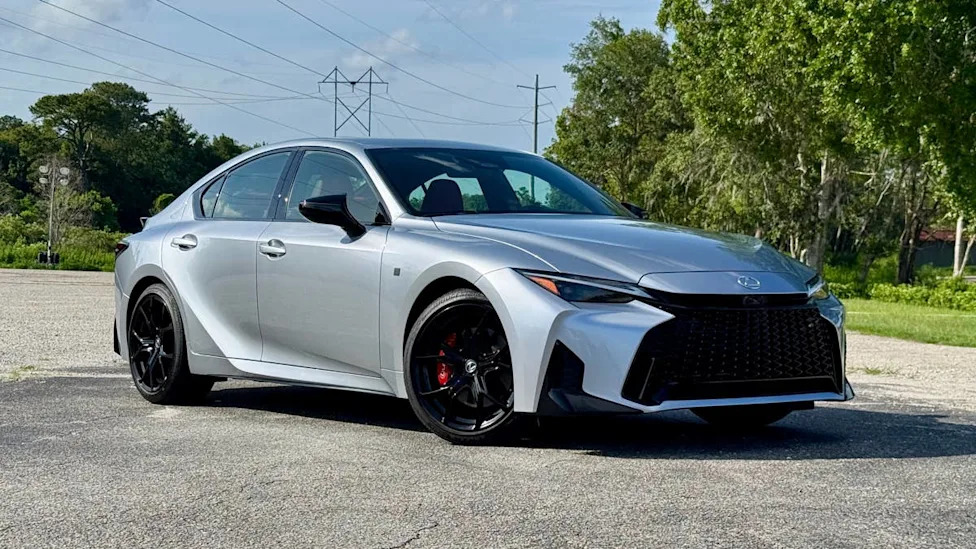
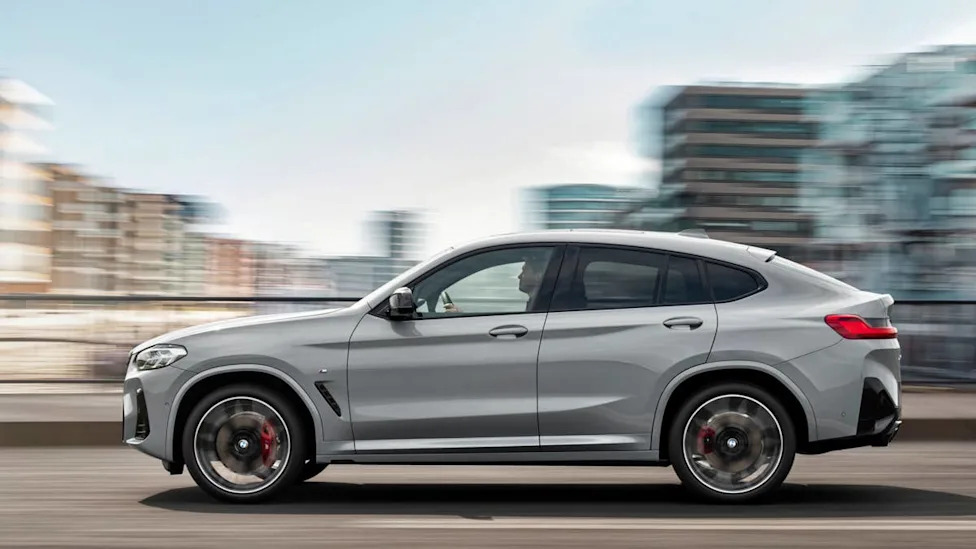
Autoblog and Yahoo may earn commission from links in this article.For years the luxury reliability question had a settled answer. Buy a Lexus if you wanted peace of mind, buy a German car if you wanted the drive, and accept that the German would cost you more time at the dealer. The shape of that trade is changing.Start with the finding that should stop anyone shopping in this class. In the J.D. Power 2026 U.S. Vehicle Dependability Study, premium brands averaged 217 problems per 100 vehicles against an industry figure of 204. Luxury cars, as a group, were less dependable than ordinary ones. They trailed mass market vehicles in seven of the nine categories the study measures, and the only areas where they held an edge were powertrain and seats. The study is based on responses from more than 33,000 owners of three-year-old vehicles, so this is the long-term ownership picture, not first-week impressions. You can read the breakdown in the J.D. Power 2026 VDS release.AdvertisementAdvertisementSo the premium badge no longer buys reliability on its own. That makes the differences between Lexus, BMW, and Mercedes the part worth understanding, because the gap between them is wider than the badges suggest.Jared Rosenholtz/AutoblogView the 3 images of this gallery on the original articleHow To Read The Two ScorecardsTwo studies dominate this debate, and they measure different things.J.D. Power's Vehicle Dependability Study asks owners of three-year-old cars how many problems they have experienced. It is retrospective and it counts every issue equally, from a failed transmission to a Bluetooth pairing that drops. Lower scores are better, expressed as problems per 100 vehicles.AdvertisementAdvertisementConsumer Reports works from a member survey combined with a predicted-reliability model, and it weights problems by severity. A drivetrain failure counts for far more than a rattling trim piece. Its scale runs to 100, and higher is better.The two rarely agree on a top three. J.D. Power's 2026 leaders were Lexus, Buick, and MINI. Consumer Reports named Lexus, Subaru, and Toyota at the top of its reliability ranking. Where they do agree is the part that matters here.Related: BMW vs Lexus Reliability: The Final Score Isn't Even CloseWhere The Three Actually LandSet side by side across both studies, the order holds even though the methods do not.BrandConsumer Reports 2026 ReliabilityJ.D. Power 2026 VDSLexusTop three, highest-ranked luxury brand1st overall, 151 PP100BMW5th, top-ranked European brand11th, above the 204 industry averageMercedes-Benz19th, lowest-ranked European brand23rd, below the industry averageBoth columns are shown by rank. Consumer Reports built its 2026 ranking from roughly 380,000 member vehicles and names BMW the top European brand at 5th and Mercedes the lowest at 19th. J.D. Power publishes exact PP100 only for segment leaders and the industry average, so BMW and Mercedes appear by their position in the official VDS chart.AdvertisementAdvertisementLexus leading both is no surprise, and the Lexus IS was also named the single most dependable model in the J.D. Power survey. BMW is the unexpected name, the only German brand inside the Consumer Reports top ten and, Porsche aside, the steadiest German performer in the J.D. Power ranking. Mercedes is the one that has slipped, sitting near the bottom of both fields and a long way behind the rival it was once measured against as an equal.The German SplitBMW and Mercedes were once spoken of in one breath, two German rivals with the same reputation for engineering you admired and bills you feared. That parity is gone.BMWBMW clears the industry average in the J.D. Power study and beats Mercedes by a wide margin there and in Consumer Reports. The lead holds at model level. The BMW X4 was the most dependable vehicle in its premium SUV segment, and the 3 Series and 4 Series trailed only the Lexus IS in compact premium. Consumer Reports rates every current BMW average or better, and puts the Mercedes E-Class and GLS at the bottom of their categories. Mercedes has no comparable run of segment results.One wrinkle complicates the easy read. In J.D. Power's separate 2026 Initial Quality Study, which covers the first 90 days of ownership, BMW won more segment awards than any brand in the industry. It slides from that early lead to 11th by three years. Even so, 11th sits above the industry average, so the decline with age is real but milder than the old reputation claimed. None of it puts BMW level with Lexus, which finishes ahead of both.AdvertisementAdvertisementRelated: Audi Vs BMW Vs Mercedes Reliability: One Clear Winner for 2026What Is Actually BreakingThe trouble is concentrated in the cabin. Infotainment was the worst category in the J.D. Power study at 56.7 PP100, well ahead of anything mechanical, and four of the five most common complaints were about connecting a phone to the car. Over-the-air updates have not helped. Most owners who received one noticed no improvement, and the updates tracked with a rise in reported problems.Powertrains tell a calmer story. Gasoline engines were the only category to improve, at 198 PP100, the most dependable of any. Plug-in hybrids were the worst at 281, electrics at 237, conventional hybrids at 213.The two gaps overlap, though the link is correlation, not proof. The brands piling on screens and connected features collect the faults that now dominate the scores. Neither study draws a direct line from infotainment load to brand ranking, and that line shouldn't be drawn here either. It's worth noting only as a pattern: the brands collecting the most connectivity complaints also tend to be the ones pushing the most screens and connected features. Whether that's cause or coincidence isn't something these studies settle. Why Lexus Still Sets The BarLexus keeps winning for unglamorous reasons. It changes its cars less often and carries proven hardware forward, and the discipline shows up in the data. Consumer Reports has long warned buyers away from the first year of any redesigned model, and Lexus's habit of slow, incremental change is the opposite of that risk. Its hybrids, the heart of the lineup, sit in the most dependable powertrain group rather than the troubled plug-in and electric categories.AdvertisementAdvertisementThe picture is not spotless, and it is worth saying so plainly. The third-generation Lexus GX dropped to merely average in Consumer Reports after its 2024 redesign, proof that even Lexus pays the new-model tax when it actually redesigns something. The reliable ES sedan is also absent from the current lineup ahead of a new version, removing one of the brand's steadiest performers from the rankings. Lexus still finishes first. The same forces pulling the rest of the segment down still reach it.The VerdictFor outright reliability, Lexus remains the answer, and the 2026 data does nothing to weaken that. It leads both major studies and asks the least of its owners.Among the Germans, the choice is now clear in a way it was not a few years ago. BMW is the dependable one and Mercedes is the laggard, for the reasons laid out above. Buying a Mercedes for reliability right now is the wrong call on the current data. The badge buys plenty. This is not what it buys. The one caveat is that a low brand rank is not a verdict on every model: the GLA still placed second in its segment, so shop the model, not the star.One caution applies to either German badge. These scores cover the first few years, when most cars are under warranty. The cost of keeping a German luxury car healthy after that warranty lapses is a separate question, and a well-documented one, so reliability ranking and long-term running cost should not be read as the same thing.BMWFAQs:Is Lexus More Reliable Than BMW And Mercedes?Yes. Lexus finished ahead of both in the J.D. Power 2026 Vehicle Dependability Study and the latest Consumer Reports reliability ranking, leading both and posting the most dependable individual model in the J.D. Power survey.AdvertisementAdvertisementIs BMW More Reliable Than Mercedes Now?On current data, clearly. BMW placed fifth in Consumer Reports and 11th in the J.D. Power study, above the industry average. Mercedes placed 19th in Consumer Reports and 23rd in J.D. Power, near the bottom of both. The two studies use different methods and reach the same conclusion.Why Are Luxury Cars Less Reliable Than Regular Cars?The 2026 J.D. Power study found premium brands averaging more problems than mass market ones, driven mainly by infotainment and connectivity faults. Phone integration, Bluetooth, wireless charging, and over-the-air updates accounted for much of the gap.Which Is Cheapest To Maintain Long Term?Reliability scores measure problems in the first few years. They do not include maintenance and repair bills after the warranty ends. Confirmed long-term cost data across all three brands is limited, so a clean ranking on running cost is not something the dependability studies support. Lexus's stronger reliability record points one way, but treat maintenance cost as a separate question to research per model.This story was originally published by Autoblog on Jul 1, 2026, where it first appeared in the Features section. Add Autoblog as a Preferred Source by clicking here.



















 +61 others