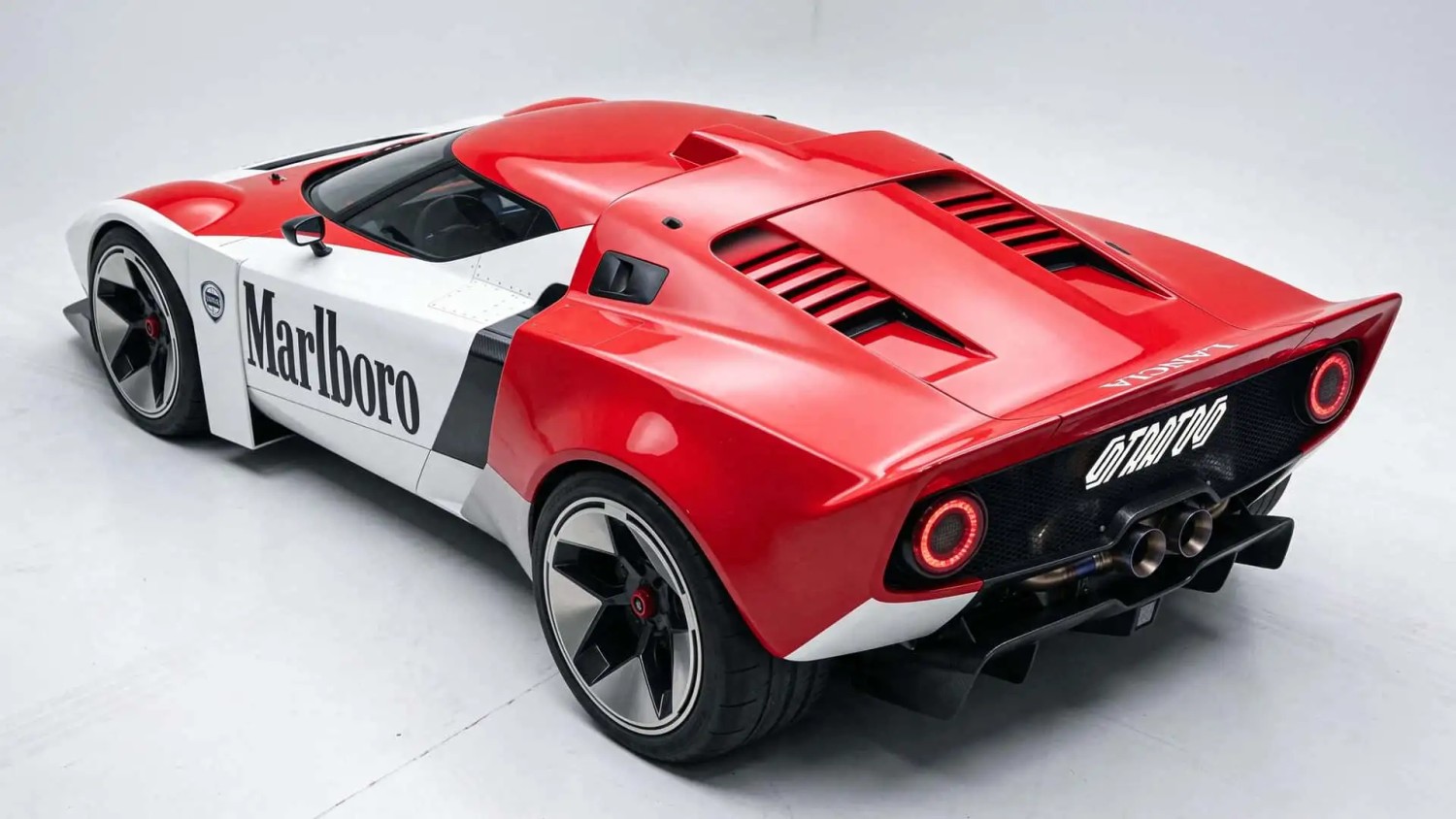
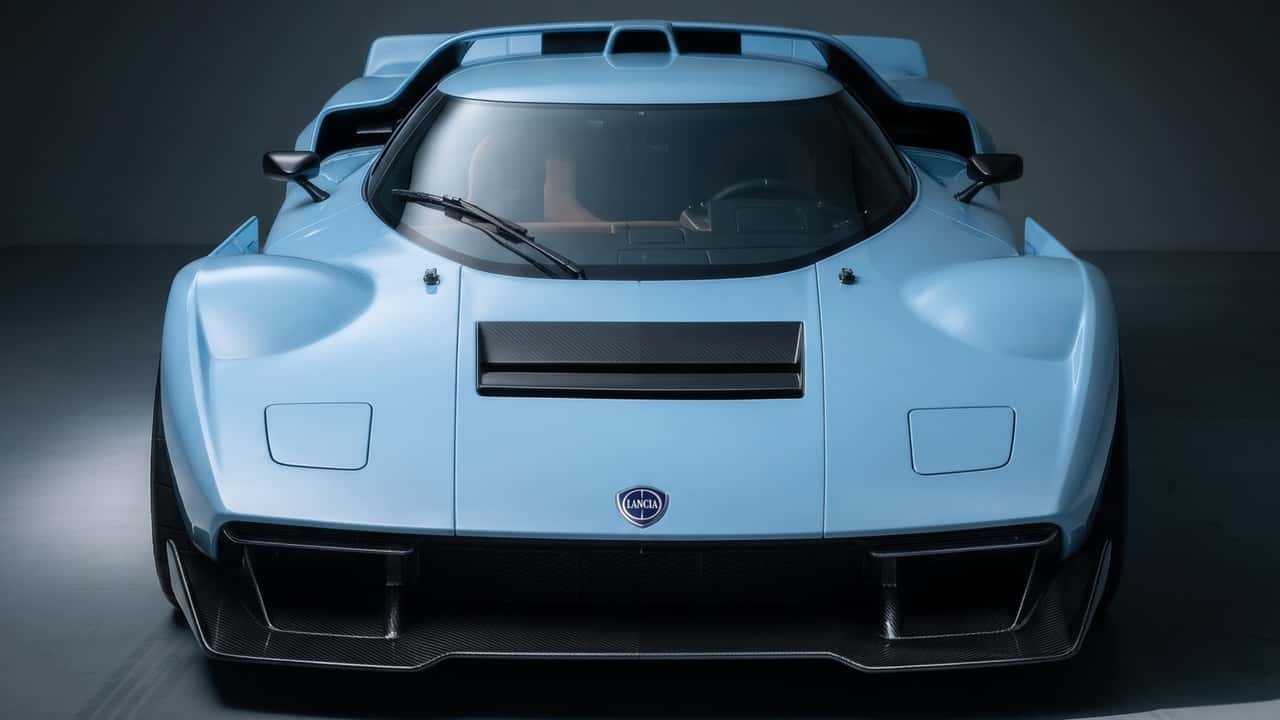
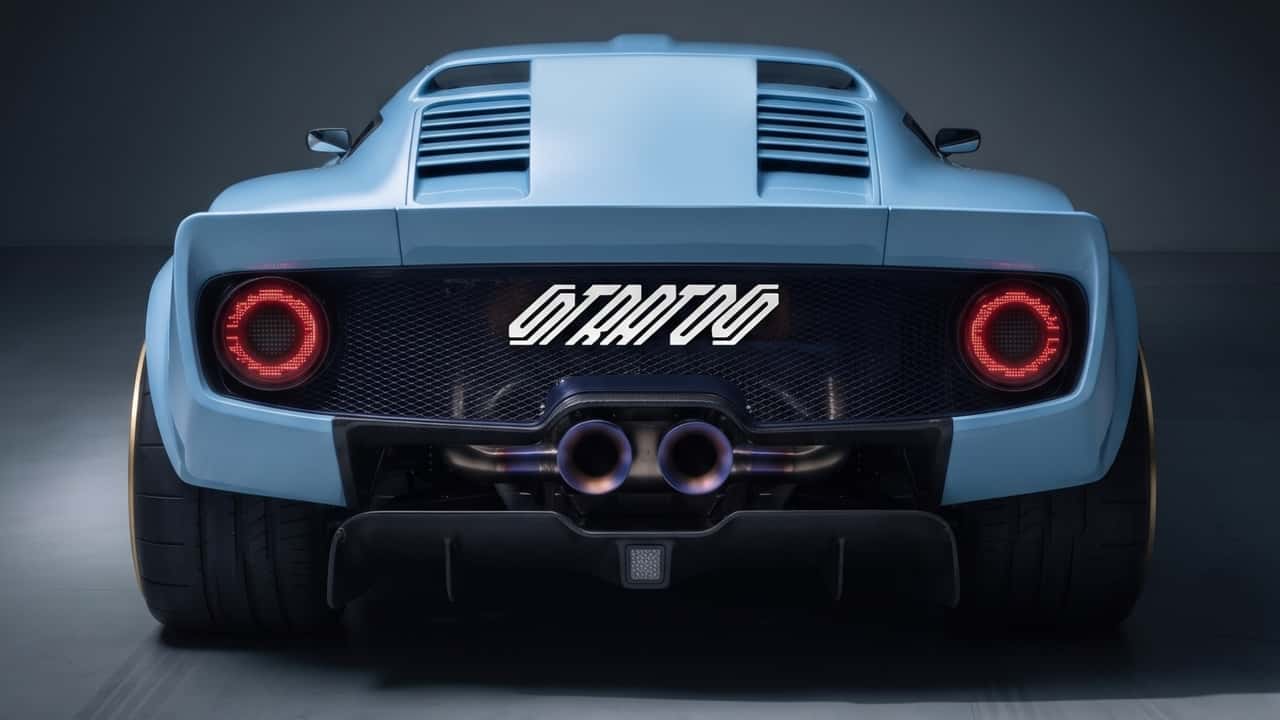
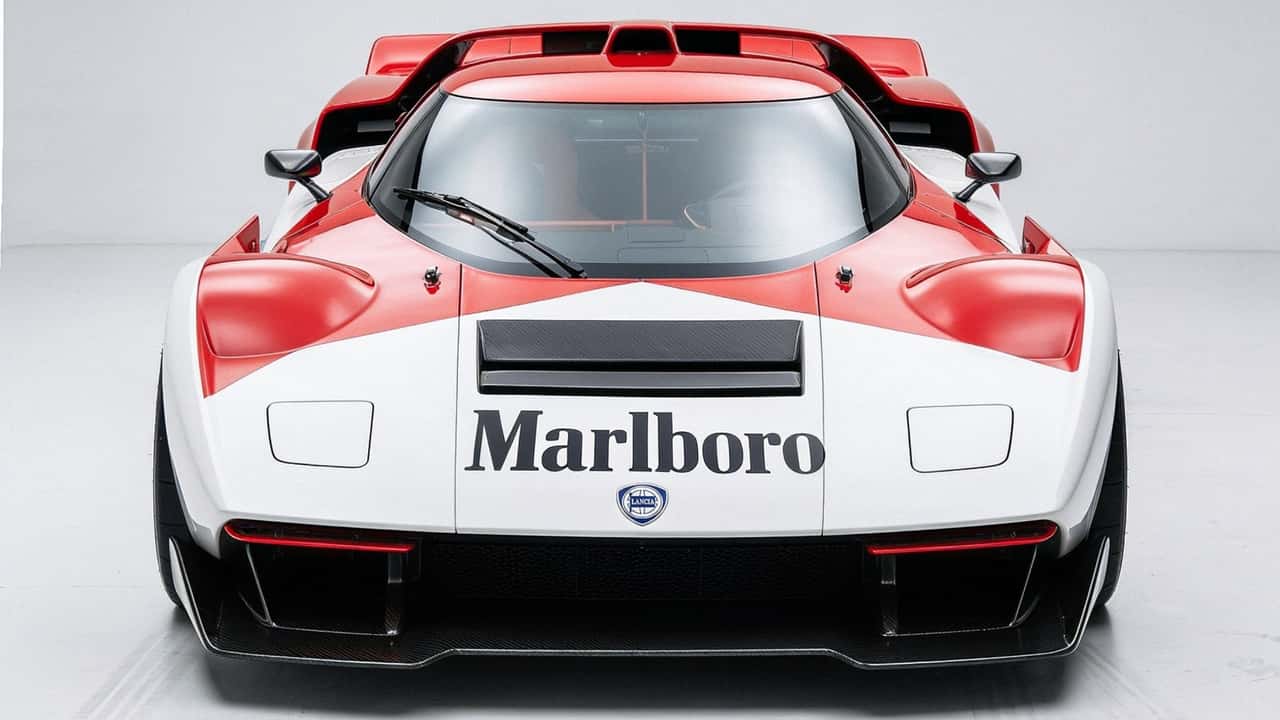
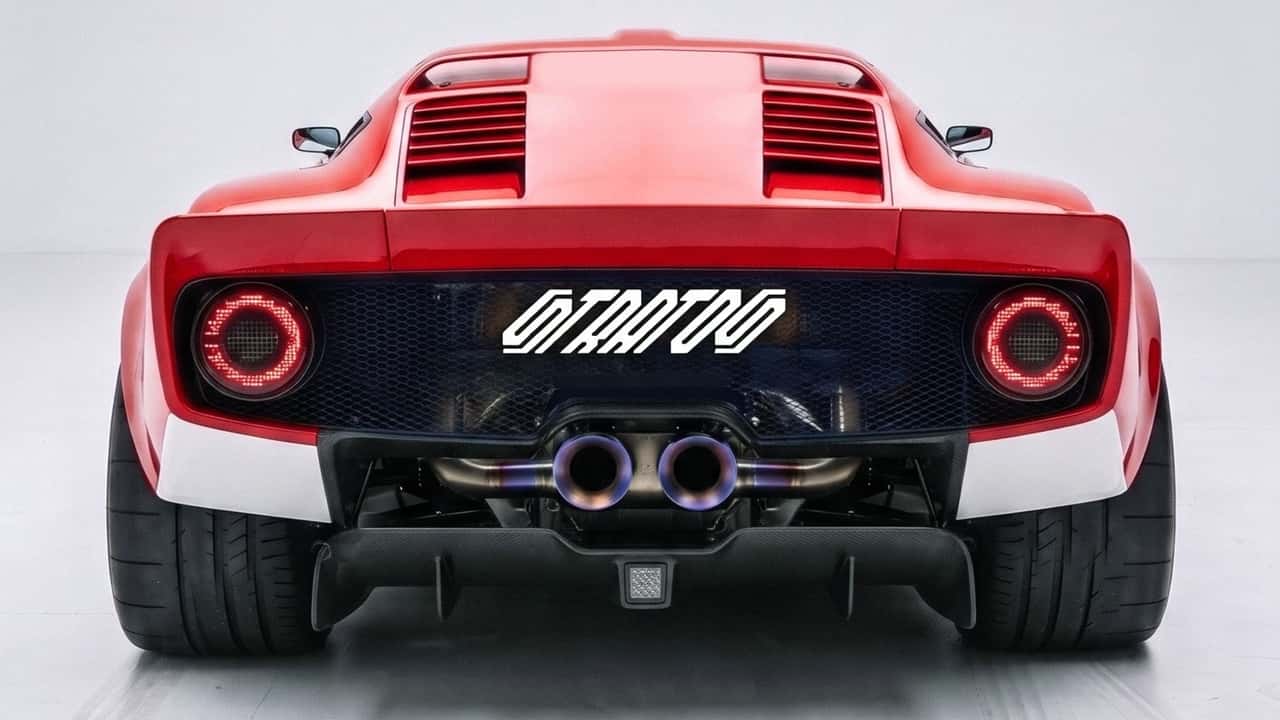
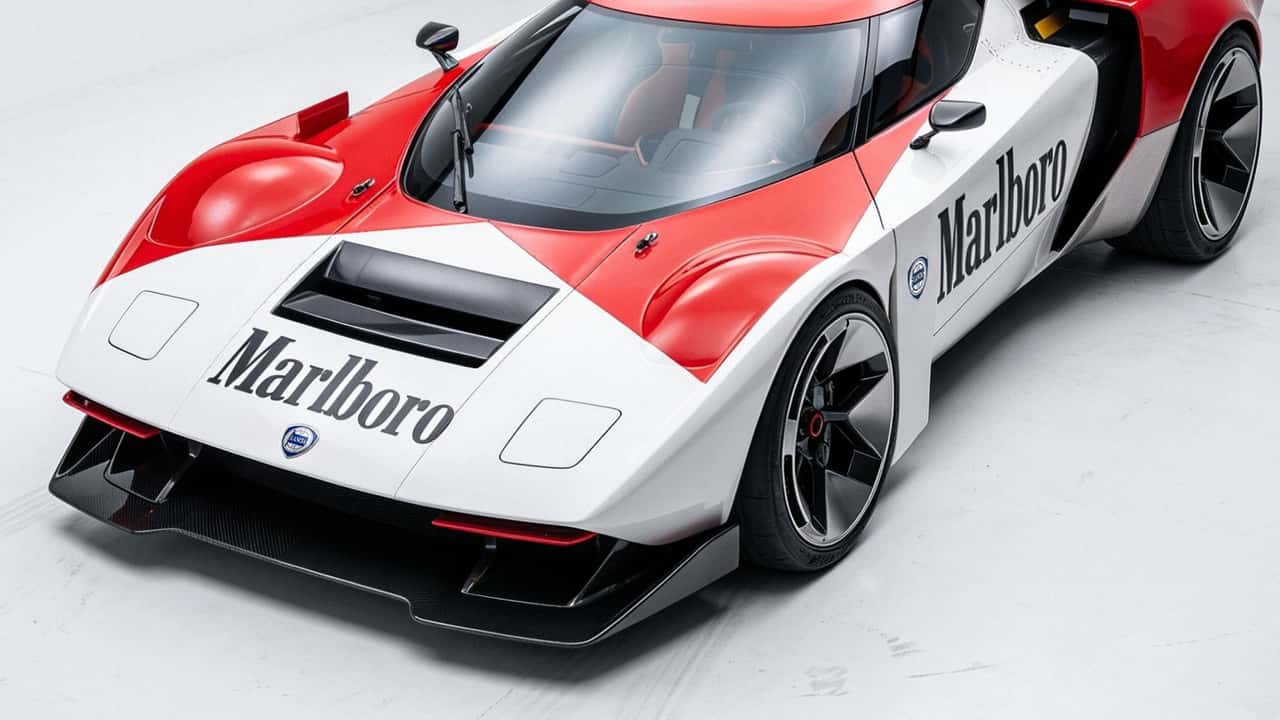
When you think of iconic rally cars, what’s the first name that pops into your head? If you said Lancia Stratos, you’re probably not alone (although Delta Integrale would have also been acceptable). Few cars dominated the WRC quite like the Stratos. It won three Group 4 rally titles between 1974 and 1976, with 18 total stage victories, including three at Monte Carlo. Lancia would eventually retire the Stratos in 1981, but not before cementing the wedge-shaped sports car in the history books. Nearly 50 years later, and the Stratos remains a sticking point for so many enthusiasts. Efforts to revive the nameplate have come and gone, but so far, Lancia hasn’t been able to capture that same magic. Maybe someone else can. Luca Serafini is one of our favorite digital rendering artists. He’s worked his virtual magic on the Ford Mustang, the Audi A8, and many more. This time, he’s taking his talents to Lancia in an effort to revive the Stratos. And frankly, it’s one of the best (most realistic) interpretations we’ve ever seen. Long Live The Lancia Stratos Serafini’s take on the Stratos doesn’t stray far from the original formula—iconic wedge shape, stout wheelbase, wraparound windshield, and racing pedigree. As expected, this version gets a modern update with wider fenders, a bigger rear spoiler, and cleaner bodywork. It does keep the pop-up headlights, thankfully. Serafini also presents two versions of his Stratos rendering: one for the road and one for the track. Both look beautiful. The road-going version, Serafini says, is a tribute to the original Stratos’ Azzurro Chiaro paint job. The race version sports an iconic red-and-white Marlboro livery, just like the one worn by the first WRC title-winning Stratos in 1974. Photos by: Luca Serafini | Instagram Interestingly, Serafini’s starting point for the project wasn’t the original Stratos at all; it was a concept that would come a few years later. He tells Motor1: What do you think? 'My starting point was Gandini’s Stratos HF, but I never meant to build a replica. The idea was to take the core volumes and geometries that define the original’s DNA and push them to the extreme.' But Serafini isn’t finished with the project. He says that he and a colleague are planning to develop a final version in CAS, with even more detailed work on the surfacing and details. We can’t wait to see the final version come to life.

 Liked by Lucas Turner, Audrey Young







 Liked by Lucas Turner, Audrey Young