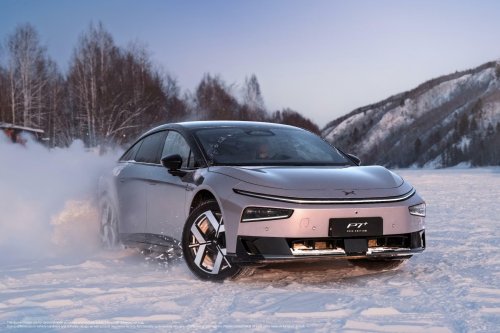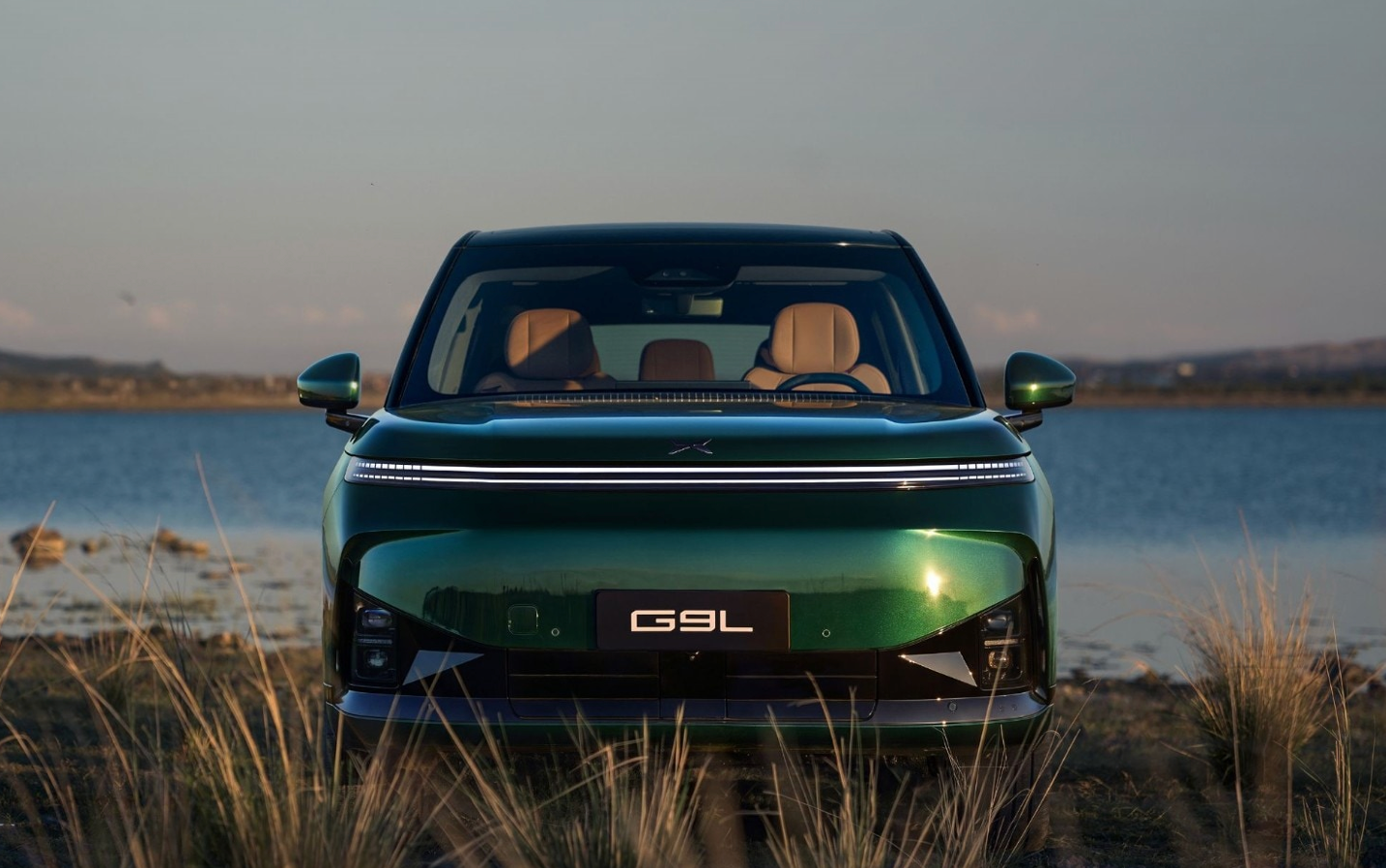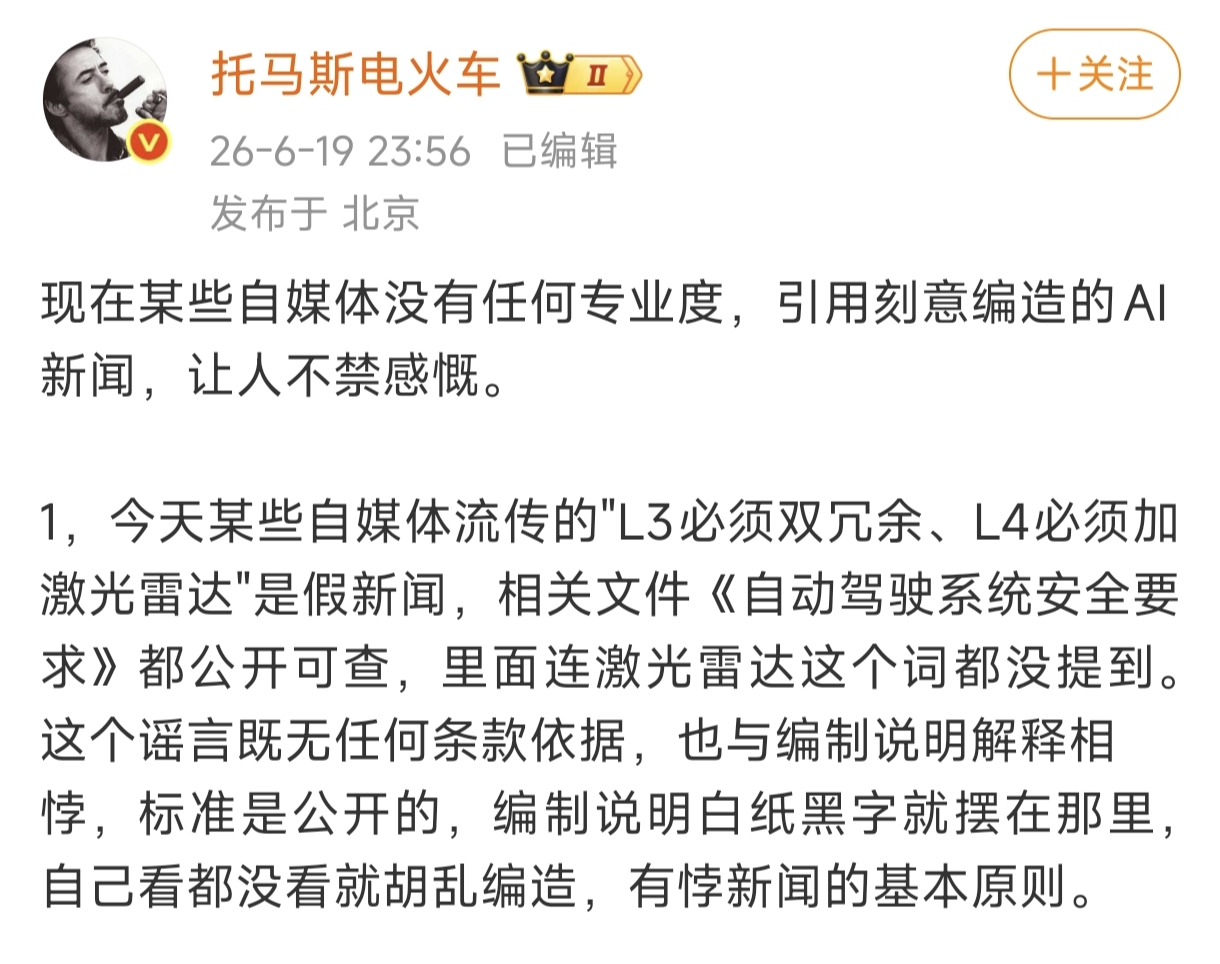
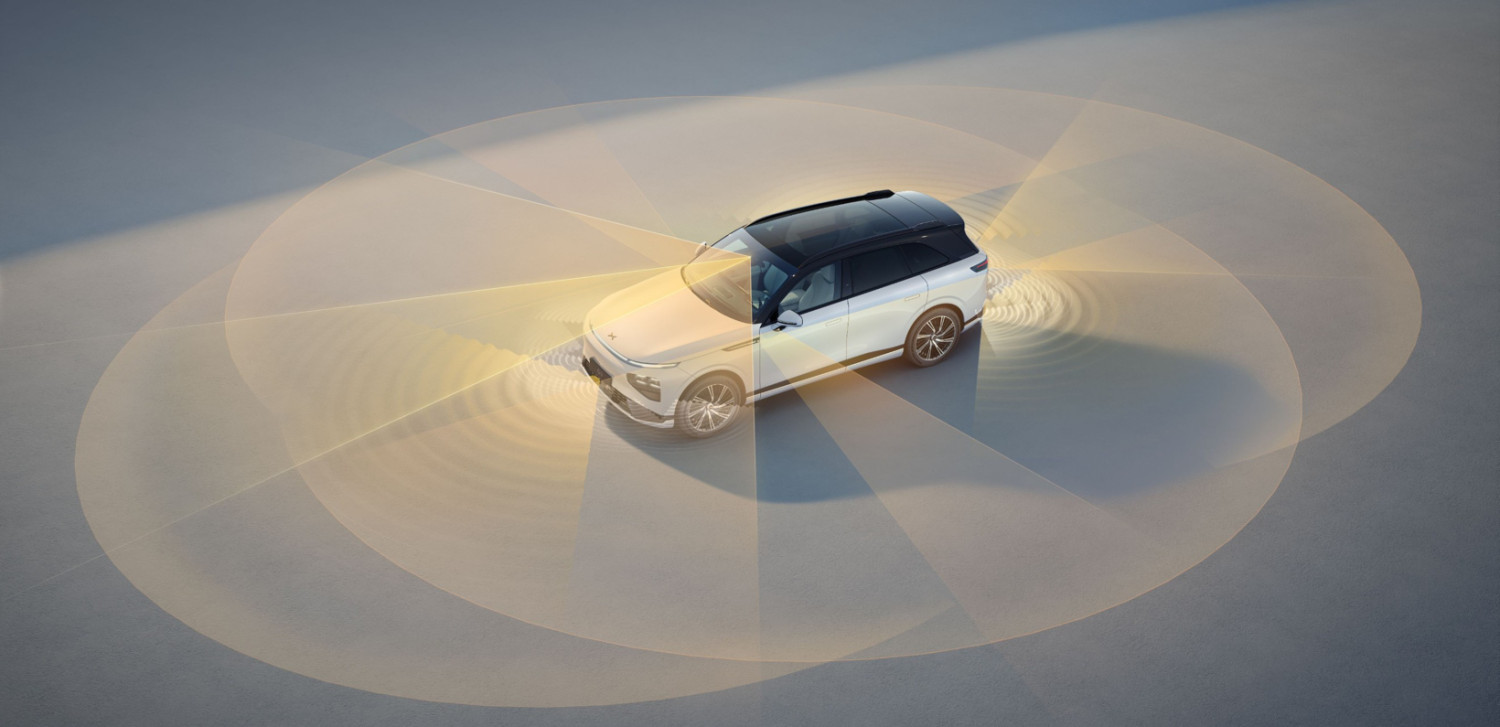


















Gasgoo Munich-“The relevant document, 'Safety Requirements for Automated Driving Systems,' is publicly available, and the term 'lidar' isn't even mentioned in it.” That was Yu Tao, a vice president at XPENG, responding recently on social media to an online rumor.The rumor claimed that a new national standard from the Ministry of Industry and Information Technology (MIIT) would mandate dual redundancy using cameras and millimeter-wave radar for L3 autonomous driving, while L4 systems would require lidar, with enforcement starting July 1, 2027. Yu Tao dismissed the claim as “fake news,” noting it has no basis in the regulation's text and contradicts the official compilation notes.That direct denial from a senior auto executive laid bare the storm of controversy swirling around competing technological pathways.How the Rumor Spread — and Was Shot DownOn June 19, a video content creator on social media claimed that the MIIT's mandatory national standards for L3 and L4 autonomous driving had drawn a “hardware red line”: L3 vehicles would require dual sensing redundancy via cameras and millimeter-wave radar, effectively barring pure-vision solutions from filing for compliant L3 status in China, while L4 models would be forced to add lidar.The creator also emphasized that the new rules would be “mandatory starting July 1, 2027.”The claim spread rapidly because it struck at the heart of the split between pure-vision and lidar-based approaches. The date, July 1, 2027, also coincided with the “suggested implementation date” in an MIIT public notice, leaving many industry insiders struggling to verify its authenticity.That evening, Yu Tao offered a definitive rebuttal. He noted that the term “lidar” does not appear anywhere in the document and urged independent media outlets to consult the original official text before publishing industry news, rather than fabricating content based on speculation.Image source: Weibo screenshotNotably, XPENG has fully transitioned to a pure-vision intelligent driving solution and has repeatedly denied rumors about reinstalling lidar. Yu Tao's rebuttal, therefore, serves not only as a clarification of the facts but also as a defense of the company's chosen technological path.What Do the Facts Say?The document at the center of the misunderstanding is the “Safety Requirements for Automated Driving Systems for Intelligent Connected Vehicles,” a mandatory national standard (draft for approval) numbered GB 44721, which the MIIT released for public comment in mid-June 2026. It upgrades the previous recommended standard, GB/T 44721—2024, changing its status from voluntary to mandatory.The standard outlines technical requirements, safety protocols, and testing methods for autonomous driving systems, applying to Category M and N vehicles equipped with L3 or L4 systems.A review of the original text confirms that the standard does not contain any clauses regarding sensor hardware — including “millimeter-wave radar,” “dual sensing redundancy,” or “mandatory lidar installation.”The standard only sets performance thresholds for perception systems — such as requiring lateral coverage extending 9 meters on either side of the vehicle and forward detection distances that increase stepwise with speed, while mandating the system compensate for environmental degradation — but it never dictates the specific hardware required to achieve these results.As for the “dual redundancy” mentioned in the rumors, the standard does reference it, but only regarding core actuation and safety components like steering, braking, power, and control systems, requiring that a single-point failure does not compromise safe system degradation. This refers to functional safety redundancy at the system architecture level and has nothing to do with a “camera plus millimeter-wave radar” sensor combination. The rumor conflates “system redundancy” with “sensor redundancy,” blurring the lines between distinct technical tiers.In fact, the standard maintains China's consistent results-oriented approach to regulating intelligent connected vehicles: it dictates the safety level the system must achieve without interfering with a company's choice of technological path.Image source: XPENGWhether using pure vision, sensor fusion, or stacked multi-sensor arrays, companies can file for compliance as long as they pass full simulation, track, and road tests to meet safety performance requirements. This approach deliberately preserves room for fair competition among different technological routes.A rumor from independent media has been settled by a review of public documents and a senior executive's rebuttal. Yet the episode serves as a reminder to the industry: while the battle over technological paths is far from over, any fragmentary information suggesting official favoritism can easily trigger market turbulence.The full text of the standard and its compilation notes are publicly available. Rather than relying on second-hand interpretations, it is better to consult the original text directly.