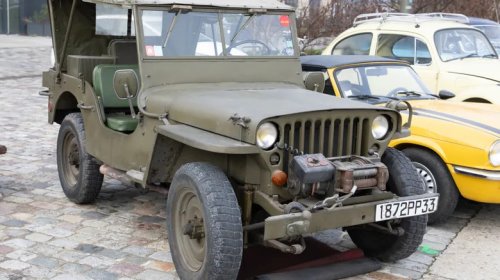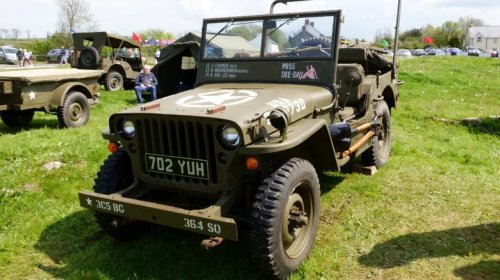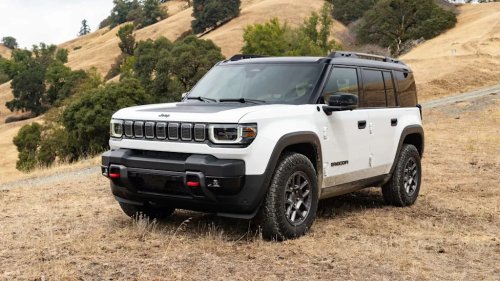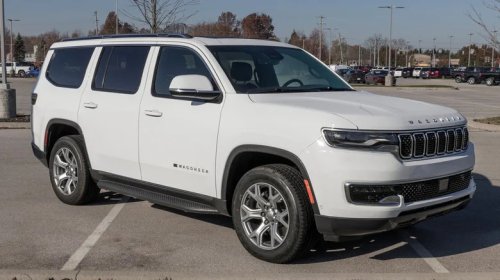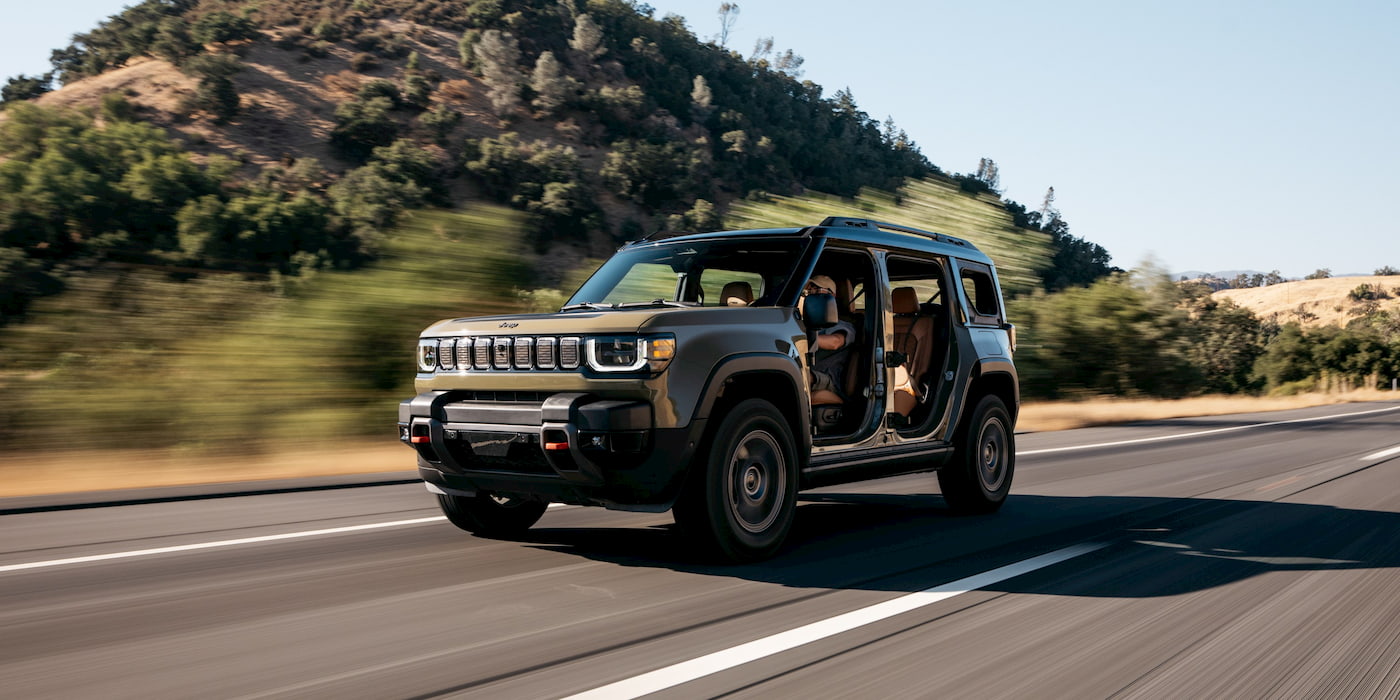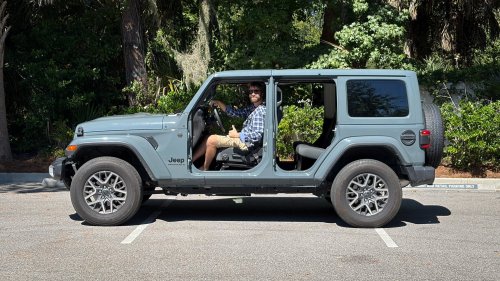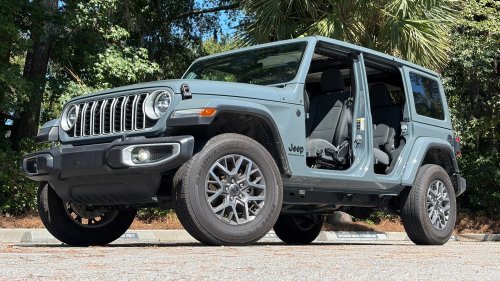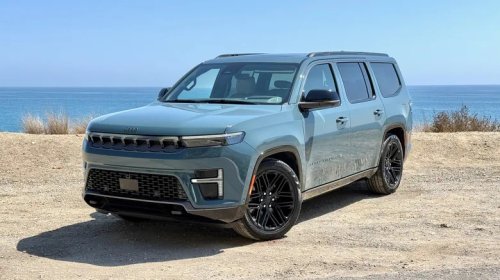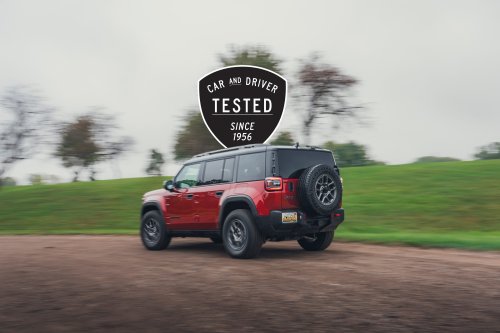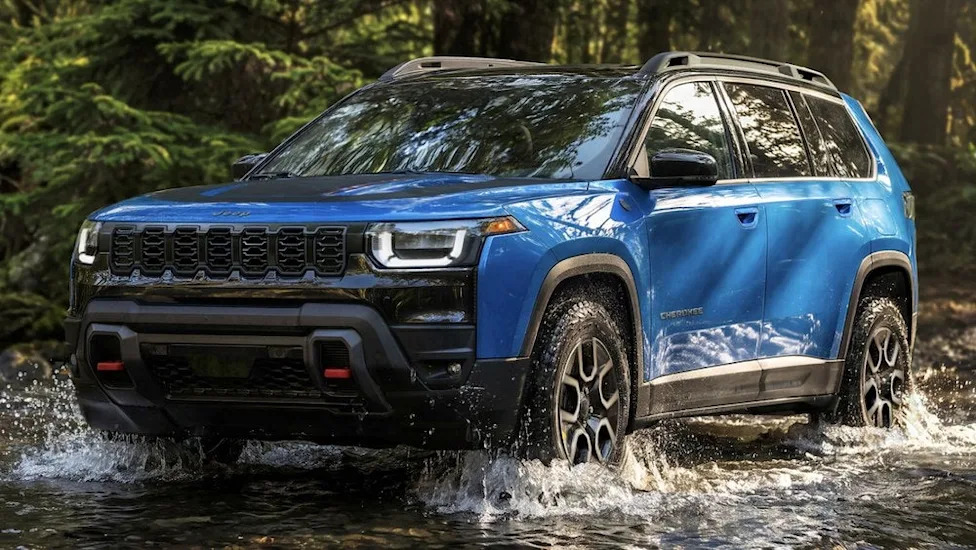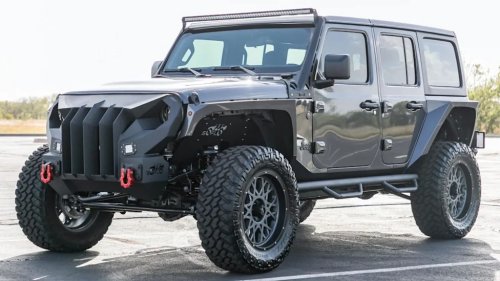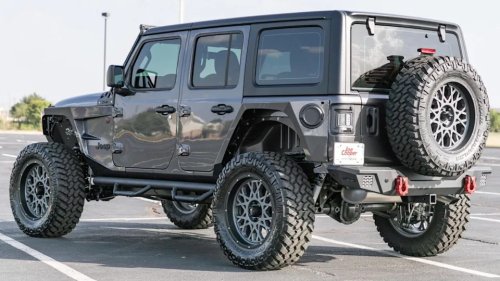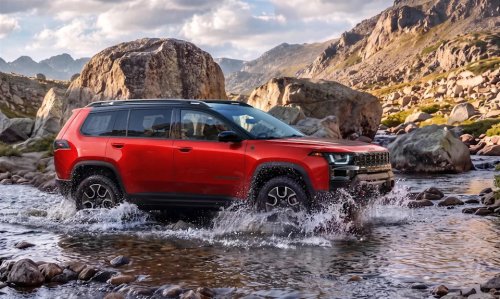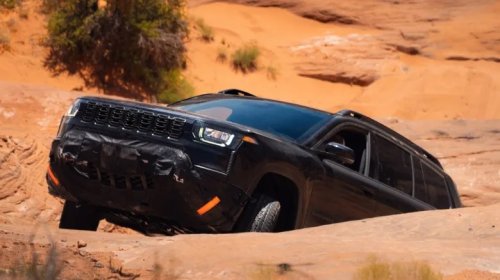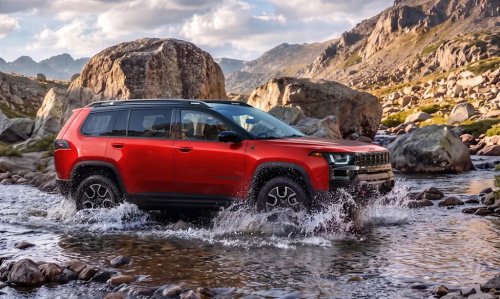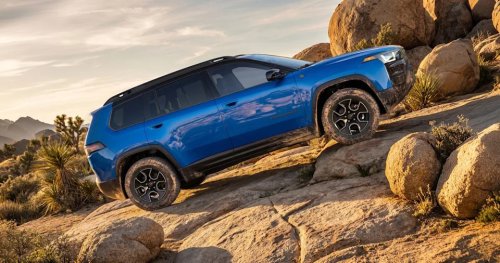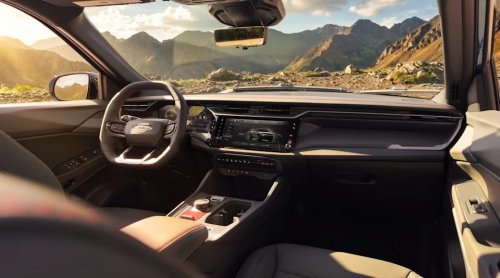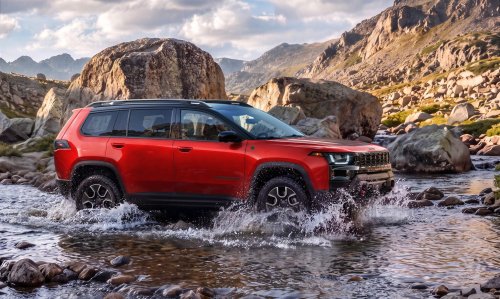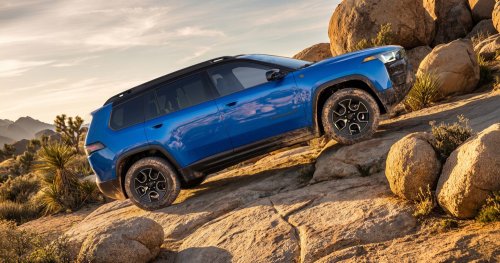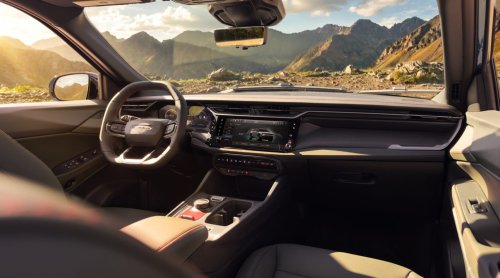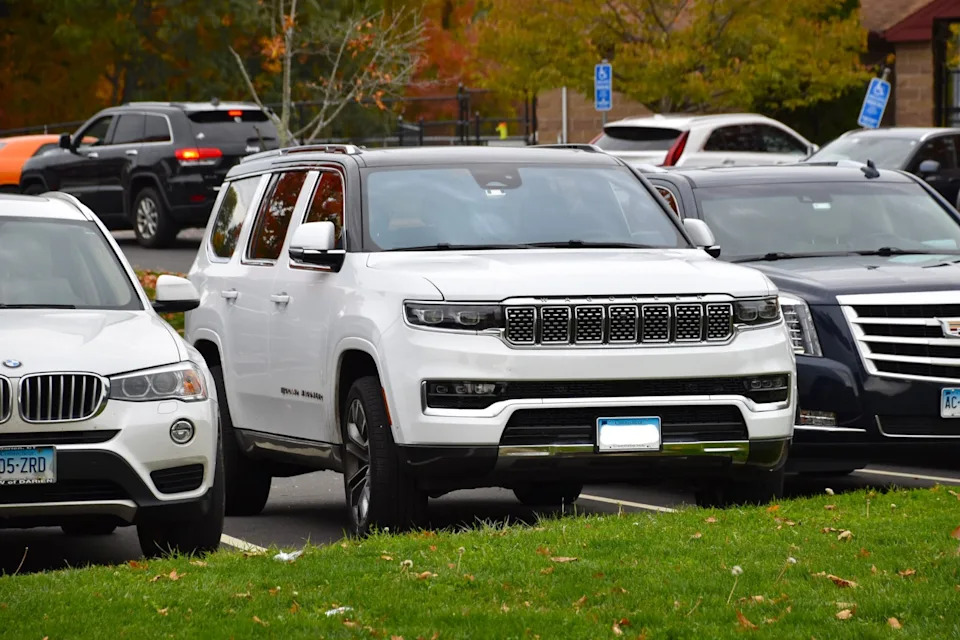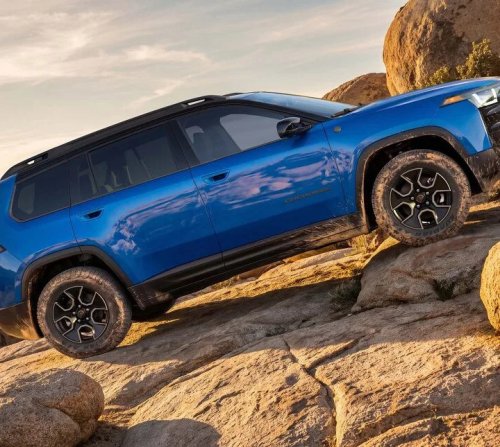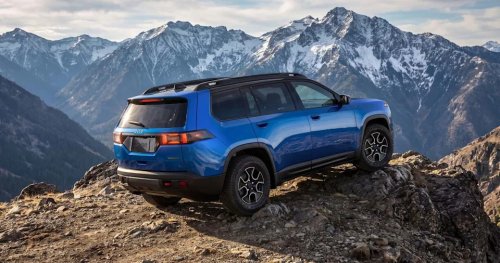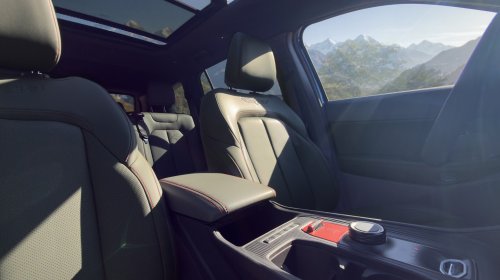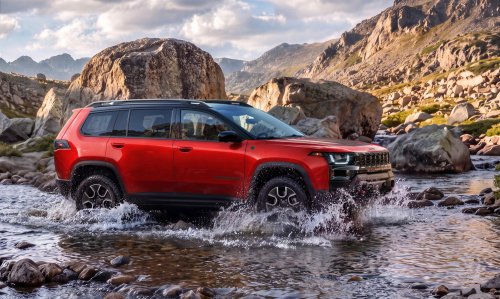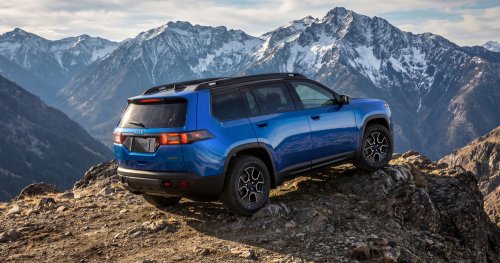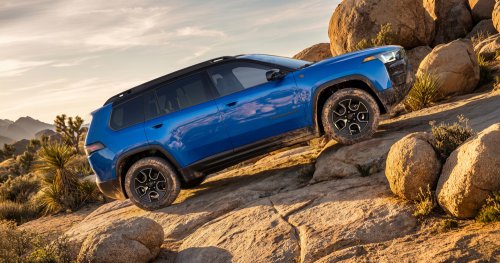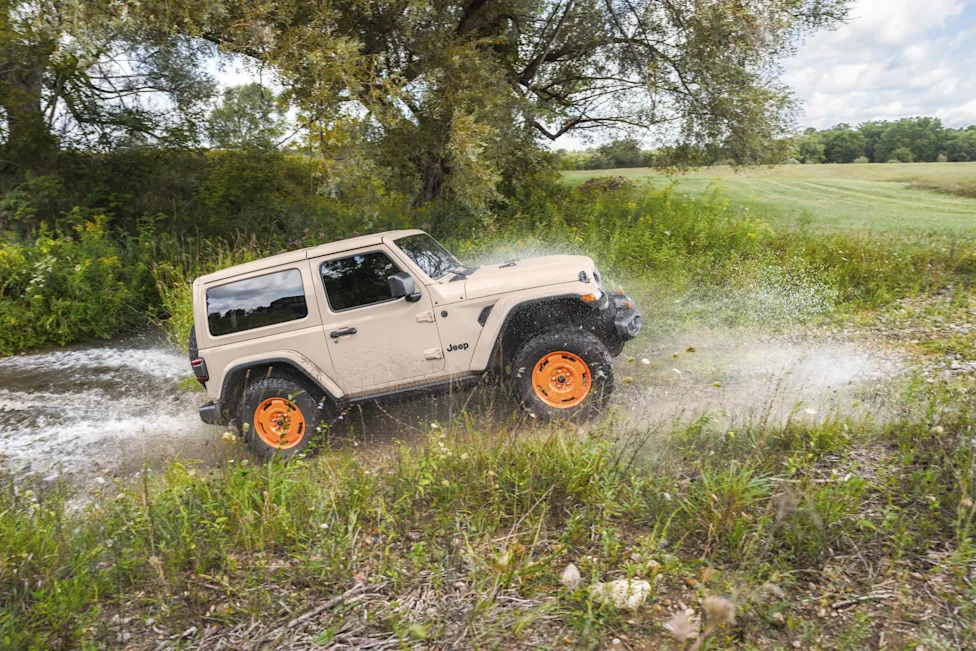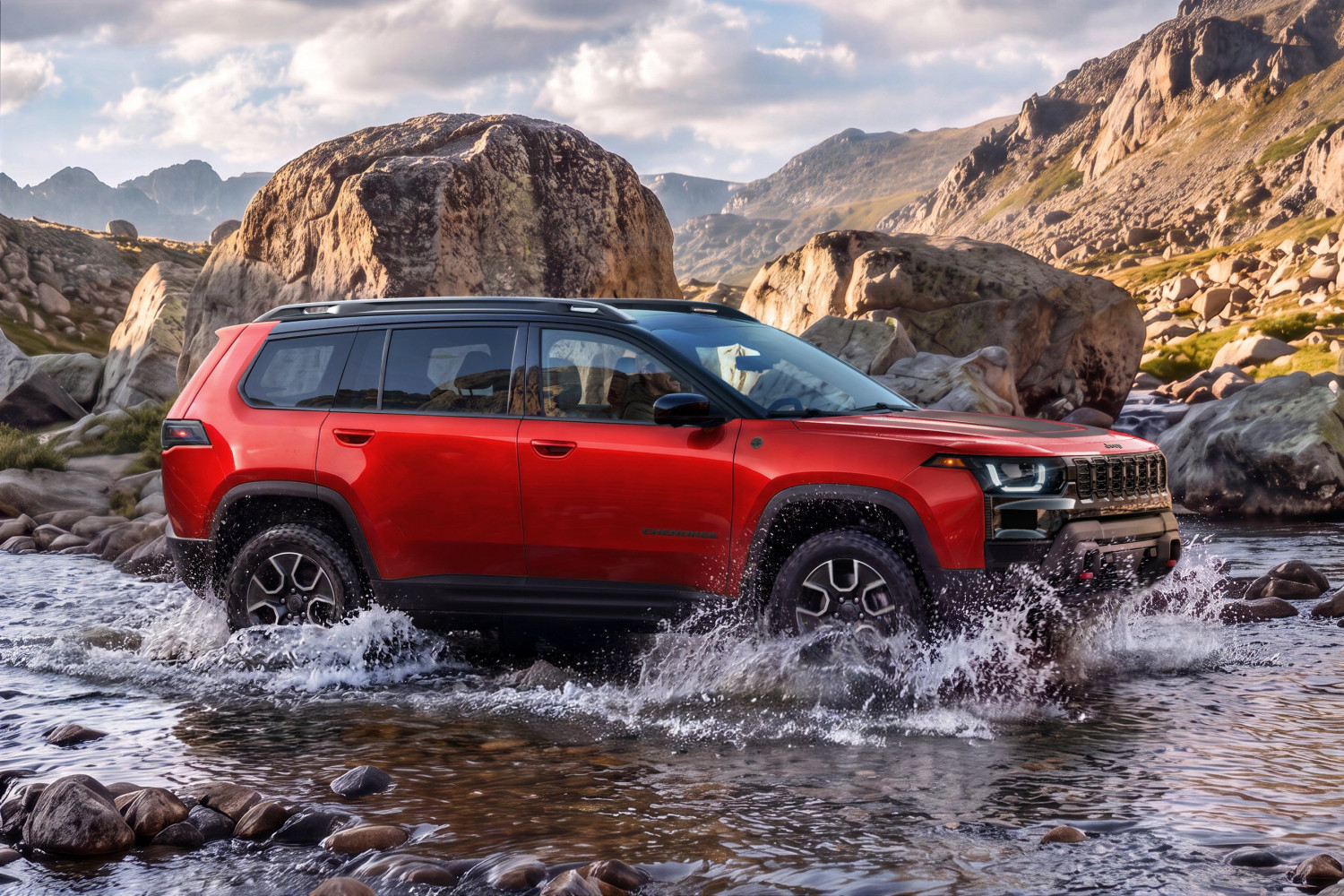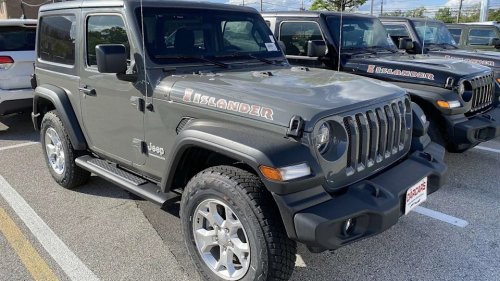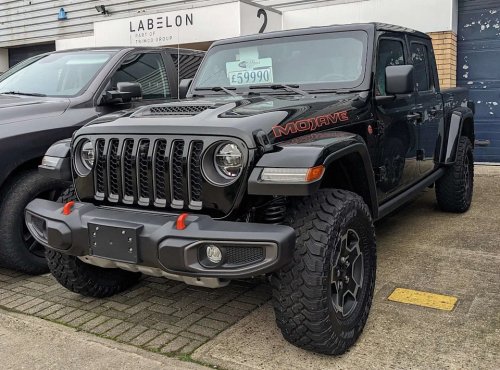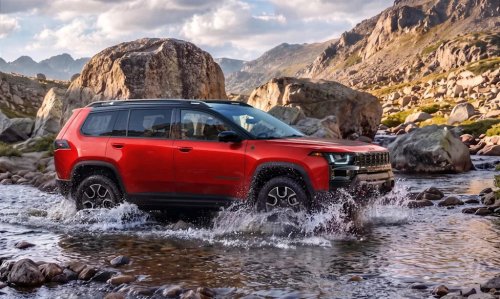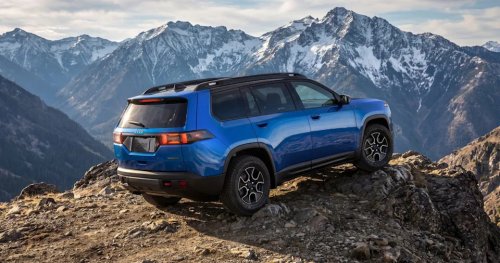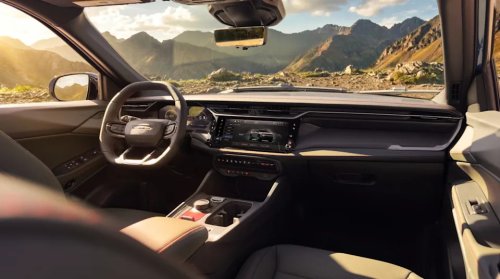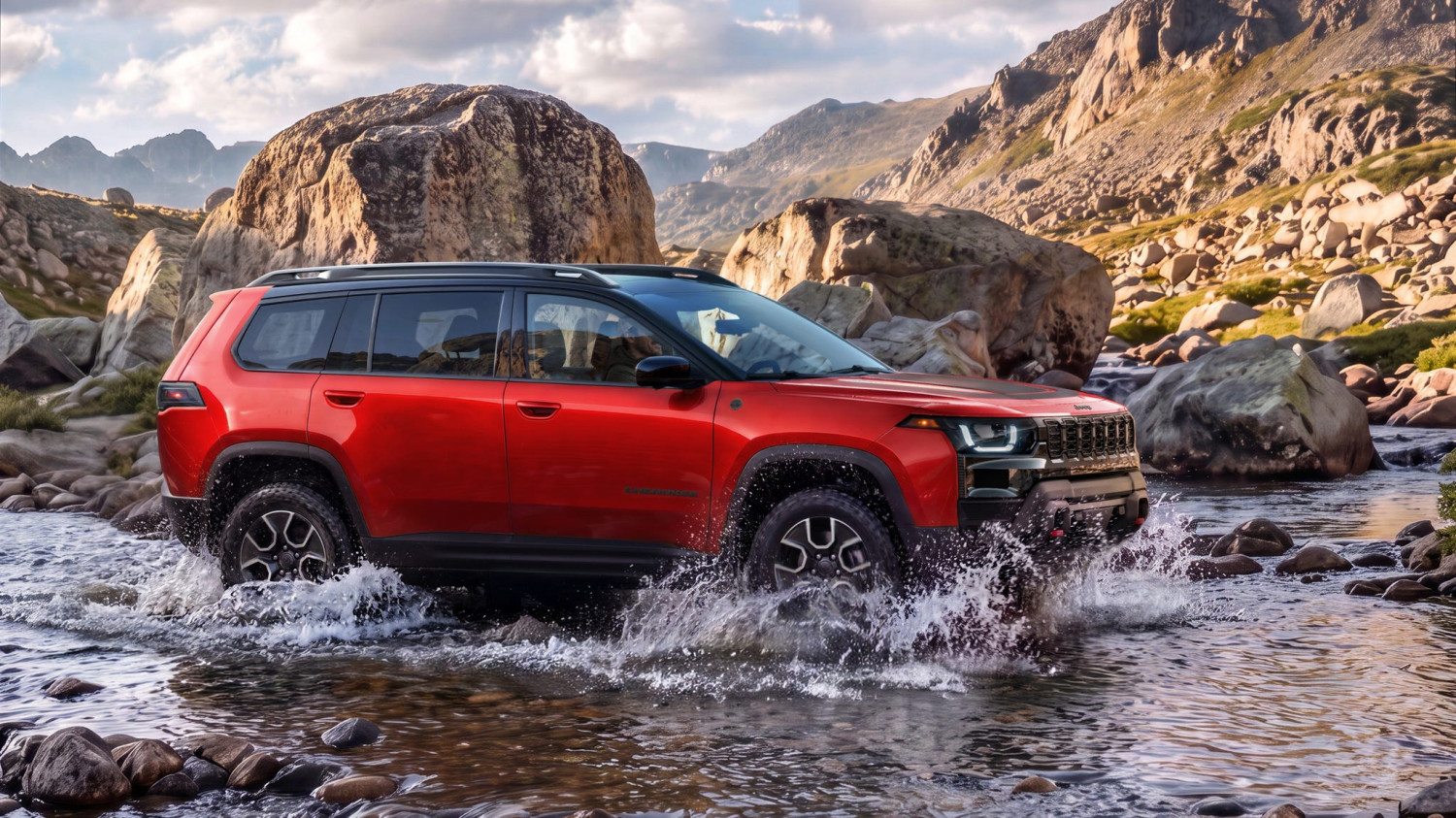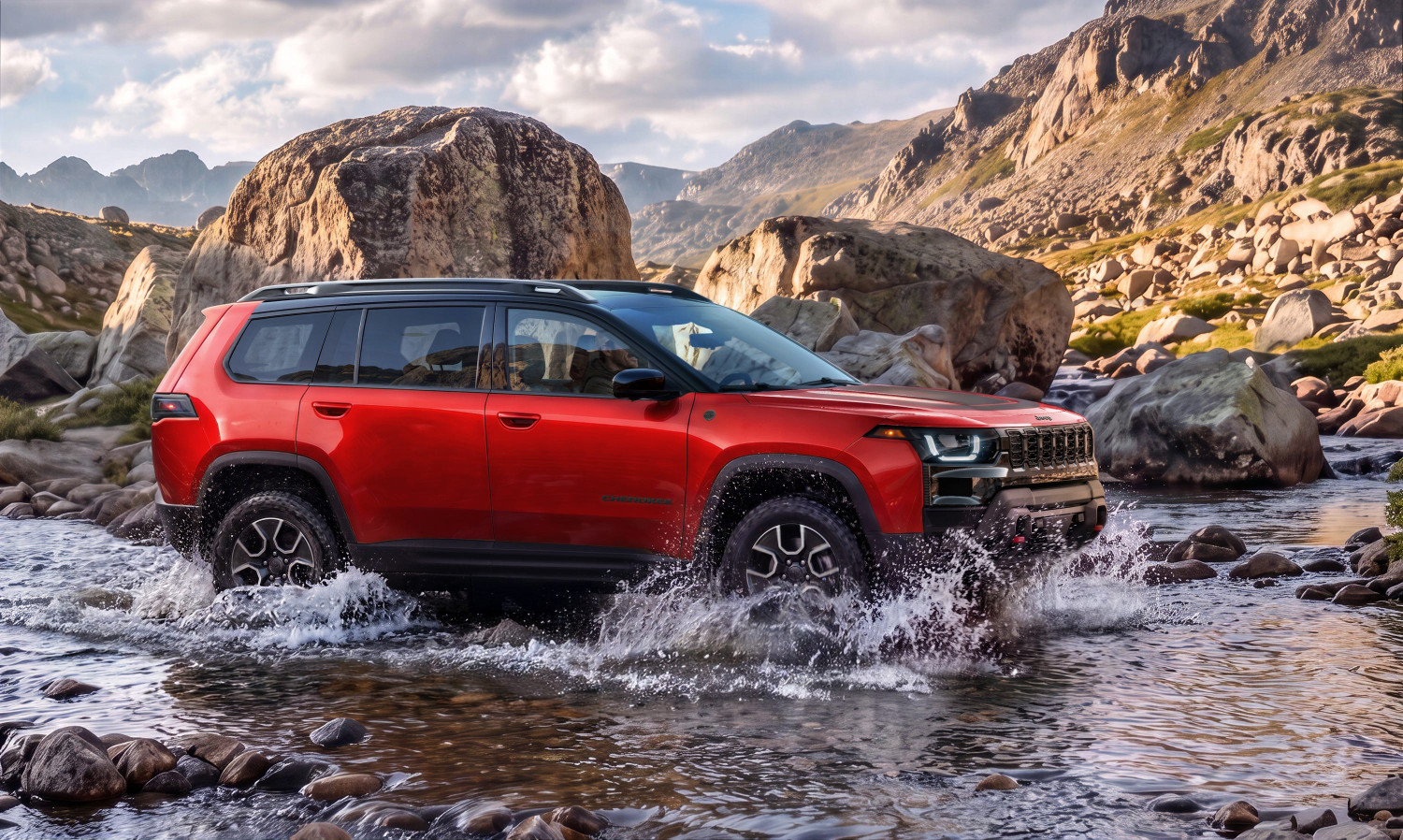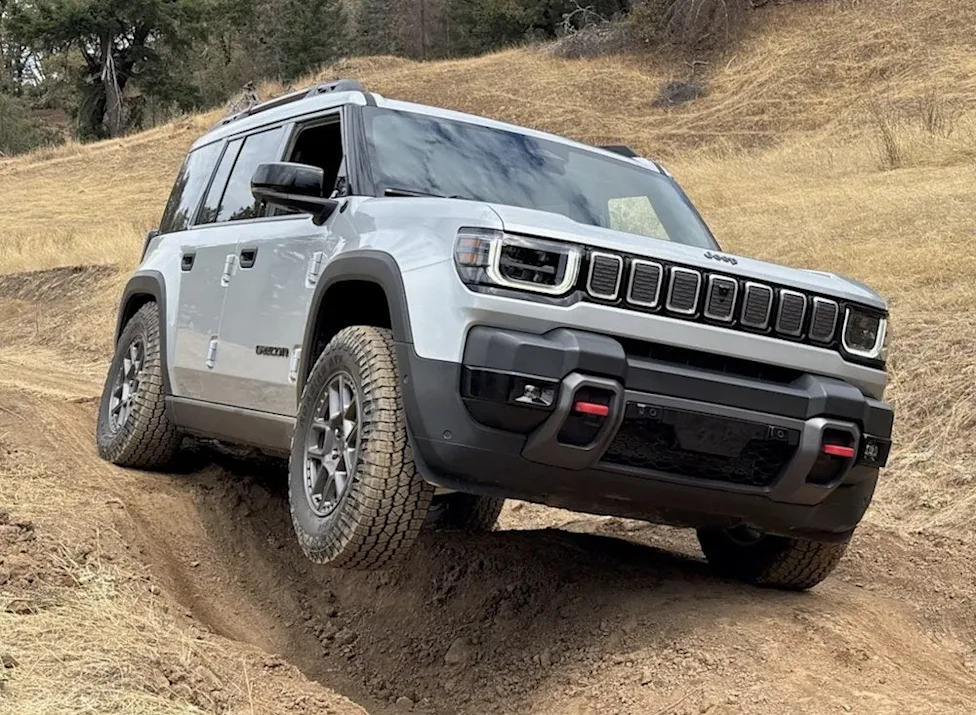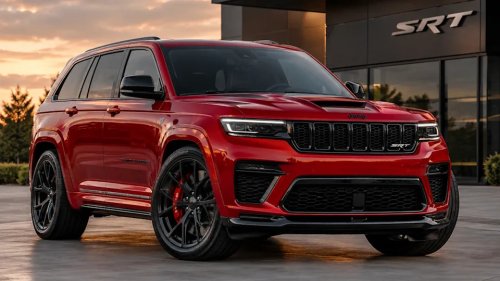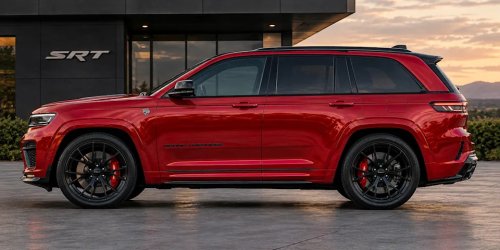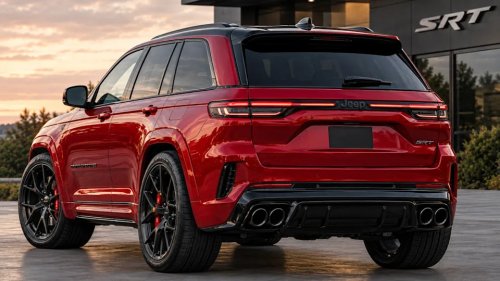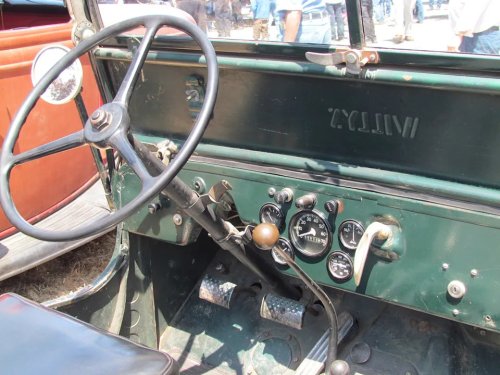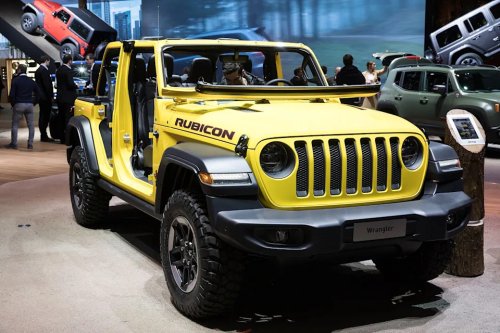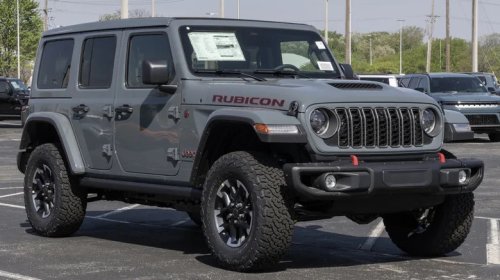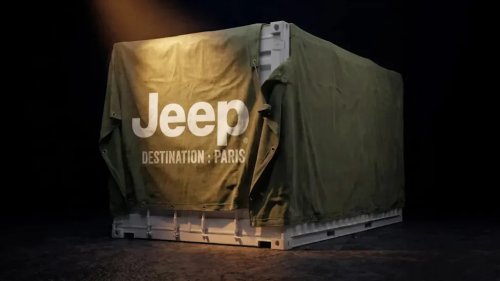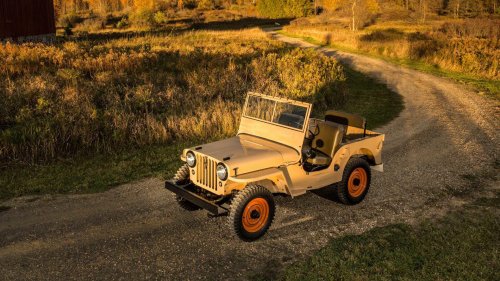
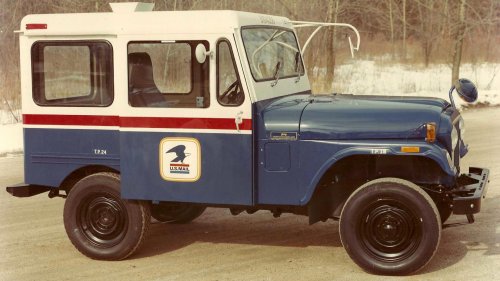
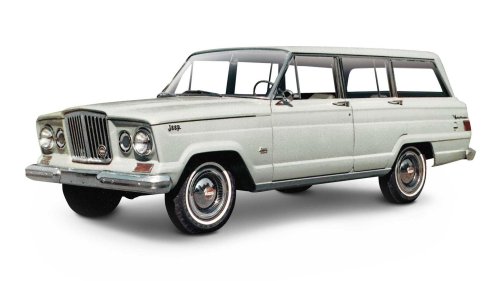
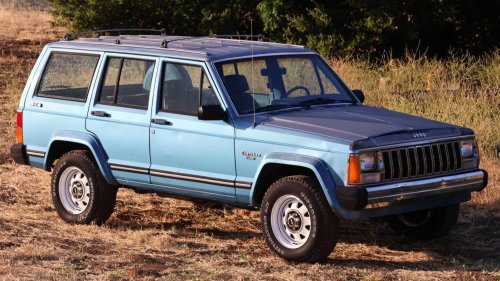
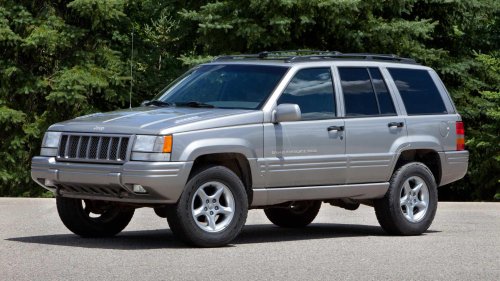
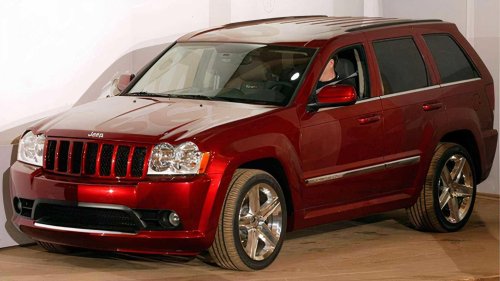
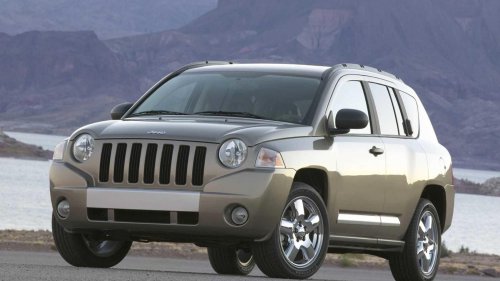
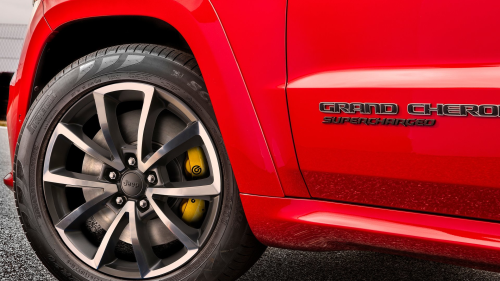
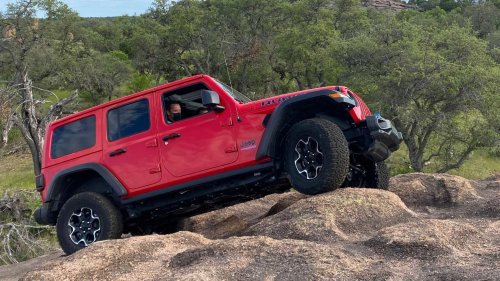
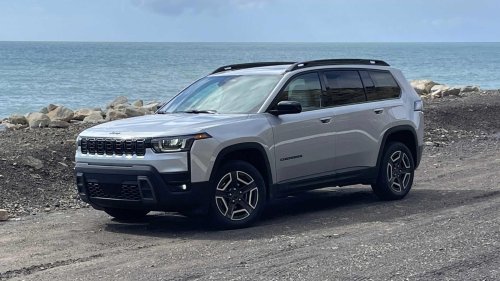



















Jeep is celebrating its 85th birthday this year. The brand has a long history of producing vehicles that have become instantly recognizable and a core part of the American automotive landscape. It also played a crucial role in bringing the SUV from the military and agricultural worlds over to the civilian car market.The company is planning to celebrate the occasion by releasing dedicated special editions of several of its models, including the Wrangler, Gladiator, Cherokee, Grand Cherokee, Grand Wagoneer and Compass. These vehicles will be equipped with unique design features as a nod to Jeep’s rich heritage.While these special Jeeps are certainly plenty to look forward to, let’s first take a look back at the history that brought the company to where it is today: from the iconic post-war Willys Jeep to the hybrid powertrains of the present, and everything in between.Items are listed in chronological order, from the oldest to the most recent. First Production Willys Jeep 1945 Jeep Willys CJ-2AThe Jeep brand has its roots in the world of military vehicles. During World War II, the predecessors to the iconic Jeep were manufactured and used for military purposes only. After the war, however, Willys-Overland decided to build and sell a civilian model based on these vehicles: the CJ (“Civilian Jeep”).Initially used primarily as a work vehicle in an agricultural context, the CJ also became popular among private individuals. It didn’t just lay the foundations for the modern Jeep brand, but also altered the look of the American (and global) automotive landscape: the Willys Jeep helped the SUV category become the market behemoth it is today. Dispatcher Launched Jeep DJ DispatcherA decade after the end of World War II and the arrival of the CJ, Jeep launched a model called the DJ (Dispatcher Jeep). An affordable, no-frills model, the DJ was offered in several configurations, including a soft-top version and a van with sliding doors.The DJ’s biggest claim to fame was being the vehicle of choice for the United States Postal Service (USPS) for several decades. Having been chosen through a contest in 1968, the Dispatcher remained in service until the mid-80s, when it was gradually replaced by the GM-Grumman-LLV. However, a few examples of the DJ continued to deliver mail until as recently as 2023. The Wagoneer Arrives 1963 Jeep Wagoneer White Front Angled ViewA successor to the Willys Jeep Station Wagon, the Wagoneer made its debut in 1963. Although it was initially introduced as a station wagon, it later became known under a different name: a “sport utility vehicle”, or SUV. The Wagoneer proved to be one of Jeep’s most popular and enduring nameplates.Although the original Wagoneer remained in production until the early 90s thanks to high demand, a second generation was introduced alongside it in 1983. A similar scenario is playing out today: both the fourth (gas-powered and hybrid) and the fifth (all-electric) generations of the model are in production at the same time. First Unibody SUV: The Cherokee 1987 Jeep Cherokee Pioneer 4×4 XJ front 3/4The Cherokee had been a part of Jeep’s lineup since 1974, but it wasn’t until a decade later that this model became the first unibody SUV in the Jeep family. The second generation of the Cherokee went on sale in 1983 for the 1984 model year. Instead of the more traditional body-on-frame construction used in the previous generation, the second-gen Cherokee used a unibody design.Unibody frames were not a new invention by any means (the oldest unibody vehicle is over a century old), but they were not yet commonplace in the automotive world. However, over time, the unibody frame became the default option. Today, the vast majority of vehicles (with the exception of most pickup trucks) are built with a unibody design. The Cherokee Gets A Big Brother: The Grand Cherokee 1993-1998 Jeep Grand Cherokee Mk1 ZJ Silver Front Angled ViewAround the time the first unibody Cherokee was being released, Jeep was already starting to work on the Cherokee’s larger sibling: the Grand Cherokee. Designed as a successor to the second-generation Cherokee, the Grand Cherokee was released alongside it in 1993. Like its smaller counterpart, the Grand Cherokee was also a highly successful model. Both vehicles are still being produced today.The fifth and current generation of the Grand Cherokee includes a long-wheelbase variant with three rows of seating in its lineup: the Grand Cherokee L. This version was revealed in September 2021, just a few months after its two-row counterpart. First SRT-Badged Jeep Model: The Grand Cherokee SRT-8 2006 Jeep Grand Cherokee SRT8SRT stands for “Street and Racing Technology”: this branding has been applied to several vehicles in what is now the Stellantis family, as a marker of enhanced performance and style. While the first vehicle to be given an SRT badge was not a Jeep, but a Dodge (the 2003 Viper SRT-10), the first Jeep to wear these iconic three letters arrived three years later.We’re talking about the 2006 Grand Cherokee SRT-8, a performance-oriented member of the third-generation Grand Cherokee lineup. This model was powered by a 6.1-liter Hemi V8 that produced 420 hp. It was also equipped with features such as an upgraded suspension, Brembo brakes, and a performance exhaust. Jeep Enters The Compact Crossover Segment: The Compass 2006-2010 Jeep CompassIn 2007, the crossover was one of the fastest growing automotive segments. Drivers embraced its combination of small dimensions, practicality and ruggedness, and automakers responded by adding crossovers to their lineup at a record pace.Jeep launched its first compact crossover, the Compass, for the 2007 model year. Aimed at first-time Jeep buyers, and drivers who rarely or never venture off-road, the Compass expanded Jeep’s reach into a new category of consumers. A successful model, the Compass has endured into the present day and is currently in its third generation (introduced for the 2026 model year). Most Powerful Jeep Ever: Grand Cherokee Trackhawk grand cherokee trackhawk mainIn 2018, Jeep released what is still the most powerful model ever produced by the brand: a high-performance variant of the Grand Cherokee called the Trackhawk. This model was powered by a 6.2-liter supercharged Hellcat Hemi V8 engine, which produced 707 hp and 645 lb-ft of torque. The engine was paired with an eight-speed automatic transmission, however the model was also fitted with shift paddles for additional driver engagement. Several other upgrades, such as Brembo brakes and a leather interior with carbon fiber trim, were included in the package as well.The Trackhawk remained in production until the 2021 model year. It was not brought back into the lineup when the Grand Cherokee’s fifth and current generation arrived on the market. First PHEV Off-Roader: Wrangler 4xe 2021 Jeep Wrangler 4xe Electrification and hybridization are an important part of most automakers’ strategy in this day and age. Jeep, not wanting to be left behind, hopped on the PHEV bandwagon with an off-roader that balanced traditional Jeep ruggedness with hybrid efficiency: the Wrangler 4xe. This model’s powertrain includes a 2.0-liter turbocharged inline-four engine along with two electric motors, for a total output of 375 hp and 470 lb-ft of torque.The Wrangler 4xe was offered in the United States, China, and Europe. A year after its release, it became the only version of the Wrangler available on the European market. In the US, however, the model was discontinued in 2025 due to poor sales. The Cherokee Returns With A Hybrid Powertrain 2026 Jeep Cherokee Laredo Exterior Front Quarter The new Cherokee is built on the STLA Large platform, which it shares with the Wagoneer S (as well as other vehicles from the Stellantis family, such as the Dodge Charger).Sources: Jeep