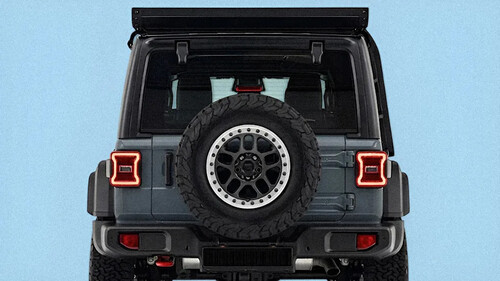
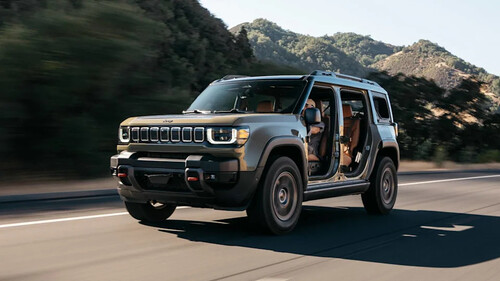
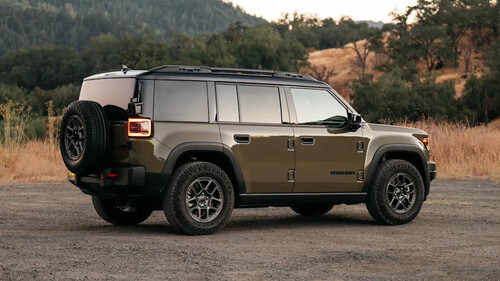
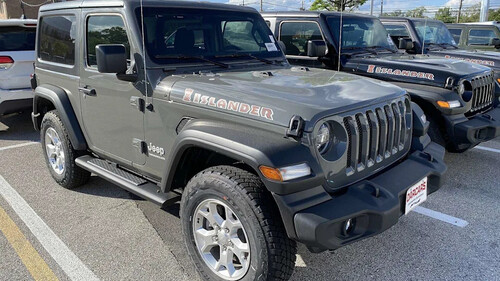
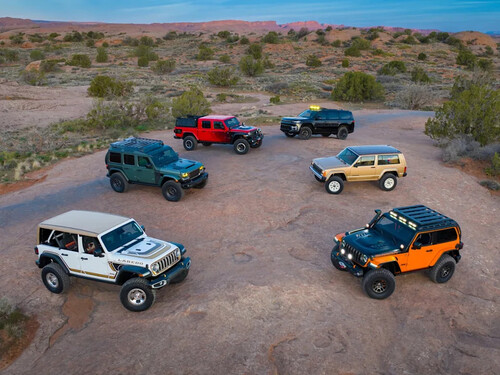
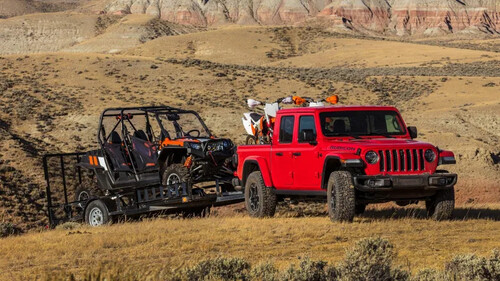
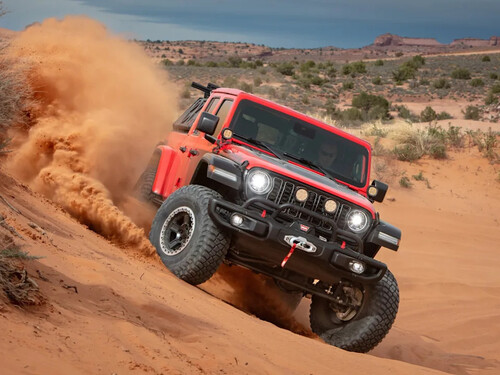
Jeep Tells Over a Million Wrangler and Gladiator Owners Their Trucks Could Catch Fire, and There's No Fix YetJeep just told more than a million Wrangler and Gladiator owners that their vehicles carry a fire risk, and the part that should make people uneasy is what the company admitted next. There is no fix yet. The recall is out, the danger has been identified, and the remedy is still missing.That is the detail that changes everything about this story. A recall normally comes with a plan. You get the notice, you take the vehicle in, the dealer swaps or repairs the faulty component, and you move on. This time the warning is arriving without the solution attached, which leaves a huge number of owners sitting on a known hazard with nothing to do about it but wait.What Jeep Is Actually RecallingAdvertisementAdvertisementThe recall covers Jeep Wranglers and Gladiators, two of the most recognizable and popular vehicles the brand builds. The problem lives in the steering pump wiring, and the concern is fire. That is not a minor inconvenience or a software glitch that can be patched at the next service visit. Wiring that can lead to a fire is the kind of defect that gets people's attention fast, and it should.More than a million vehicles fall under this action. That number alone tells you how widespread the issue is. The Wrangler and the Gladiator are not niche models tucked away in a corner of the lineup. They are everywhere, on trails, on highways, in driveways across the country, which means this recall touches a massive slice of the Jeep community.Why the Missing Fix Matters So MuchHere is the part that matters. When an automaker issues a recall but cannot yet offer a remedy, owners are left in an uncomfortable spot. They know something is wrong. They know the risk involves fire. And they still have to decide whether to keep driving while the company works on an answer.AdvertisementAdvertisementThat gap between warning and solution is where the frustration builds. People rely on these vehicles for work, for commuting, for daily life. Telling them their truck could be a fire risk without giving them a way to address it puts the burden squarely on the owner. They did not design the wiring. They did not build the steering pump. Yet they are the ones left managing the uncertainty.This is where accountability comes into focus. A recall is supposed to be the moment the manufacturer steps up and makes things right. When the fix is not ready, the recall still serves a legal and safety purpose by alerting owners to the danger, but it does not actually solve the problem. The hazard remains exactly where it was, only now everyone knows about it.The Stakes for OwnersThink about what a fire risk in the steering system really means. Steering is fundamental to controlling a vehicle, and any electrical fault tied to that area sits close to systems drivers depend on every time they get behind the wheel. A fire is among the most dangerous outcomes a defect can produce because of how quickly it can escalate and how little warning it can give.AdvertisementAdvertisementFor more than a million households, this recall introduces a question that did not exist last week. Should they keep driving normally? Should they change how they use the vehicle? Without a remedy in hand, those decisions fall to owners who are not engineers and who trusted that the vehicle they bought was safe.There is also the matter of value and confidence. The Wrangler and Gladiator carry strong reputations among enthusiasts, built on the idea of rugged capability and dependability. A recall this large, tied to a fire risk, with no immediate fix, chips away at that trust. Owners who love these vehicles are now forced to weigh that loyalty against a real safety concern.The Bigger PictureA recall covering over a million vehicles is significant on its own. One that arrives before a remedy exists raises the pressure on the automaker to move quickly. The longer the fix takes, the longer a known fire risk stays on the road, and the longer owners are left carrying a danger that is not theirs to solve.AdvertisementAdvertisementFor the people who actually own and drive these trucks, the message is simple and unsettling. Their vehicle has been flagged for a fire hazard, the manufacturer has acknowledged it, and the repair that should follow is not available. That sequence puts drivers in a position no owner wants to be in.The real test now is how fast Jeep can turn this recall into an actual fix. Until that happens, more than a million Wrangler and Gladiator owners are left holding a warning with no way to act on it, and that is a hard place to leave the very people who keep these vehicles on the road.SourceJoin our Newsletter, follow our Instagram page, and connect with us on Facebook.