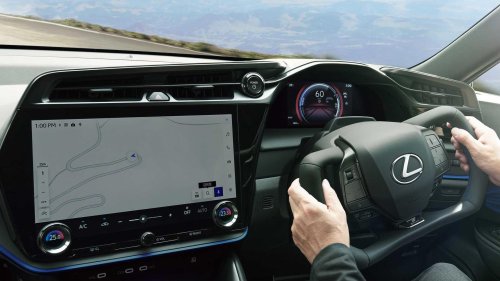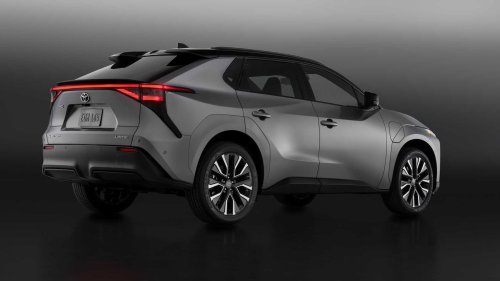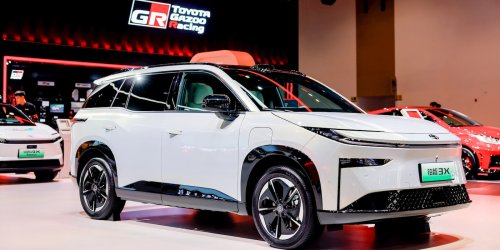



















Japan Will Knock $8,450 Off Your EV, But You'd Better Keep ItAutoblogYash BajajMon, September 14, 2026 at 1:00 PM UTCAdd us on GoogleAutoblog and Yahoo may earn commission from links in this article.Japan's CEV subsidy program knocks roughly $8,450 off the price of a bZ4X, part of a broader expansion of Japan's national EV incentive earlier this year that's dramatically reshaped pricing across the market. The tradeoff, laid out by Japanese outlet Best Car Web, is a four-year "disposal restriction period" tied to the vehicle's registration date — a rule aimed at preventing buyers from taking the subsidy and immediately reselling the car, which would defeat the program's purpose of encouraging genuine EV adoption.How The Rule Actually WorksHondaIt isn't an outright four-year sales ban. Japanese buyers can sell within that window, but only after submitting a property disposal approval application to the country's Next Generation Vehicle Promotion Center and receiving approval before the sale happens — applying after the fact isn't allowed, and selling without permission can trigger a demand for the entire subsidy back. Approved sales still come with a partial repayment, calculated as the subsidy amount multiplied by the remaining months in the four-year period, divided by 48. On the same maximum payout that's made EVs like Honda's Super-One dramatically cheaper in Tokyo this year — that works out to roughly $6,340 owed back if sold after just one year, dropping to about $4,225 at the two-year mark and $2,110 at three years.What Counts As "Disposing" Of The CarThe rule casts a wide net. Trading the bZ4X in toward a new car, transferring ownership to a family member, gifting it, scrapping it, leasing it out, or using it as loan collateral all count as "disposal" under the program — simply changing the name on the registration doesn't get around the requirement. Genuine exceptions exist for cars totaled in natural disasters or no-fault accidents, but even those cases require prior application and approval rather than an automatic waiver, the same procedural strictness that governs Japan's tiered subsidy system for smaller kei-class EVs as well.BYDWhy This Doesn't Exist For American BuyersThere's no real US parallel to point to here, and the contrast has only sharpened recently. The federal EV tax credit expired entirely at the end of September 2025, and while it existed, it never carried a multi-year resale restriction or repayment schedule like Japan's system — buyers could sell a subsidized EV the next day with no penalty. Some individual state rebate programs have attached short minimum-ownership windows to their incentives, but nothing close to Japan's four-year, prorated-repayment structure has applied to Toyota's US-market bZ at any point in its sales history. For Japanese buyers, the calculus is straightforward: the discount is real, but it's conditional on genuinely intending to keep the car — not a simple price cut with no strings attached.AdvertisementAdvertisementThis story was originally published by Autoblog on Sep 14, 2026, where it first appeared in the News section. Add Autoblog as a Preferred Source by clicking here.