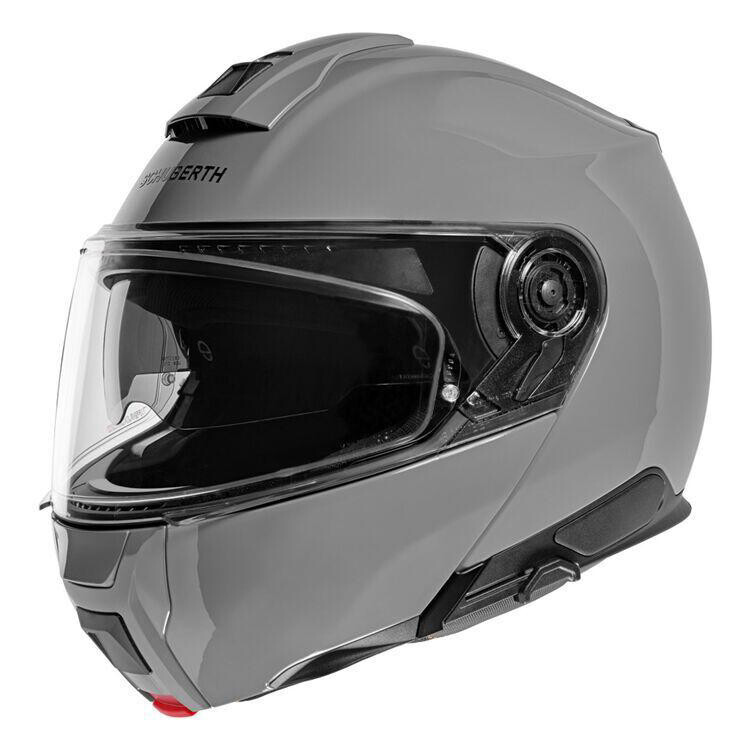
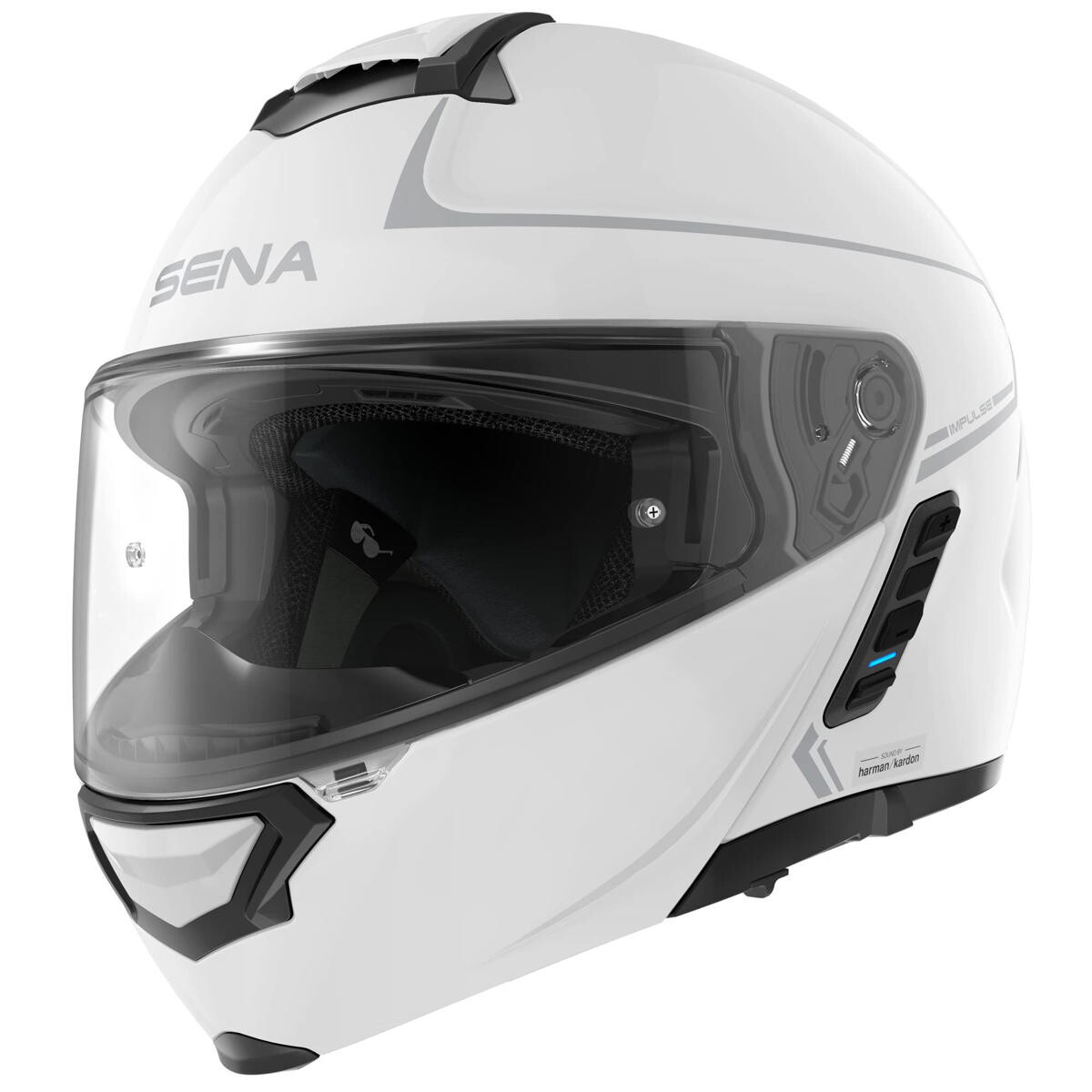
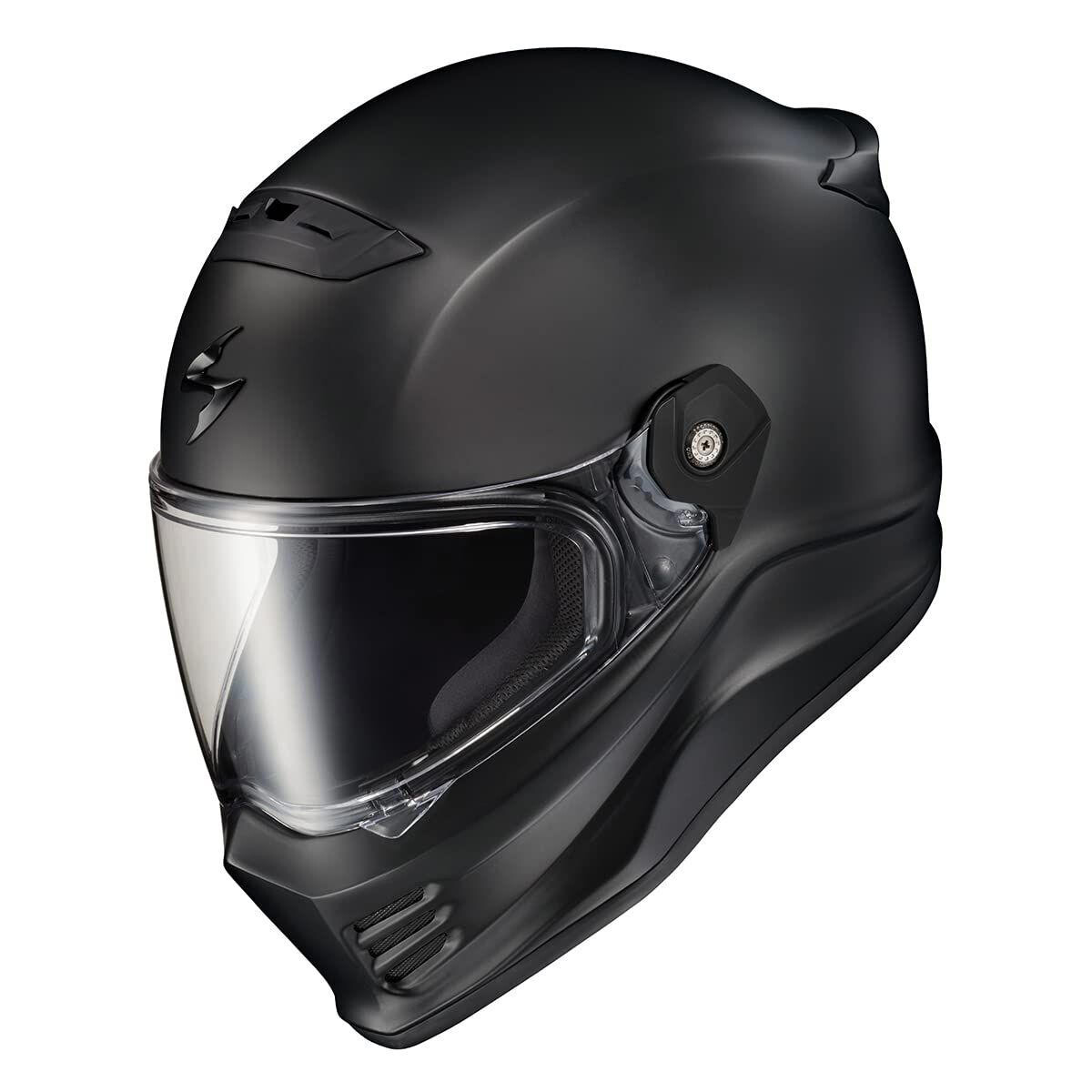
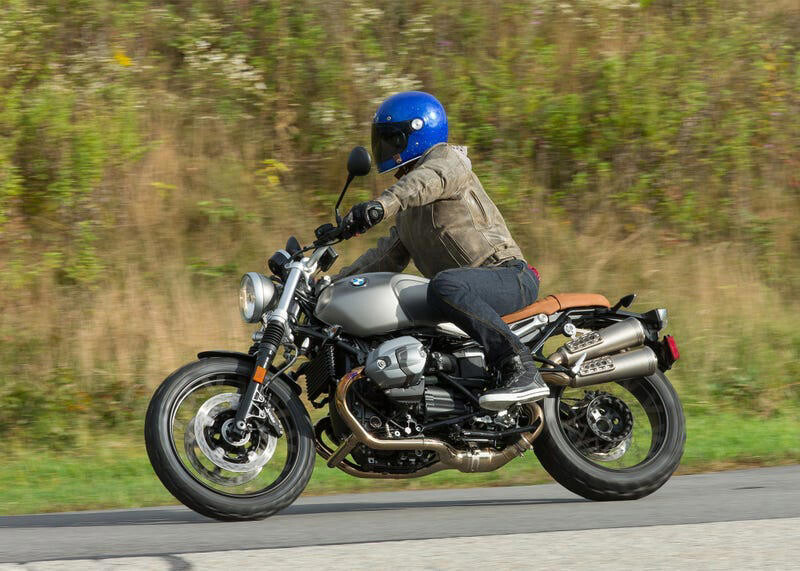
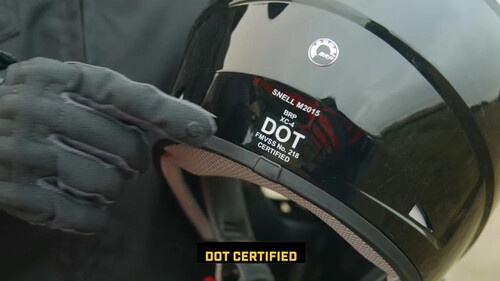
This article was updated in April 2026 with new products and information.Are you shopping for a new motorcycle helmet? If yours is older than your smartphone, you probably should be. Experts recommend replacing helmets every five years. Improvements in construction, materials, and technology happen so often that today's helmets are far more advanced than those from even a decade ago.According to the NHTSA, in 2022 motorcyclists were about 22 times more likely than passenger car occupants to die in a crash, and four times more likely to be injured (per vehicle miles traveled). Wearing a helmet while riding is a must, and it can save your life. But with so many on the market, which one is right for you?Our Top Picks:Best for Everyday Riding: Scorpion EXO-R1 AirBest Value: Bell Qualifier Best Modular: Schuberth C5Best Bargain: BILT NomadMore Motorcycle Gear: Best Motorcycle Backpacks | Best Motorcycle Phone Mounts | Best Motorcycle Jackets Every time we throw a leg over, motorcyclists leave our lives to chance. That's why we, fellow riders, have to take precautions. Even if you don't live in a helmet-law state, wearing a DOT-certified motorcycle helmet while riding is the single most important thing you can do to protect yourself from traumatic brain injury—or worse.For some expert insight into motorcycle helmets, I reached out to Patrick McHugh, manager of product research and testing at Comoto, the parent company of popular motorcycle parts and gear retailers Cycle Gear and Revzilla. Patrick recommended the selections below as a starting point, and I've included a few of my personal favorites to round out the list. While I have linked to Revzilla, you can also find new helmets for sale at your local dealership and online at retailers such as Amazon.But before you buy one online, my advice is to head to a motorcycle dealership or your local Cycle Gear store (there are about 140 locations across the U.S.) first, and try on a few styles and types before deciding on one.From zipping a YZ-80 around El Mirage Dry Lake as a kid to cruising the Catskills as a dad, from carving Alpine passes on a Ducati to exploring Ecuador on a BMW GS, I've been riding and writing about motorcycles and gear for decades.—Jon LangstonThe Best Motorcycle Helmets You Can BuyScorpion EXO-R1 Air The EXO-R1 Air brings a host of winning features to all styles of road riding. It utilizes a proprietary blend of fiberglass for high strength, low weight, and better impact dispersal. A central locking mechanism for the face shield guarantees an uncompromising seal at even the highest speeds. Comfort is prioritized with inflatable cheek pads for a customizable fit and an internal liner that channels airflow efficiently. This design moves air from a large ram-air intake vent at the front to four exhaust ports at the rear, making it an ideal choice for daily riders prioritizing both safety and comfort. It's the ideal full-face motorcycle helmet for everyday motorcycle riders.Shape: Intermediate Oval$399.95 Shop Now RevzillaSchuberth C5Modular helmets combine the features of full-face and open-face helmets, providing versatility for riders. They're popular due to their convenient flip-up chin bar, which allows riders to eat, drink, and communicate without fully removing the helmet. This feature is especially practical when making quick stops, such as when refueling or asking for directions."For years, one of the most popular modular helmets on the market was the C3 Pro," McHugh said. "The C4 was a bit of a dud, but the Schubert C5 is a return to quality design and materials, great ventilation, and a comm-ready helmet. This one is really comfortable on longer hauls."The C5 Carbon takes all this Schuberth comfort and tech and puts it into an even lighter shell. It costs far more ($1499 at Cycle Gear), but it's possibly the best motorcycle helmet on the market today.Shape: Intermediate Oval$799.00 Shop Now RevzillaAGV K6 SFor premium quality at a midrange price, you can't go wrong with the AGV K6 S. It combines advanced MotoGP technologies with features that cater to various riding styles, including sport, touring, and commuting. Its carbon aramid fiber shell ensures lightweight durability and reduced turbulence, and the wide eyeport and anti-scratch face shield (equipped with an anti-fog Max Vision Pinlock lens) enhance rider vision. The interior is plush, anti-bacterial, and moisture-wicking for comfort and stability.Certified by DOT and meeting ECE 22.06 standards, the K6 S prioritizes safety with features like emergency release cheek pads and a collarbone-safe profile, making it ideal for any ride from daily commutes to spirited adventures.Shape: Intermediate Oval$100.00 Shop Now RevzillaIcon Airflite PeacekeeperWith plenty of colors, styles, graphics treatments, and shield options, the Airflite is renowned as an affordable, versatile motorcycle helmet that's great for almost any rider and any ride.McHugh: "It's big, it's a bit loud on the road, but damn if it isn't one of the most popular helmets on the market for the past four-ish years. You can take the shield/graphic/spoilers and customize them to look the part for any riding segment (vtwin, commuter, touring, etc). The style factor is pinnacle ICON."Shape: Long Oval$320.00 Shop Now RevzillaBILT NomadThe Nomad is a modular full-face helmet that's a practical and affordable option for riders seeking versatility and quality. It features an injection-molded shell with an aggressive design, providing both protection and a stylish look. Equipped with multiple vents for optimal airflow and a quick-release chin bar, it's available in three colors and a wide range of sizes from XS to 5XL. It's a great choice for everyday riders who value both performance and affordability.Shape: Intermediate Oval$169.99 Shop Now Cycle GearBell QualifierThe Qualifier offers an impressive array of features at a competitive price, making it an excellent choice for riders seeking value and performance. Its aerodynamic shell enhances stability and comfort across various riding positions, while Bell's Click-Release system allows for easy and fast shield changes without tools. By combining quality design and innovative features, the Bell Qualifier appeals to those looking for both functionality and style in their protective gear.Shape: Intermediate Oval$149.95 Shop Now AmazonShoei Shoei Neotec 3 HelmetLegendary helmet manufacturer Shoei has been synonymous with premium quality since 1959, and the Neotec has been one of the company's most popular models for years. For this latest version, ventilation is superb, wind noise is minimal, and the micro-ratcheting stainless steel chin bar lets you breathe, chat, drink, and more.The interior is fully removable, washable, and customizable, meaning you can dial in the perfect fit that's just right for you. Best of all, the Sena SRL2 helmet communications system ($299 at Amazon) is tailor-made for this helmet.Shape: Intermediate Oval$949.99 Shop Now RevzillaBell BullittThe Bullitt—yes, it's named after the Steve McQueen film—made hipster waves when it was launched a few years back, mainly due to its cool retro style that hearkens back to the OG Bell Star helmet of the late 60s and early 70s. Its best feature is the large eyeport, which allows a lot of air (and yes, noise) in, letting the rider become more fully immersed in their environment. The Bullitt's style—it's available in a multitude of graphics and colors—and quality make it a staple at any bike night.I own a couple of Bullitts because I love the comfort as much as the wide eyeport and variety of graphics and colors available. The view from the inside is spectacular, thanks to the expanded peripheral vision. It can be noisy on the highway, however, and its relaxed fit and breezy eyeport aren't conducive to super sporty riding or even long touring because of the noise and lack of venting at top and back. But if I'm just casually cruising or commuting, the Bullitt is my go-to.Shape: Round Oval$373.96 Shop Now AmazonArai Corsair-XMcHugh actually selected this helmet's precursor, the acclaimed Corsair-V, calling it "one of the best options on the market from Japan." The Corsair-X is the latest version, and takes that helmet's legendary performance and comfort to an entirely new level with a stronger shell and smoother shape that redirects impact energy rather than absorbs it. The interior lining features ear-pocket recesses to accommodate speakers and the shell comes in five distinct sizes. It's perfect for track days.Shape: Intermediate Oval$557.97 Shop Now Cycle GearHJC Helmets RPHA 71 ST Designed to bridge the gap between sport riding and touring, the HJC RPHA 71 meets the needs of riders who want the lightweight performance, airflow, and protection of a race helmet and the comfort, quiet, and convenience of a touring helmet.McHugh recommends this HJC helmet on personal experience: "I daily ride my RPHA 70 ST, and while the new 71 is a bit more touring-oriented, [it] has some really cool features. It flows a ton of air and the drop-down internal smoke visor can be adjusted so you can even wear sunglasses underneath. They also partnered with Sena for a built-in comm system, as a lot of companies are doing these days." Shape: Intermediate Oval$379.99 Shop Now RevzillaBell MX-9 Adventure MIPS ADV, Adventure, or dual-sport riding has exploded in popularity in recent years. But every rider knows that when it's time to transition from asphalt to dirt, a street helmet just won't cut it. The Bell MX-9 Adventure features three shell sizes plus multiple colors and styles, and the MIPS (Multi-directional Impact Protection System) technology absorbs side and glancing impacts to keep the head and neck more stable.The lightweight polycarbonate shell comes in three different sizes, mitigating bulk and providing a more comfortable fit. Bell's velocity-flow ventilation system keeps air flowing while the removable and washable liner and cheek pads keep sweat and bacteria build-up at bay. The MX-9 ADV helmet can also transform into a more street-able helmet by removing the peak visor."It's the best bang-for-buck ADV helmet money can get you," McHugh said. "You can set it up for the trail or the road or both on a long trip. . . . You'll see this at damn near every single ADV ride out there."Shape: Intermediate Oval$240.00 Shop Now AmazonSena ImpulseIf you want a helmet with built-in communications so you can take or make phone calls, listen to music or podcasts, or search using a voice assistant, renowned helmet comms manufacturer SENA offers the Impulse, a modular "smart" helmet with an integrated communications system featuring sound by Harmon Kardon.Better still, it boasts an integrated rear-facing taillight for better visibility, plenty of vents for improved airflow, and a retractable internal sun visor. If you want mobile connectivity without plunking down for, and installing, a separate helmet comms system in your current helmet, this is the upgrade.Shape: Intermediate Oval$599.00 Shop Now AmazonScorpionExo ScorpionEXO Covert FXEach Scorpion EXO Covert helmet is made using fiberglass, aramid, and polyresin fibers for superior strength and extremely light weight. The low-profile shell has been aerodynamically tuned for minimizing lift and turbulence for a smoother, quieter, and more stable ride.Integrated speaker pockets make it easy to install your favorite Bluetooth communication device, while the moisture-wicking liner will keep you cool, dry, and comfortable during your ride.Shape: Intermediate Oval$284.95 Shop Now AmazonBell Custom 500Bell brought its classic 500 helmet back to the future with the Neo-retro Custom 500. A new headform fits better and looks smaller, and the thin-profile shell allows it to sit lower on the head. With five shell sizes, it's easy to get the look you want while getting a great helmet for that open-faced riding experience. It comes in white, matte or gloss black, and this sick silver flake.Note: McHugh didn't recommend this helmet either, saying "I'm not really one for recommending open-face helmets—just too many safety concerns even though they're so popular." But if you're looking to rock the open-face look, this is a fantastic choice. Cruiser-face, engage!Shape: Intermediate Oval$179.95 Shop Now RevzillaTypes of Motorcycle HelmetsThere are three main types of motorcycle helmets, with plenty of options within each segment to suit every motorcyclist's riding style.Full FaceThis type of helmet has a solid chinbar that wraps around from one side of the face to the other, protecting the chin and jaw from impact in case of a crash. Paired with a visor, it provides premium face and head protection for motorcyclists.Full-face motorcycle helmets are generally considered the best motorcycle helmets.Modular / Flip-upWith a modular helmet, the aforementioned chinbar flips up on hinges to rest above the eyeport to provide the rider some fresh air, wider sightlines, and the ability to converse with others. They're particularly handy at gas stations and for quick conversations among group riders.Open FaceThere are various styles of open-face helmets, with three-quarter helmets and caps (a.k.a. "brain buckets") chief among them. They're mainly popular among riders of Cruiser and Bagger motorcycles from OEMs like Harley-Davidson and Indian, and many younger riders are coming around to appreciate the advanced safety a full-face motorcycle helmet offers.Things to Consider When Buying a Motorcycle HelmetHelmet shopping is no time to skimp. Another old saying says, "If you've got a 10-dollar head, buy a 10-dollar helmet." You don't need to spend a ton of money, but it's worth buying a helmet from a trusted, renowned brand. After all, consider what you're protecting.Choosing the right helmet depends on various factors, including the type of riding you do, where you ride, and your personal style preferences. Here's a brief guide to help you select the best motorcycle helmet for you.Riding StyleSport Riding: If you enjoy high-speed sport riding, a full-face helmet is ideal for maximum protection and aerodynamics.Cruising: For leisurely rides or cruising, an open-face helmet might be comfortable, although it offers less protection than a full-face helmet.Off-Road/Adventure: Off-road riders should consider dual-sport or motocross helmets, which offer good ventilation, a strong chinbar, a sun visor, and ample space for goggles.Riding EnvironmentUrban: In congested areas, visibility and ventilation are critical. Consider helmets with wide eyeports and good airflow.Rural/Highway: For longer, high-speed rides on highways, helmets with good noise reduction and wind resistance are beneficial. Some long-distance riders use helmet communications systems to stay connected or chat with other riders.Helmet FeaturesVentilation: Ensure the helmet has adequate vents, especially if you ride in hot climates.Safety Standards: Look for DOT, ECE, or Snell certifications to ensure the helmet meets safety standards.Weight and Comfort: The helmet should be lightweight for comfort on long rides but sturdy enough to provide protection.Personal Style and Preferences: Choose a design and color that reflect your style and also ensure visibility to other motorists.How to Choose a Motorcycle HelmetThe helmet you select will depend on a number of factors. Decide what's important to you, and prioritize the following:Style: Style is subjective to every rider, so there are plenty of helmet types, colors, and graphics to choose from. Basic black is always "cool," but a bright-colored, hi-vis, or even gaudy-graphic helmet might make a rider more conspicuous to motorists. Making sure you're seen by drivers is one of the keys to riding—and arriving—safely.Type of Riding: Carving canyons on a sport bike? Touring long distances? Cruising the boulevard? Riding streets to get to the trails? There are many different ways to enjoy motorcycling, and there are a plethora of helmets to suit each style. What, where, and how you ride is as important a consideration when shopping for a helmet as it is when buying a bike.Fit: Any helmet you ride in must fit well and be comfortable for long stretches; any decent helmet will offer multiple shell sizes and shapes to suit every type and size of head. If you wear prescription glasses while riding, consider the fit with those on.Weight: A lighter helmet might be more comfortable, but superlightweight helmets (say, 3.0 to 3.5 pounds) tend to be more expensive due to premium materials. Either that, or they're cheap junk that you shouldn't buy.Features: Amenities such as built-in speakers/comms systems (or places to install them) and internal sun visors are essential to some riders but irrelevant to others. Decide what's important to you before committing.What to Look For (and What to Avoid) in a Motorcycle HelmetImprovements in design and materials have made helmets safer and lighter than even helmets from a decade ago—another reason to upgrade your helmet every five years. Helmets are lighter and safer than ever, and many chinstrap styles have moved beyond the D-ring slip-and-loop system of yore, incorporating modern fasteners like quick-release buckles and clasps.Most modern motorcycle helmets can also be outfitted with features such as internal speakers, rider communications systems, and more. Plenty of companies have tried, but sadly, a truly functional head-up display has yet to come to market.So what should you look for in a motorcycle helmet, and what should you run far away from? Revzilla's YouTube channel offers a fantastic 2-minute video on how to buy the right helmet for you. Even the NHTSA has a great list of guidelines on how to choose the right motorcycle helmet.First and foremost, size and fit are the keys to a motorcycle helmet's comfort—and its safety. A helmet that doesn't fit right could move around or come off completely in a severe impact crash, eliminating its efficiency. Even if the helmet stays on but moves around on your head, it could compromise any safety features the helmet might offer. See below to determine the best shape and size for your helmet.When it comes to features, get a helmet with adjustable airflow vents. Venting is essential on hot days; sweated-up helmets can end up smelly, and cleaning the interior padding can be tricky. On soggy, humid days, face shields can fog up while riding. Vents will help keep fresh air flowing. Look for helmets with a removable lining for easy cleaning. Many offer removable cheek pads to improve fitment, and some will offer removable ear pads for installing aftermarket speakers and in-helmet comms systems. Versatility is key here.Many helmets offer switchable face shields that allow you to swap in shaded or colored visors. These are key for riders who wear glasses or don't want to wear sunglasses under their helmets. Some pricier helmets will even come with an optional shaded visor. Flip-down interior sun visors are also popular; they're usually actuated by a lever on the helmet's shell that's easy to flip with gloves on.Despite the temptation, avoid buying a used motorcycle helmet. Helmets are designed to absorb a severe impact once; after that, their ability to function in the event of another crash is deeply compromised. So if you ever go down and bang your helmet on the ground, always buy a new helmet before you ride again. Moreover, many secondhand items purchased online from private sellers are, shall we say, not always exactly as described.Never buy any helmet that doesn't have a permanent DOT sticker on it. Helmets without this U.S. Department of Transportation approval sticker are considered by law to be "novelty helmets" and are illegal to wear while riding (except in states without mandatory helmet laws, of course). More importantly, they simply won't protect your head in a crash.Even better, look for Snell certification when shopping for motorcycle helmets. Snell is an independent non-profit organization with a far more rigorous testing process than either DOT or ECE (European helmet standards). Snell puts helmets through their paces and randomly re-tests them occasionally, to ensure the latest versions are up to its stringent standards.If you're considering buying an off-brand helmet online, watch out for counterfeits disguised as the real thing; we've seen plenty of fake "DOT" and "Snell" stickers for sale at rally booths and even on the internet. Don't fall for it! An authentic regulatory sticker will be non-removable and shellacked over. If you can peel it, don't buy it.Determining Your Head Size & ShapeHelmets come in three main shape styles—round oval, intermediate oval (most common), and long oval. While we all generally have between a round and oval-shaped head, it's important to determine your actual shape before buying a helmet. According to Revzilla's McHugh, you will know what head shape fits you best when you identify the shape that fits snugly without points of increased pressure (hot spots) or areas with no contact between the helmet liner and your head. Use a mirror or have a friend look down on your head from the top. Remember to focus on your head shape, not the shape of your face. Here are some tips on head shapes, direct from Revzilla:Round The least common head shapeMore spherical than their more oval counterpartsRiders with round head shapes are likely to feel hot spots at the temple along with extra space at the forehead when wearing intermediate or long oval helmetsIntermediate Oval The most common head shapeSlightly thinner than it is longMost helmets made for the North-American market follow this shapeLong Oval Helmet ShapeLess common head shapeDesigned for riders whose head is substantially thinner than it is longRiders with this head shape tend to feel hot spots along the forehead and some extra space at the temple when wearing intermediate or round helmetsWhen measuring your head's size, use a cloth measuring tape. Start just above your eyebrows and circle it around the thickest point in the rear of your head. Cross-reference this measurement with a helmet size chart to find your size. Note: It's essential to measure your head with a tape measure. Much like clothing, helmet sizes and even size charts can vary by brand; what's a Large from one company might be an XL from another.A correctly sized helmet should feel a little tight, providing even pressure around your head without uncomfortable pressure points. A new helmet that fits a bit snug will be fine, and sometimes even preferred; most helmet linings "break in" 15 to 20 percent after use.Next, grab the chinbar (if applicable) and yank the helmet back and forth; your cheeks and head should move—not the helmet. It should also not move when you shake your head around. If it does, size down.Our advice? Head to a motorcycle dealership or your local Cycle Gear store (there are 140 across the U.S.) and try on a few helmets before purchasing one online. FAQsWhat is the safest type of motorcycle helmet?Because they offer the most coverage around your head, face, and neck, full-face helmets are generally considered the safest type of motorcycle helmet. A full-face helmet is a versatile choice for all riders, regardless of the type of motorcycle you ride or where you ride it. Do full face motorcycle helmets offer better helmet safety than open-faced helmets? Clearly, having a chinbar offers a ton of advantages over 3/4 helmets and caps. Not only does a chinbar provide advanced protection for your face, jaw, and chin in the event you kiss the pavement, the presence of a chin bar allows motorcyclists to flip down a visor for eye protection. Moreover, a closed helmet is far quieter than an open helmet because it dramatically reduces wind noise, especially at speed. Full faced helmets are generally considered the best motorcycle helmets, no matter your riding style.Are carbon-fiber helmets better?Carbon-fiber motorcycle helmets are generally lighter. Plus, they're usually more robust and durable than regular helmets because the force of impact is distributed more equally across their surface. The only drawback is they cost more.What is a MIPS helmet?A MIPS helmet uses a Multi-directional Impact Protection System to protect against head and brain damage, especially from angled impacts. MIPS helmets have a floating shell that's close to the head. During an impact, the shell can move back and forth, absorbing and redirecting forces that would otherwise go to the brain. The sliding motion of the shell reduces rotational forces on the brain, reducing the risk of rotational brain injury.Are expensive helmets worth the money?Generally, expensive helmets are quieter, better ventilated, more aerodynamic, and more comfortable. Fit and finish are often better too, with quality linings, fastenings, paint, graphics, etc. If you can afford one, it's definitely worth the spend.Are cheap helmets worth it?When you pay more for a helmet, you may get a better fit and finish, more vents and features, and snazzier graphics. But any helmet with a DOT sticker should offer comparable, basic impact protection. Bottom line: Look for a helmet that fits you well. If it also looks good and is comfortable at a great price, all the better.Should I buy a used motorcycle helmet?No. Spend a bit more and buy a new one. Motorcycle helmets are high-tech safety devices that are designed to absorb serious impact. Once a helmet hits the deck, its protective properties have probably been compromised. Even if a used helmet looks okay, its rider may have gone down. It may have even fallen off a high shelf, for all you know. Either way, used helmets are a hard pass.What's the difference between DOT, Snell, and ECE?DOT (U.S. Department of Transportation) and ECE (European) are government-run helmet regulatory agencies that evaluate helmet safety. Snell is an independent, non-profit organization with far more rigorous testing processes and accreditation standards. Never buy a helmet that doesn't have a DOT or ECE sticker at least, and Snell approval at best. Beware of accreditation stickers that can be peeled off; they're likely counterfeit. Why Trust Us?Autoweek and its sibling publications at Hearst Autos represent three of the most influential automotive publications in the world. The Gear Team relies on decades of experience in the automotive and gear spaces to help readers make informed purchasing choices about products such as Rooftop Cargo Carriers, Action Cameras for Cars, and SIM Racing Rigs.