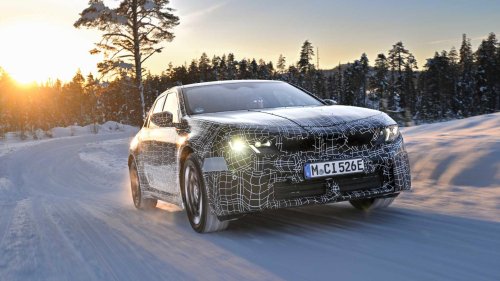
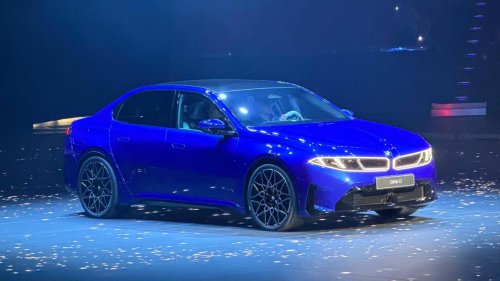
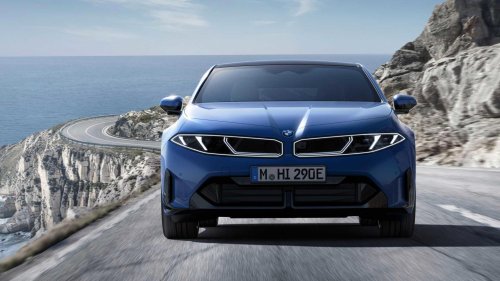
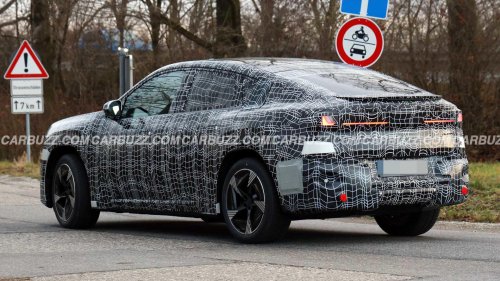
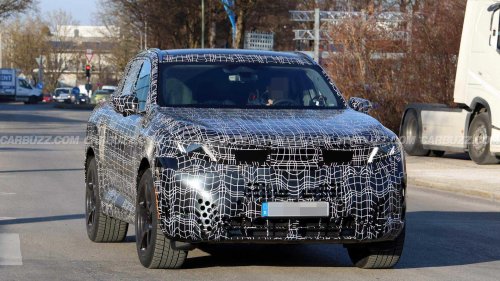
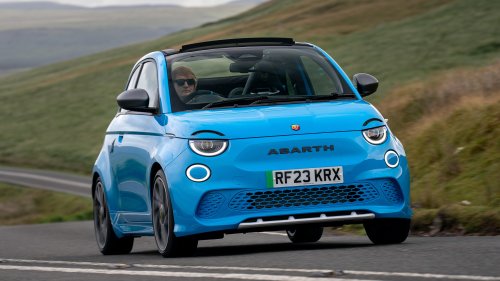
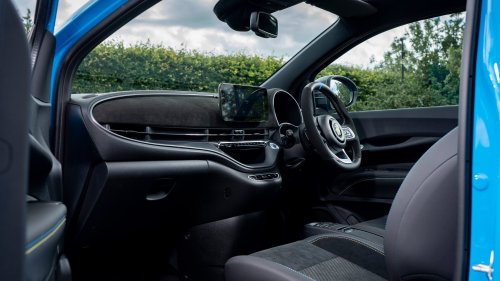
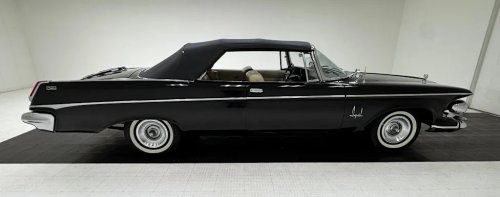
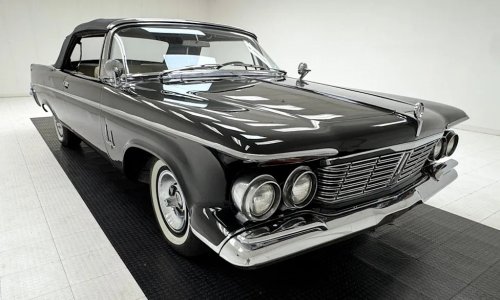
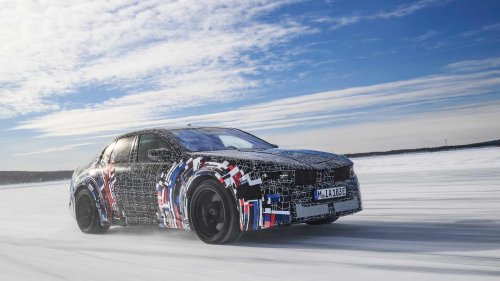
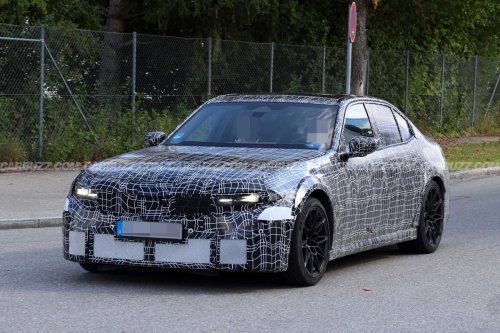
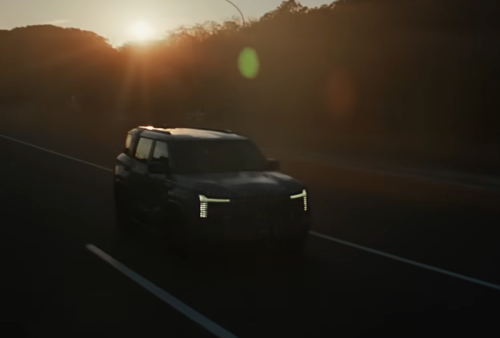
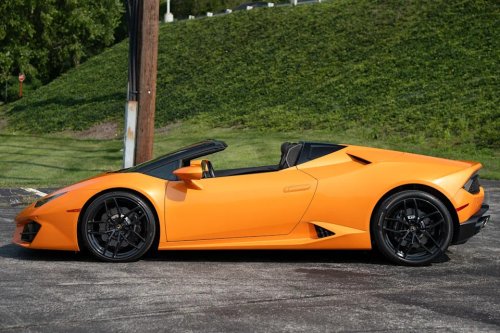
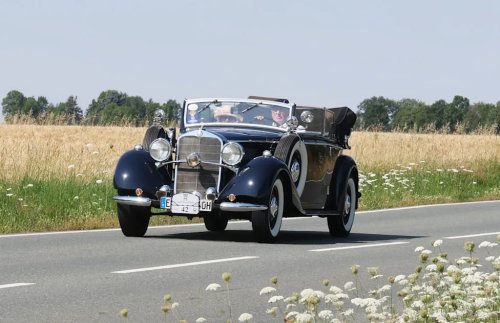
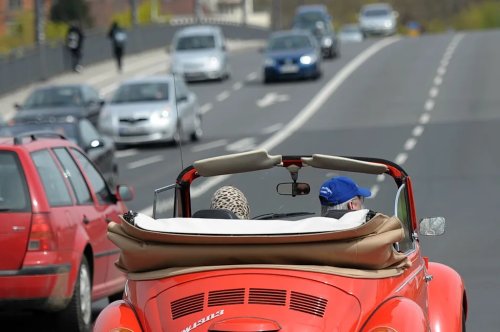
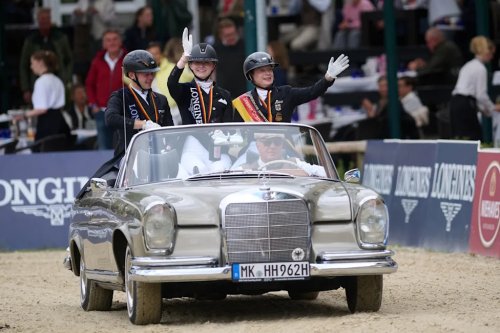
Are convertibles such as this 1938 Mercedes, a thing of the past? BMW designs suggest maybe not so. Bodo Schackow/dpaIn this age of motoring practicality, it is easy to write off the drophead car. After all, sales of convertibles are plunging worldwide and many manufacturers no longer even offer a fresh-air option in their model range.While BMW has already been offering its 4 Series coupé in fully-electric form with the i4, a convertible variant has until now been missing from the line-up which includes only petrol and diesel variants.Amid the seemingly impending doom of the convertible come spy shots online showing what appears to be a prototype of the next generation BMW i4, with a soft retractable top.AdvertisementAdvertisementThe new i4 is based on the custom-built electric vehicle architecture which BMW calls the New Class and is set to debut in 2027, reports the well-informed German car journal Auto Motor und Sport. BMW has not yet made any official announcement.Images published in the magazine show bodywork almost entirely concealed by camouflage vinyls but the proportions of the production model are already discernible. The car does not even look like an electric model and still has the cloth hood.The prototype is fitted with temporary front and rear lights. BMW is unlikely to reveal the final design until a later stage of testing, the magazine says.The electric BMW i4 Convertible is currently undergoing its first test drives and that alone is enough to cause raised eyebrows in the automotive world.AdvertisementAdvertisementAfter all, the convertible is not only a rare body style among electric cars, but is also facing extinction even among vehicles with internal combustion engines under the bonnet.Among the few electric dropheads on the market are the MG Cyberster, chopped Fiat E500 and Smart's two-seat convertible.In Britain, the Society of Motor Manufacturers and Traders reports that over the past 20 years, sales of new open-tops have fallen by nearly 90%, from 109,171 in 2005 to just 11,484 last year.The market share of soft-top cars in Germany is set to fall to just 1.2% when figures for 2025 are out – 70% less than in 2008, when convertibles accounted for 4.2% of new registrations.AdvertisementAdvertisementAnd yet BMW's new electric model is expected to hit the market between late 2027 and early 2028.Pundits claim that amid the rising temperatures caused by climate change and increasingly crowded highways, driving a convertible is simply not as much fun as it used to be.The heady "wind-in-your hair" atmosphere of roofless driving also seems to be of little interest to many car buyers who often have families, furniture and children's bicycles to move around.Enthusiasts, though, are undeterred. Soft-top drivers wax lyrical about the sense of freedom a convertible affords, allowing owners to hear the birds sing and smell freshly-mown grass as they motor along.AdvertisementAdvertisementOn the technical side, building a convertible poses quite a specific set of challenges for car development department teams - and is also expensive.Without roof pillars, an open-top car lacks torsional rigidity. The problem is resolved in the combustion-engine version with additional struts. But in the electric model, the battery already occupies the underbody.It therefore remains to be seen how BMW intends to balance the additional weight, driving pleasure and torsional rigidity in the convertible, says Auto Motor und Sport, in order to make the i4 project viable from an economic perspective.Figures, meanwhile, show that the proportion of convertibles among second-hand cars sold by dealers in Germany fell from 3% in 2021 to 2.1% in 2026.AdvertisementAdvertisementThe decline has also accelerated. This year alone, sales fell by almost 10%," according to the AutoUncle portal. This means convertibles are becoming increasingly rare as both new and used cars.The declining popularity of convertibles on the second-hand car market is also reflected in turnover figures."The sharpest declines have been seen in models that once made open-top driving comparatively affordable: sales of the VW Beetle Cabriolet fell by 80%, the Audi A3 Cabriolet by 73%, the Audi TT Roadster by 70%, the Smart ForTwo Cabrio by 62% and the Opel Cascada by 51%. All five are no longer in production," report the used car experts at AutoUncle.At the other end of the market, however, several performance models have seen an increase in buyer interest. Sales of the Porsche 911 Carrera Cabriolet rose by 77% last year, those of the go-faster BMW M4 Cabriolet by 91% while the popularity of the Mini John Cooper Works Cabriolet rocketed by 114%.AdvertisementAdvertisementDespite the data, some car experts and newspaper pundits are adamantly convinved that the world no longer needs or even wants convertible cars.Writing in the Times newspaper, columnist Giles Coren observed sharply: "The age of the soft-top is over and frankly that's fine: driving one was never a symbol of freedom but a sad, capitalist illusion."Young people these days seem more interested in electric scooters and smartphones than open cars, Coren says."That, to them, is freedom. Not the right to swill a few lagers, hop into your Morgan [a very traditional open-top British sports car] with a pair of goggles on and hit a tree at 150mph (242 km/h. That era of motor macho has passed. And no one under 40 wants it back."As convertible sales decline, some fear the model has less of a future - but indications BMW is creating a new one are grounds for optimism for fans of soft-top cars. David-Wolfgang Ebener/dpaIf BMW is testing a new electric convertible, perhaps people are still driving the soft-top vehicles after all, and not just hopping into SUVS, as some experts have forecast. Bernd Thissen/dpaDo people still want to drive convertibles? Reports BMW is testing a new one suggest confidence in the cabriolet. Christoph Schmidt/dpa



















 +58 others