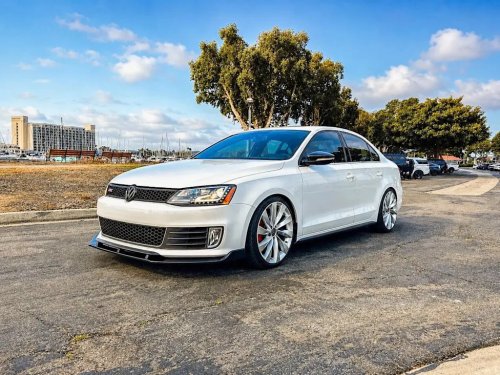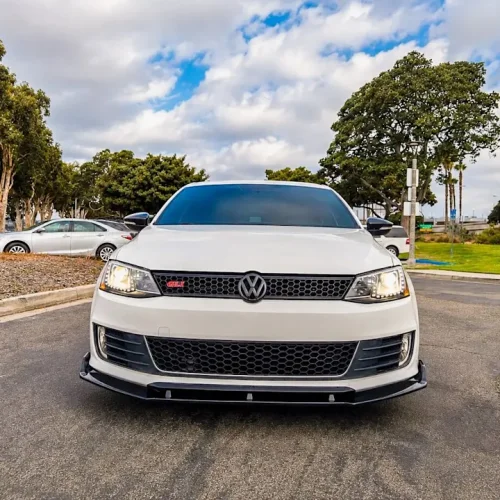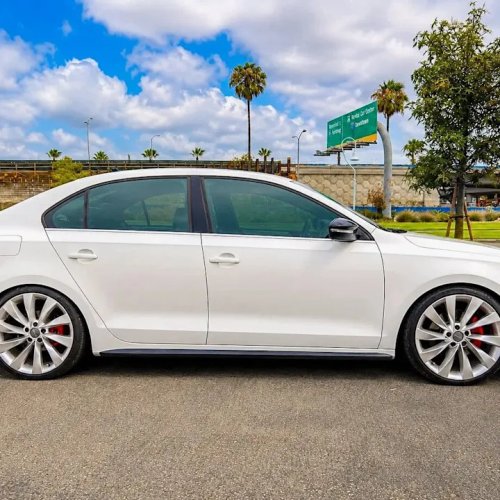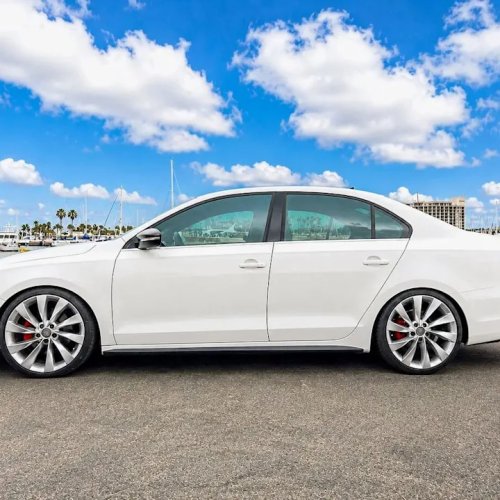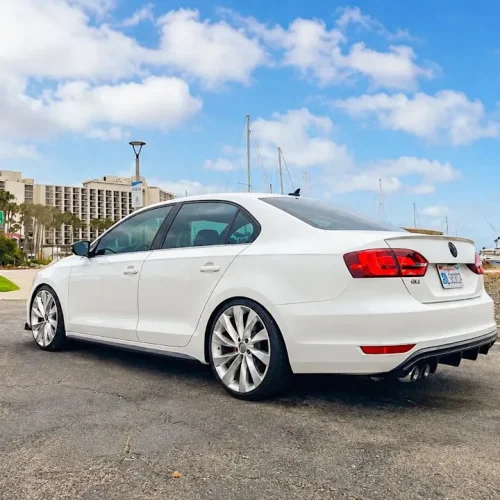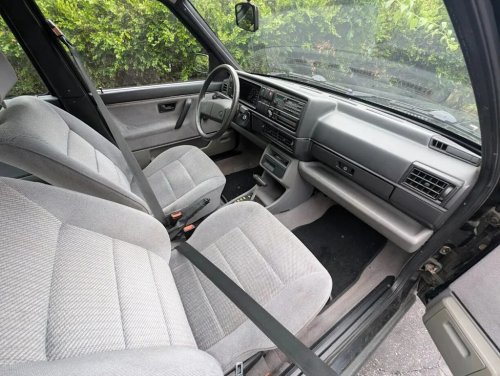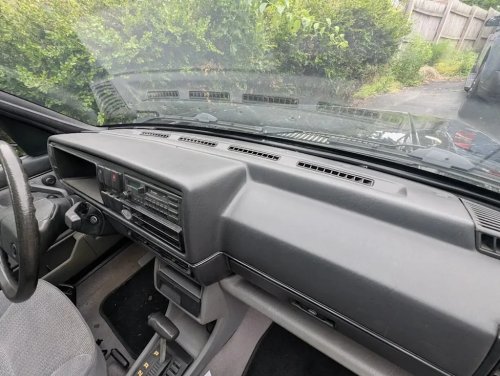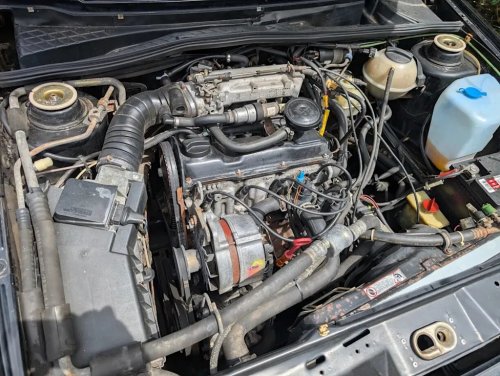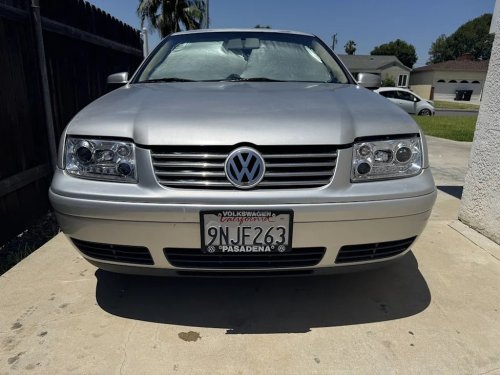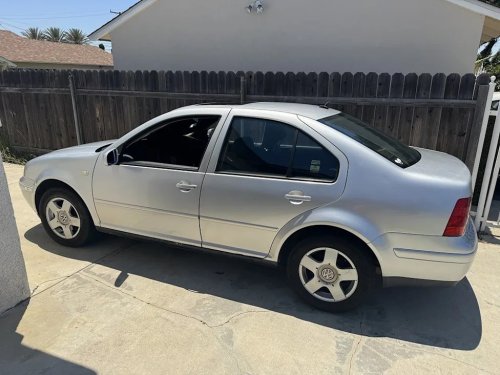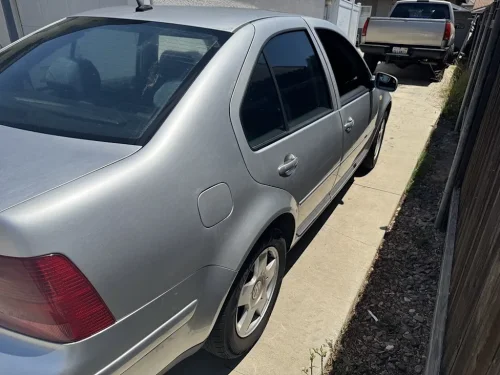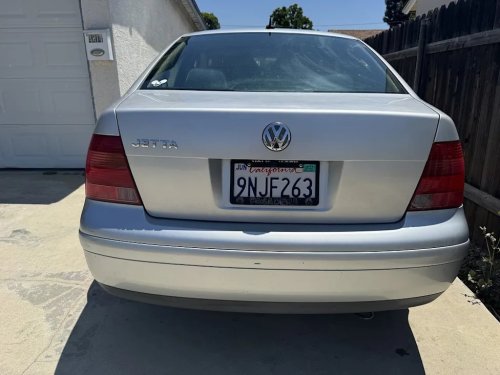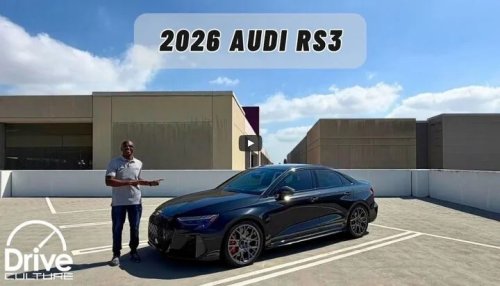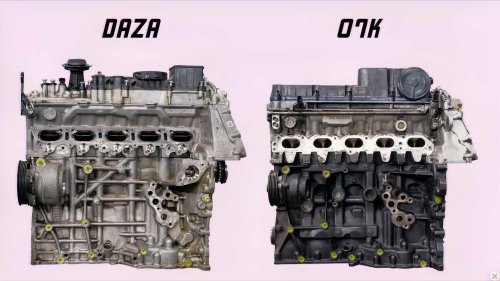
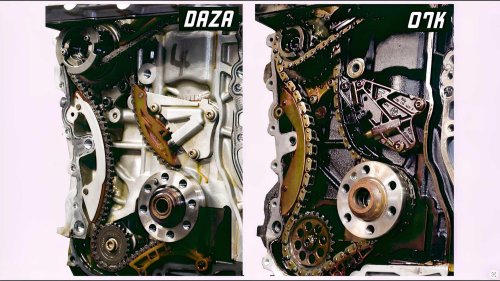
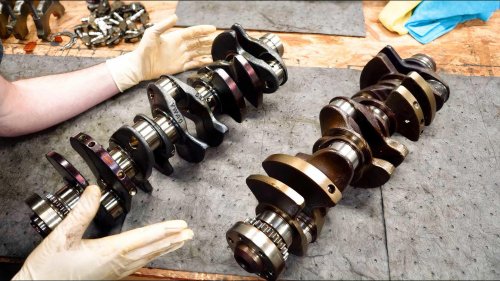
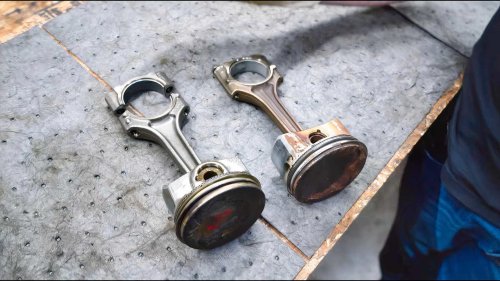
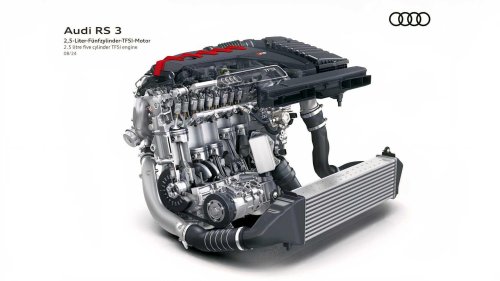
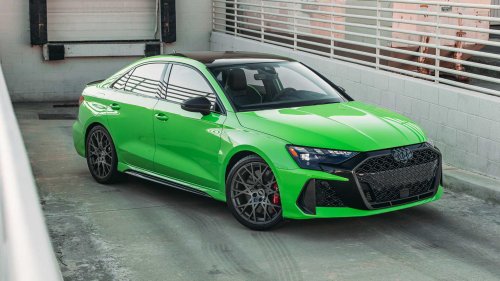


















The turbocharged 2.5-liter five-cylinder engine from the Audi RS3 and now retired Audi TT-RS is one of the most charismatic performance engines you can buy for a reasonable price outside of something with more than eight cylinders.However, it has often been noted that the RS-badged engine is remarkably similar to Volkswagen's naturally-aspirated 2.5-liter inline-five engine, to the point where it has been argued across the internet for years that the Audi engine is just the Volkswagen inline-five with a turbo strapped on. Others claim that the internals are different. Finally, though, someone has torn down an example of both engines and looked for themselves. Enter The Term DAZA Deutsche Auto Parts Spend too long around Audi people, and you here the acronym DAZA. It's just a factory engine code for the second-generation eight-valve RS3 and TT RS engine. It's sought after without the OPF (Otto Particulate Filter) for engine tuning potential – and DAZA engines can be tuned to make big horsepower and torque. The sought-after Volkswagen five-cylinder's factory code is 07K, which is found in older Volkswagen Jetta and Rabbit/Golf models. As stock, the DAZA engine produces just north of 400 horses in the current RS3, whereas in comparison, a stock 07K engine musters up just 170 horsepower. The 07K engine is known for its reliability, tuning potential, and ability to be turbocharged without having to mess with the internals, and output of the VW engine can be boosted to rival that of a stock DAZA, which explains why these two engines are so often compared.Deutsche Auto Parts pulled an example of each engine apart, and at first look, they are clearly closely related. But start delving in, and the components and layouts of the timing system are different.Particularly as it's also running the high-pressure fuel pump system on the DAZA engine, giving us our first major difference. The high pressure fuel pump means the engine needs more air to combust properly and make extra power. How Are The Engines Built Deutsche Auto Parts The argument isn't whether the DAZA and 07K engines are closely related or not. They clearly are. The question is whether the DAZA engine has better internal components than the 07K. For a performance engine, the internals should make the engine stronger and lighter. For a more economy-biased engine, lighter isn't necessarily better, as that means it is more expensive to make. A more economy-based engine is more likely to be engineered for reliability, meaning the tolerances are not necessarily so fine, and the materials are expected to last, but not deal with being run at higher RPM for longer periods.An example of how different materials are used for differing functions here is how the DAZA engine uses an aluminum block for lightness, whereas the 07K engine is made of iron, making for a 40-pound difference in weight. The DAZA engine is even plasma coated. The valve covers on each engine are clearly different, with the DAZA engine having a different camshaft and valve setup designed for its turbocharger. Turbocharging the 07K engine requires a comprehensive kit that includes a new manifold for the turbo to fit on, and ideally a new intake manifold for better performance. But the effectiveness of turbocharging the 07K engine will be limited, as the DAZA engine is already designed to suck down more fuel and air. Getting Inside The Engines Deutsche Auto Parts The crankshafts actually look quite similar, but you can also see that the DAZA's crank is forged and heat treated and has holes to remove weight. The Volkswagen Jetta engine has a cheaper to make cast crank, but a forged crankshaft is going to be stronger and able to handle more power and abuse. The DAZA engine also has better upgraded bearings, but both sets of rods are forged, which is a surprise. The pistons have a different design between the engines, but that will be for how the combustion takes place between the engines.Interestingly, the DAZA engine's pistons and rods have the same part number stamps as the Golf R's engine, but they aren't identical – but Audi and Volkswagen are clearly using each other's parts and adapting them for the use case. So, Should You Buy An 07K Engine And Turbocharge it? Deutsche Auto Parts In the tradition of internet headlines answering a question, the answer is no, maybe, and yes. Turbocharging an engine not designed for turbocharging isn't going to yield the best results possible unless you start replacing internals. And even then, you've still got a heavy iron block in the front of your car. For all the time and money for a lesser result, a Jetta owner would be better off swapping the 07K for a DAZA engine. But, that's only if making the fastest possible Jetta using Volkswagen and Audi parts is the goal.For just making some extra power in a beloved car with an 07K engine, it's clear the engine is built strong, and even has forged rods. It's still an expensive thing to do when you factor in the cost of parts, time to install, and then tuning. That's where a maybe comes in, as the value of doing so is questionable over just buying a more powerful car if the original 07K powered car isn't already beloved. Any which way you cut it, though, the DAZA engine is better, although an Audi RS3 or TT RS is an expensive proposition. It's Going To Become An Even More Expensive Proposition Audi We've learned recently that the current Audi RS inline-five is being retired. The final car with the engine is the RS3, and it's going to hold its value for a long time, then when hybrid and all-electric drivetrains become the norm for performance cars, it will become even more desirable. Currently, a new one has a starting price of $66,100, but older models with reasonable mileage aren't cheap as people are holding onto them. We had to hunt for a 2018 model with 60,000 miles on it, and that's going for just over $38,000. We would prefer half the miles, but it's about right as an average for what they sell for.For those that can afford to drop around $70,000 on a new RS3 here in 2026, it's one of the most fun performance cars around for the money. The engine is blisteringly quick and charismatic, but the rest of the car adds up around it. The seven-speed dual-clutch automatic is crisp and clean through the paddle shifters, the all-wheel-drive system is outstanding, and the car is almost ridiculously agile.2025 Audi RS3 The Audi TT RS is still an overlooked car, although it's not exactly a secret of how good it is. But, it's still not as expensive as it could be, with low-mileage 2020 models going for around $65,000. That's only $1,700 less than its starting price in 2020, although it was a $73,200 car in 2022, its final year. This feels like a short amount of time period to work out inflation for, but inflation has been rising steeply for a few years, and $66,700 in 2020 is the equivalent of $84,600 of buying power here in 2026. Doing car enthusiast math, that makes the Audi TT RS a good deal. Your accountant may think otherwise, though.