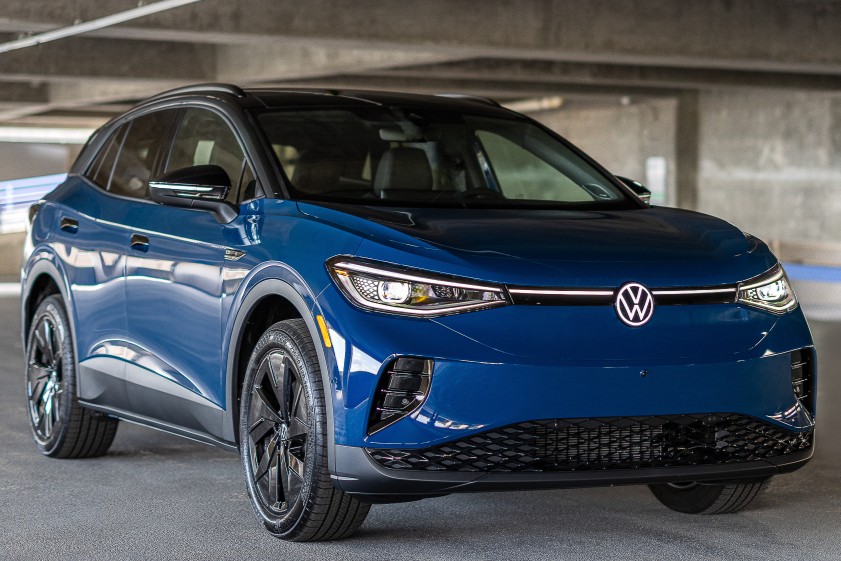
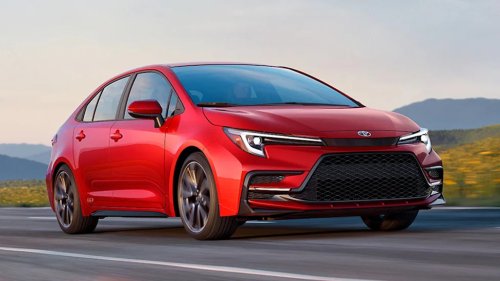
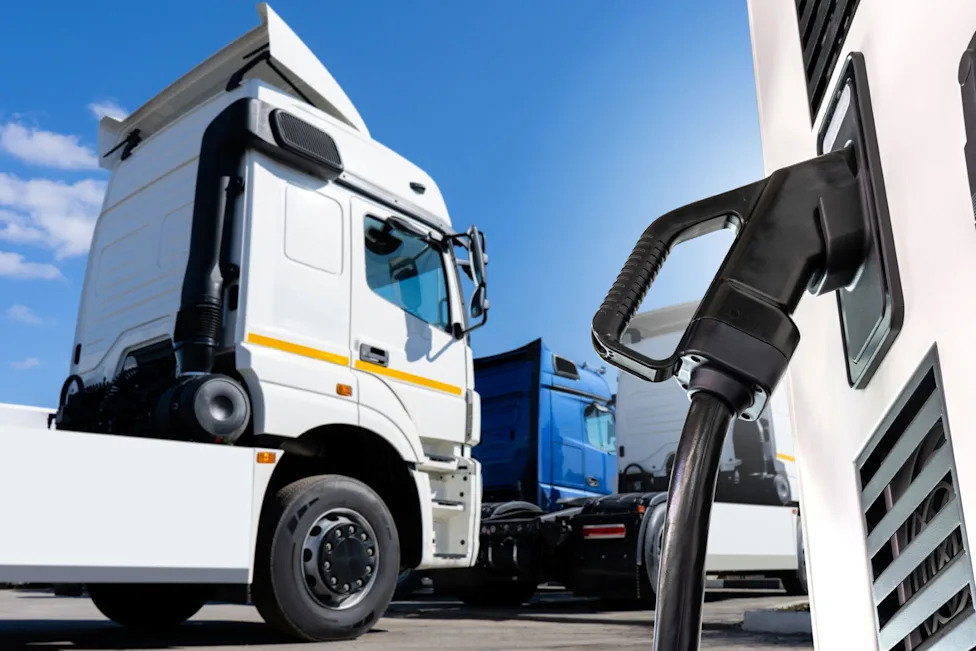
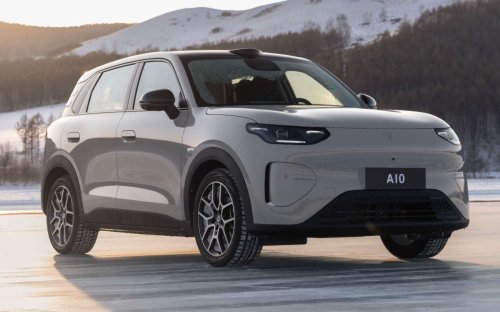
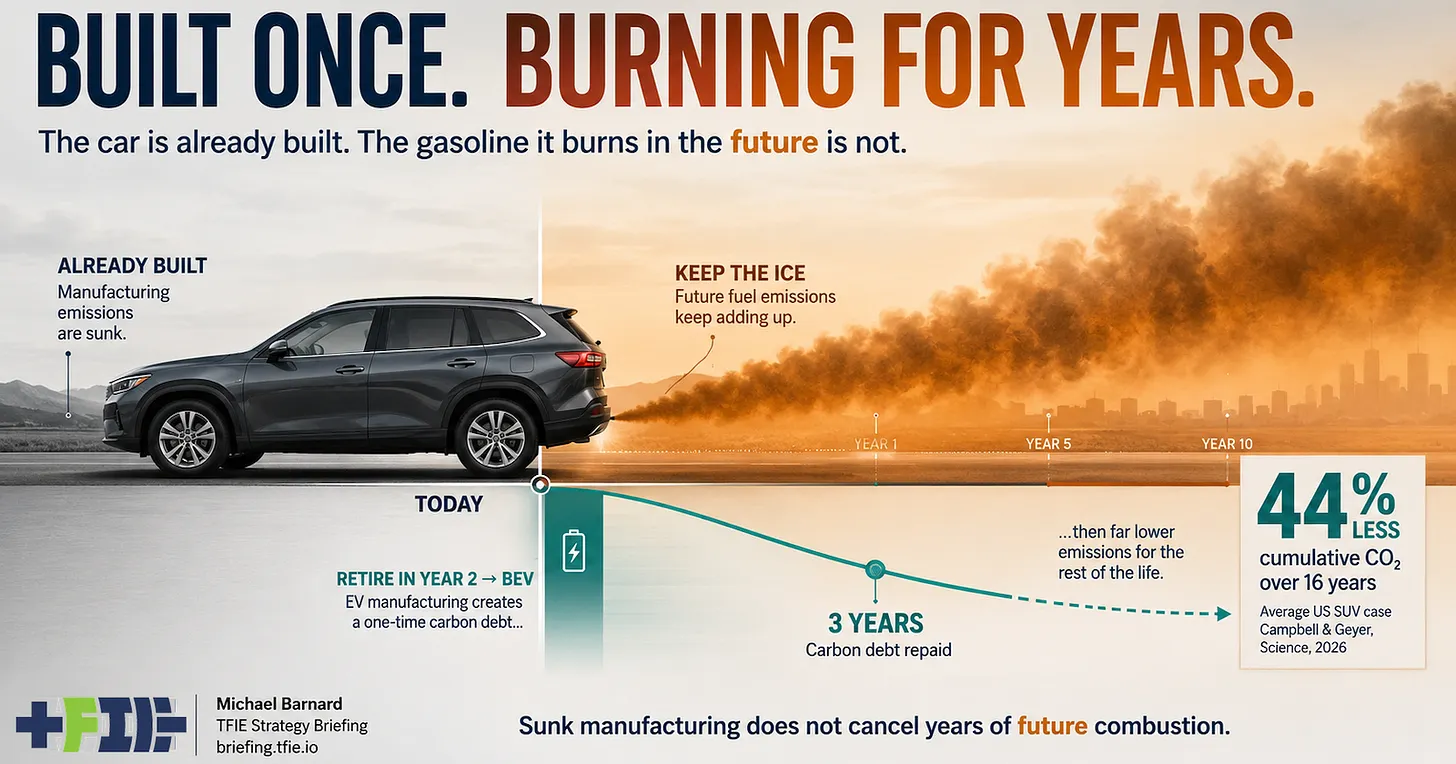
Photo Credit: iStockMany motorists assume sticking with a functioning gas car is a less wasteful choice than buying a new electric vehicle, but new research shows the opposite is true.Grist reported that for U.S. drivers, moving from a fairly new gasoline vehicle to an electric model can cut lifetime pollution rapidly.Here's what to knowThe study, led by University of California, Santa Cruz environmental scientist Elliot Campbell, found that replacing a two-year-old gas car with an EV lowers lifetime pollution by about 50%.AdvertisementAdvertisementThat conclusion pushes back on the idea that the car already sitting in your driveway is the greenest option, Grist noted. Campbell told the outlet the study was set up in a way that favored gasoline vehicles, including by counting the pollution from building an existing gas car as a sunk cost. Nonetheless, EVs still performed better.What tips the balance is how quickly lower driving pollution can make up for that created during manufacturing."I like to repair things and keep them going," Campbell told Grist. "We found there is a big advantage to retiring the gas vehicles early."Separate work from David Reichmuth, a transportation sustainability expert at the Union of Concerned Scientists who was not involved in the study, points in the same direction. AdvertisementAdvertisementAs Grist reported, Reichmuth revealed that EVs usually reach their pollution break-even point after roughly 18,000 miles, or about 18 months for the average driver.More backgroundWhere a person lives also affects the size of the climate benefit, because electric grids vary in how clean they are.In hydro-heavy parts of upstate New York, Grist reported that an EV can be comparable, in pollution terms, to a gas car that gets 219 miles per gallon. Even in areas that depend on coal and natural gas, EVs still outperform nearly all conventional vehicles.The researchers identified only a few significant exceptions. The outlet said a plug-in hybrid may not offer the same advantage when replaced because it has a battery and does some of its driving on electricity. Another exception is a very low-mileage vehicle.AdvertisementAdvertisementMoaz Uddin, senior electric vehicle policy specialist at the Great Plains Institute, told Grist that mileage is "the biggest factor." For someone driving only a few thousand miles each year, the pollution payoff takes longer.The study also points to another major benefit in cleaner air."The magnitude of the benefits for getting an older gasoline vehicle [off the road] can be much higher in terms of the air pollution," Reichmuth told the outlet.What can be done?The study did not examine affordability. Put another way, delaying a switch to get a few more years out of a gas car can also delay a sizable pollution reduction.AdvertisementAdvertisementAs Grist reported, paying back the manufacturing carbon debt takes only about 4,400 miles for an electric car or 6,700 miles for an electric truck. Reuters and the Argonne National Laboratory in Chicago ran a test of a Tesla Model 3 and Toyota Corolla in 2021 and found that number to be 13,500 miles on the Tesla before it made up for its manufacturing from a well-to-wheel perspective, so that may be a better conservative figure. In any case, it's clear that it doesn't take that much driving to make up for any manufacturing pollution, and then from there, it's all savings — both on pollution and on cost per mile in virtually all parts of the world. Cleaner grids and improved battery recycling are both likely to strengthen the environmental case."We're trying to show that there's not an environmental motivation for extending the lifetime of a gas vehicle," Campbell told Grist. "Electric vehicles are a very clear winner."AdvertisementAdvertisementGet TCD's free newsletters for easy tips, smart advice, and a chance to earn $5,000 toward home upgrades. To see more stories like this one, change your Google preferences here.



















 +62 others