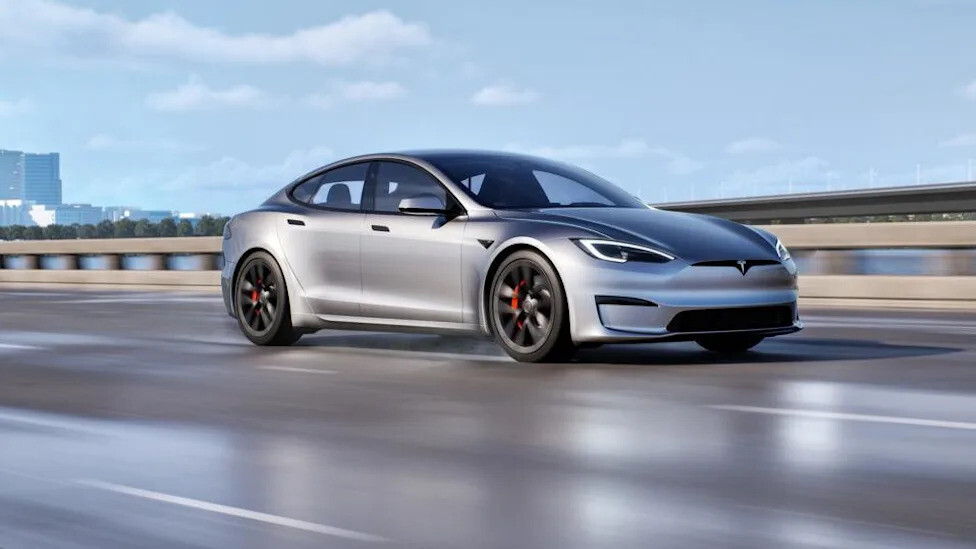
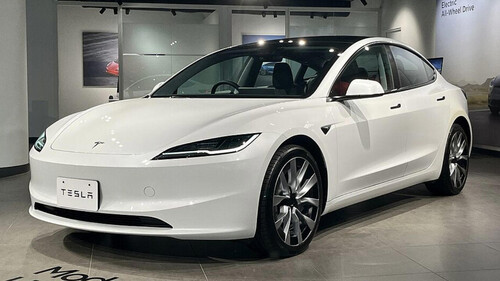
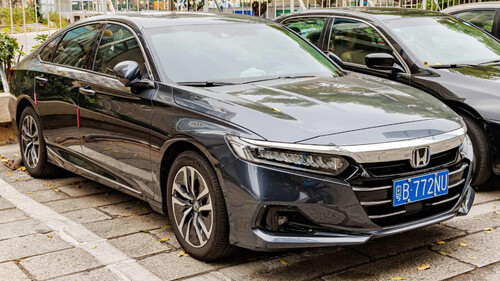
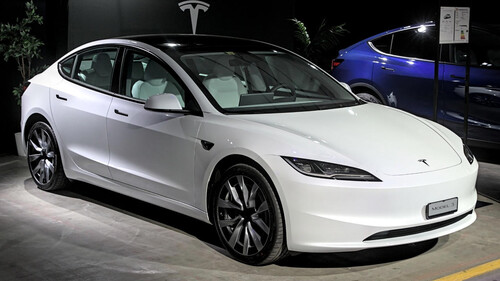
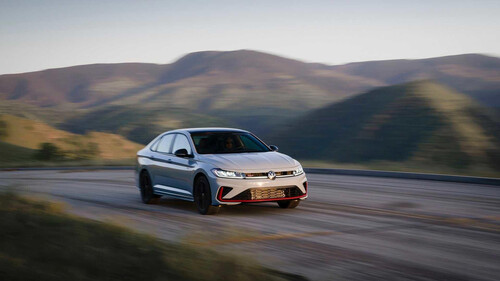
EV, Hybrid, or Gas Car: What's Best for a Road TriMarc Urbano - Car and DriverFrom the September/October 2026 issue of Car and Driver.Gas is easy to burn. Of course, the money to buy it can be difficult to earn. And lately, more of our money is getting dropped in the fuel tank.With our mind on what it costs to drive, we planned a road trip. Not as a race, but as an experiment. We took an EV, a hybrid, and a gas car, all with similar prices, on a road trip to the same destination. Similar route, different energy sources, different octanes. How long would the trip take, and how much would it cost?AdvertisementAdvertisementTo find out, staffers drove a Tesla Model 3, a Honda Accord Touring Hybrid, and a Volkswagen Jetta GLI from our Ann Arbor headquarters to Paradise, in Michigan's Upper Peninsula, by way of Hell, in the Lower Peninsula, and back—over 700 miles in two days. Each GPS-monitored car stayed within 10 mph of the posted limit to prevent hypermiling or racing. To ensure everyone ate, we mandated a 20-minute lunch stop.Michael Simari - Car and DriverEach of the three cars we chose had distinct advantages and disadvantages. The rear-wheel-drive Tesla's superpower (aside from being driven by your author) is being the only car of the three that can replenish its tank while you're sleeping, but its cruising range of 270 miles (per our 75-mph highway range test) is the shortest in the group.With a punchy 228-hp turbo four and a six-speed manual, the Volkswagen is the most fun to drive, but its premium-fuel requirement makes it an octane snob. The Honda Accord's strengths are the other cars' weaknesses. It's happy to drink regular and boasts a highway range of 490 miles.Aside from online production assistant Sarah Taylor's trap hip-hop playlist, life was mellow for Team VW. In fact, the two gas cars had an easy go to the Upper Peninsula, requiring only one stop.AdvertisementAdvertisementThe Tesla needed two Supercharger visits—total cost $24.16—to reach Paradise and sat charging for 31 combined minutes, but the first stop included the mandatory lunch break. Meanwhile, freaky slow service at Jimmy John's erased the gas car's leads, allowing the Model 3 to arrive in Paradise two minutes ahead of the Accord and nine minutes before the Jetta.Michael Simari - Car and DriverThat position didn't last, as the Model 3 rolled into Paradise with a 10 percent state of charge and an indicated 30 miles, only to find that the Level 2 hookup at our Airbnb wasn't working. Worse, the nearest Supercharger along the route was over 70 miles away.Despite being the captain of Team Honda, associate buyer's guide editor Andrew Wendler did what any great co-worker would do and began flipping breakers in the Airbnb's electrical panel until the juice started flowing. While his handiwork certainly got us out of a bind, it might also explain why there wasn't any hot water the following morning. You know the saying, people in hell want ice water? Well, people in Paradise want a hot shower. At breakfast, the group raised their shivering hands and unanimously decided they would not be volunteering for another road trip organized by Austin Irwin.The drivers of the gas cars decided to fuel up at the nearest station in the small town of Paradise, where we paid a hefty $6.99 per gallon for ethanol-free gas. In an attempt to standardize the numbers, we used the national average at the time for energy and fuel costs: 19 cents per kilowatt-hour for residential power and 53 cents for DC fast-charging; $4.45 per gallon for regular gas and $5.40 for premium. So, while the Tesla replenished its battery overnight for just $11.88, the Accord's bill for 10.8 gallons was $48, and the GLI, which burned through 14 gallons in a day of travel, gassed up for just shy of $76.Marc Urbano - Car and DriverTo get home, the Tesla again needed two recharging stops. At the first, in Gaylord, just nine minutes of charging returned enough juice to reach the second, in Clare, where the Supercharger kept stopping and starting, stretching the visit to 33 minutes. Team Tesla thought it was a distant third, but its overall time was much closer to the gas cars' than anticipated.AdvertisementAdvertisementEach car mostly followed the same route, but different lunch breaks and bathroom stops resulted in slightly different distances traveled. The Tesla covered 752 miles and consumed 243 kWh with four DC charging stops and two AC visits. Its total electricity bill was $85.70, or 11 cents per mile.ILLUSTRATION BY NICOLAS RAPP - Car and DriverThe hybrid Accord covered 744 miles at 35 mpg. As the most expensive car here, it still makes a strong case for value, as it needed just 21.1 gallons for the entire trip and operates on 87 octane. Its final bill was $93.69, or 13 cents per mile.The Jetta GLI stayed closest to the highway for stops, making its total distance the shortest at 737 miles. It consumed 24.1 gallons of premium at a rate of 31 mpg, resulting in a $129.98 tab. While its manual transmission made it the most fun, it was also the most expensive, at 18 cents per mile.The total time for the GLI was 11 hours and 46 minutes, the quickest of the three. The Accord followed at 11 hours and 48 minutes. We'd expected the Tesla's charging times to land it in last place but were surprised that it didn't finish a distant third; it ended up only 25 minutes behind the Accord.Michael Simari - Car and DriverSo yes, gas cars still make for a quicker road trip. And lucky for the Tesla, there was a plug at the finish. But this wasn't a race; it was a real road trip. What we got out of this experiment was that, while the Model 3 takes more time to go 700-plus miles, charging it saved us almost $36 versus filling up the Jetta and about $8 compared with the Accord.AdvertisementAdvertisementWith today's high gas prices, it's truer than ever that the cheapest way to get to Paradise is in an EV. Provided you've got the time.You Might Also LikeGift Guide: Best Ride-On Electric Cars for KidsFuture Cars Worth Waiting For: 2025–2029