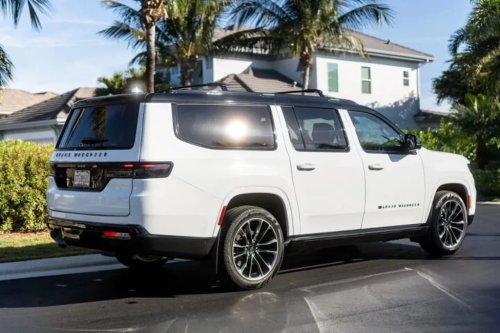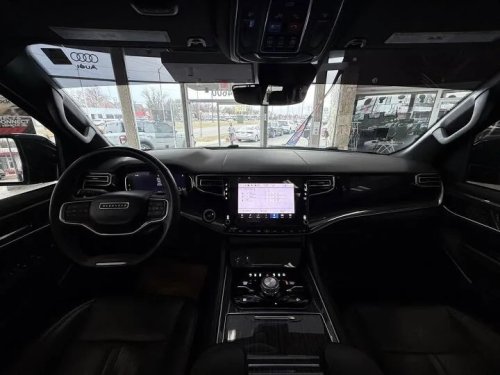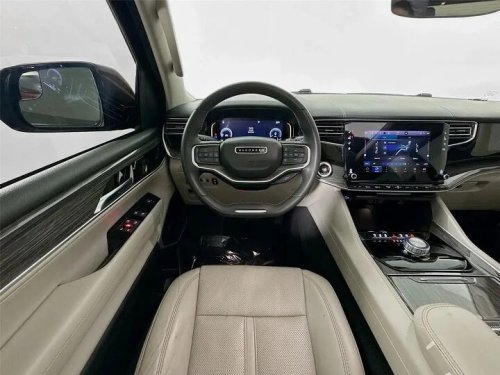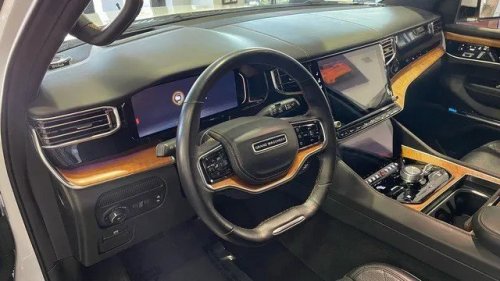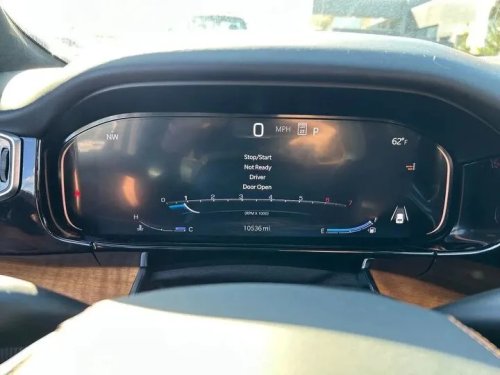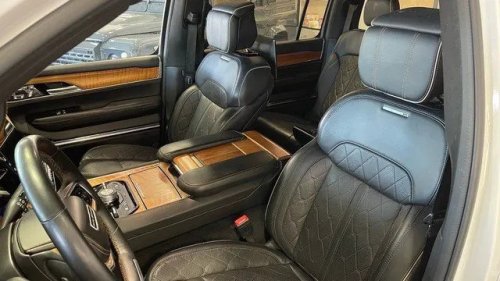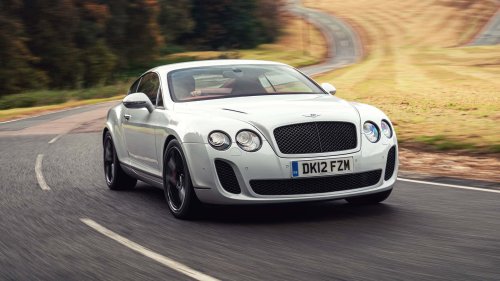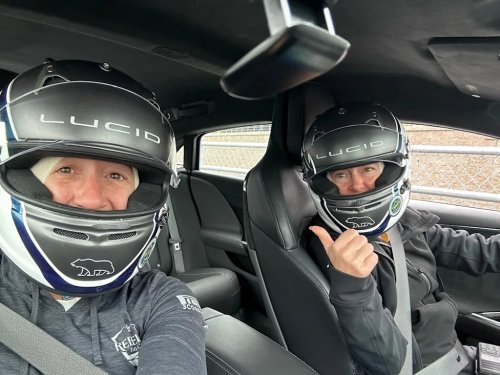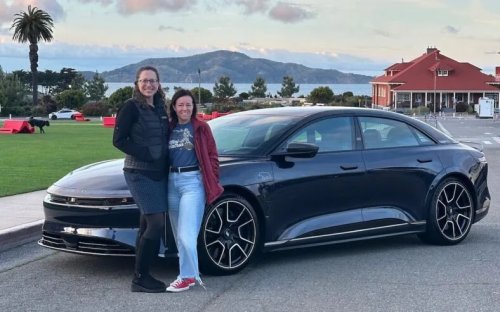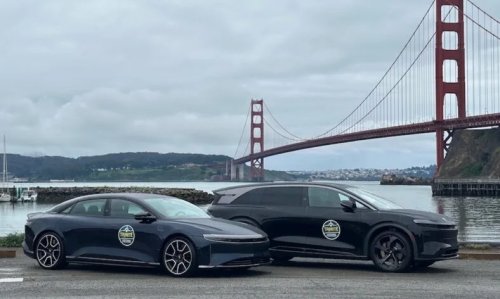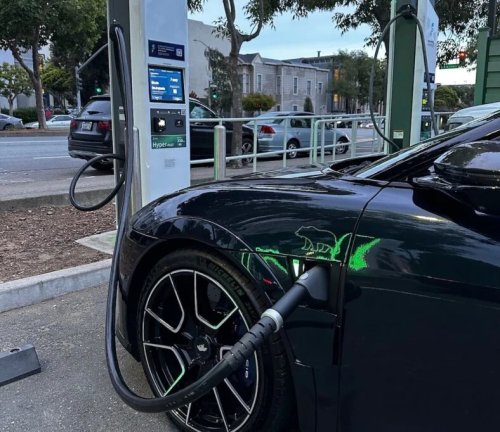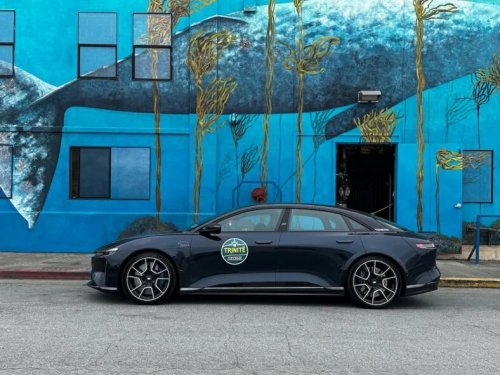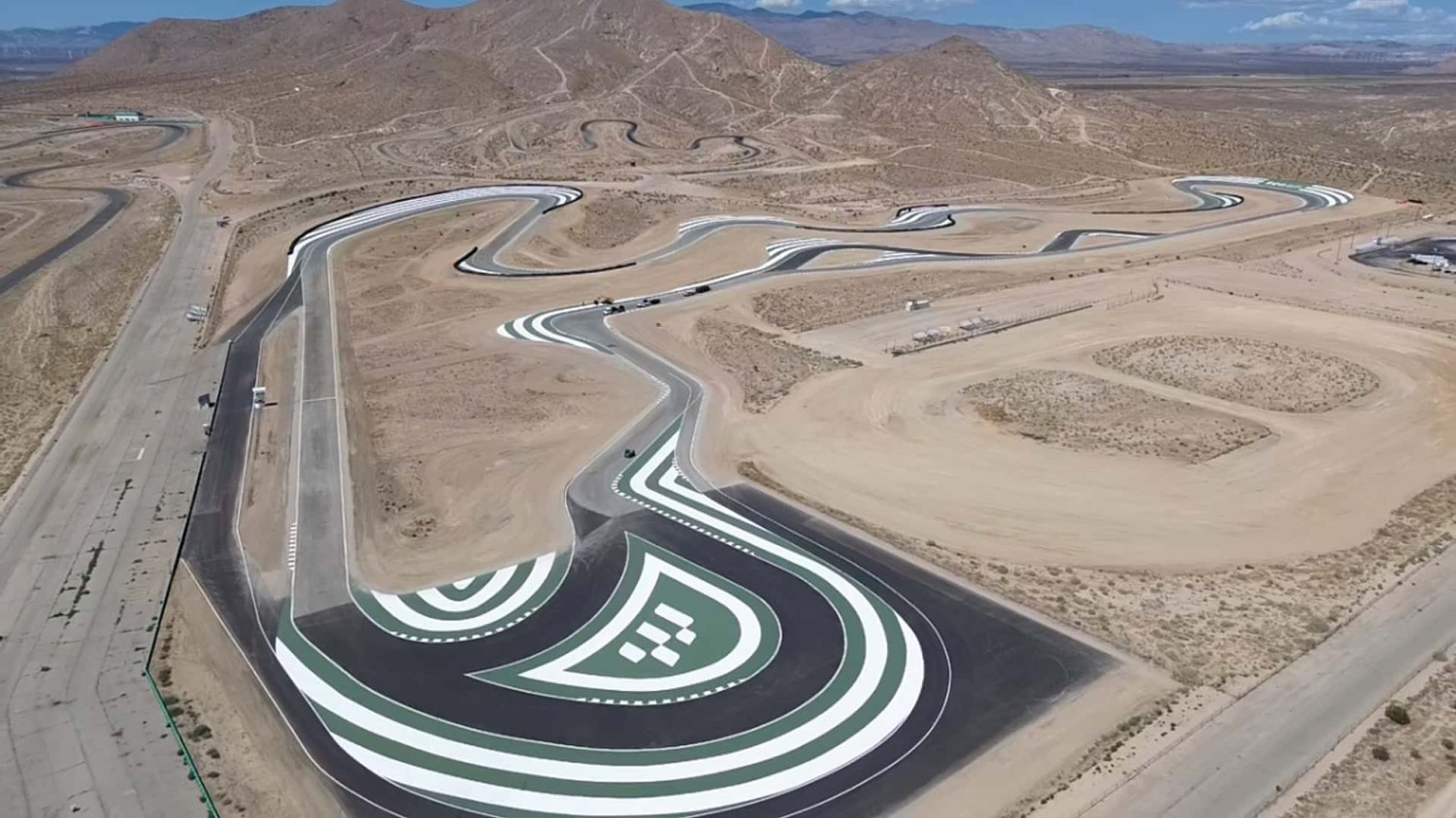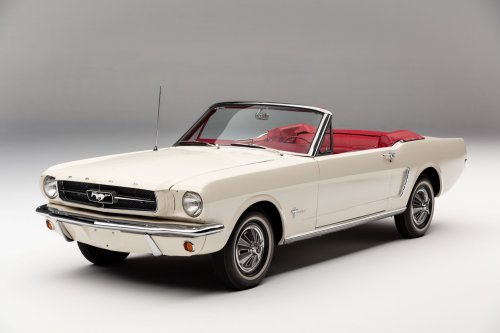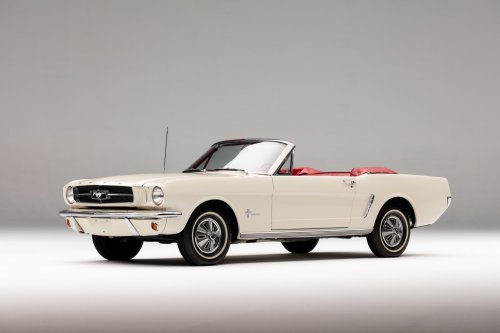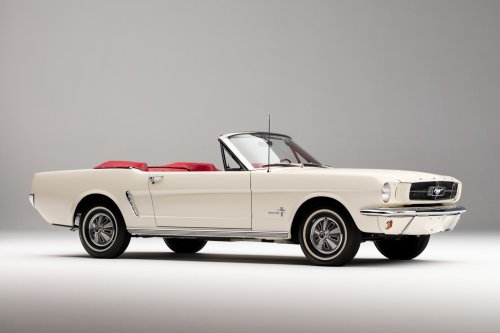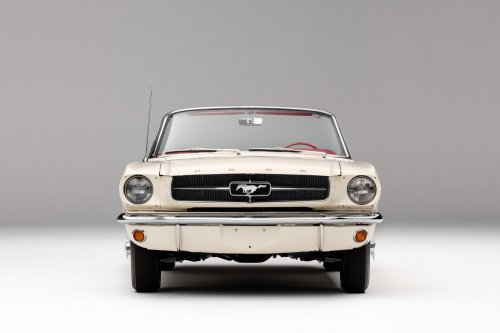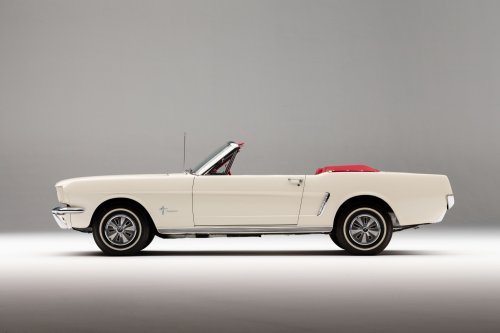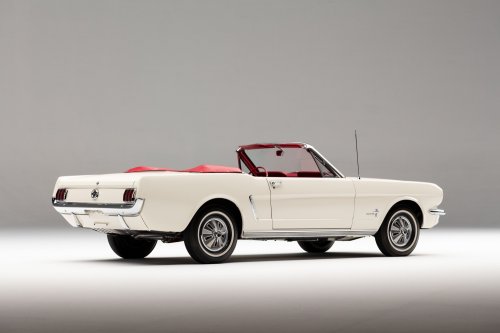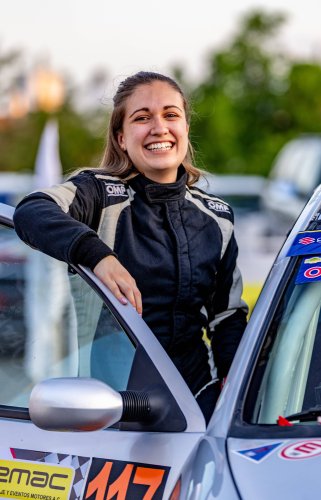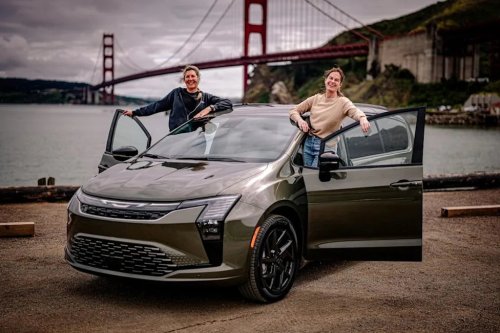
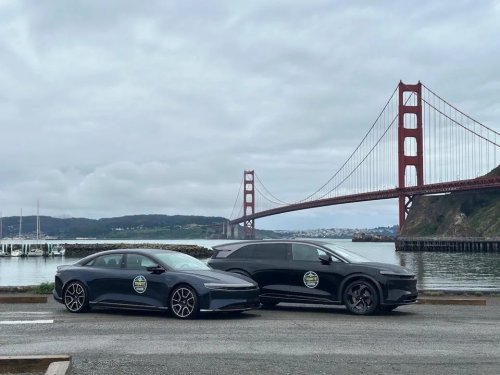
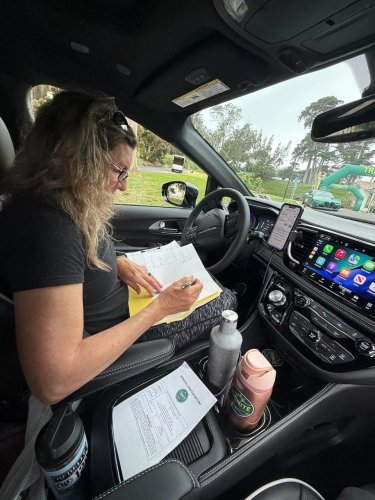
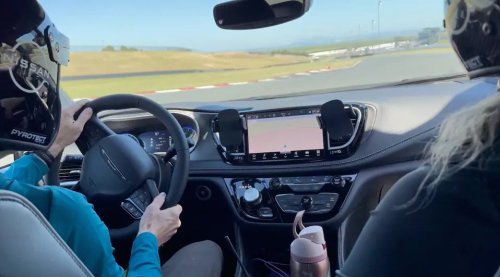
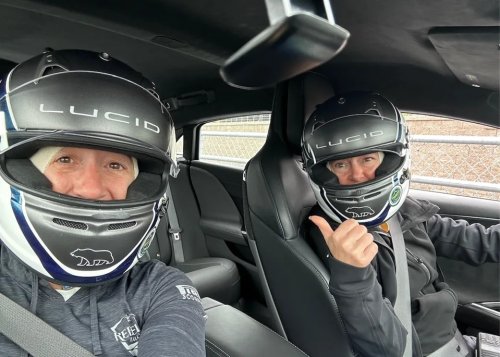











Nena Barlow (l) and Sara Lacey (r) in the 2026 Chrysler Pacifica before the start of the Trinitē Road RallyChryslerMost road rallies are all about the win, crossing the finish line with the best time and ahead of the competition. But that’s not necessarily how Trinitē Road Rally founder Emily Miller does things. Her rallies are more focused on skill, precision and strategy than pure speed or muscle.And that’s just the type of competition in which a Chrysler Pacifica can face off against a Lucid Air Sapphire—as well as vintage Porsches, a modern BMW X3, Bentley Continental GT S, Audi RS3 and classic Mustangs—and truly shine.The brainchild of Miller, who founded the Rebelle Rally, Trinitē Road Rally invites anyone, and all types of vehicles, to compete in a 500-mile on-road rally, a contrast to the the all-female off-road Rebelle Rally that requires all-wheel drive or 4x4 capability. Also, unlike the Rebelle Rally, which forbids the use of electronics and only allows paper maps and analog navigation tools, Trinitē competitors, who can enter in one of three classes, classic, crossover or car, are required to use phones and specific apps to navigate the course up the California coast, ending at the Sonoma Raceway for an autocross competition.Lucid's Trinitē Road Rally entries ready to begin the competitionKristin ShawTrinitē Embraces, Rather Than Tunes Out, TechnologyIronically, the Trinitē Road Rally allowed competitors to relax a bit more in preparation for the rally and while driving the much shorter rally course. The Rebelle Rally imposes a stringent schedule, before the rally and during its eight-day trek, which can often be marked by 14 hour days and technical challenges.AdvertisementAdvertisementBut with just three days of driving iconic roads and stays at scenic hotels and campsites, “Trinitē was a little bit more relaxing and a lot more fun. It was it was work in a different way,” said Kristin Shaw, who competed in a Lucid Air Sapphire. And, as the first year of the Trinitē Road Rally, everyone had the challenge of learning the ropes along the way, including finding charge stations at the end of each day to replenish the Lucid’s battery. Despite its fast-charge capability, it needed to be charged to most of its 427 mile range, a process that can take a couple of hours. Still, Shaw and Ciminillo appreciated that they didn’t need to veer off course to charge during the rally.Overall, the first Trinitē Road Rally “was very much ‘learn on the fly,’” said Nena Barlow, a well-known off-roader, outfitter and Rebelle Rally alum who competed in the Trinitē Road Rally in a Chrysler Pacifica. “One of the saving graces of this rally was that everybody's in the same boat. We were all learning the app.”And, each team had a completely different challenge when it came to setting up their car for the rally. Barlow, who owns a Chrysler Pacifica, was excited to compete in the 2026 model. Its ample space with room to plug in the phones needed to monitor the rally app and not feel cramped helped quite a lot; it was a big change from the tighter spaces filled with additional gear and expansive paper maps that mark the Rebelle Rally competition.The performance of the Pacifica also surprised Barlow’s teammate, journalist Sara Lacey, who did all the driving. With a chassis built for long drives “there really wasn't a whole lot to manage,” she said. “It's got that long wheelbase, it feels planted on the ground. The body roll did not impact me nearly as much as I thought it would.”Nena Barlow prepares for the start of the Trinitē Road RallySara Lacey500 Miles Of Beautiful Roads And Unexpected ChallengesAmong the lessons that Barlow and Lacey learned were the standard hazards of road trip travel: Hay trucks, road construction, no-passing zones and other obstacles that can slow a competing team along a precision-crafted route.AdvertisementAdvertisementIt was Barlow’s job to account for slowdowns on the rally app and ensure her co-driver, Sara Lacey, anticipated and made each turn. Unlike the Rebelle Rally, which specifies its course using navigation coordinates, the Trinitē route focuses mileage markers, road names and landmarks.And speeding is not rewarded; teams that are slowed by traffic or congestion get credit for those slowdowns, as do teams that help others who have run into a challenge. But teams that hit their waypoints too quickly will be penalized for being too speedy.However, with a journey of 500 miles that includes 2,679 curves, 381 tight turns and 107 hairpin turns in addition to right turns, left turns and doglegs, navigation demanded rapt attention to every bit of the road in order not to gain points—with the lowest number of points being the goal.The Chrysler Pacifica on the track at Sonoma racewaySara LaceyCurves and Turns Are The Real Challenge—Especially When Carsickness StrikesCalifornia’s coastal and wine country roads are known for their elevations, curves and scenery, making them some of the most fun to drive roads in the world. For some cars this would be an advantage, for others a limitation.AdvertisementAdvertisement“The Lucid just swished through those winding roads like a skier,” said Shaw. “You know, swish, swish, swish.” But its speed posed an issue, too. “It was a challenge on my part as the driver to keep from going too fast because the car is so quick.” In all, Shaw left the competition feeling like the Lucid Air is underrated for its range, power and comfort, as did her teammate, journalist Jill Ciminillo. “I really enjoyed the massaging seats on the Lucid Air,” said Ciminillo, a five-time Rebelle competitor. “As a navigator, you're in a hunched-over position so much of the time, looking down at a map or app and you get really stressed. It was just a joy to have that comfort.”The curves and turns also challenged Barlow who is, ironically, prone to carsickness. “I've had to learn to manage that,” she said. And that’s part of the job, to know your own shortcomings and ensure you have the opportunity to do your best. "It's a beautiful lesson,” said Lacey, who wanted to help Barlow to get past the nausea. Lacey said Barlow would say, “‘just keep going.’ Sometimes you don't get the gift of feeling great the whole time,” Lacey recognized, but it’s important to know that you can “feel cruddy and you can still do it.”Jill Ciminillo (l) and Kristin Shaw (r) on the track at Sonoma Raceway in the Lucid Air SapphireKristin ShawTeam Spirit Added To The Fun Vibe Of This RallyThe tone of a road rally can take on all ranges of character, from uber competitive to overflowing camaraderie. The Trinitē Road Rally vibe ran much to a friendly tone thanks to the number of Rebelle Rally competitors who competed in the event. Among the 39 teams invited to the inaugural rally were eight men including one mother/son team and more than a few married couples.For many of the women competing, having men compete was sort of a reversal. “I really felt like the men that were there” took the posture of how “you would expect women to act at most events” that are male-dominated, said Barlow who competes in many rallies and appreciates the all-female vibe of the Rebelle. Men were more apt to approach the challenges with humor and to stand back and listen to the expertise of the women who’ve run the Rebelle before. A team fielded by Pennzoil even embraced this, noted Lacey who said Josh Day joked about his team’s standings each day: “‘We’re holding last place,’ he’d say. I’m not sure he would have felt so comfortable saying that in a predominantly men's event,” Lacey said.AdvertisementAdvertisementAnd that friendly atmosphere is part of the mission of the Trinitē Road Rally, which costs $3,750 per person and includes lodging, meals and track day. It’s an event that Miller has wanted to stage for eight years. “As someone who loves driving, she envisioned an event that combines epic roads, spirited competition, and the camaraderie that makes rallies so special,” said Trinte’s Kirsten Tiegen. Though next year the rally will likely take on a more competitive air as teams return, this time a bit sharper and more strategic in approaching the rally.This article was originally published on Forbes.com