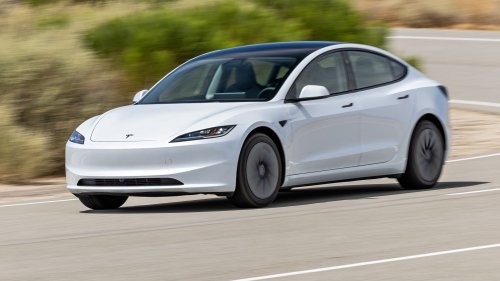
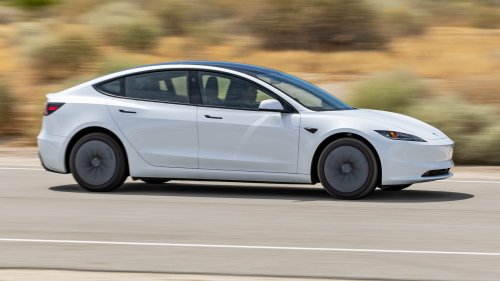
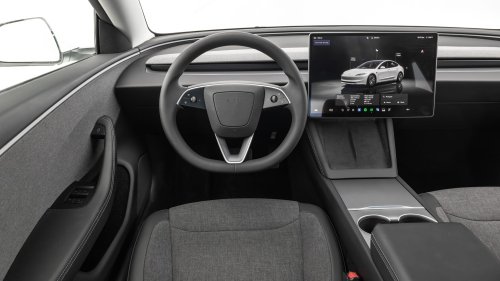
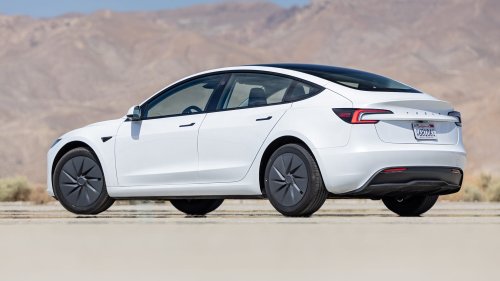
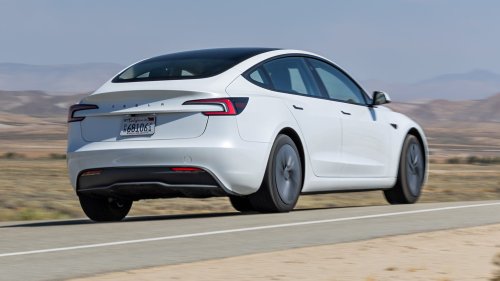
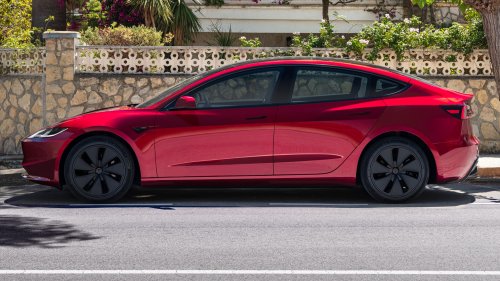
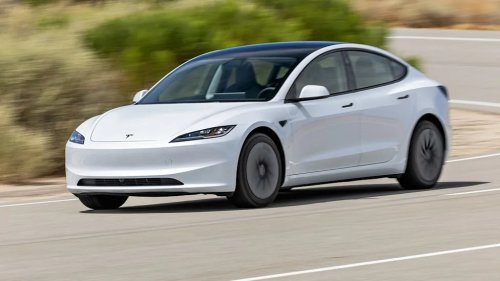
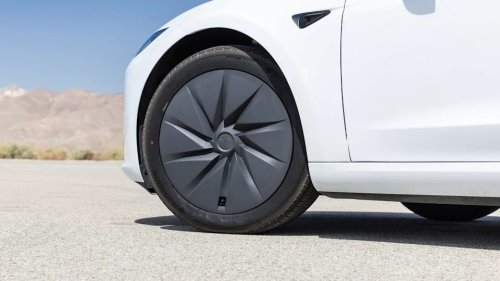
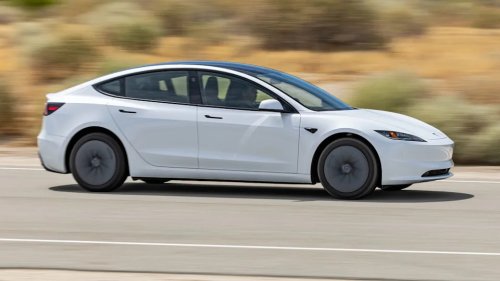
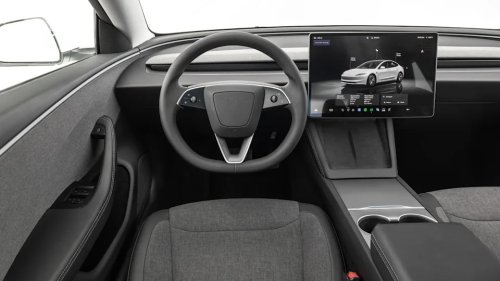
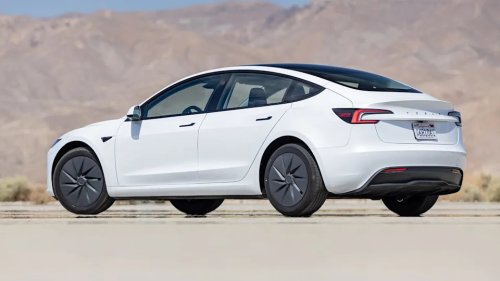
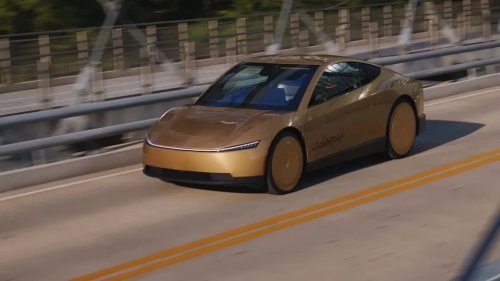
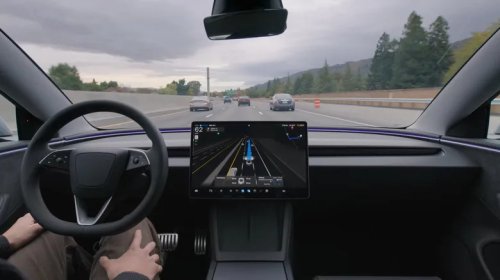
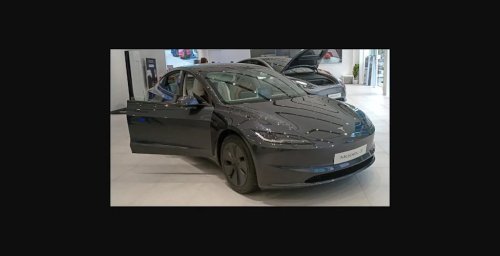
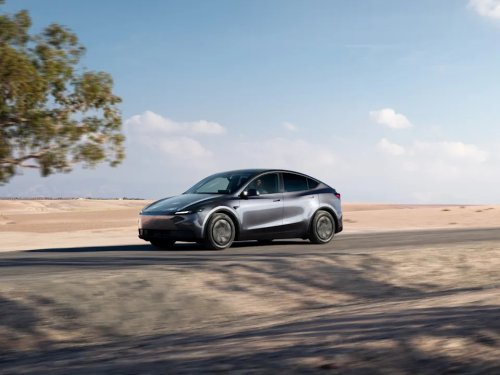
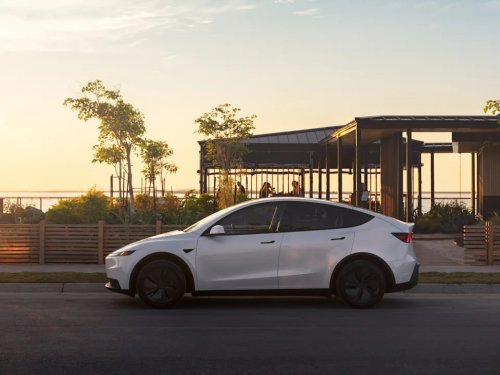
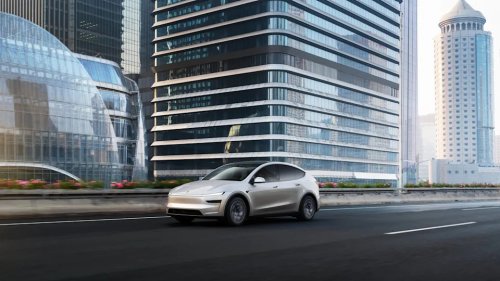
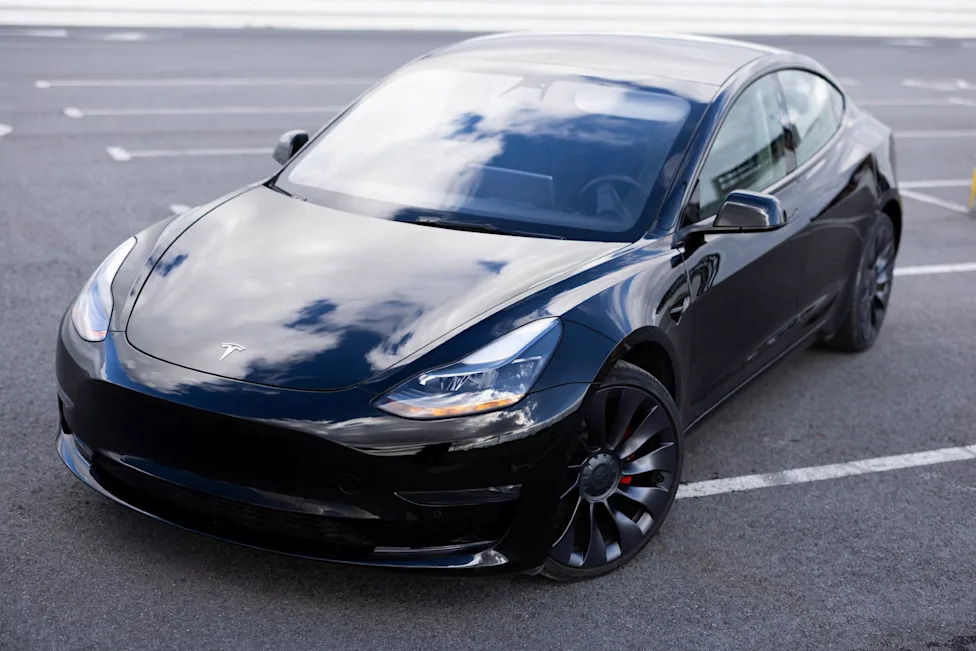
Photo Credit: iStockTesla's new entry-level Model 3 is drawing attention after a real-world test in Norway showed how efficient the base version can be and how quickly it can recharge.For drivers wondering whether the least expensive trim still feels like a "real" Tesla, the results were striking.What happened?In a new 23-minute test, YouTuber Bjørn Nyland (@bjornyland) put the Tesla Model 3 Standard through highway driving and charging checks in cool weather.Nyland opened the review by announcing, "Finally, it's here, the most affordable Tesla." He later ran the car through several exercises, including a higher-speed highway segment and a separate lower-speed efficiency test.AdvertisementAdvertisementThe lower-speed run was a standout, with the Model 3 using 117.8 watt-hours per kilometer, or getting a whopping 5.27 miles per kilowatt-hour to use a more standard American measurement, in chilly weather. The U.S. Environmental Protection Agency rates the Model 3 at up to 4.1 miles/kWh, but with the most energy-saving options turned on, slower driving, and limited hills to climb, any car can improve upon its expected average marks. Nyland was also taken by the way it coasted, saying the car "just glides down the hill" and calling it "Tesla alien technology."The charging portion was similarly notable. At a Supercharger, with the battery down to 5%, the car climbed to 177 kilowatts concurrently during its charge.Why does it matter?For everyday drivers, efficiency like this translates into lower operating costs. A more efficient EV uses less electricity per mile, which can mean cheaper driving than a gas-powered car. That matters, especially for commuters and road-trippers who cover a lot of ground.AdvertisementAdvertisementEVs also tend to reduce routine maintenance costs because they do not require oil changes and generally have fewer moving parts that need servicing.Nyland's test shows what the car can do beyond ideal lab conditions. While Tesla's official range figure may be higher, real-world cold-weather testing offers a clearer picture of what drivers can expect on actual roads at real speeds.For anyone considering making the switch, range and charging is a major part of the equation. Strong fast-charging performance can make longer trips much more manageable, but charging an EV at home is usually significantly cheaper than relying on public chargers. Qmerit can help you land a Level 2 home chargers with free, instant installation estimates.What are people saying?Commenters sounded off on Bjorn's results.AdvertisementAdvertisement"Even when driving 130-140 km/h it uses only 15 kWh / 100 km," a Model 3 driver said. "The efficiency is really insane to me.""180kw charging speed is serious speed for a lfp base model," another user assessed. "Nice stats."Get TCD's free newsletters for easy tips, smart advice, and a chance to earn $5,000 toward home upgrades. To see more stories like this one, change your Google preferences here.


















 +40 others