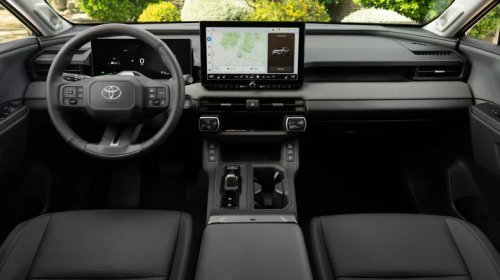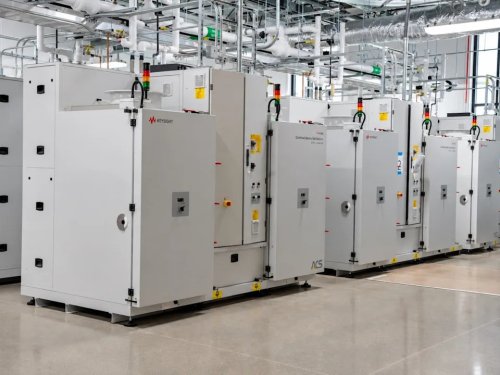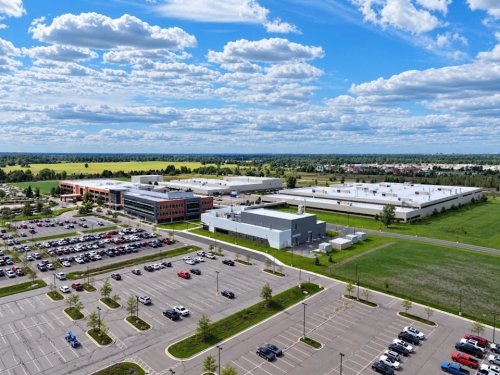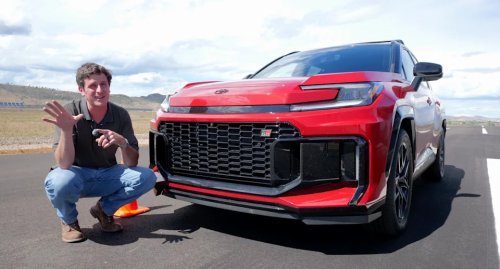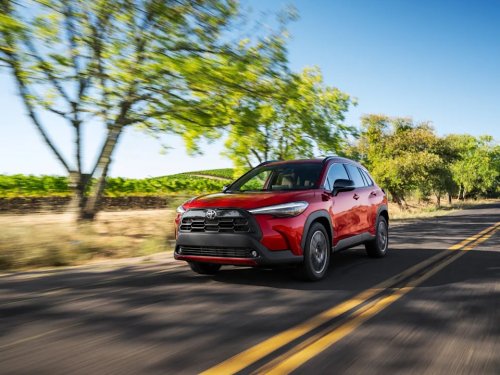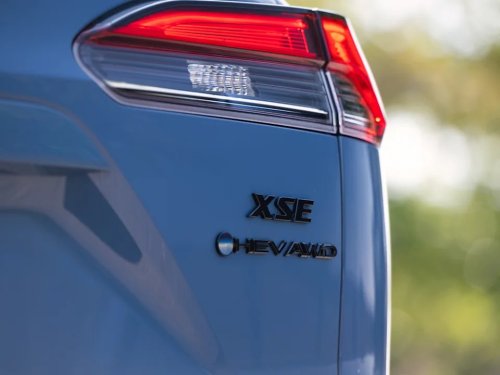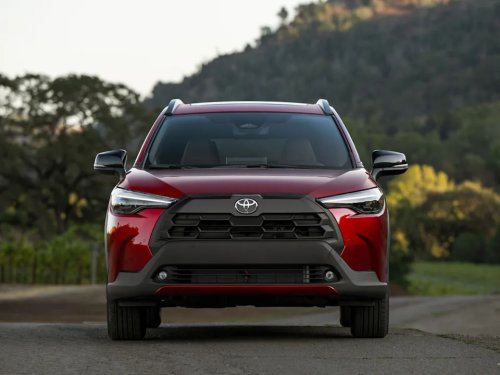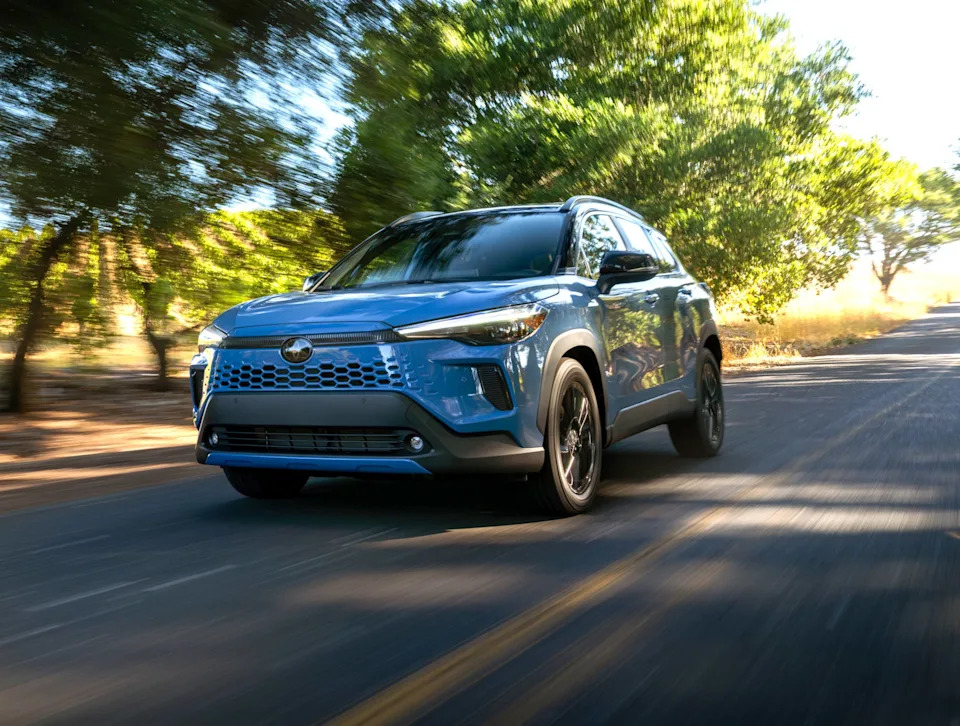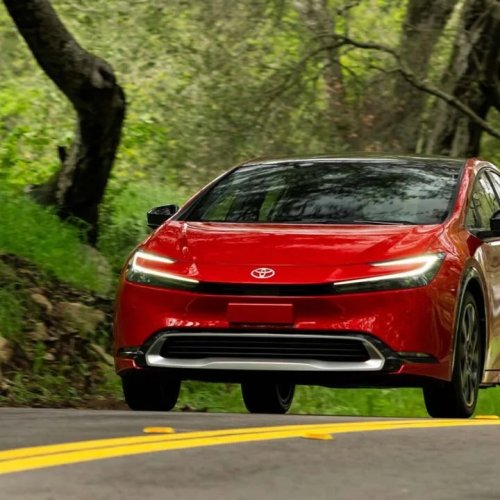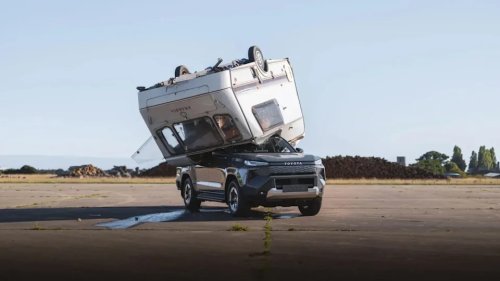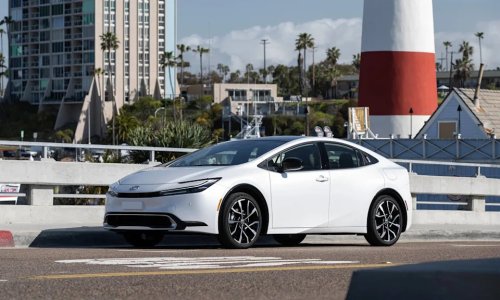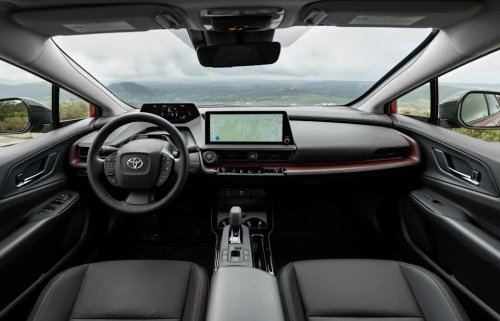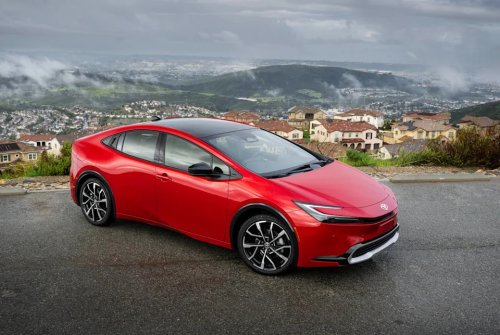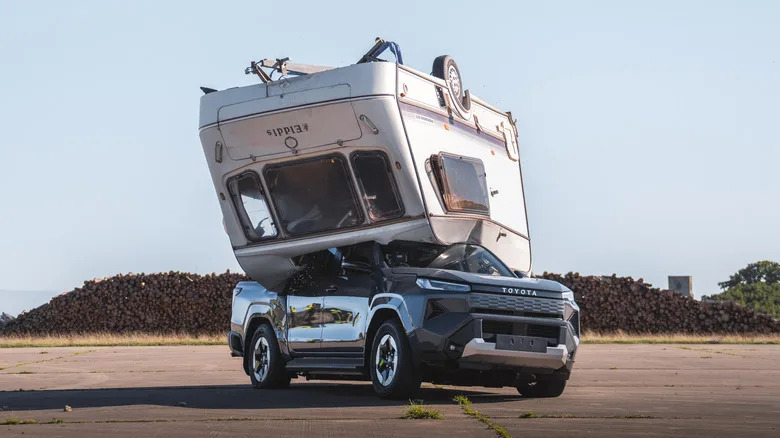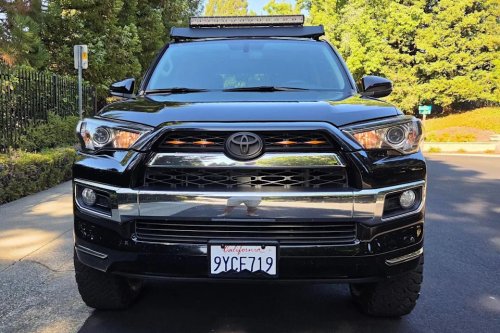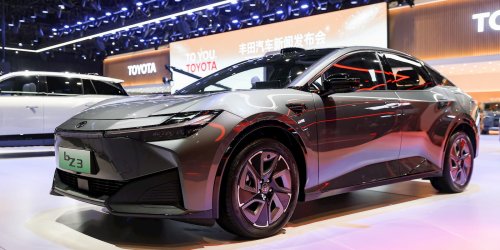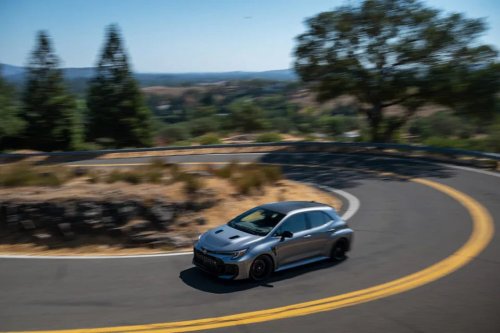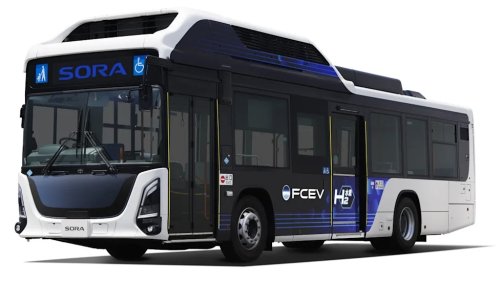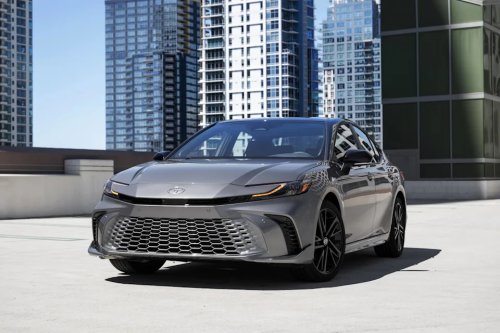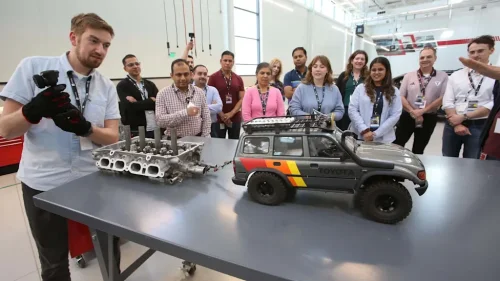
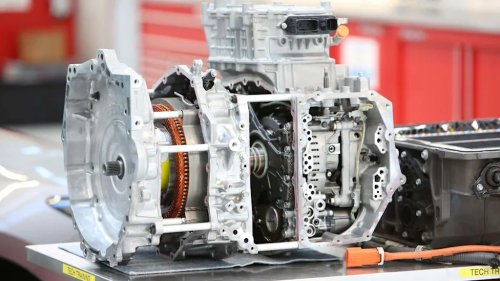
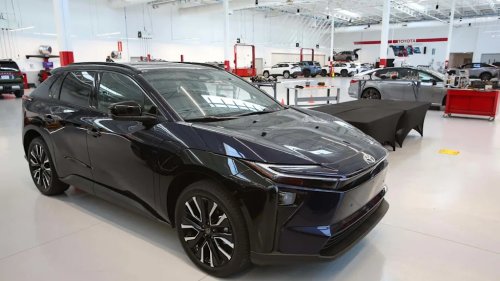
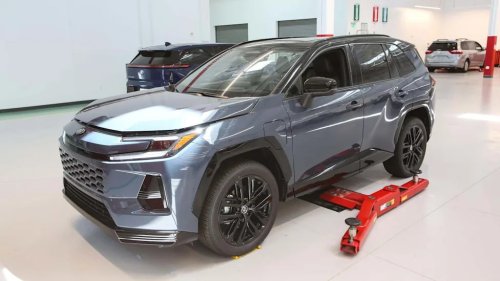
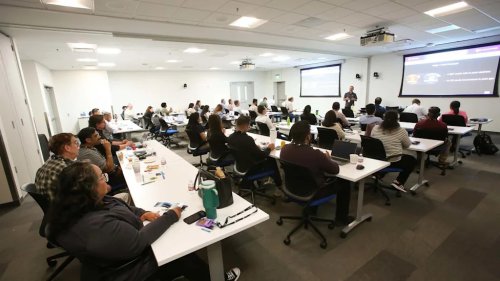
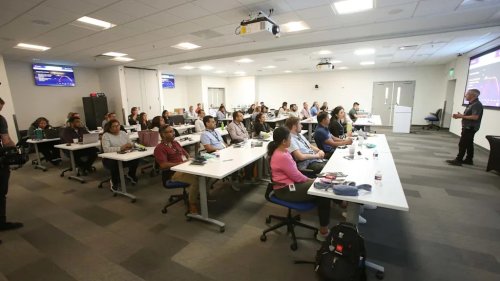
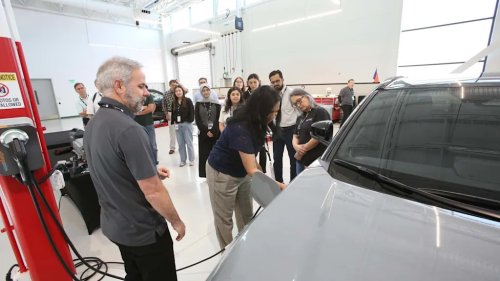
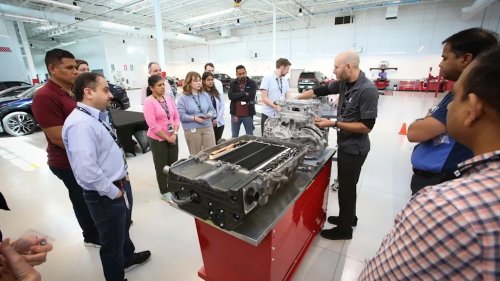
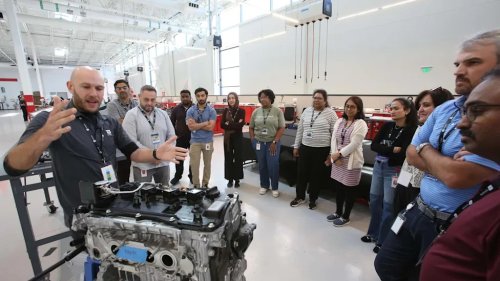
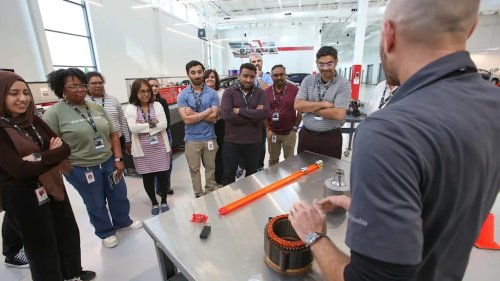
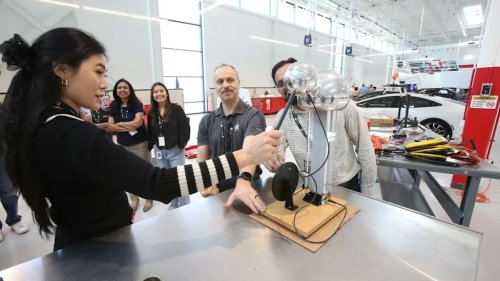
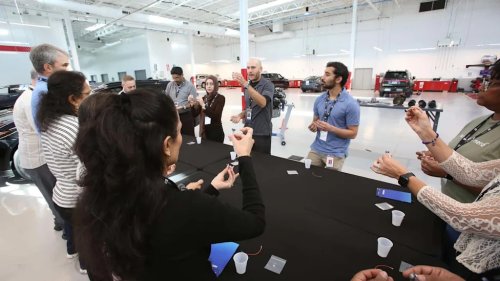
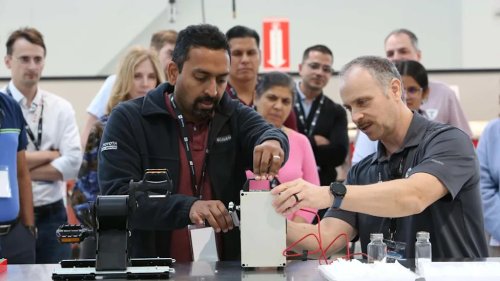
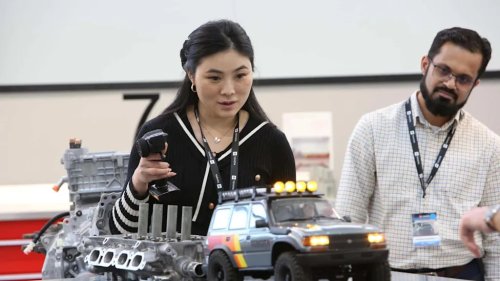
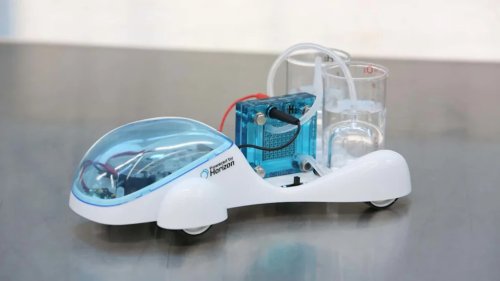
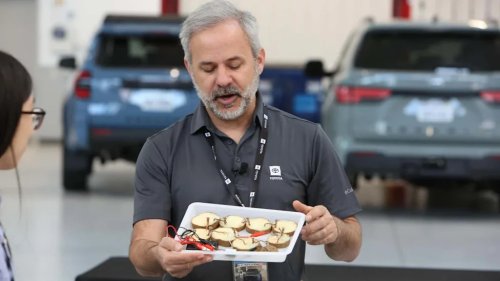
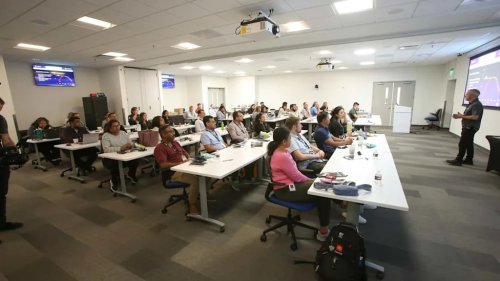
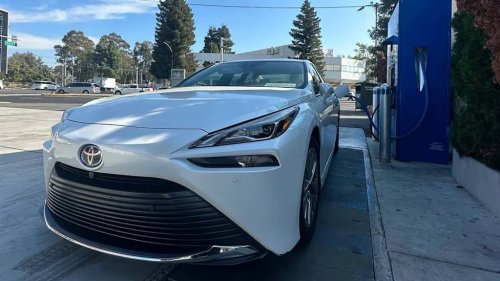
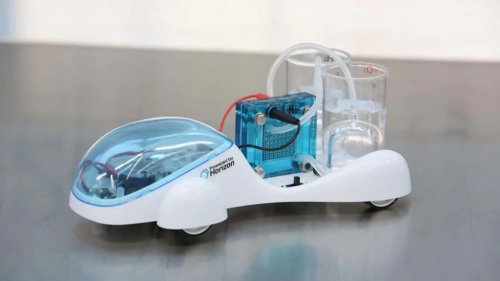
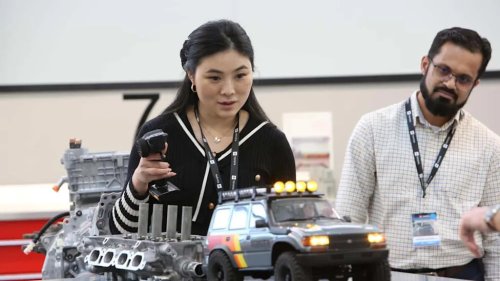
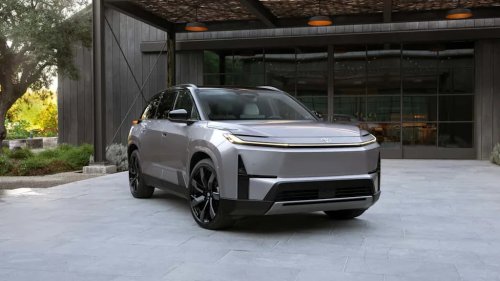
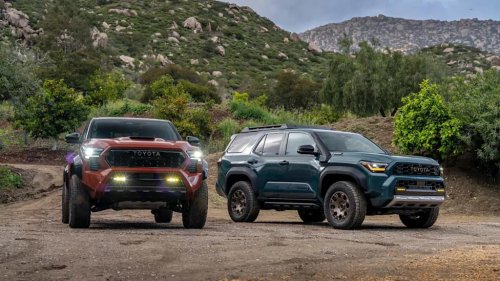


















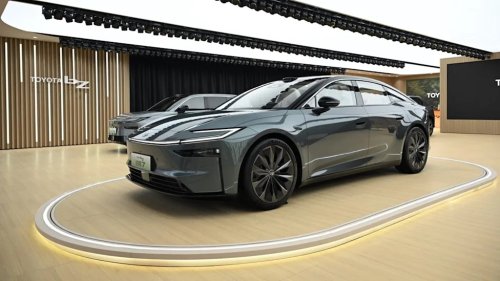
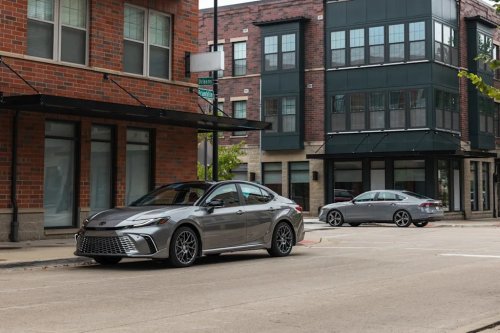
Electrification-101_2026_Toyota_Low-res_19Just because you work at a car company doesn't mean you're a car nerd. For some employees, almost everything was new information.As a critic, it's easy to lose the plot. I'm steeped in the EV debate every day. I know what each company is doing, what it's afraid of, and why it is or isn't going hard on electrification. And the more I talk to high-up executives at these firms, the more I come to assume everyone is as locked into these philosophical questions as I am. But a few weeks ago, I attended Toyota Motor North America's "Electrification 101" program, and received a stunning reality check.The average legacy automaker employee doesn't know much about electrification at all, or why it's better.That may sound discouraging, but it's not. Let me explain why. AdvertisementAdvertisement(Full Disclosure: Toyota flew me to Dallas and covered one night of lodging for me to attend Electrification 101. I also interviewed a Toyota executive on this trip about the company's electrification strategy, but you'll have to stay tuned for that.)Electrification-101_2026_Toyota_Low-res_8Electrification-101_2026_Toyota_Low-res_11Toyota Electrification 101Electrification-101_2026_Toyota_Low-res_13AdvertisementAdvertisementElectrification-101_2026_Toyota_Low-res_15Electrification-101_2026_Toyota_Low-res_19Electrification-101_2026_Toyota_Low-res_21Electrification-101_2026_Toyota_Low-res_22AdvertisementAdvertisementElectrification-101_2026_Toyota_Low-res_24Electrification-101_2026_Toyota_Low-res_25Electrification-101_2026_Toyota_Low-res_26Electrification-101_2026_Toyota_Low-res_27AdvertisementAdvertisementElectrification-101_2026_Toyota_Low-res_28Electrification-101_2026_Toyota_Low-res_32Electrification-101_2026_Toyota_Low-res_43Electrification-101_2026_Toyota_Low-res_50AdvertisementAdvertisementThe ProgramToyota clearly knows that the average Plano, Texas, office worker is not an expert on electrification. Nerds like me may assume that every employee with a Toyota badge is a car enthusiast through and through, there only for the love of all things automotive, but that isn't true. Many come for the good benefits, the stability, the respectful culture, and the resume prestige of a corporate gig at the world's largest automaker. There's no reason that a corporate accountant or an app developer needs to be a dyed-in-the-wool enthusiast.Even those that are car enthusiasts may not be EV or hybrid fans. Ask an old V8 muscle car racer about the differences between NCM and LFP chemistry and you may find yourself greeted by a blank stare; this is all very technical, and very new. Electrification-101_2026_Toyota_Low-res_15So Toyota created an Electrification 101 program to bring curious staff members up to speed. It's the second time Toyota has hosted a class like this. Earlier this year, it offered employees and introduction to all things automotive, further proof that not everyone on campus is obsessed with the minutiae of the product.It is no surprise that the program is called Electrification 101 and not EV 101. The company is a major proponent of a "multi-pathway" approach, by which it means a clear focus on hybrids today, with an eye toward EVs and—hold the eye roll—hydrogen tomorrow. Last quarter 56.8% of its sales were electrified, which counts hybrids, EVs, plug-in hybrid vehicles (PHEVs), and hydrogen fuel cell vehicles (FCEVs). But pure EVs represented just 1.7% of those sales. Toyota Mirai - 1The program went over the basics of all of these powertrain types, including the distinction between hybrids and PHEVs. Despite Toyota's current focus on hybrids, though, a lot of energy was spent dispelling myths around EVs. AdvertisementAdvertisementIt started with a quick look at the gasoline car industry around the early 20th century, pointing out that there was infrastructure, education, service, and unclear rules of the road. Owning a horse was simpler and easier to understand. But cars won out.The program then went into the myriad advantages of electrification, namely efficiency and cleanliness. It focused on the advantage of the multi-pathway approach not just because it gives customers choice, but because the company argues that it's the most beneficial way to use limited battery resources (this is controversial, and most research I've seen suggests that EVs are almost always the cleanest option on a life cycle basis). Evidence That EVs Are The Cleanest OptionEV Myth Busted: No, They're Not 'Dirtier' Than Gas Cars, Even If You Use Fossil Fuel PowerYes, EVs Really Are Cleaner Than Gas Cars. Here's By How MuchIts section on the relative advantages of each powertrain type was the only section I found lacking, which is perhaps no surprise given this is InsideEVs. It focused more on the limitations of EVs than the other powertrain types, not noting the extra maintenance requirements or NVH of gas cars, and was characteristically bullish on hydrogen. AdvertisementAdvertisementHydrogen "can reduce 'range anxiety' as number of stations grow," a slide read, calling out that the Mirai offers up to 402 miles per tank. Numbers like this were very impressive when EVs were in their infancy. But today, eight EVs in the U.S. market already offer more driving range than that, with many more on the way. Electrification-101_2026_Toyota_Low-res_43The rest of the in-classroom content was inoffensive, though, with a big focus on the fundamentals of battery chemistries, different kinds of charging, core concepts like kilowatts and kilowatt-hours, and an overview of battery recycling efforts.The best part, though, was the interactive bit. Here, Toyota had employees build an electric motor using nothing but a screw, a magnet, a AA battery, and a piece of wire. Participants built a rudimentary potato-based battery, too, and saw the different charging outputs in action. Plus everyone got a demo of the instant torque of an EV motor, using a tiny remote-controlled Land Cruiser to yank a cylinder head that weighed over 30 pounds. Electrification-101_2026_Toyota_Low-res_32The LessonThe takeaway was pretty clear: Electric motors are an incredible technology. A presenter showed us a stripped-out version of a Toyota V-6, with all of its complicated accessories and intricate parts. Then they showed an equivalent electric motor, which made more power in a far smaller footprint, with a much simpler design. Even integrating a motor into a gas powertrain—using the company's hybrid system—reduces complexity, as you can get rid of the finicky transmission.AdvertisementAdvertisementThe point was that adding electric propulsion to any powertrain can make it more efficient with limited sacrifices. The further down the path you go, the simpler it gets. By the time you have a true battery electric vehicle, there's a lot less to go wrong.That doesn't make it a solved science. Toyota representatives were pretty clear that the company wants to see battery chemistry and infrastructure improve considerably before they see EVs as the one-size-fits all approach. But from where I sat, it was clear that the company was trying to get its employees excited about an all-electric future. 2027 Toyota Highlander EVThe OpportunityThat's important, because it's the only way people will make long-horizon decisions. If you're unaware of the long-term benefits of electrification from your seat in corporate procurement, you may only see the added cost of new component designs, or the headache of onboarding new suppliers. You're going to resist change. People usually do. But if you get people excited, they're willing to endure that short-term complexity for a long-term goal, and to push other people towards that goal. Just ask Brigette Armato, a Toyota employee who attended the class. She admits she knew "nothing" about EVs and hybrids going in. Now, though, she's become an advocate.AdvertisementAdvertisement"I work with our lease experience team, so I'm actually working with the customers and the vehicles. This was extremely helpful because now I can have an educated conversation with them and maybe convince them to go for an electric vehicle, whereas before I don't think I had that skill," she told me as the students were filing out of the classroom. toyota tacoma and 4runnerAnd it's not just Toyota customers that she wants to push towards EVs. She's now highly considering one herself, though she's plenty attached to her current Toyota 4Runner. If there was an electric alternative, though, she'd love to take the plunge."I wish we would gravitate more towards electric vehicles across the lineup," she told me. You and I both, Brigette. The good news is, with hundreds of people attending these classes, and a long waitlist for the next version, there will be a growing number of EV believers within Toyota's North American headquarters. It's not like they were actively resisting before; it's just that—like most car buyers—many didn't know any better.Contact the author: [email protected]