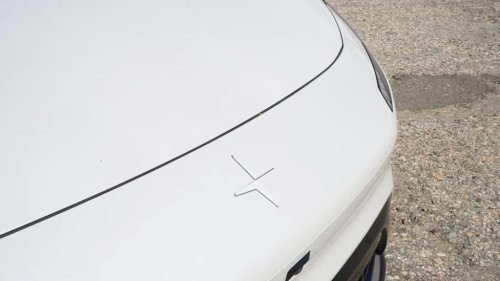
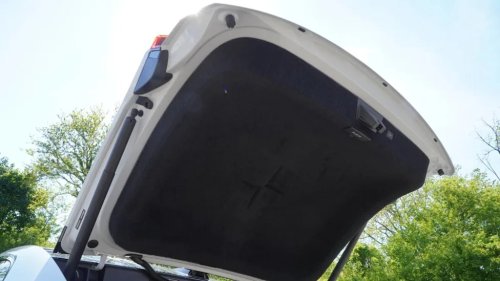
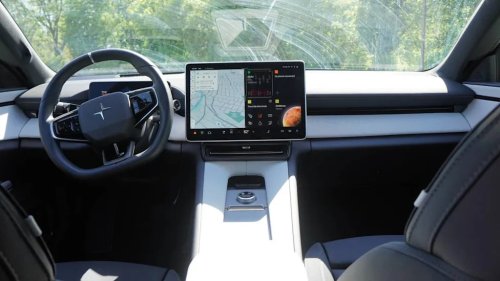
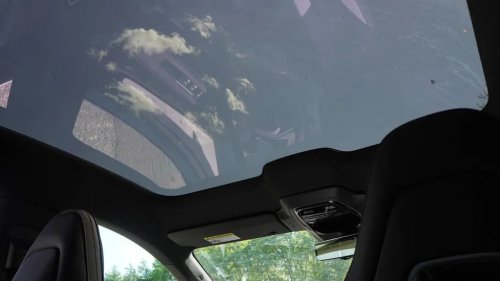
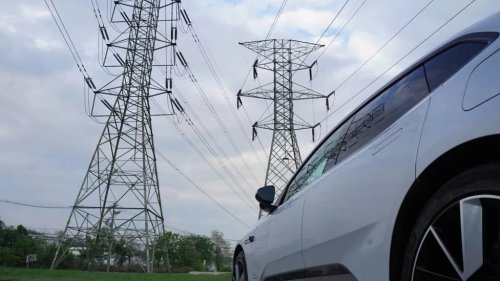
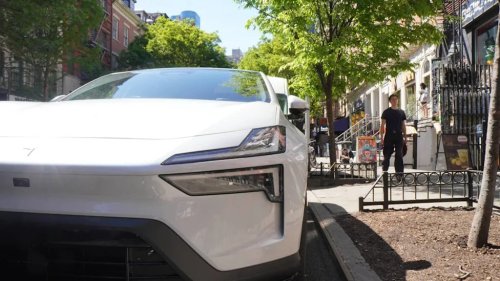
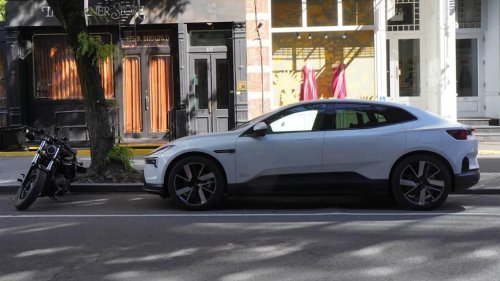
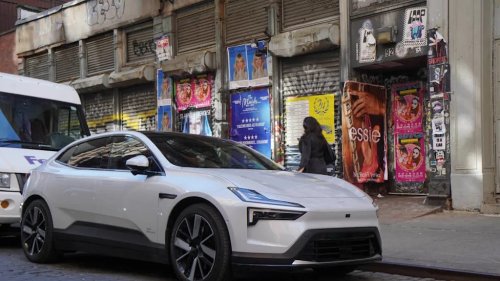
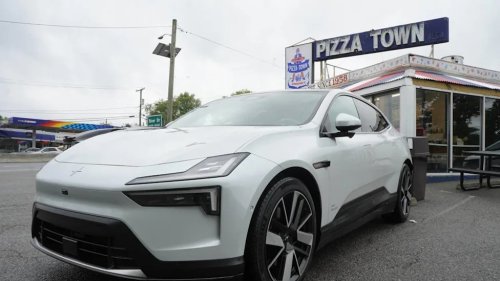
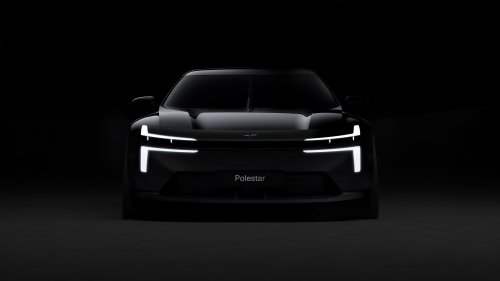
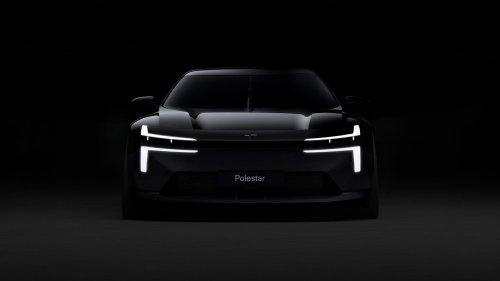
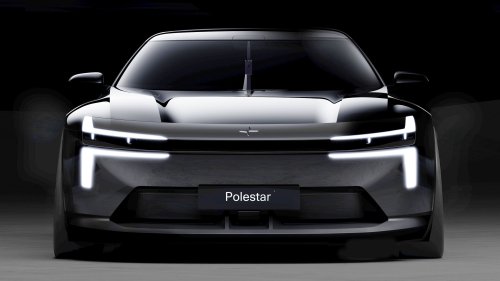
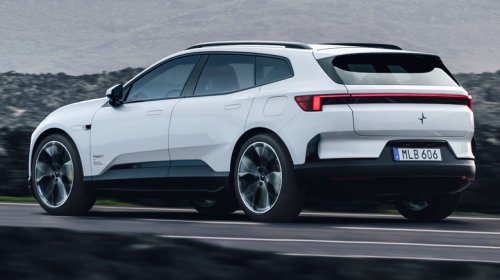
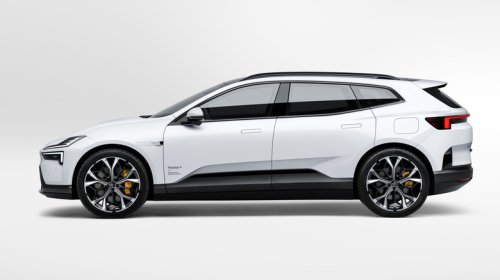
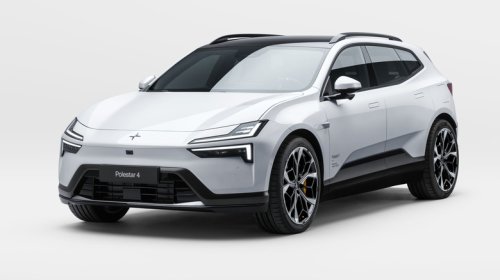
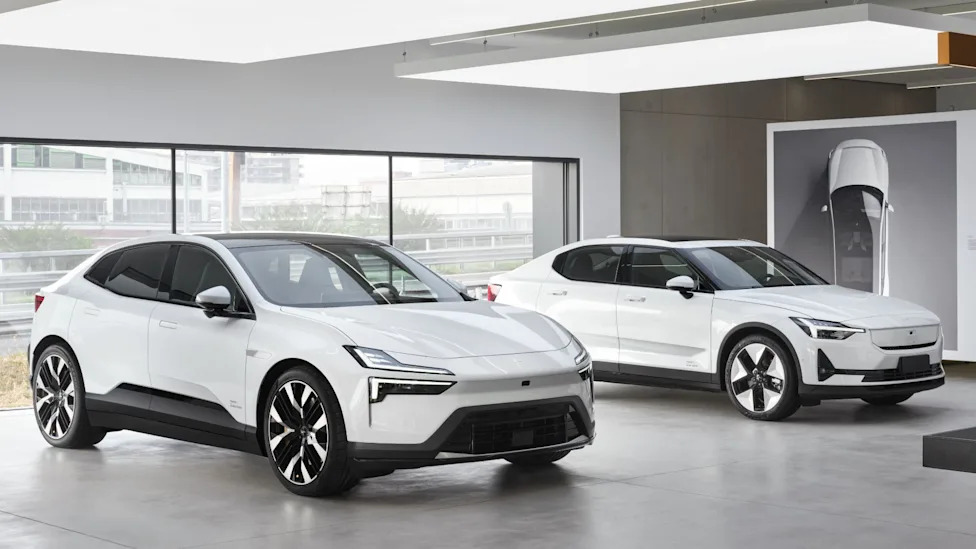
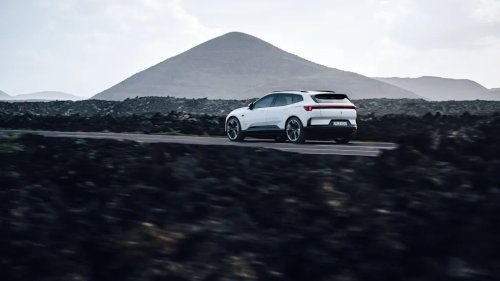
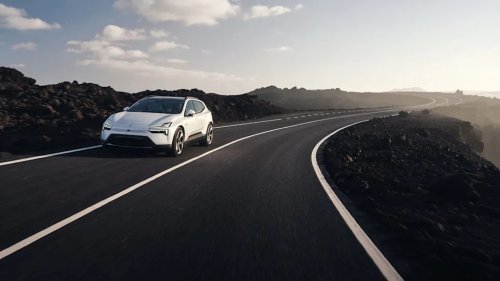
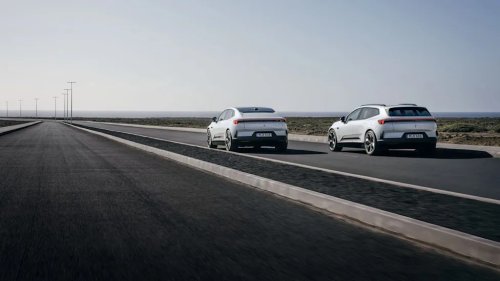
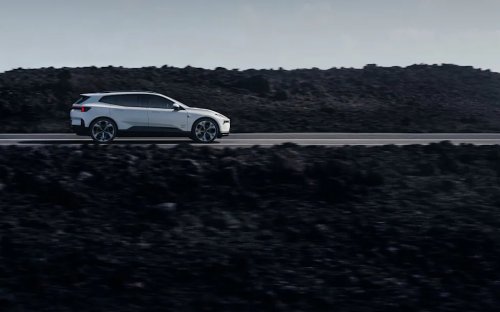
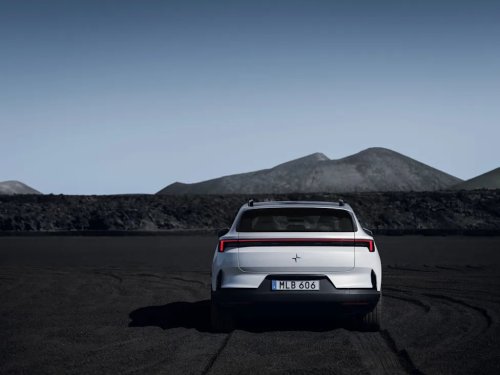
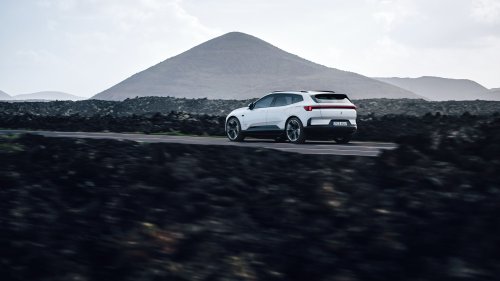
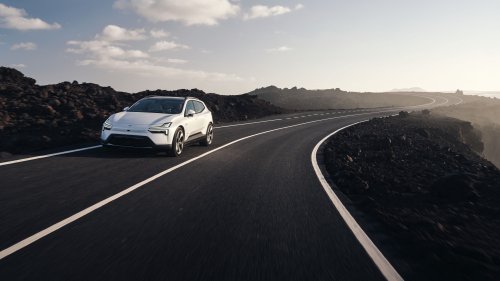
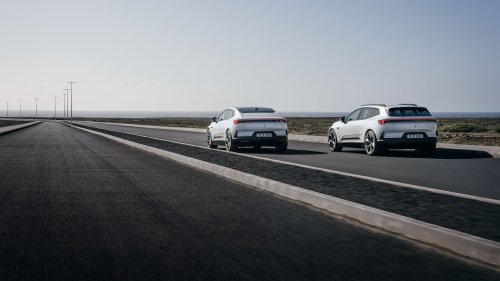
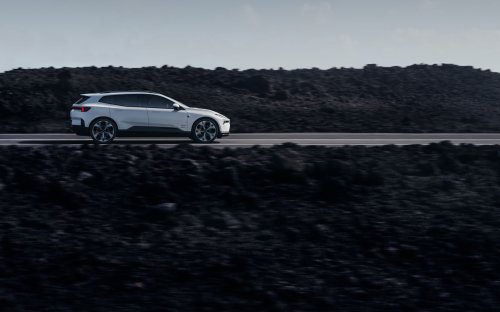
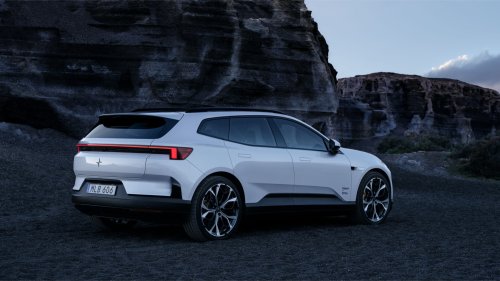
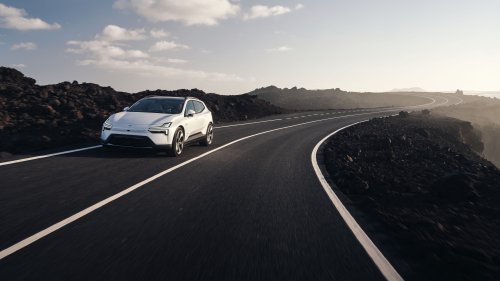
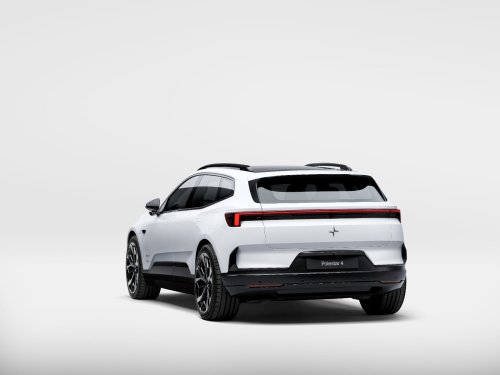
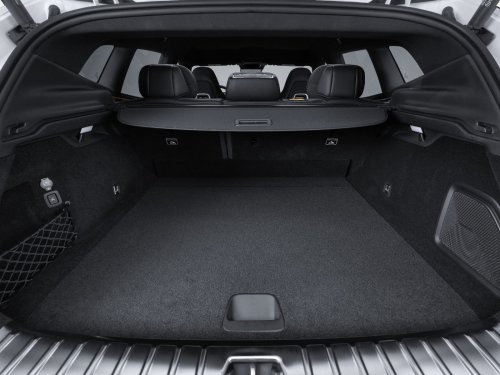
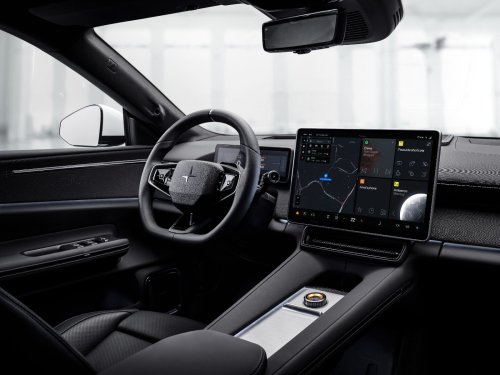
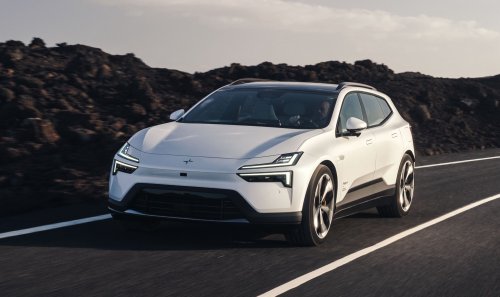
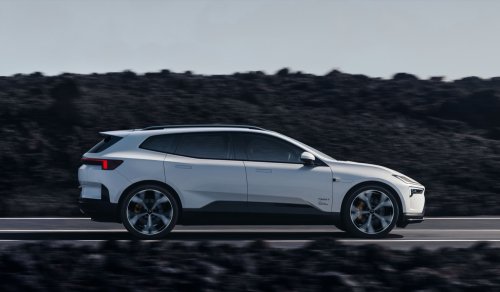
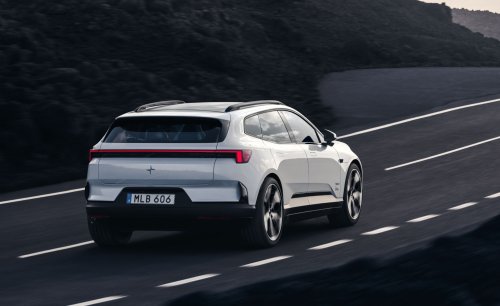
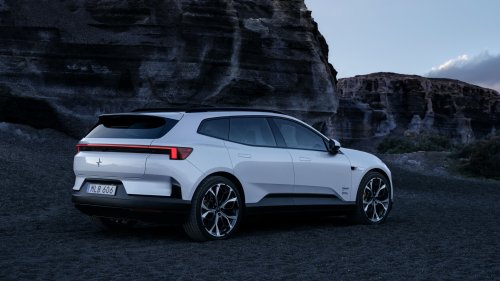
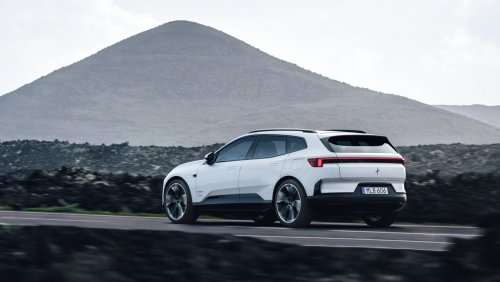
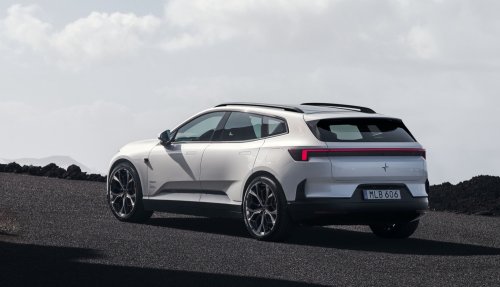
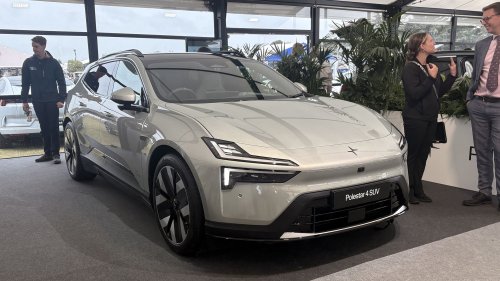
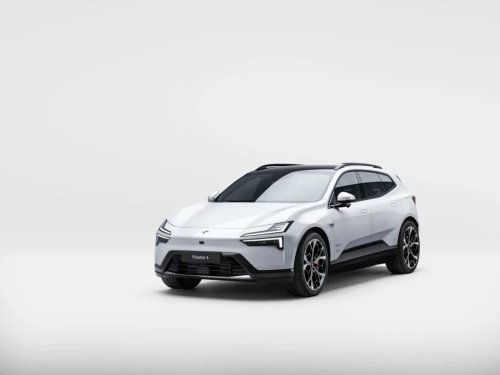
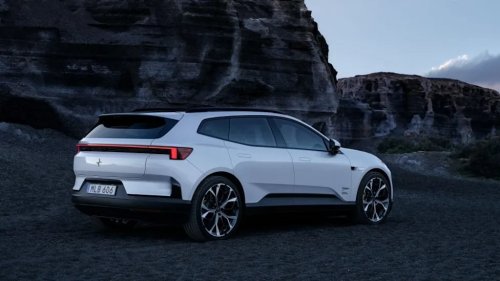
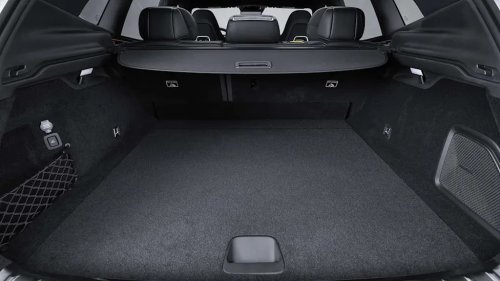
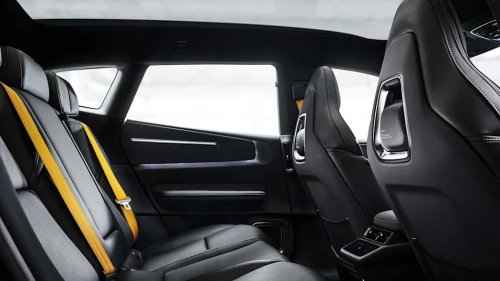
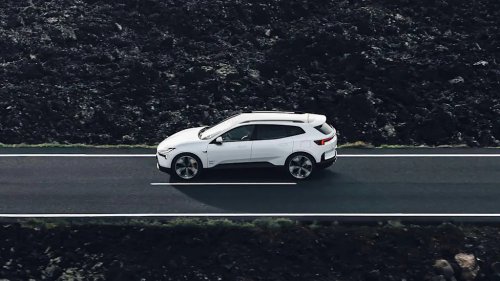
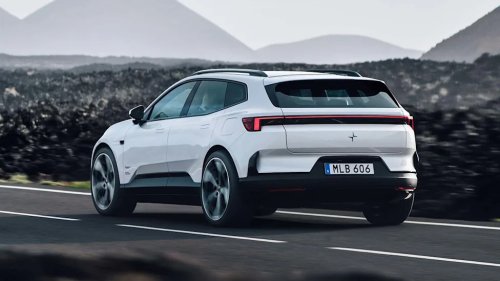
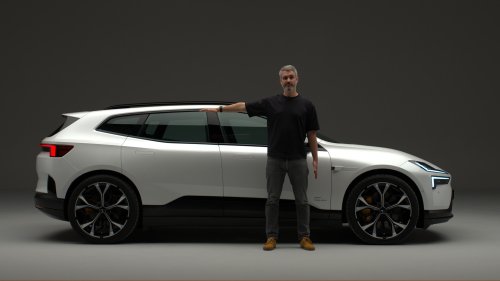
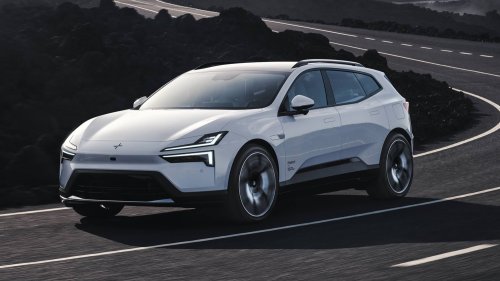
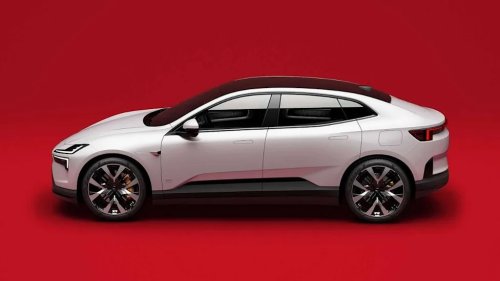
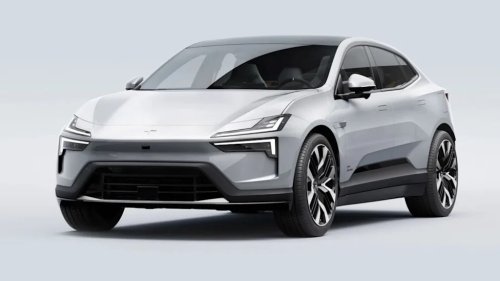
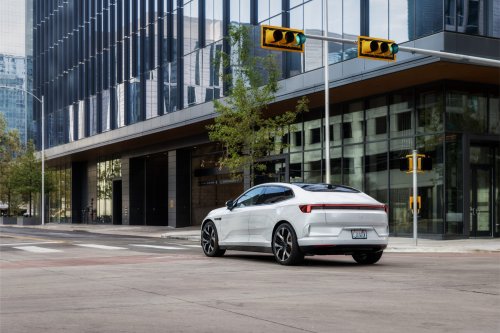
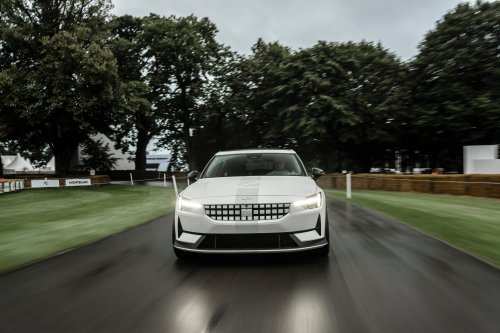
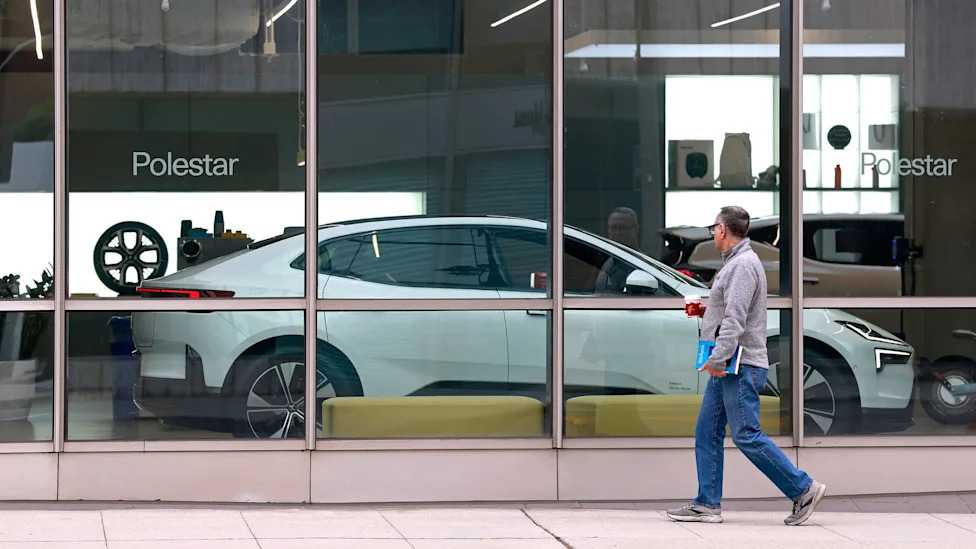
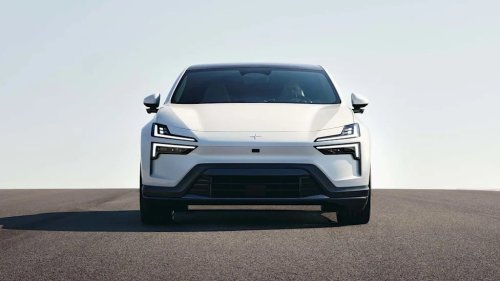
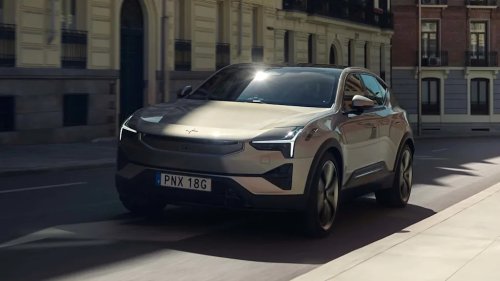
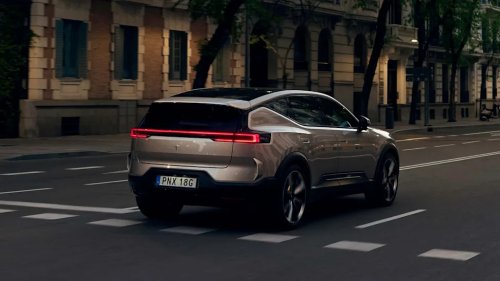
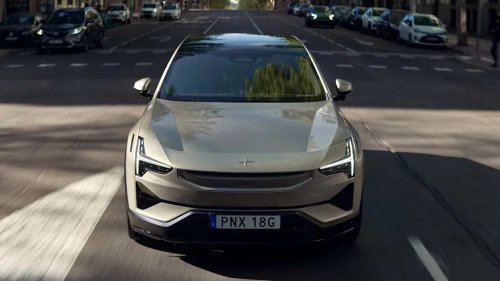
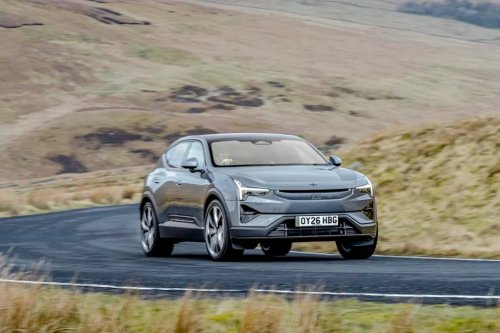
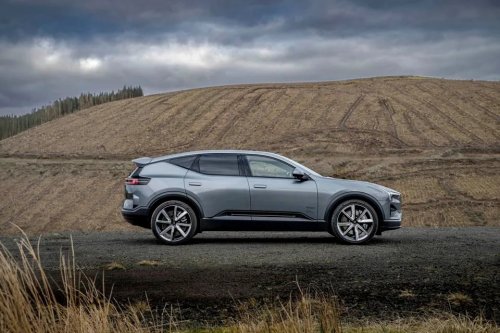
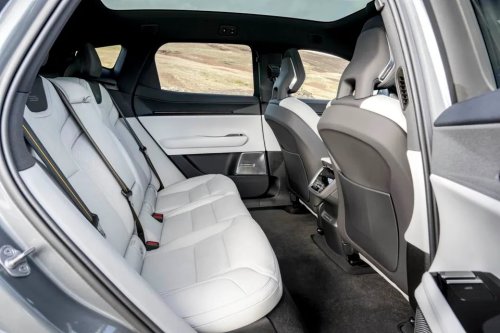
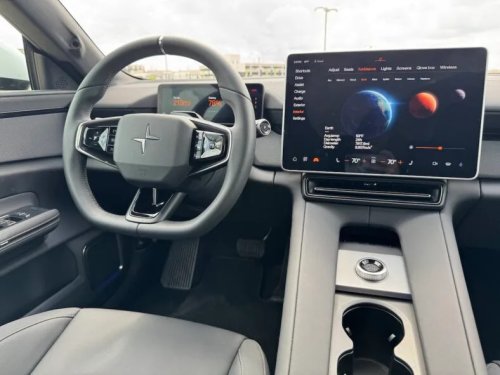
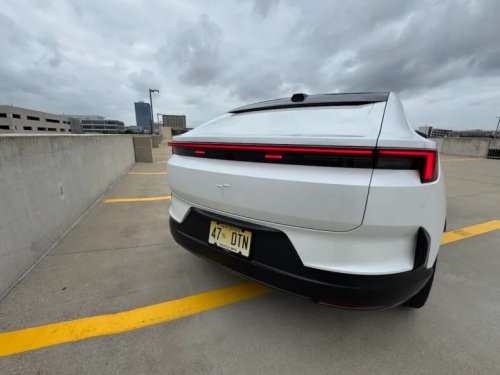
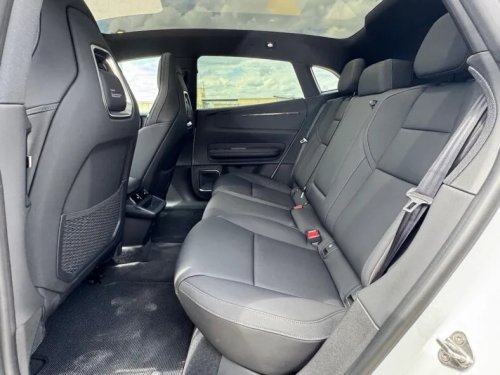
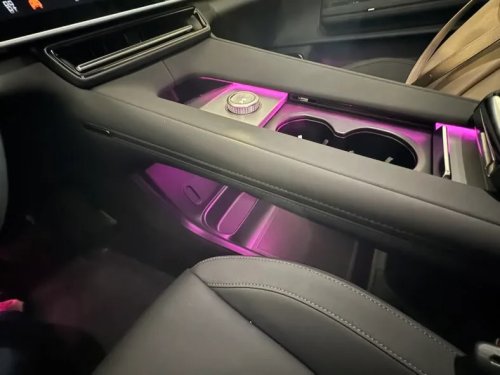
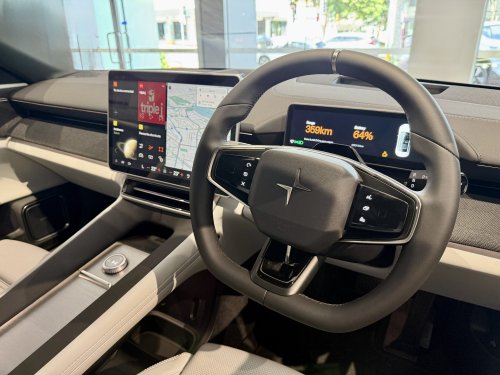
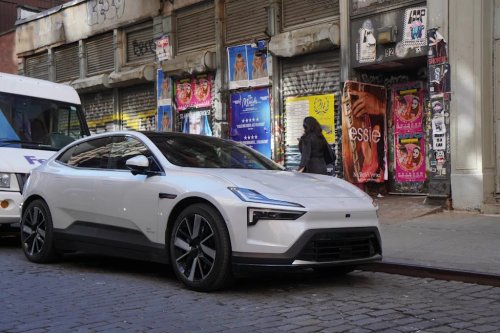
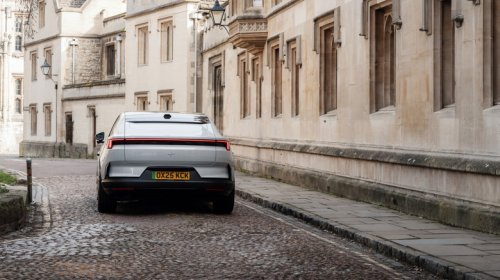
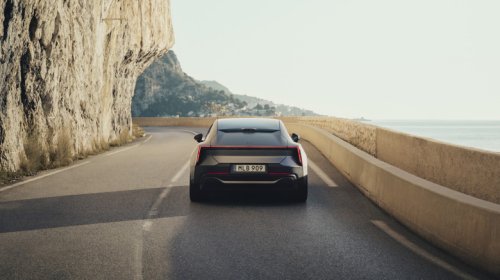
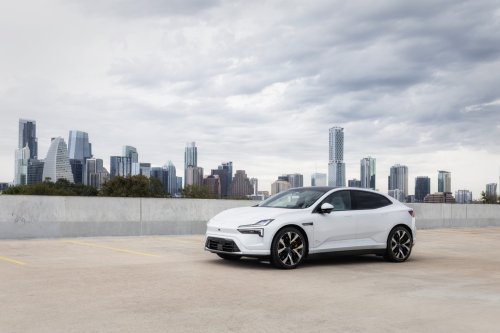
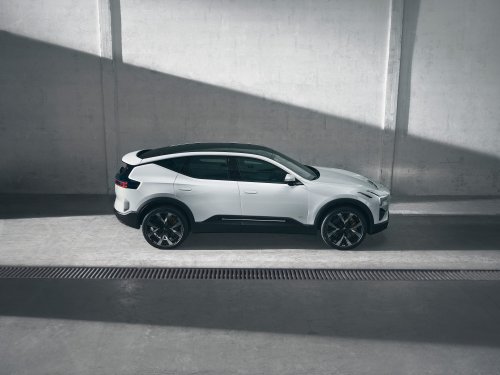
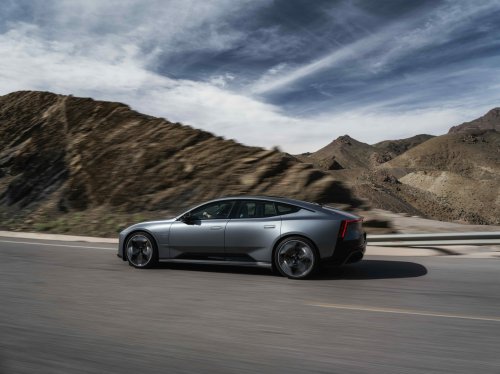
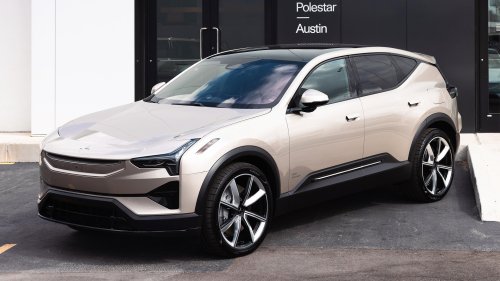
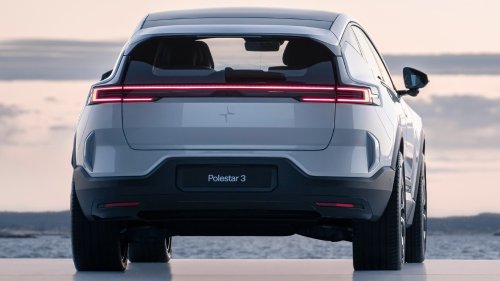
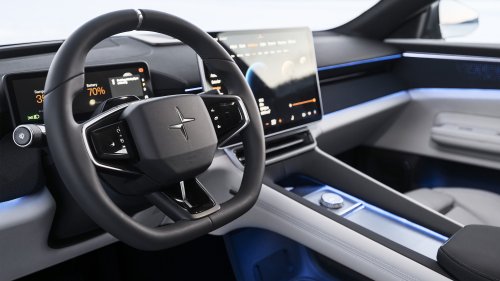
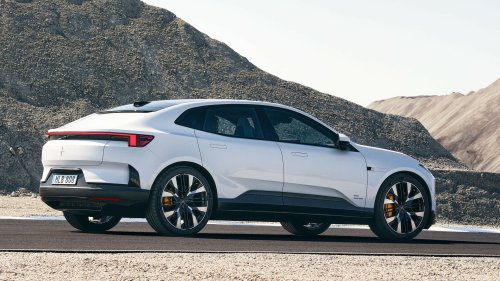
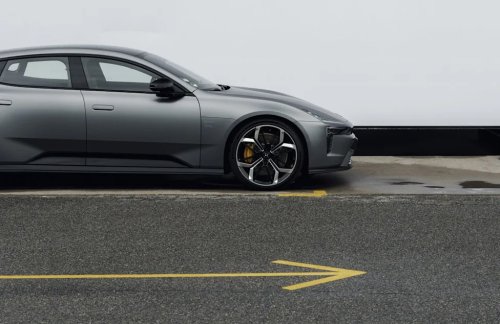
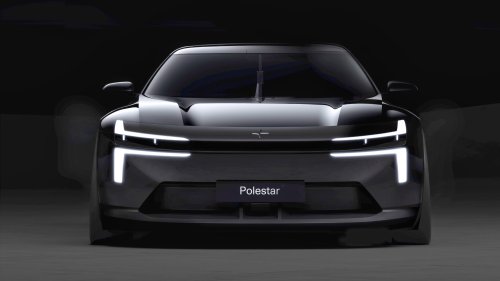
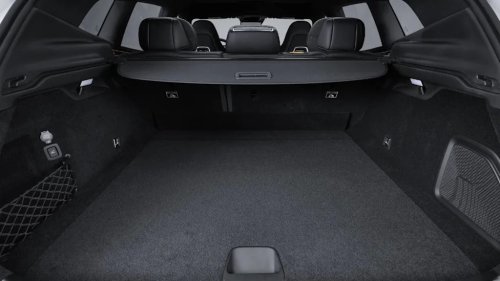
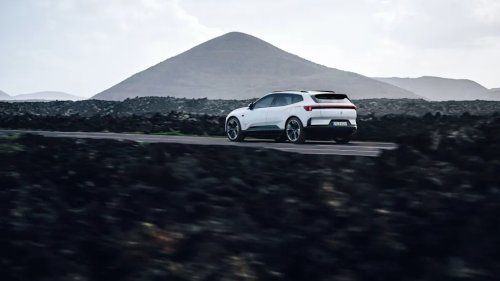
Autoblog and Yahoo may earn commission from links in this article.Do you feel Déjà Vu?The American EV market has a strange problem that seems to get better, though the root of the issue still lingers. The problem is that the more cars that enter it, the harder it becomes for any one of them to truly stand out as a distinctly unique vehicle amongst the general public and most car enthusiasts; save for oddities like Tesla's Cybertruck. That is the heart of the 2026 Polestar 4; a car that tries very hard to be interesting, mostly succeeds, but yet somehow still risks fading into the scenery.I first saw it at the 2024 New York International Auto Show, where curious spectators hyperfixated on its missing rear window, a feature that felt more like a party trick that made you do a double take. Then, just before Halloween 2025, I had the chance to drive a few pre-production US-spec Polestar 4s out in Austin, Texas. Out on those roads, pickup trucks of every flavor shared the asphalt with Teslas, while Waymos rolled around like video game NPCs, though the Polestar 4 fit in like a vehicle from a some slightly more evolved version of the present.AdvertisementAdvertisementAfter about two days of dynamic driving, I left Austin genuinely impressed with its handling and overall packaging, which made me much more curious to see how it would fare in "the real world," or my idea of it — the roads of my humble hometown of New Jersey and the dynamic streets of New York City. That opportunity came about recently, and the story feels a little more complicated than it did on that Halloween eve in Texas.James OchoaView the 6 images of this gallery on the original articleYou'll Forget It's Actually (Not) There.As you are probably more than aware by now, the Polestar 4 has no rear window, a design choice that seems odd at first, but somehow less comical with time. During an early-morning presentation back in a hotel conference room in Austin, Polestar's product manager Ola Aldensjö laid out the reason for doing so, which kind of makes sense from a design perspective. According to him, if you give a fastback coupe-SUV a sloping roofline steep enough to look genuinely sporty, your rear passengers either lose headroom or their faces eat up most of what you'd see through a traditionally placed rear window.To avoid this, Polestar simply said goodbye to the glass and replaced it with a rear-facing camera that sends a live feed to a digital rearview mirror. On paper, it sounds like a gimmick. In Austin, after a full day of navigating the city's urban sprawl, it became a complete afterthought. But back in New Jersey — where the Turnpike and Parkway drivers are known for the state's bird and the parking spots feel smaller than anywhere else in the world, I was expecting the gimmick to unravel itself, but it didn't.James OchoaView the 4 images of this gallery on the original articleAdvertisementAdvertisementIf you already drive a "new-ish" car equipped with a rearview camera and parking sensors, switching lanes and parallel parking will feel like a "normal car" with 360 degrees of glass. In addition, the camera feed from the rearview camera to the vehicle's virtual rearview mirror is incredibly smooth, making it seem virtually indistinguishable from a traditional "analog" mirror. Because the lens sits where a third brake light would be on a conventional hatchback, the resulting image offers a slightly wider field of view, one totally unobstructed by blind spots or headrests. In a world where belt lines keep rising and A, B and C-pillars keep thickening, that's not a small thing. It's actually a meaningful advantage on the crowded, chaotic, visually cluttered streets of the tri-state area, where your situational awareness gets kicked into overdrive.The only actual inconvenience I found from this feature was that I found the parental act of checking on rear passengers to be a little different. The digital rearview mirror doesn't show the faces in the backseat, but, a quick flick of a switch converts the digital mirror back into a traditional rear-view mirror for those moments. From the outside, the missing window is less obvious than you'd expect. Dark-tinted roof glass and black cladding over the top half of the hatch lid gives the impression that glass is there. It's something you have to look at twice to notice, which shows how seamlessly Polestar pulled it off.James OchoaView the 4 images of this gallery on the original articleComfortably Ergonomic InsideIn addition to the reasoning for the omission of the rear-view window, during the same presentation in Austin, Polestar described the 4's design identity as "the kind of sexy a humanoid would appreciate." As a living, breathing, non-robotic person, I was taken aback by the nature of the description, and/or what that statement could've actually meant, until I spent a lot more time physically interacting with the 4.AdvertisementAdvertisementThe dual-motor model that I drove had an interior finished in Charcoal and Zinc Microtech PVC material. All in all, the minimalist cabin felt as if it were designed by the same guys that pen IKEA furniture. Its touch screen-centric design exhibits an extreme lack of physical knobs, but unlike most cars, it seemed to be alleviated by clean, considered and ergonomic design that keeps physical strain to a minimum. In addition, the bucket-style front seats strike a kind of balance that a lot of performance-adjacent cars get wrong; they're bolstered enough to keep you planted through tight corners, but still comfortable enough for longer drives without breaking your back. After a week of commutes, store runs, spirited drives and even the George Washington Bridge at rush hour, they never once made me want to get out of the car. However, my only complaint was that the environmentally-friendly vinyl/pleather Microtech PVC material that the seats were wrapped in could get exceptionally hot under sunlight; which isn't helped by the fact that it has an all-glass roof with only a slight tint and no shade or cover. During my time with the 4, I made every attempt to park under some sort of shelter, as I found that if I didn't, driving was very uncomfortable with my sweaty back and t-shirt sticking to the seat, even when it was just 60 fahrenheit out. This can be alleviated by opting for the $3,700 Bridge of Weir perforated nappa leather seats, which feature ventilation and massage functions as well as additional speakers in the headrest.James OchoaView the 5 images of this gallery on the original articleCommanding everything from the center of the dash is a 15.4-inch landscape display, which acts as the car's nerve center. Adjusting mirrors, managing climate, opening the glove box — all of it routes through here to some degree. It took a little getting used to the user interface, but with time, it felt natural enough that I stopped thinking about it. What made it really easy was the fact that Polestar built its interface on Android Automotive (not to be confused with Android Auto), which features Google built-in. The result is a UI that behaves like a high-end Android phone, complete with customizable widgets, native Google Maps and the Google Assistant baked right in, and even Gemini AI available through a software update. As separate downloads through the Google Play store. streaming services like Spotify, Tidal, YouTube run as full native apps right on the screen for seamless use.AdvertisementAdvertisementPolestar's infotainment system does offer Apple CarPlay, but after a week using its native suite, I actually didn't really need it. It's a rare moment where the tech actually enhances the experience; so much so that transitioning back to CarPlay in my personal car felt like an uncomfortable technological step back. For rear passengers, the Polestar 4 delivers a genuinely SUV-like amount of headroom — a direct benefit of the design compromise that Polestar's designers chose to make. The Plus Pack gives the 4's rear seat passengers a power reclining rear bench and a small, center console mounted screen for controlling HVAC and audio controls, which gives the back seats a real first-class touch. Behind those seats, you get 18.6 cubic feet of cargo room, which benefits directly from the absent rear glass. Unlike most hatches, the cargo area of the rear glass-less 4 felt as if it were a big roomy sedan trunk, or a bottomless storage locker that hides precious cargo from the elements and prying eyes from the outside. In addition, no rear glass means that you can transport tall plants, stacked boxes, or even luggage without it being a visibility problem.James OchoaView the 2 images of this gallery on the original articleSpeed Without DramaUnderneath its sleek layer of metal skin, the dual motor Polestar 4 pairs two electric motors at each axle for a combined 544 horsepower and 506 lb-ft of torque, which are fed by a 100kWh battery. As a result, the EPA rates it at 280 miles of range. Though it isn't an entirely impressive or convincing range figure on paper, its showpiece comes in its deliverable figures — or, what you can actually feel behind the wheel. I was most impressed by the way that this car accelerated, as this crossover SUV had the kind of acceleration characteristics that can reframe your sense of what "quick" means. AdvertisementAdvertisementFrom my point of view, at full throttle, the 4's torque is so direct and arrives with enough force to turn my iPhone resting in the wireless charging mat on the center console into a flying object in the blink of an eye. Polestar claims that the 4 goes from 0-60 in 3.8 seconds, but around town and on the highway at a normal pace, it is rather smooth and subtle getting up to speed. When driving a friend back to his home one evening, he described the feeling while sitting shotgun as "No drama, just speed." James OchoaBut what is actually more impressive than its acceleration and power delivery is the way it handles; which to put it short and sweet, feels very sporty for an otherwise unassuming small crossover SUV. In its default settings, the suspension absorbs the speed bumps and the otherwise imperfect road surfaces that give the streets of Manhattan and North Jersey its character. At the same time, it keeps the driving experience somewhat pleasant and delivers the kind of character that puts a slight tingle at the back of your neck through a good corner or highway on-ramp. I found this part out in full technicolor when I took it through the tight, wooded switchbacks near Tuxedo Park and the glorious sweeping mountain roads past Bear Mountain, near Peekskill, New York. In performance mode, the Polestar 4's ZF dampers tightened up to allow the car to corner really flat. Through tighter corners, it felt planted, responsive and genuinely nimble; the kind of cornering reflective of much smaller, lighter and sportier compact cars and sedans. Combined with a firm steering feel from behind the wheel, it quietly reminds you that Polestar used to prepare Volvos for touring car racing. In short, it doesn't feel like a crossover pretending to be a sports car. It feels like a performance car that can comfortably seat 5 on the way to Costco.James OchoaThe NPC EffectBut while it feels good as a practical, everyday car, there was a glaring issue that has prevented me from feeling completely "in love" with the Polestar 4, which only became evident as I spent much more time with it. AdvertisementAdvertisementThe 4 is a genuinely good car. I was very confident that before my week with it in my hometown, it'd feel the same as it did back in Austin. But while the car's user interface, comfortable ergonomics, drivability and handling impressed me in a new environment, something shifted that deeply affected my perception of the car. A new feeling of pure disappointment emerged that didn't appear until it was right in front of me. Even though the Polestar 4 is a car with a radically different design, it blended in way too hard for anyone to notice its quirks, nor even its existence. In short, among other EVs, the Polestar 4 didn't stand out, it was just another egg-shaped EV that wasn't in any way "special."I first became aware of this when I presented the car to friends and family. I intended to show off the Polestar's design quirk of it having no rear window, its dynamic handling and its eager acceleration. But the wave of disappointment began crashing in when my parents looked at it, looked at me, and asked if I was reviewing a Tesla. My friends, when I showed up to meet them the next afternoon, asked the same thing. Even on the streets of New York City's SoHo, a passer-by stopped me while taking pictures to ask "Why you taking pictures of this boring-ass Tesla?," before telling me that a Ferrari was parked on the next block. James OchoaIt sounds brutal, but it does seem plausible to a certain effect. The streets of North Jersey and New York City are areas where Tesla Model Ys are as common a sight as minivans were in the early-to-mid 2000s. Many EV-adopting households have them in their driveways here. They take Uber and Lyft passengers, they're in school pickup lines and even Wawa parking lots, since Tesla Superchargers are often placed near the gas pumps. To casual observers, or anyone who isn't looking real closely, the Polestar 4, with its fastback silhouette, flush door handles and minimalist face, reads as a Model Y. The proportions are just similar enough that the casual observer fills in the rest with the most familiar reference point available. For most, it takes a delicate and deliberate second look to realize this white Polestar 4 isn't another white Model Y, and most people, it turns out, aren't interested enough to take that second look.Park it in certain areas, like outside the Whole Foods in Montclair, or a mall parking lot, and it disappears as if it were wearing camouflage. Simply put, its shape is too familiar; enough for it to be "regular traffic," a tough situation for a car trying to carve out its own identity. I call this the NPC effect: the Polestar 4 has an interesting design and story behind it, but it doesn't seem interesting enough to stop most people on the street. AdvertisementAdvertisementAlthough this may seem like a problem that only car enthusiasts would care about, it's worth mentioning because Polestar intends for the 4 to be one of its volume sellers. For a car that requires a buyer willing to look past convention and trust something unfamiliar, ubiquity is everything. It's hard to get to know something you never encounter and it's hard for buyers to feel like they made a bold choice when the people closest to you and the general public can't tell it apart from one of the most ordinary cars out on the road.James OchoaFinal ThoughtsThe 2026 Polestar 4 Dual Motor Pilot & Plus I drove carried a total sticker of $71,600, which included $1,800 for 21-inch Sport forged wheels, a $5,500 Plus Pack, and a $1,400 destination charge. The Pilot Pack, which consists of Lane Change Assist and Pilot Assist, came at no additional cost.Although the identity problem is real, it is only particularly frustrating because the car underneath it is genuinely good. The missing rear window, once you live with it, is less a bold statement and something that you'd quickly adapt to. Despite its shortcomings, the Polestar 4 is an EV that is well-balanced, handles like a sports sedan and has a distinct driving personality that stands out. The last part matters more than it might seem. A Model Y doesn't come into the picture when you think about a car that can make the hairs on the back of your neck stand up through a switchback, but a Polestar 4 will. That is not a small thing in a segment where actual driving feel is seen as an afterthought, but it is the clearest edge that the 4 has over its electric rivals.AdvertisementAdvertisementWhile my time with the Polestar 4 in Austin made it feel like a glimpse of the future, my time with it in New Jersey gave some depth to an otherwise fairytale story. The identity problem is Polestar's to solve, but the driving experience makes up for it and makes it worth checking out. All in all, the Polestar 4 is a complete package that is more than ready to help start the conversation for the EV skeptics.Disclosure: Polestar offered James Ochoa the opportunity to participate in a first drive event for the 2026 Polestar 4 in Austin, Texas in October 2025, and loaned him a Dual Motor Pilot & Plus example for one week in May 2026.This story was originally published by Autoblog on Jun 5, 2026, where it first appeared in the Reviews section. Add Autoblog as a Preferred Source by clicking here.