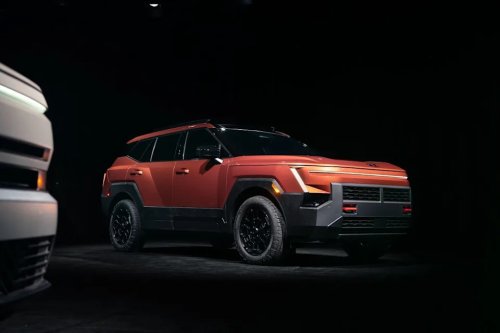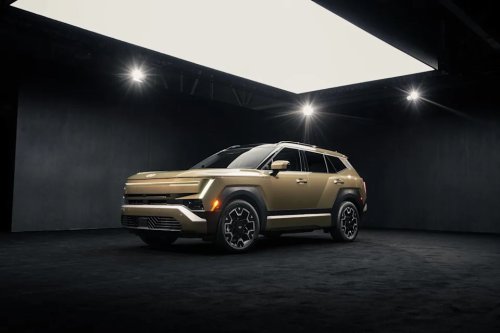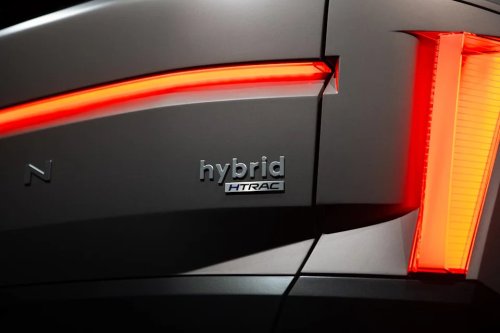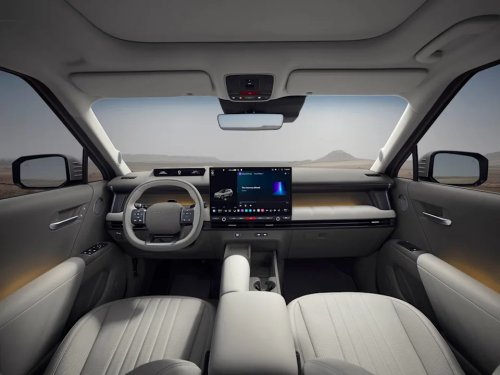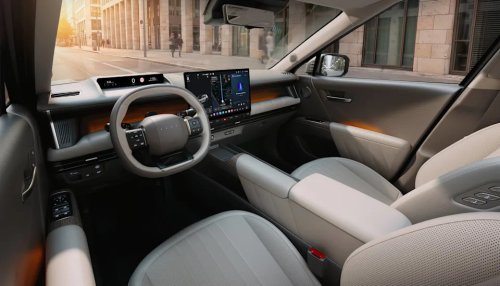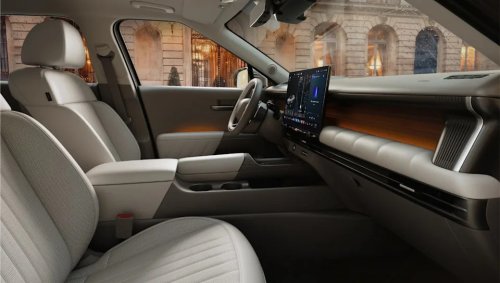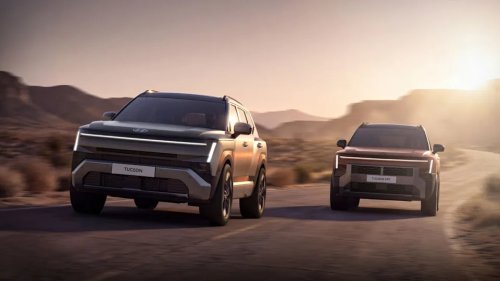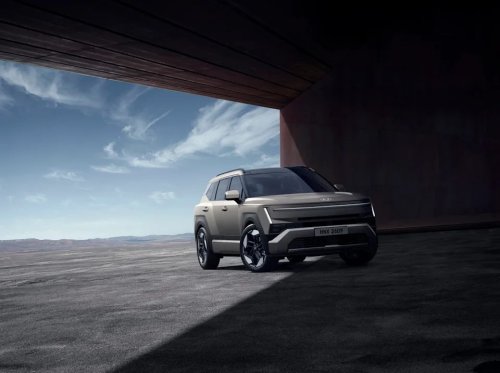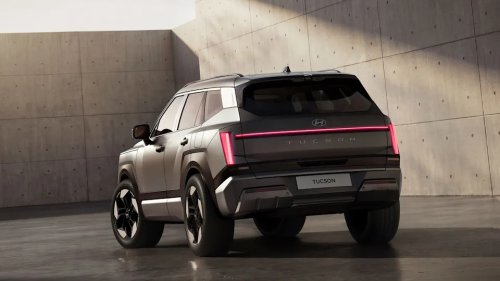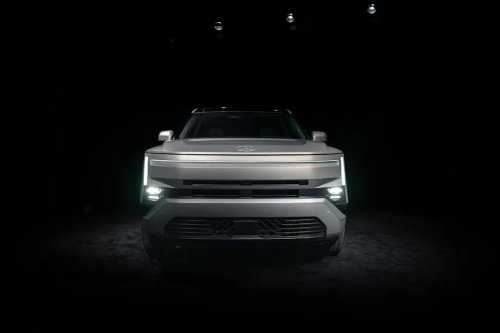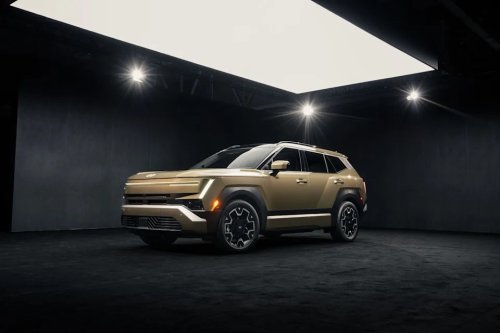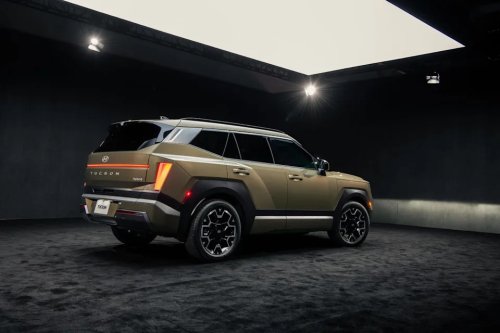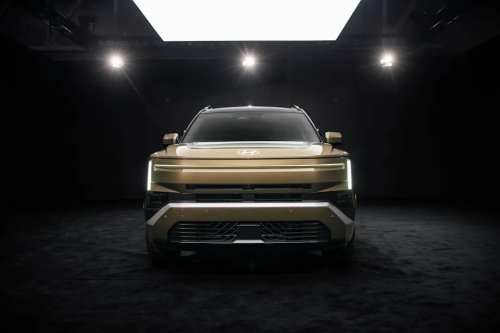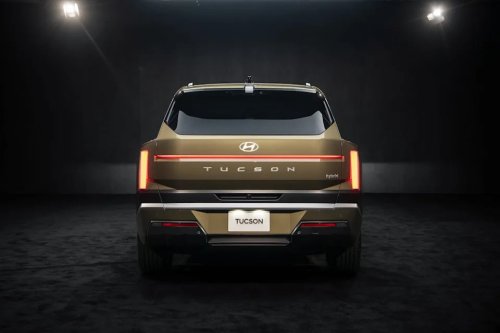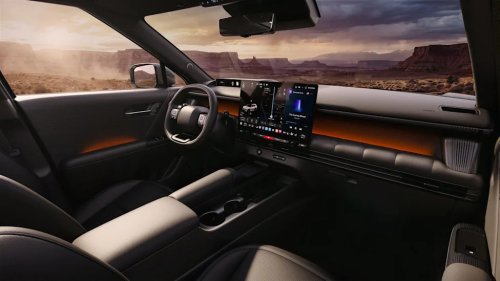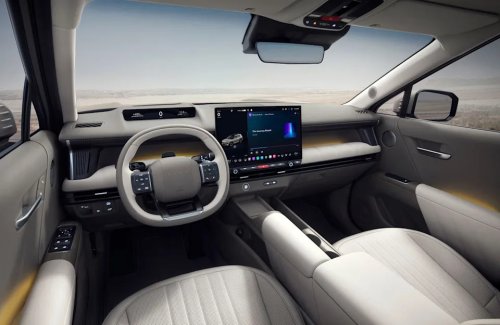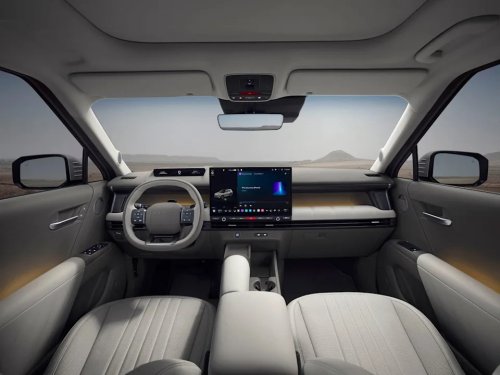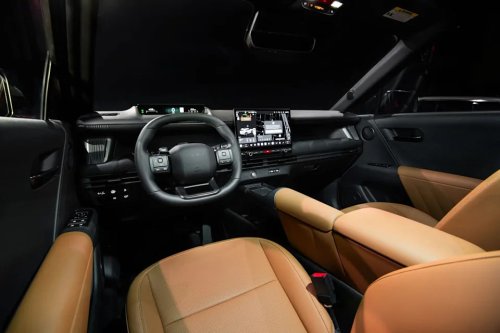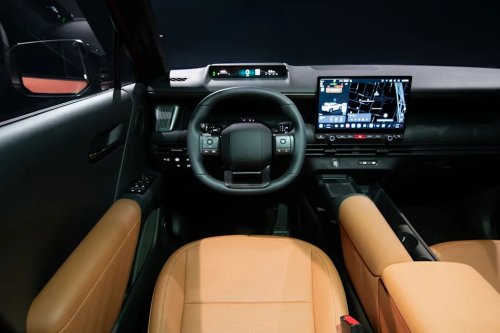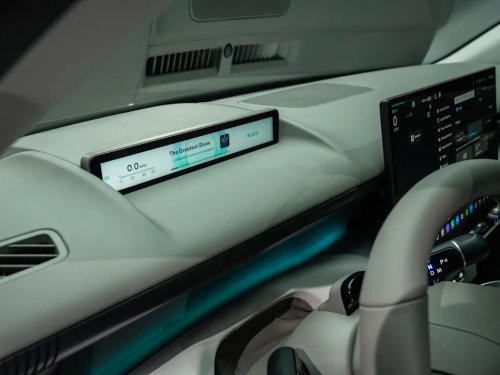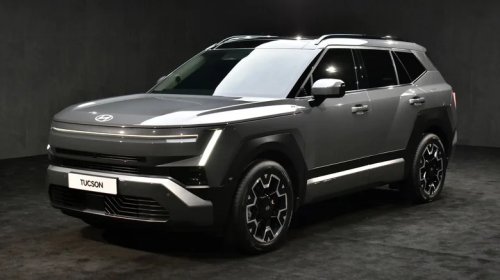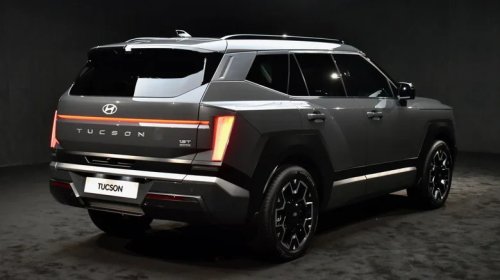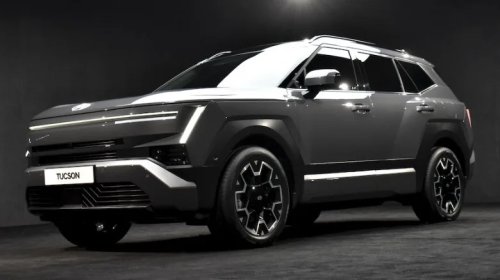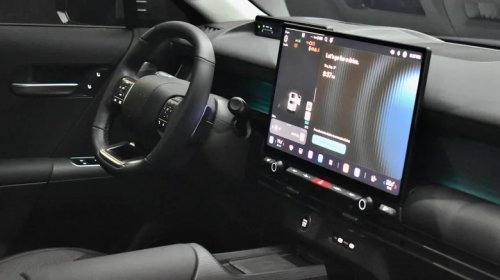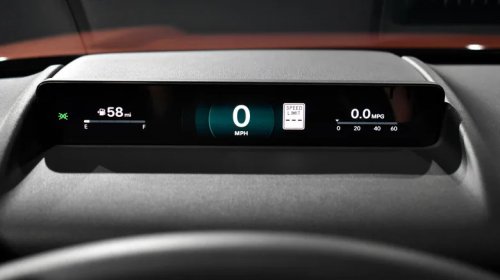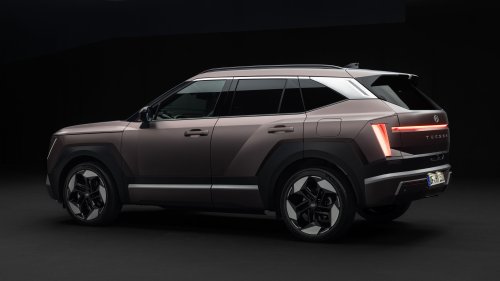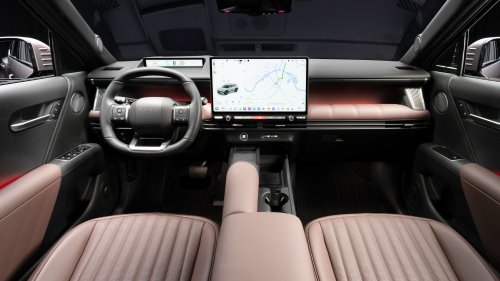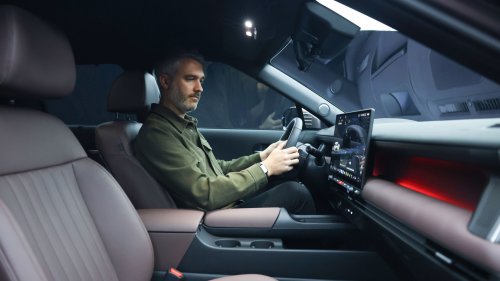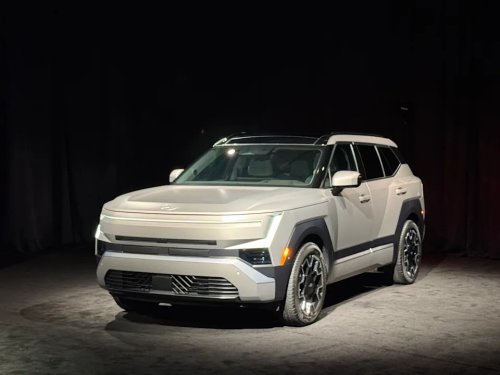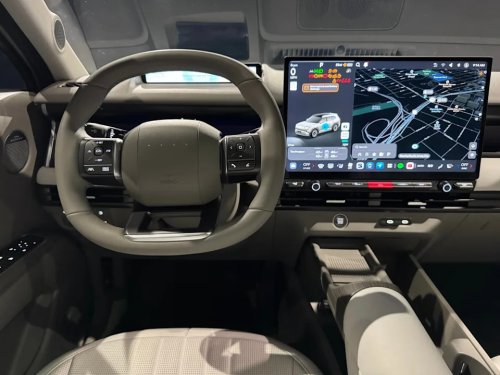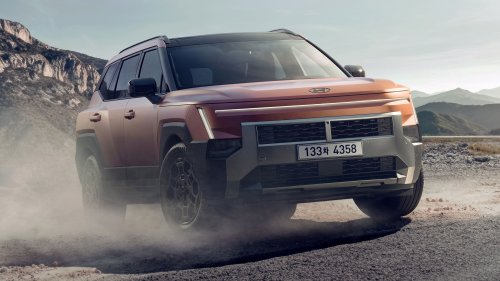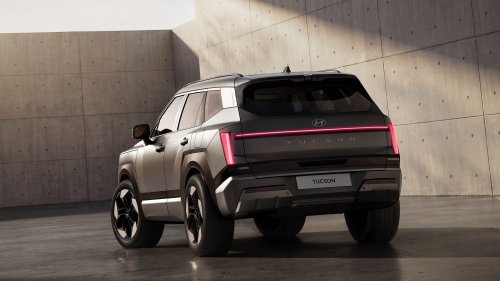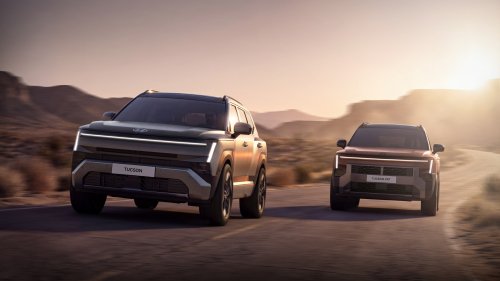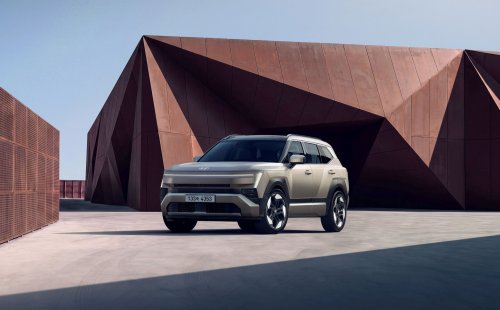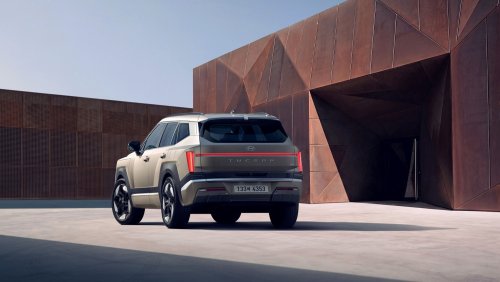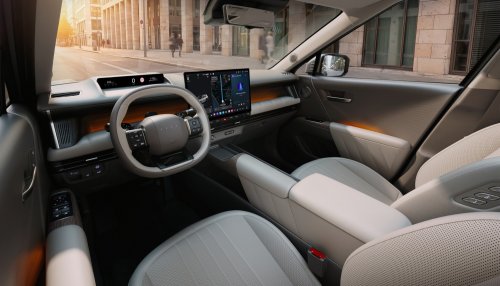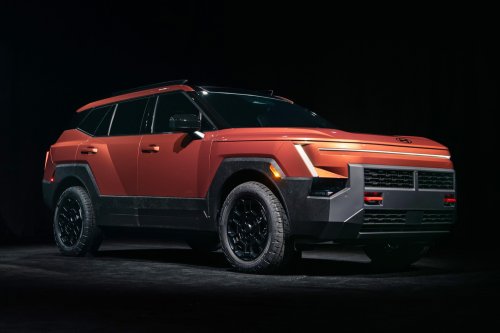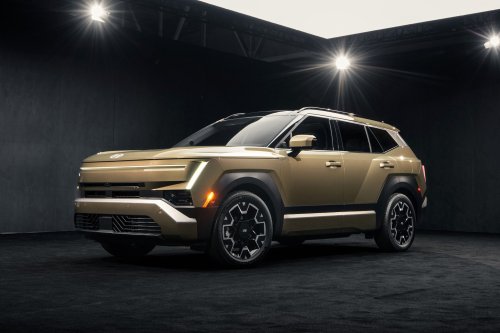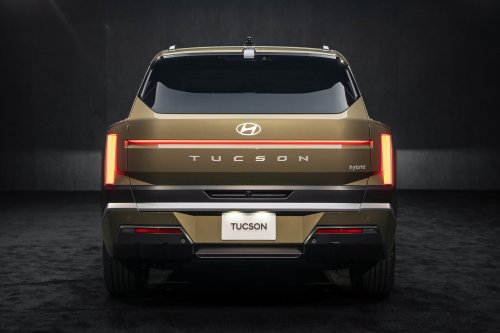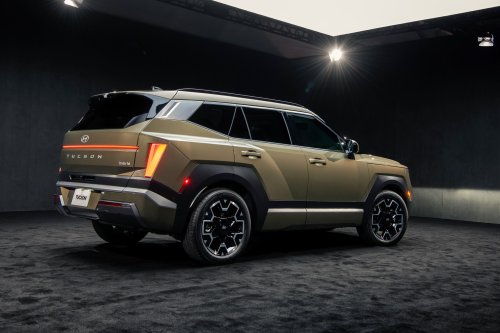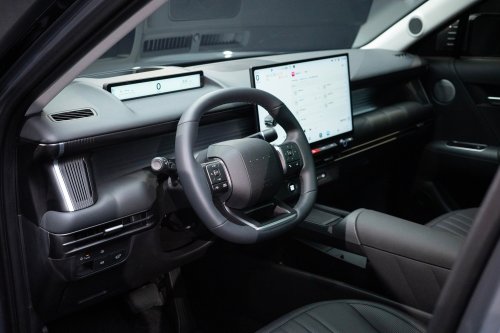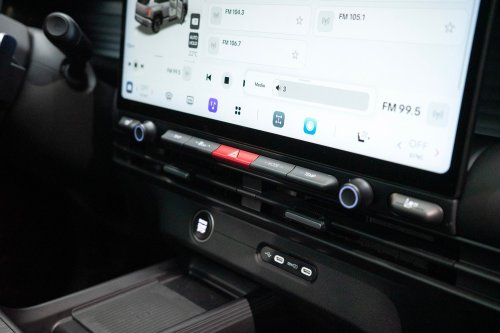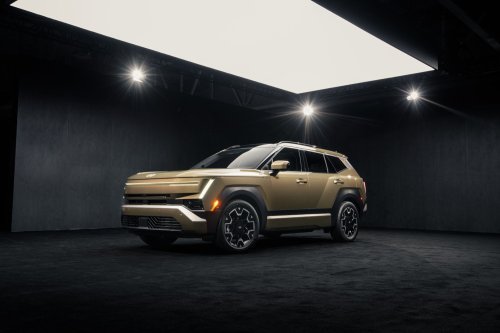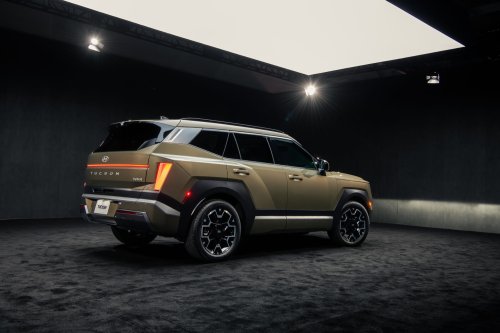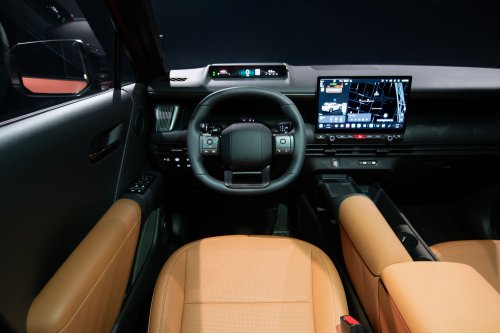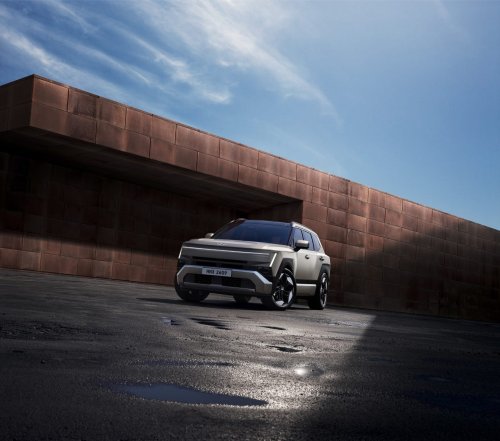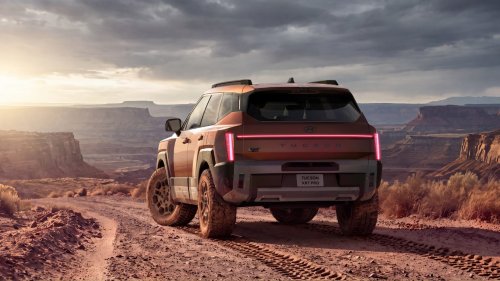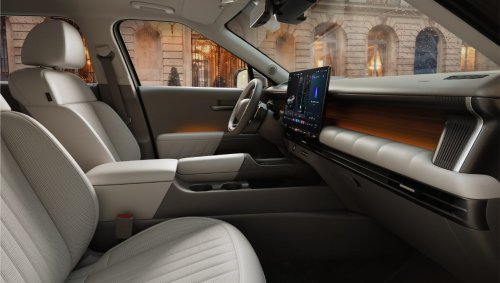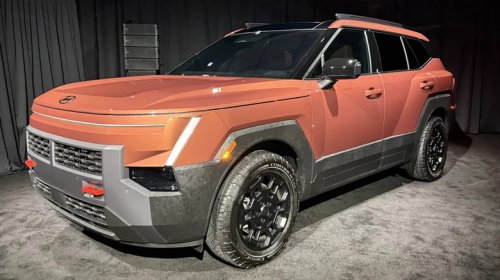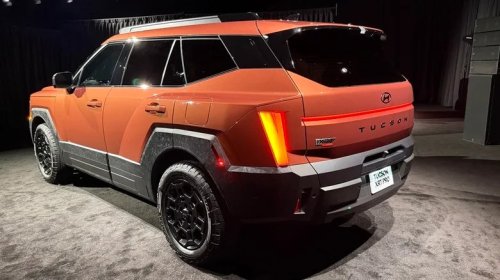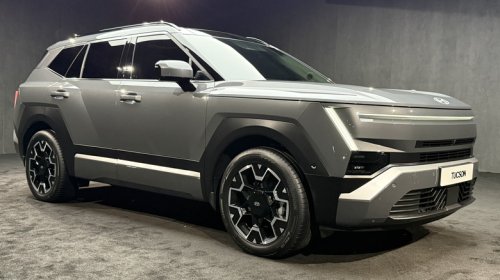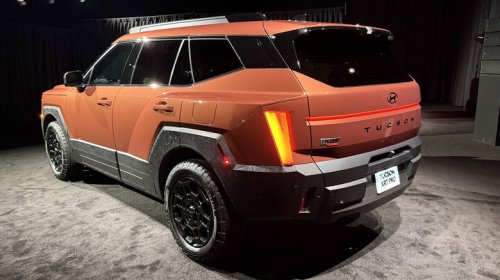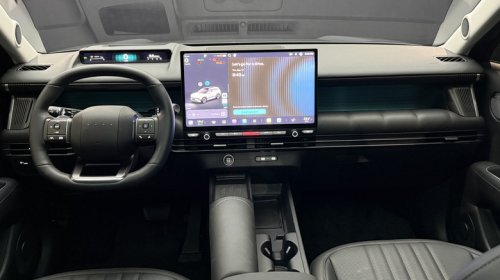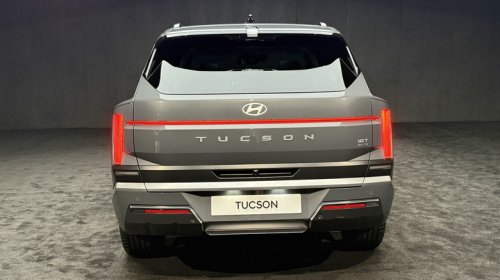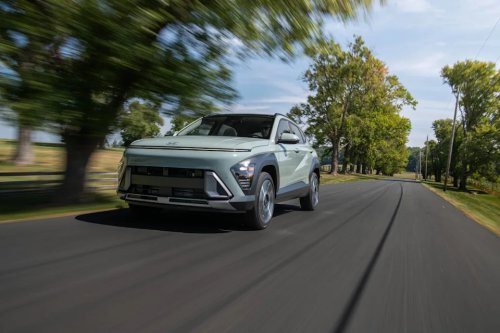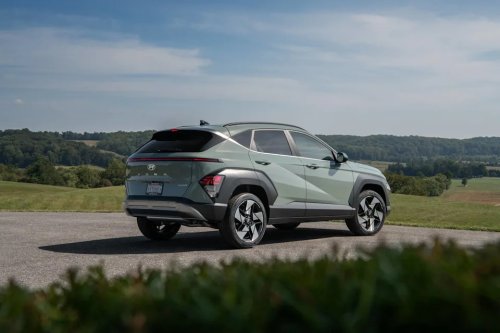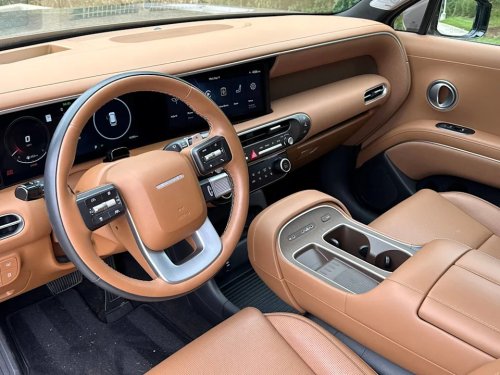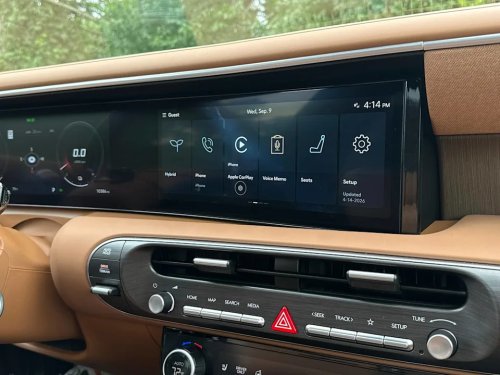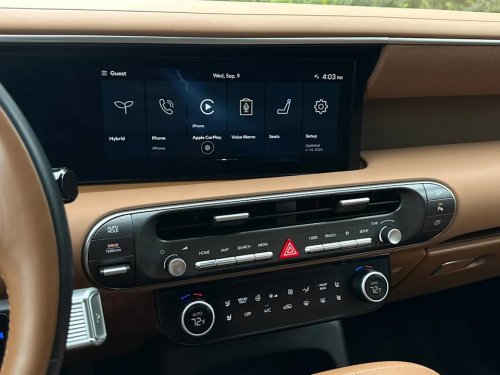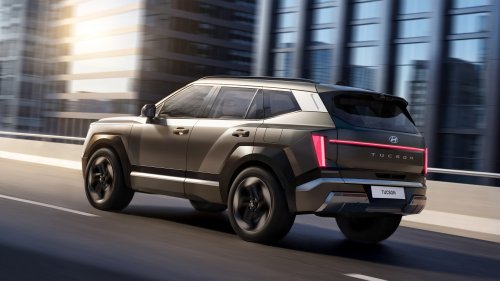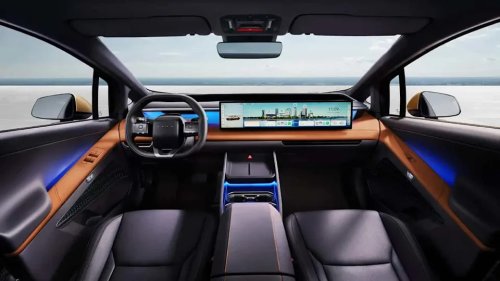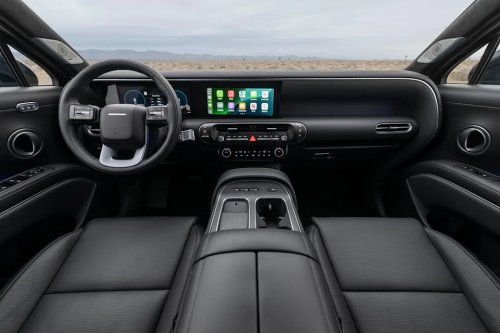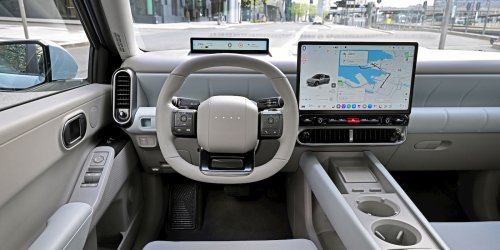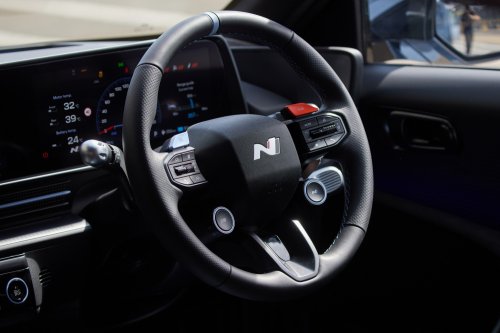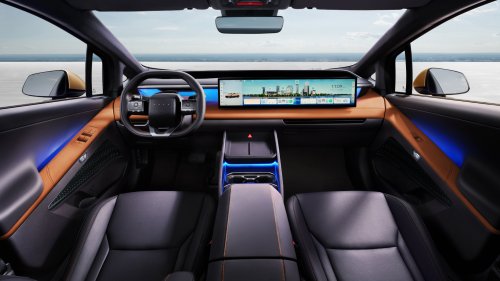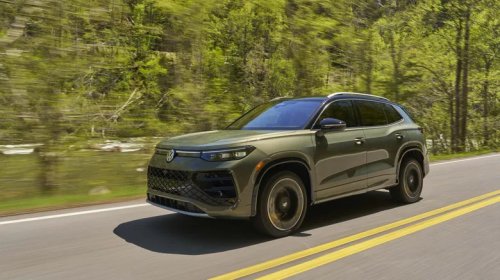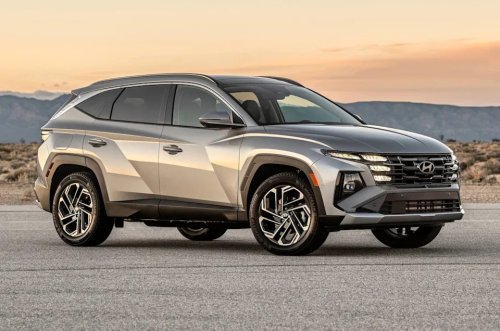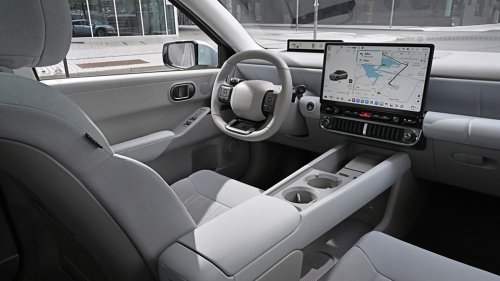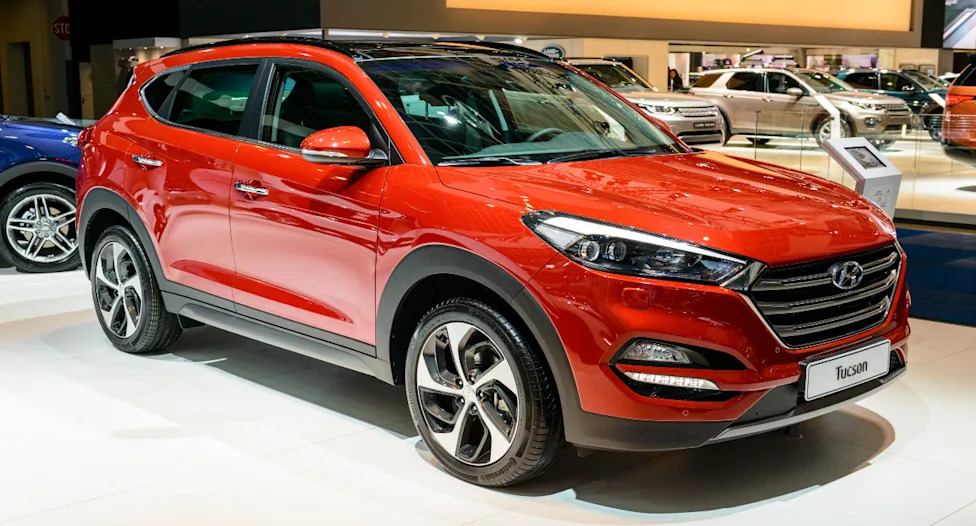



















Hyundai Recalls 96,000 SUVs Over Blank ScreensThe modern automotive industry has completely traded analog dials for massive digital screens, turning today's vehicles into rolling computers. But what happens when the software running those screens encounters a bug at 65 miles per hour?For nearly 100,000 Hyundai drivers in the United States, the answer is a sudden, alarming blackout of their instrument cluster.The National Highway Traffic Safety Administration (NHTSA) recently announced a major recall affecting 96,310 Hyundai vehicles due to a software glitch that forces the main driver display to intermittently shut down and reboot. While the screen eventually powers back on, the temporary loss of critical readouts has triggered a mandatory federal safety intervention.Hyundai's Communication BreakdownUnlike the mechanical recalls of the past, this entire issue boils down to an IT communication error.AdvertisementAdvertisementAccording to Hyundai's findings, the glitch originates from a flawed data exchange between the vehicle's head-up display (HUD) wiring and the main instrument cluster software. When the two systems fail to communicate properly, they simultaneously trigger a reset.For the driver, this means the dashboard goes completely dark, instantly wiping out vital telemetry. Losing access to the speedometer, fuel gauge, and essential warning indicators—even for just a few seconds—creates a severe distraction and significantly elevates the risk of a crash. Because of this blind spot, the affected models officially fall out of compliance with Federal Motor Vehicle Safety Standard No. 101, which strictly governs internal controls and displays.Fortunately, there is a silver lining: Hyundai has confirmed that no crashes, fires, injuries, or fatalities have been linked to the software bug.Who is Affected and How It Gets FixedThe recall casts a relatively wide net over Hyundai's popular compact SUV lineup. The impacted vehicles include:AdvertisementAdvertisementSpecific 2025-2026 model year standard Hyundai Tucsons.Select 2025-2026 Tucson Hybrids.Select 2025-2026 Tucson Plug-in Hybrids.Because this is entirely a software failure, the remedy doesn't require a single wrench or physical replacement part. Dealerships will simply flash a software update to the instrument cluster that prevents the cascading reset.For maximum convenience, owners who are actively enrolled in the Hyundai Bluelink program might not even need to visit a service bay; the automaker is pushing the patch as an over-the-air (OTA) update. Official notification letters are slated to hit mailboxes starting in late August, though concerned drivers can contact Hyundai customer service immediately to check their VIN.