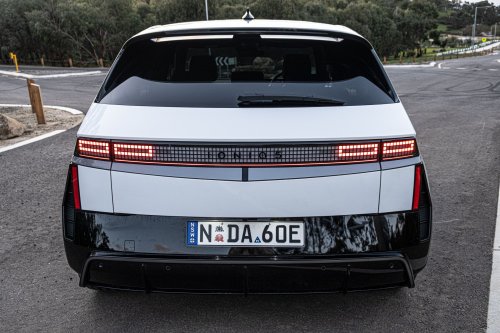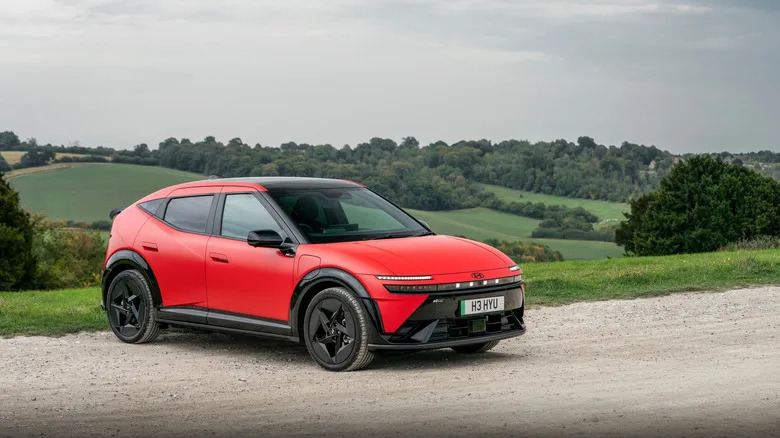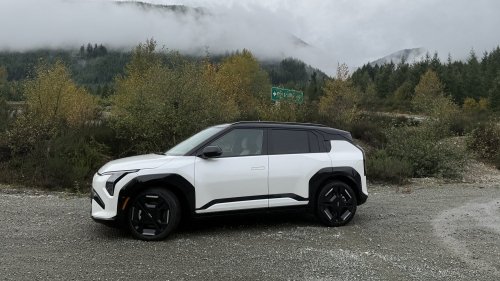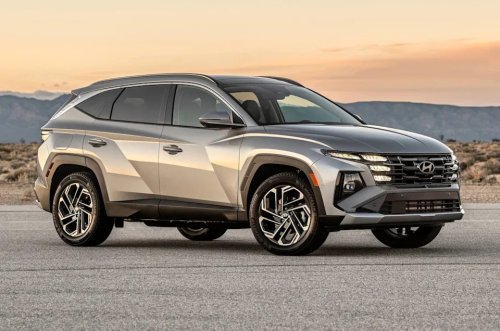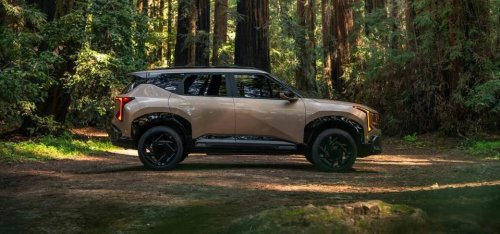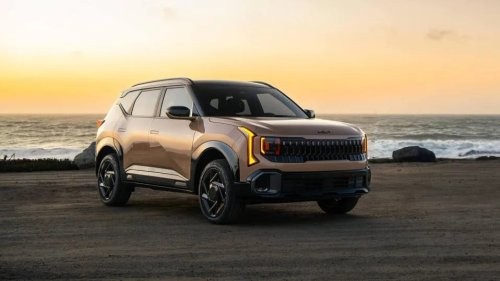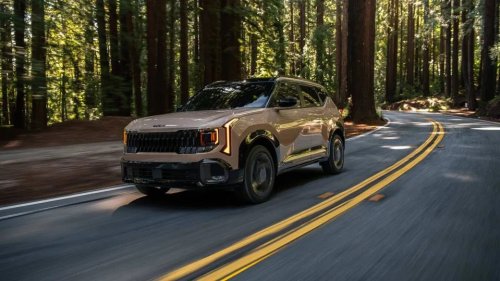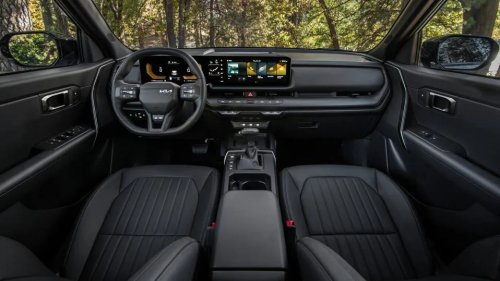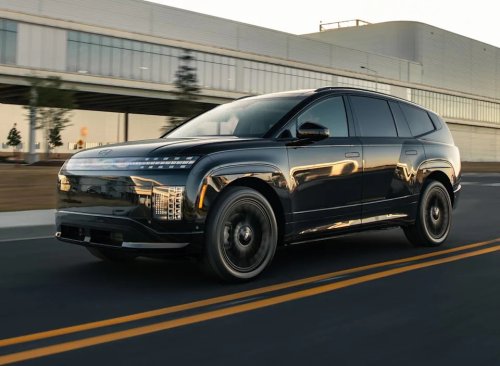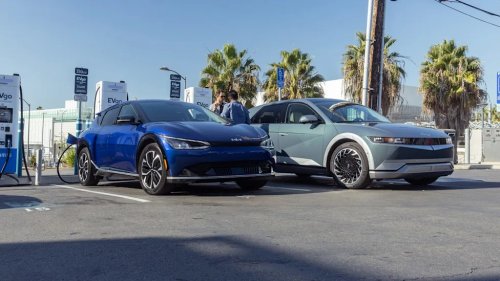
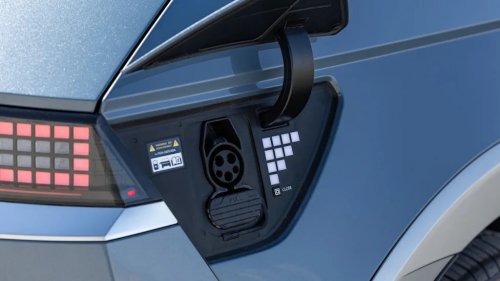
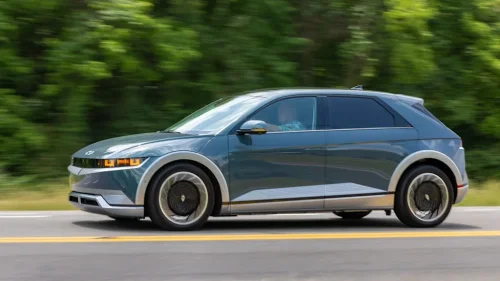
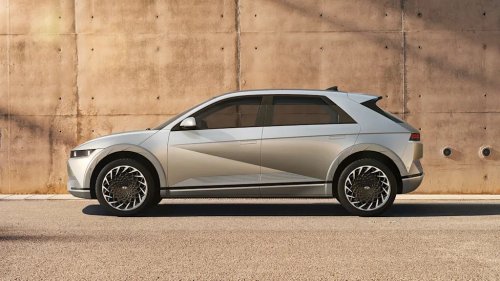
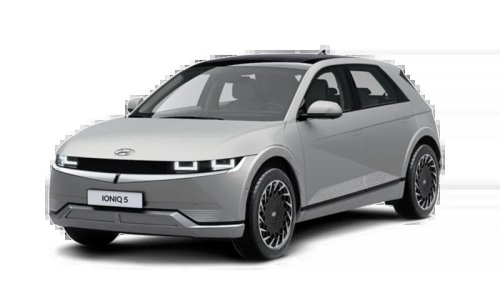
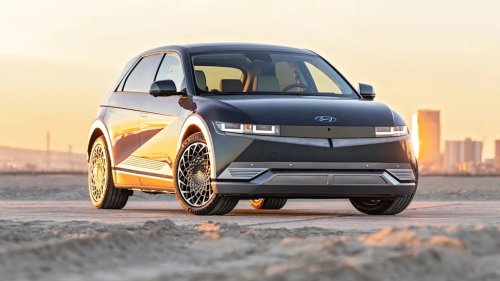
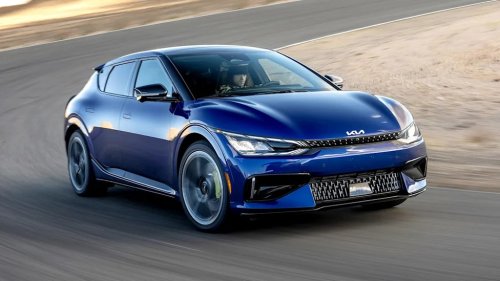
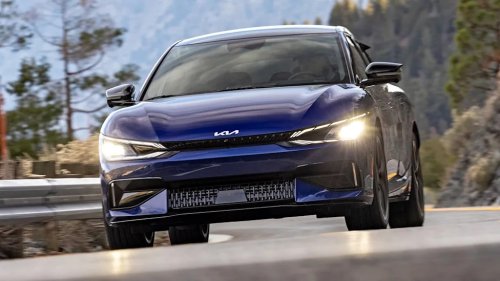
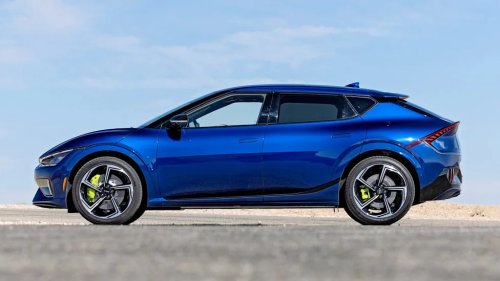
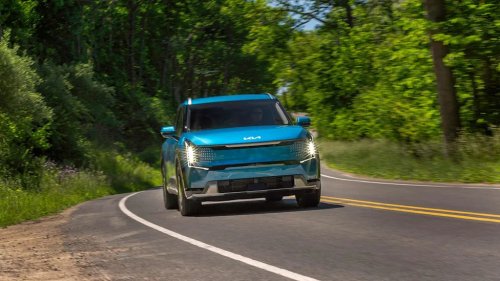
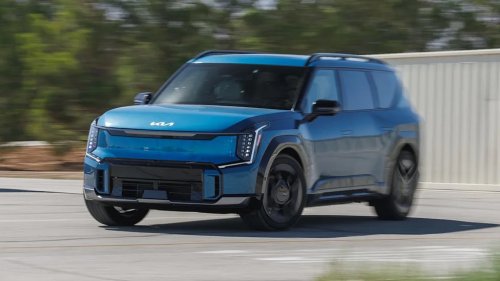
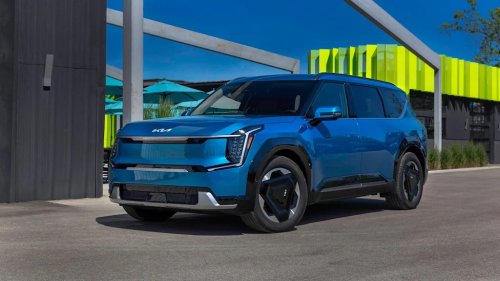
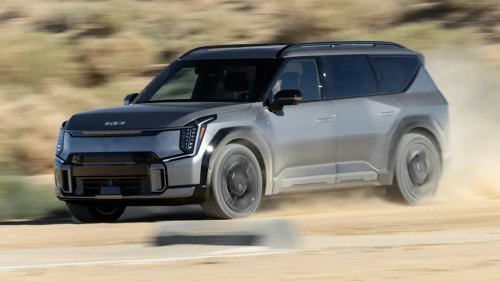
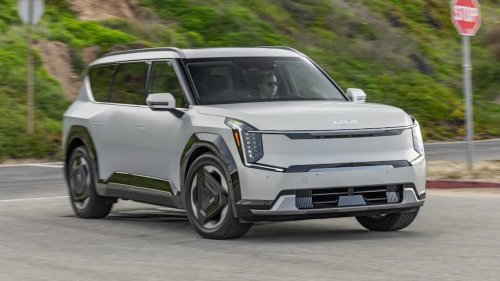



















Hyundai, Kia Recall 14 EVs Over Fire RiskMotorTrendYes, it sounds scary when you hear that any car is subject to a fire-risk recall, especially if you own an electric vehicle (EV). But the reality is that EVs rarely experience fire issues and are generally safer in this regard than their gas-fed counterparts. Fires can occur regardless of power source, often because of manufacturing defects. What makes this recall particularly interesting, aside from the instruction to park outside, is that it affects just 14 vehicles in total: six 2023–2024 Hyundai Ioniq 5s, seven 2022–2024 Kia EV6s, and one 2024 Kia EV9.Why Was the Recall Triggered?The common denominator in this recall is that battery supplier SK On produced a small number of lithium-ion cells with a misaligned electrode. Over time, that misalignment may result in an internal short circuit and cause a fire, even when these EVs are powered off. Why it took so long to identify the defective cells, and how they were identified at all, is unclear, especially given that the vehicles in question are several model years old.Why Does an Internal Short Circuit Cause a Battery Fire?Internal shorts can trigger a problem in lithium-ion and other types of batteries called thermal runaway. For lithium-ion batteries in particular, the battery dumps its stored energy into itself all at once and, with no way to properly discharge it, heat builds rapidly. With enough stored energy and additional heat generated as the chemicals inside the cell break down, including the release of oxygen that can intensify the reaction, temperatures can climb high enough to melt plastics or even start a fire.AdvertisementAdvertisementUnlike a 12-volt lead-acid or absorbed glass mat (AGM) battery, this can happen even when the cell is neither charging nor discharging, which is what makes it such a dangerous condition in a lithium-ion battery. It is also why this issue is so rare in EVs. A cell generally must be built with a defect that creates an internal short, or it must be damaged in a way that causes one, usually by being pierced. Otherwise, the only other likely path is an electrical short caused by damaged wiring from the high-voltage battery pack.MotorTrend - MotorTrendWhy Are Hyundai and Kia Recommending an 80 Percent Charge?In addition to parking outside, the owners are being urged to only charge the vehicle's battery to 80 percent. Why? The answer comes down to stored energy. Until the affected Hyundai and Kia EVs can be repaired, one temporary measure, in addition to parking outside, is to limit charging to 80 percent state of charge (SOC). At first, that recommendation might seem odd, but it ties directly back to one of the root causes of thermal runaway. The less energy stored in the cell, the less energy is available to dump into itself, which helps reduce, though not eliminate, the risk of thermal runaway and fire.Is There a Permanent Fix Yet for These Kia and Hyundai EVs?There is: replace the entire high-voltage battery pack. Although it's technically possible to replace individual cells, the process is extremely labor-intensive, and properly resealing the pack can be difficult. If that sounds excessive or wasteful, consider what would happen with an internal combustion vehicle facing a major engine recall. Technicians typically would not rebuild the engine piece by piece. They would swap in a fresh long-block from Hyundai or Kia and, at most, reuse components like the intake and exhaust manifolds. It's faster, relatively easier, and helps ensure no additional mistakes are introduced during the repair.The only downside is that sourcing a complete battery pack could take time. The recall is already in effect, but remedy notices are scheduled to go out August 7 for the seven Kia EV6s and single EV9, and August 31 for the six Hyundai Ioniq 5s. Because so few vehicles are affected, and because the public details do not specify which VINs are involved, owners should check whether their Hyundai or Kia EV is actually part of the recall. Thankfully, that can be done now through a VIN search on Hyundai's and Kia's recall sites or on the National Highway Traffic Safety Administration website.AdvertisementAdvertisementIn the meantime, owners of affected Hyundai and Kia EVs should keep their vehicles charged to no more than 80 percent and park them outside rather than in home garages or parking structures. If the owner doesn't feel safe driving an EV covered by the recall, both manufacturers say they will provide rental vehicles under their recall reimbursement plans.Photo credit: MotorTrend - MotorTrendPhoto credit: MotorTrend - MotorTrendPhoto credit: MotorTrend - MotorTrendPhoto credit: MotorTrend - MotorTrendAdvertisementAdvertisementPhoto credit: MotorTrend - MotorTrendPhoto credit: MotorTrend - MotorTrendPhoto credit: MotorTrend - MotorTrendPhoto credit: MotorTrend - MotorTrendAdvertisementAdvertisementPhoto credit: MotorTrend - MotorTrendPhoto credit: MotorTrend - MotorTrendPhoto credit: MotorTrend - MotorTrendPhoto credit: MotorTrend - MotorTrendAdvertisementAdvertisement