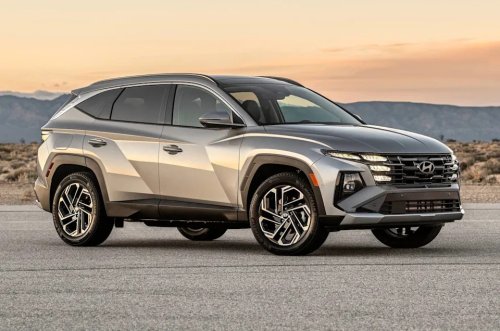
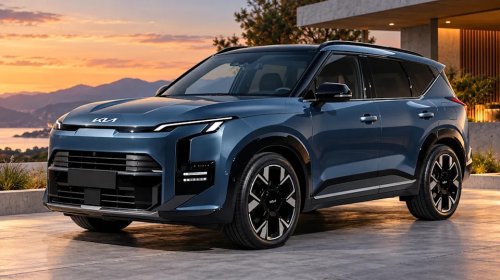
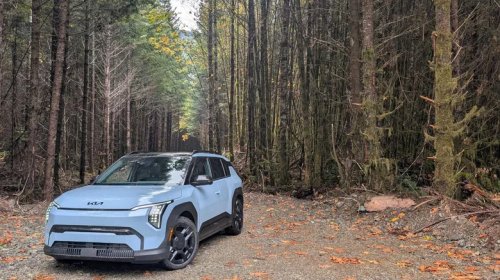
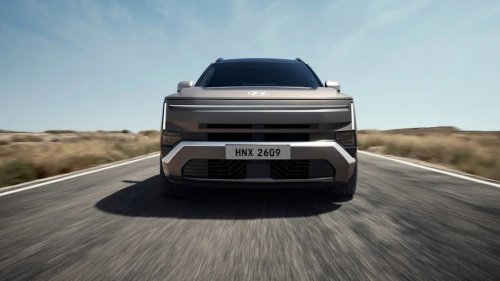
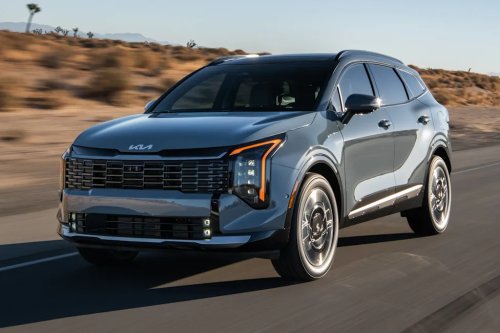
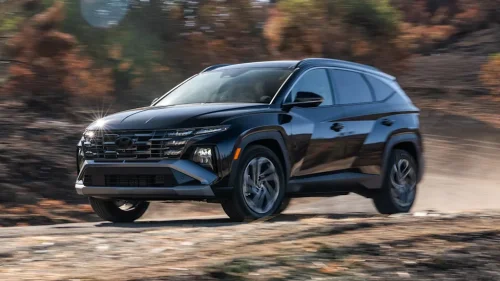
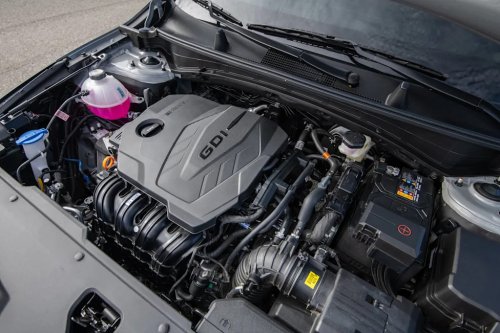
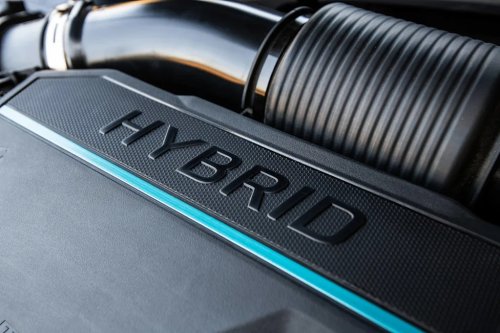
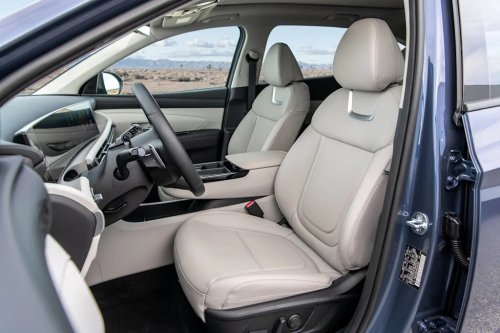
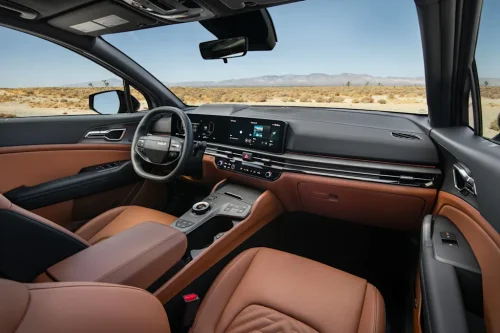
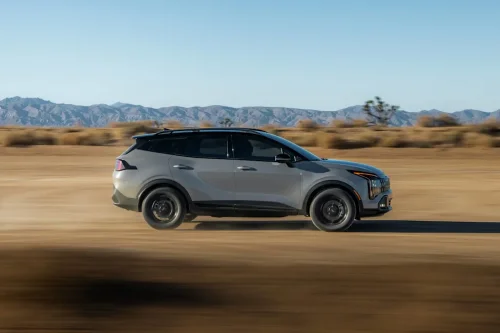
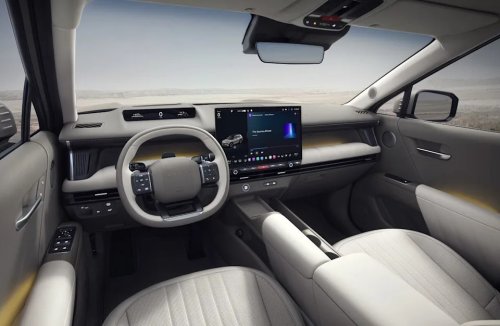
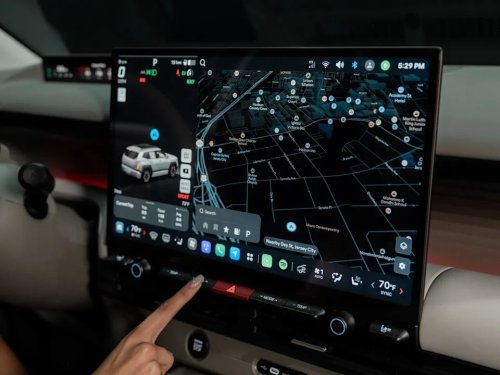
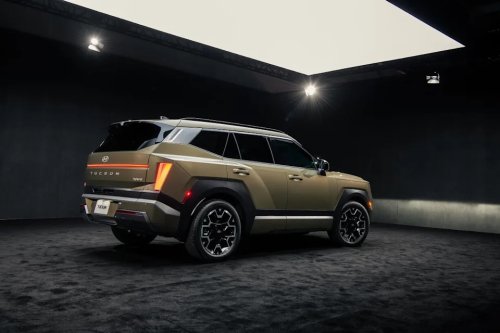
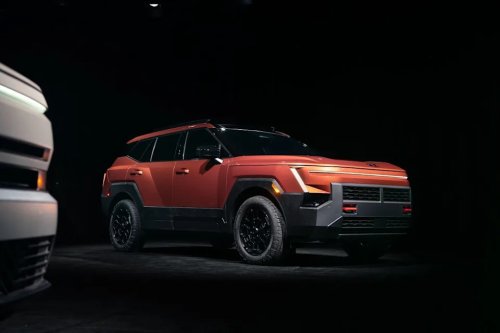
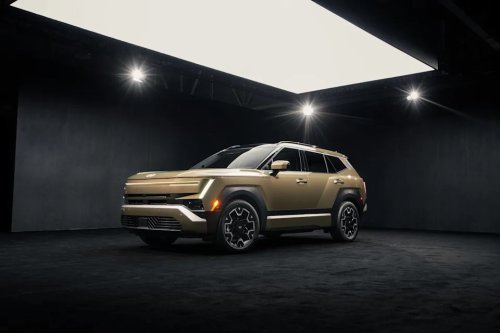
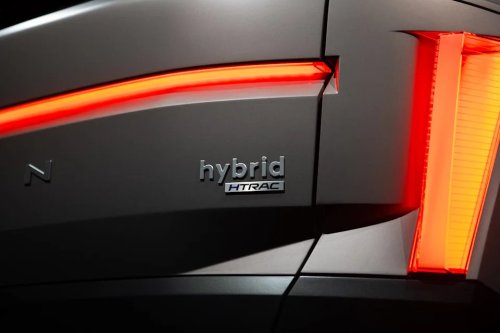
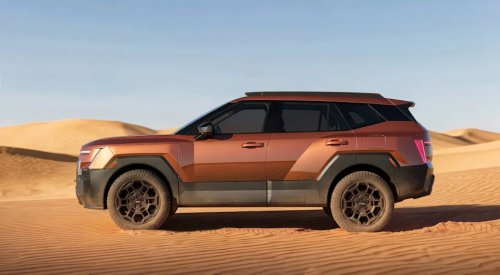
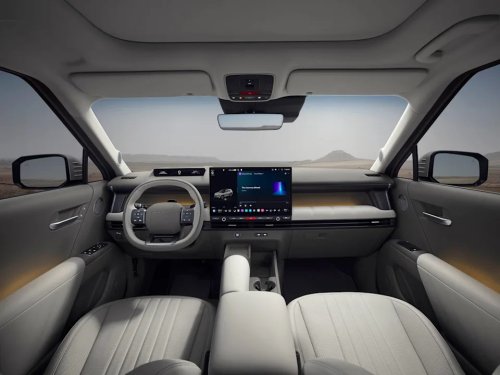
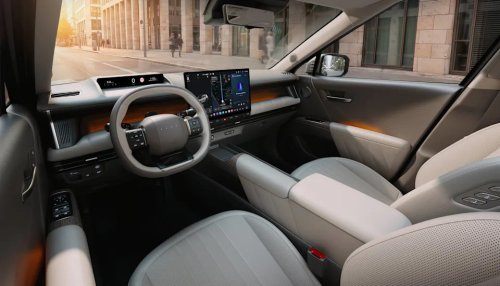
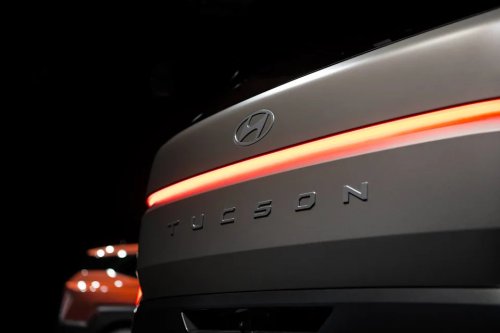
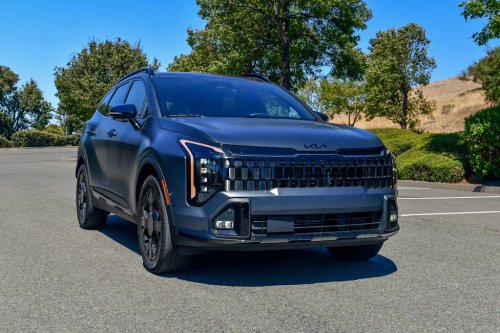
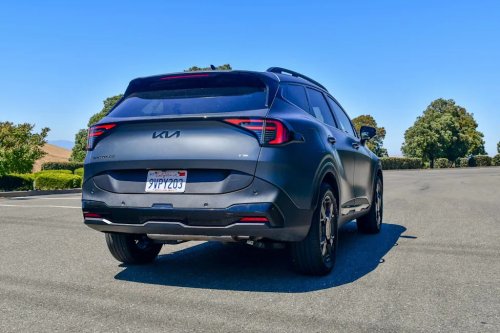
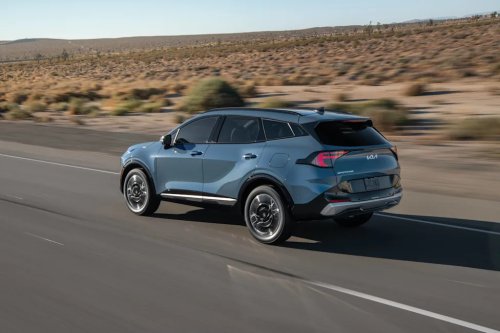
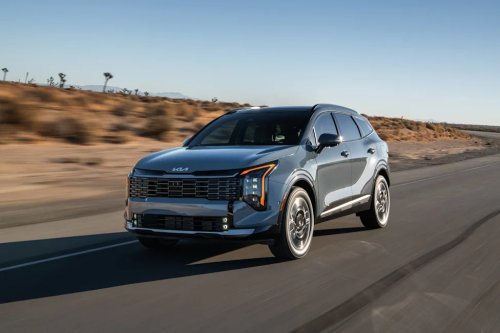
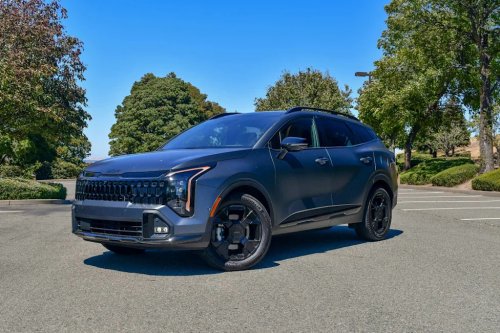
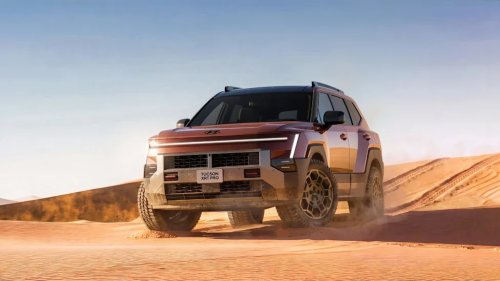
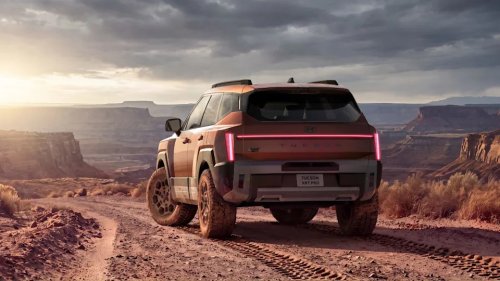
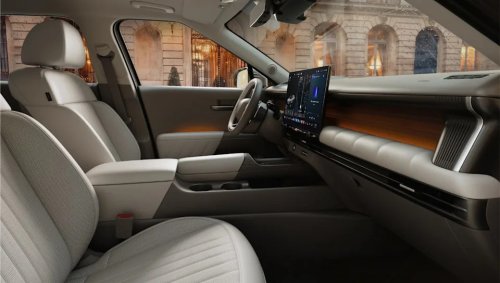
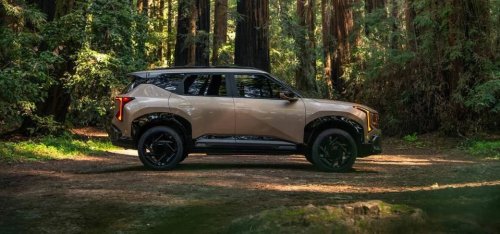
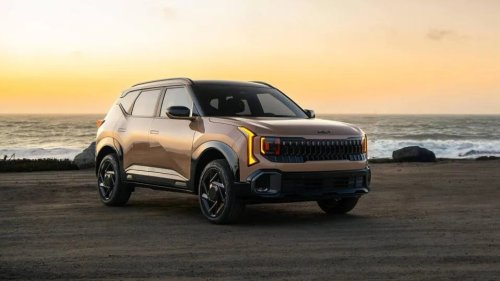
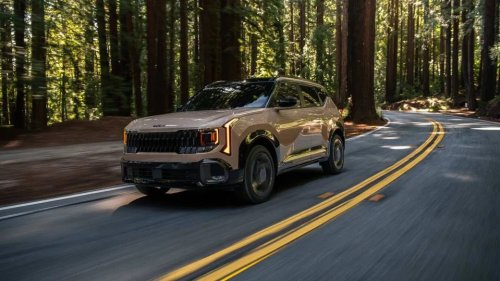
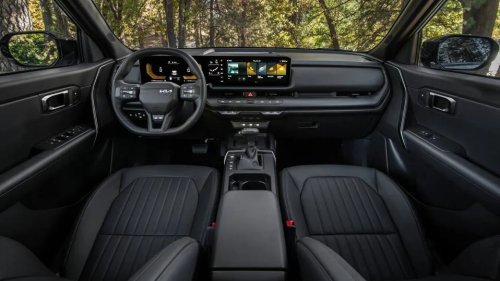
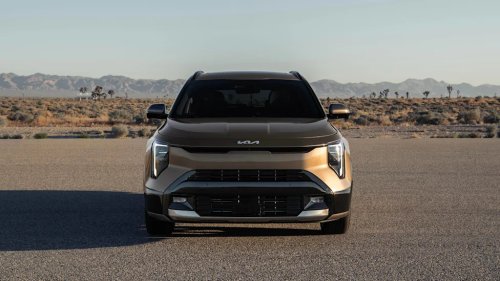
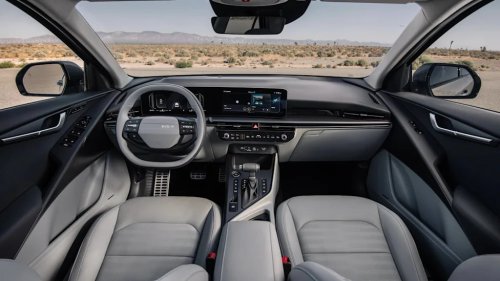
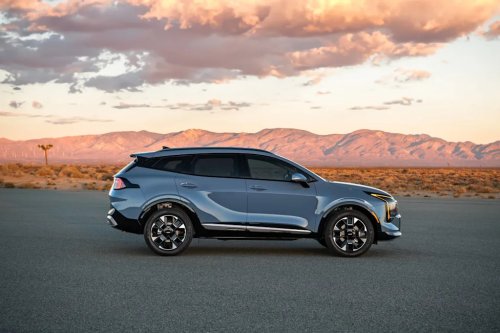
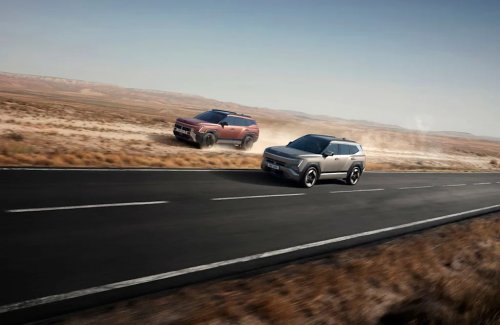
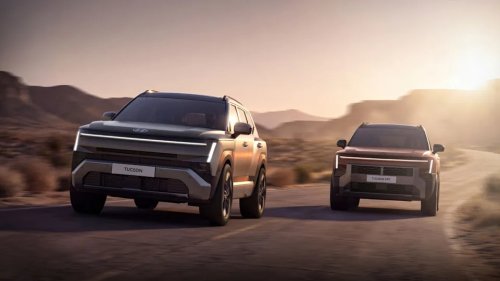
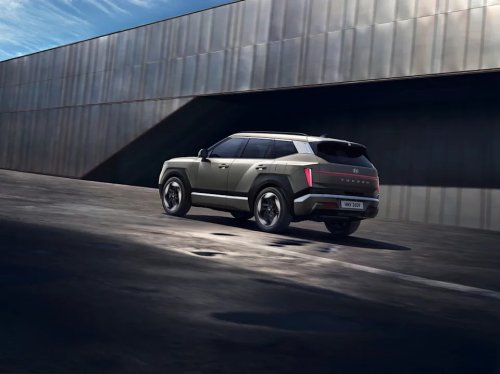
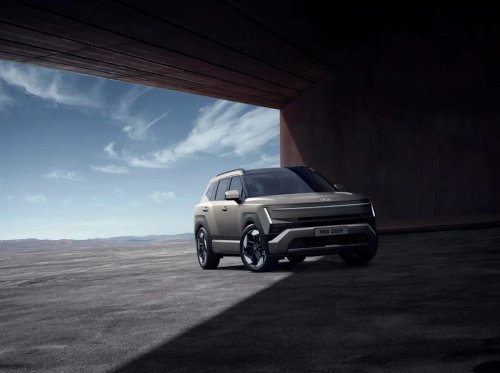
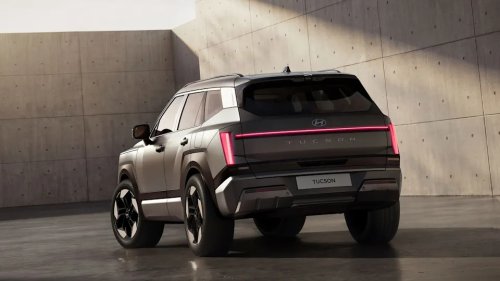
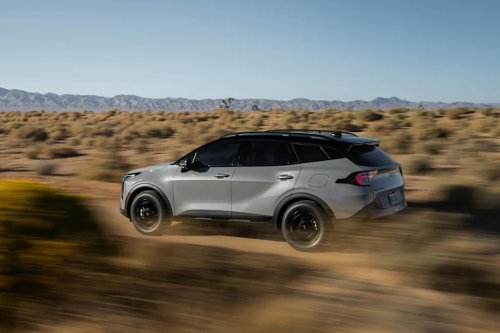
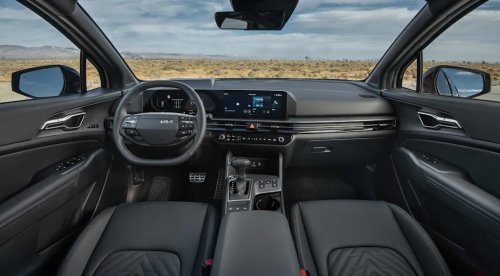
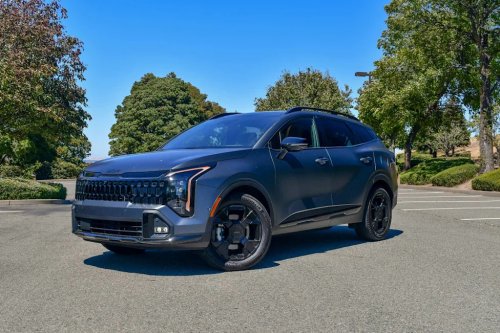
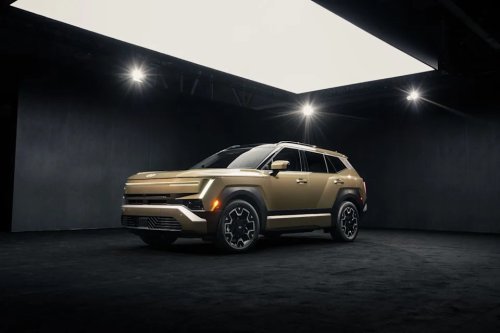
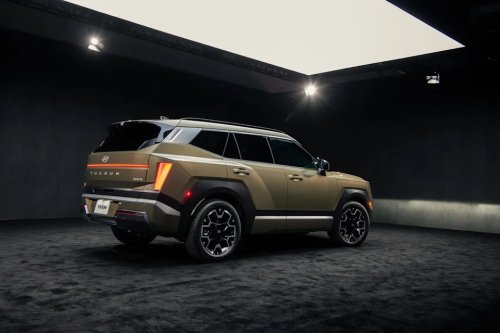
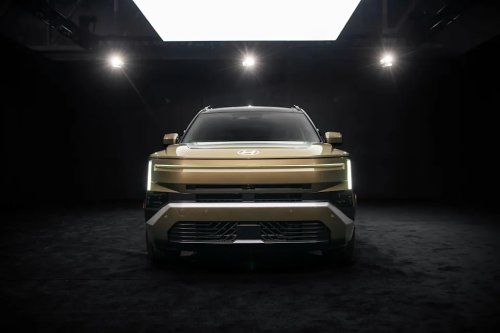
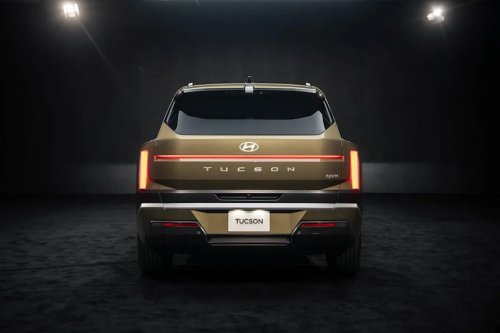
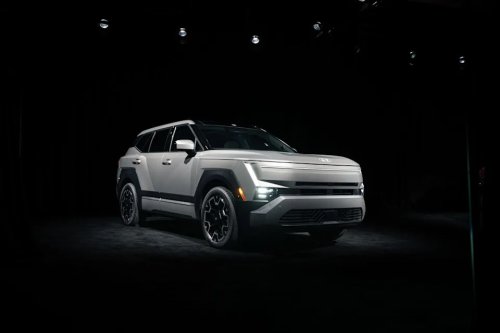
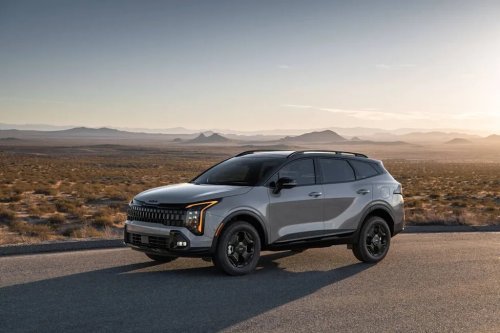
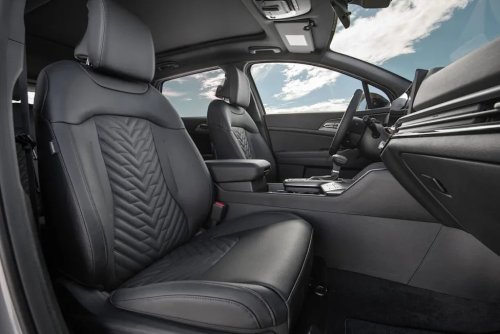
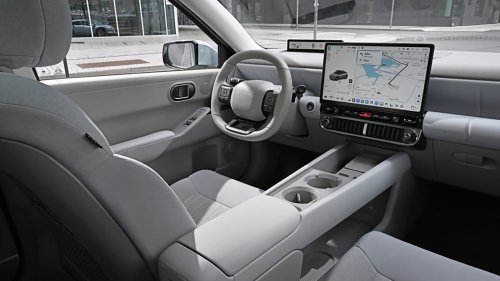
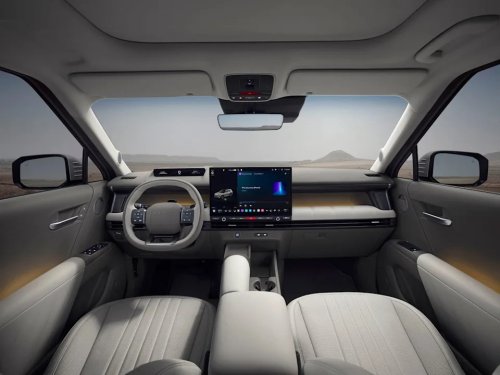
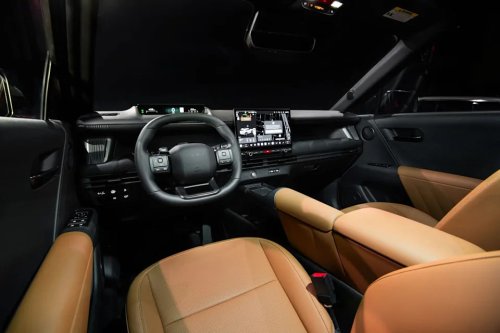
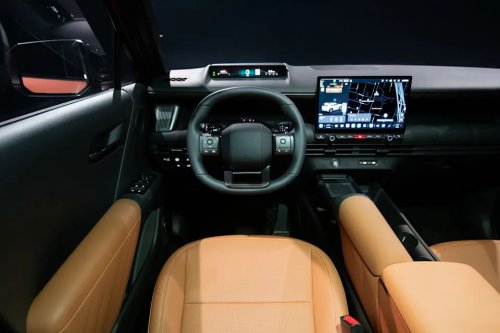
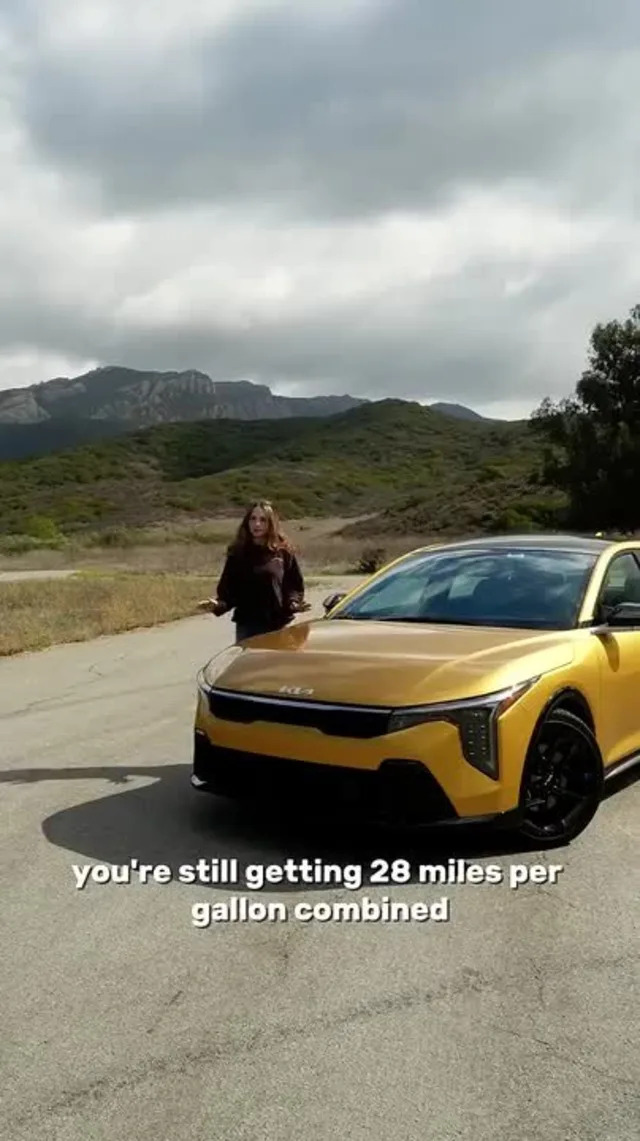
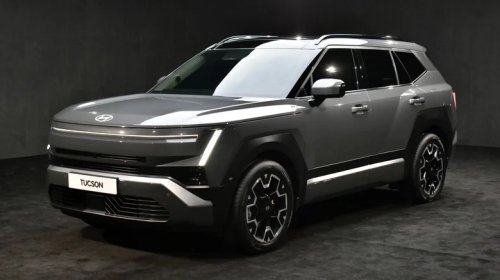
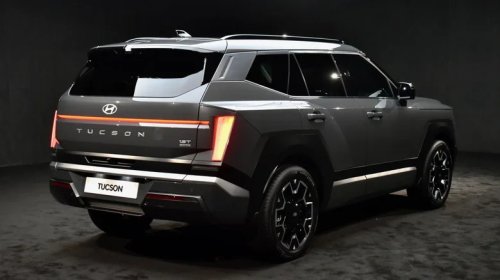
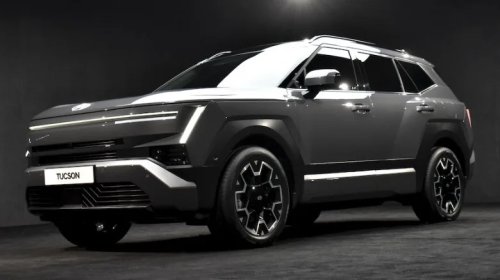
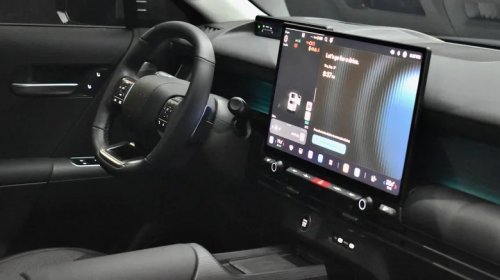
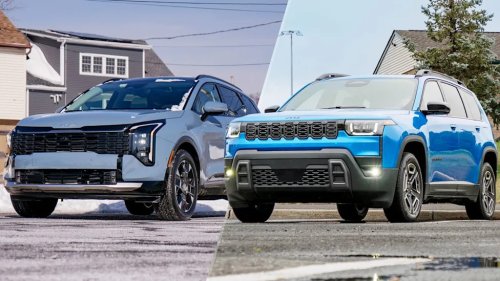
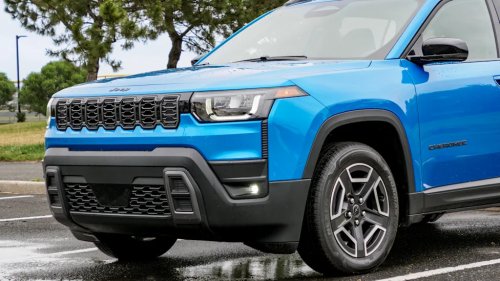
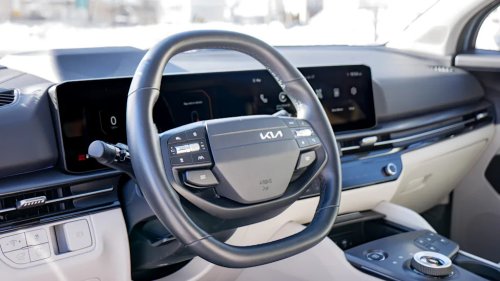
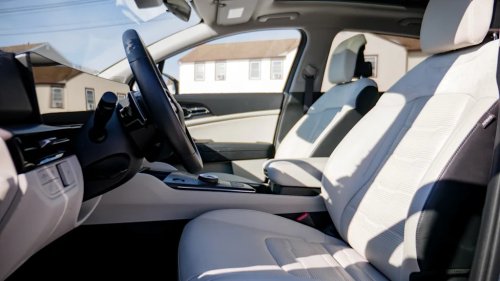
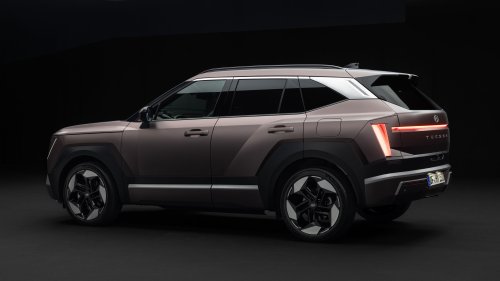
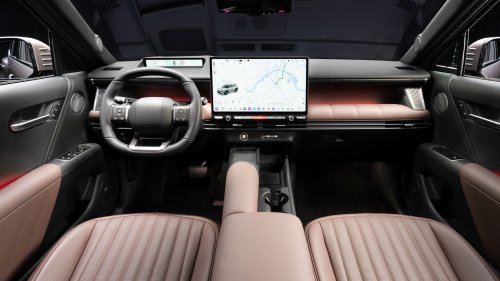
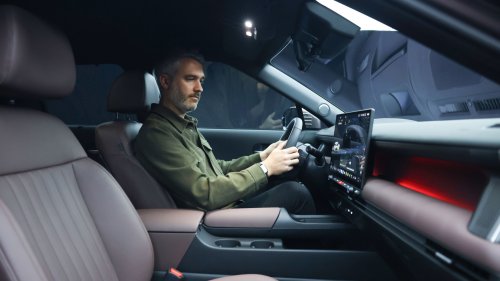
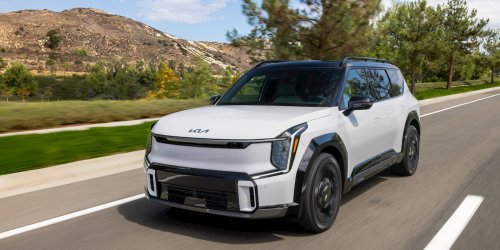
Autoblog and Yahoo may earn commission from links in this article.Few rivalries are as close as this one, because these two compact SUVs are corporate cousins built by the same parent company on shared underpinnings. Kia's Sportage and Hyundai's Tucson use the same powertrains, ride on the same wheelbase, and were both recently refreshed with boxier, more rugged styling. That makes an honest comparison less about which is better overall and more about the small, real differences in packaging, price, and personality.2026 Kia Sportage HEVKiaBoth are spacious, efficient, well-equipped, and safe, so neither is a mistake. The trick is knowing which subtle advantages matter to you, because on the fundamentals, they are effectively the same vehicle wearing different clothes. Here is how the details shake out.2026 Hyundai Tucson HybridHyundaiSpecs and pricingSpecificationKia SportageHyundai TucsonStarting priceAbout $28,800About $29,000Hybrid starting priceAbout $30,500About $32,400Engines2.5L I4; 1.6L turbo hybrid; plug-in hybrid2.5L I4; 1.6L turbo hybrid; plug-in hybridHybrid powerAbout 231 hpAbout 231 hpHybrid torqueAbout 271 lb.ftAbout 271 lb.ftHybrid drivetrainFront-drive or all-wheel driveStandard all-wheel driveHybrid fuel economyUp to about 42 mpg (front-drive)About 35 to 38 mpg (AWD)Max cargoAbout 73.7 cu ftAbout 80.0 cu ftSafetyIIHS Top Safety Pick+IIHS Top Safety Pick+Pricing is where the twins first separate. A base Kia Sportage starts around $28,800, and its hybrid starts near $30,500, undercutting the Hyundai Tucson hybrid, which starts closer to $32,400. Both stretch into the mid $40,000s fully loaded. The dollars are close, but the Sportage's cheaper hybrid and its availability with front-wheel drive give it a distinct value angle worth keeping in mind as the rest of the comparison unfolds.Powertrains and efficiencyMechanically, these two are all but identical. Both offer a naturally aspirated 2.5-liter four, a 1.6-liter turbocharged hybrid making around 231 horsepower and 271 lb.ft of torque, and a plug-in hybrid with meaningful electric-only range. Drive them back-to-back, and the acceleration, refinement, and manners feel the same, because the hardware is the same.2026 Kia SportageKThe meaningful split is in hybrid configuration. Hyundai sells the Tucson Hybrid exclusively with all-wheel drive, returning roughly 35 to 38 mpg combined, while Kia offers a front-drive Sportage Hybrid that reaches around 42 mpg. For a buyer who prioritizes maximum efficiency and lives somewhere that does not demand all-wheel drive, the front-drive Sportage Hybrid is the standout of the pair. Buyers who want all-weather traction with their hybrid will find the Tucson's standard all-wheel drive more reassuring.2026 Hyundai Tucson HybridHyundaiAdvertisementAdvertisementHow they driveOn the road, the two behave almost identically, which is to say competent and comfortable rather than sporty. Both ride smoothly, steer with light, easy responses, and keep road noise reasonably in check, making either an excellent everyday commuter. The hybrid powertrain gives both a quiet, torquey character around town.Where a slight difference emerges is in control layout. Hyundai returned the Tucson to more physical buttons for climate and audio in its refresh, which reviewers generally find easier to use on the move than the Sportage's more touch-dependent panel. It is a small thing, but for daily livability, it nudges Tucson ahead for drivers who dislike hunting through screens.Interior, technology, and spaceCargo is the Tucson's clearest practical edge. It offers around 80 cubic feet of cargo room, compared with the Sportage's roughly 73.7, along with marginally more passenger space, so families who load up will notice the difference. Its cabin also feels a touch more premium on upper trims, with available leather where the Kia leans on synthetic upholstery.2026 Hyundai TucsonHyundaiKia counters with a sportier design attitude inside and out, and its cabin is otherwise nearly identical in features and layout, including available dual 12.3-inch displays. Neither is cramped, and both offer generous standard technology. The Tucson wins on outright space and material feel; the Sportage wins on style and price.2026 Kia Sportage PHEVKiaValue, safety, and ownershipSafety is a genuine wash. Both the Sportage and Tucson earn a 2026 IIHS Top Safety Pick+, the top honor, and both carry 5-star federal ratings, so a buyer cannot go wrong on protection. Both also come with the long warranties their brands are known for, so ownership peace of mind is excellent either way.2026 Kia SportageKiaValue tips toward Kia. The Sportage typically undercuts the Tucson on price, and its front-drive hybrid is the most affordable path to strong efficiency in this family. Hyundai's counter is the Tucson's extra space, easier controls, and a slightly more upscale feel, which some buyers will happily pay a small premium for.The verdictHonestly, you cannot go wrong here because these two are the same excellent vehicle presented with different priorities. The Hyundai Tucson is our narrow overall favorite for buyers who want a bit more cargo room, standard all-wheel drive on the hybrid, easier physical controls, and a slightly more premium cabin. It is the more well-rounded pick for families who value space and everyday ease.AdvertisementAdvertisementThe Kia Sportage is the smarter buy for value shoppers and efficiency seekers, undercutting the Tucson on price and offering the most frugal front-drive hybrid in the family, wrapped in bolder styling. Since both wear a Top Safety Pick+ and share their mechanicals, our honest advice is simple: drive both, then let price, control layout, and styling break the tie, because there is no wrong answer between these near-twins.This story was originally published by Autoblog on Jul 17, 2026, where it first appeared in the Car Buying section. Add Autoblog as a Preferred Source by clicking here.



















 +12 others



![Hyundai is testing a smaller EV — could it be the IONIQ 4? [Video]](https://cdn.topcarnews.net/thumb/id/aHR0cHM6Ly9pMC53cC5jb20vZWxlY3Ry-ZWsuY28vd3AtY29udGVudC91cGxvYWRz-L3NpdGVzLzMvMjAyNi8wMi9IeXVuZGFp-LUlPTklRLTEtRVYtZnJvbnQuanBlZz93-PTE1MDAmYW1wO3F1YWxpdHk9ODImYW1w-O3N0cmlwPWFsbCZhbXA7c3NsPTE/62d7459438201b3f1399106554e467d7.jpeg?t=20261006&post_id=68203)