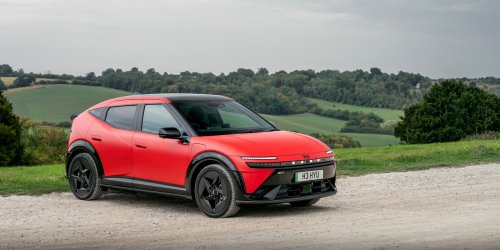
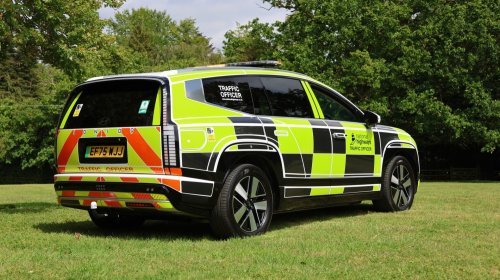
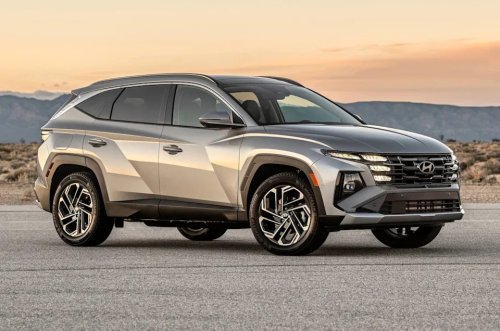
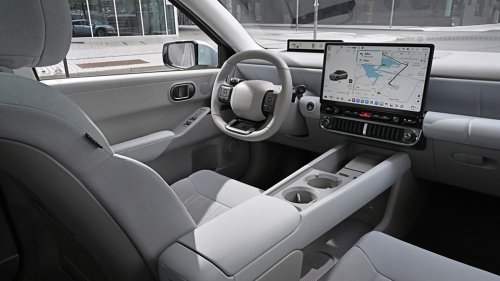
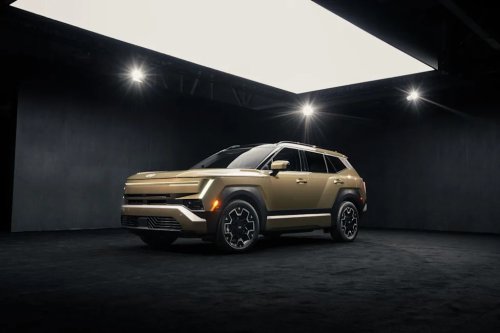
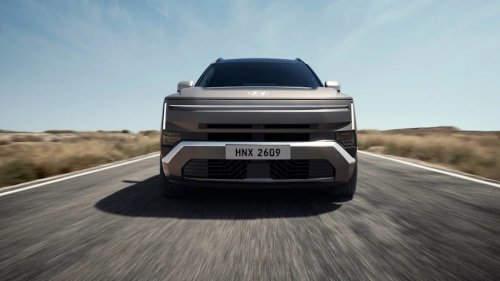
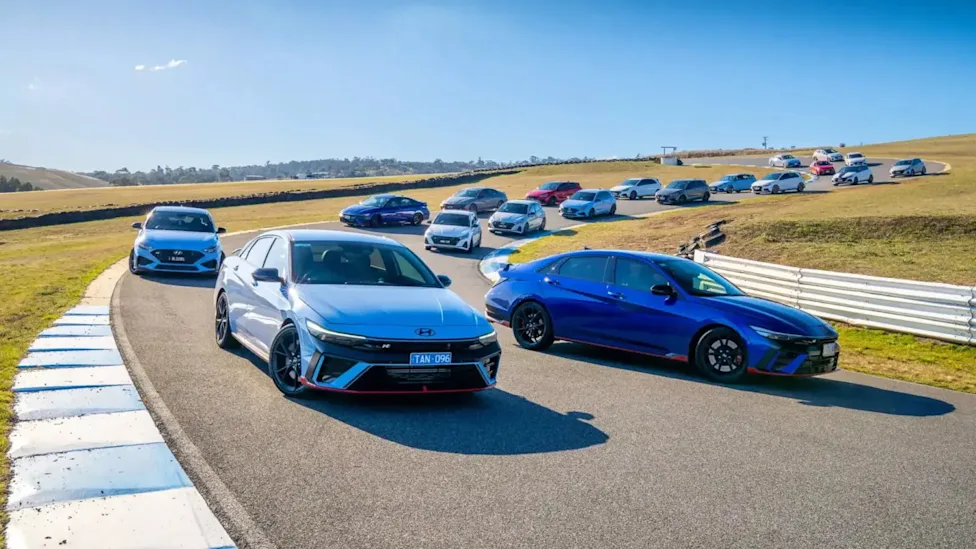
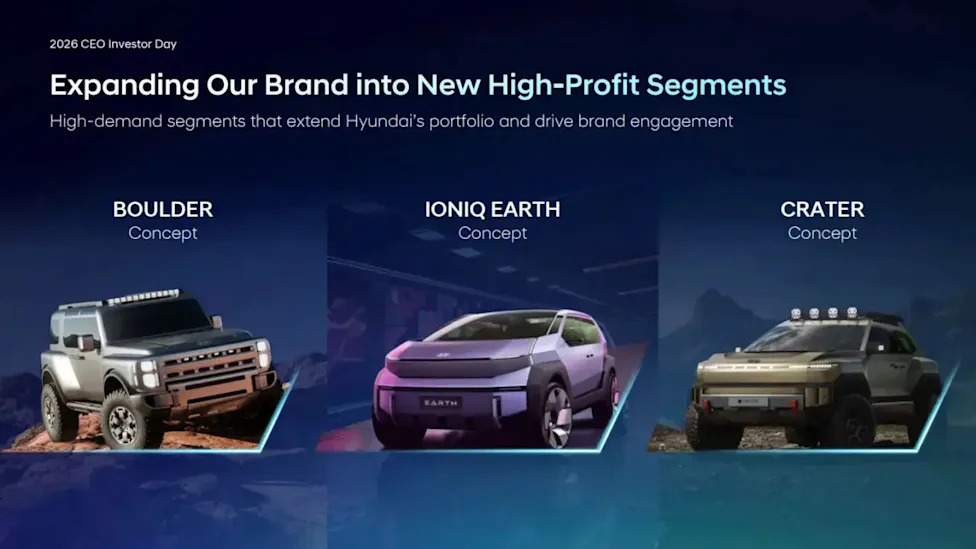
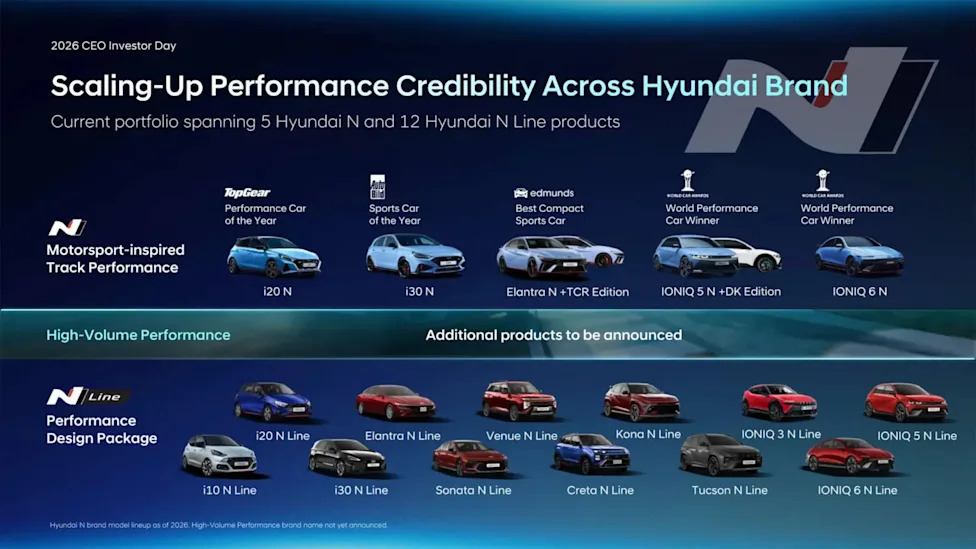
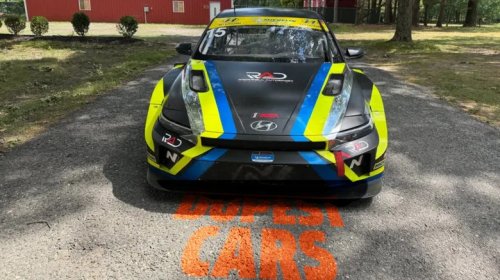
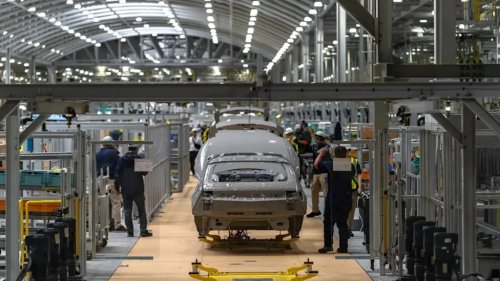
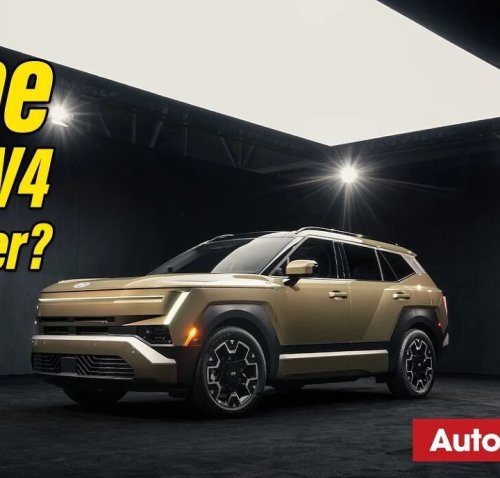
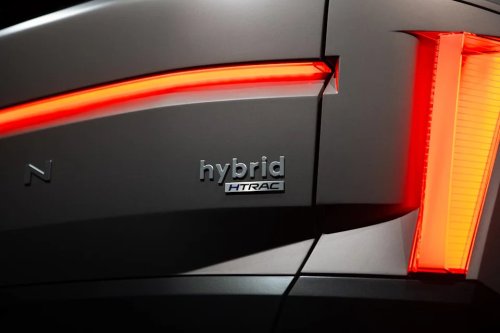
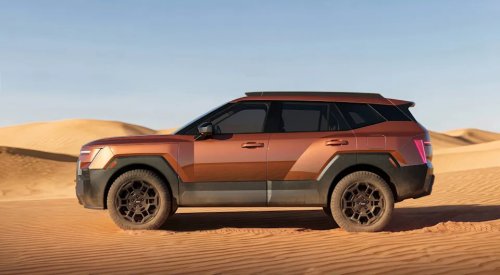
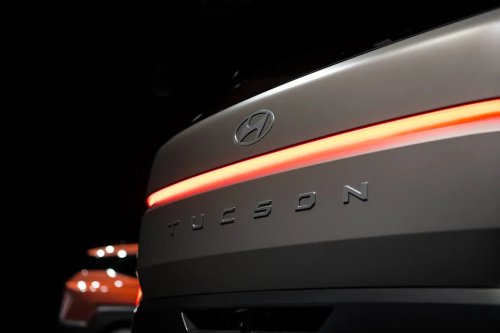
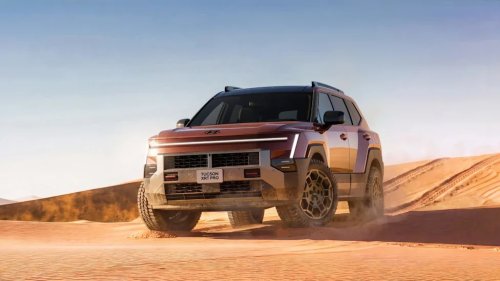
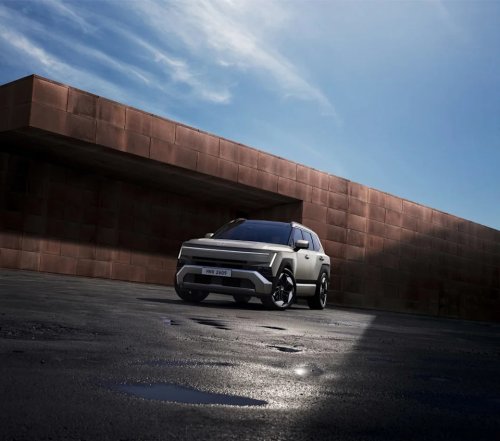
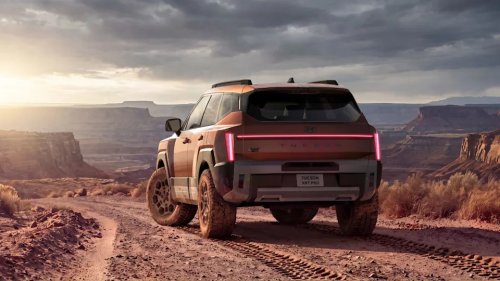
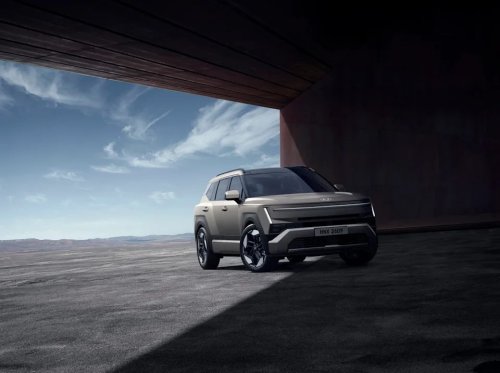
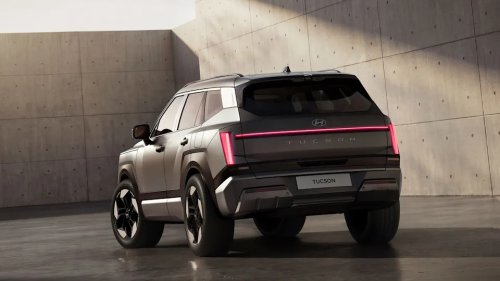
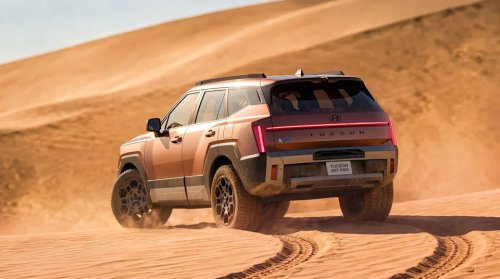
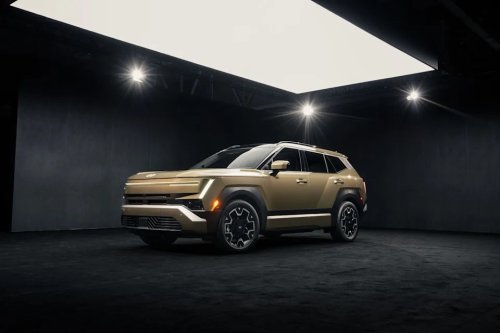
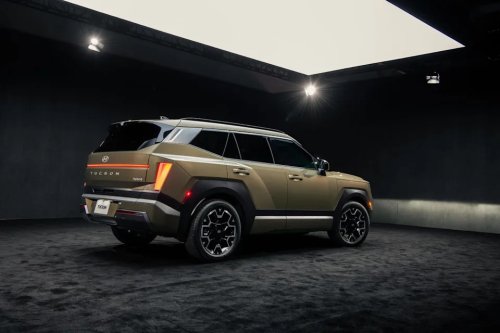
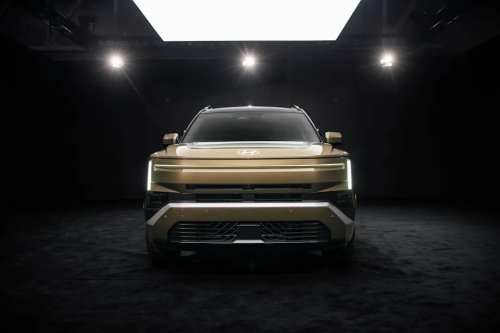
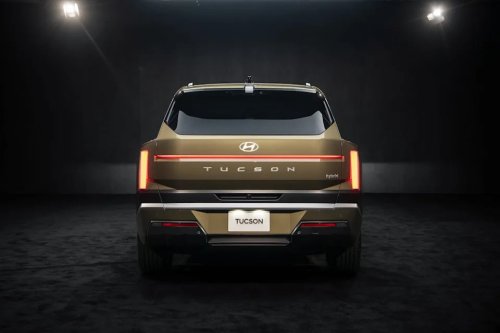
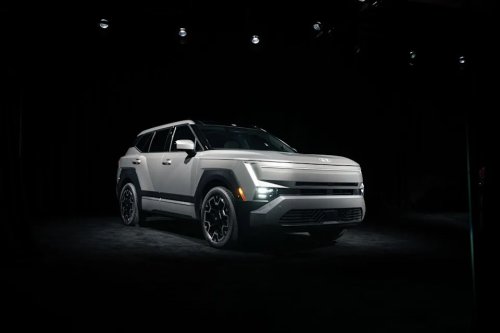
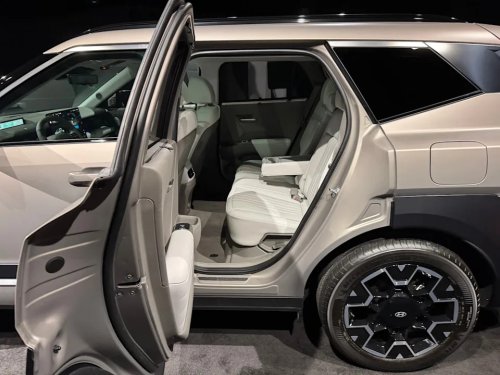
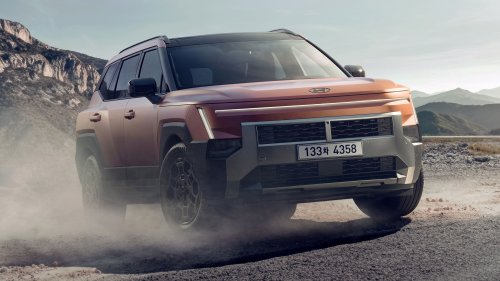
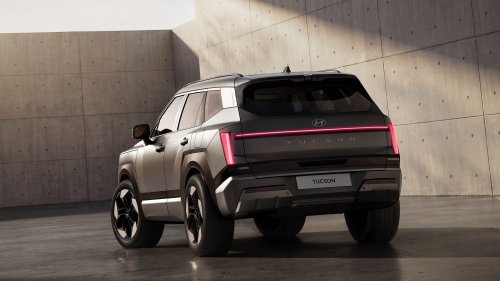
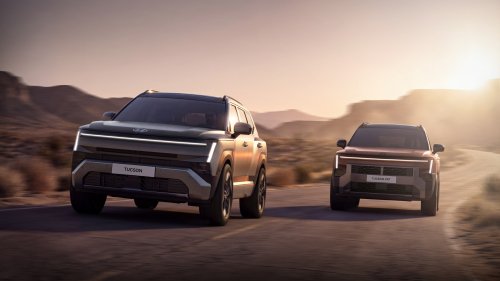
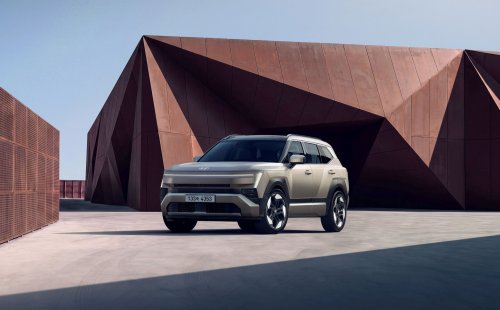
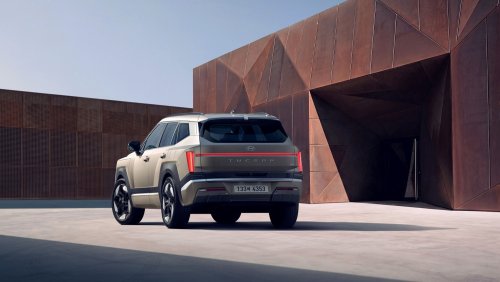
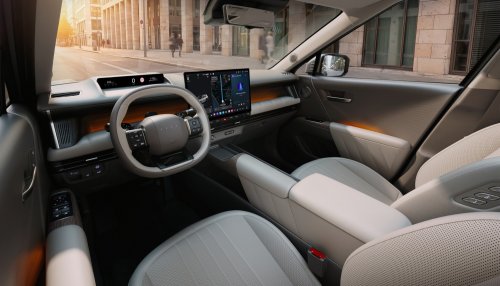
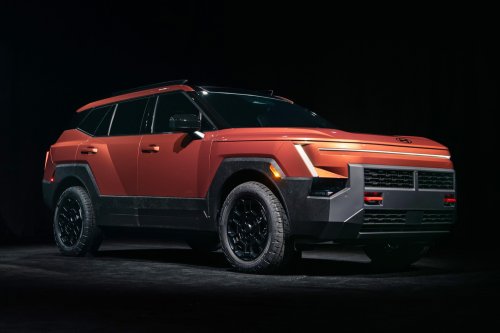
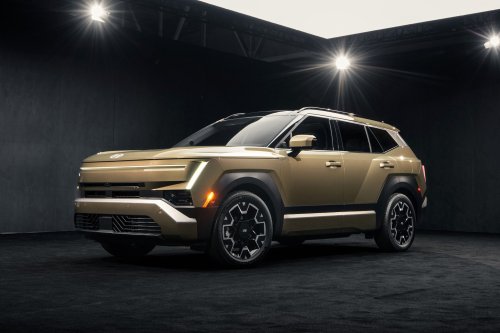
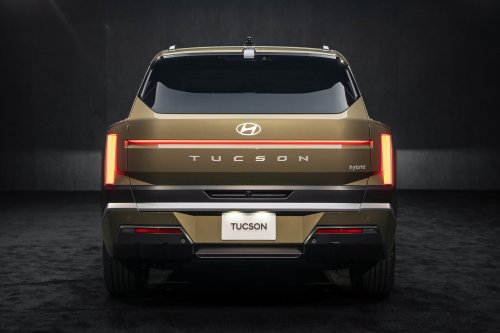
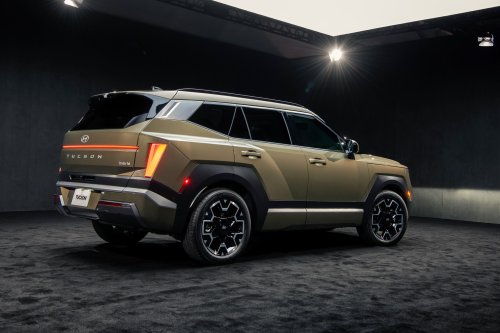
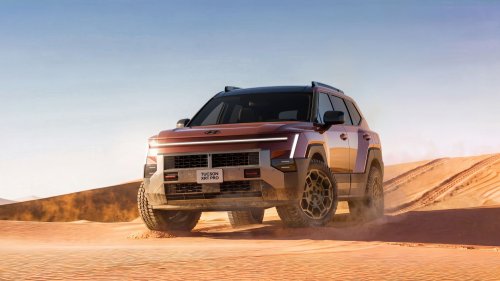
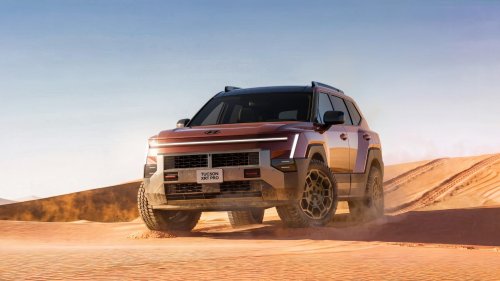
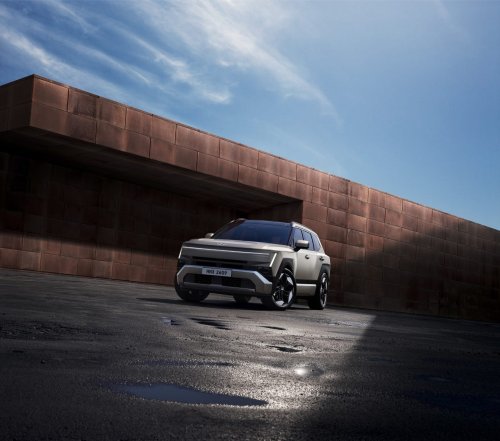
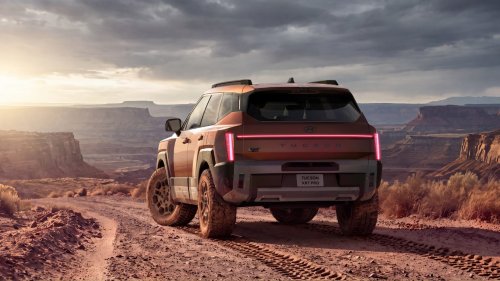
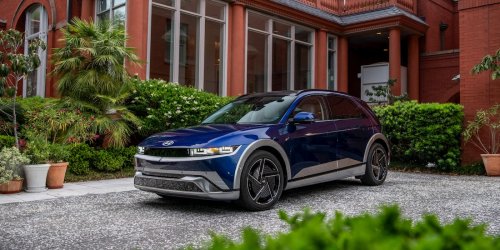
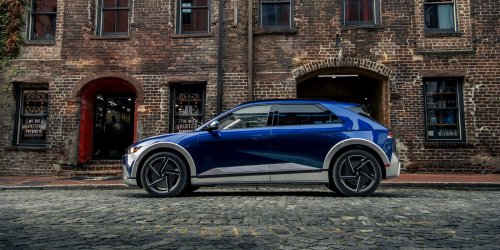
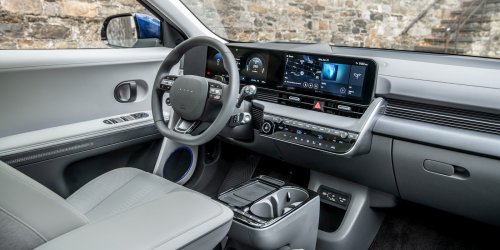
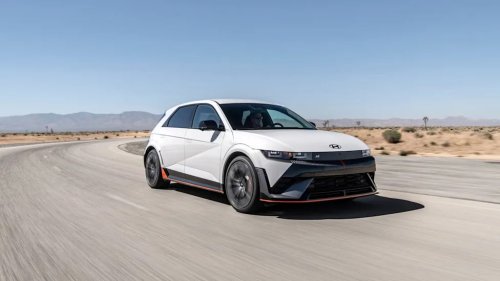
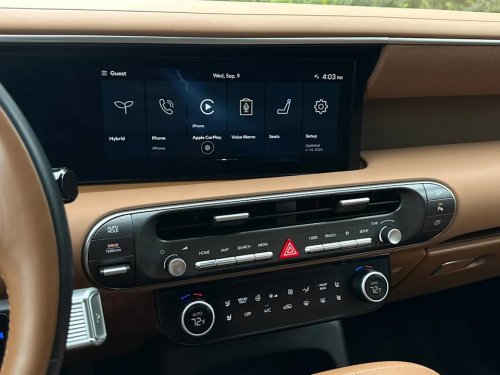
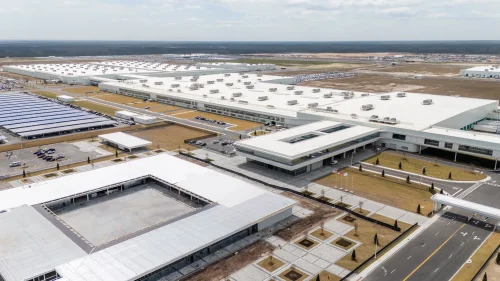
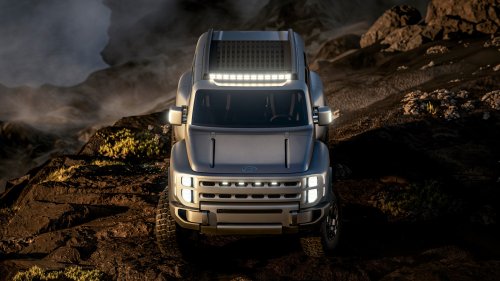
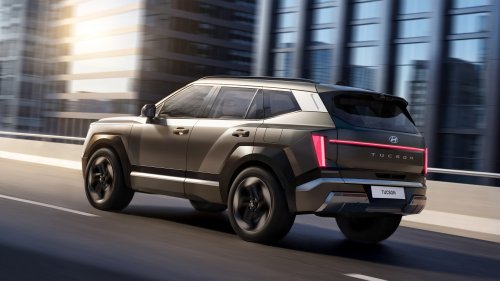
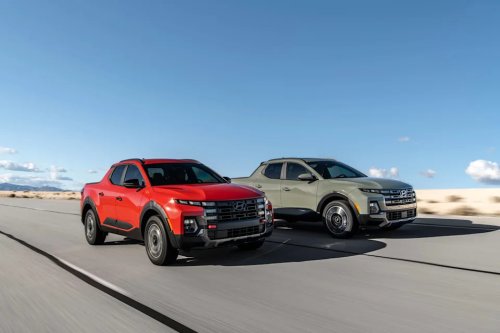
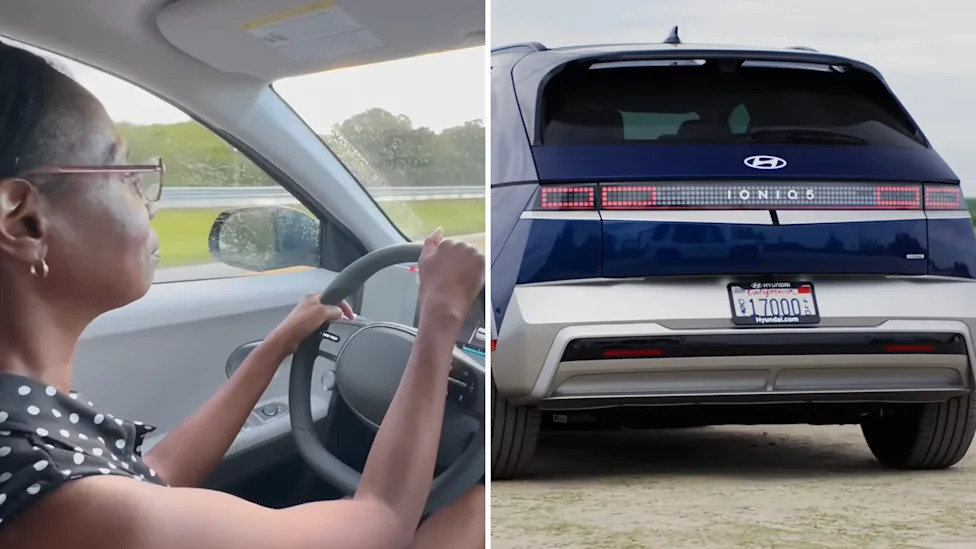
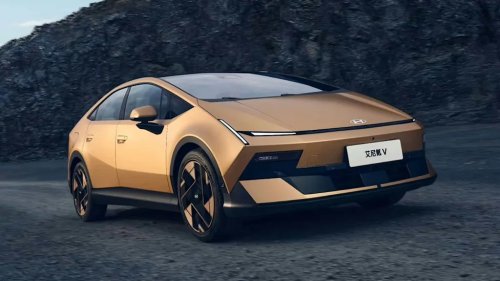
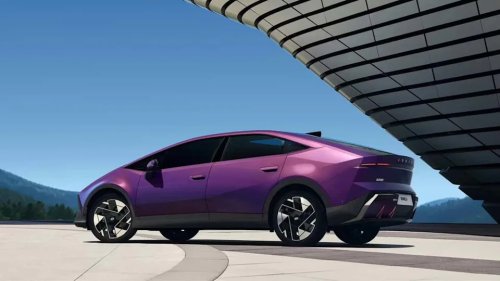
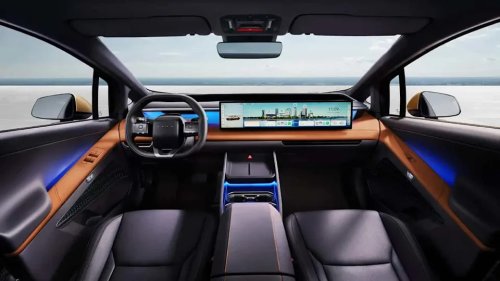
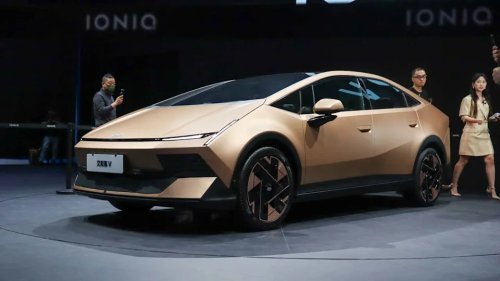
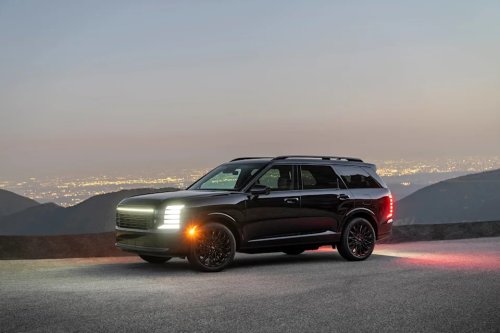
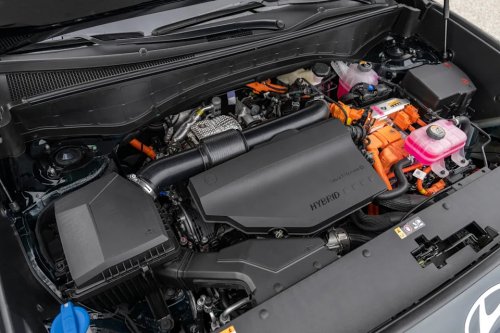
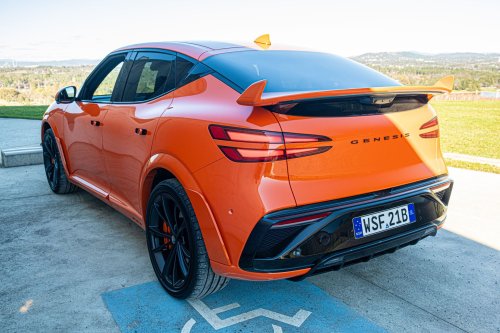
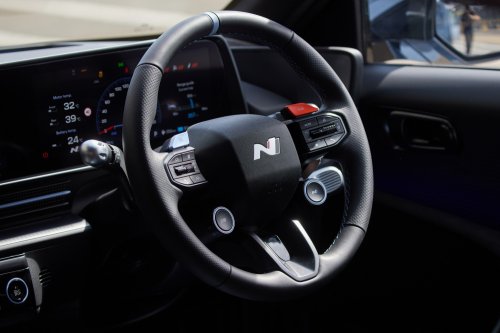
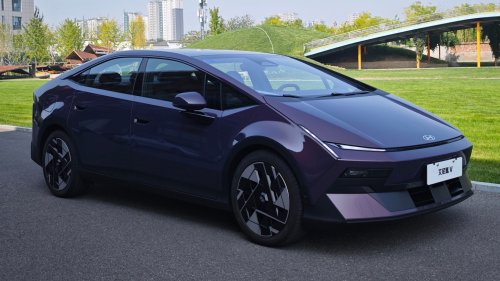
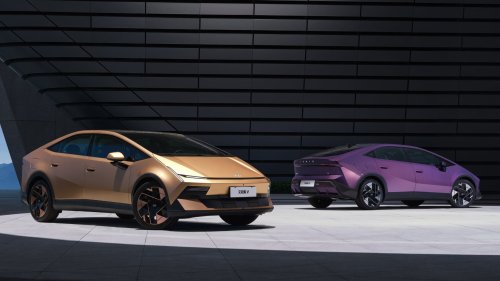
Image Credit: Hyundai.Hyundai is preparing one of the largest product offensives in the auto industry, with plans for more than 100 new or significantly refreshed vehicles globally by 2030. The roadmap covers everything from affordable EVs and range-extended SUVs to pickups, luxury models, and a considerably larger family of N performance cars.North America will receive particularly heavy attention, with Hyundai planning 58 launches in the region through the end of the decade. Genesis alone is expected to account for 22 of those launches, although Hyundai's figures include new variants and updates rather than 100 entirely separate nameplates.Electrification is still a major part of the strategy, although Hyundai isn't betting exclusively on battery-electric vehicles. Hybrids and range extenders will play increasingly important roles, including a Santa Fe EREV expected in the first half of 2027 with a targeted combined range exceeding 600 miles.AdvertisementAdvertisementHyundai didn't forget about enthusiasts either. Wanting its N division to grow substantially, the Korean carmaker is developing another tier of performance vehicles below full N models and has even teased a future front-engine platform capable of supporting rear- and all-wheel drive.Hyundai Is Going After Nearly Every SegmentImage Credit: Hyundai.The sheer number of planned launches illustrates how aggressively Hyundai intends to expand. Beyond the 58 North American launches, the automaker is targeting 49 in Korea, 41 in Europe, 26 in India, and 22 in China by 2030.Some vehicles will take Hyundai into segments where it currently has little presence. Most notably for North America, the company confirmed plans for body-on-frame products, including a midsize pickup, potentially giving Hyundai a much more direct competitor to traditional trucks.Europe will receive five new electric crossovers and commercial vehicles as Hyundai works toward a fully electrified regional portfolio. The company wants European EV sales to rise from roughly 116,000 units in 2025 to over 420,000 annually by 2030.Range Extenders And Better Batteries Are ComingHyundai's upcoming Santa Fe EREV will combine electric propulsion with a combustion engine used to extend driving range. Production is planned for Hyundai Motor Manufacturing Alabama, while Genesis is preparing its own range-extended SUV for 2027 with a targeted combined range exceeding 640 miles.AdvertisementAdvertisementBattery technology is advancing alongside those vehicles. Hyundai says new mid-nickel NCM cells arriving next year should reduce battery costs by approximately 30 percent while offering 30 percent greater energy density than similarly sized LFP batteries.The company is also developing its cloud-based battery management technology, with improvements targeted for 2028 that Hyundai says could increase average battery lifespan by around 20 percent. Meanwhile, global manufacturing capacity is set to increase by 1.27 million vehicles, including an additional 500,000 units of capacity in North America.Hyundai N Is About To Get Much BiggerImage Credit: Hyundai.Perhaps the most interesting news for enthusiasts concerns Hyundai N. The company wants annual performance-model sales to reach 100,000 units by 2030, compared with approximately 20,000 full N vehicles sold in 2025.Helping achieve that goal will be a new performance category positioned between the N Line and the full-blown N range. Hyundai CEO José Muñoz described these vehicles as using powertrains and components derived from N models while offering a more everyday-friendly experience.AdvertisementAdvertisementThat could be a compelling middle ground. N Line models largely emphasize appearance and modest chassis improvements, while cars such as the Elantra N and Ioniq 5 N receive extensive performance hardware; this unnamed category could bring genuine N engineering to buyers who don't necessarily need a track-focused package.A Rear-Wheel-Drive Hyundai Could Be On The WayHyundai also revealed something especially intriguing in its future performance roadmap: an unnamed model based on a new front-engine, rear-wheel-drive/all-wheel-drive architecture. Details remain scarce, and Hyundai hasn't confirmed what body style the vehicle will use.The company is exploring several other performance opportunities, including an entry-level SUV, compact EV, premium SUV, and luxury GT. Hyundai plans to expand the full N portfolio beyond seven models and sell performance vehicles across approximately 40 markets.There's still plenty we don't know about these future cars, and many of them are years away. However, Hyundai's roadmap suggests the company intends to compete in an unusually wide range of segments — including several that should give enthusiasts something to look forward to; I know I certainly am!AdvertisementAdvertisementIf you want more stories like this, follow Guessing Headlights on Yahoo so you don't miss what's coming next.





















![Hyundai is testing a smaller EV — could it be the IONIQ 4? [Video]](https://cdn.topcarnews.net/thumb/id/aHR0cHM6Ly9pMC53cC5jb20vZWxlY3Ry-ZWsuY28vd3AtY29udGVudC91cGxvYWRz-L3NpdGVzLzMvMjAyNi8wMi9IeXVuZGFp-LUlPTklRLTEtRVYtZnJvbnQuanBlZz93-PTE1MDAmYW1wO3F1YWxpdHk9ODImYW1w-O3N0cmlwPWFsbCZhbXA7c3NsPTE/62d7459438201b3f1399106554e467d7.jpeg?t=20261007&post_id=68203)