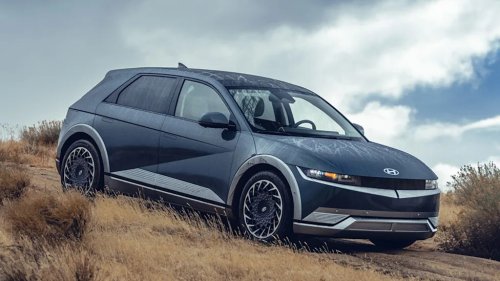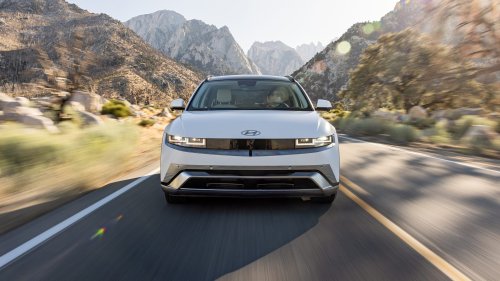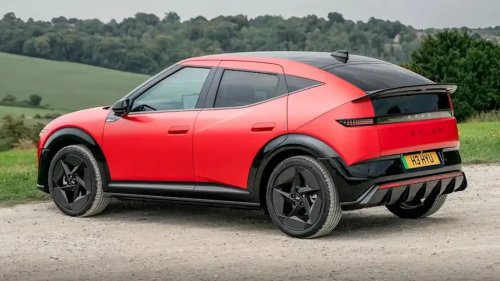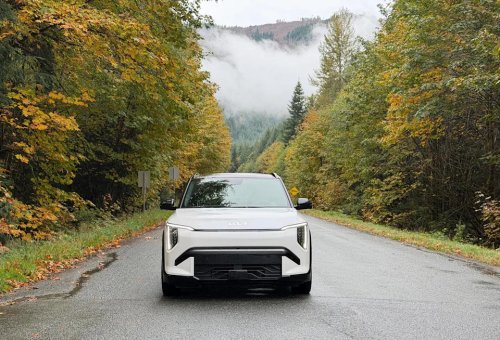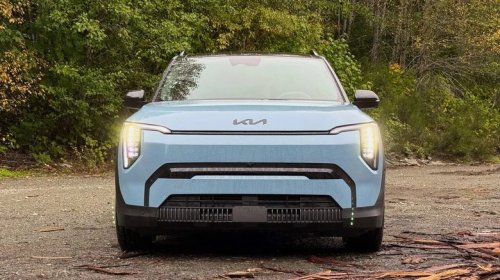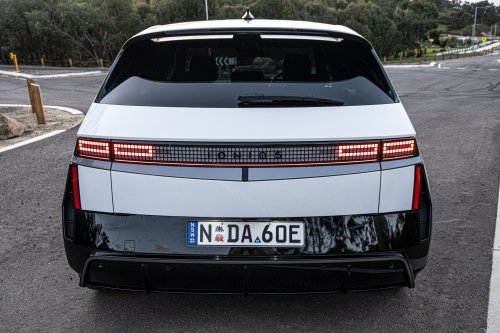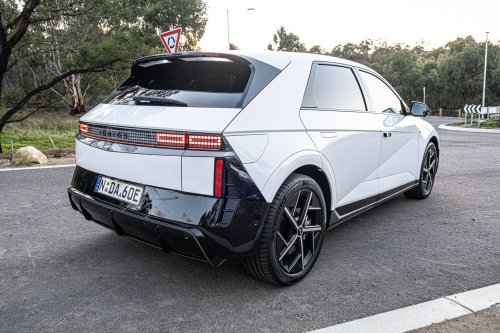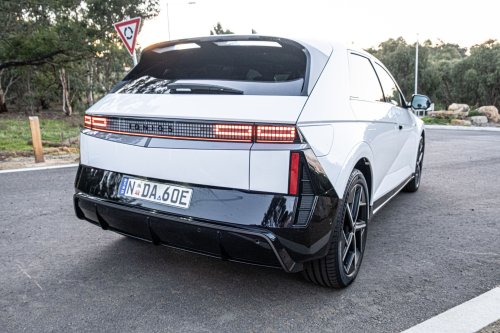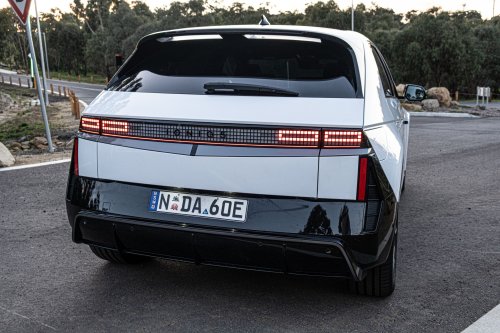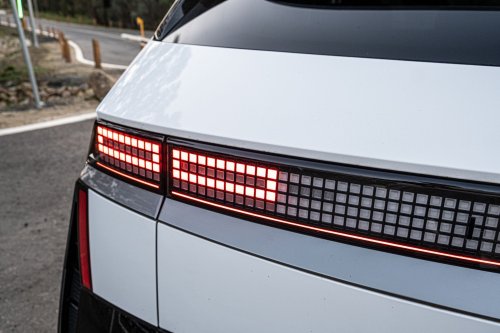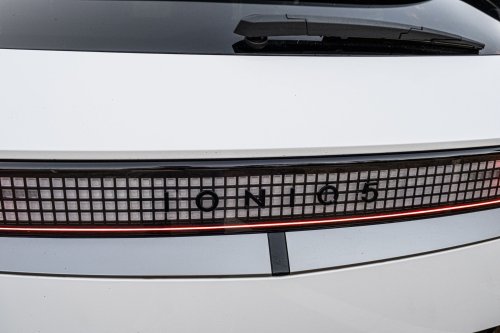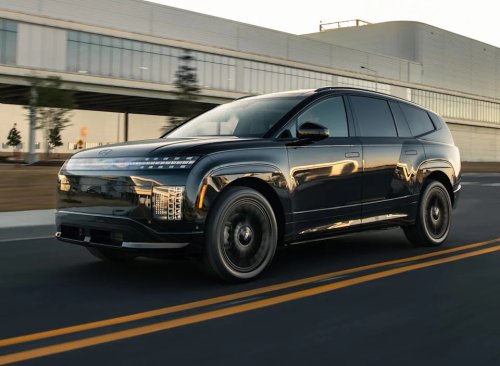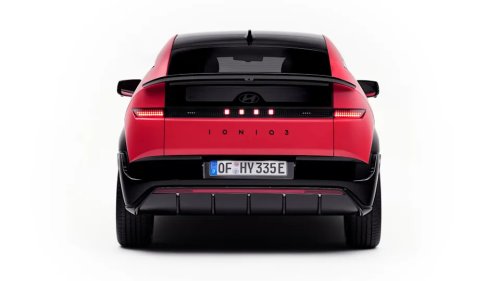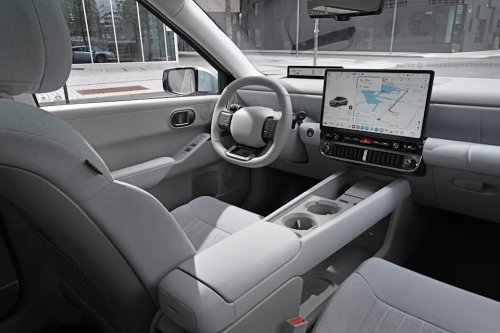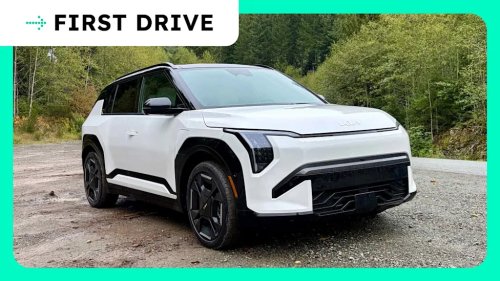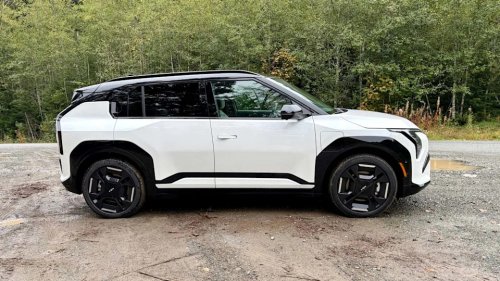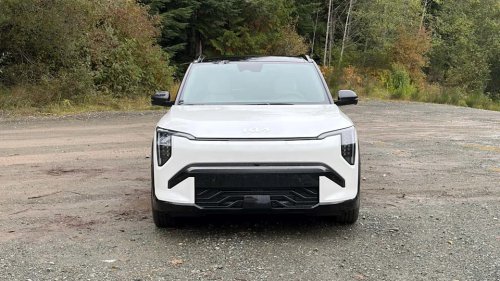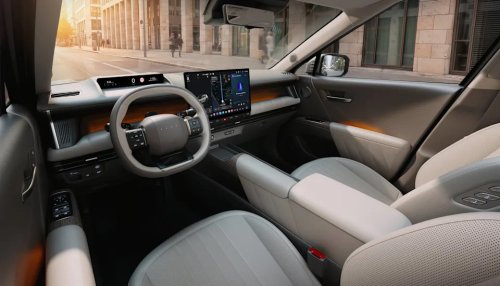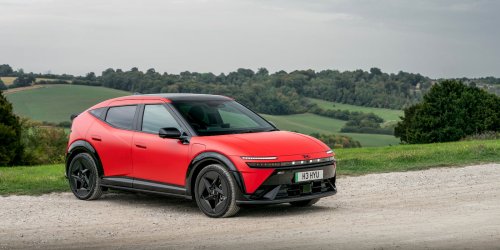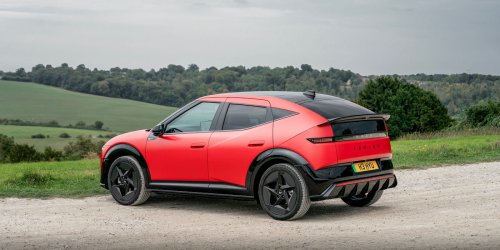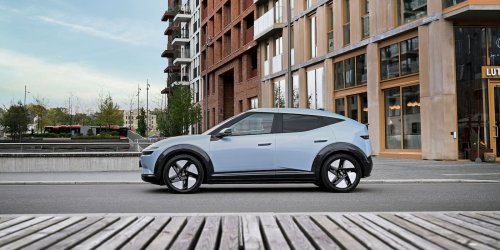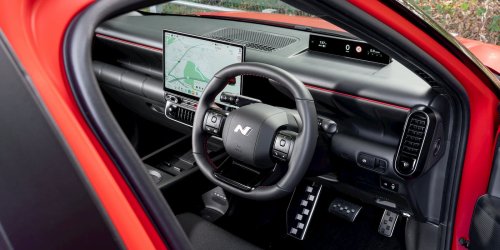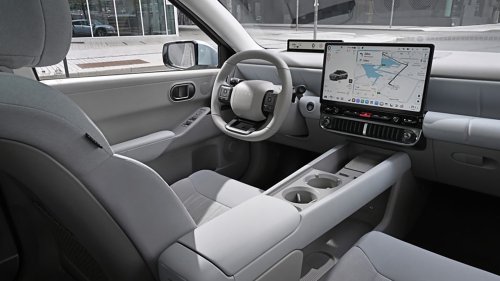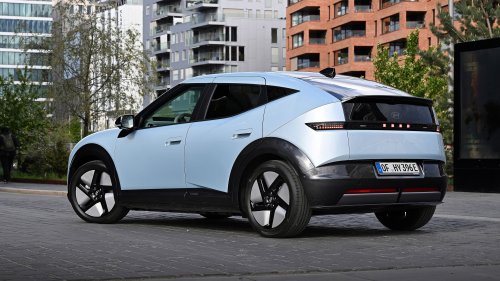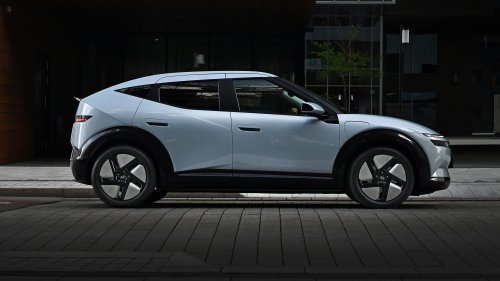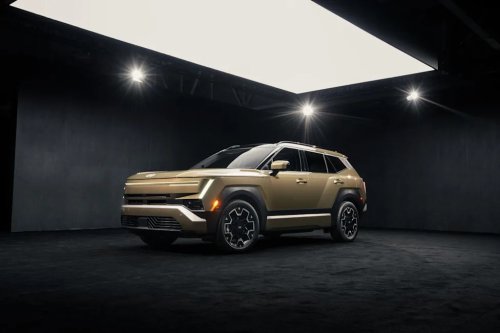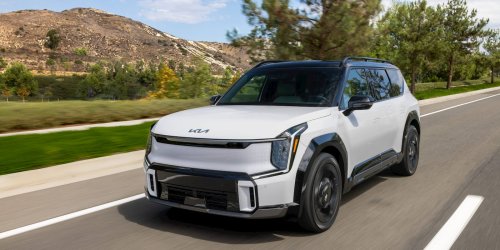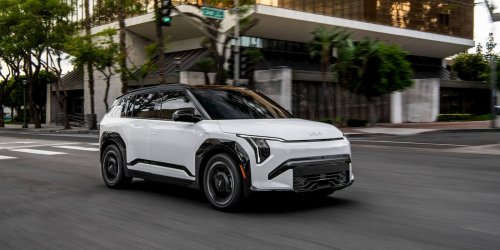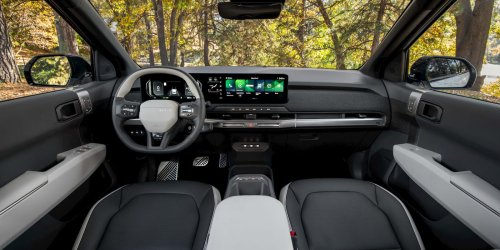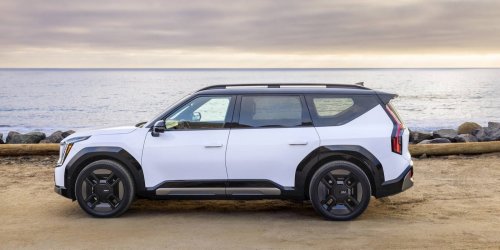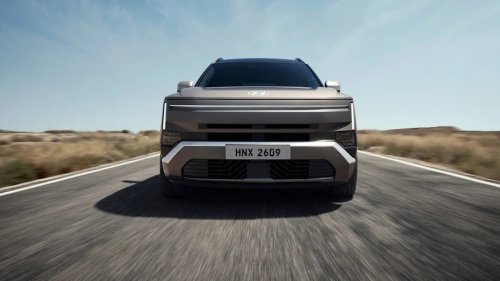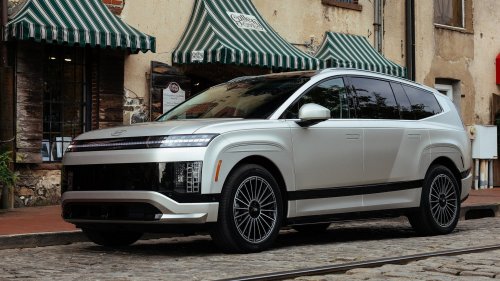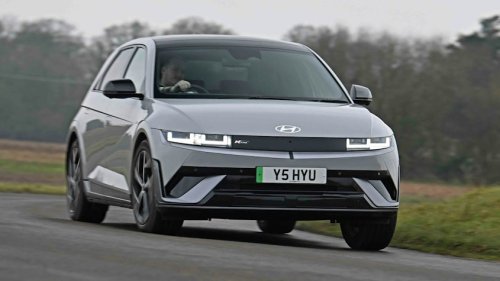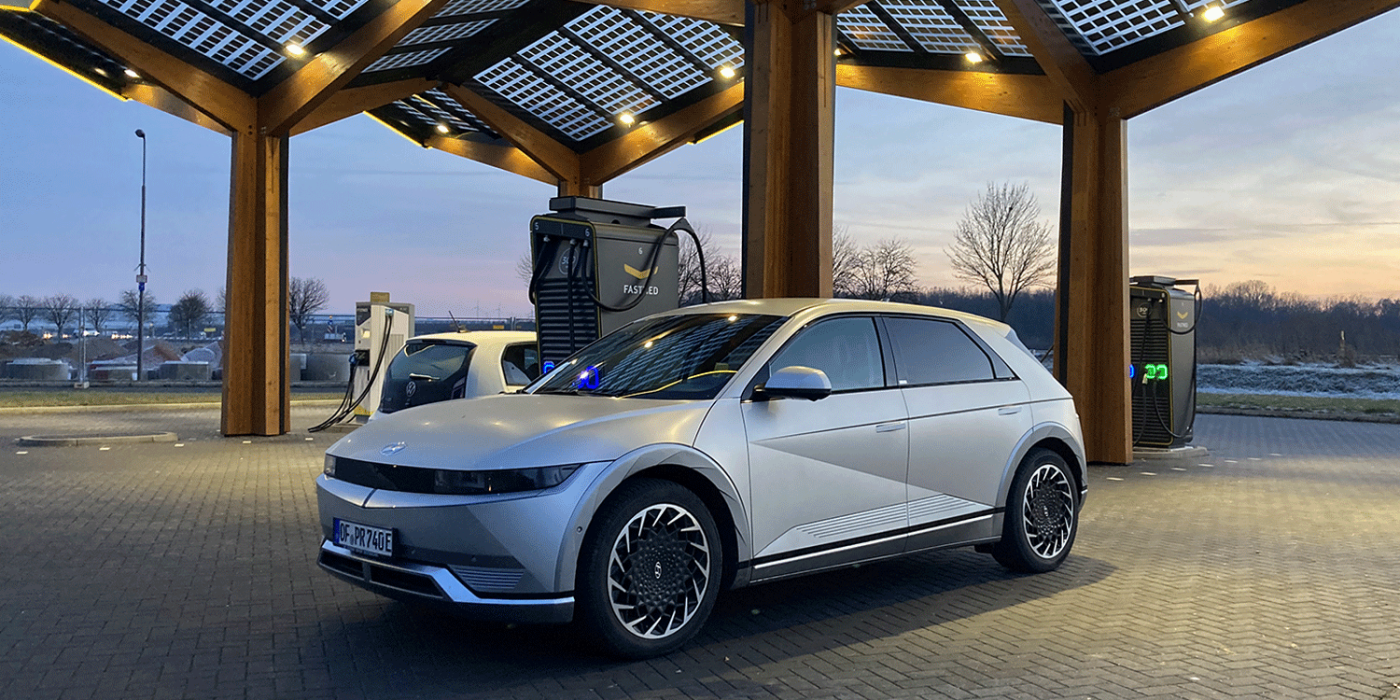



















A Hyundai Ioniq 5 from the 2021 model year.In 2021, Hyundai Motor Company launched the Hyundai Ioniq 5 as the first 800-volt battery-electric model in the volume segment, with sister brand Kia Corporation following shortly after with the comparable Kia EV6. Based on the dedicated Electric Global Modular Platform (E-GMP), both models delivered strong charging performance at competitive prices—cutting charging times below those of the benchmark at the time, the Porsche Taycan. It marked a rare case of a Hyundai model outperforming a Porsche in this area.However, like many new platforms, the E-GMP has faced reliability issues—particularly with the Integrated Charging Control Unit (ICCU) used by Hyundai Motor Company and Kia Corporation. Located beneath the rear seat on the battery pack, the ICCU combines several key charging functions into a single unit, including the 11 kW onboard charger and bidirectional charging for vehicle-to-load (V2L).In practice, the component has proven vulnerable: failures can occur without warning. When the ICCU fails, it not only disables charging but can immobilise the entire vehicle due to its central role in the drivetrain system—often requiring the car to be towed. Reports indicate that this has also affected vehicles that had already received a replacement unit following an earlier ICCU defect.While these issues were initially covered under warranty for new vehicles, they pose increasing risks for owners over time. Replacement has also proven challenging, with some vehicles spending weeks in workshops due to limited spare parts availability—potentially leading to high repair costs.15-year or 300,000-kilometre warranty for the ICCUAs the German electric vehicle expert Stefan Moeller from the EV rental company Nextmove reports in his show NextNews, Hyundai and Kia have significantly extended the warranty for ICCU-related defects in Germany. Following Finland’s lead, the ICCU warranty has been extended to 15 years from the date of first registration or up to 300,000 kilometres—whichever comes first. Other European markets are expected to follow suit.For Hyundai, the extended warranty applies to Hyundai Ioniq 5 models built up to April 2024 and Hyundai Ioniq 6 units produced until September 2024. “All Ioniq 5 and Ioniq 6 vehicles manufactured after April 2024 (Ioniq 5) and September 2024 (Ioniq 6) are already equipped with an ICCU featuring an optimised design,” Hyundai Deutschland said in a statement.At Kia, the measure covers eligible pre-facelift versions of the Kia EV6 and EV6 GT built before 15 June 2024, for which the company is also granting an extended ICCU warranty.Hyundai further stated that ‘in the event of an issue with the ICCU, the repair is covered by the Hyundai manufacturer’s warranty.’“At Kia, we are aware of the issues affecting certain ICCUs in the Kia EV6 and EV6 GT manufactured before 15 June 2024 (pre-facelift). To address these issues, Kia launched a recall campaign in 2024, followed by several software updates to improve system robustness,” said Kia Deutschland. “While these measures have reduced the number of incidents, Kia remains committed to maintaining its high standards and providing customers with the peace of mind they expect from its product portfolio.”As reported, even some replacement ICCUs have failed again, meaning the issue may not yet be fully resolved. However, affected customers are now better protected, as Hyundai Motor Company and Kia Corporation will cover the costs associated with this defect under the extended warranty. EV expert Moeller described the move as ‘highly impressive,’ adding that ‘other manufacturers could learn a thing or two from this.’youtube.com (in German)