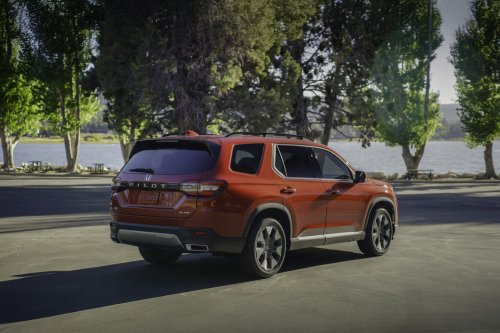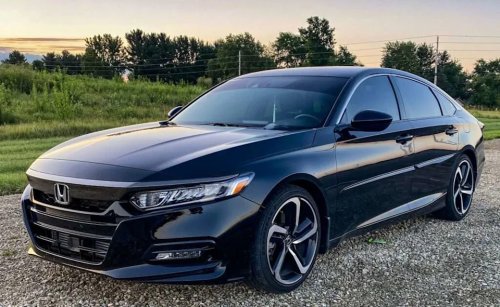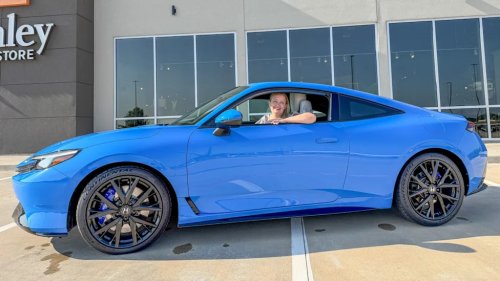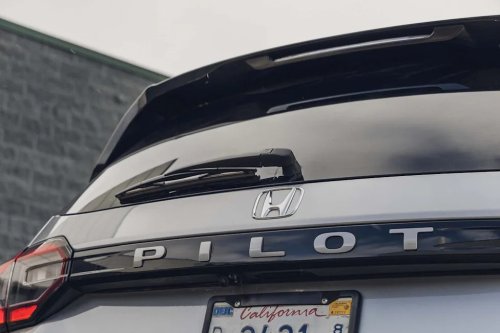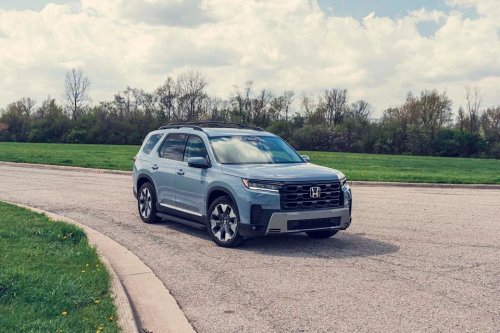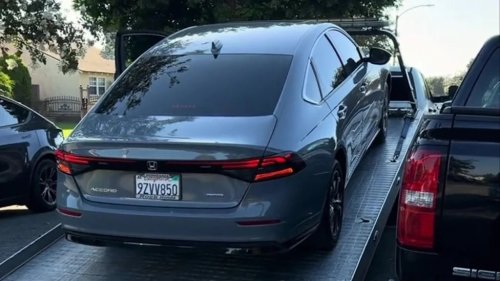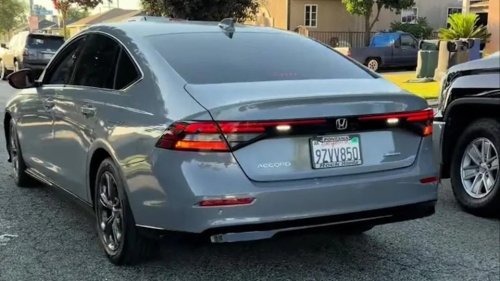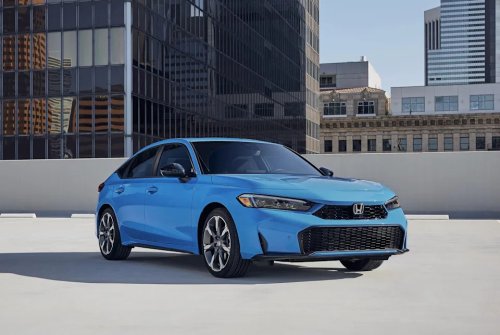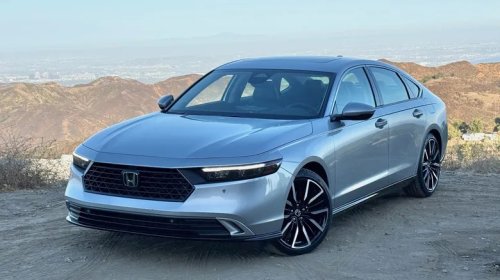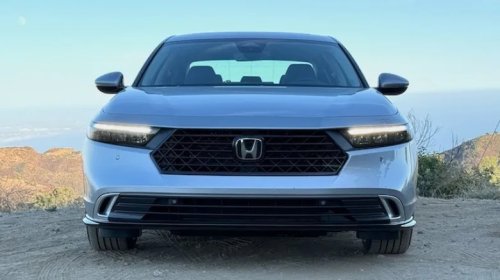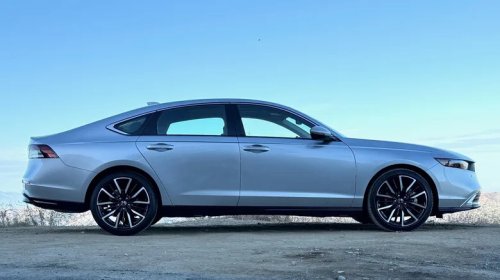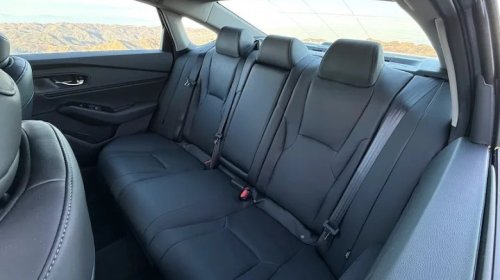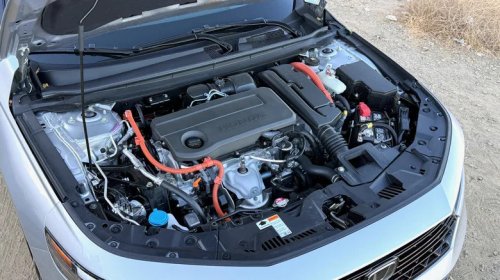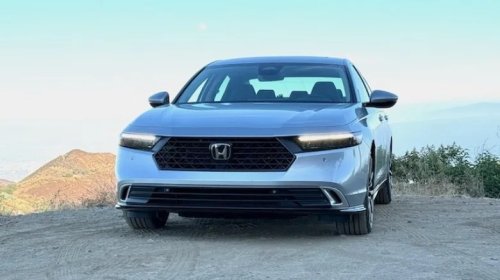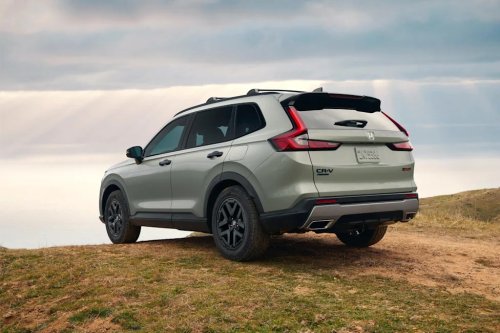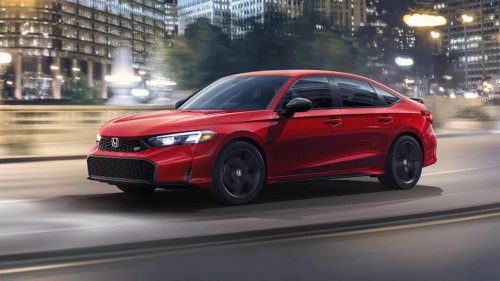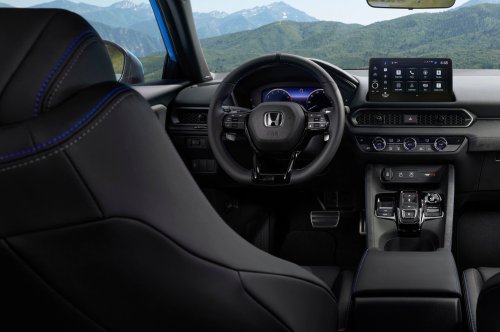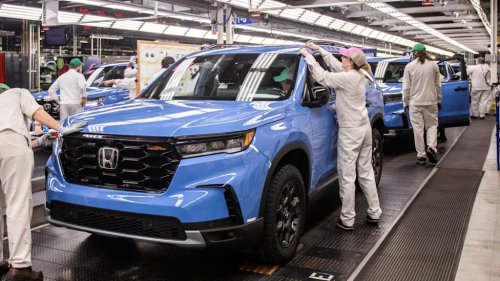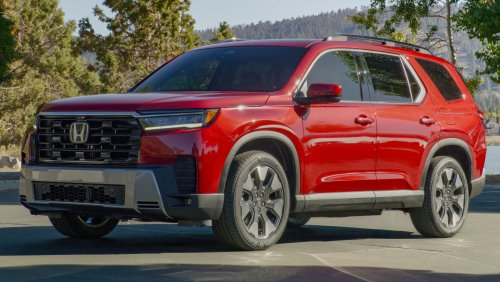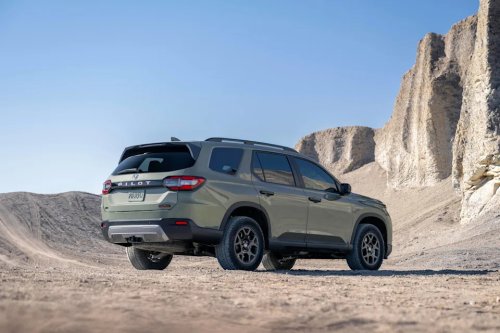



















Hunting a gas-saver car? Feds say start your search with HondaShoppers watching every dollar at the pump are getting a clear signal from Washington: if fuel economy matters, Honda belongs at the top of the list. Federal efficiency data now show the brand delivering some of the stingiest gasoline use among full-line automakers, turning a long-standing engineering reputation into a measurable edge for drivers. For anyone hunting a gas-saver car, that federal nod effectively makes Honda the default starting point. Why does federal data point straight to Honda Federal regulators have handed Honda something every marketing department craves: independent confirmation that its cars sip less fuel than rivals. The latest U.S. Environmental Protection Agency Automotive Trends analysis ranks Honda as the most fuel-efficient full-line automaker in the United States, with an average of 31.0 m miles per gallon across its fleet, according to the Key Points summary of the EPA Automotive Trends Report. That figure puts Honda ahead of other gasoline-focused brands and confirms that its efficiency reputation is not just folklore but a quantifiable lead in the official numbers. Honda itself highlights that the EPA has named it the number one Full Line Automaker in Fuel Efficiency in the Latest U.S. EPA Trends Report, reinforcing that this is not a niche victory limited to a handful of eco-specials but a reflection of performance across sedans, hatchbacks, and sport utility vehicles. The company frames this result as part of a long effort to balance lower emissions with accessible pricing, noting that its fleet fuel economy leadership comes while it still sells a broad mix of mainstream models, as reflected in its own Honda is #1 announcement. For buyers, the takeaway is straightforward: if the goal is to cut gasoline use without abandoning conventional cars, federal regulators say Honda is the logical first stop. How Honda’s lineup earns its gas-saver reputation The federal rankings are only as strong as the vehicles behind them, and Honda’s showroom provides a deep bench of efficient choices that help explain the EPA results. Independent dealership data show that the brand’s most frugal models cluster around compact sedans and hybrids, with the question “What Honda Gets The Best Gas Mileage?” answered by a table that lists city, highway, and combined figures for each Honda model, including the City MPG, Highway MPG, and Combined Fuel ratings for standouts like the Civic and Accord hybrids. That breakdown, compiled by a dealer that tracks the best Honda fuel, illustrates how multiple entries in the lineup now push well into the 40-mile-per-gallon range on the highway and beyond 50 miles per gallon in combined hybrid driving. Shoppers trying to choose between core nameplates will also find that efficiency is baked into the mainstream trims, not just special eco badges. A comparison of Does the Civic, Accord Get Better Gas Mileage reports that the 2025 Honda Civic can generate 41 highway mpg, while the 2025 Honda Accord also performs strongly with its standard gas turbocharged engine, showing that even non-hybrid versions are tuned for thrift. That analysis from a regional retailer, which pits the Honda Civic against its larger sibling, underscores that buyers do not have to sacrifice everyday usability or step into a plug-in to see meaningful fuel savings. The hybrids and SUVs that stretch every gallon While efficient gasoline engines carry much of Honda’s fleet average, the brand’s latest hybrids and crossovers show how far it can stretch a gallon when electric assistance joins the mix. The 2026 Honda Accord Hybrid, for example, is available in multiple trims and uses an electronically controlled continuously variable transmission to deliver smooth acceleration along with optimized efficiency, allowing longer distances between refueling stops according to Accord Hybrid fuel research. Earlier dealership analysis of What Honda Gets The Best Gas Mileage lists the Accord Hybrid at a combined 52 mpg, a figure that places it among the most efficient midsize sedans on sale and a direct contributor to Honda’s strong EPA standing. On the utility side, Honda is pushing a similar strategy, pairing popular SUV shapes with hybrid systems that soften the blow of higher weight and taller profiles. A detailed guide titled Understanding the Best Gas Mileage SUVs for 2026 Honda explains that the Honda CR-V Hybrid can reach up to 40 MPG city and 34 MPG highway, while other models, such as the HR-V and Pilot, offer more modest but still competitive figures, giving SUV buyers a clear efficiency ladder within the brand. That same overview from a Nebraska retailer describes how the Understanding the Best lineup balances cargo space, All Wheel Drive, and fuel use, which helps explain why Honda’s SUV mix does not drag down its fleet average as sharply as some competitors. What the federal nod means for shoppers’ wallets For consumers, the practical question is what that efficiency leadership translates to in dollars and cents. Federal analysis of automaker fleets shows that a brand with a higher average fuel economy can save a typical driver thousands of dollars in gasoline over a vehicle’s life compared with less efficient rivals, and Honda’s 31.0 m mpg average puts it near the top of that savings curve. A detailed policy overview notes that Honda is the most fuel-efficient automaker in the United States according to the latest Environmental Protection Agency data, with an average transaction price around 35,000 dollars, which means buyers are not being asked to pay luxury money for lower emissions and fuel use. That assessment, which describes how Honda leads in, links the EPA numbers directly to real world cost of ownership. The federal guidance that gas-conscious shoppers should begin their search with Honda reflects this blend of efficiency and affordability. Coverage of the EPA rankings points out that if fuel economy is a top priority, regulators effectively recommend starting in a Honda showroom, where multiple sedans and SUVs deliver class-leading mileage without exotic technology or premium price tags, a point captured in an analysis that notes how the feds suggest starting with a gas-saver car. For drivers facing volatile fuel prices and stricter household budgets, that federal seal of approval turns Honda’s efficiency record into a practical shopping shortcut, shrinking the search field to a brand whose engineering choices are already vetted by the same agency that writes the rules. More from Fast Lane Only Unboxing the WWII Jeep in a Crate 15 rare Chevys collectors are quietly buying 10 underrated V8s still worth hunting down Police notice this before you even roll window down