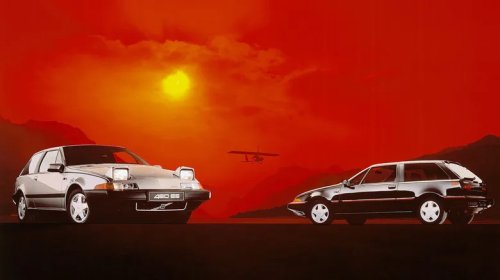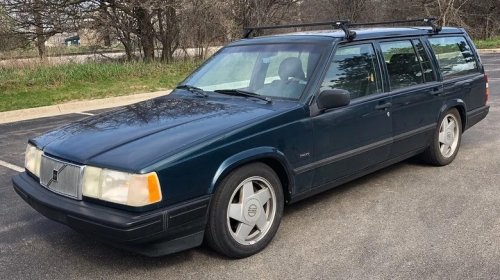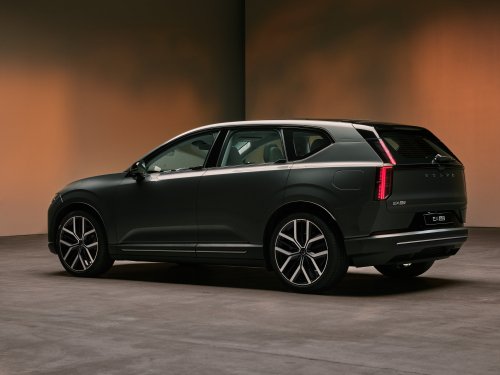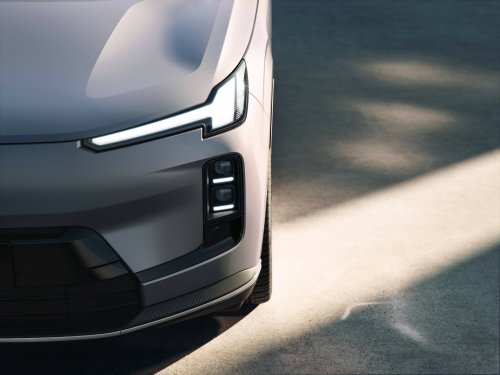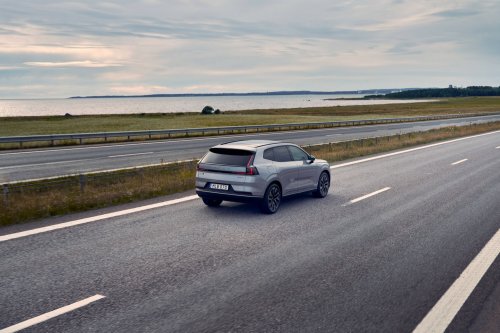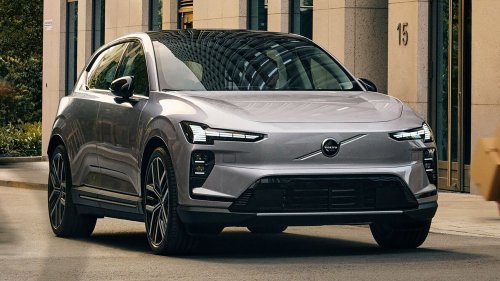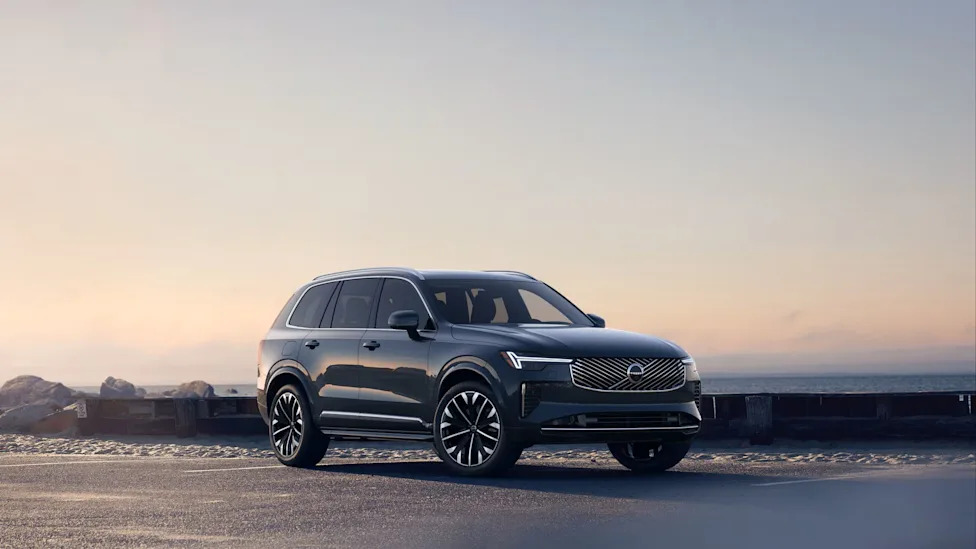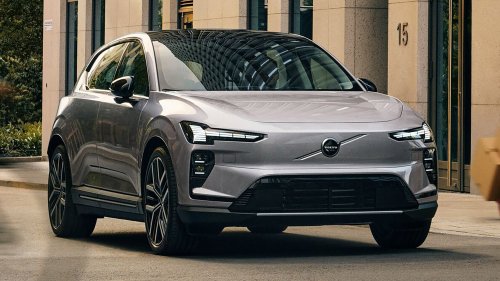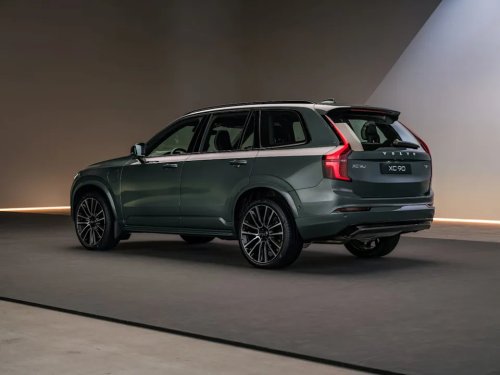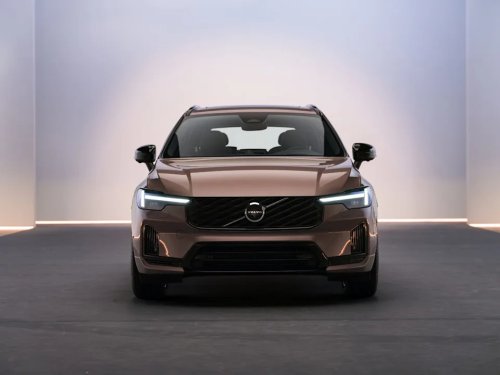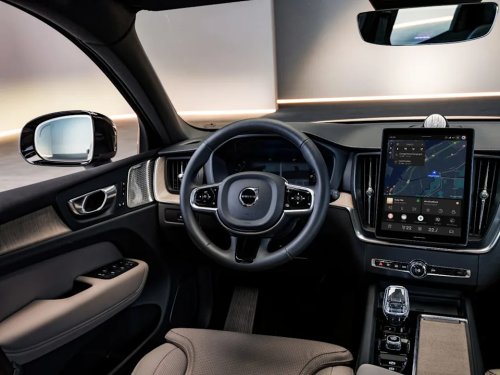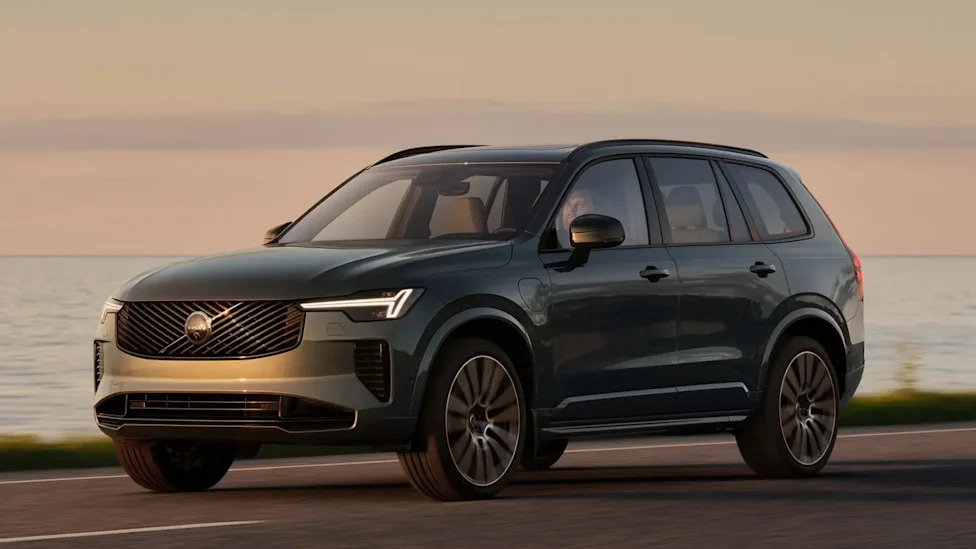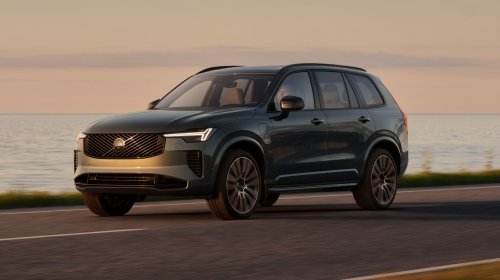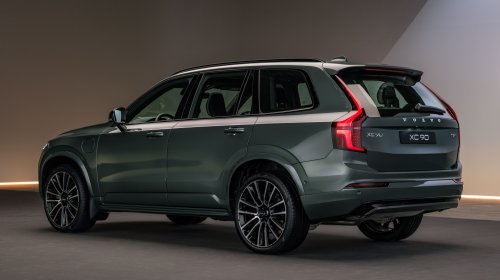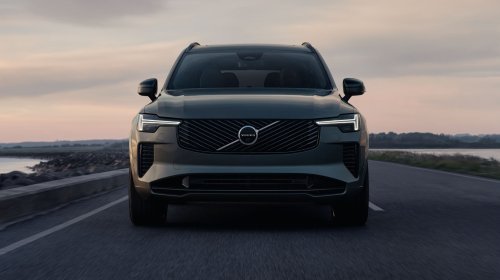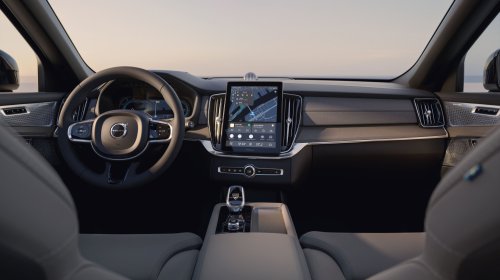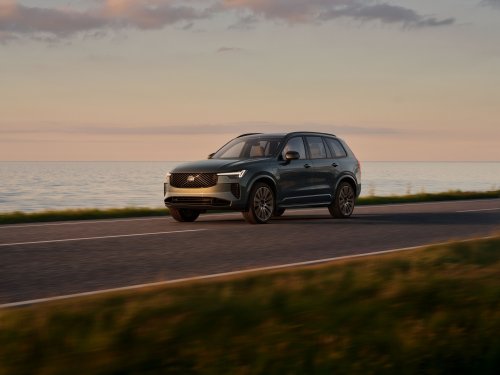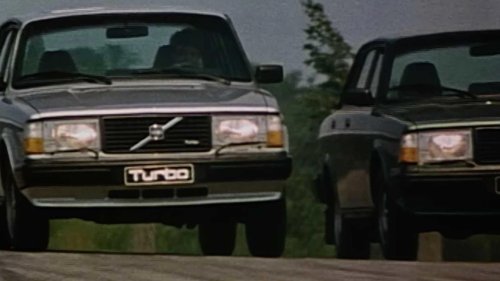
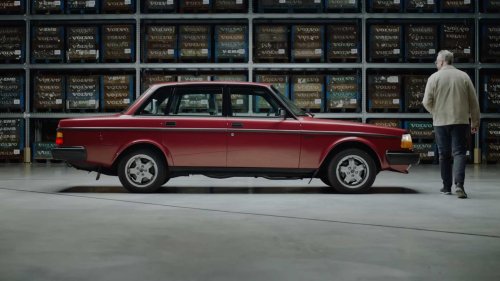

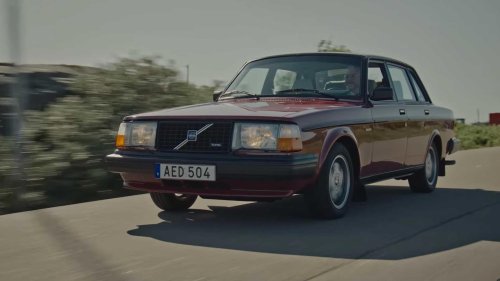
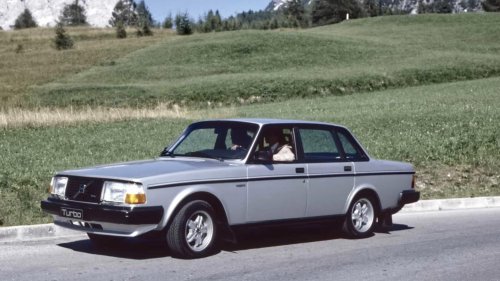
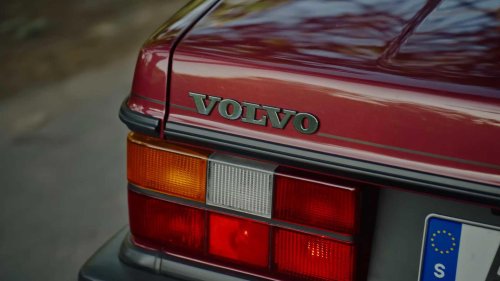
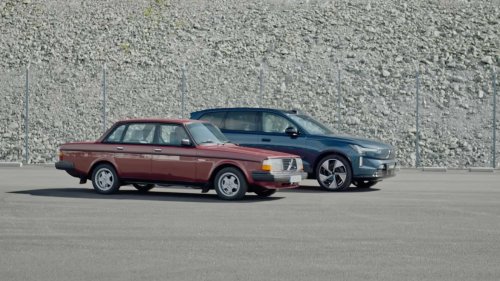
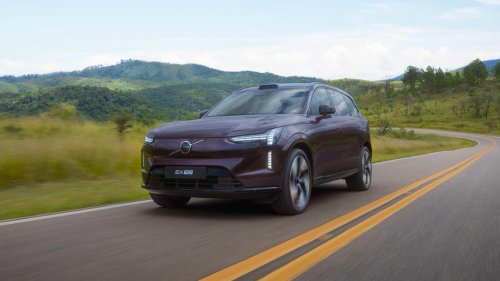



















For most car enthusiasts, or even people who don’t have a strong connection to the car world, when thinking of the name “Volvo” a few words come to mind: safe, sensible, family-friendly. With a lineup that once focused on practical sedans and wagons, and is now primarily oriented towards ultra-safe SUVs, the brand isn’t exactly known for being sporty.However, what many don’t know is that the Swedish automaker was responsible for building a car that earned the title of world’s fastest production wagon when it was introduced. We’re talking about the 240 Turbo, created as a homologation car that allowed Volvo to excel in the world of motorsport. Volvo recently celebrated this classic model in a YouTube video, which showcases its racing origins and its role in transforming a family car into an iconic sports sedan.Let’s take a closer look at the 240 Turbo, its history, and the legacy it has left behind in Volvo’s lineup today. The 240 Turbo: Volvo's First Turbocharged Road Car VolvoThe 240 Turbo is not like other Volvos. It may not seem that way when looking at it from the outside: the boxy silhouette and unassuming appearance make it look like any other Volvo sedan of the era. Under the surface, however, is a rare, hidden gem with a helping of motorsport DNA, which left its mark on Volvo’s history for one very important reason: it was the brand’s very first production turbocharged vehicle.The 240 Turbo traces its origins to the racing world: the production version of the model was created for homologation purposes to allow Volvo to compete in Group A racing. The requirement at the time was for automakers to build at least 5,000 production cars, plus 500 upgraded “evolution” cars. The 240 Turbo’s production run lasted between 1981 and 1985, with somewhere between 15,000 and 25,000 units built in total (including, of course, the 500 examples of the 240 Turbo Evolution). During this period, its racing counterpart racked up victories in various areas of touring car racing and rallying, including the European Touring Car Championship and the Scottish Rally Championship among others.Volvo At the heart of the 240 Turbo we find two variants of the B21 inline-four engine, a 2.1-liter unit equipped with a Garrett turbocharger. The version of the model sold in the US was equipped with the B21FT, which produced 130 horsepower (later going up to 162 hp due to the addition of the Intercooler Boost System) and 150 lb-ft of torque. The European-spec version, on the other hand, was fitted with the B21ET, which produced 145-155 hp and 167 lb-ft of torque. The higher power output came from the absence of additional emissions control equipment installed on the US model due to local emissions regulations.The 500 Evolution cars sported upgraded engine control systems, larger turbochargers, and a system pioneered by Volvo called Water Turbo Traction (which injected water directly into the engine’s intake). This system was used for cooling, increasing air density, and preventing “engine knock”, which allowed for higher boost pressure and higher power output.It was the fastest wagon ever built at the time. It would be easily surpassed by any modern wagon, but at the time, its top speed was impressive. Volvo's Brand Image: Far Removed From The World Of The 240 Turbo VolvoAs most car enthusiasts will know, the 240 Turbo and its sporty character are somewhat of an exception to the brand image Volvo has built over the years. The company’s primary focus is safety and practicality, rather than performance; although Volvo has been involved in motorsport over the decades, racing is not a primary component of its brand identity.Volvo has been responsible for introducing several safety features to the automotive world over the course of its history, many of which have now become ubiquitous and/or mandatory in most countries around the world. One of the most famous examples is the three-point seatbelt, which was created by Volvo engineer Nils Bohlin in 1959 and pioneered on the PV544.Volvo Volvo chose to open the patent for its invention, which meant other automakers could access the design and implement it on their own models free of charge. As a result, the popularity of the three-point seatbelt quickly grew, and by the end of the following decade it was a mandatory requirement for all new vehicles in the US.The brand was also a pioneer of child safety, having introduced both the rear-facing seat for younger children and the booster seat for older ones. Both of these devices were introduced in the early 70s and, although their design has changed considerably since then, they are still considered the primary way of keeping children safe during car journeys. In more recent years, Volvo has also been responsible for introducing more high-tech safety features such as blind spot monitoring, pedestrian and animal detection, and automatic braking.While safety features that usually go unnoticed aren't quite as exciting as racing and performance, Volvo still occupies an important place in the automotive world because of its contribution to technological advancement, and, as the 240 Turbo has proven, the brand is also capable of building sporty vehicles without compromising on practicality and safety. Le Brick C'est Chic: The Iconic 200 Series Volvo The 240 Turbo was one of the most interesting members of a very large family: the 200 Series, which produced the famously squared-off, boxy models that became synonymous with Volvo in the late 20th century. The 200 Series had a very long lifespan, with the earliest models being introduced in 1974 and the last going out of production in 1993. Over the course of these two decades, the 200 series models changed and evolved, but the silhouette that became associated with Volvo remained: sharp and angular with not a curve in sight.The 200 Series model family was split into two main branches: the 240 and the 260. The former remained in production all the way to 1993, while the latter was discontinued in 1984, with a new model, the 700 Series, being introduced in its place.Volvo The models in the 200 Series offered a wide range of engines on the North American market over the years. These include the “Redblock” inline-four engines (one of which powered the 240 Turbo), other inline-fours, V6s, and a short-lived inline-six diesel engine. The range of transmissions was similarly varied, with four- and five-speed manuals as well as three- and four-speed automatics being offered over the course of the 200 Series’ production run. The Volvo EX90 Performance: A Spiritual Successor To The 240 Turbo Volvo Volvo’s YouTube video traces a direct line between the 240 Turbo and one of the models in the brand’s current lineup: the EX90 Performance. This model is a variant of the all-electric EX90 SUV, equipped with one of the three powertrain options the model offers. The Performance powertrain is the most powerful of the three, with two electric motors producing a combined output of 670 hp.As the automotive industry has evolved and aerodynamics and fuel efficiency are now a bigger part of the equation, the EX90 is nowhere near as angular as the 200 Series cars, but it still maintains a fairly boxy silhouette, even without the sharp corners. It maintains the same safety-forward character as the other models in the Volvo lineup, but with enough performance to keep things interesting.Volvo Like the 240 Turbo, the EX90 achieves a balance of family-friendly practicality and sporty performance. With the Performance powertrain, it can get from 0 to 60 in just 4.6 seconds; however, it also offers room for seven occupants thanks to its standard three rows of seating, and, for safety reasons, Volvo has limited its top speed to 112 mph.!!!MODEL TAG!!! Listing Carousel 2026 Volvo EX90/cars/volvo/ex90/2026/Of course, the EX90 Performance doesn’t come from the world of motorsport; however, it has a connection to the 240 Turbo as it echoes some of its character traits, adapted to the modern age of motoring. If you’re shopping for a Volvo that can handle your family’s transport needs but don’t want to completely sacrifice performance and driver engagement, the EX90 Performance might just be the right car for you.Sources: Volvo