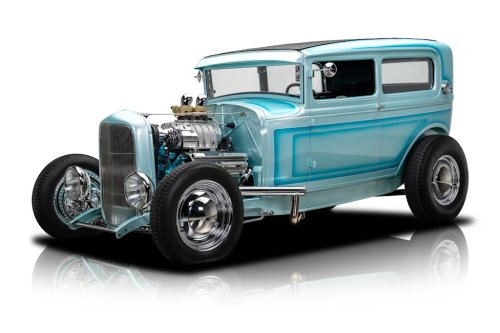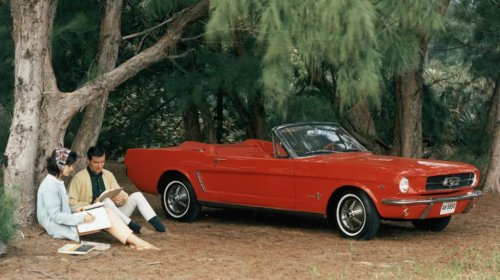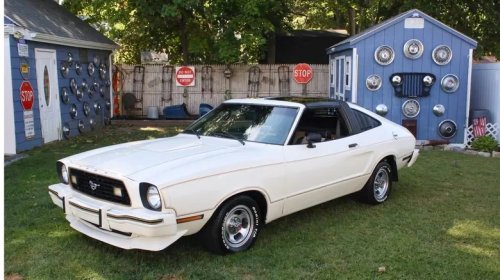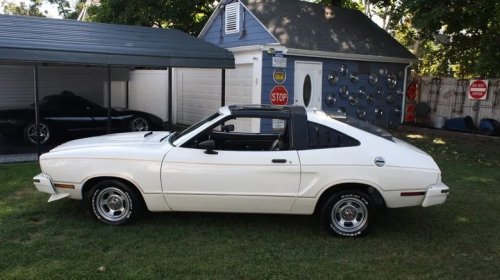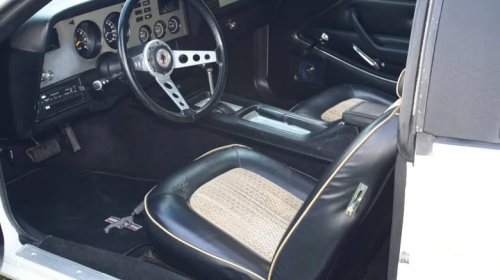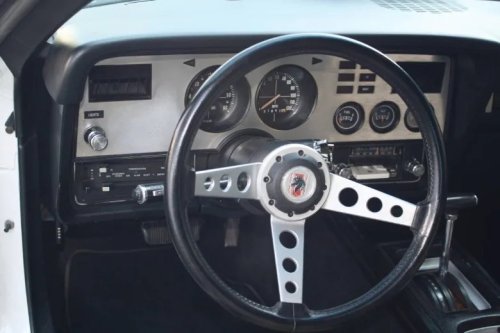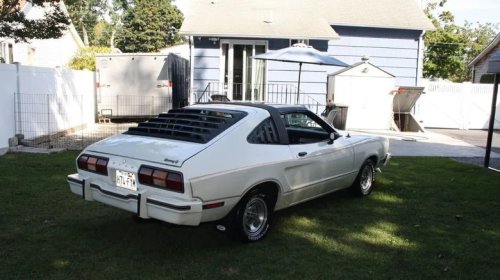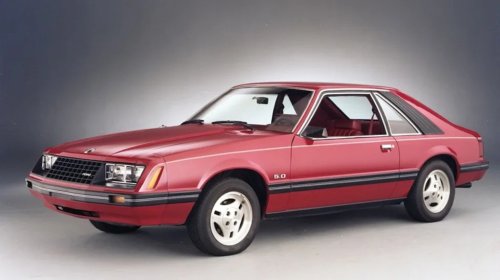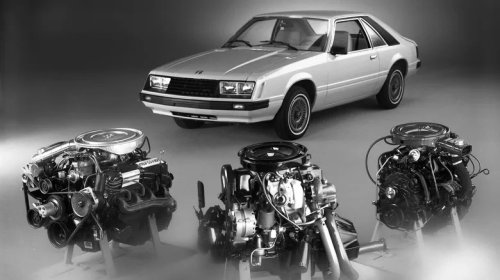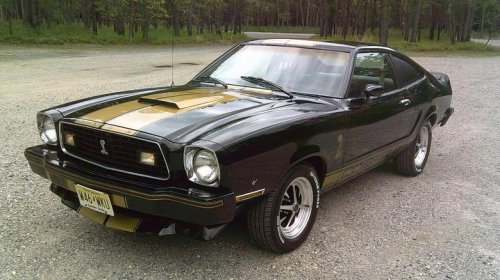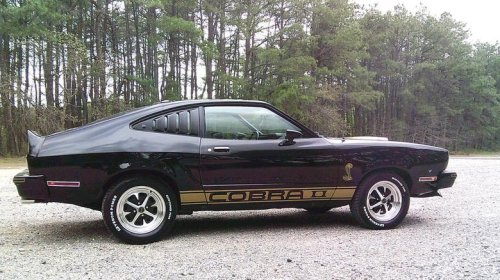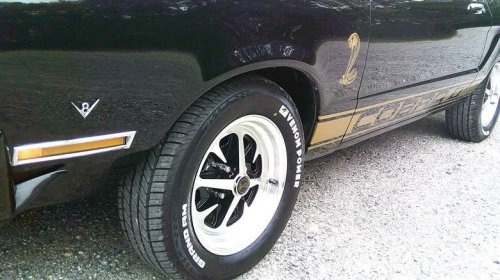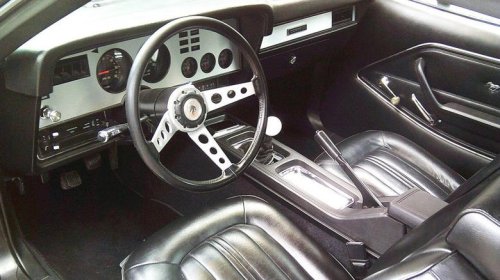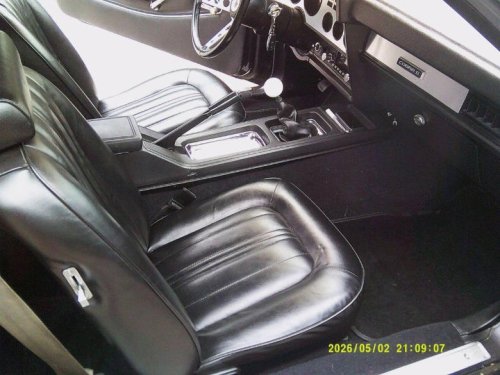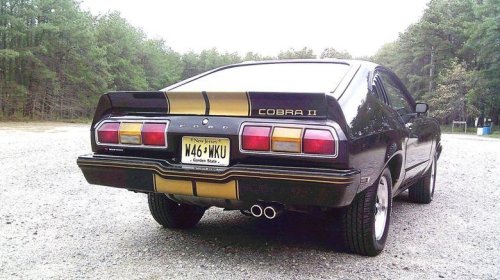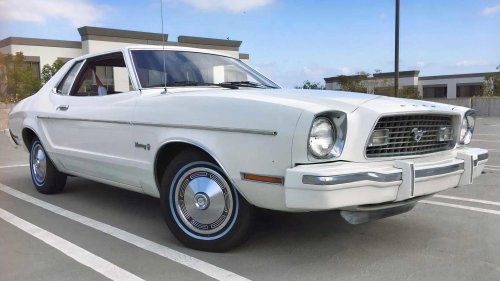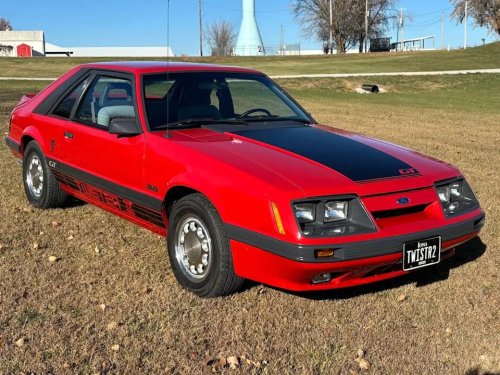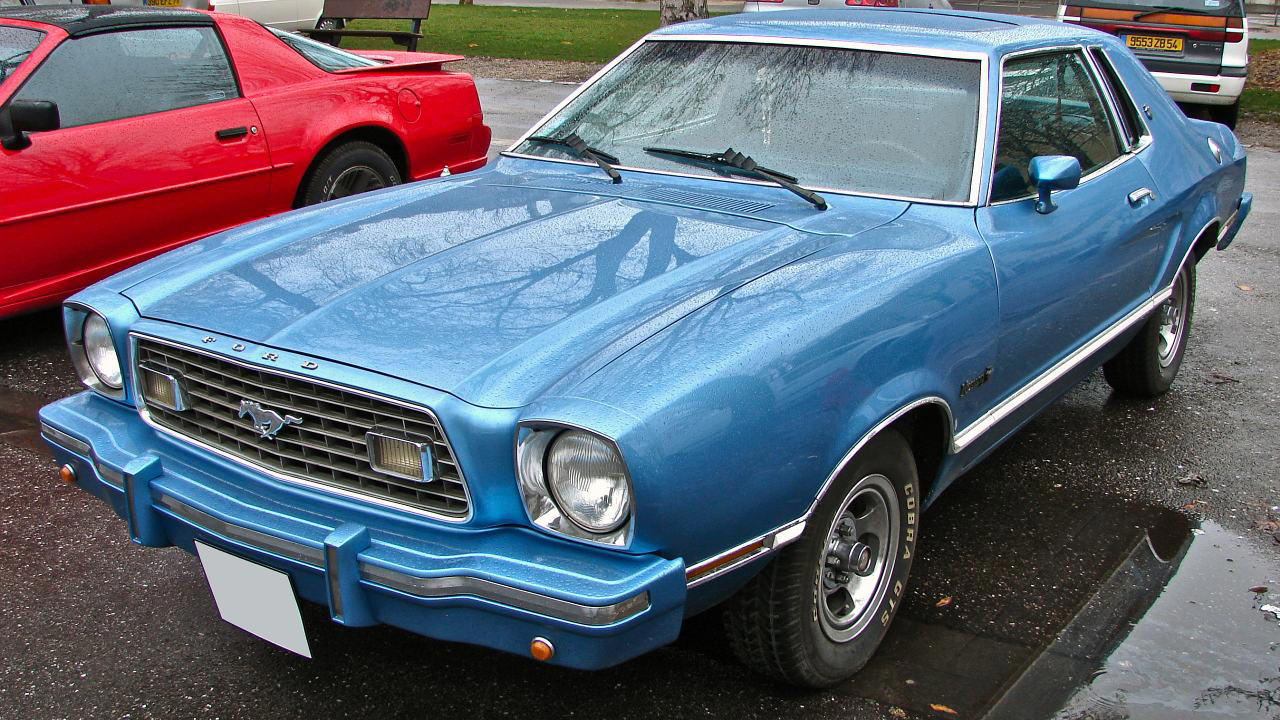



















Hot rodders have a long history of raiding junkyards for unlikely heroes, and few parts have had a bigger second act than the Mustang II front suspension. What started as a compact car’s independent front end has become a staple upgrade that lets prewar Fords, classic trucks, and even early muscle cars drive with modern precision. I see its rise as a mix of clever engineering, perfect timing, and an aftermarket that turned a once-maligned chassis into a modular handling solution. From compact commuter to hot‑rod secret weapon The original Mustang II front suspension was never designed with chopped coupes and slammed pickups in mind. It was engineered for the Mustang II and related compact platforms in the mid to late 1970s, where it appeared from 1974 through 1978 and also under cars like the Pinto and Bobcat. That layout, with short-long arm geometry, rack‑and‑pinion steering, and front disc brakes, gave small Fords a level of precision and packaging efficiency that happened to line up almost perfectly with the narrow frames and short wheelbases of early hot rods. By the time those compact cars were aging out of daily use, their front ends were landing in scrapyards in large numbers, just as builders were looking for ways to make a 1929 Ford Model A or similar cars feel less like farm equipment and more like contemporary drivers. Traditional straight axles and leaf springs could be tuned, but they struggled to match the ride and grip of independent setups. The Mustang II crossmember, control arms, and steering rack formed a self‑contained module that could be grafted into older frames with relatively modest fabrication, which is why enthusiasts now describe these front ends as practically universal for classic conversions. Why the geometry just works on old frames The appeal of this suspension is not just that it fits, but that its geometry solves several problems at once. The double wishbone layout, with upper and lower control arms, lets each front wheel move independently, which improves contact with the road and reduces bump steer compared with a beam axle. That basic double wishbone concept, where two arms control camber and caster through the suspension travel, is prized because it allows each wheel to react on its own while still keeping the tire’s contact patch optimized in corners. On a practical level, the Mustang II package brings front disc brakes, a compact rack‑and‑pinion, and a low‑profile crossmember that helps get the car down in the weeds without destroying suspension travel. Builders can dial in caster and camber for highway stability or autocross agility, and the short spindle height works well with a wide range of wheel diameters. When I look at the way early Ford frames pinch inward and leave little room for steering boxes or bulky control arms, it is clear why this compact independent front suspension became such a natural fit for hot rods and classic trucks. Image Credit: Alexandre Prévot from Nancy, France, via Wikimedia Commons, CC BY-SA 2.0 From junkyard swap to engineered conversion kits What began as a scrapyard solution has evolved into a highly engineered ecosystem of Mustang II conversion kits. Early adopters cut entire front clips from donor cars and welded them into Model A and 1932 Ford frames, but that approach brought compromises in alignment, strength, and rust. As demand grew, chassis builders and suspension specialists started designing weld‑in and bolt‑in crossmembers that preserved the original geometry while correcting factory shortcomings and adapting to different frame widths. Today, it is common to see dedicated Mustang II front end kits marketed specifically for classic Fords, Tri‑Five Chevrolets, and vintage pickups. Modern kits often replace stamped factory arms with tubular control arms, upgrade to performance‑oriented rack‑and‑pinion units, and integrate coilover shock mounts instead of the original coil springs. Coilover shocks are particularly popular because they allow easy ride height and damping adjustments, and they package neatly inside tight fender wells. Some systems are designed around short shocks that suit low ride heights without bottoming out, which is crucial for cars that sit far lower than any stock Mustang II ever did. The result is a front suspension that looks purpose‑built for a hot rod even though its DNA traces back to a compact commuter. How aftermarket redesigns pushed performance further As more power and grip were asked of these front ends, the aftermarket did not stop at simple reproduction. Companies have re‑engineered the Mustang II concept with revised control arm pivot points, improved anti‑dive characteristics, and stronger materials to handle modern tire loads. One notable example is a system that uses overhauled geometry and modern construction methods, incorporating 115 unique REVO specific components to refine steering feel and camber gain. That level of redesign shows how far the platform has evolved from its factory origins while still being recognizable as a Mustang II style layout. Custom builders have also digitized the original suspension, modeling it in 3D to understand how camber, caster, and toe change through the full range of motion. Engineers like Rieger used that data to tweak pickup points, reduce bump steer, and ensure that the tire contact patch stays consistent under braking and cornering. Those efforts turned what was once a budget‑minded independent front suspension into a tunable performance system. When I compare a modern tubular‑arm, coilover‑equipped Mustang II style front end to the stamped steel original, the lineage is clear, but so is the leap in capability and durability. Why builders keep choosing it for classic cars and trucks For owners of classic cars and trucks, the Mustang II conversion has become a shorthand for modern road manners. Swapping in this style of front end typically brings sharper steering response, flatter cornering, and better straight‑line stability than the original leaf spring or kingpin setups. Enthusiast guides to Mustang II conversions emphasize how much more confidence a car can inspire when it tracks like a contemporary vehicle, especially on highways and winding back roads. That transformation is why the Mustang II front end is often listed among the most popular upgrades for classic builds that are meant to be driven regularly rather than trailered. The benefits go beyond handling. Many kits integrate power rack‑and‑pinion steering, which reduces effort without the vagueness of older recirculating ball boxes, and they support a wide range of disc brake options that dramatically shorten stopping distances. For builders chasing a specific stance, the compact crossmember and coilover options make it easier to tuck larger wheels under fenders while keeping geometry in check. When I talk to owners who have made the switch, they often describe the car as feeling like a different machine, one that finally matches its visual drama with equally modern dynamics. Adapting the concept to classic Mustangs and beyond The influence of this suspension layout is not limited to prewar hot rods and trucks. Classic Mustang owners, especially those with early cars that still run original steering and suspension, have embraced Mustang II style front end conversions as a way to bring their pony cars up to current expectations. Installers walk through how a Mustang two front end conversion can transform steering precision, reduce body roll, and open up room for engine swaps that would crowd the stock shock towers. By replacing bulky factory components with a compact double wishbone and rack‑and‑pinion assembly, builders gain both performance and underhood space. That same logic applies to a wide range of vintage platforms, from 1950s sedans to 1960s pickups, where the original front suspension was never designed for modern tire grip or highway speeds. Comprehensive guides to Mustang II Conversions frame the upgrade as a path to an unforgettable drive, highlighting the advantages of independent suspension and contemporary steering in older chassis. In my view, the enduring popularity of these kits comes from that blend of practicality and performance: they solve packaging headaches, improve safety and comfort, and let classic vehicles share the road with modern traffic without feeling out of their depth. More from Fast Lane Only: 10 underrated V8s still worth hunting down Police notice this before you even roll window down