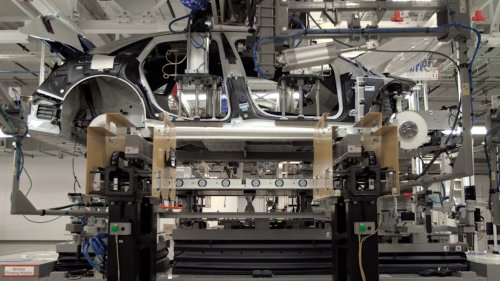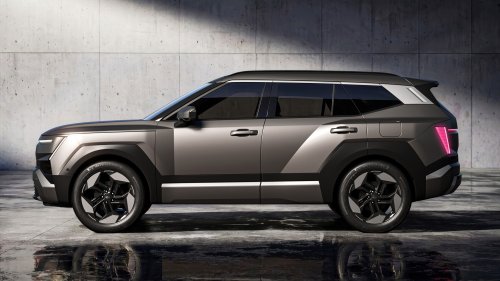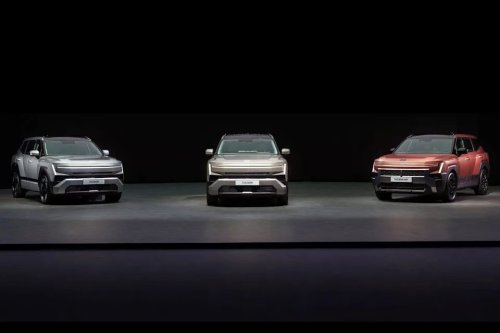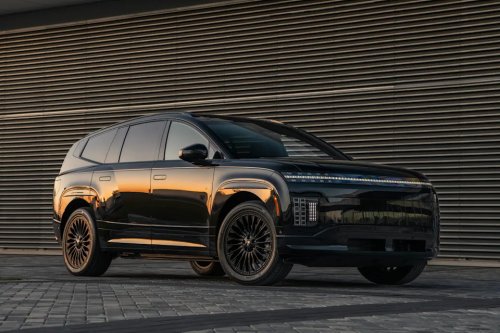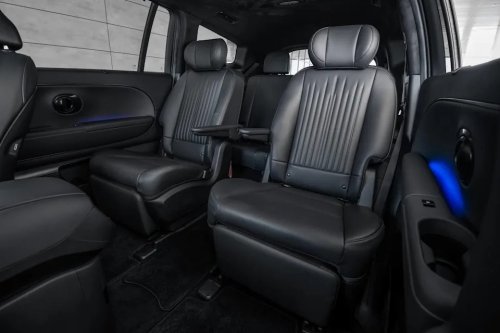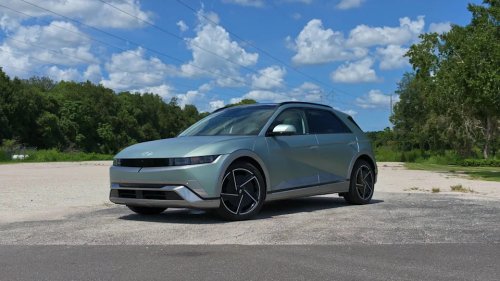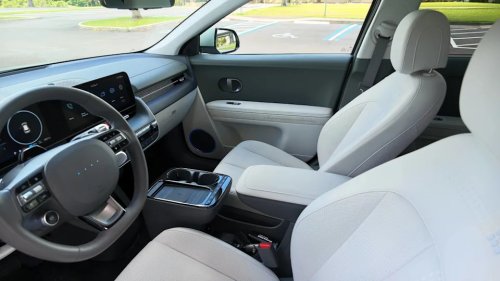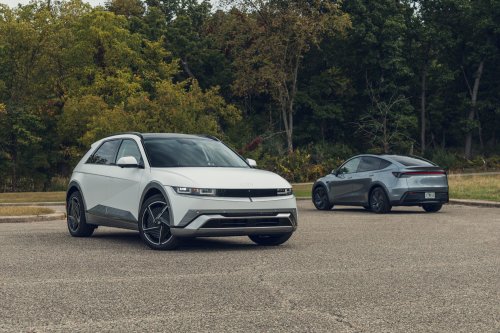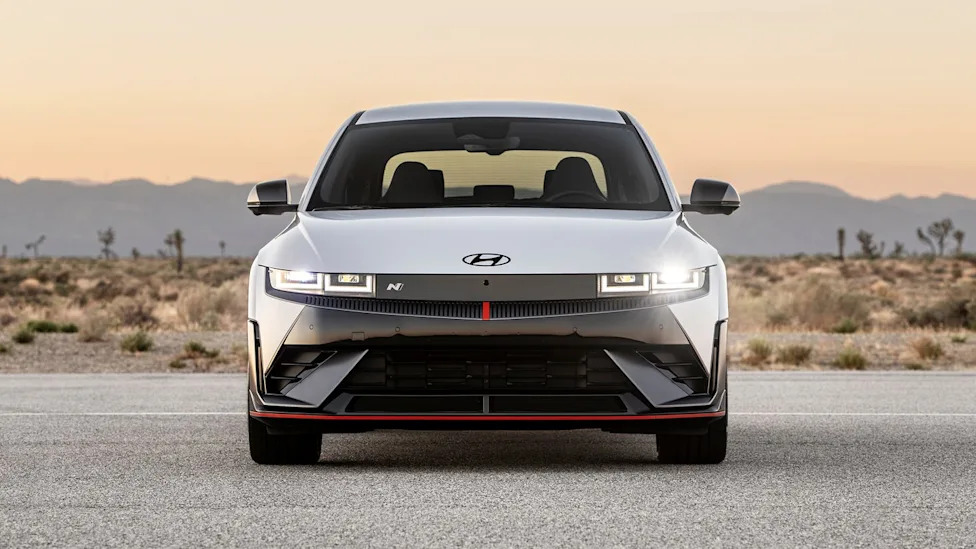
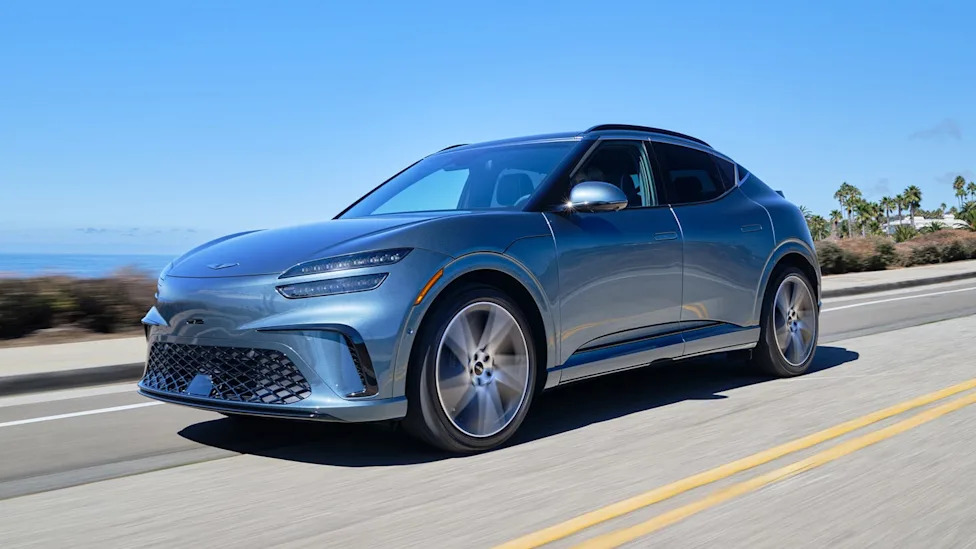
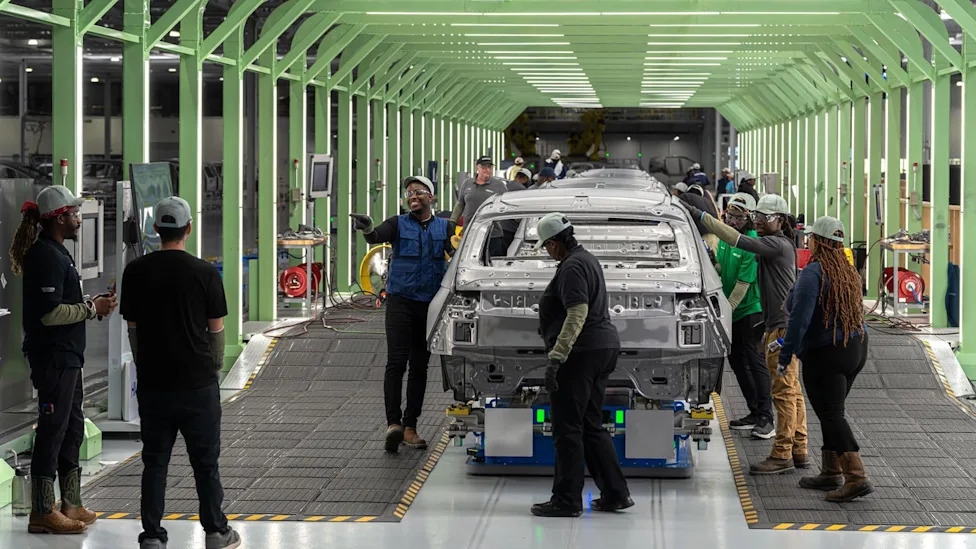



















Hyundai's Secret Weapon: Vertical IntegrationHyundaiWhen I first visited Hyundai HQ in Seoul, South Korea, in 1992, its execs talked quietly about their ambition to make the company one of the world's top 10 automakers. Now? Hyundai finished 2025 as the world's second-largest automaker in terms of revenue and third-largest in terms of sales. Yes, it's been quite a journey for the Korean manufacturer. And its secret sauce? "We call it the power of the group," Hyundai Motor Company president and CEO José Muñoz says.Hyundai, Muñoz points out, doesn't just make cars. It has 50 affiliate companies that manufacture everything from robots to steel, create software, provide financial services, and send Hyundai Motor Group vehicles and parts all over the world from Hyundai-built factories on Hyundai-built ships. Hyundai is the world's most vertically integrated automaker, and that, Muñoz says, helps it cope better with today's complex business challenges than rival automakers manage to do. "We are not fast followers; we are pioneers," he says. "We utilize the power of the group to get alignment, and then the resources are there to get a laser focus on achieving something."Hyundai's rapid pivot on Genesis, its luxury arm, is a case in point. In 2024, Genesis was planned to be an EV-only brand by 2030. But now, Muñoz explains, it will also sell vehicles with advanced plug-in hybrid powertrains anchored by a new generation of internal combustion engines well into the next decade. "We have not canceled programs," he says. "What we've done is to add technologies." Hyundai, which makes its own motors and is working on bringing its EV battery manufacturing entirely in-house, is now also investing in a dedicated production line for Genesis hybrids at its recently opened Metaplant outside Savannah, Georgia. What's more, starting in 2028 humanoid Atlas robots developed by Hyundai subsidiary Boston Dynamics will help build those vehicles.MotorTrendAnd then there's this: While Toyota and Nissan have long heavily based their Lexus and Infiniti luxury models on platforms and hardware shared with their cheaper mainstream models, all of today's Genesis lineup, apart from the electric-powered GV60, are built on unique rear-drive platforms that not only endow them with more upscale proportions but also provide better dynamics and refinement. "Genesis cars would not look the way they do if we did not have the power of the group behind us," Genesis chief creative officer Luc Donckerwolke says. "It is why we can do our own seats, our own dashboards, our own screens, our own wheels, our own headlamps."AdvertisementAdvertisementVertical integration is not a new idea: When Henry Ford's famed Rouge plant in Dearborn, Michigan, was in its pomp in the 1930s, raw materials went in one end and completed cars rolled out the other, with Ford owning or controlling every aspect of the design, engineering, and manufacturing processes. But the concept began to fall out of favor in the late 20th century as auto industry accountants sought to streamline balance sheets and—on paper—reduce costs. Ford spun off its in-house automotive electronics, climate control, and interior systems operations into an independent company, Visteon, in 2000.HyundaiWith electric vehicles eliminating the complex powertrain integration processes demanded by internal combustion engines, some pundits have talked about automakers moving toward the Apple production model, with brands designing and engineering vehicles that are made and assembled entirely by third-party contract manufacturers. Muñoz sees things rather differently. "The power we have is that we can combine different types of technologies and vehicles," he says. Hyundai can thus quickly shift its production mix to more accurately meet market demand rather than working to a guesstimate from product planners.Although consumer demand for EVs has cooled, causing pain for automakers like Ford and Porsche who made big bets on them, Muñoz still says there will be a significant increase in automotive electrification, and internal combustion engines will disappear quicker than we think. "But I don't have a date on that because it depends on what the market demands," he says. "Our strategy is to adjust to what the market wants. If the market is there, we will be there."Judging by history, there's no reason to doubt him.