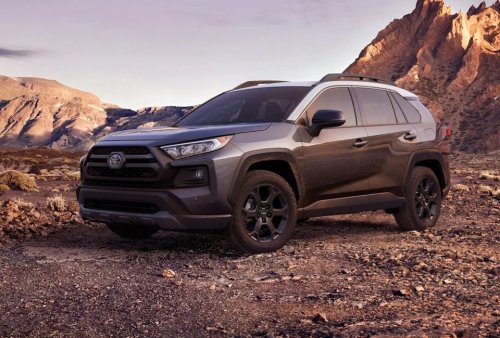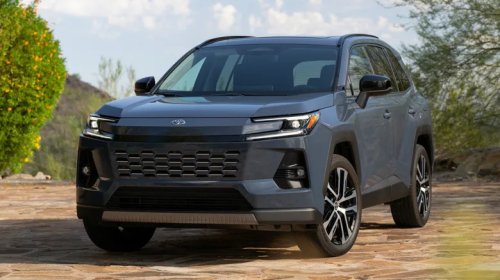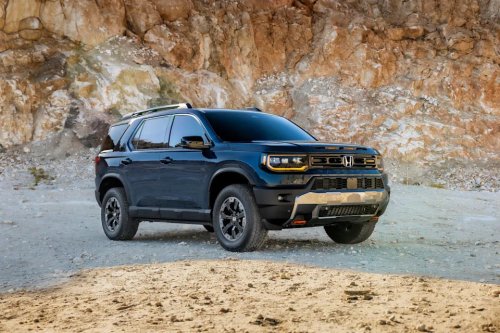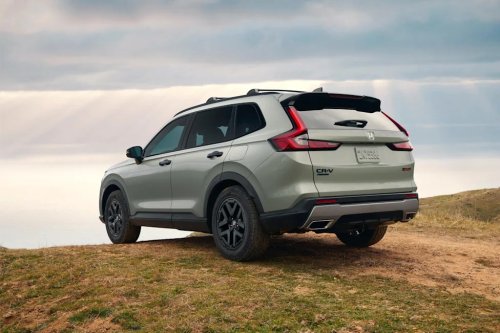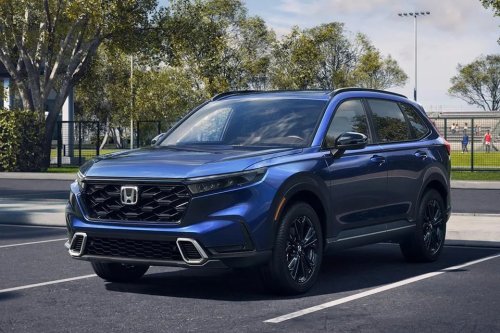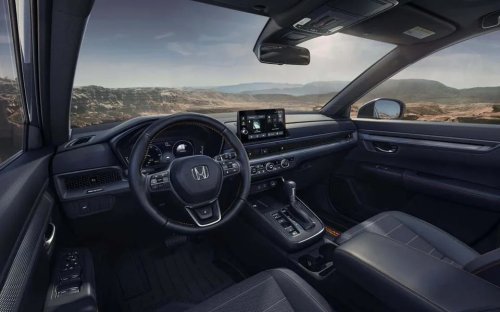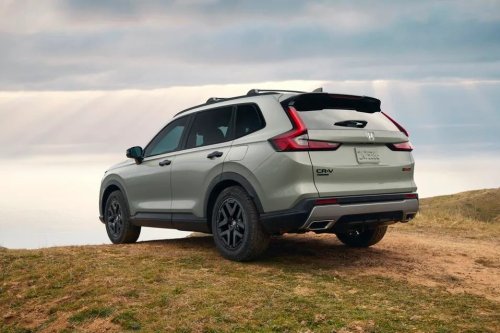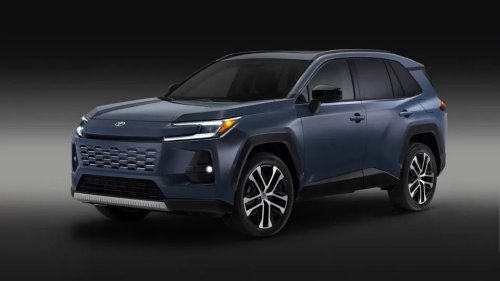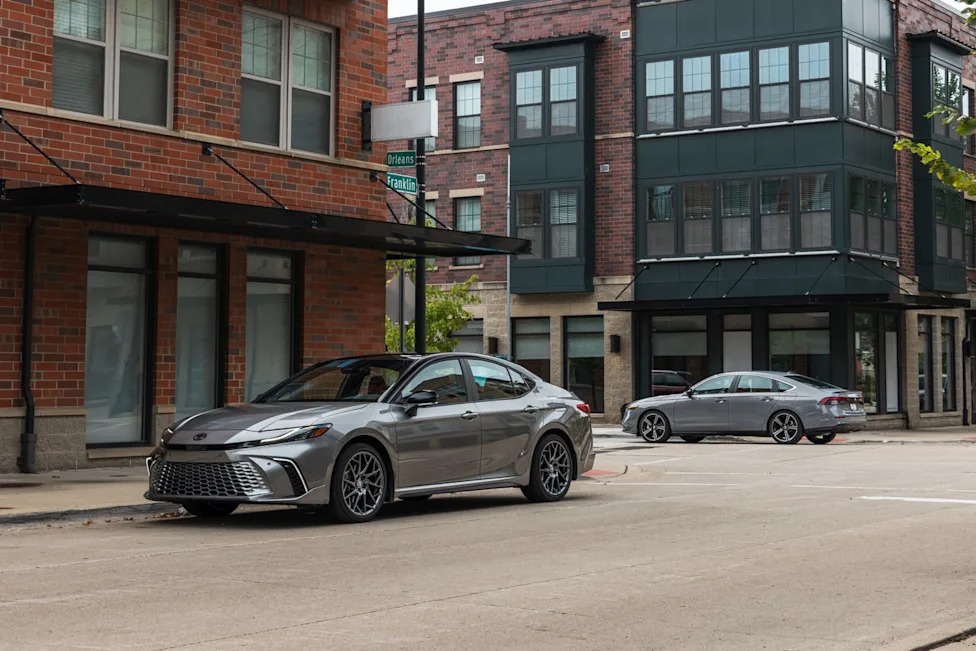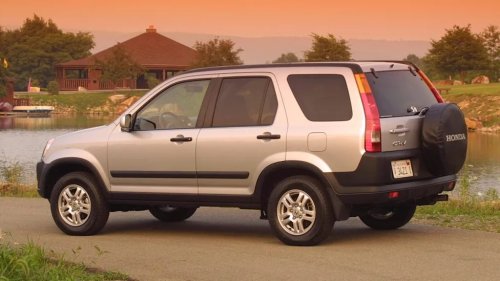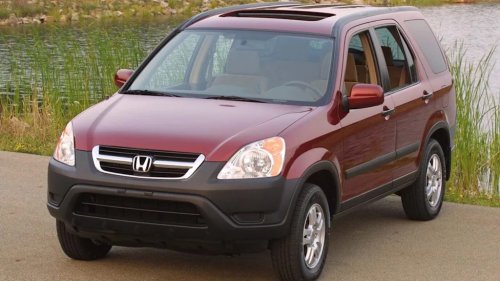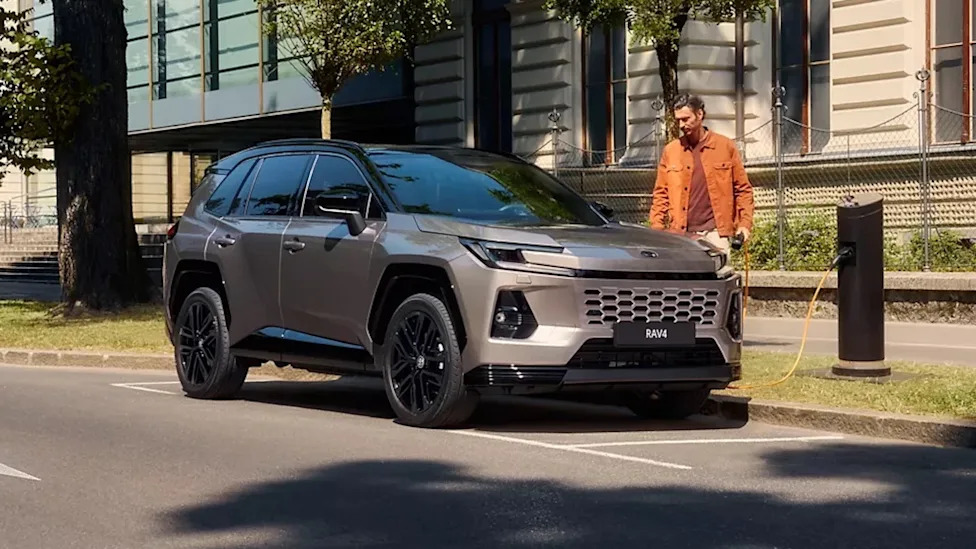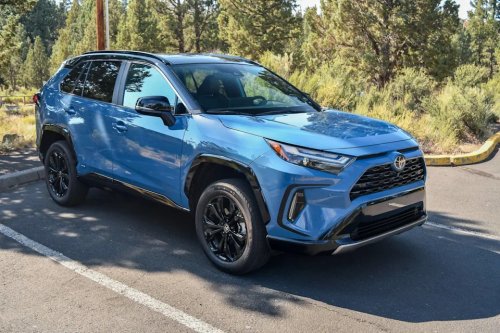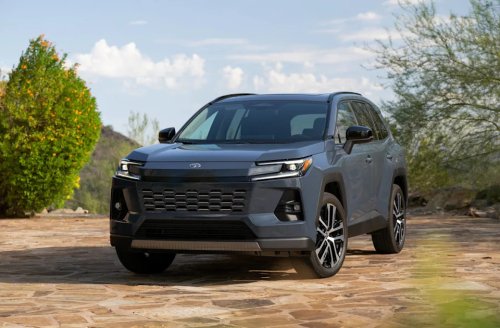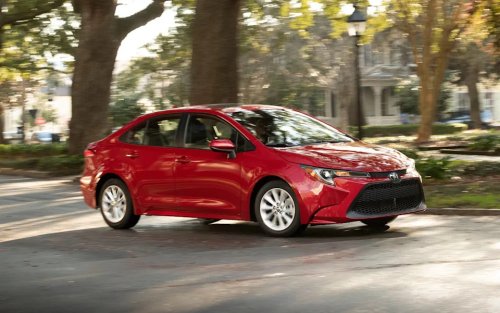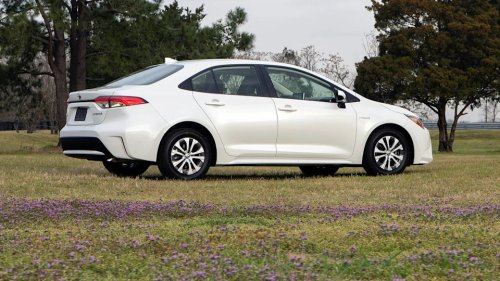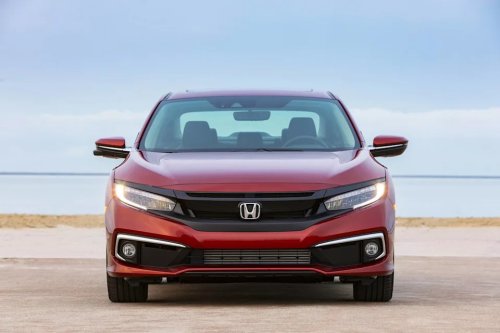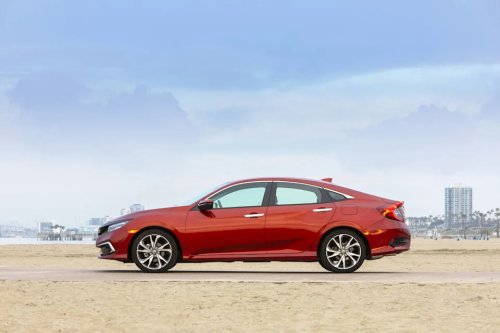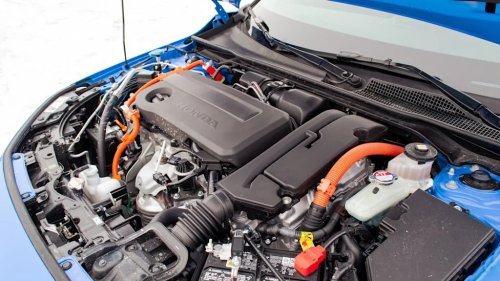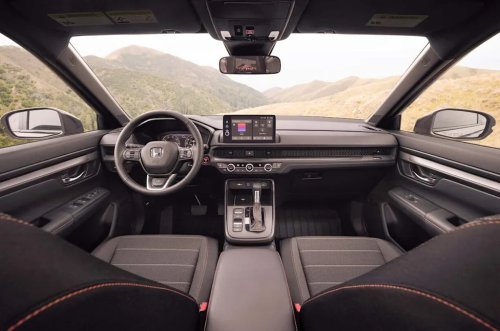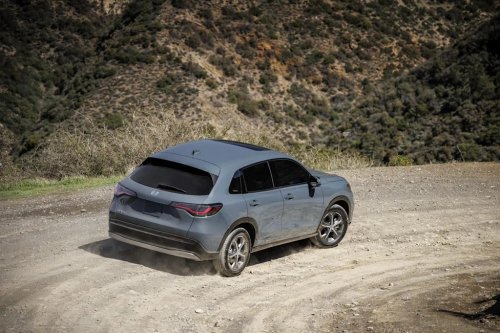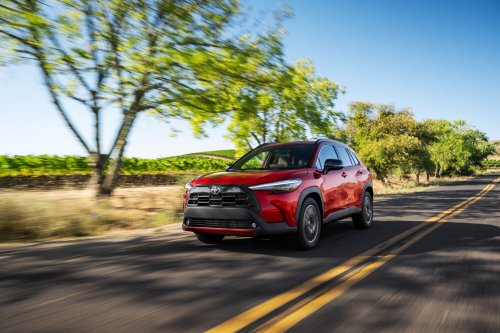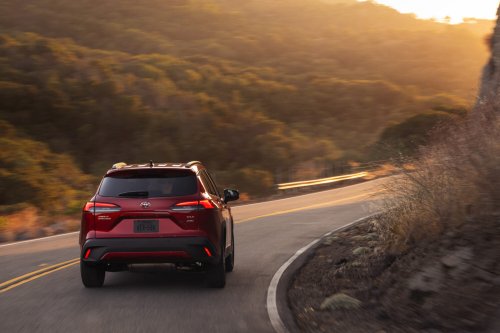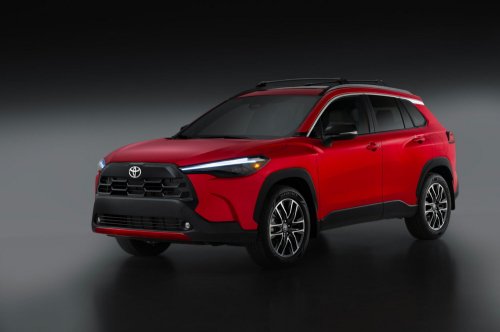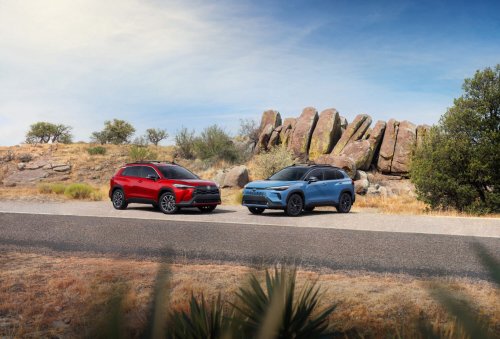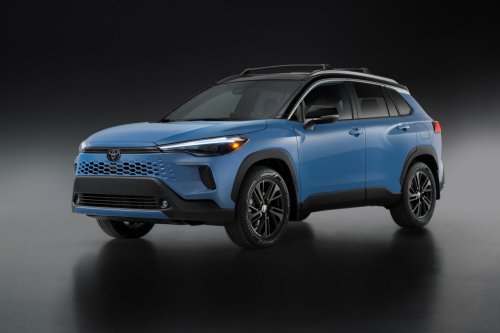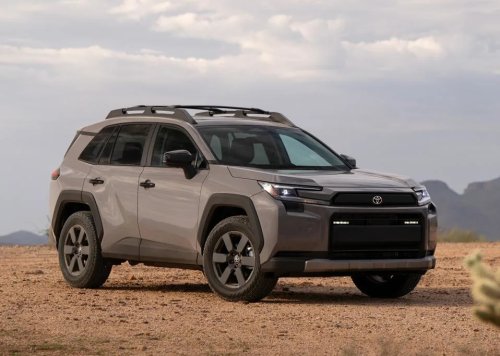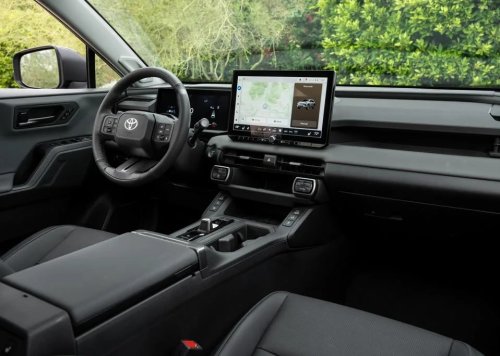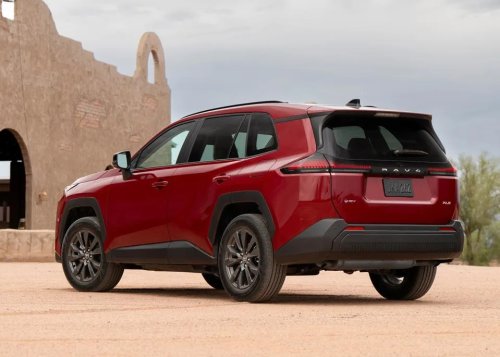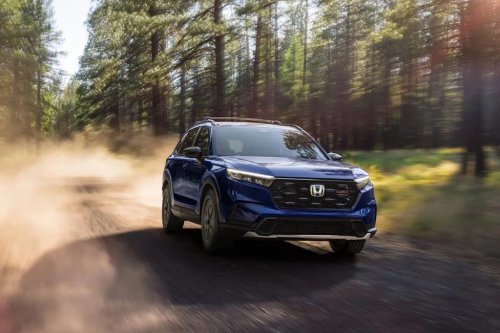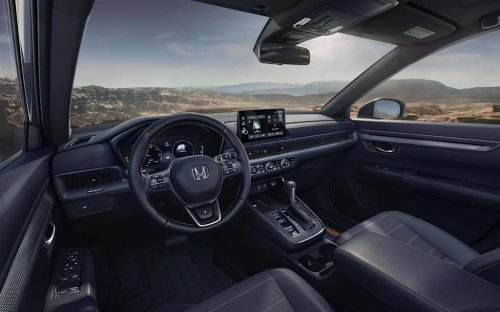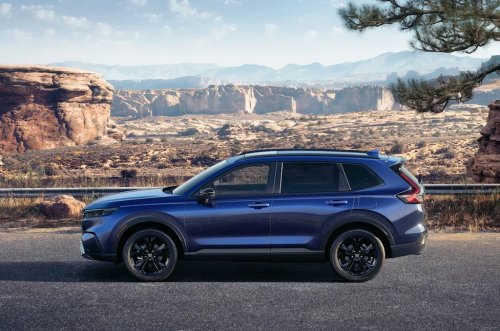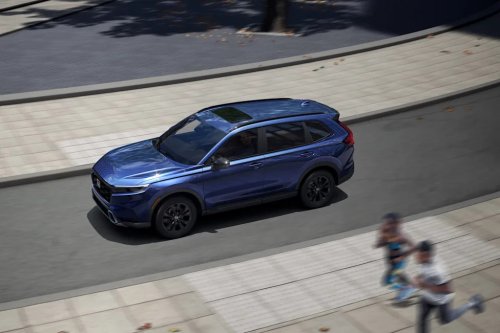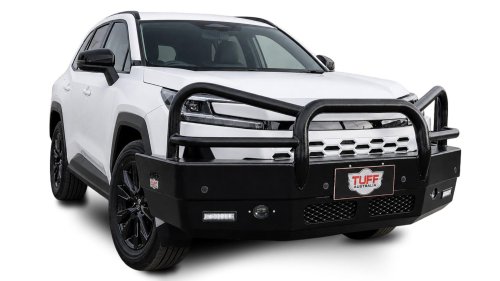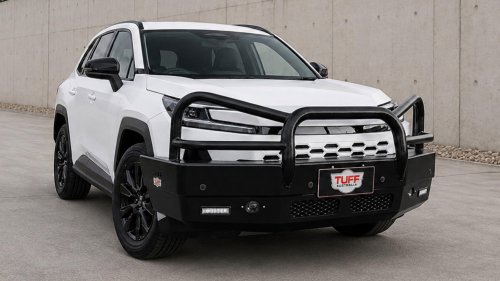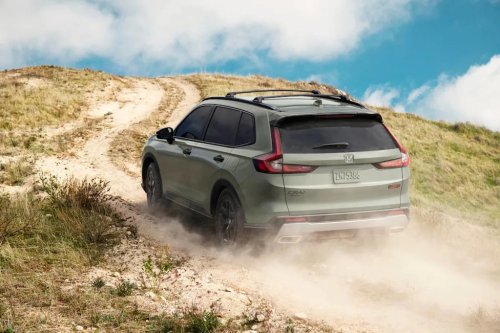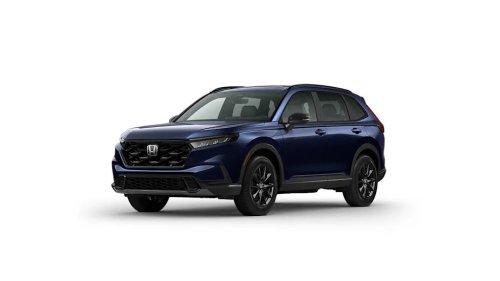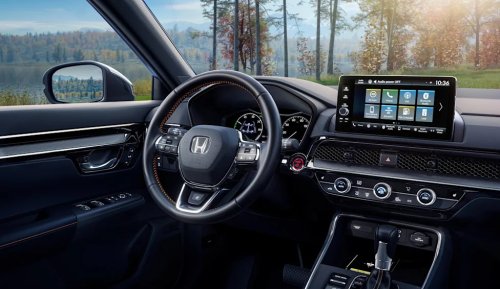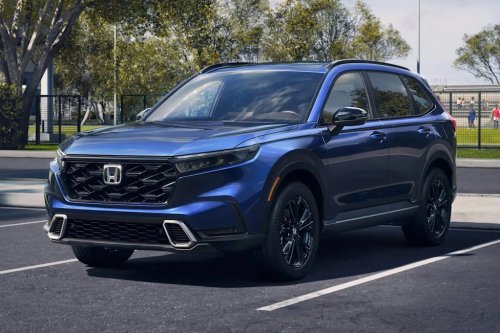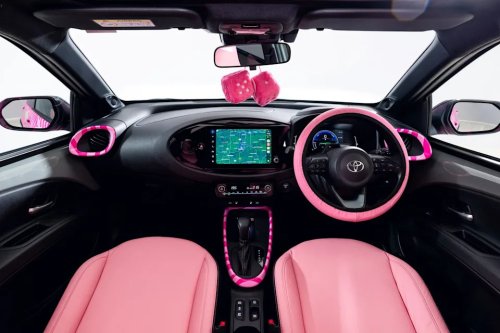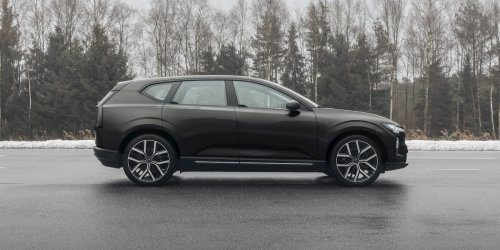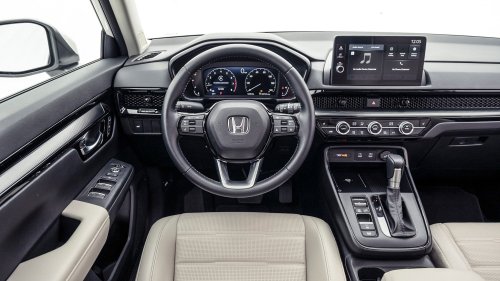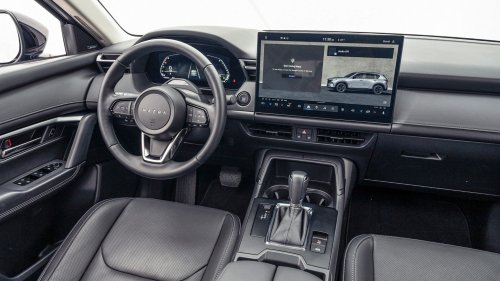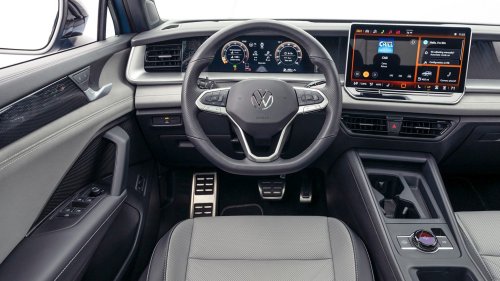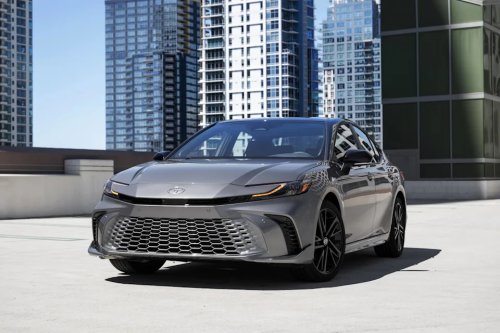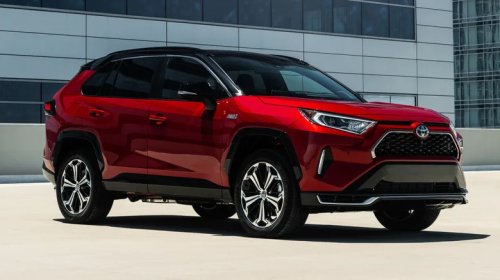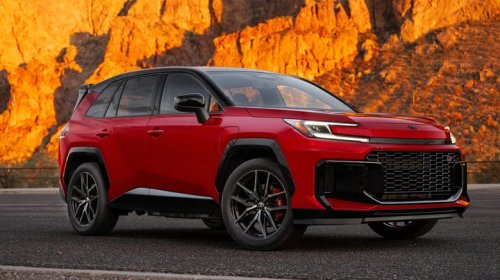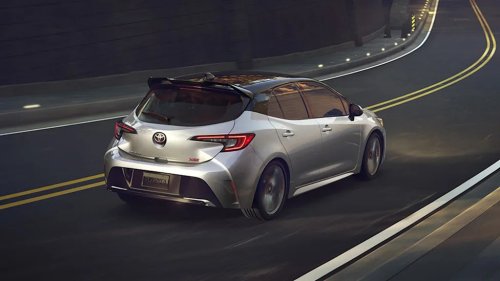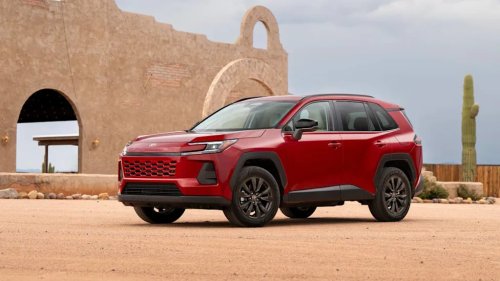
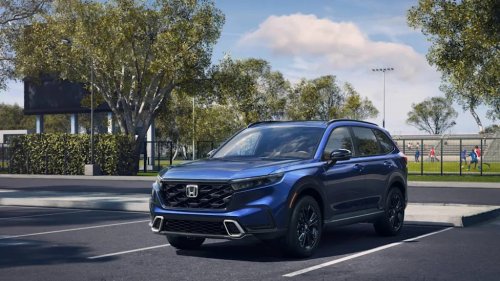
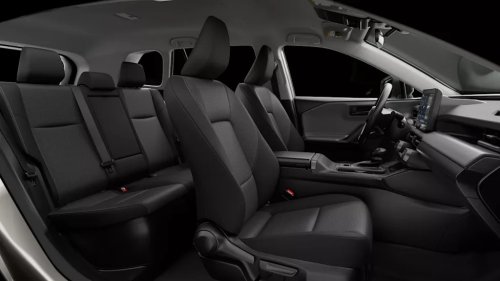
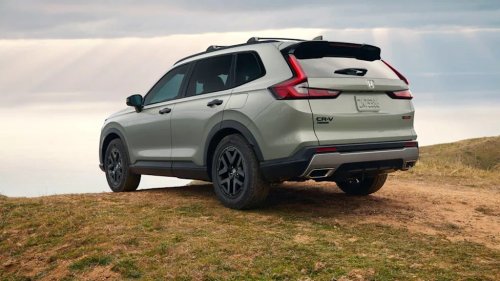
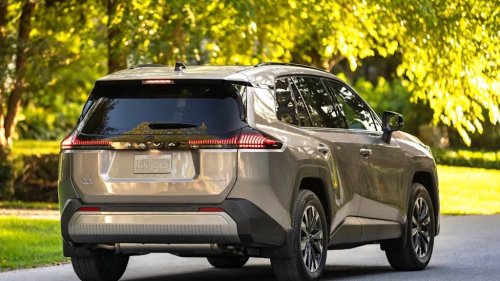



















Autoblog and Yahoo may earn commission from links in this article.The Honda CR-V and Toyota RAV4 have traded the title of best-selling compact SUV for years, and both are genuinely excellent. For 2026, the comparison gained a new wrinkle: Toyota redesigned the RAV4 and made it hybrid-only, dropping the traditional gas engine entirely, while Honda kept both a turbocharged gas engine and a hybrid in the CR-V lineup. That single decision affects pricing, fuel economy, and even reliability considerations. Both remain safe, practical, and dependable choices, so deciding which one deserves your money comes down to weighing efficiency and resale value against comfort, cargo capacity, and powertrain flexibility.2026 Toyota RAV4 HEV XLE PremiumToyotaPrice and powertrainsThe starting prices reflect the powertrain split. The 2026 RAV4 begins at about $33,350, and because every trim is now a hybrid, that price buys electrification from the entry point. The CR-V offers a lower way in for buyers who want a traditional gas engine, starting around $31,000, while the CR-V Hybrid starts higher at about $36,000. For a buyer who specifically wants a hybrid, the RAV4 is the less expensive entry point; for a buyer who wants the lowest possible price and is content with a gas engine, the CR-V provides that option, which the RAV4 no longer offers. Both offer all-wheel drive, adding roughly $1,400 to $1,500.2026 Honda CR-V Sport Touring HybridHondaIn terms of performance, the RAV4 holds an edge in both efficiency and acceleration. Its all-hybrid lineup delivers superior fuel economy across the board, with some configurations returning several miles per gallon more than the CR-V, and its hybrid system provides stronger acceleration. The CR-V's turbocharged gas engine and its hybrid are both competent and well-regarded, but the RAV4's more mature hybrid technology gives it the advantage for buyers who prioritize fuel savings. The CR-V counters with powertrain choice, which has real value for buyers who do not want a hybrid or who want to manage the upfront cost.Ride, interior, and cargoThe CR-V wins on this one, as it has the edge in ride comfort and handling. These are all areas where Honda has long excelled, so it is not a surprise. The redesigned 2026 RAV4 narrowed that gap considerably, with a stiffer structure and a quieter hybrid system, but the CR-V still holds a slight advantage in ride quality and suspension tuning. For buyers who value a refined, comfortable daily drive, the CR-V remains the more polished choice.2026 Toyota Rav4 LEToyotaThe CR-V also leads in interior quality, seat comfort, and cargo capacity, taking the edge in seat comfort, interior quality, cargo room, and ride and handling. The RAV4 answers with price, interior features, acceleration, and fuel economy. It also offers more rear headroom and higher towing capacity, so it is not one-sided. The pattern is consistent: the CR-V is the more comfortable and spacious choice, while the RAV4 is the more efficient and feature-rich one.ReliabilityBoth brands built their reputations on dependability, and both 2026 models should be reliable, but the current picture favors the CR-V slightly. The CR-V ranks near the top of the compact SUV class for reliability, edging just ahead of the RAV4, and its average annual repair cost is a touch lower, at about $407, against $429, with a lower probability of severe repairs as well. Both are projected to be more reliable than the average new car, so the gap is small rather than decisive.2026 Honda CR-V TrailSportHondaAdvertisementAdvertisementThere is an important nuance for 2026. The RAV4 is a full ground-up redesign with a new all-hybrid powertrain and first-year infotainment software, while the CR-V is a refresh of a proven platform with three years of data behind it. First-year redesigns carry inherently more unknowns than established platforms, so a buyer prioritizing the lowest reliability risk today has a reasonable argument for the CR-V. That said, Toyota's hybrid systems have an extensive real-world track record across millions of vehicles, which gives the RAV4's powertrain strong long-term credibility once the new model matures. Both are sound bets; the CR-V simply carries more proven data right now.Resale and warrantyThe RAV4 has a stronger resale picture. Over five years, the RAV4 depreciates about 30.3%, retaining more of its value than the CR-V's roughly 34.5%, a gap of about four percentage points that translates to real money at trade-in. Toyota's reputation for durability and high used-market demand consistently supports RAV4 resale values, which effectively lowers the total cost of ownership over time, even if the purchase price premium for a hybrid is higher.2026 Toyota RAV4ToyotaOn warranty, the two are similar in the basic and powertrain coverage, but Toyota offers a longer hybrid battery warranty at 10 years compared with Honda's 8 years. For buyers planning long-term ownership, that extra coverage, combined with generally better availability of replacement hybrid battery packs for the Toyota down the line, is a measurable advantage. The CR-V's resale is still solid by segment standards, but the RAV4 holds its value better.The bottom lineThese two are close enough that neither is a wrong answer, and the better buy depends on priorities. The RAV4 is the choice for buyers who want maximum fuel economy, stronger acceleration, better resale value, and a longer hybrid battery warranty, with hybrid power standard across the lineup. The CR-V is the choice for buyers who want a more comfortable and refined ride, a higher-quality interior, more cargo space, the current edge in proven reliability data, and the flexibility of a gas-only option or a hybrid.AdvertisementAdvertisementThis story was originally published by Autoblog on Jun 24, 2026, where it first appeared in the Car Buying section. Add Autoblog as a Preferred Source by clicking here.