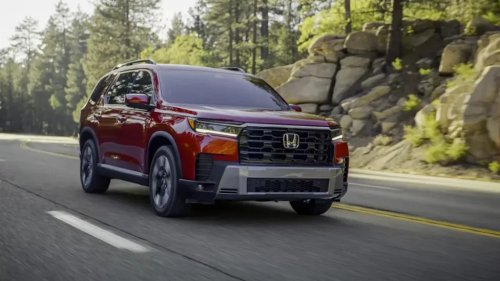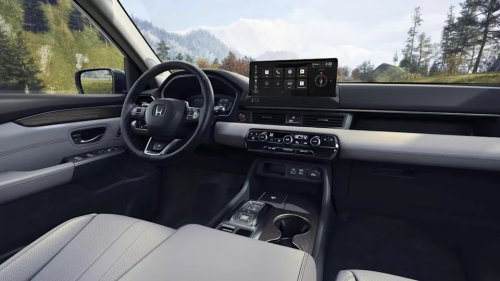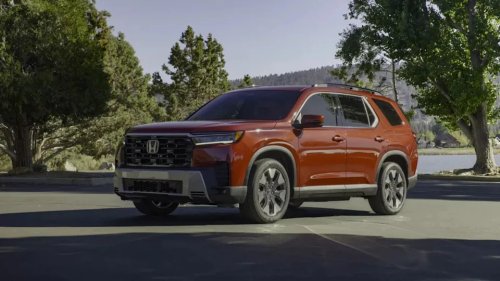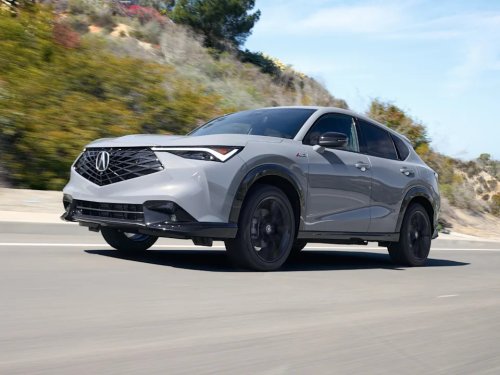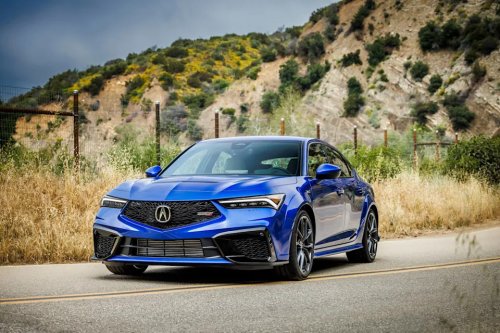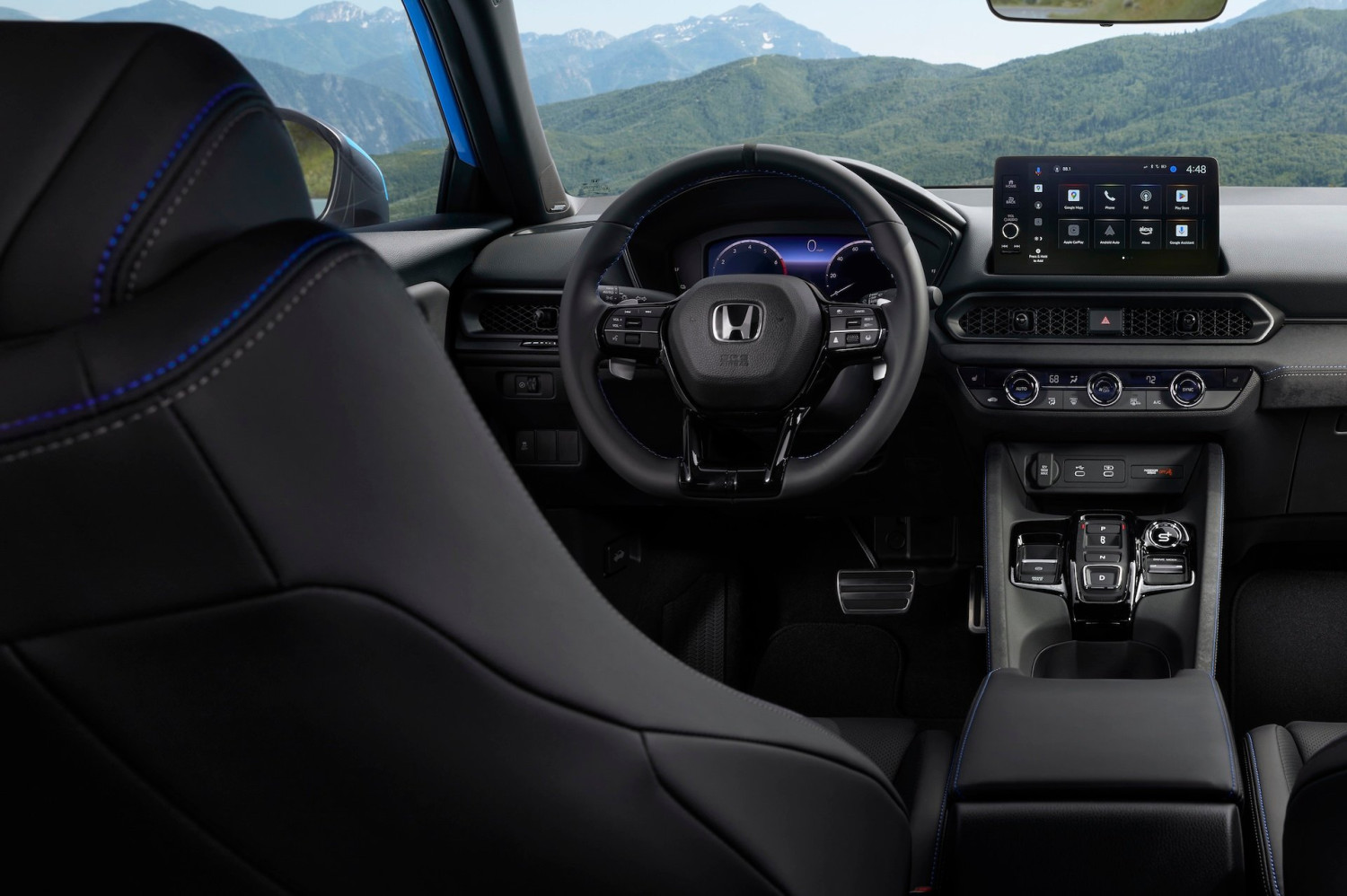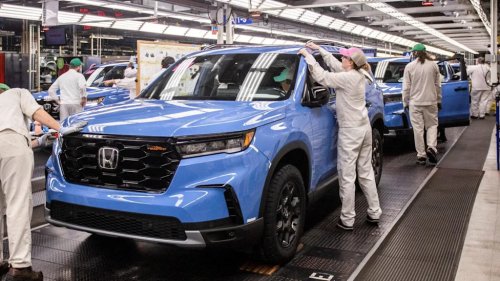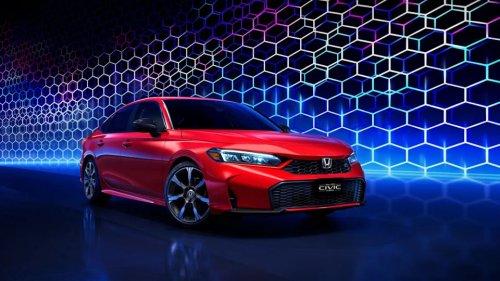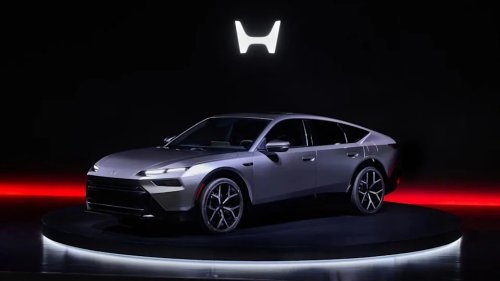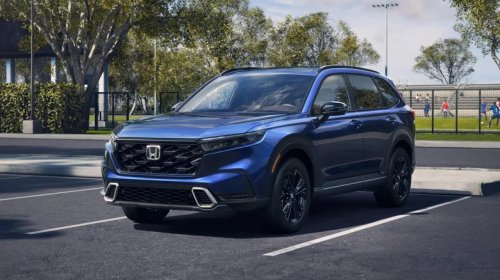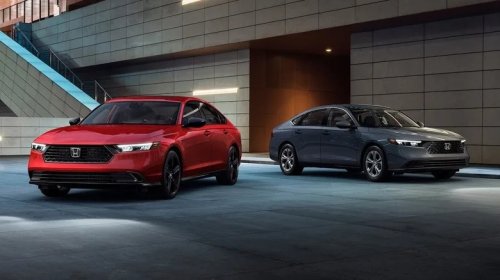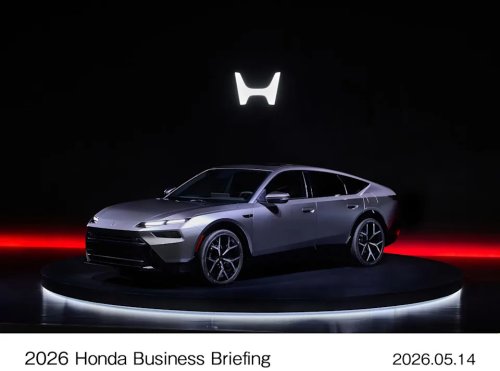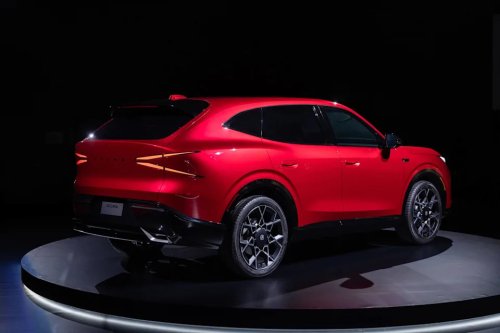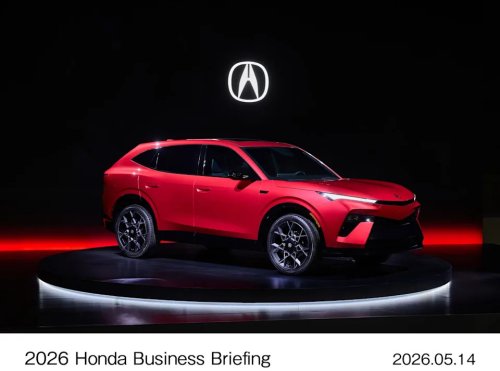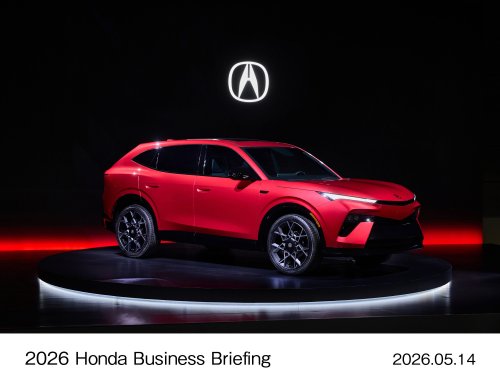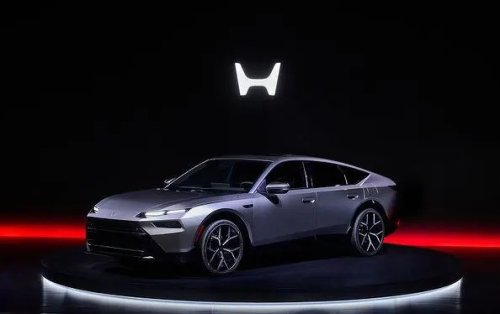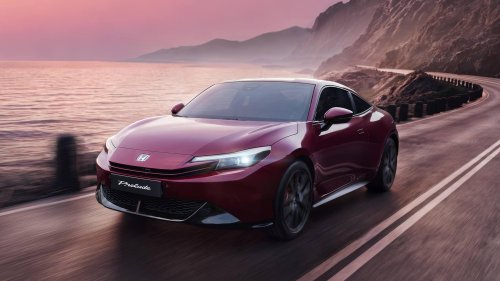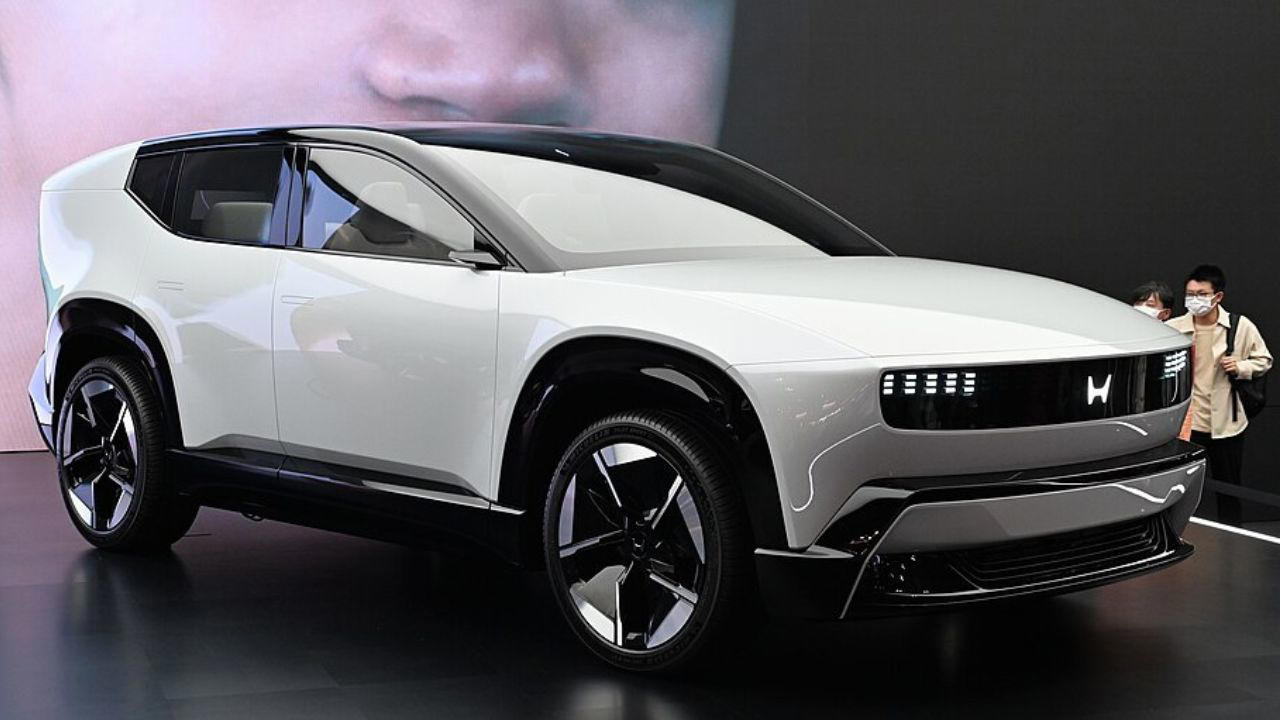



















You are watching Honda rip up part of its electric playbook in the United States. The company has canceled three U.S.-bound battery electric models and is steering more of its near-term investment into hybrids, even as it warns of multibillion-dollar losses tied to its EV rethink. For you as a buyer, investor, or industry watcher, the move shows how fragile early EV plans can be when costs, tariffs, and demand all shift at once. What Honda just canceled Honda has shelved three battery electric models it had been preparing for the U.S. market, including two entries in its 0 Series and the Acura RSX. You were supposed to see the 0 SUV, the 0 Saloon, and the Acura RSX roll out of a new EV hub in Ohio, but instead those programs are stopping just before production. The Japanese automaker had positioned these as some of its most important EVs for the U.S., meant to anchor its next decade of electric growth. According to reporting on how Honda was set, the Acura RSX in particular was expected to give Acura dealers a halo EV to pitch against premium rivals. Instead, you are seeing Honda walk away from a slate of models that were already locked in for the production phase, which makes the reversal more dramatic than a quiet delay of a drawing-board concept. Tariffs, Chinese competition, and a brutal EV math Honda is not canceling these vehicles in a vacuum. Executives are pointing directly at tariffs and intensifying Chinese competition as reasons the business case no longer works. The company has said that starting production and sales of these three models in the current environment, where EV demand is softer and pricing pressure is intense, would not clear its internal return hurdles. In China, however, new battery electric manufacturers with short product development cycles and strengths in software-defined vehicles are undercutting traditional automakers on both cost and speed. Coverage of how Honda scraps 3 highlights that tariffs on imported components and the need to localize more of the supply chain are pushing up costs just as Chinese brands flood global markets with cheaper EVs. When you combine those pressures with a U.S. consumer base that is still cautious about price, charging infrastructure, and resale values, the margin picture on ambitious EVs like the 0 Saloon starts to look grim. The financial hit: billions on the line Canceling three high-profile EVs is not simply a product decision for Honda, it is a balance sheet event. The company has warned that it could face up to $15.8 billion in losses tied to this EV strategy reset. You are seeing the cost of sunk investments in tooling, engineering, and supplier contracts that were all lined up for these models. A separate assessment of the broader EV rethink says Honda Motor Expects, framing the reset as a structured review of demand, costs, and product timing. Another report notes that Honda Cancels All Three U.S. Built EVs as It Expects to Lose up to $15.8 Billion if it pushed through with launching the cars in the current environment. For you, those figures show how aggressively Honda is willing to write down past bets in order to avoid even larger losses from slow-selling EVs. From 0 Series dream to hybrid reality If you followed Honda’s CES presence, you saw the company talk up its Honda 0 Series as a clean-sheet electric family. Having Concluded the Announcement of the Honda 0 Series, executives praised the response to the Concept Model Saloon and pitched the lineup as a symbol of Honda’s next chapter. That is why the decision to halt the 0 SUV and 0 Saloon so close to launch feels like such a sharp pivot. At the same time, you can see the seeds of this shift in Honda’s earlier product planning. A future product roadmap explained that Honda would expand its hybrid lineup as it readied its 0 Series EV launch, stressing that Having a breadth would keep demand steady. The new direction essentially doubles down on that logic, with hybrids positioned as the main growth engine while the 0 Series is reworked for a later, leaner introduction. Why hybrids are now Honda’s bridge in the U.S. For you as a shopper, the immediate impact is that Honda will push more hybrid choices instead of pure EVs in the short term. The company is telling investors that hybrids can serve as a bridge strategy in the U.S., where many drivers still want gasoline backup but are open to better efficiency and some electric driving. A detailed look at how Hybrids As A lays out how this approach can smooth the company’s transition while charging networks and battery costs catch up. From your perspective, that means more choices like hybrid CR-Vs and Accords and fewer all-new battery electric nameplates from Honda in the next few years. Especially with batteries, one of the core components of hybrid systems, Honda is working with joint venture partners, and Especially with batteries the company says discussion is moving forward on how to secure supply and cost advantages. Hybrids let Honda use those batteries in smaller packs that are easier to source and price competitively. Inside the last minute call on Acura RSX and 0 Series The timing of the cancellations has stunned many of the enthusiasts who were tracking Honda’s Blade Runner-looking electric concepts. A viral clip bluntly told fans that if you were excited about Honda’s Blade Runner looking electric cars, you now have to watch the company walk away while facing a $15 billion loss for the program. Another report underlines that Honda has announced the immediate cancellation of the 0 SUV, 0 Saloon, and Acura RSX, citing a cooling U.S. market and significant financial pressures around those EVs. One detailed account quotes the company saying that Honda determined that in the current business environment would not be wise. Another analysis of how Honda has officially notes that the company wants to continuously adapt to customer preferences, which now tilt toward affordability and practicality. For you, that means the Acura showroom will lean harder on hybrids and gasoline models while the brand rethinks what a premium Honda group EV should look like. What this shift means for you and the wider market If you are cross-shopping EVs, Honda’s retreat narrows your immediate choices but also underscores how fragile some EV business cases remain. The Japanese automaker announced on Tuesday that it is canceling plans to launch three EVs in the U.S., a move that drew at least The Japanese automaker into a direct comparison with more aggressive rivals. You can still find a growing menu of EVs from other brands, but Honda’s caution may encourage some competitors to slow their own timelines if they share similar cost pressures. At the same time, the hybrid emphasis could benefit you if you want better fuel economy without fully committing to charging. Earlier product plans already showed Honda deploying more hybrid variants, and now that strategy is front and center. For workers and communities around Honda’s U.S. plants, the shift from three U.S. Built EVs to more flexible hybrid and gasoline production may protect jobs in the short term, even as the company works through the projected $15.8 billion impact that was Discovered through its own forecasts. When you step back, Honda Cancels Three U.S. EVs Citing Tariffs And Chinese Competition, and you can see how global politics, In China cost dynamics, and local consumer preferences all feed into your choices on the showroom floor. You are not just picking between an SUV and a Saloon. You are navigating the fallout of decisions that involve President Donald Trump era tariffs, Chinese software-defined rivals, and boardroom debates over whether a $15.7 Billion reassessment is better than a slow bleed of unsold cars. More from Fast Lane Only Unboxing the WWII Jeep in a Crate 15 rare Chevys collectors are quietly buying 10 underrated V8s still worth hunting down Police notice this before you even roll window down