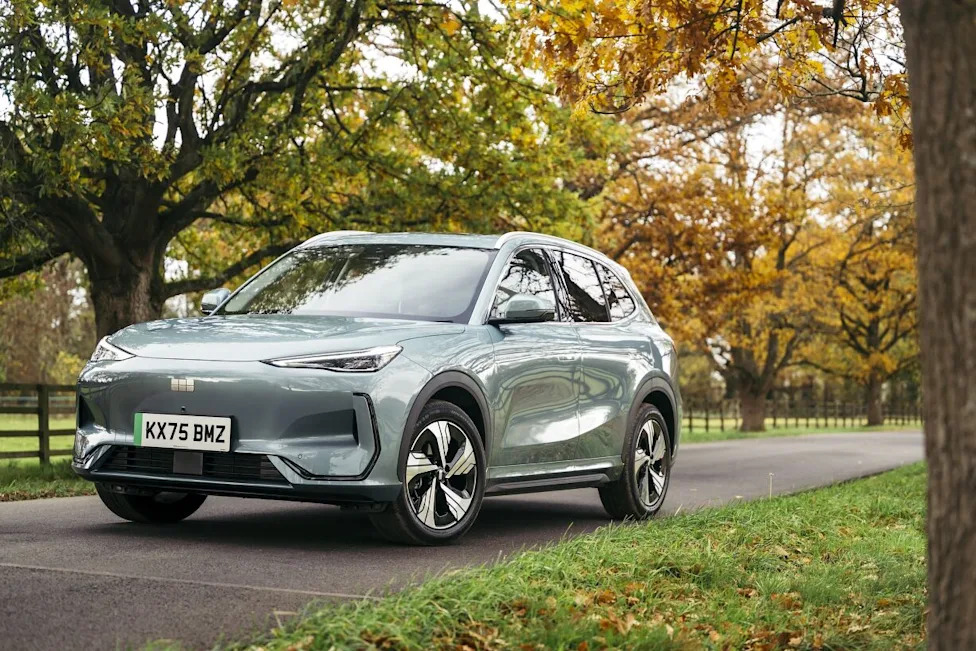
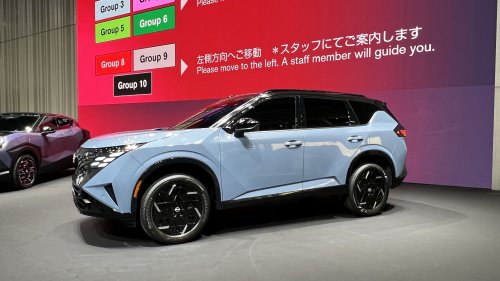
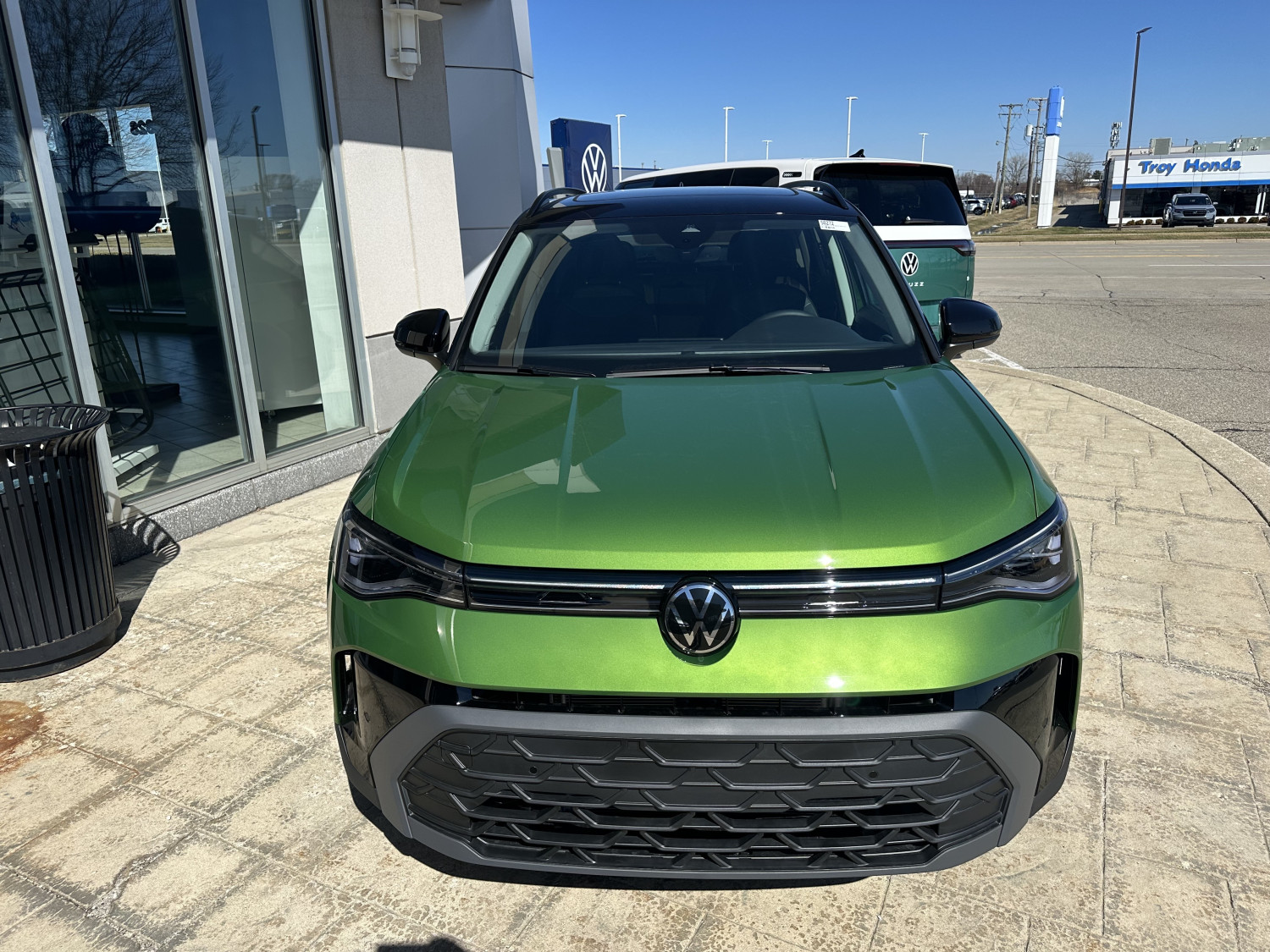
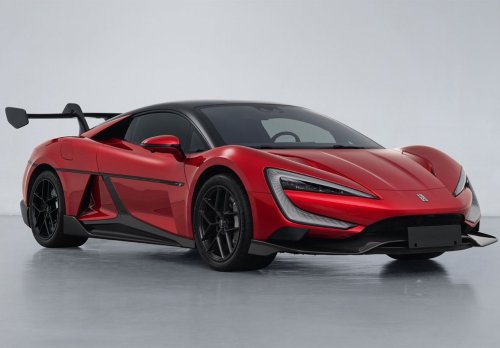
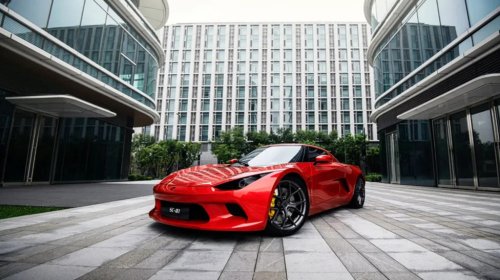
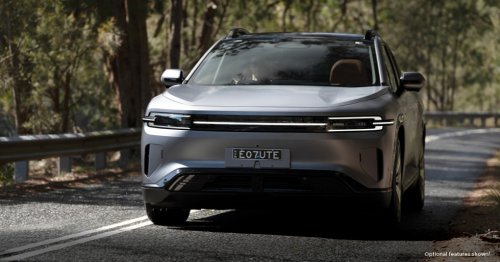
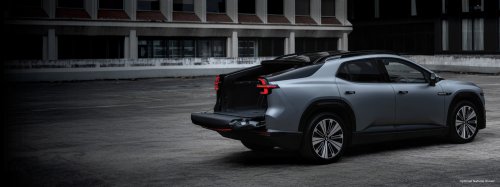
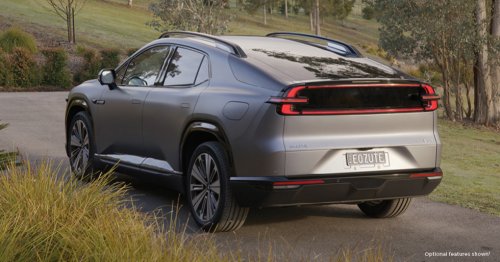
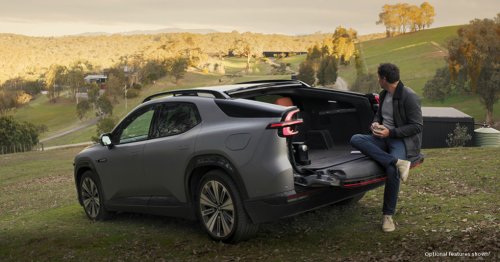
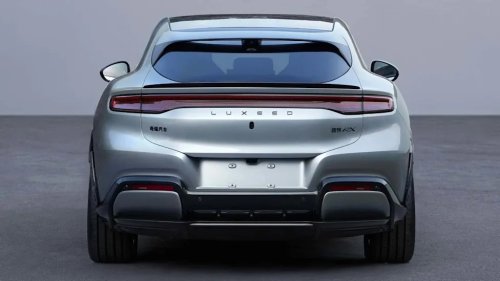
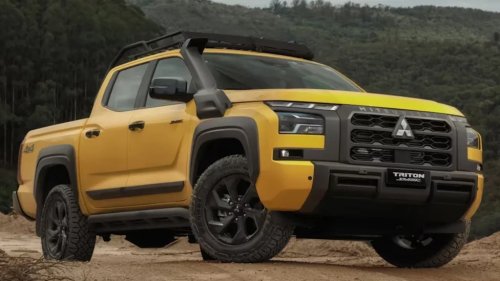
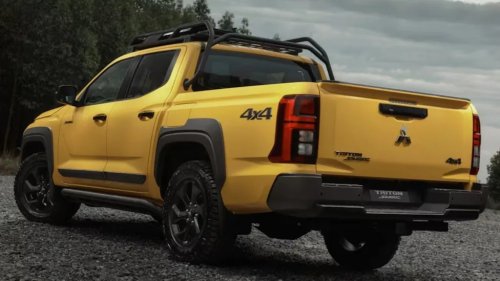
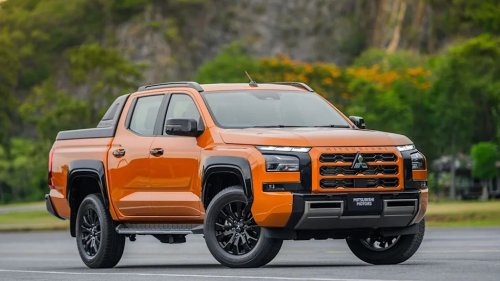
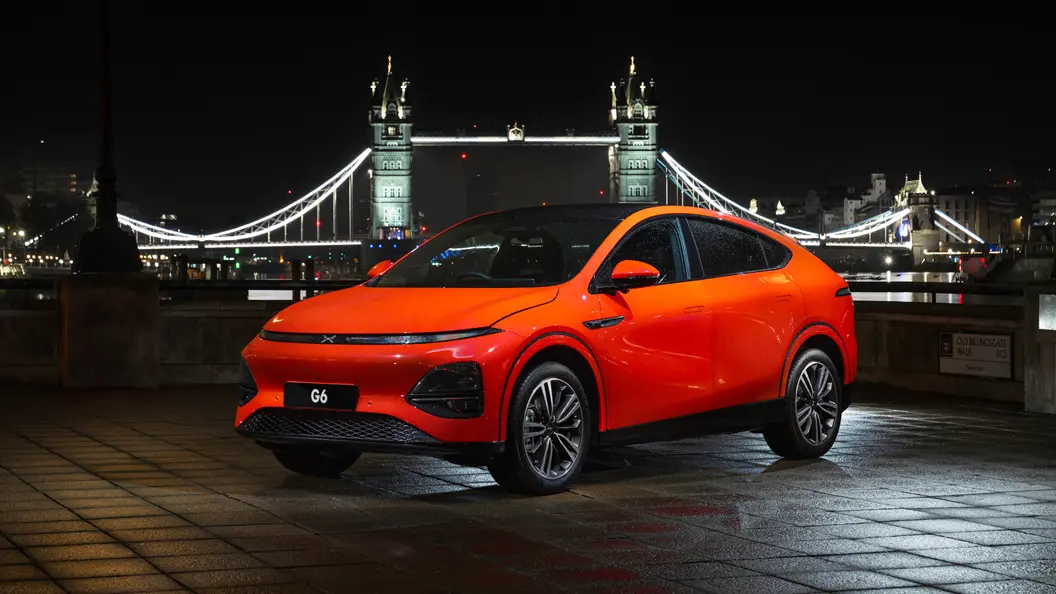
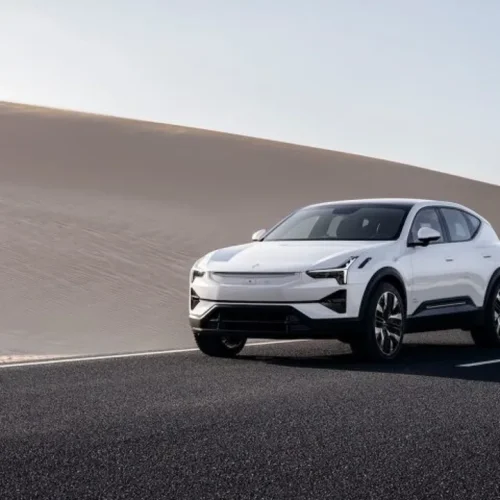
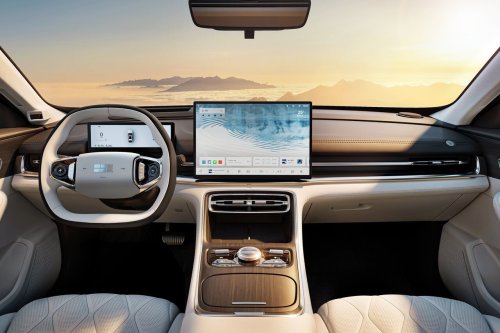
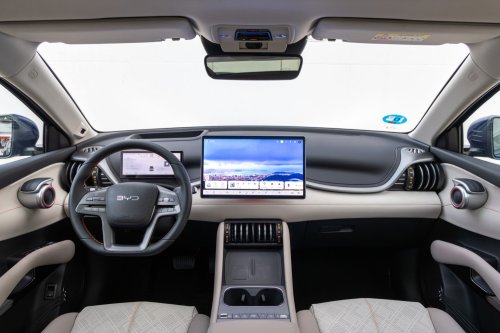
half of u s buyers would consider a chinese car, The Geely EX5 currently on sale in the UKThe Geely EX5 currently on sale in the UK.More than half of American vehicle buyers would consider a Chinese-made car if given the chance, according to the Dave Cantin Group's 2026 mid-year Market Outlook Report released Thursday.The report, produced in partnership with the Martec Group and based on consumer and dealership surveys, found that 51% of U.S. buyers would consider purchasing a Chinese-built vehicle. Among buyers under the age of 35, that figure climbs to 77%. The survey drew on input from dealers, executives, and industry experts.AdvertisementAdvertisementThat willingness arrives as affordability moves to the center of automaker strategy. Electric vehicle demand is falling. Gasoline-electric demand is rising. Those shifts are "reshaping product strategies across established automakers," per the Dave Cantin Group's statement.Brian Gordon, president of Dave Cantin Group, framed affordability as a political vulnerability. "The industry may be underestimating the pressure the U.S. government will be under to make vehicles more affordable," Gordon said in a statement. He added that "consumer willingness to purchase China-made vehicle could combine with persistent affordability challenges to entice politicians into changing their stance on a U.S. entry."China's Car Market is in TroubleChina's Car Market is in TroubleThe prevailing narrative around China's auto industry has centered on its dominance in electric vehicles and its rapid ascent as the world's largest car market. Yet the latest figures point to a growing problem at home. According to Reuters, car sales have continued to fall, and manufacturers are increasingly turning to overseas markets to absorb capacity. The domestic slowdown extends a trend that has raised questions about the health of demand in a market long treated as the engine of global auto growth. Rather than a sign of strength, however, the continued slide underscores the pressure building on automakers competing in an oversaturated and heavily discounted environment at home. The math no longer works and the cracks are starting to show.China's passenger car retail sales dropped 20.9% year-over-year in July to 1.46 million units, down 8.8% from June, according to the China Passenger Car Association (CPCA).Marcus LewinskyMarcus LewinskyAdvertisementAdvertisementChinese automakers remain shut out of the U.S. market. Even so, the report said China "is already affecting U.S. dealers." That echoes findings from AlixPartners earlier this year, which described China's auto industry as casting a shadow over the global sector. Chinese manufacturers have compressed development timelines to roughly three years, against five for legacy automakers, and have found ways to cut costs that have unsettled established players.The survey lands amid a fresh trade war between the U.S. and Canada, with the auto industry central to the dispute. Vehicle and component production runs across the U.S.-Canada border, including shipments over the recently opened Gordie Howe International Bridge.The report also pointed to structural shifts in retail. Dealers expect merger and acquisition activity to rise, and the Dave Cantin Group said dealership "consolidation is expected to accelerate." Artificial intelligence is another factor. It is giving shoppers new research tools that are changing how buyers approach purchases.