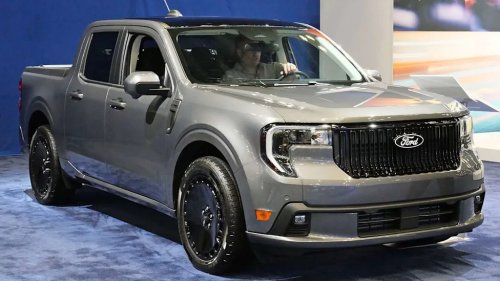
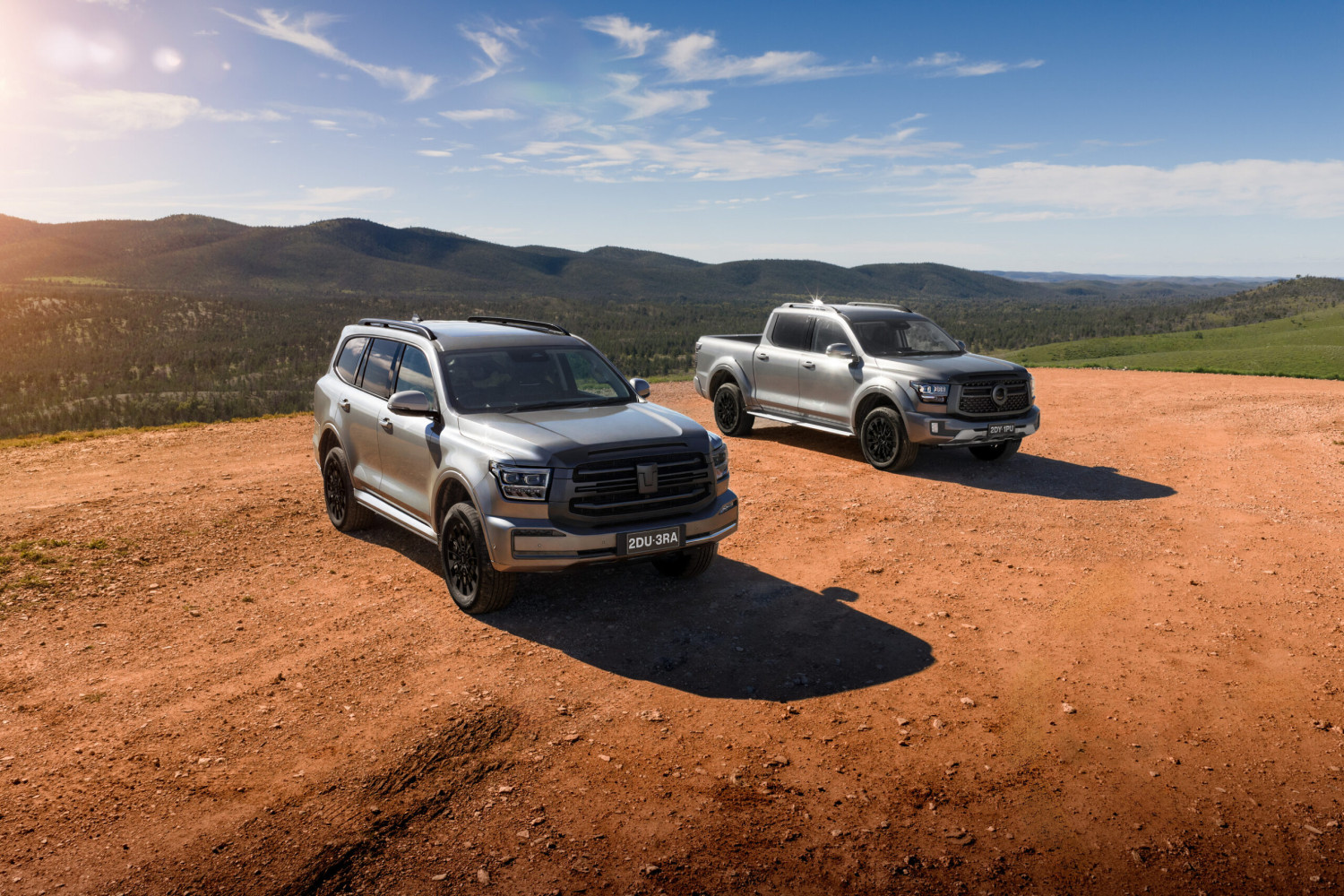
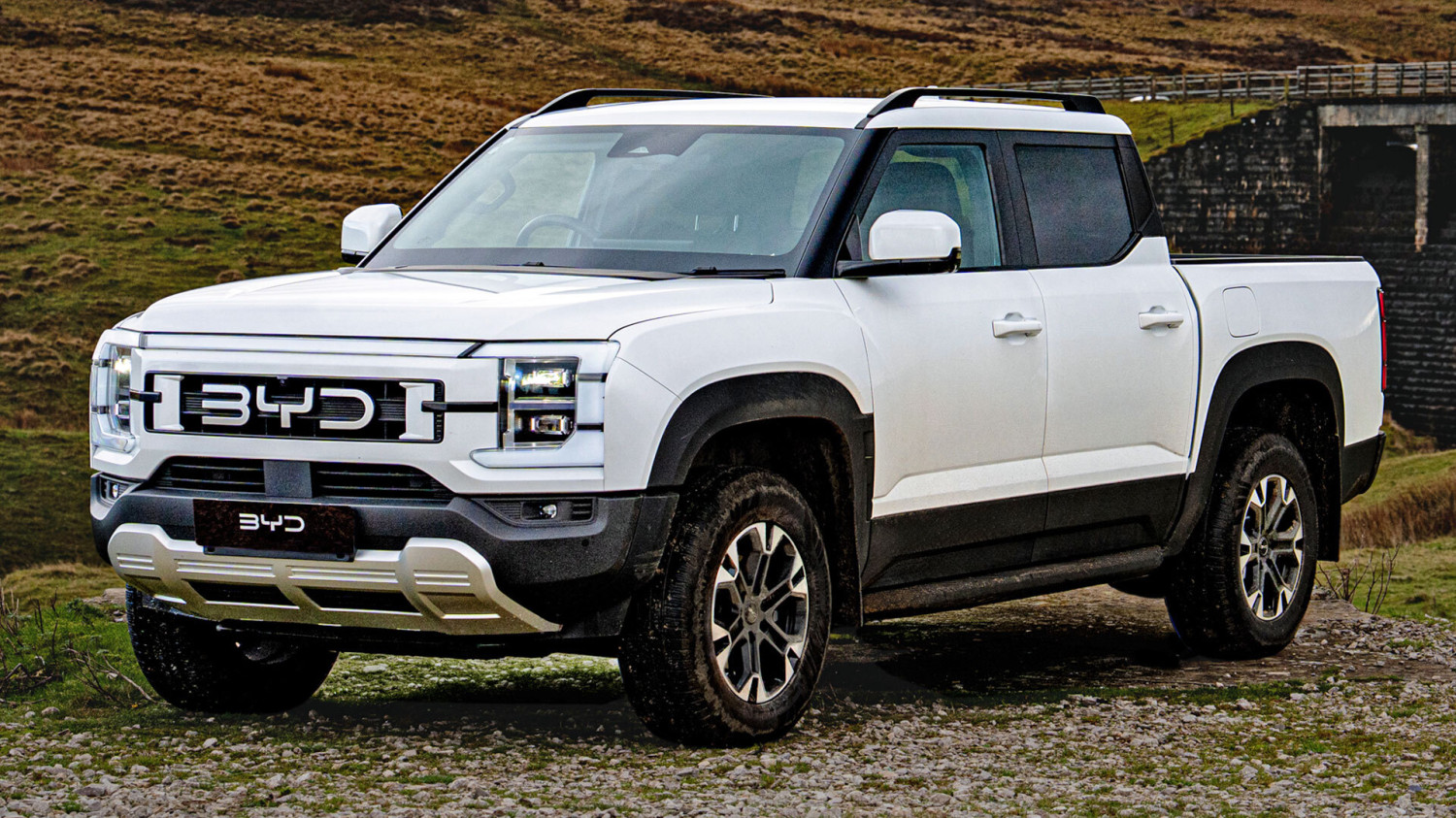
Ford believes Chinese automakers could reach America in 5-10 years, despite current barriers. Chinese brands have already grabbed major sales wins across regions like Europe and Australia. Detroit is developing cheaper EVs before Chinese rivals eventually reach American showrooms. Chinese automakers are effectively locked out of America today, but Ford’s CEO Jim Farley apparently doesn’t expect that wall to stand forever. Farley reportedly told employees that Chinese brands could enter the US within five to 10 years, giving Detroit a useful deadline for getting its house in order. Farley and other senior Ford executives discussed the possibility of a Chinese incursion during an employee town hall, suggesting an arrival toward the later end of that 5-10-year window is more likely, Reuters sources say. That’s despite big financial and regulatory barriers currently making Chinese cars extremely difficult to sell in America. Related: Ford’s Chairman Warns America Can’t Keep Chinese Cars Out Forever Chinese cars face tariffs of around 100 percent as of 2026, while connected-vehicle regulations progressively restrict Chinese software and hardware. Those regulations have forced Polestar, mostly owned by China’s Geely, to exit the US after MY26, despite building its 3 SUV at Volvo’s plant in South Carolina. Lawmakers are also pushing for even tougher measures. But Ford’s leadership clearly isn’t betting the company on those protections lasting indefinitely. Executive Chairman Bill Ford made that point recently when discussing the threat from China. “We can’t expect to keep them out forever, and we have to be able to beat them at their own game,” he said, according to the Wall Street Journal. There’s plenty of evidence explaining Ford’s concern. Chinese automakers have stormed markets where they’ve been allowed to compete, accounting for roughly one in 10 European sales. In Britain, Jaecoo only registered its first vehicle in January 2025, yet just 13 months later one of its SUVs was the country’s outright bestseller. Aussies Love A Chinese Truck It’s a similar story elsewhere. BYD’s Shark has become Australia’s bestselling pickup, while Chinese brands have established a major presence in Mexico, right next door to America. Canada is also allowing limited numbers of Chinese EVs into its market, potentially offering manufacturers a useful preview of North American tastes. Ford isn’t simply waiting to find out what happens. It’s developing a new family of affordable EVs engineered around lower costs and greater manufacturing efficiency, including a roughly $30,000 electric pickup due in 2027. The Blue Oval is even working with Geely in Europe, where Chinese competition is already forcing established manufacturers to rethink how they operate. Whether BYDs and Jaecoos will actually fill American parking lots by 2036 remains impossible to know. But after watching what happened overseas, Ford doesn’t want Detroit discovering too late that tariffs weren’t a permanent moat. BYD, Balduaf



















 +53 others