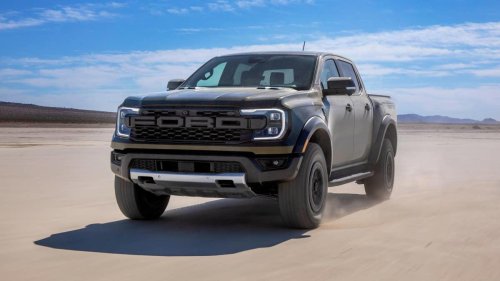
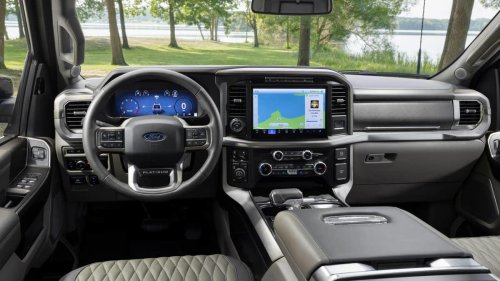
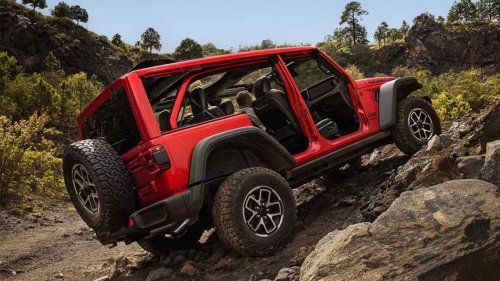
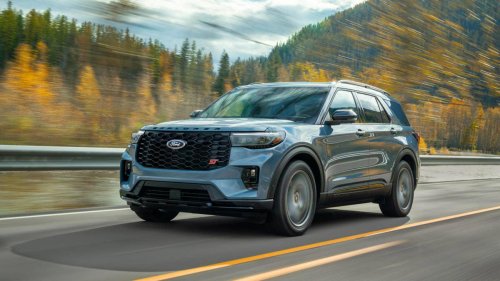
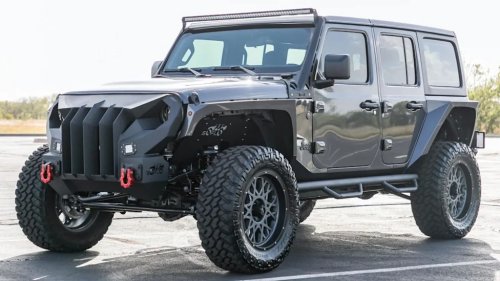
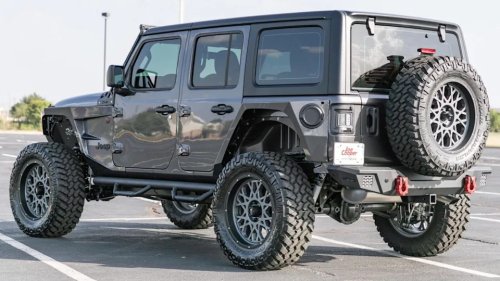
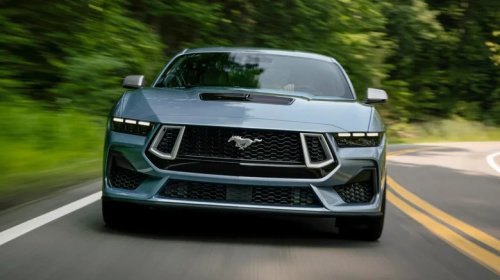
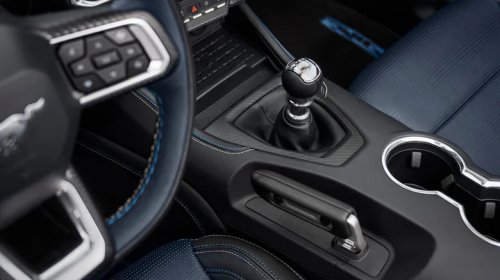
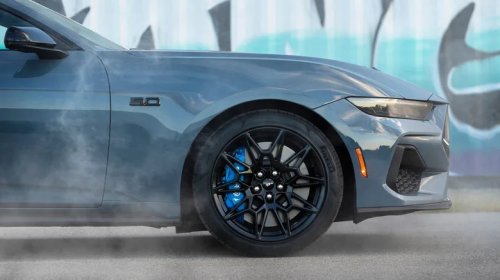
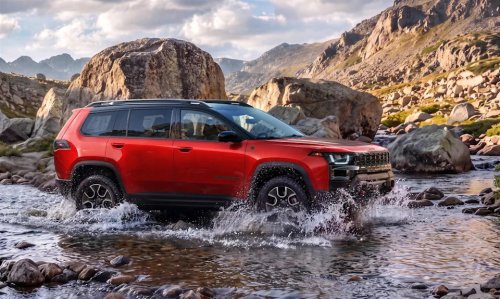
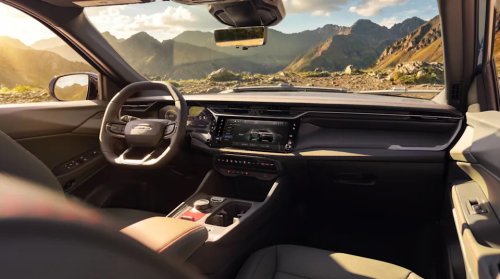
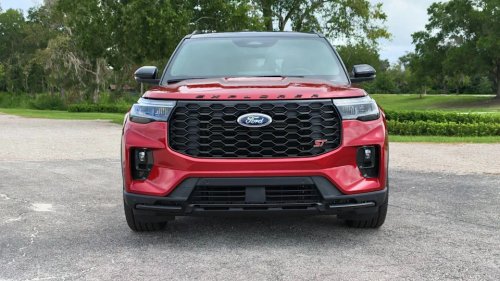
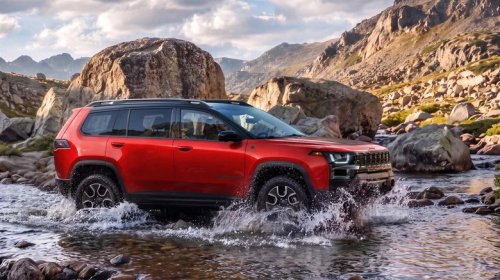
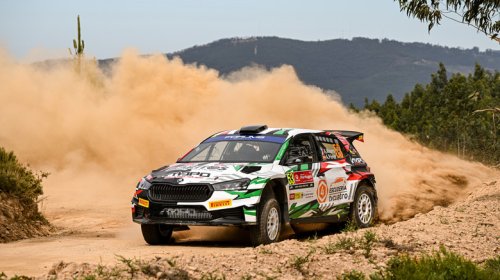
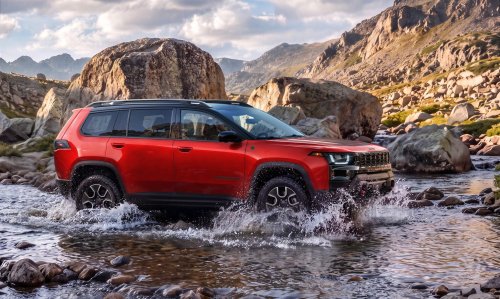
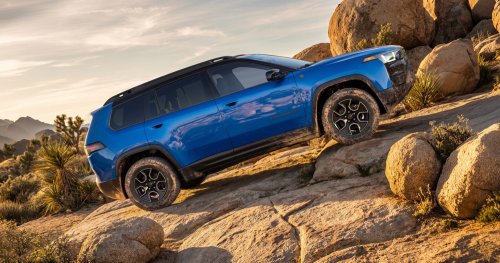
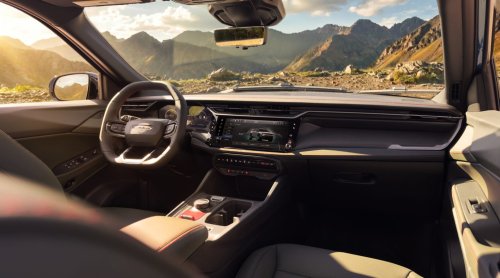
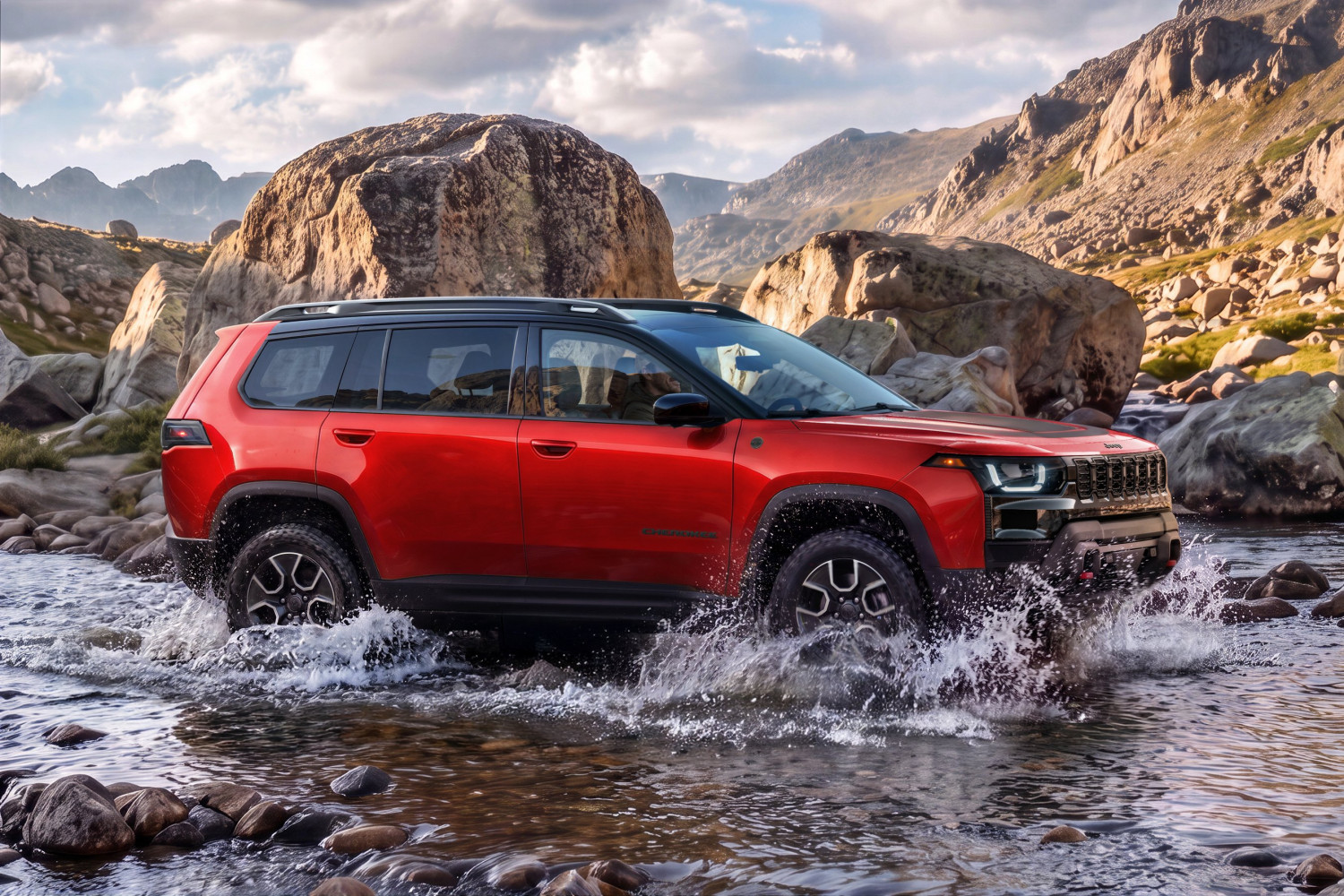
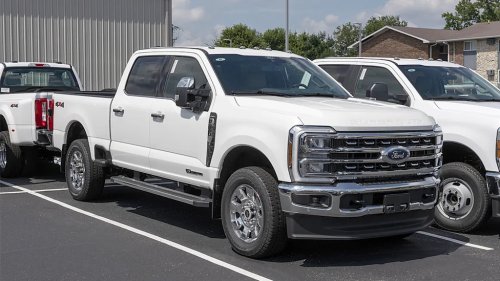
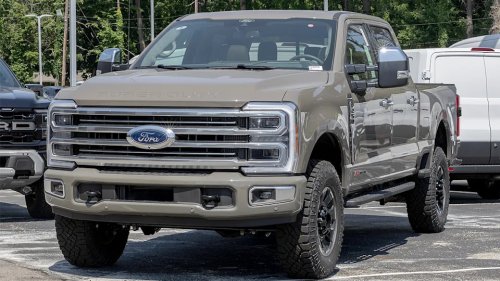
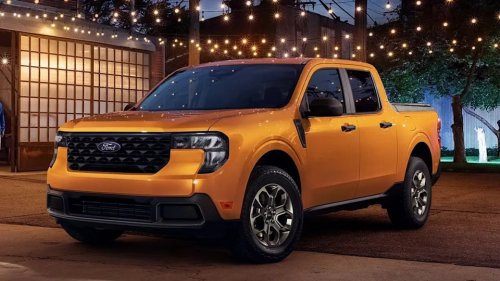
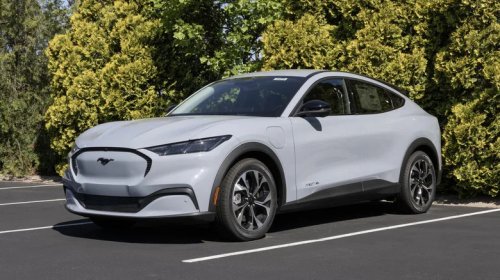
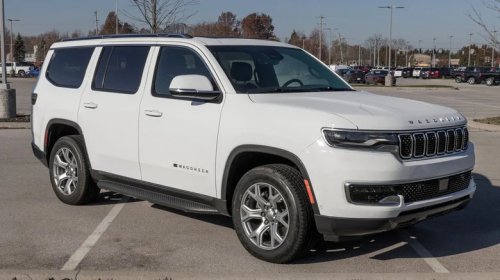
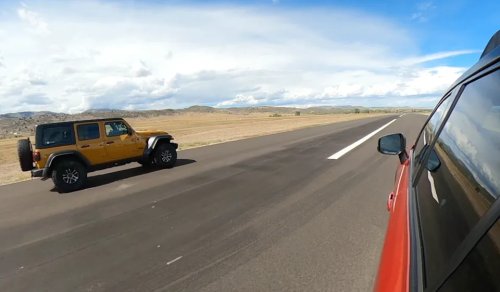
Ford and Jeep are among the most patriotic automotive brands in America. Established models like the Jeep Wrangler and Ford F-150 have a loyal following that’s the envy of most rivals. This strong brand identity has not come about because of exceptional reliability standards, though. While both Ford and Jeep have manufactured some tough off-roaders, they remain more vulnerable to quality issues than Japanese competitors, and even some luxury automakers are more dependable. But which proudly American carmaker is more reliable? Ford or Jeep? We consulted the most reputable reliability studies in the industry to answer just that. Consumer Reports: Average For Ford, Grim For Jeep One of the best markers of automotive brand reliability comes from the most recent Consumer Reports study. The organization calculates a predicted reliability rating for vehicles based on data from 380,000 vehicles. For the most recent study, CR required data for at least two models and from at least two model years between 2023 and 2026. However, its data also stretches back as far as the 2000 model year, so these scores are a solid indication of long-term reliability, too. Out of 26 eligible brands, Ford achieved a score of 48 out of 100 and a ranking of 11th. It was far better than Jeep, which scored just 28 and ranked 25th, behind all brands other than Rivian. Ford and Jeep were both well off the pace of Japanese carmakers like Toyota, Subaru, and Lexus, which occupied the top 3 spots. In the most recent study, which takes into account all powertrain types, Ford’s F-150 Hybrid and Escape Hybrid demonstrated impressive gains in reliability. There was also an above-average rating for the Bronco Sport. Jeep had no impressive performers, with particularly poor scores for the Grand Cherokee and Grand Cherokee PHEV. This is the most comprehensive reliability study available, and while the results are reasonable for Ford, there is much room for improvement at Jeep. JD Power: Ford’s Improvements Start Showing Ford has been highly transparent about its industry-leading number of recalls in recent years. The automaker says it’s taking a proactive approach to fixing quality, so some vehicles are recalled even before owners notice there’s a problem. In at least one JD Power survey released this year, Ford’s efforts have been rewarded. JD Power has run its Vehicle Dependability Study and Initial Quality Study in 2026. The former is an assessment of issues owners have experienced with 2023 model-year vehicles after three years of ownership. In the Initial Quality Study, vehicle faults are explored after 90 days of ownership, applicable to 2026 model-year vehicles. Brands are ranked by the number of problems per 100 vehicles (PP100), with a lower score being better. Here’s a look at how each brand performed. Jeep Vs. Ford Reliability: JD PowerJD Power Vehicle Dependability StudyJD Power Initial Quality StudyFord228 PP100 (19th out of 28 brands)152 PP100 (3rd out of 27 brands)Jeep267 PP100 (25th out of 28 brands)182 PP100 (16th out of 27 brands)Industry Average204 PP100175 PP100 In the Vehicle Dependability Study, both brands were below average, but Ford was once again better than Jeep. Ford did manage to pick up a single runner-up mention in the full-size pickup segment, where it was ranked below the Ram 1500 and Chevrolet Silverado. There were no category wins or runner-up finishes for Jeep. In this year’s Initial Quality Study, Ford had an outstanding result. It ranked third overall and first among mass-market brands. The F-150, Mustang, and Super Duty all topped their segments. Jeep performed a bit better here, but was still below the industry average and failed to achieve any category wins or runner-up finishes. JD Power’s studies indicate that, where Ford vs Jeep are concerned, Fords have fewer problems in the early ownership period than Jeep models. RepairPal: Jeep Fights Back Finally, RepairPal’s brand reliability ratings are based on 2010 to 2019 model-year vehicles, with millions of vehicle repair invoices used to determine how often specific models and brands need to go for unscheduled repairs and maintenance. Using this database, rankings are formulated. In this study, both brands have a reliability score of 3.5 out of 5, but Jeep is ahead as it ranks 15th out of 32 brands. Ford has a ranking of 21st, a few spots below its rival, making this the only study where Ford is behind. Ford and Jeep Recalls Ford and Jeep have each had their fair share of mechanical and electrical gremlins, but these differ considerably from model to model. Based on recall data over the last 12 months, the following major problems have surfaced for these two brands. Recent Ford Recalls Engine compartment fire risk. A wiring harness could short circuit and lead to an engine fire in certain Bronco models. Seating problems. Seats that don’t detect occupants could fail to properly restrain occupants in a crash, affecting the Explorer. Vehicle rollaway risk. Certain Expedition and F-150 vehicles could roll away due to park system damage. Recent Jeep Recalls Power steering wiring could catch fire. This is a fire risk warning affecting over a million Gladiator and Wrangler models. The company has also been sued after a Gladiator caught fire in Illinois. Side airbags may not deploy. Side airbags may suffer from delayed deployment in a crash, affecting certain Grand Cherokee models. Failing power transfer unit. In this recall, a loss of drive power due to a failed power transfer unit affects certain Grand Cherokee models. Both brands have suffered from software troubles, but this is an industry-wide issue and not exclusive to Ford and Jeep. It’s simply a consequence of cars becoming more reliant on software. While Ford leads in recalls, many of these are due to the brand taking a more aggressive approach to fixing quality on older models. Both brands have suffered from more severe powertrain issues through the years, too. Ford’s infamous dual-clutch PowerShift transmission triggered several class-action lawsuits in the 2010s, while Jeep has had to contend with the dreaded ‘Death Wobble’ (causing the front-end of some vehicles to shake violently after hitting a bump) and high oil consumption on older Tigershark four-cylinder engines. Ford relies more heavily on well-known engine architectures, whereas Jeep models—being part of the Stellantis family—have used newer powertrains recently, while also expanding the use of hybrids. This transition for Jeep has come at the expense of dependability. As with any car, it’s advisable to thoroughly research that specific model if you’re buying used. Relying on overall brand reliability ratings alone isn’t recommended, as even some highly rated brands have produced a few lemons through the years. Final Verdict: Ford Comes Out On Top The results speak for themselves. Ford has a much better overall reliability rating than Jeep, based on the newest reliability studies. While neither brand can match Toyota, Ford’s range of pickups and SUVs generally outperforms Jeep’s. Earlier this year, we reported on Stellantis’ deployment of 2,000 new engineers to fix quality troubles affecting its brands—that includes Jeep, Ram, and Dodge. For now, it appears that Ford is a bit further ahead in managing its quality concerns, but we’d like to see both manufacturers achieve a reliability record that better matches their popularity in America.