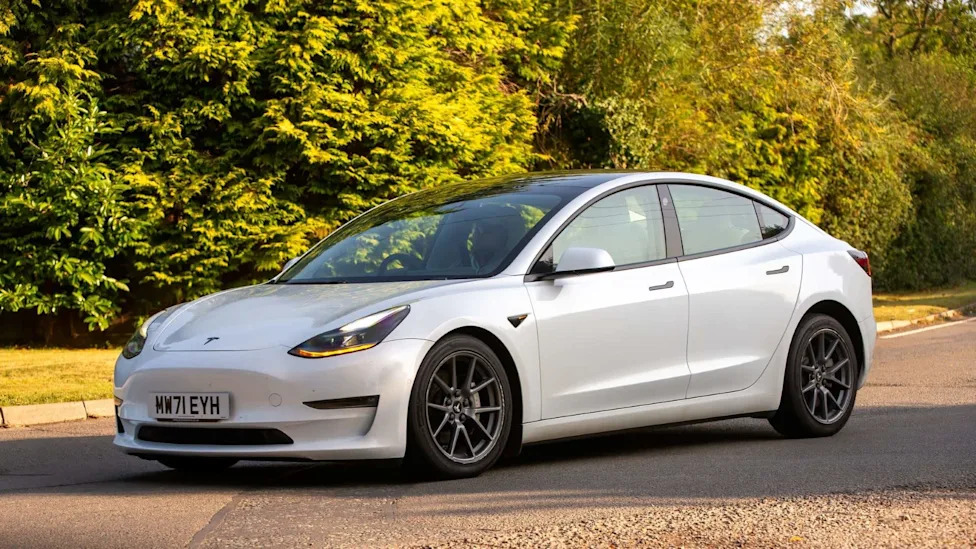
Photo Credit: iStockA Florida driver's range test in a used Tesla Model 3 highlights a familiar electric vehicle issue with some nuance. While highway range can drop in normal conditions, sometimes the math suggests something more serious is at play.For drivers shopping for used EVs, that distinction can mean the difference between years of low-cost driving and a last-minute scramble to use a battery warranty.What happened?A recent Reddit thread laid out the concern. The owner told the r/electricvehicles community that the used 2021 Model 3 Standard Range Plus they bought from Tesla in February was listed at 263 miles of range but showed 206 at the time of the test.AdvertisementAdvertisementThe Florida driver said the car has about 90,000 miles and remains under Tesla's battery warranty until 100,000 miles. To see how it was performing, they reported driving at 75 mph with climate control on auto at 72 and averaging roughly 260 watt-hours per mile.That drive covered 112 miles while the battery fell from 100% to 10%, suggesting only about 130 miles of total range. With that in mind, they wanted to know if that was normal or if they should book an appointment with Tesla.Several commenters emphasized that the rated range is based on a mix of speeds and conditions, so steady highway driving almost always comes in lower. In the thread, multiple people said that even a new Standard Range Plus might deliver only about 176 to 184 miles at a constant 75 mph, especially if tire pressure, alignment, wind, or the wrong tires are reducing efficiency.AdvertisementAdvertisementBut many replies also argued that normal highway losses did not fully explain these numbers. "Degradation at this age and mileage should be minimal, probably under 10%, not nearly 40%," a highly upvoted post declared.Why does it matter?This is the kind of issue that makes battery warranties so important in the used EV market.Electric vehicles can save drivers money through lower fueling costs and less routine maintenance than gas-powered cars, but those savings become much less meaningful if a major battery problem appears just after the warranty expires.It also shows how easy it is to misunderstand range. A lower number on the dashboard does not automatically mean a failing battery, especially during freeway driving in hot weather. But an unusually large gap between expected and actual performance can indicate that something really is wrong.AdvertisementAdvertisementSeveral commenters concluded the car could be delivering much less usable energy than the owner's battery-health estimate suggested."Either OP has the wrong numbers, or the battery has degraded significantly beyond what is expected at its age," one wrote.What's being done?The most common suggestion was to run Tesla's built-in battery health or service mode checks and book an appointment before the 100,000-mile battery warranty ends.There were practical troubleshooting ideas as well. Checking tire pressure, inspecting alignment, confirming which tires are on the car, and comparing highway efficiency with lower-speed driving may not repair a damaged battery, but these steps can help distinguish between ordinary range loss and a real defect.AdvertisementAdvertisementGet TCD's free newsletters for easy tips, smart advice, and a chance to earn $5,000 toward home upgrades. To see more stories like this one, change your Google preferences here.



















 +18 others