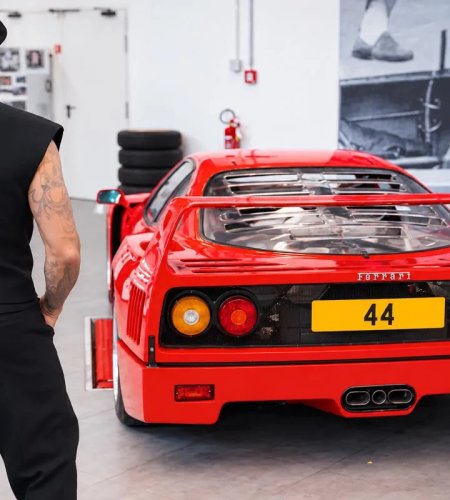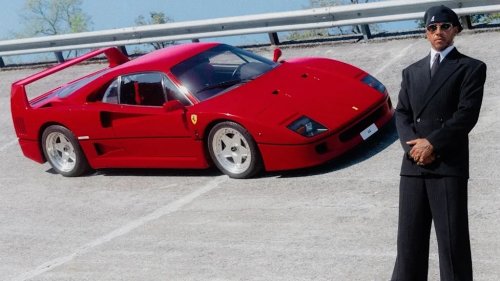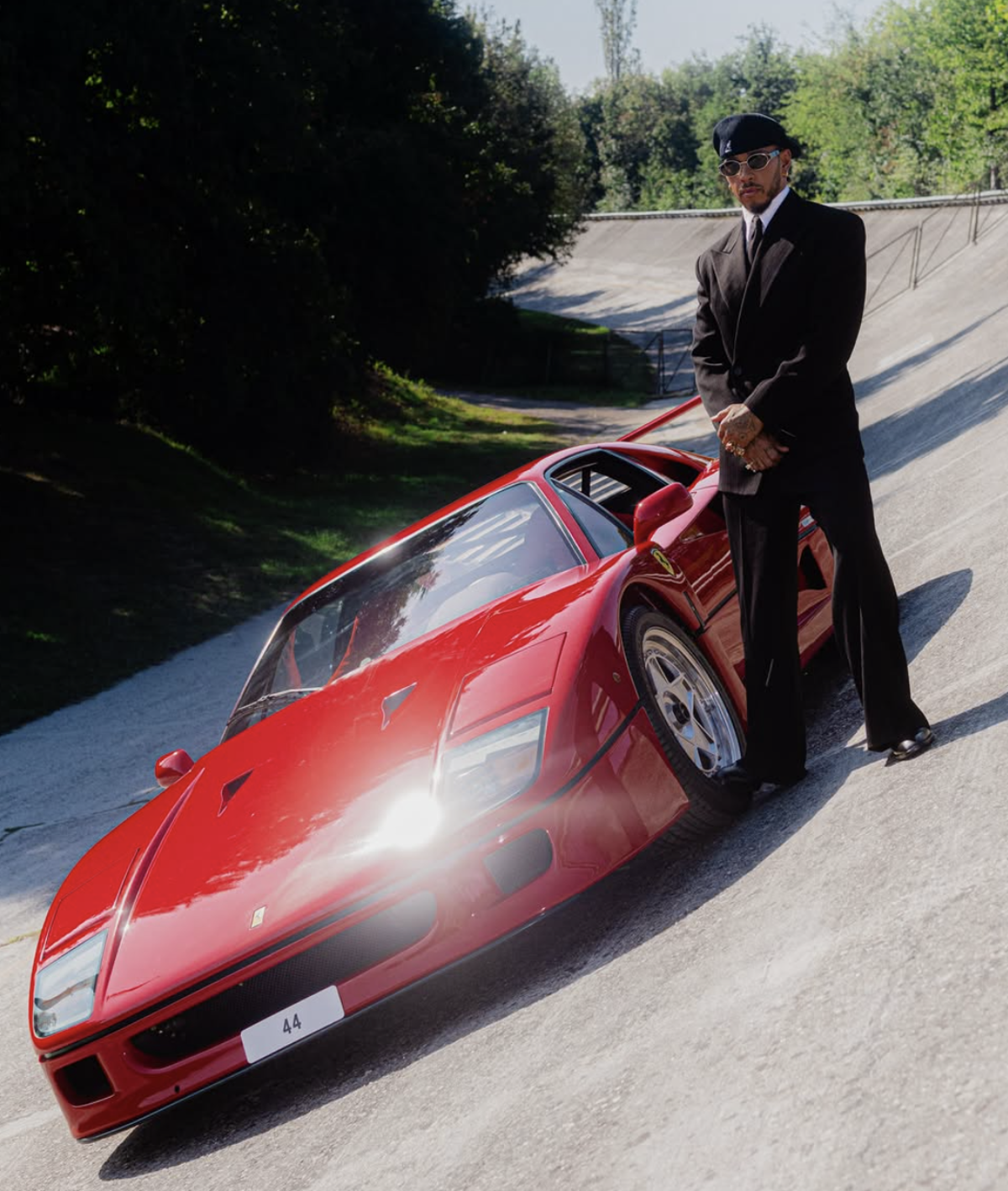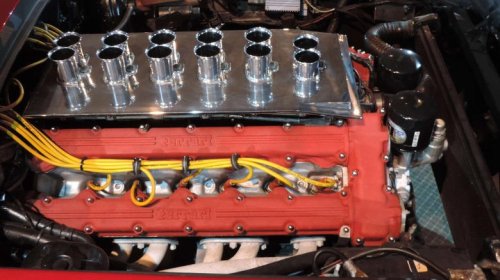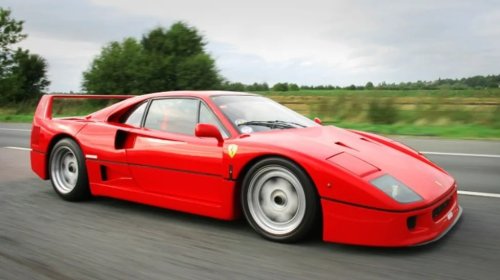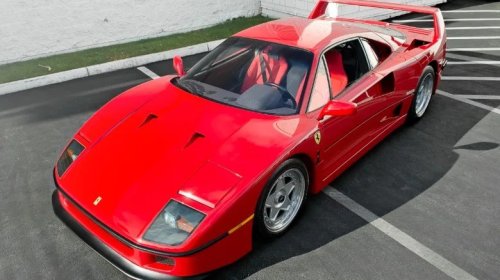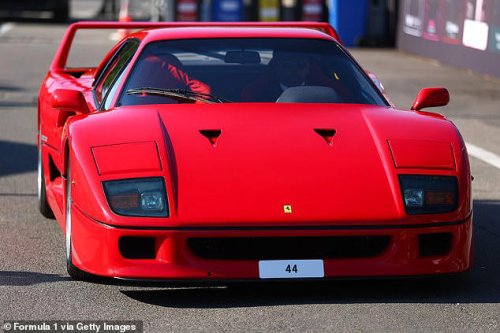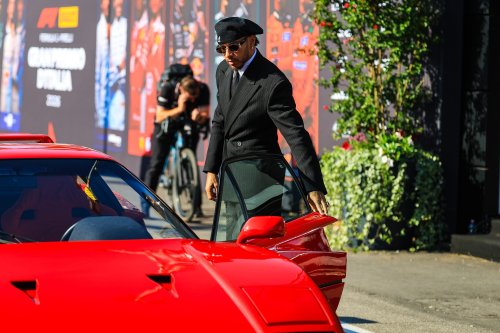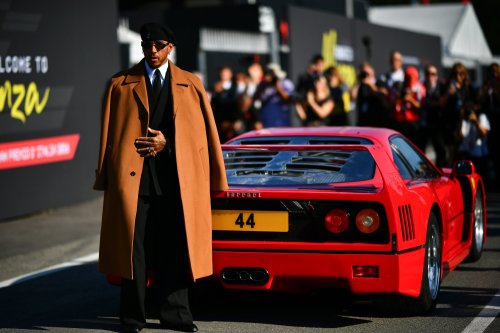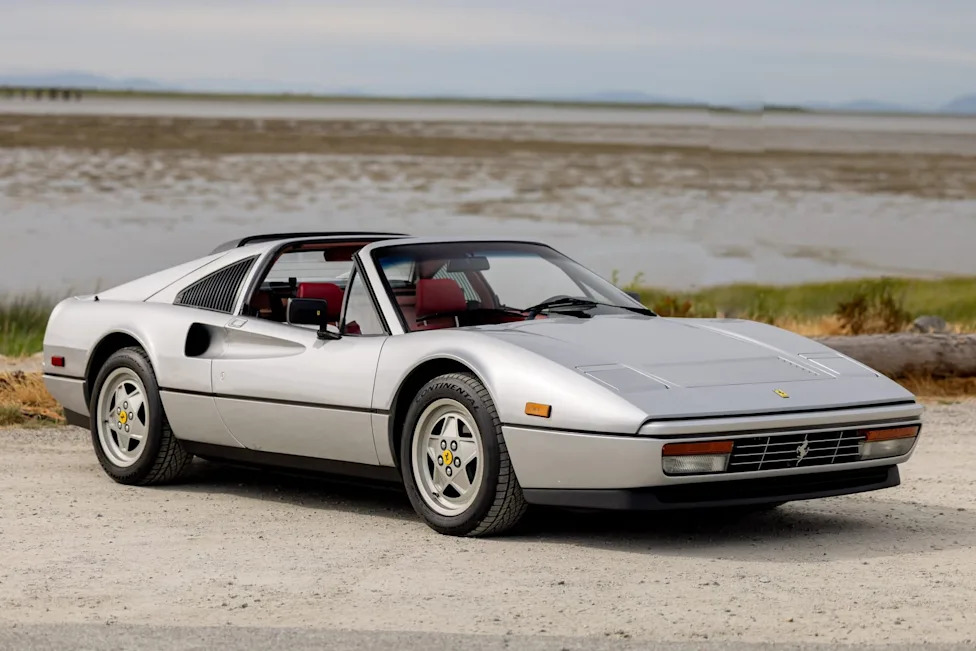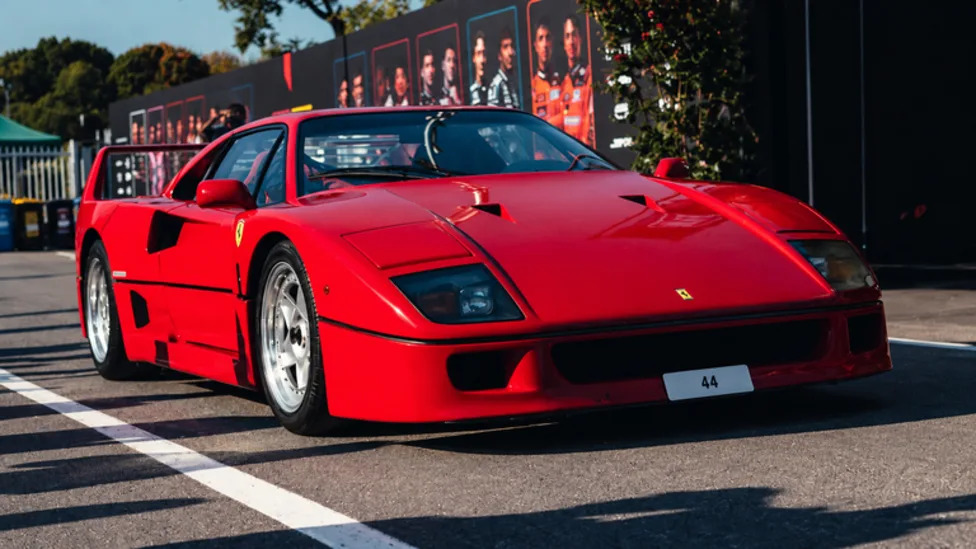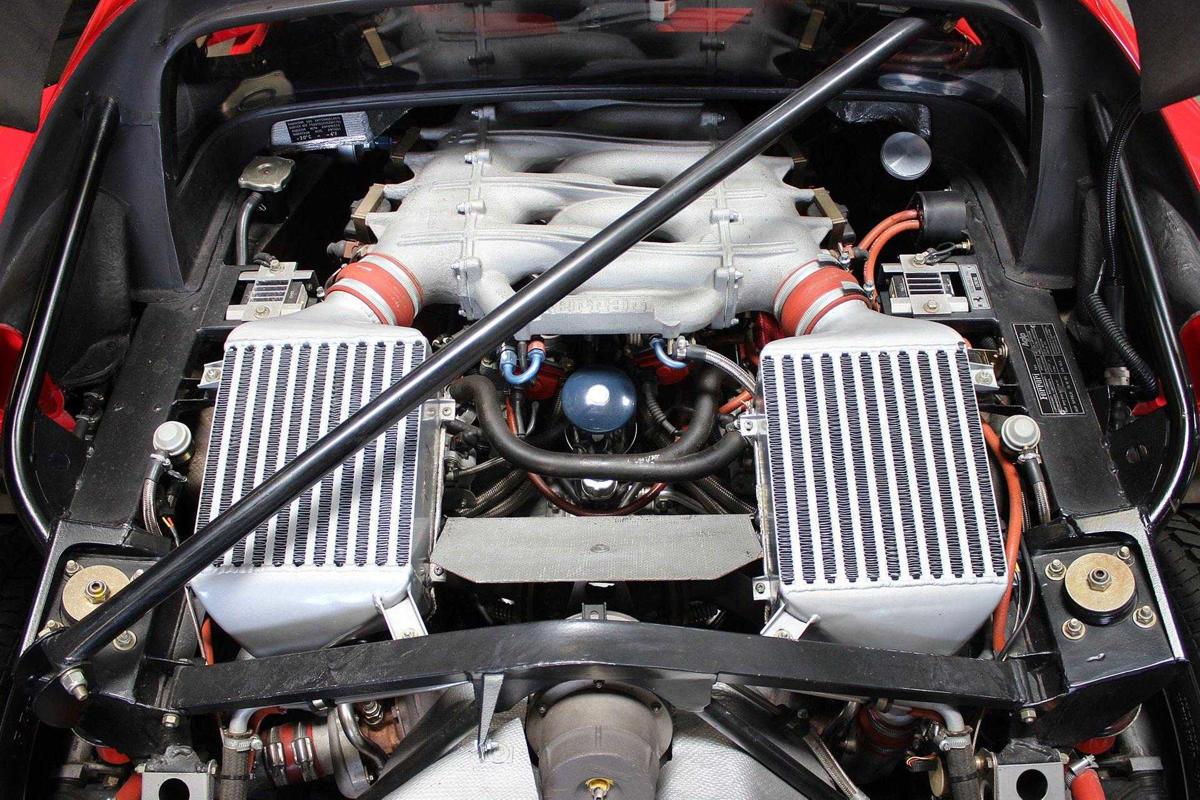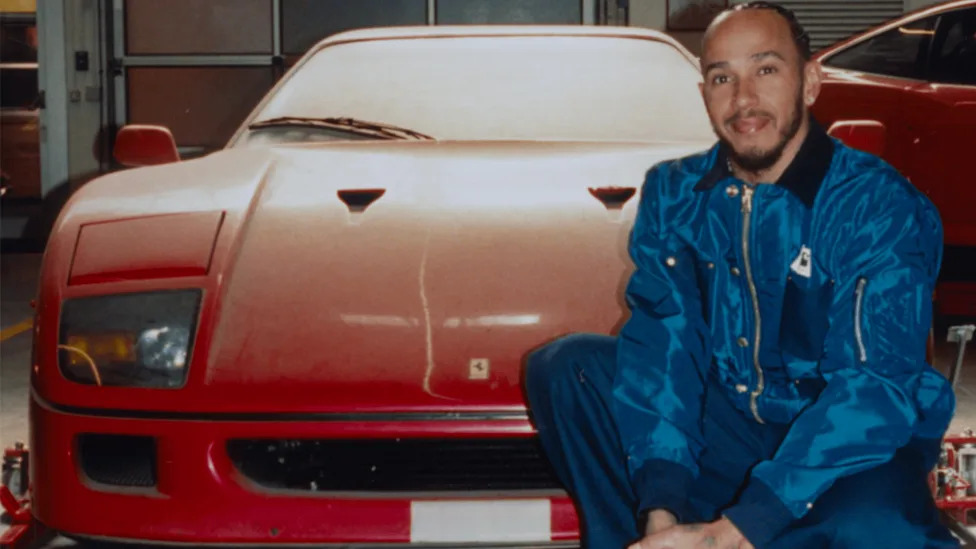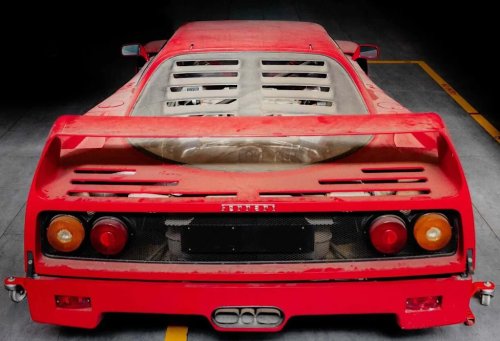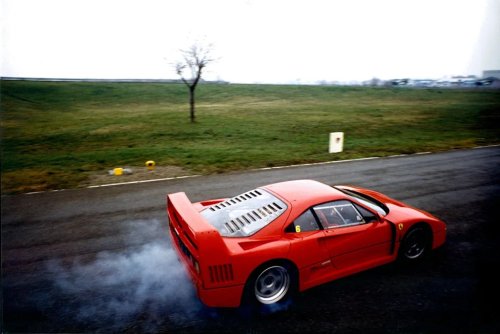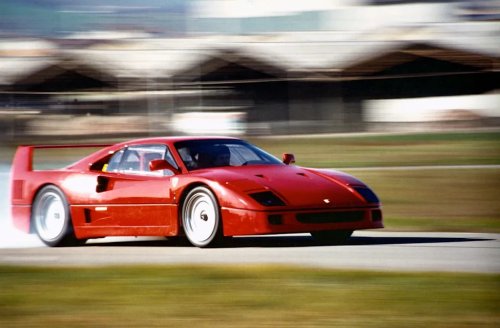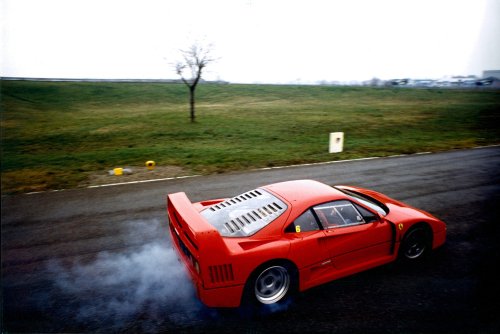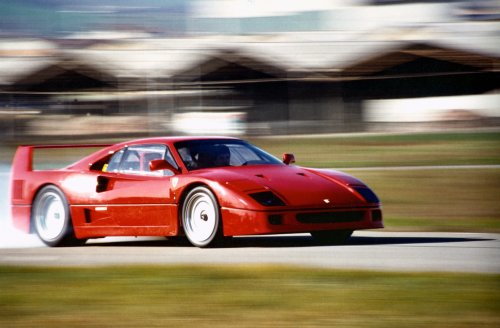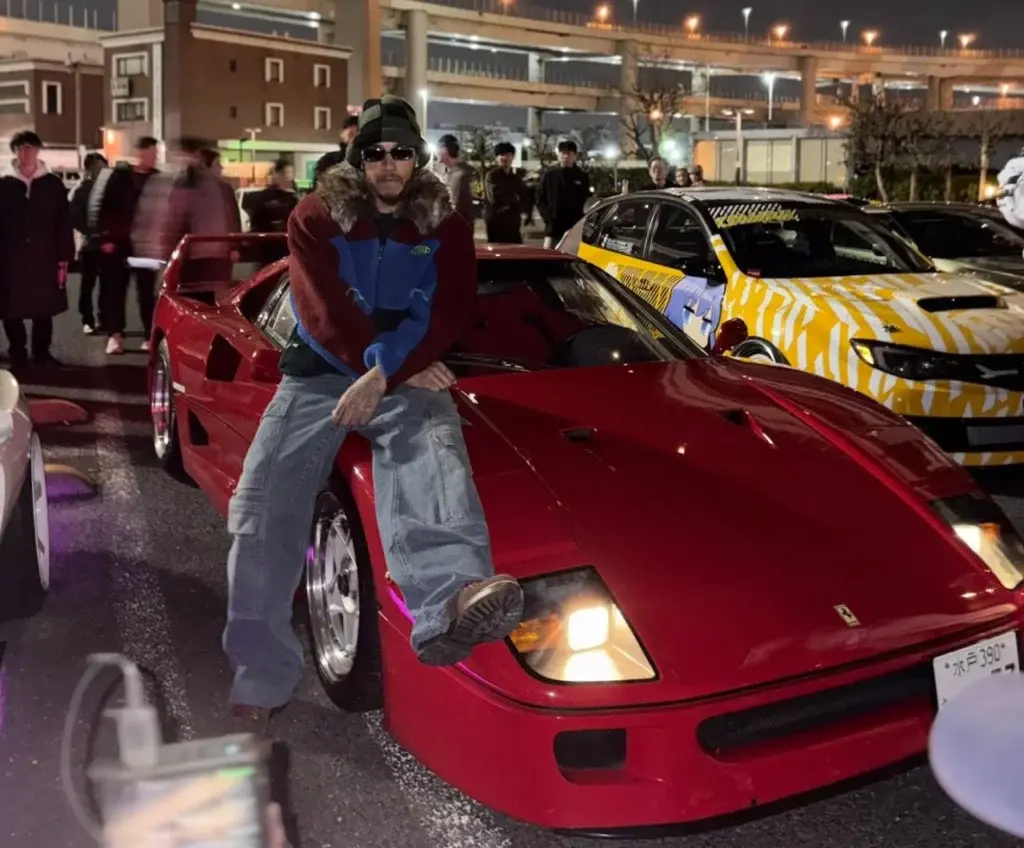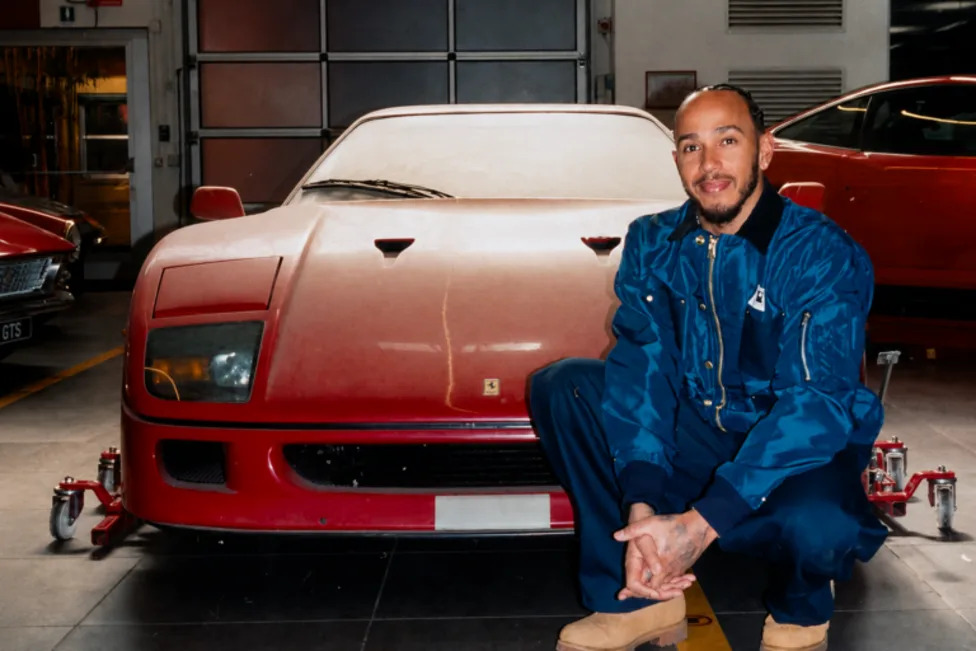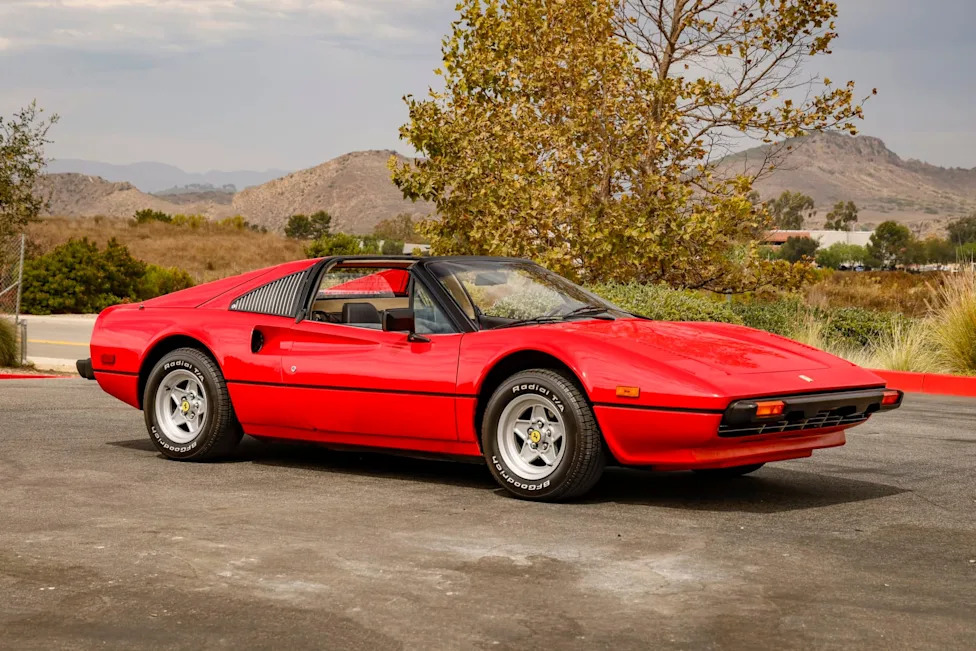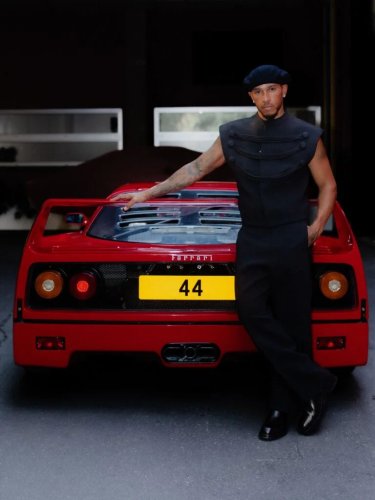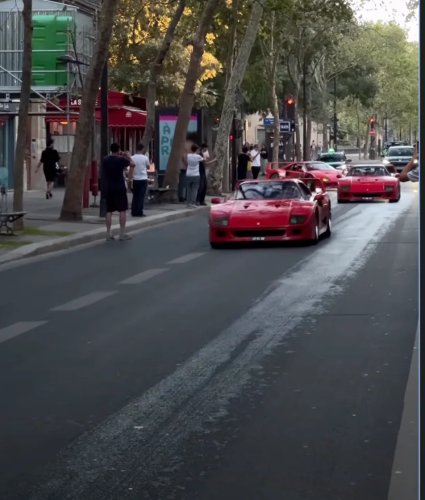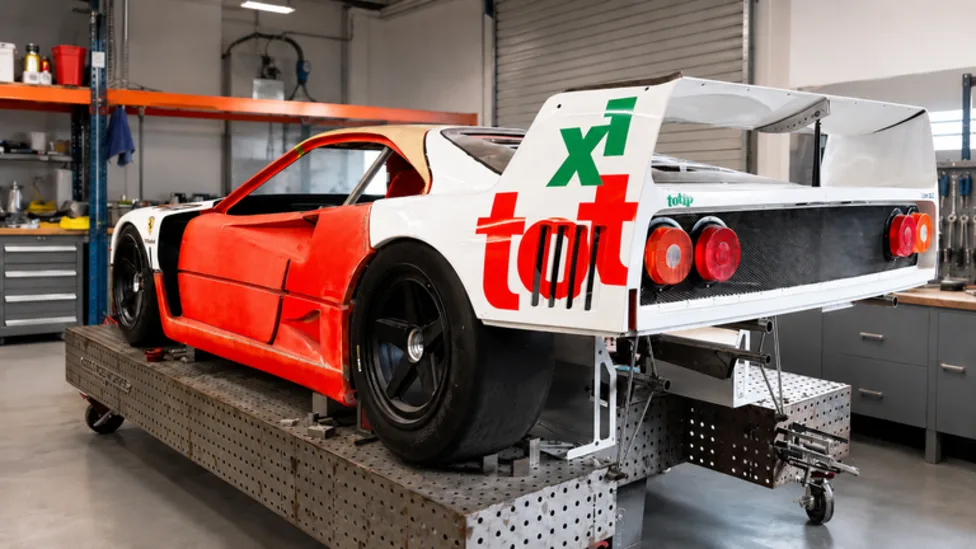



















Ferrari F40 Builder 3D Prints Full-Size V12 Engine to Solve Packaging NightmareThe driver of StanceWorks' Ferrari F40 EVO will sit closer to the centerline than Ferrari intended. But this isn't down to how the car was built aethetically. Mike Burroughs is trying to correct the original F40's awkward relationship between its offset pedals and driving position while also finding room for an engine more than twice the size of the car's original powerplant.Burroughs, founder of StanceWorks, showed the latest stage of the build in a recent video. The plastic engine is a full-scale replica of the naturally aspirated, 6.5-liter Ferrari F140GA V12 used in the 812 Superfast.Ferrari lists that 65-degree V12 at 6,496 cc, 800 cv, or 588 kW, at 8,500 rpm. Peak torque is 718 Nm at 7,000 rpm, while output reaches 123 cv per liter. Compared with the original F40's twin-turbocharged 2.9-liter V8 and its 478 cv, the new engine brings 322 additional cv, roughly 67.4% more power, and 2.21 times the displacement.Why a Plastic Ferrari V12 Makes SenseVision Miner built the surrogate from ABS using its 22 IDEX printer platform. Burroughs said: "This thing is made entirely of ABS plastic and it only weighs 40 lb." Because its 350 × 350 × 450-millimeter print area could not accommodate an entire V12, the engine was produced in several pieces and then assembled together. Completing the job required over 400 hours of printing – roughly 16.7 straight days.AdvertisementAdvertisement"This entire thing was printed on Vision Miner's 22 Idex printers," he said. "And in total, we're looking at more than 400 hours of print time. But this thing is gorgeous."Vision Miner lists the 22 IDEX V4 with 500°C print heads, a 200°C build platform, and a chamber capable of exceeding 100°C. The machine sells for $14,900. It is designed for engineering prototypes, fixtures, and automotive development, which makes this project a rather good advertisement for a big expensive orange box.The model is not intended to look like a finished Ferrari engine. Burroughs described it as "like dimensionally accurate, but the details are not there.""The purpose of this is is to make sure that as we work in the back of the car and we start mounting other parts and pieces that none of them are going to foul the engine," he continued.AdvertisementAdvertisementThe replica gives the fabrication team a lightweight object they can repeatedly lift into the rear of the chassis while checking the firewall, seats, driveline, axle position, pulley clearance, and engine mounts.The actual chassis is a bespoke tubular structure wearing authentic new-old-stock F40 body panels. Burroughs said as much on the Just Gonna Send It podcast.The rest of the mechanical package is just as unconventional. SendCutSend documented the project's CAD work, laser-cut fixtures, custom jigs, brackets, and chassis table, while the front suspension uses Ferrari 458 Challenge Evo hardware. The transmission will be a Hollinger manual gearbox operated by steering-wheel paddles, with a conventional clutch pedal.Instead of rigidly mounting the V12 to the chassis, Burroughs is adapting an engine mount from the Ferrari 812 Superfast for isolation. StanceWorks says the engine's harmonics become especially noticeable in a different chassis, making vibration control a big focus in the design of the vehicle.AdvertisementAdvertisementThe immediate seat-mount prototypes use 3/16-inch 1T6 aluminum. Burroughs found that the revised rails need roughly another 3/4 inch of height, and the passenger seat will move outward as the driver's seat shifts inward. The next milestones are final seat installation, V12 mount arms, and a printed gearbox model.The F40 EVO is StanceWorks' next major project after its K24-powered Ferrari 308, and the separate 308 Hollinger order reportedly came with an 11-month delivery estimate.This is not a restoration trying to preserve factory geometry. It is an F40-shaped engineering experiment combining 1980s Ferrari bodywork, 812-era V12 power, 458 Challenge suspension, and a fabrication process that treats scanning and printing as normal shop tools. For a car with a packaging problem this large, a 40-pound plastic engine is probably the most sensible part of the whole build.