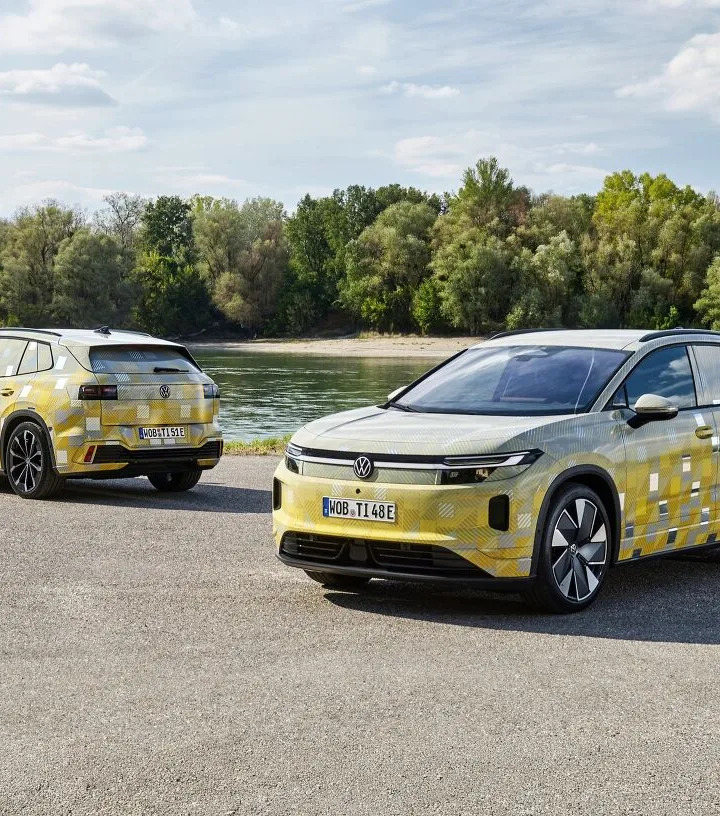
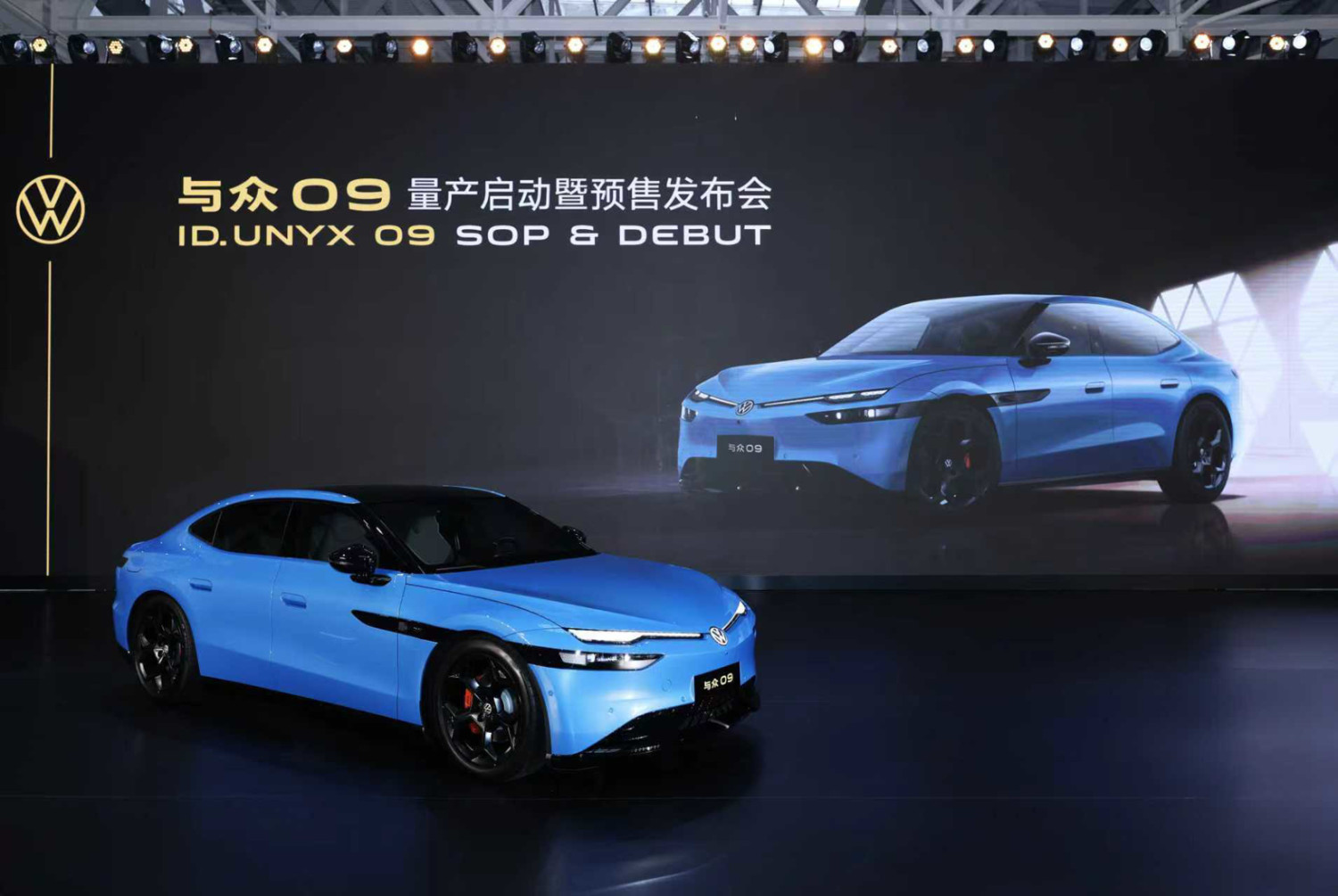
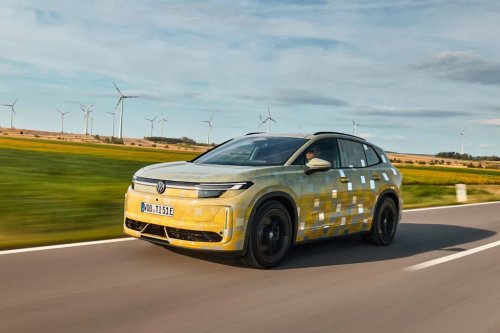
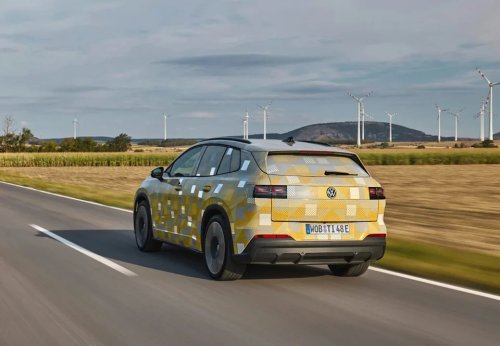
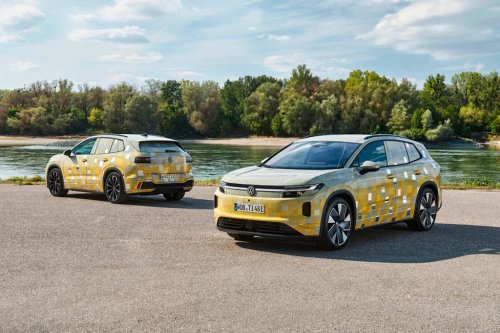
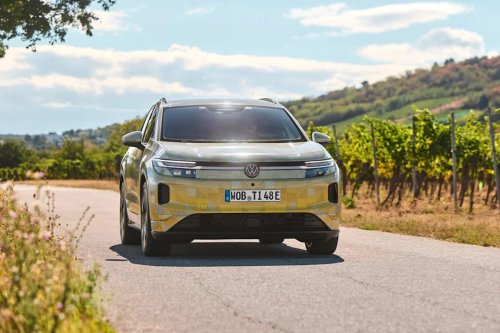
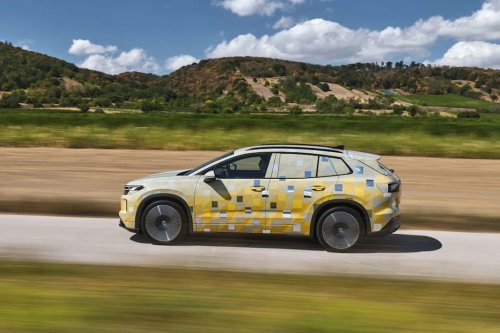
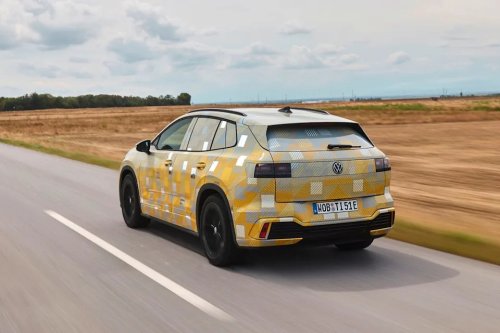
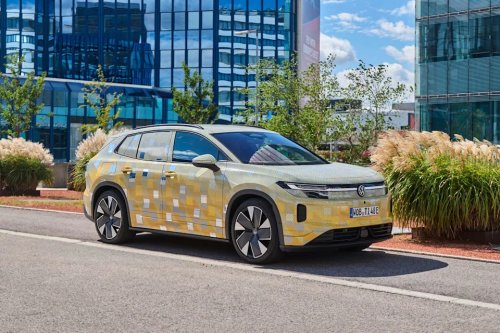
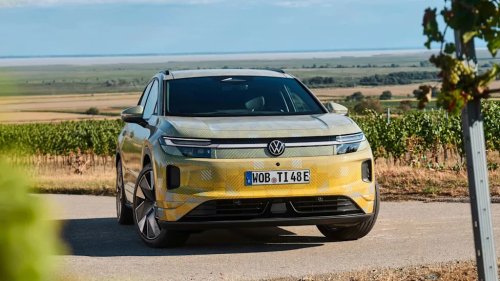
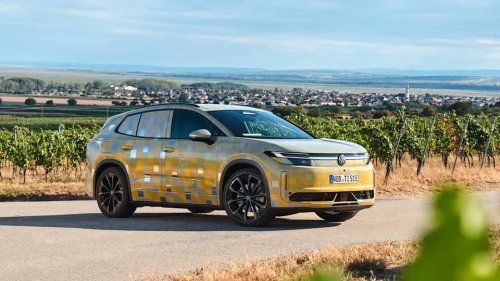
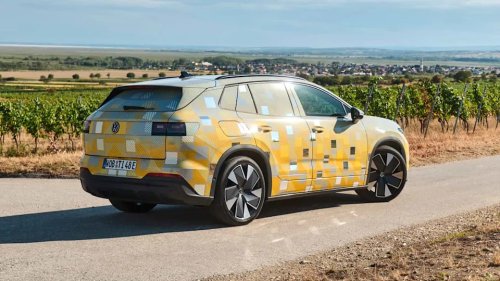
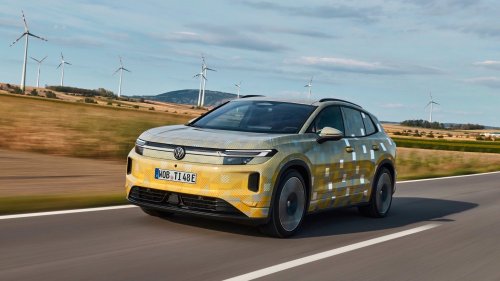
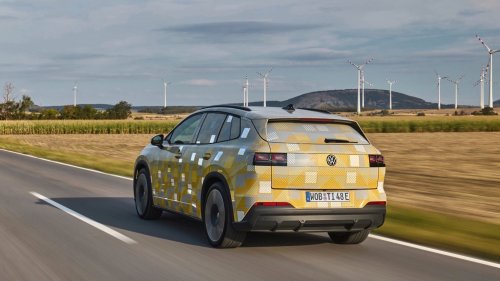
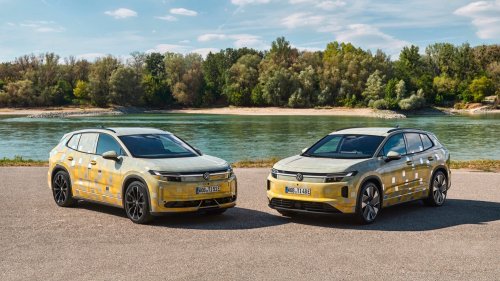
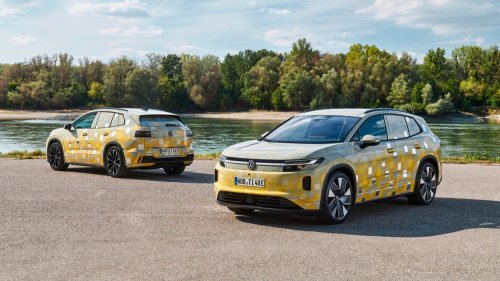
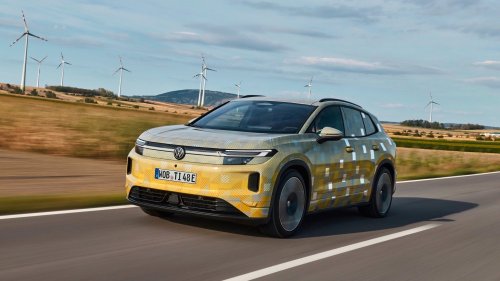
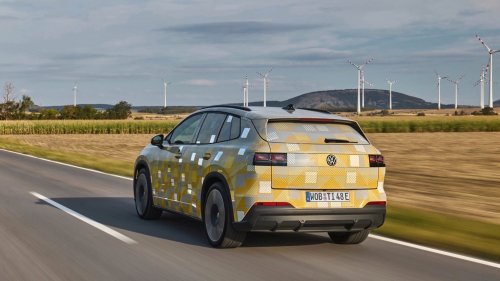
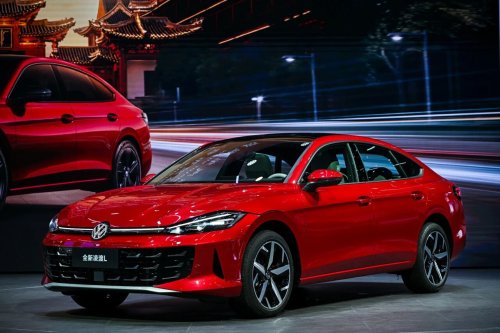
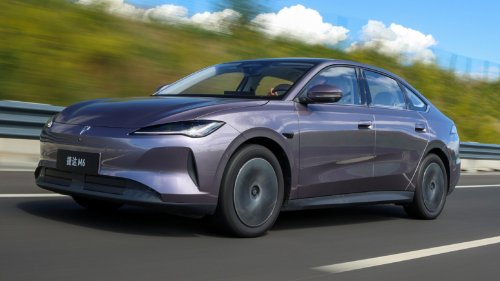
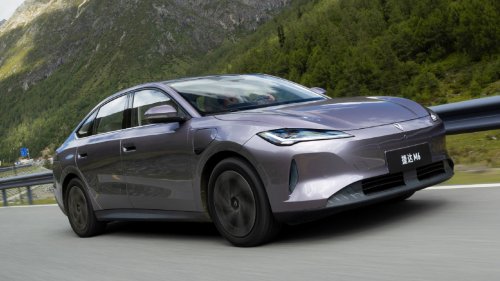
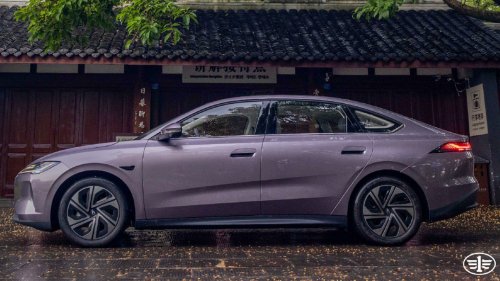
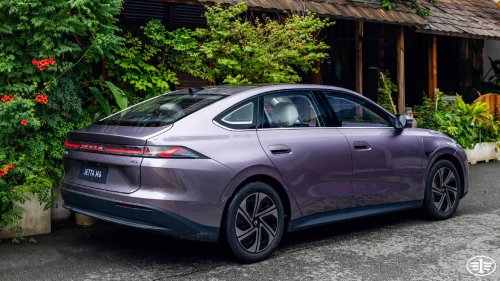
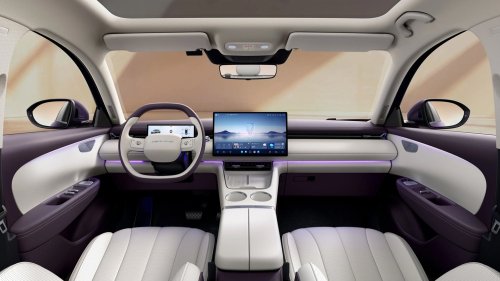
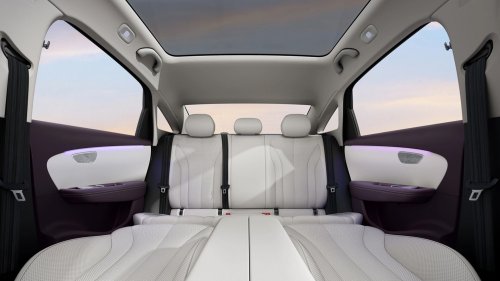
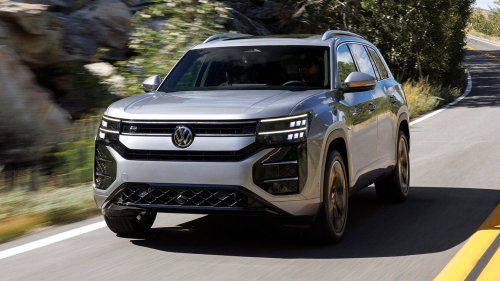
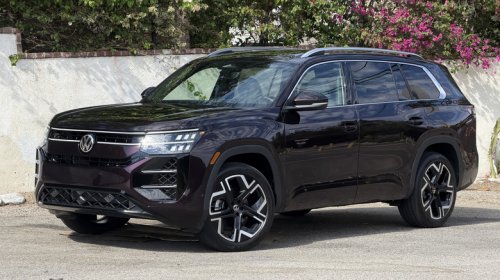
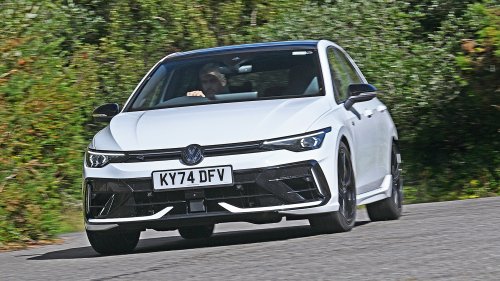
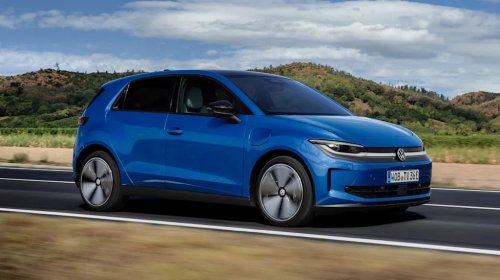
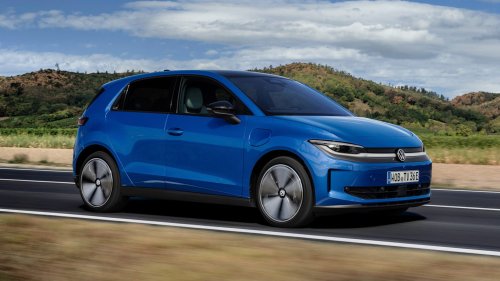
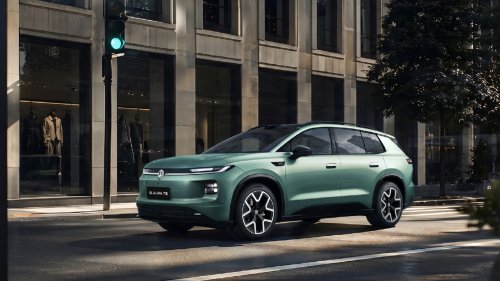
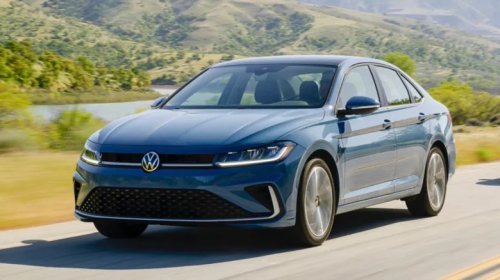
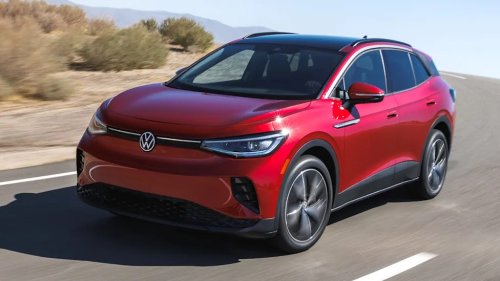
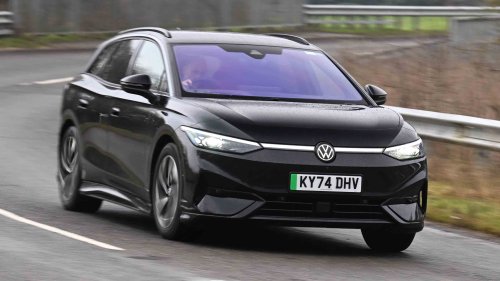
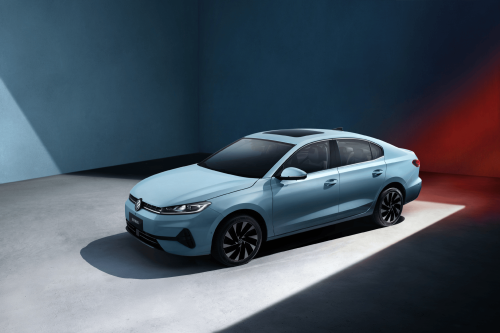
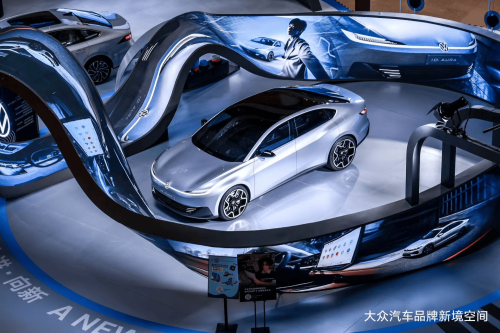
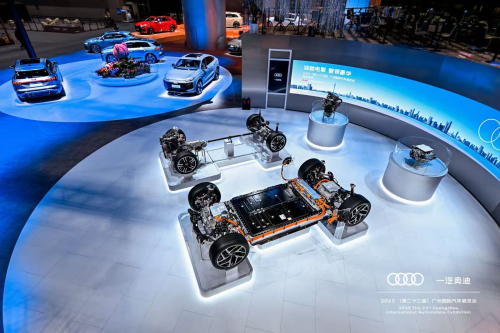
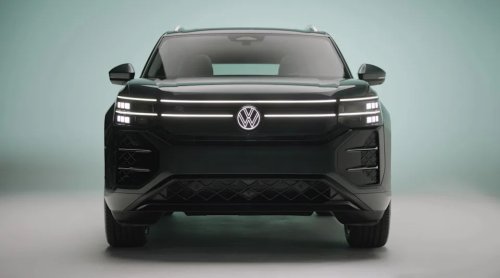
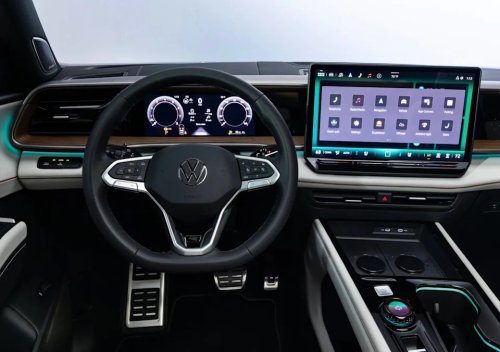
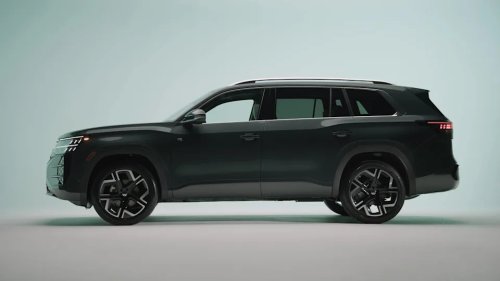
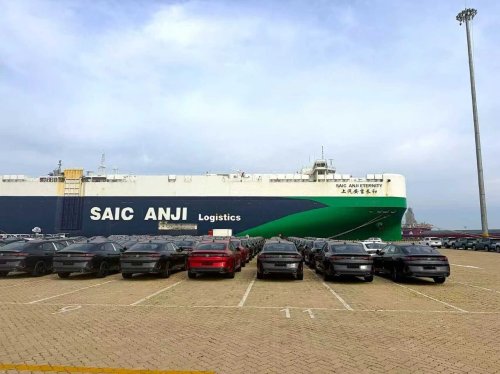
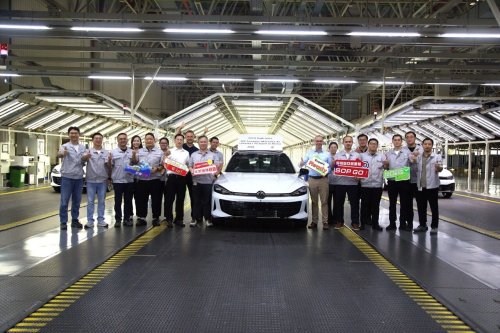
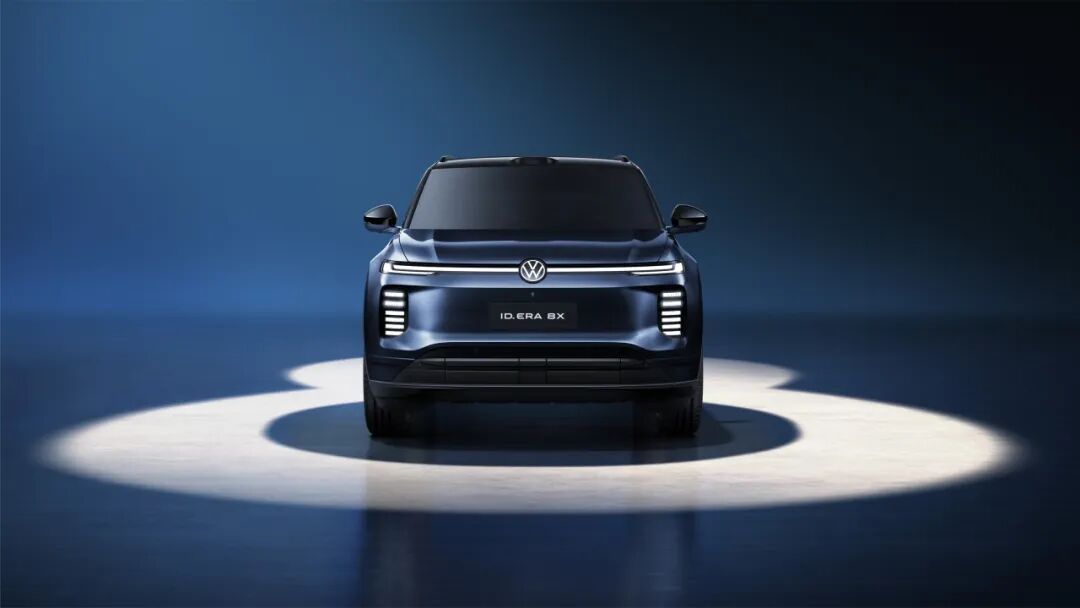
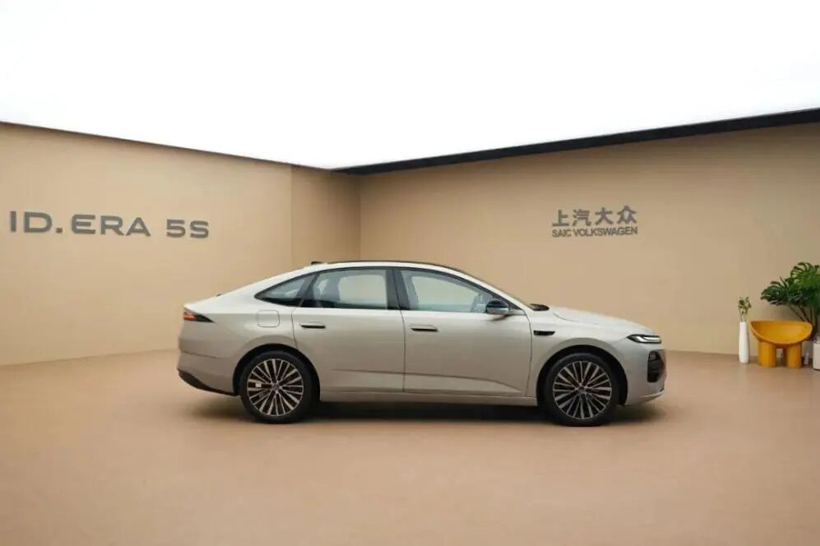
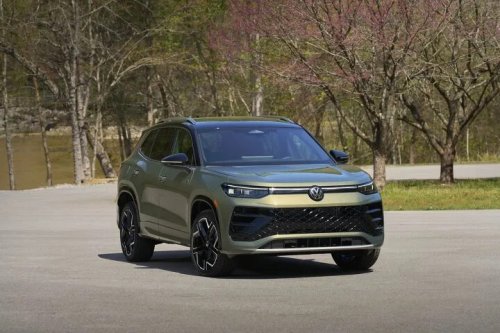
FAW-Volkswagen has set a clear target for new energy vehicles to account for approximately 60% of its total sales by 2030. Wang Shengli, Deputy General Manager (Commercial) of FAW-Volkswagen Automotive Co., Ltd., revealed at the 2026 Spring Media Communication Conference that this year will be a year of major product launches for FAW-Volkswagen. Throughout the year, the company’s three brands are expected to launch 13 new models, including 6 internal combustion engine vehicles and 7 new energy vehicles, covering the Volkswagen, Audi, and Jetta brands. All-new Sagitar S Broken down by powertrain, the Volkswagen brand will introduce three new models: the Sagitar S, the Tayron S, and the all-new Talagon. On the Audi side, the all-new Audi Q5L has already launched this month, and the all-new Audi A6L will also hit the market within the year. The Jetta brand will release the Jetta VS8 Black Warrior edition. Regarding imported vehicles, the SQ8 and S5 Avant will be introduced in 2026, with the all-new Q9 and the next-generation Q7 scheduled for arrival in early 2027. According to the plan, all internal combustion engine vehicles under the Volkswagen and Jetta brands will fully transition to the new CEA electronic and electrical architecture to support the comprehensive intelligentization of fuel-powered vehicles. ID. AURA The new energy sector is a key focus for FAW-Volkswagen in 2026. The company has clearly set a target for new energy vehicle sales to account for approximately 60% of total sales by 2030. Starting from the second half of 2026, new energy products will enter a phase of intensive rollout. The Volkswagen brand will launch hybrid models such as the Magotan PHEV, Tayron L PHEV, and Sagitar L HEV. Simultaneously, Volkswagen will also introduce two all-electric models under its new ID.AURA new energy series. The Audi brand will launch the A6L e-tron based on the PPE luxury pure electric platform. Jetta’s first new energy model, the J01, will also debut within the year, featuring core self-developed technologies like its own SOA electronic and electrical architecture. Q6L e-tron family In terms of self-developed technology, FAW-Volkswagen has initiated 155 innovation projects over the past 12 months, successfully integrated 50 of these achievements into mass production projects, and filed a total of 115 patent applications. The company has independently developed a dedicated hybrid engine, the TQ200 hybrid dual-clutch transmission, and cost-effective three-electric (battery, motor, electronic control) technology. The TQ200 hybrid dual-clutch transmission has undergone over 10 million kilometers of reliability and durability testing, along with corrosion resistance tests in extreme environments including high temperatures, severe cold, deserts, and salt spray. Notably, FAW-Volkswagen has developed a highly integrated, low-cost, and high-performance P1.5+P4 hybrid architecture with a power density of 2.56 kW/kg. Regarding safety standards, FAW-Volkswagen’s battery safety testing protocol has been expanded from the national standard’s 53 tests to 436 tests, addressing complex real-world customer usage scenarios. According to publicly available data, in 2025, FAW-Volkswagen achieved total vehicle sales of 1.5871 million units (including imported vehicles). This comprised 902,066 units for the Volkswagen brand, 566,988 units for the Audi brand (including imports), and 118,011 units for the Jetta brand. This performance secured the company the “double championship” titles of top-selling joint-venture automaker and leader in internal combustion engine vehicle sales.


















 +71 others


![Volkswagen, Volkswagen ID.4, Volkswagen ID.5, Volkswagen's best-seller is going electric in 2027 to replace the ID.4 and ID.5 [Images]](https://cdn.topcarnews.net/thumb/id/aHR0cHM6Ly9pMC53cC5jb20vZWxlY3Ry-ZWsuY28vd3AtY29udGVudC91cGxvYWRz-L3NpdGVzLzMvMjAyNi8wOS9Wb2xrc3dh-Z2VuLUlELVRpZ3Vhbi1JRC00LmpwZWc_-dz0xNTAwJmFtcDtxdWFsaXR5PTgyJmFt-cDtzdHJpcD1hbGwmYW1wO3NzbD0x/aed2aa2870791850c8e69c5fc3a0ed85.jpeg?t=20261006&post_id=66267)
![Volkswagen, Volkswagen ID.4, Volkswagen ID.5, Volkswagen's best-seller is going electric in 2027 to replace the ID.4 and ID.5 [Images]](https://cdn.topcarnews.net/thumb/id/aHR0cHM6Ly9lbGVjdHJlay5jby93cC1j-b250ZW50L3VwbG9hZHMvc2l0ZXMvMy8y-MDI2LzA5L1ZvbGtzd2FnZW4tSUQtVGln-dWFuLUlELTQtZnJvbnQtcXVhcnRlci5q-cGc_c3RyaXA9aW5mbyZhbXA7dz0xMDI0/97fb00cd3919b8d0dc36440715039e6e.jpg?t=20261006&post_id=66267)
![Volkswagen, Volkswagen ID.4, Volkswagen ID.5, Volkswagen's best-seller is going electric in 2027 to replace the ID.4 and ID.5 [Images]](https://cdn.topcarnews.net/thumb/id/aHR0cHM6Ly9lbGVjdHJlay5jby93cC1j-b250ZW50L3VwbG9hZHMvc2l0ZXMvMy8y-MDI2LzA5L1ZvbGtzd2FnZW4tSUQtVGln-dWFuLUlELTQtc2lkZS5qcGc_c3RyaXA9-aW5mbyZhbXA7dz0xMDI0/ed240b20e8275f3af4b904f46ebb5fb3.jpg?t=20261006&post_id=66267)
![Volkswagen, Volkswagen ID.4, Volkswagen ID.5, Volkswagen's best-seller is going electric in 2027 to replace the ID.4 and ID.5 [Images]](https://cdn.topcarnews.net/thumb/id/aHR0cHM6Ly9lbGVjdHJlay5jby93cC1j-b250ZW50L3VwbG9hZHMvc2l0ZXMvMy8y-MDI2LzA5L1ZvbGtzd2FnZW4tSUQtVGln-dWFuLUlELTQtcmVhci1xdWFydGVyLmpw-Zz9zdHJpcD1pbmZvJmFtcDt3PTEwMjQ/436c7979cf5b947053f7f0bf39ff94bc.jpg?t=20261006&post_id=66267)
![Volkswagen, Volkswagen ID.4, Volkswagen ID.5, Volkswagen's best-seller is going electric in 2027 to replace the ID.4 and ID.5 [Images]](https://cdn.topcarnews.net/thumb/id/aHR0cHM6Ly9lbGVjdHJlay5jby93cC1j-b250ZW50L3VwbG9hZHMvc2l0ZXMvMy8y-MDI2LzA5L1ZvbGtzd2FnZW4tSUQtVGln-dWFuLUlELTQtZnJvbnQuanBnP3N0cmlw-PWluZm8mYW1wO3c9MTAyNA/ec2e4ca027ccbfb42942abe523f3acf7.jpg?t=20261006&post_id=66267)
![Volkswagen, Volkswagen ID.4, Volkswagen ID.5, Volkswagen's best-seller is going electric in 2027 to replace the ID.4 and ID.5 [Images]](https://cdn.topcarnews.net/thumb/id/aHR0cHM6Ly9lbGVjdHJlay5jby93cC1j-b250ZW50L3VwbG9hZHMvc2l0ZXMvMy8y-MDI2LzA5L1ZvbGtzd2FnZW4tSUQtVGln-dWFuLUlELTQtcmVhci5qcGc_c3RyaXA9-aW5mbyZhbXA7dz0xMDI0/668525889dc433b0fd0e166fd5bd8366.jpg?t=20261006&post_id=66267)