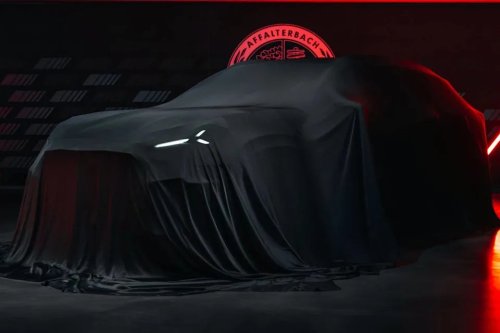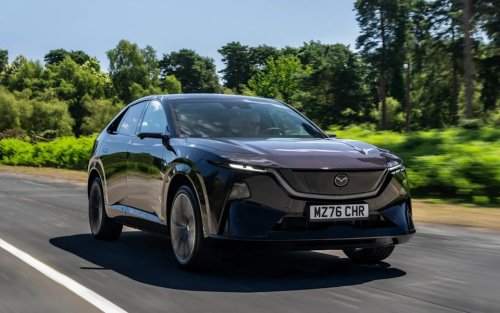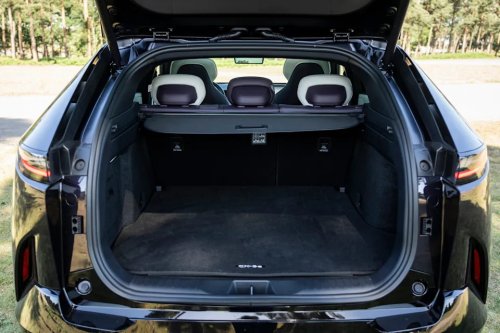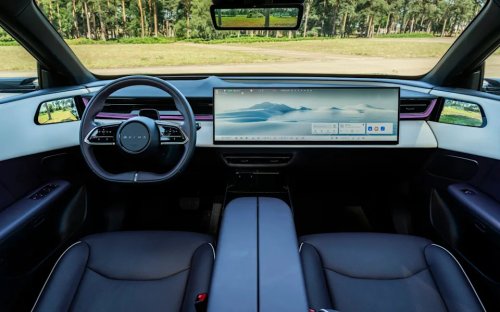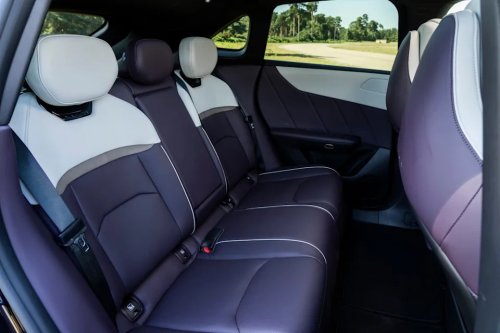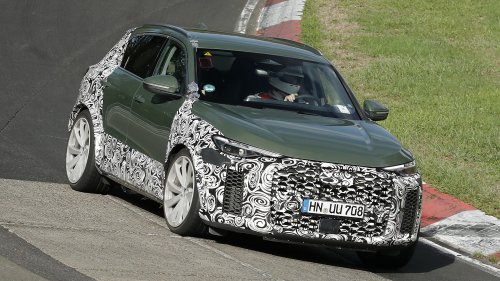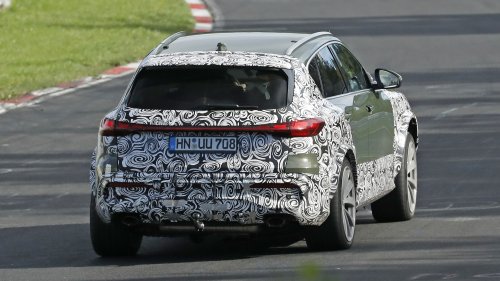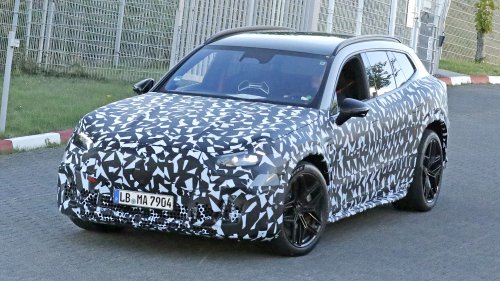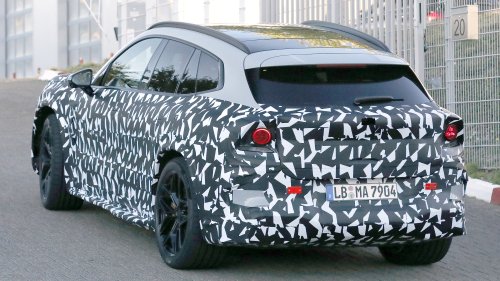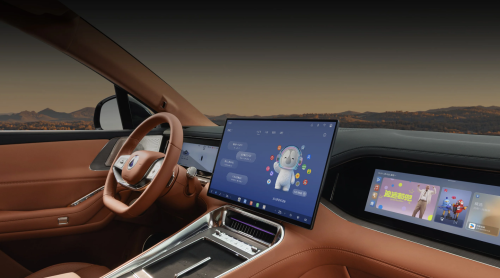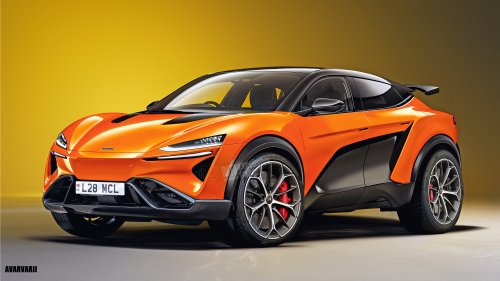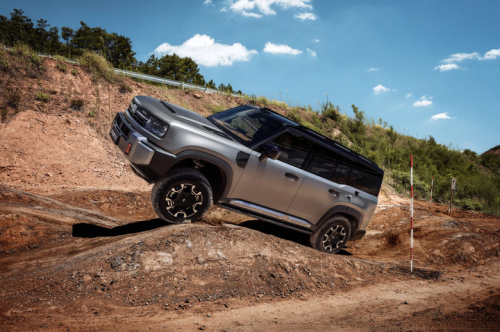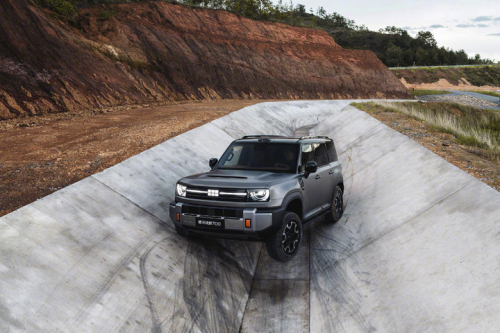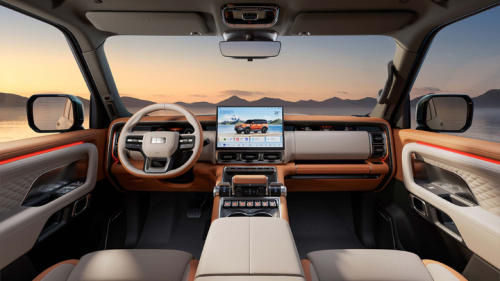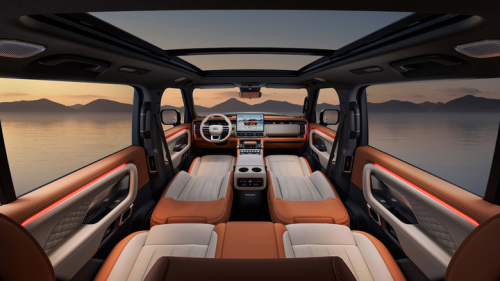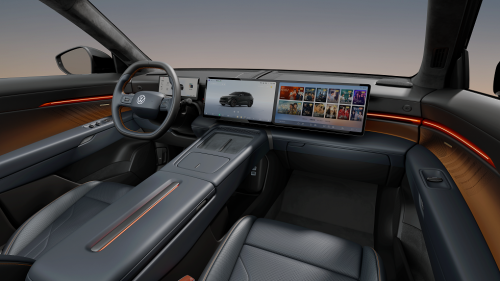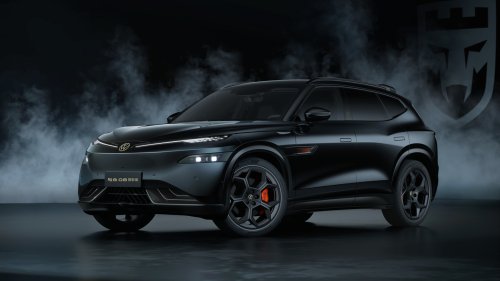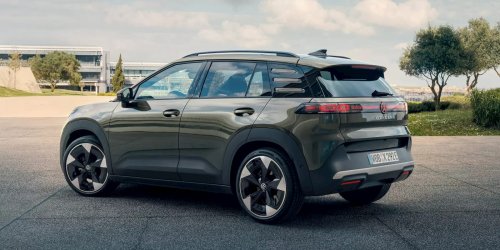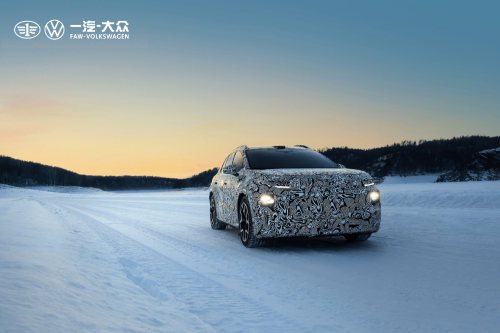
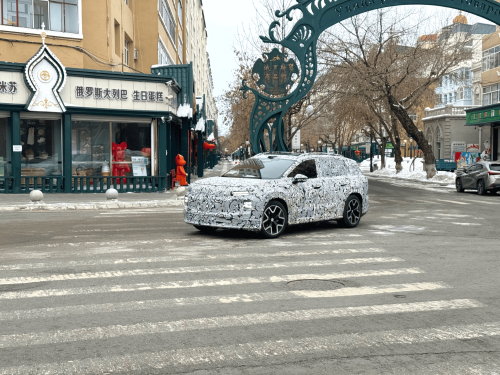
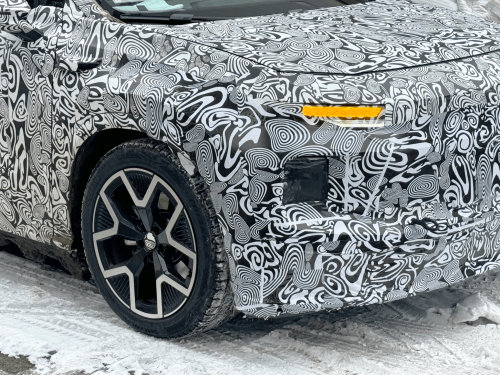
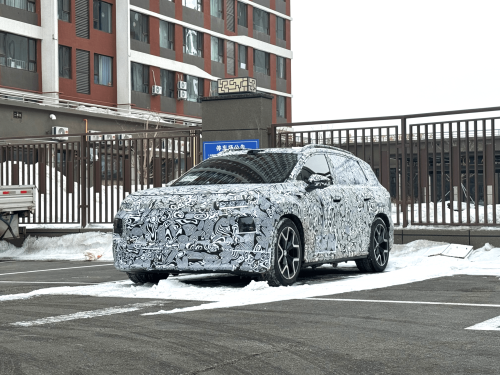



















On April 3, FAW-Volkswagen released spy images of the first model under its new ID.AURA new energy vehicle series. The all-electric SUV is scheduled to make its official debut on April 21 and will be launched in the second half of the year. ID.AURA EV SUV In terms of exterior design, the new model differs significantly from the existing ID. family. Spy images suggest a more rugged front-end styling, featuring squared headlamp units, with overall proportions closer to a conventional mid-size SUV. More substantial changes are seen in the intelligent driving system. The vehicle is equipped with a roof-mounted lidar sensor and will adopt an advanced driver-assistance system developed by CARIZON, the joint venture between Volkswagen and Horizon Robotics. At the system level, the solution is based on Horizon’s HSD platform, combined with Volkswagen’s proprietary safety architecture, with the core objective of adapting to complex Chinese road conditions. ID.AURA EV SUV spotted testing This marks the first time Volkswagen has introduced a locally led intelligent driving solution in the Chinese market. The electrical and electronic architecture represents another key upgrade. ID.AURA is built on the CEA architecture jointly developed by Volkswagen and XPeng, reducing the number of ECUs and optimizing wiring layouts to lower system complexity while improving response efficiency. On the software side, the vehicle will integrate intelligent connectivity features such as “Xingyun Smart Driving” and “Yunqi Smart Cabin,” leveraging Volkswagen’s cloud-based architecture to unify vehicle-wide intelligent functions. ID.AURA EV SUV spotted testing Notably, at the end of March, FAW-Volkswagen unveiled five new models in a concentrated launch, covering both internal combustion and plug-in hybrid vehicles. According to its roadmap, the company plans to launch 13 new models in 2026, including seven new energy vehicles. By 2030, it aims to increase the share of new energy vehicles in total sales to around 60%. ID.AURA EV SUV spotted testing The introduction of ID.AURA reflects Volkswagen’s strategic adjustment in China. In recent years, joint-venture brands have lagged behind in the battery electric vehicle segment, while domestic players have established clear advantages in smart cockpit and driver-assistance technologies. Through partnerships with XPeng and Horizon Robotics, Volkswagen is attempting to close this gap by upgrading intelligent connectivity, core EV technologies, and electrical architecture across its new-generation models.