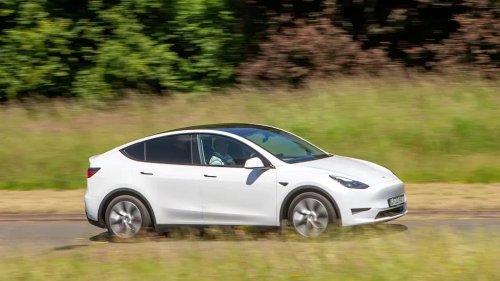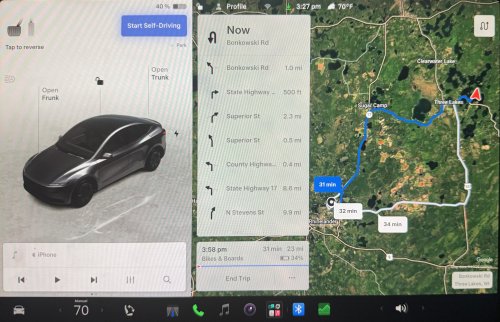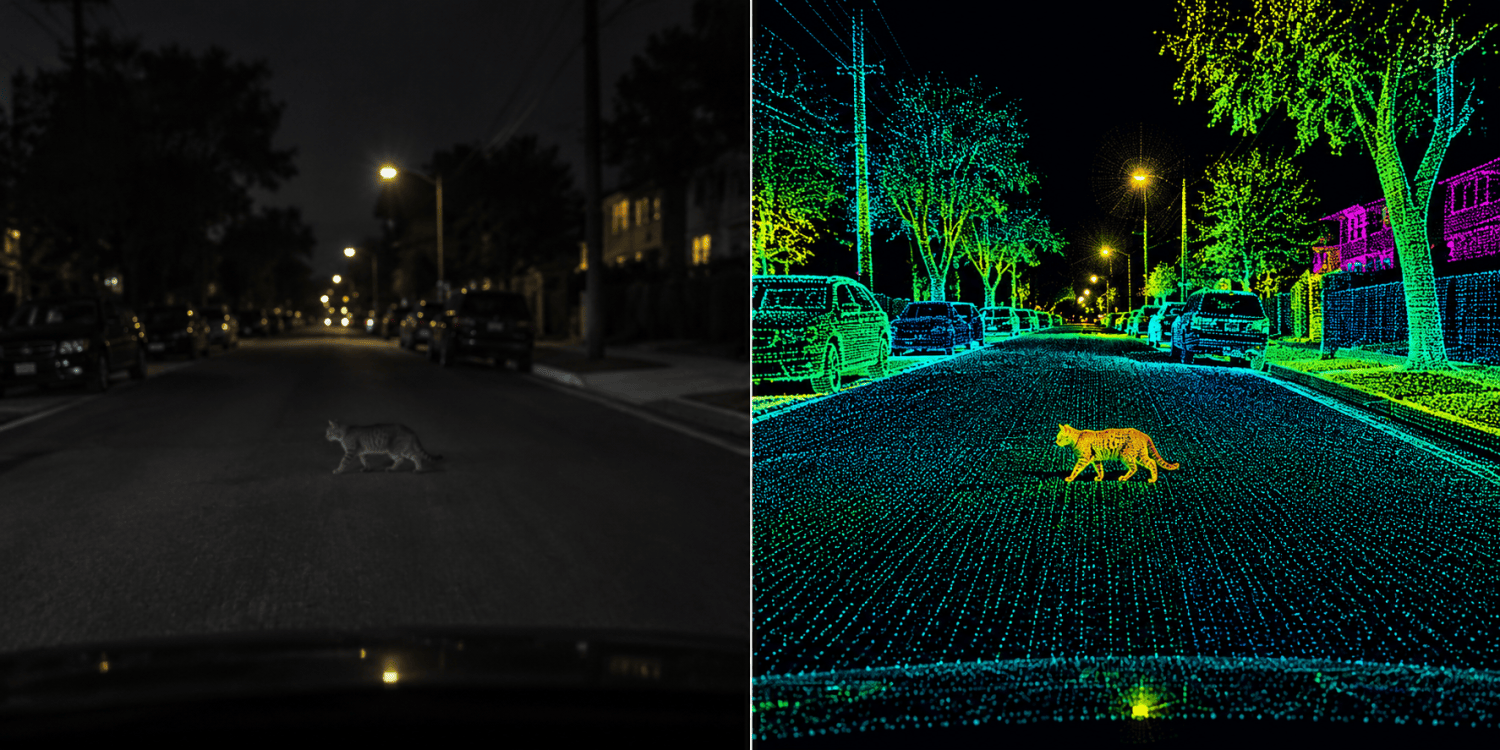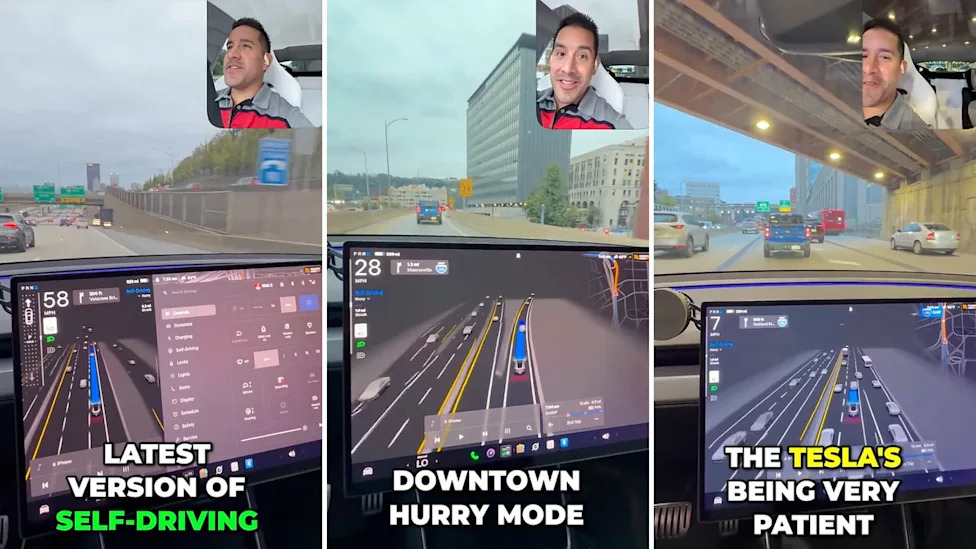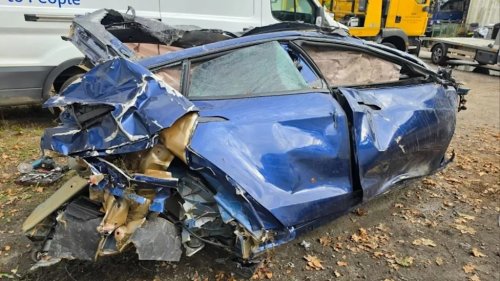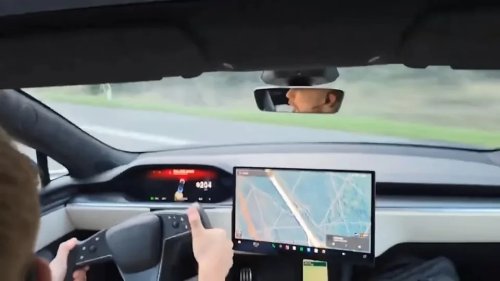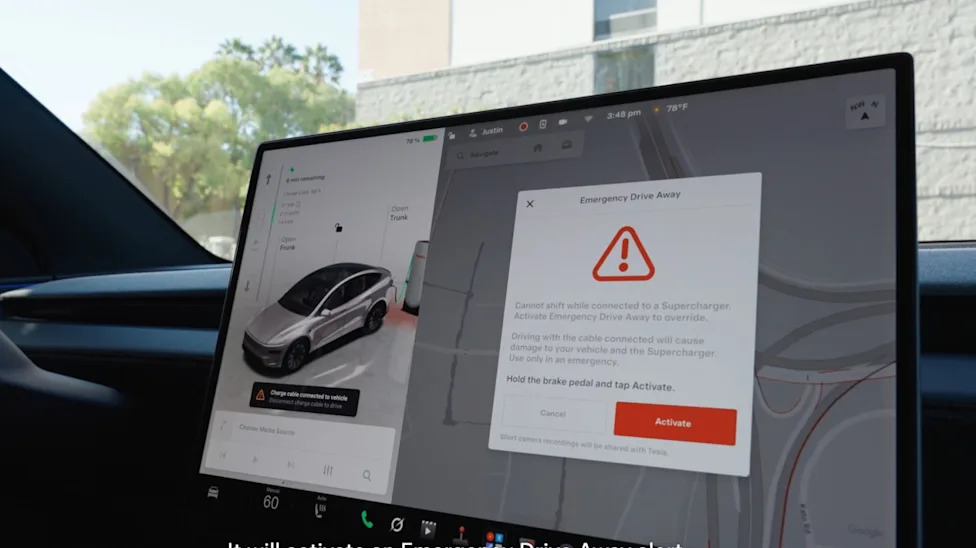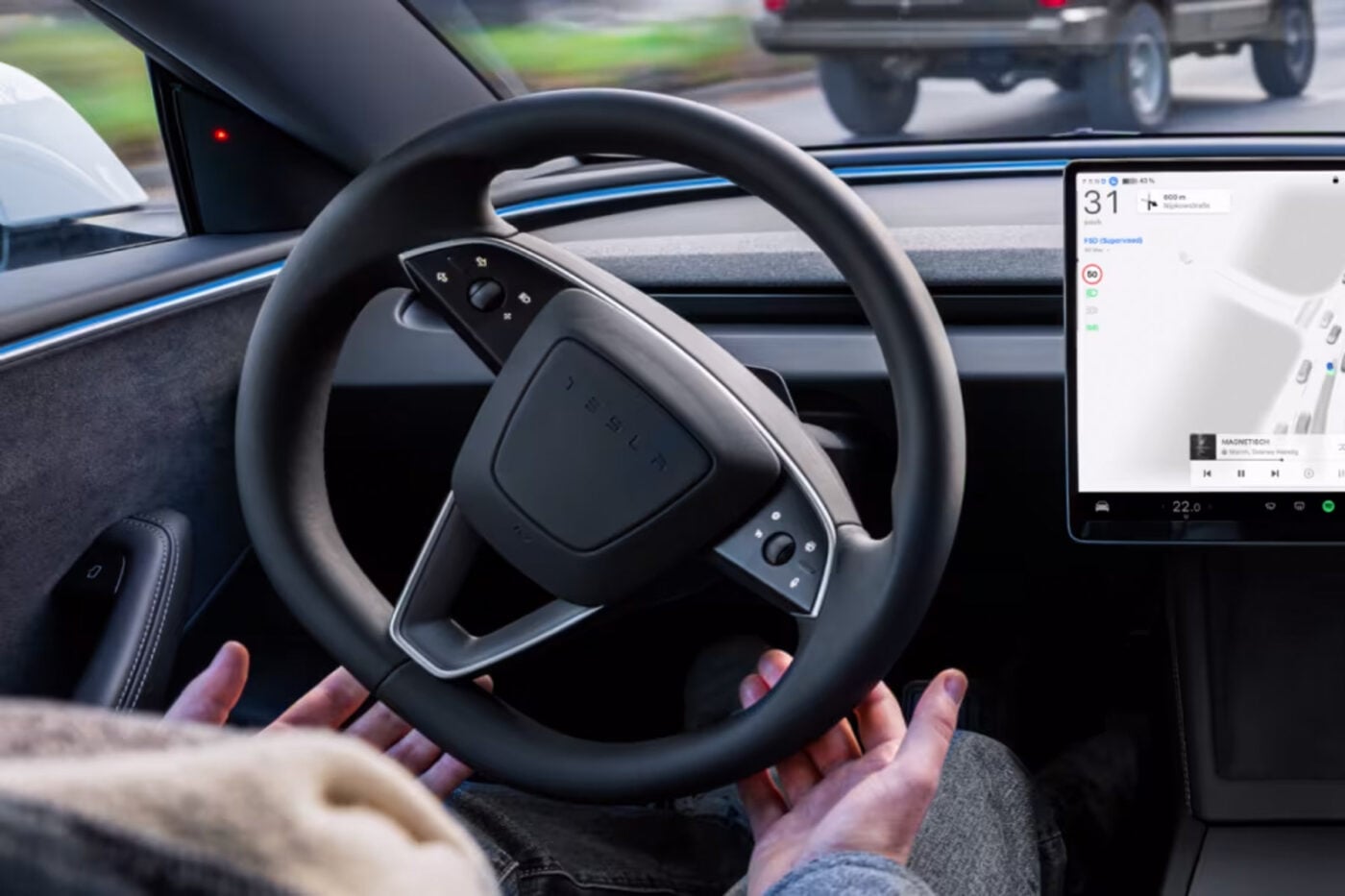

















Image: TeslaIn April, Tesla received type approval for its Full Self-Driving (Supervised) system from the Dutch approval authority RDW. The system allows drivers to take their hands off the steering wheel while the vehicle controls steering, although drivers must remain ready to intervene at any time. Drivers must also keep their eyes on the road at all times.Tesla now wants to roll out FSD (Supervised) across the EU as quickly as possible, using the Dutch approval as a basis that other EU member states could recognise. The carmaker is currently working directly with the RDW to obtain EU-wide approval. If that process is unsuccessful, individual member states could still recognise the approval separately.The first meeting within the framework of the European Commission’s Technical Committee on Motor Vehicles (TCMV) took place in Brussels on Tuesday. Initially, only 20 minutes were allocated for the RDW’s presentation, but this was later extended to 60 minutes—apparently to allow for a more detailed discussion. The outcome remains unknown, as the session was held behind closed doors.However, resistance to EU-wide approval of FSD (Supervised) had already emerged prior to the meeting, as reported by the news agency Reuters. According to the report, regulatory authorities in Sweden, Finland, Denmark, and Norway have expressed scepticism about approving the system. Concerns include the potentially misleading name ‘Full Self-Driving,’ which, even with qualifiers like ‘Supervised, could still be deceptive. Critics also argue that the system tends to exceed speed limits and struggles with icy road conditions.Additionally, the European Transport Safety Council (ETSC), an umbrella organisation for transport safety bodies, has voiced scepticism about FSD (Supervised) in an open letter to the European Commission. The ETSC is calling for a suspension of the approval process until a series of urgent questions are addressed and a broader societal debate on whether such systems are desirable takes place.Among the ETSC’s concerns is the observation that the more capable an assistance system appears, the harder it becomes for drivers to monitor it effectively. The ETSC further criticises the TCMV committee as an unelected body that meets behind closed doors in Brussels and could, through a simple vote, approve hands-free driving on European urban and rural roads—’on the back of a single national approval and despite active US federal investigations into the very system under discussion,’ as the ETSC states.According to Reuters, no vote was expected during yesterday’s EU meeting. Instead, national authorities are now expected to review the information provided by the Dutch RDW before a vote takes place in the coming weeks or months.wiwo.de, reuters.com, etsc.eu (Open Letter)