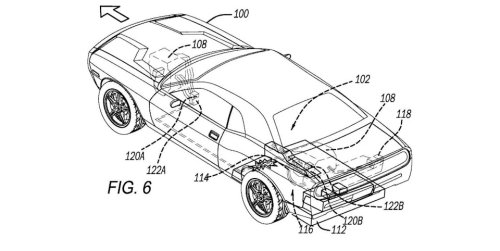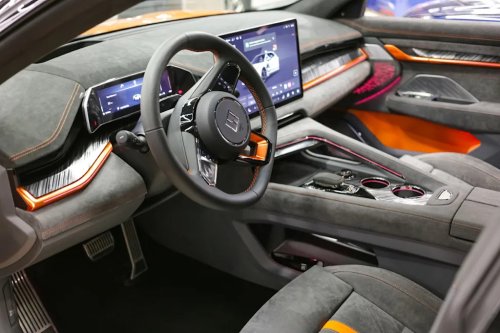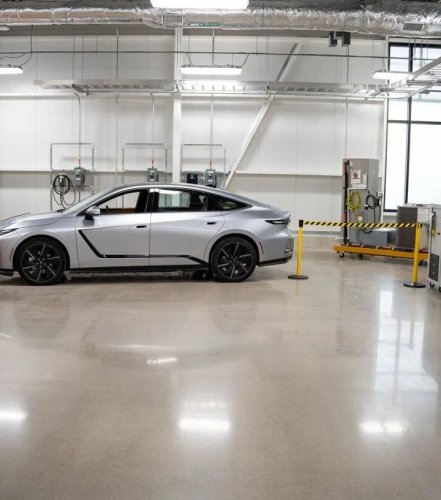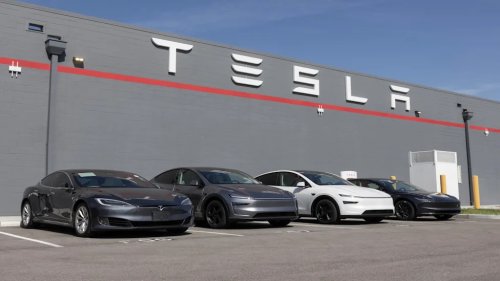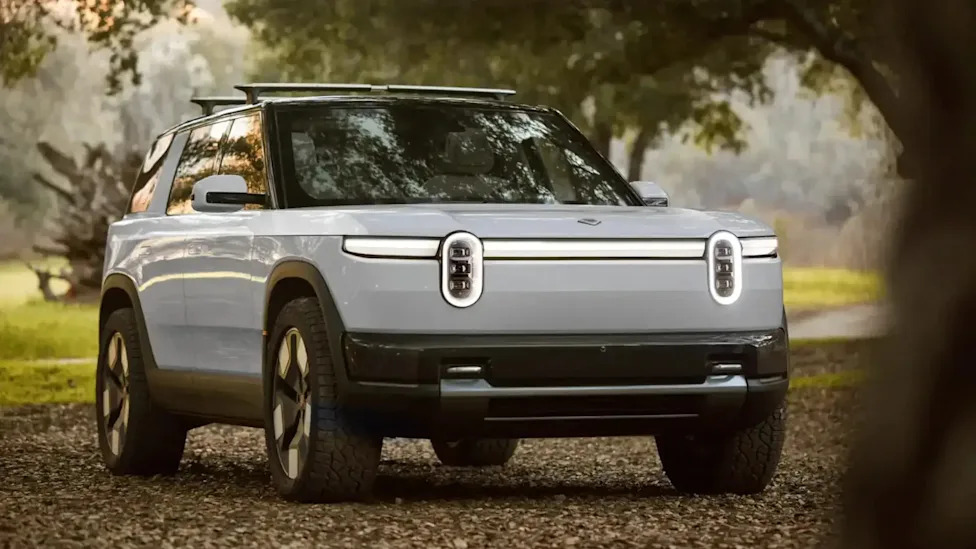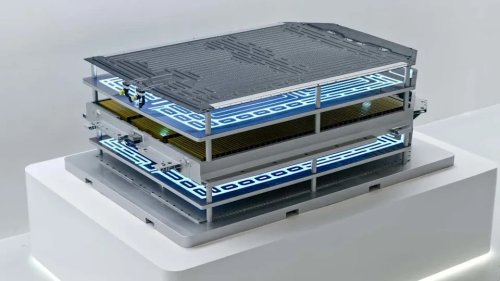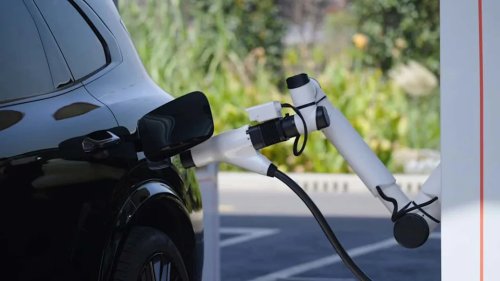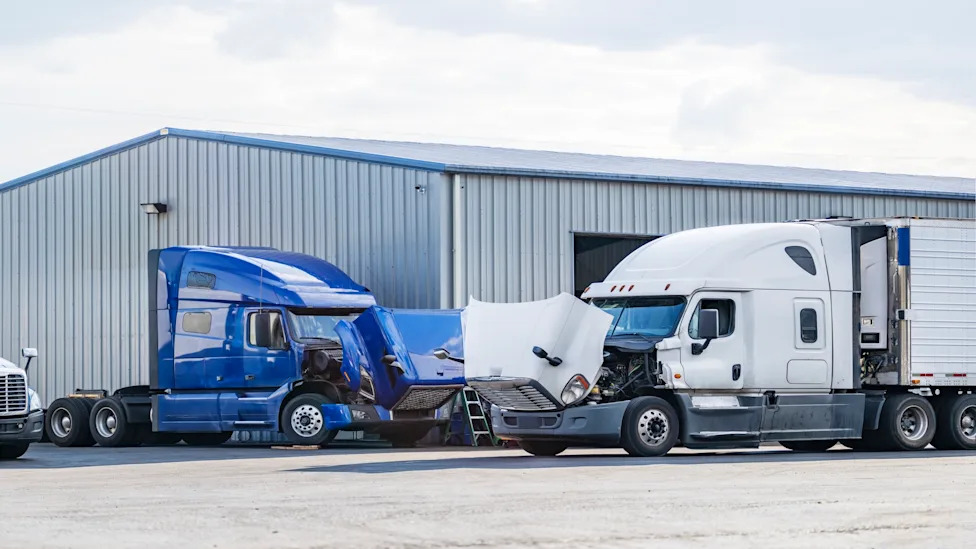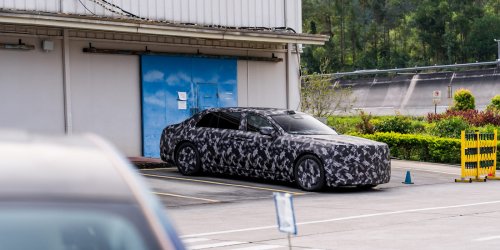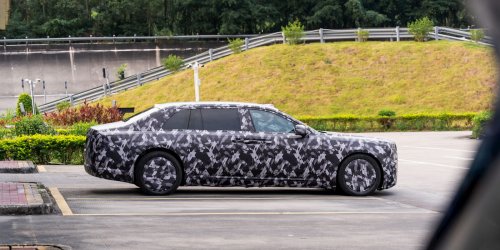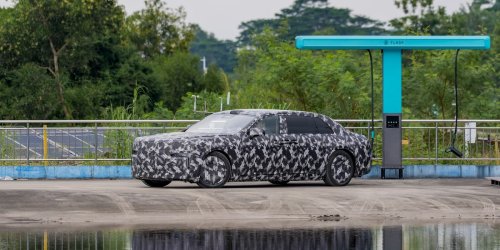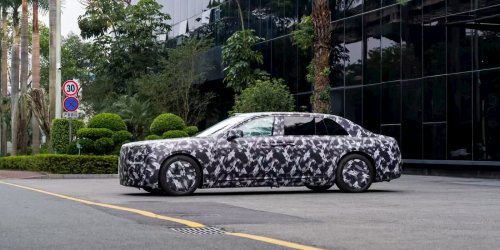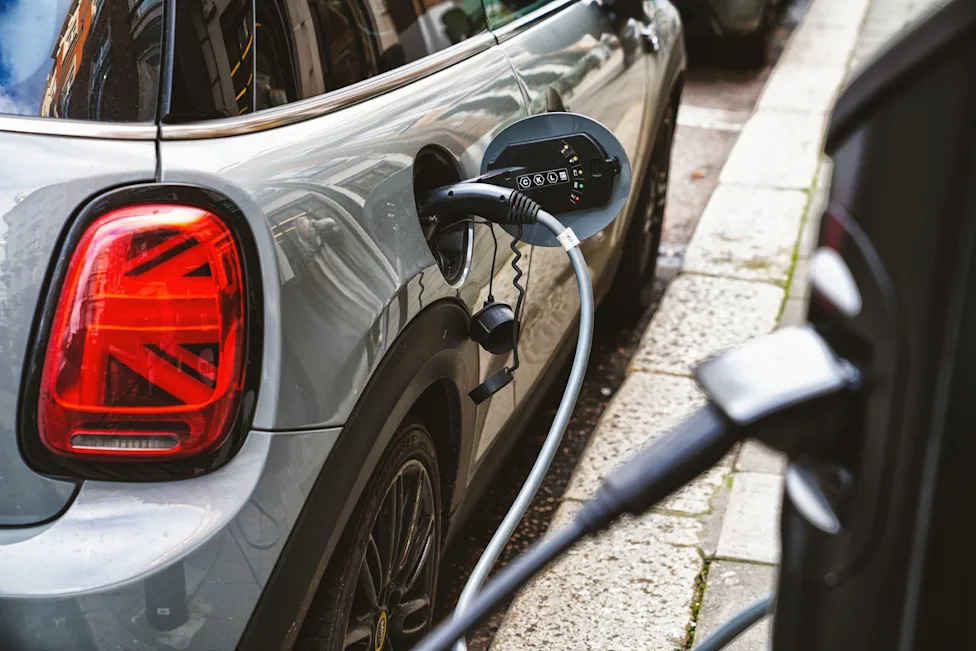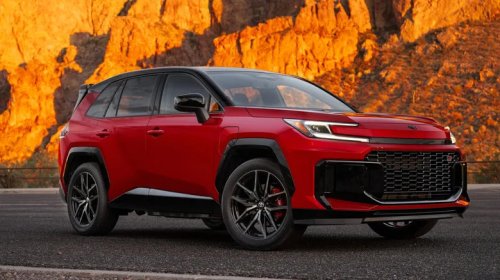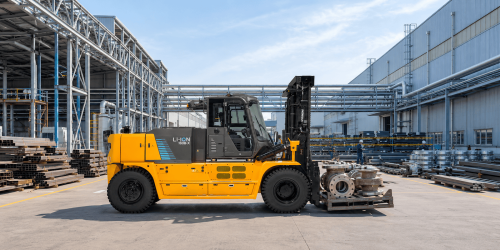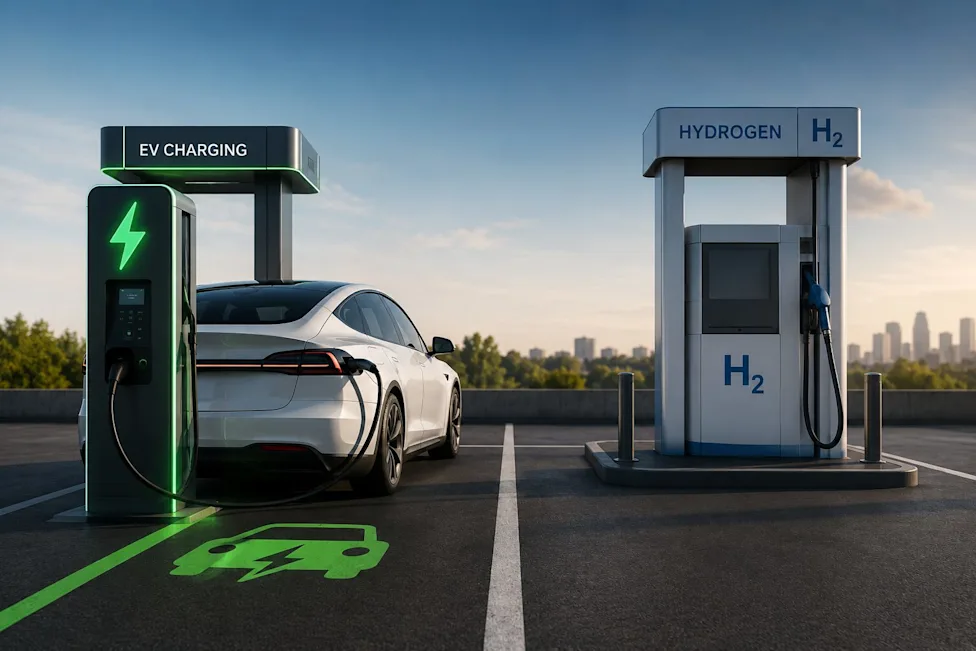



















Image: Gadget ReviewBoth technologies drive electric motors. Both produce zero tailpipe emissions. On paper, hydrogen fuel-cell vehicles and battery EVs look like rival streaming services competing for your subscription. But global EV sales already run in the tens of millions annually, while hydrogen passenger vehicles remain a rounding error. One has captured the market; the other is still buffering. The efficiency divide explains almost everything.The Efficiency Gap Nobody Warned You AboutThe energy math between these two technologies is not a close call — and it shapes every real-world decision that follows.Here's the scoreboard:AdvertisementAdvertisementBattery EVs convert roughly 70% to 95% of stored electricity into motion at the wheels, according to the research behind this article. Hydrogen fuel-cell vehicles manage approximately 20% to 40% when the full energy chain is factored in.Hydrogen's genuine edge: refueling takes around 3 to 5 minutes, and the Toyota Mirai delivers a reported 357 to 402 miles of range per fill-up.Most hydrogen today is still produced from fossil fuels, which quietly undermines the zero-emission pitch at the source.BEV charging plugs into the existing electricity grid. Hydrogen requires dedicated production, compression, transport, and refueling networks that barely exist yet.Think of it like charging your phone directly versus converting electricity to hydrogen, shipping it across the country, then converting it back to electricity at your outlet. Every extra step bleeds energy. That is hydrogen's fundamental problem for passenger cars — the physics are simply working against it.None of this makes hydrogen useless. Fast refueling and long range are genuine advantages — for long-haul trucking, bus fleets, and commercial operators where every minute of downtime costs real money. Hydrogen fits heavy-duty transport the way diesel once did: purpose-built for relentless, high-utilization work.Passenger cars are increasingly seen as battery-EV territory, while hydrogen is positioned for hard-to-electrify commercial sectors where rapid refueling matters most.What This Means When You're Actually Buying a CarThe infrastructure that exists today — not tomorrow's promises — is what determines your real-world options at the dealership.AdvertisementAdvertisementThe next car purchase decision hinges on infrastructure that already exists. Charging stations are imperfect and still expanding, but the electricity grid underneath them is already everywhere. Hydrogen stations are another matter entirely — you can likely count the ones within reach on one hand, or perhaps no hands at all.The climate case also carries an asterisk. Hydrogen vehicles produce no tailpipe emissions, but until low-carbon hydrogen production scales dramatically, the upstream supply chain still leans heavily on fossil fuels. The clean-energy promise is real in theory; the delivery is still pending.BEV annual sales dwarf hydrogen passenger vehicles, which remain emerging from a remarkably small base — a gap that reflects both consumer confidence and infrastructure reality.Hydrogen may yet find its lane in shipping yards, freight corridors, and bus depots. Just probably not in your driveway. The one variable worth watching is whether green hydrogen production gets cheap enough to rewrite the economics. Until that shift arrives, the battery has already won.From the coolest cars to the must-have gadgets, GadgetReview's daily newsletter keeps you in the know. Subscribe - it's fun, fast, and free.