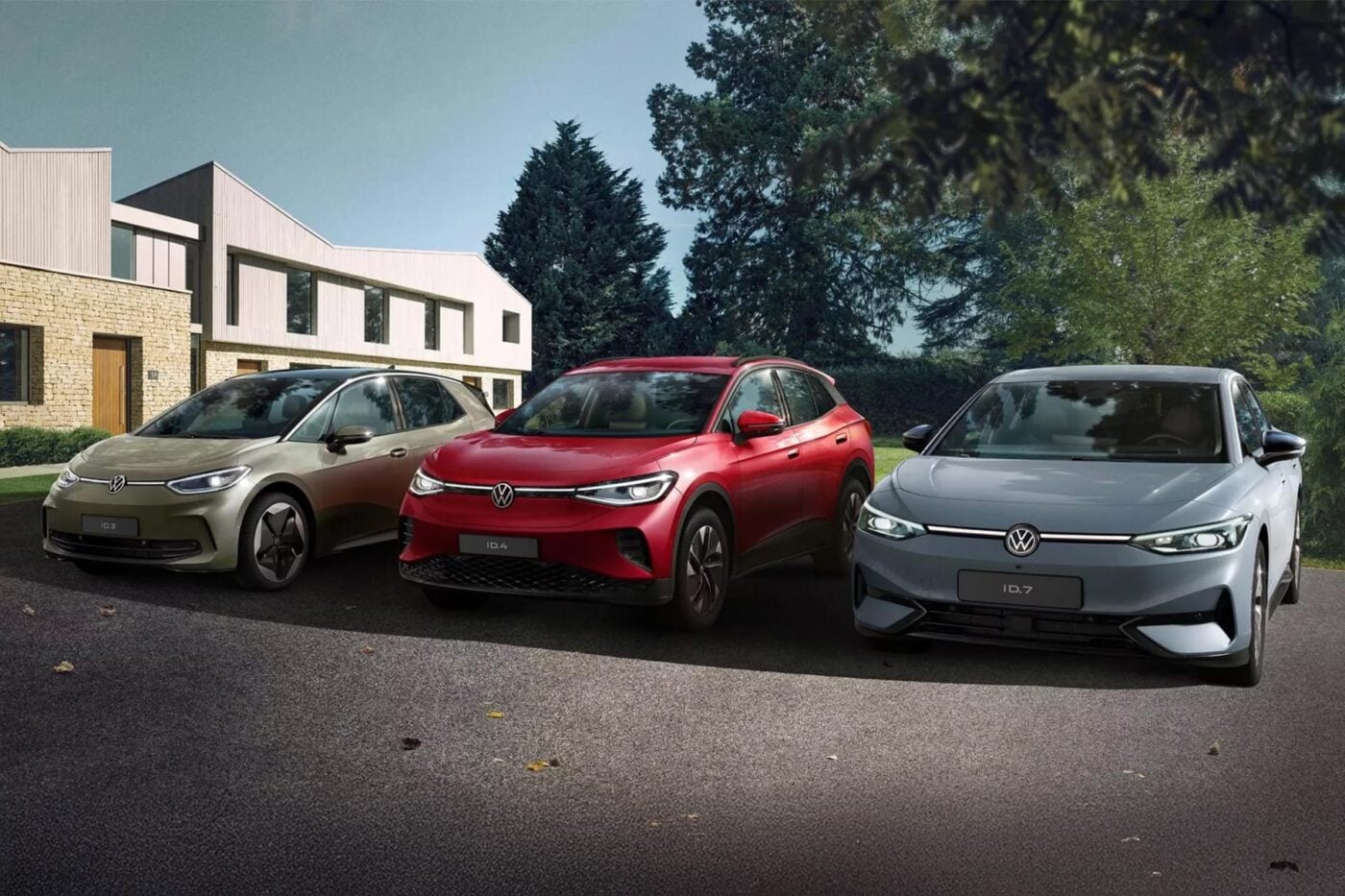



















Image: VolkswagenIn the first quarter of 2026, the Volkswagen Group recorded a notable decline in global battery-electric vehicle deliveries. Shipments in China fell by 63.8 per cent and dropped by 80.1 per cent in the United States, while Europe posted an 11.5 per cent increase, according to the Wolfsburg-based carmaker. Despite the growth in its home region, total BEV deliveries came in slightly below the previous year’s figure of 216,800 units. By contrast, plug-in hybrid deliveries rose by 31 per cent to 109,000 units.Across all powertrains, the group delivered 2.05 million vehicles in the first three months of 2026, down four per cent from 2.13 million units a year earlier. BEVs accounted for 9.75 per cent of global deliveries, with around 200,000 units sold. In Western Europe, however, the BEV share increased from 19 to 20 per cent—meaning roughly one in five vehicles delivered in the region was fully electric, compared to around one in ten globally.The decline in BEV deliveries in China and the USA was largely driven by the expiry of government incentive programmes (in China at the turn of the year and in the USA in autumn 2025). These changes significantly impacted the group’s sales.“Ahead of the launch of new, locally developed electric models, Volkswagen Group’s BEV deliveries in China drop by 64 per cent; in the U.S., the increased tariffs in effect since April 2025 have an additional impact, leading to an 80 per cent decline,” the group stated.Two positive trends emerged for the group’s management: demand for plug-in hybrids increased by 31 per cent to 109,000 units in the first quarter, and order intake showed improvement. “Order intake across all powertrains rises by 3 per cent, while BEV order intake increases by 4 per cent,” VW reported. Key models driving this growth include the electric Skoda Elroq and the Porsche Cayenne Electric.“The first quarter of 2026 was once again characterized by very challenging economic and geopolitical conditions. The worldwide automotive market declined overall through the end of March. Nevertheless, the Volkswagen Group largely maintained its global market share compared to the same period last year,” said Marco Schubert, Member of the Extended Group Board for Sales. “Our delivery figures in Europe continued to show a positive trend. Here, we once again posted growth and also increased the share of all-electric vehicles. In China and the US, the total market declines also affected our deliveries.”Schubert also noted that the war in the Middle East ‘led to disruptions in the directly affected markets’ but had no significant impact on the group’s overall deliveries. He did not indicate whether this situation could change as the year progresses.Instead, he expressed optimism about the future: “For the coming months, we expect further positive momentum from key new models such as the Electric Urban Car Family in Europe and new locally developed electric models in China.”volkswagen-group.com