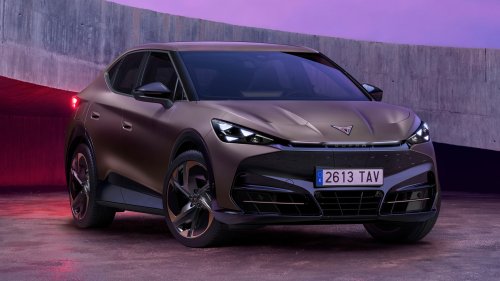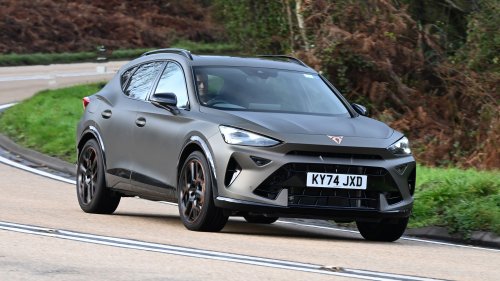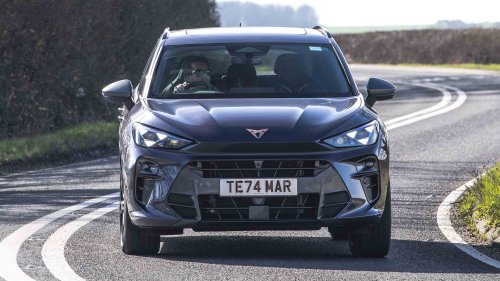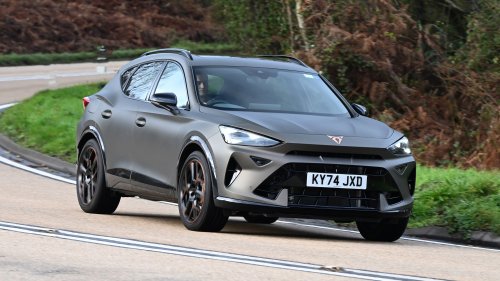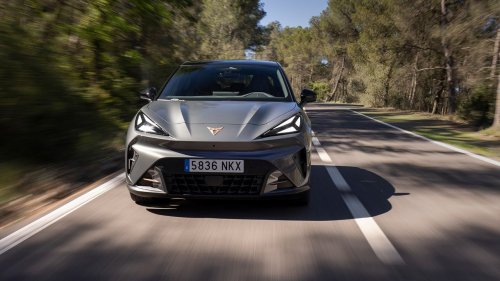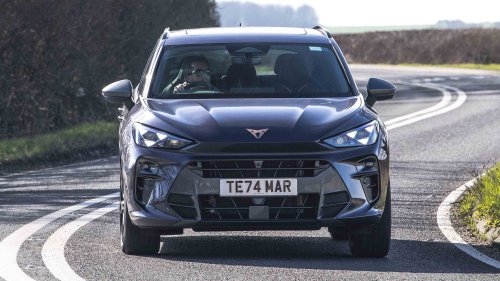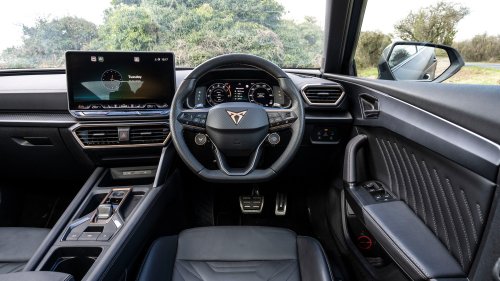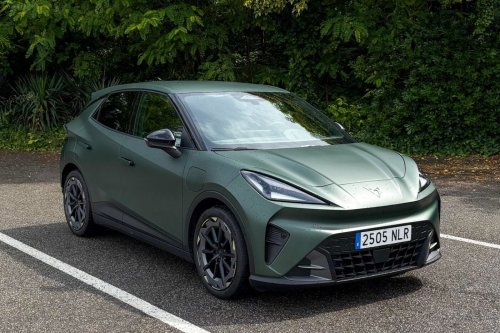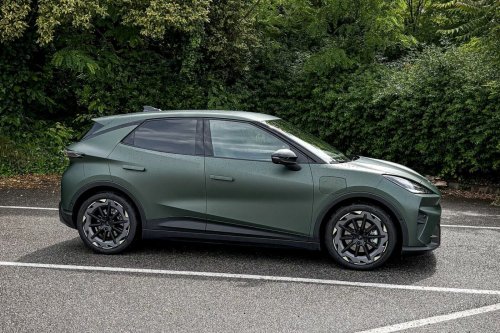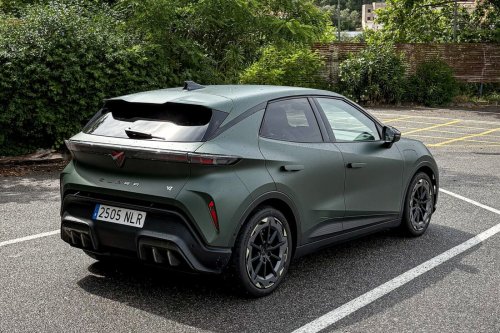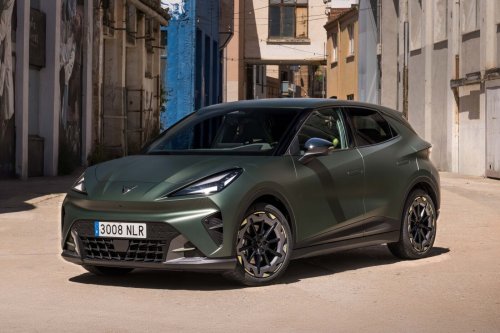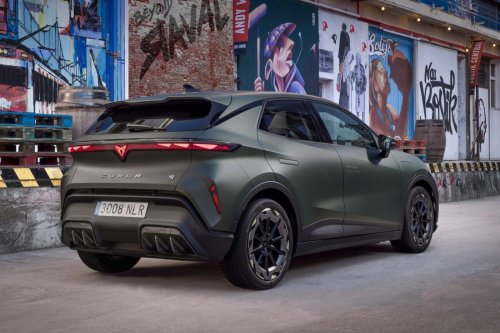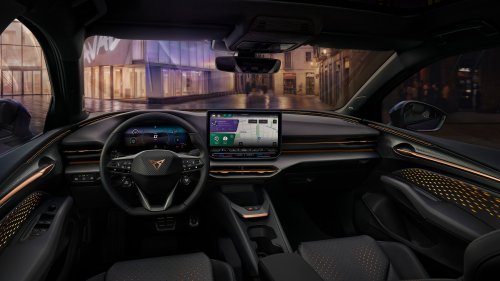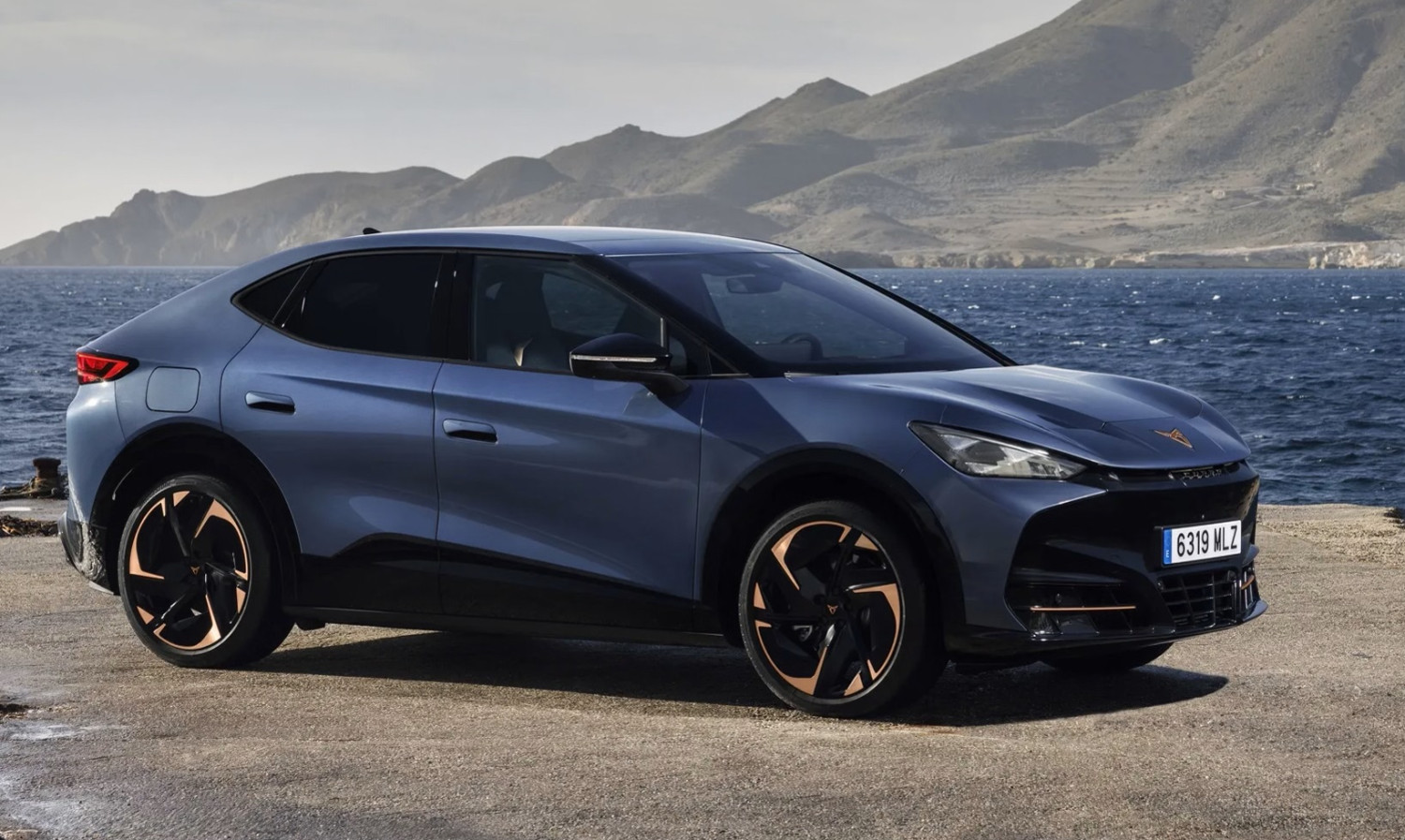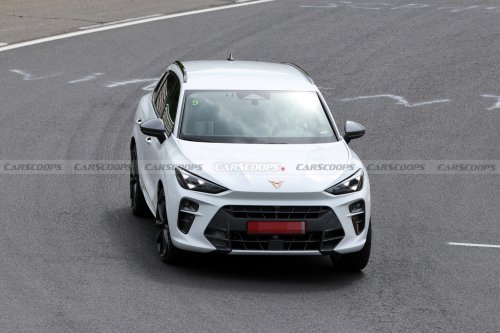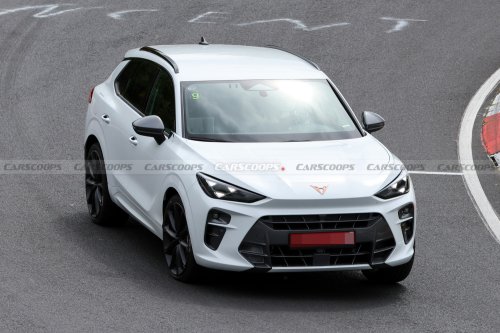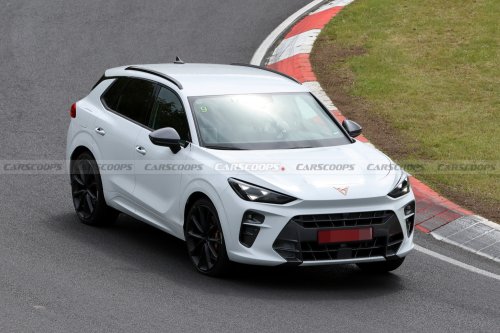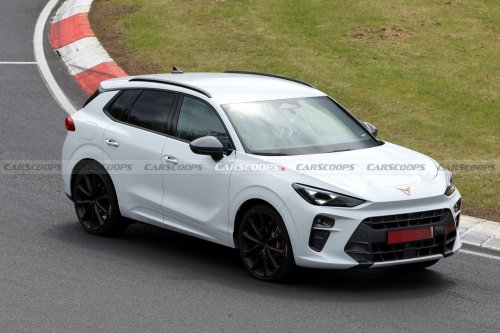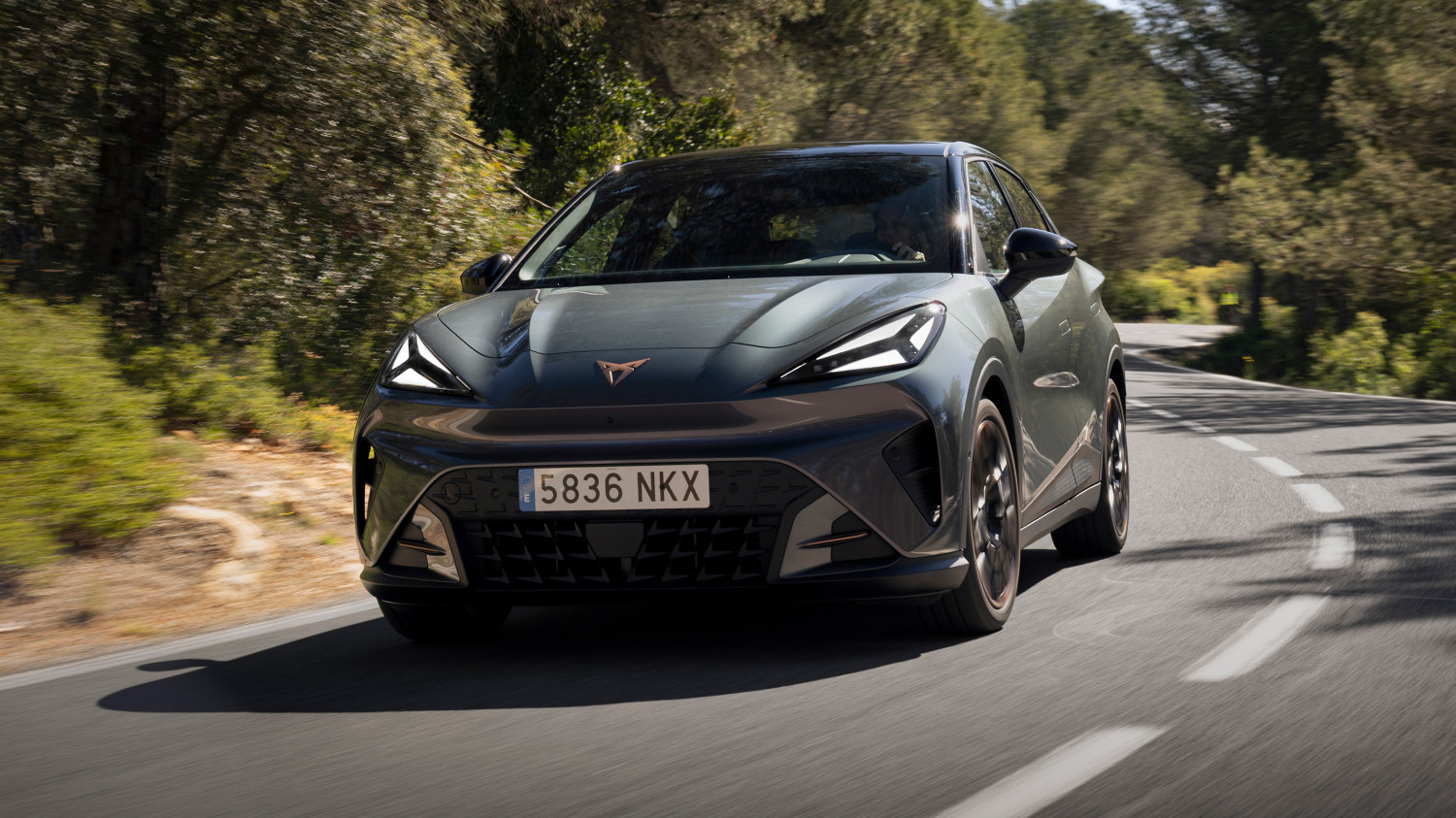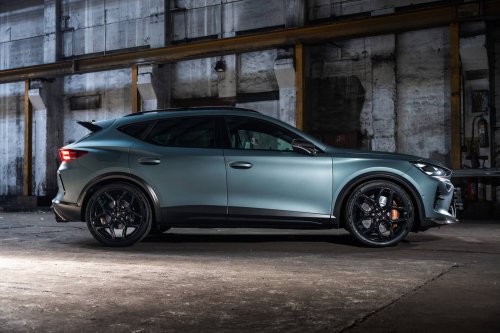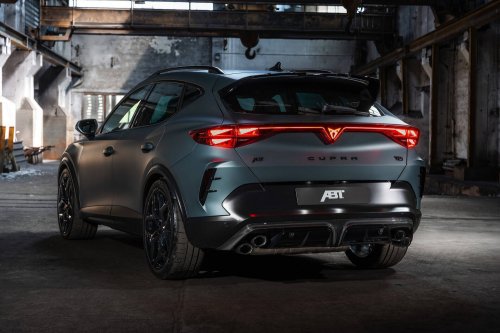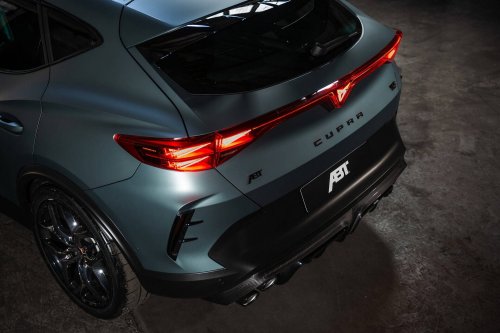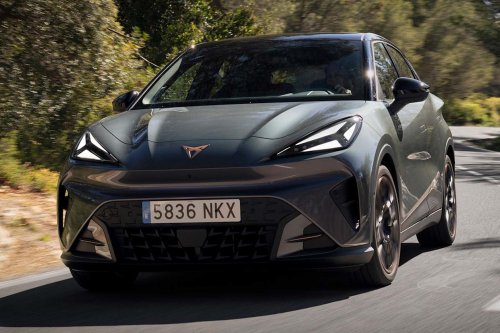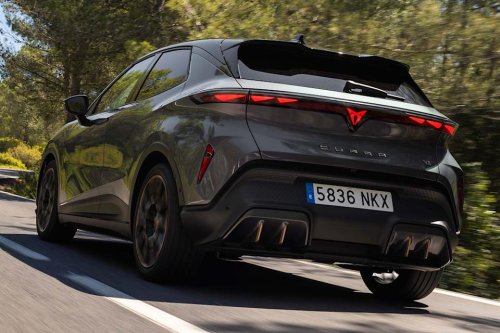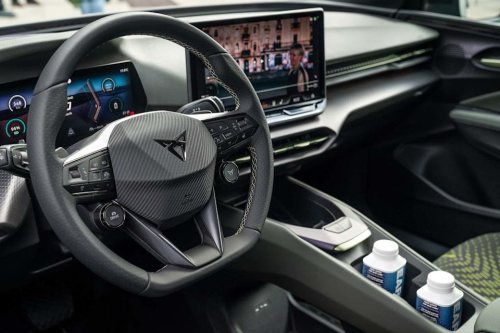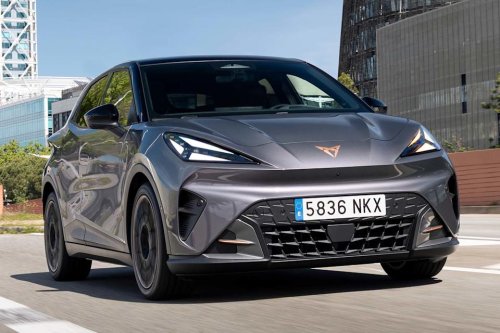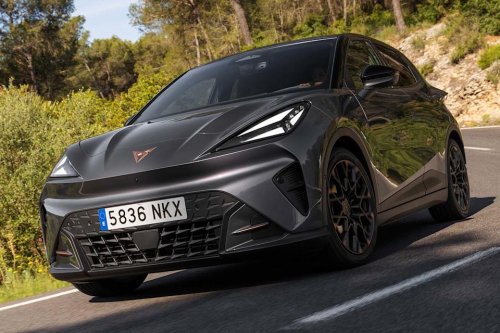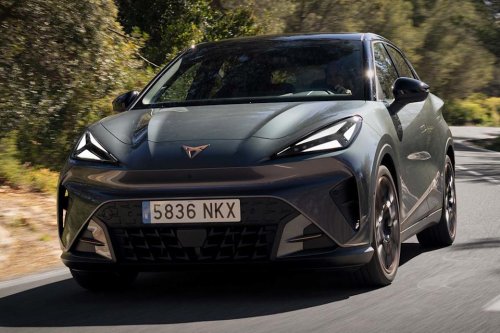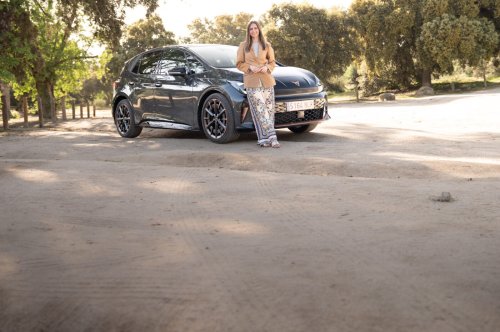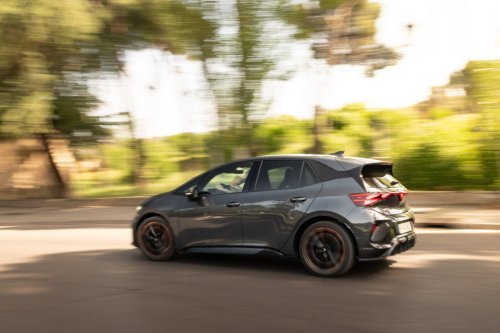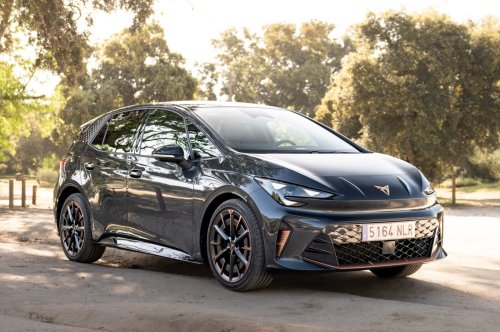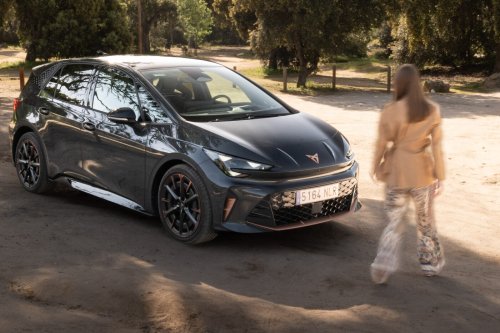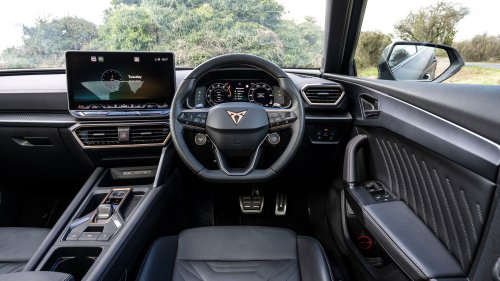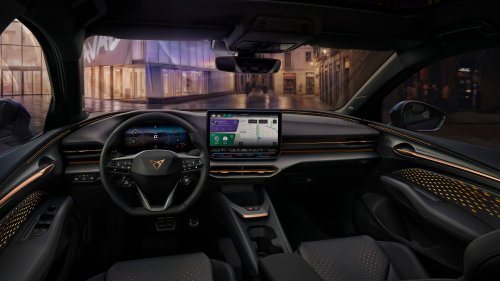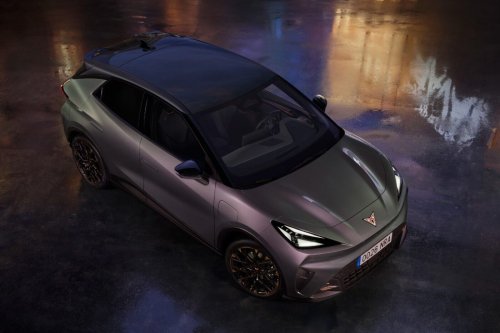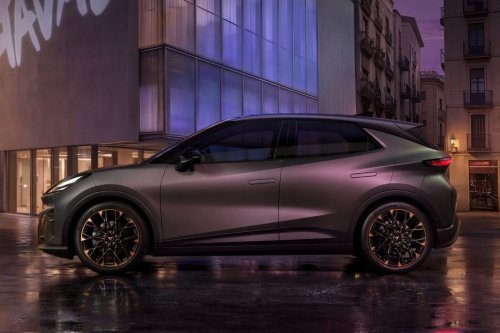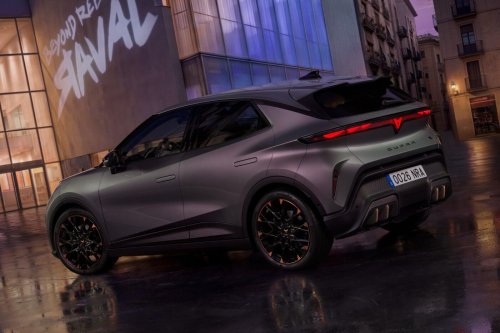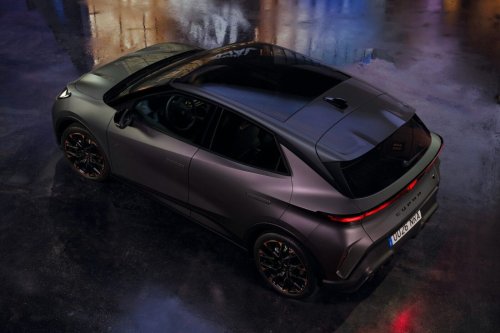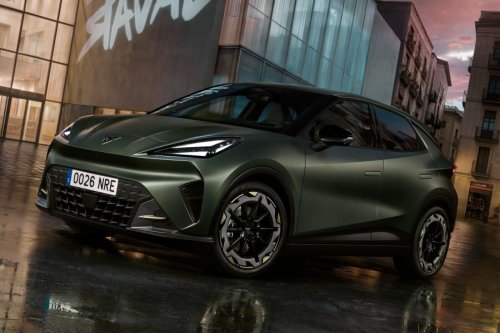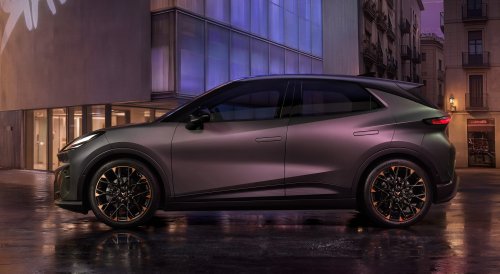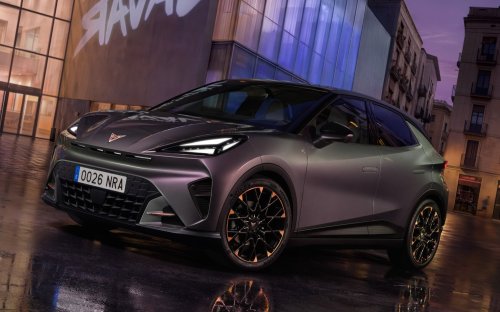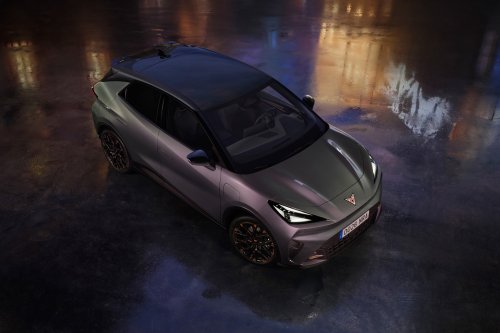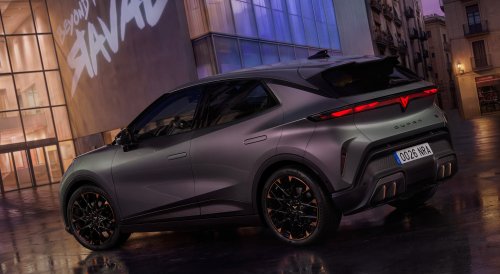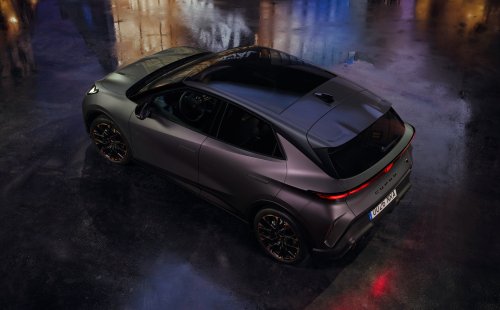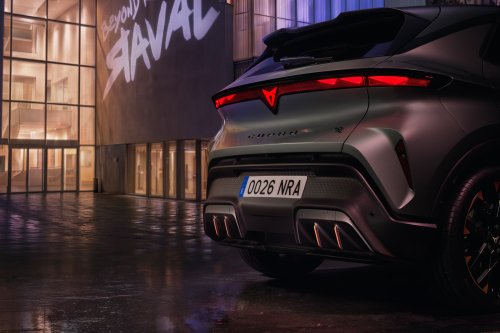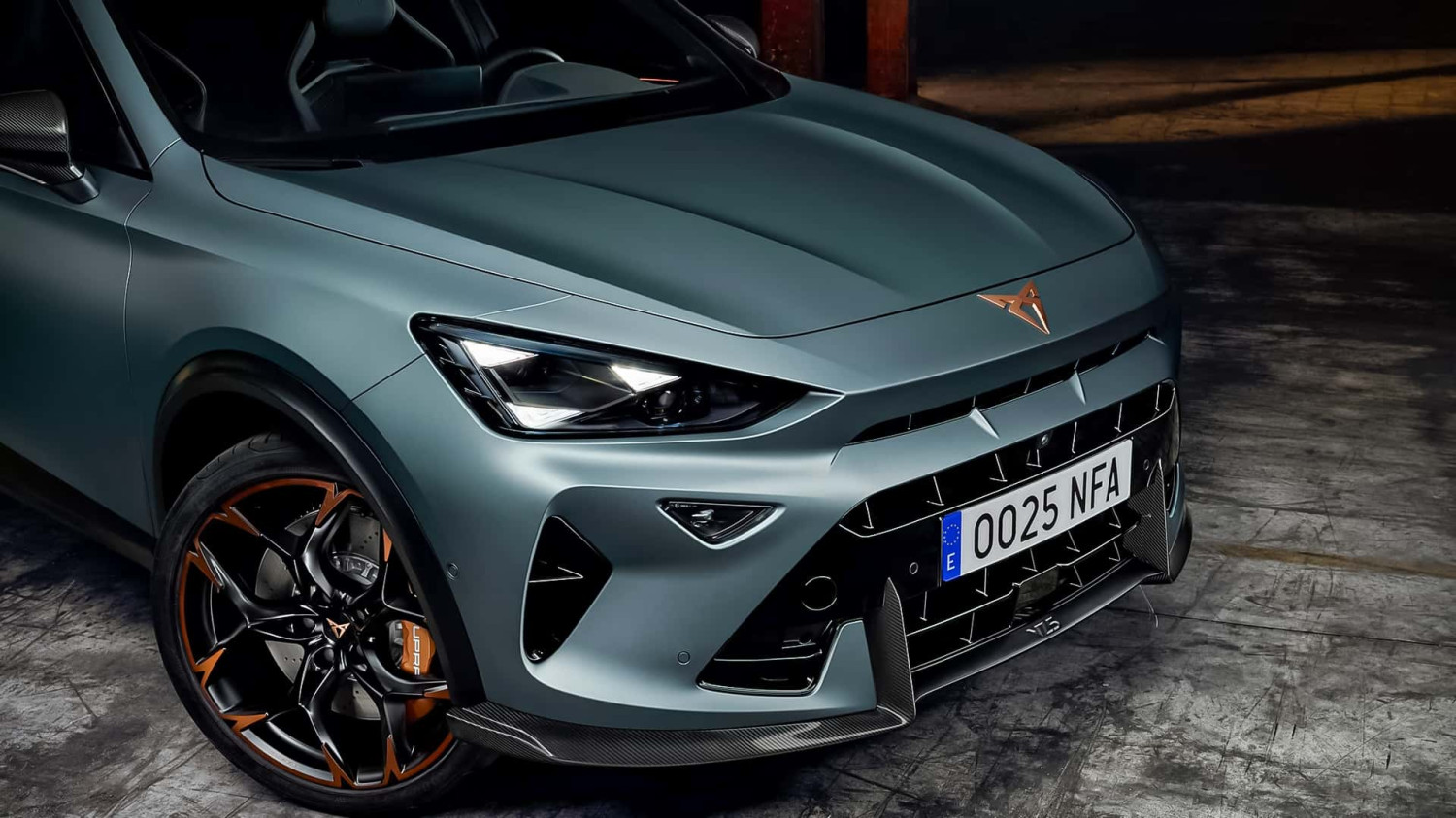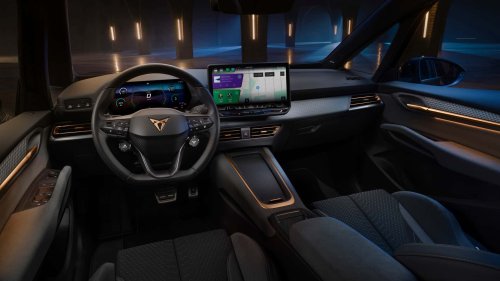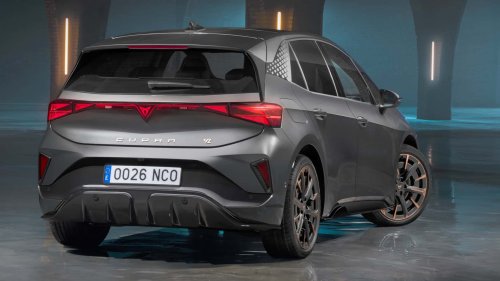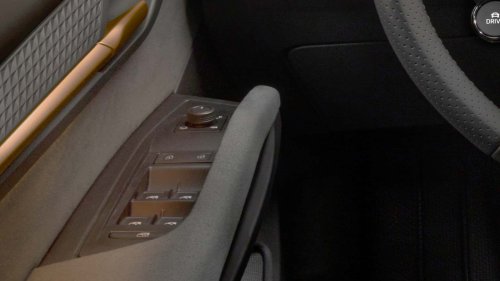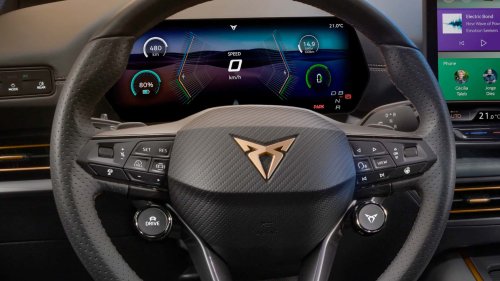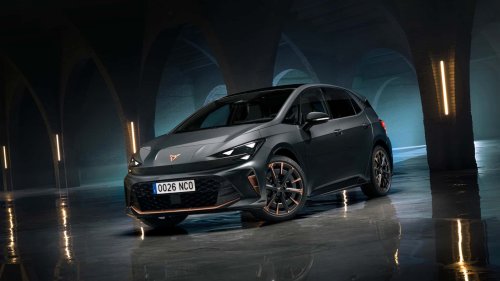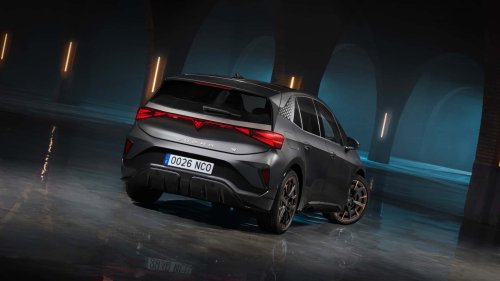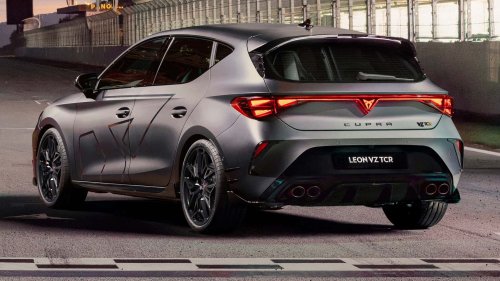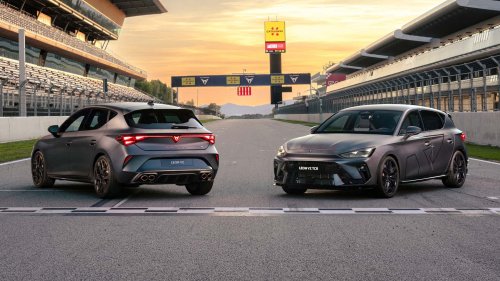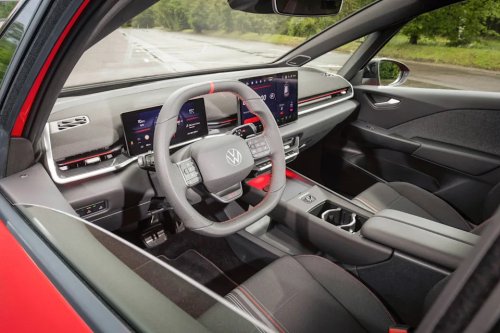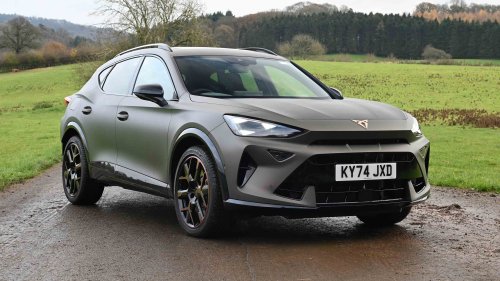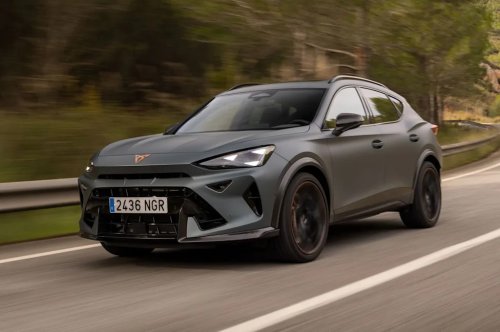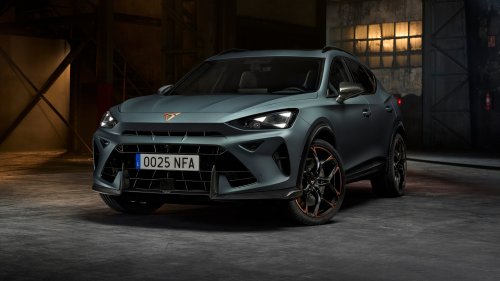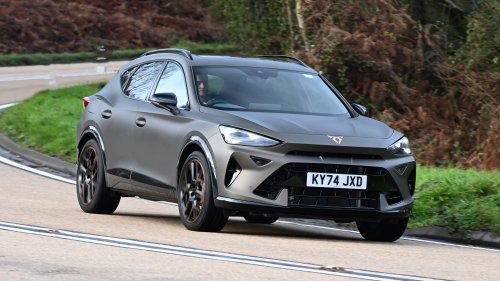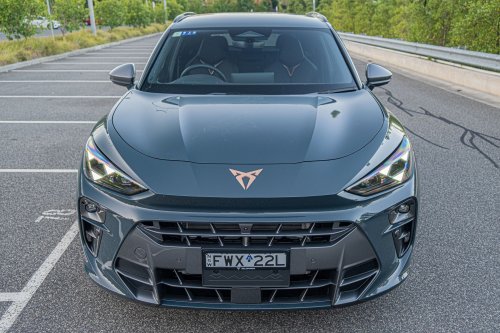
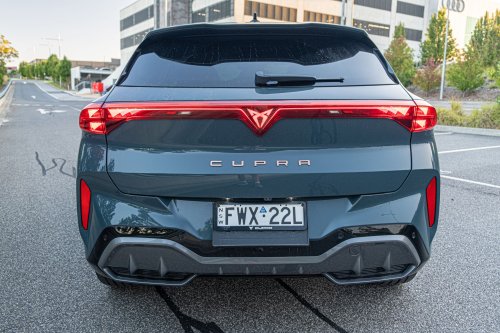
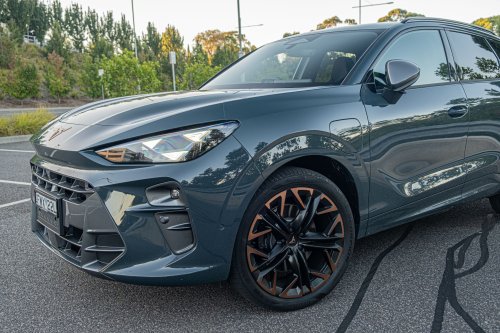
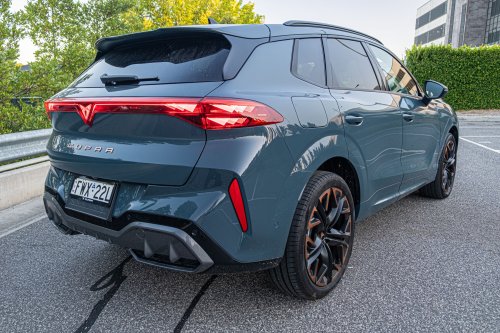
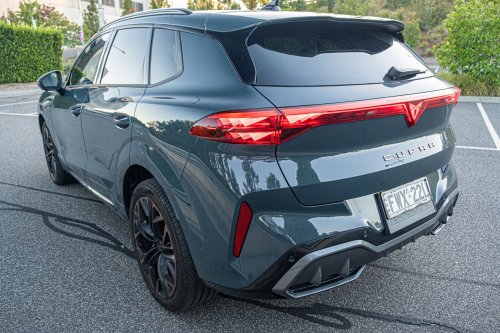
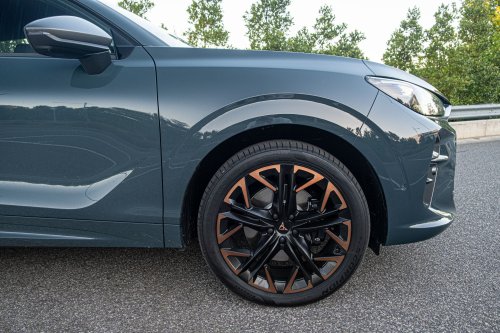
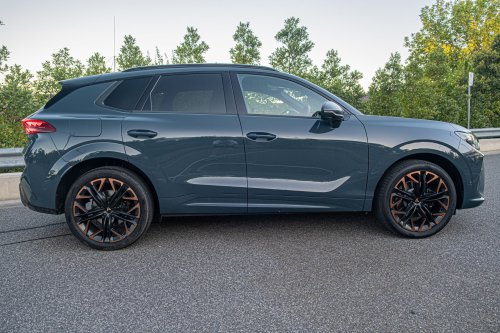
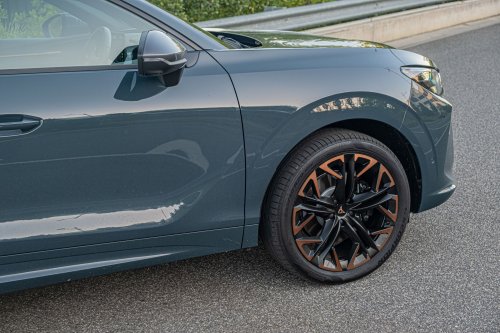
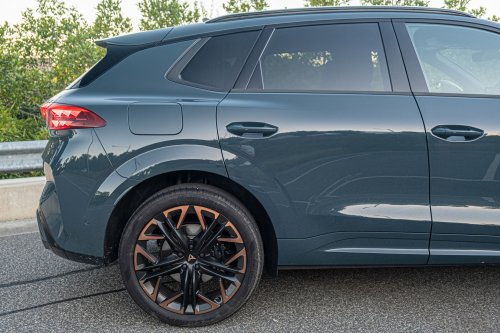
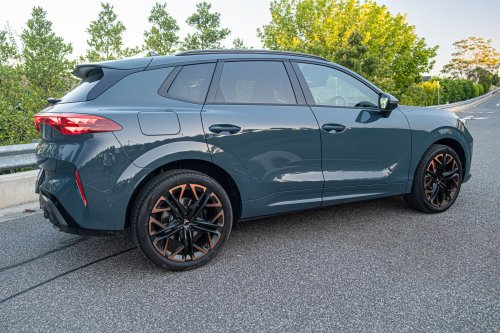
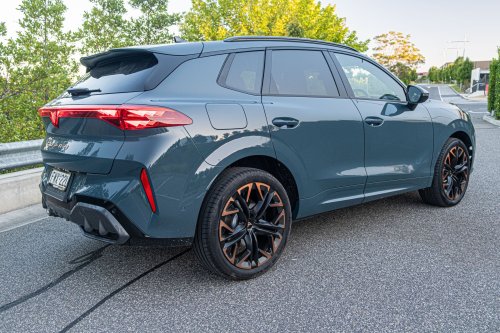
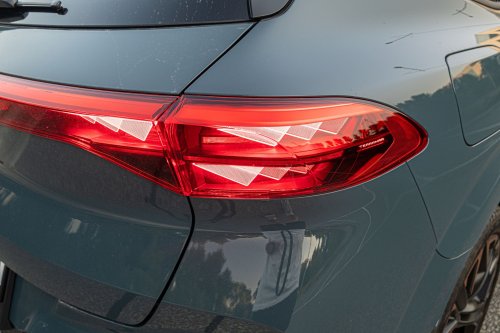
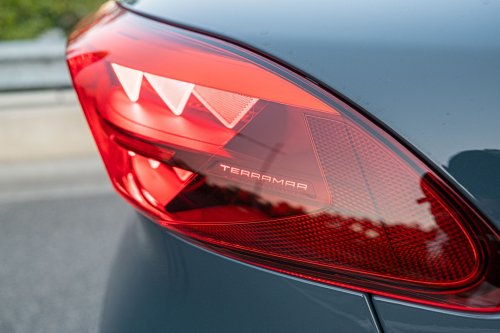
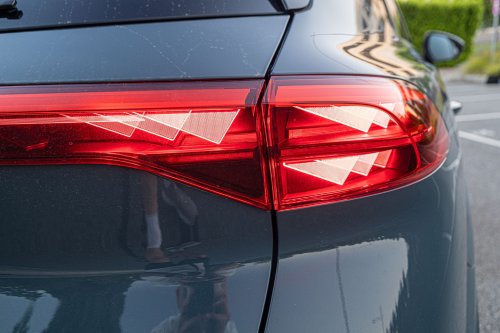
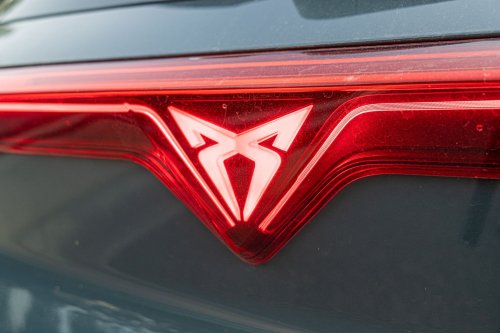
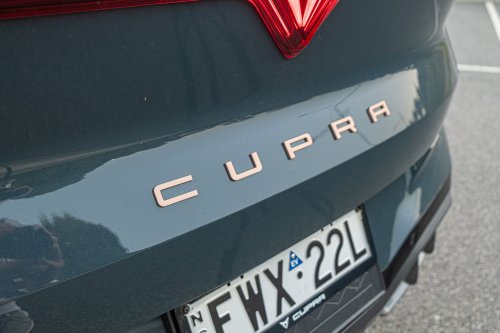

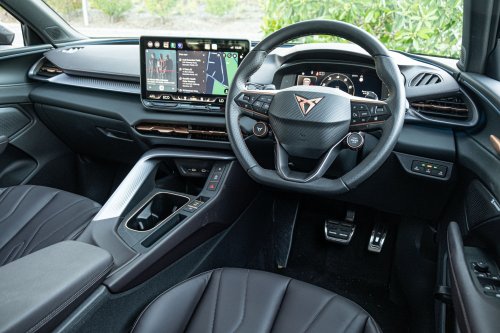
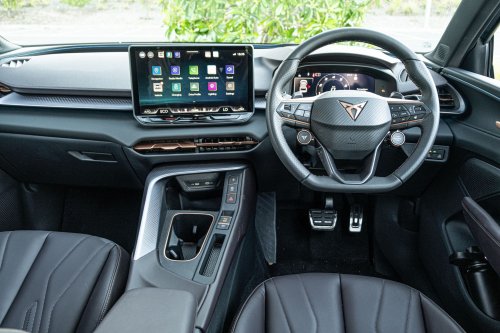
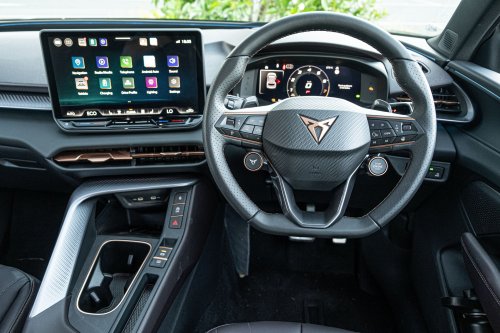
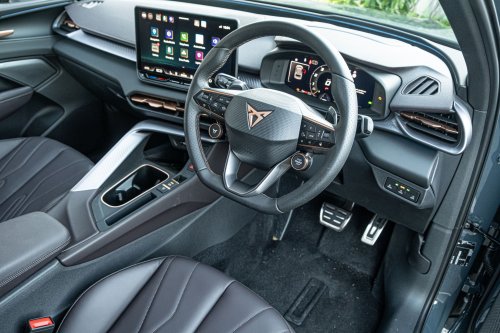
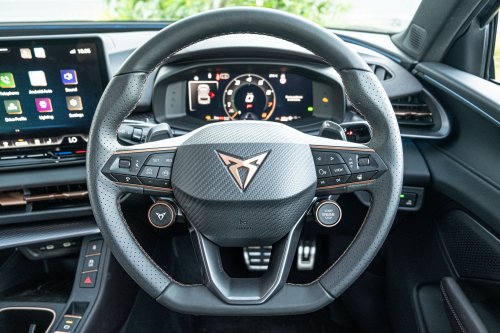
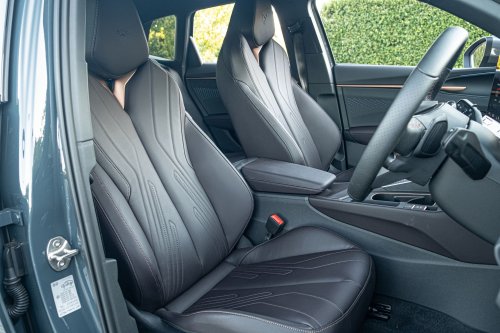
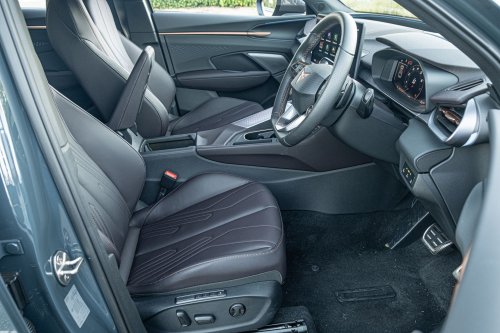
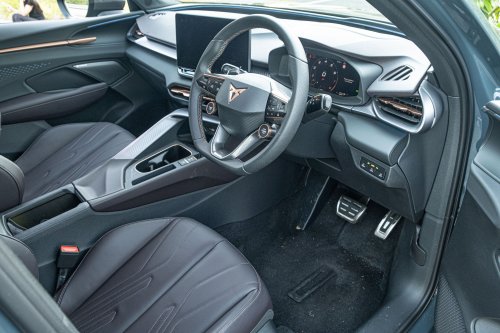
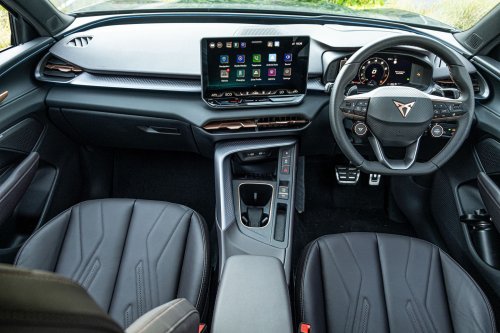
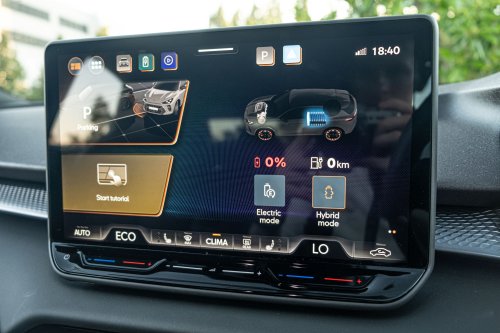
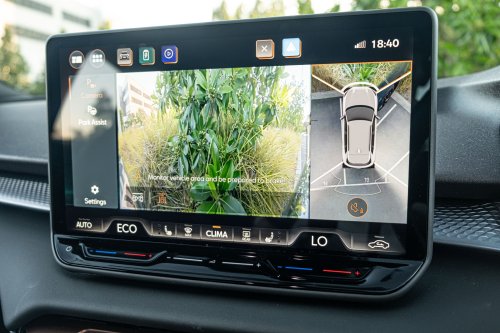
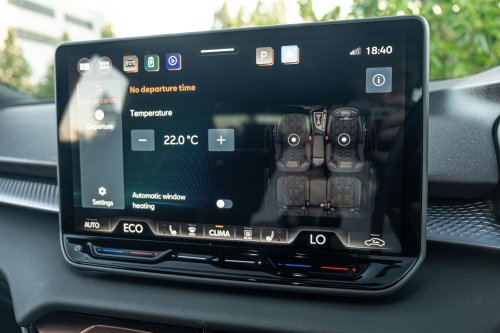
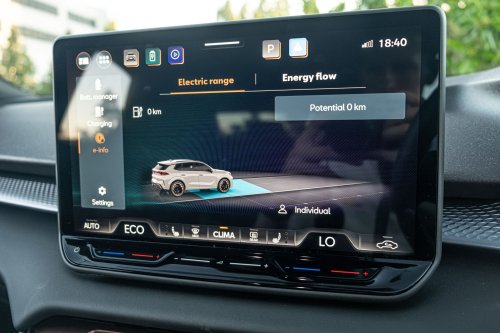
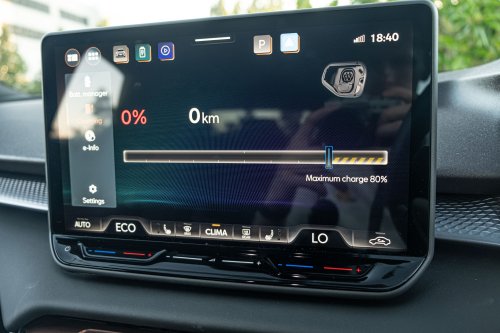
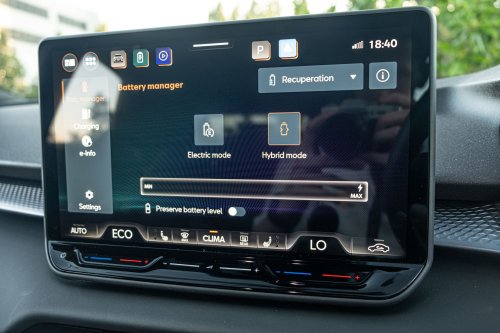
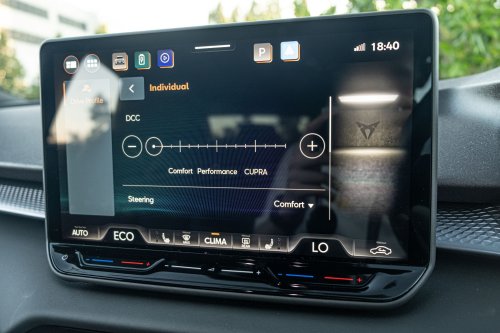
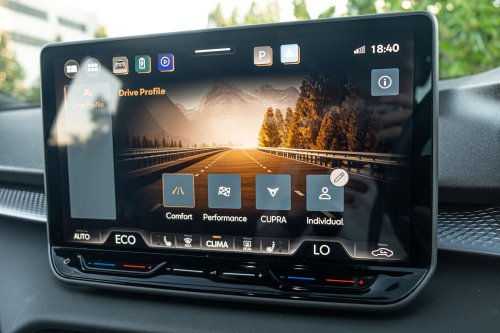
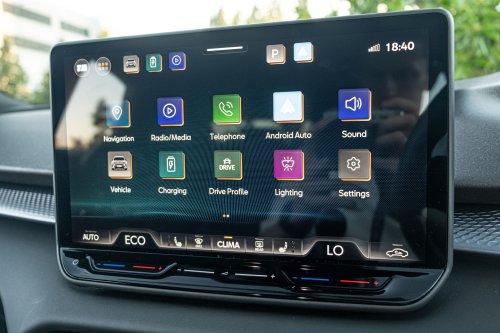
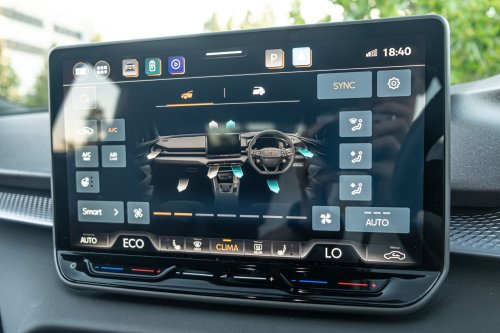
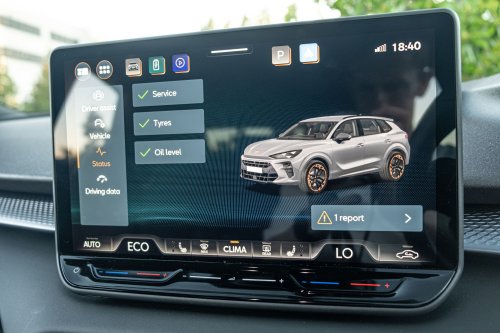
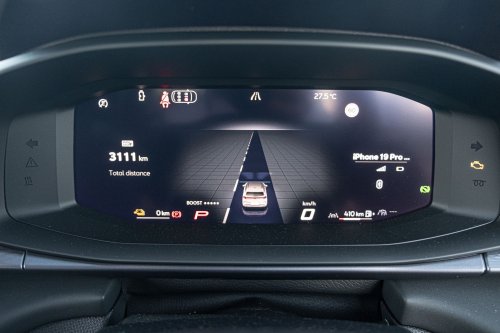
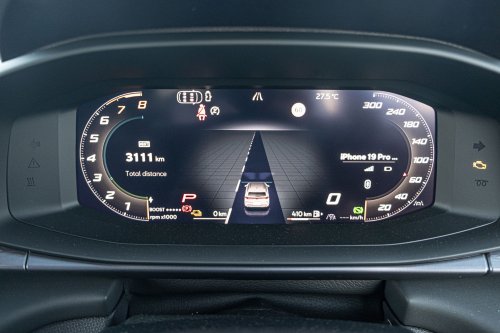
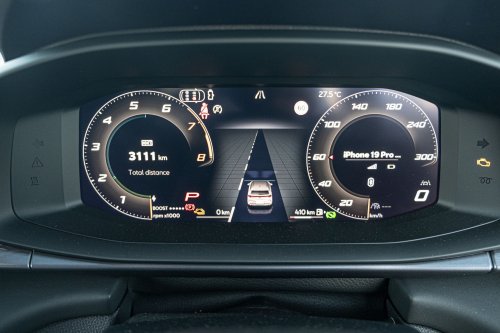
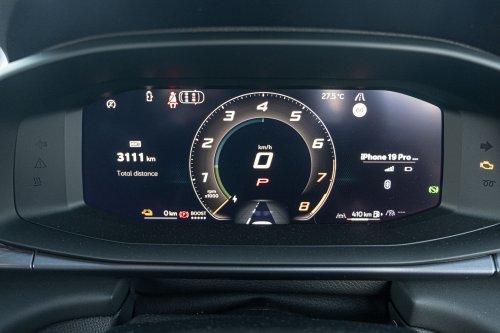
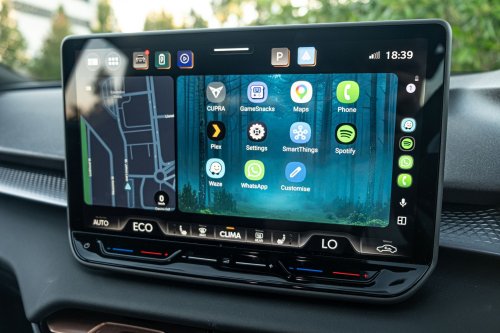
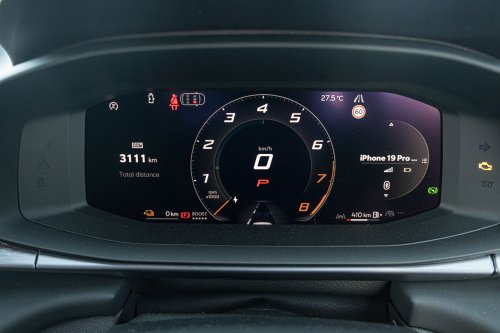
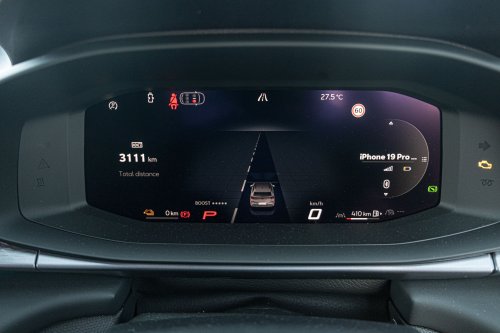
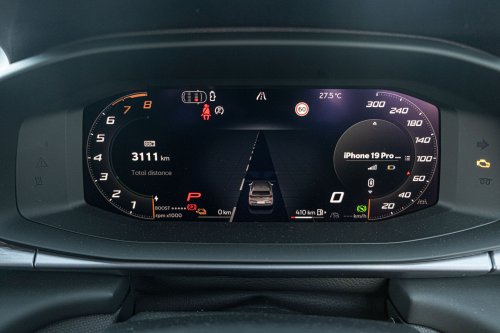
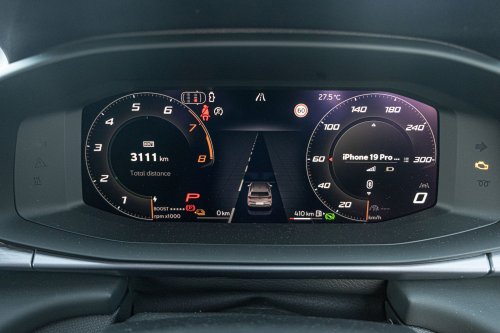
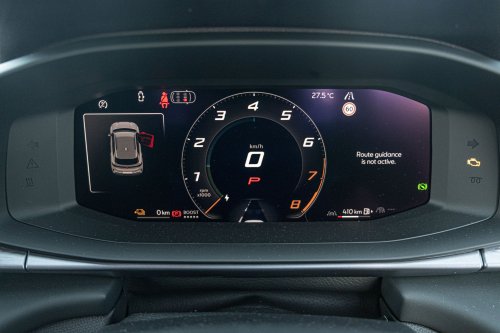
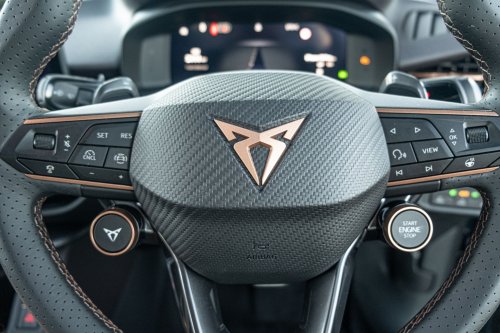
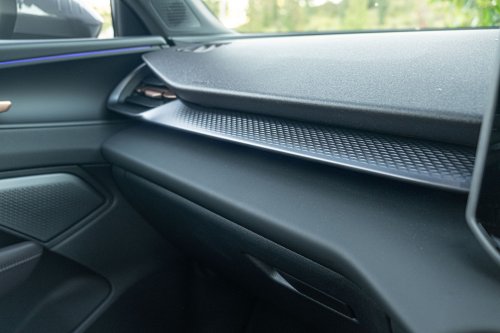
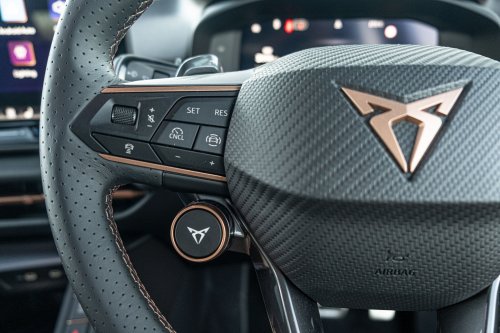
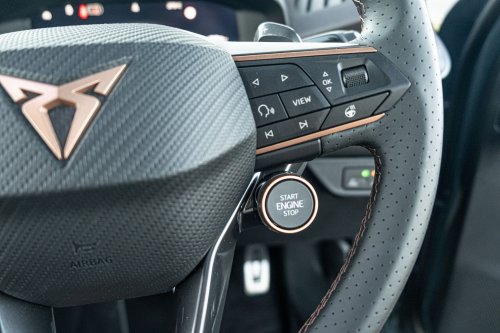
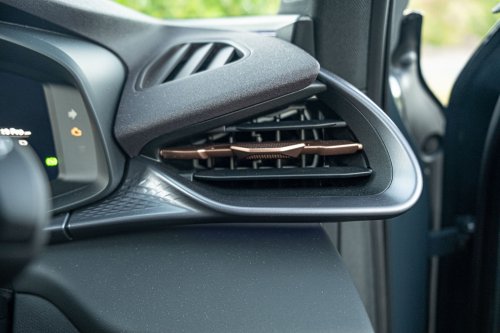
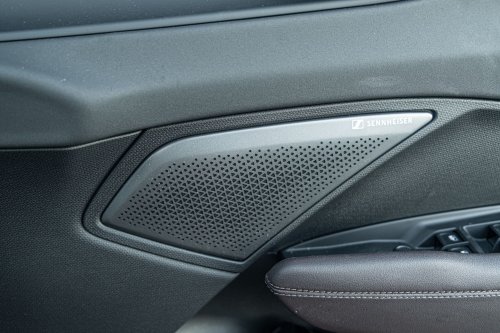
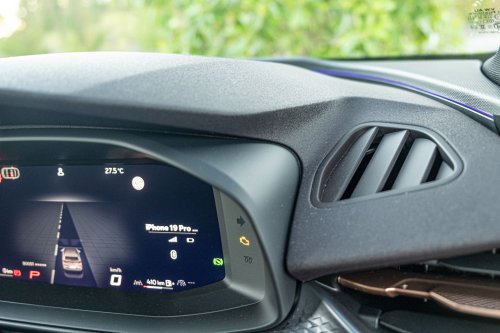
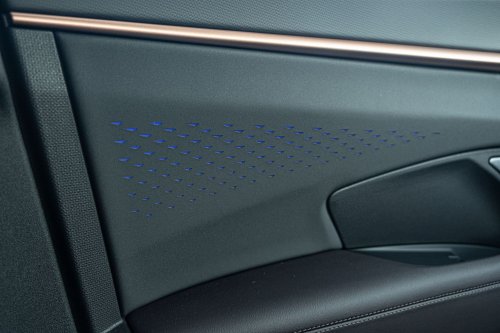
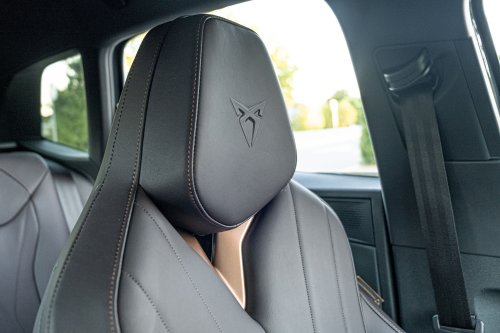
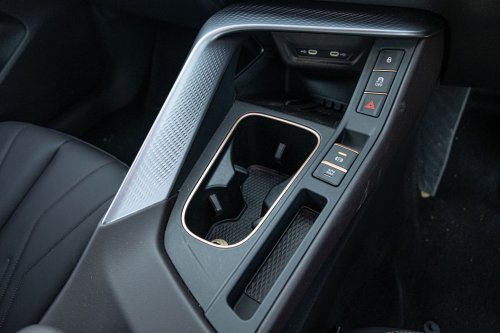
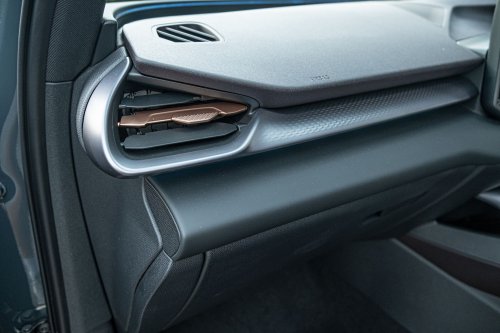
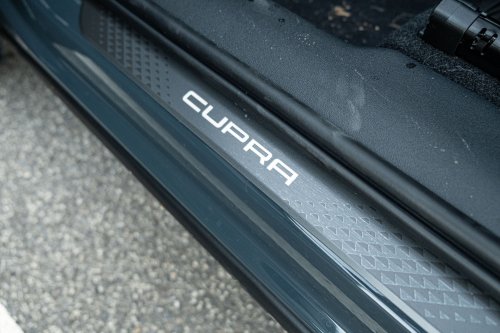
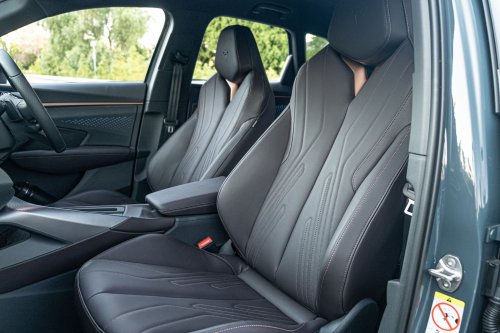
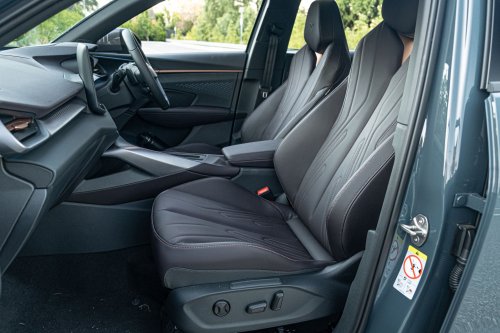
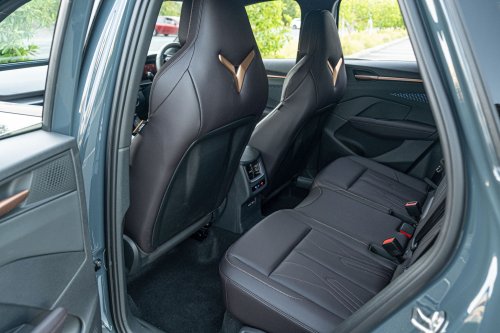
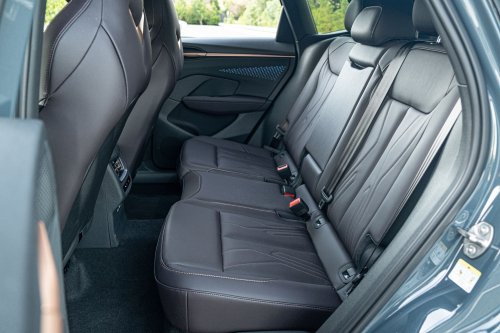
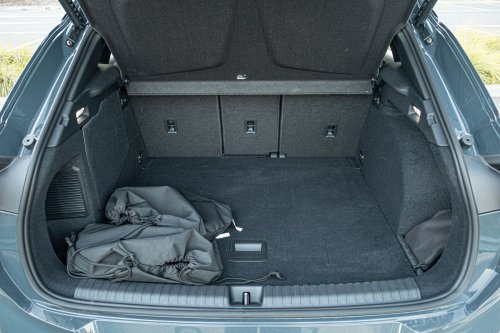
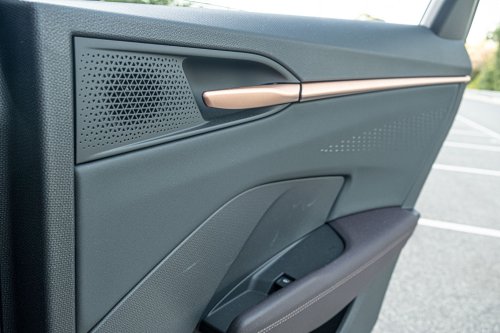
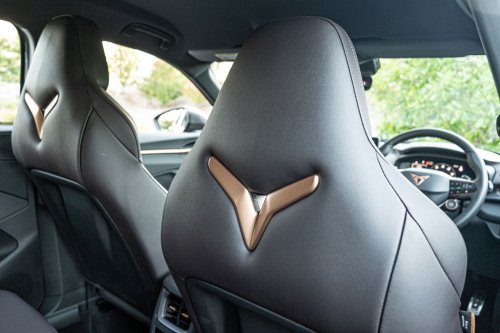
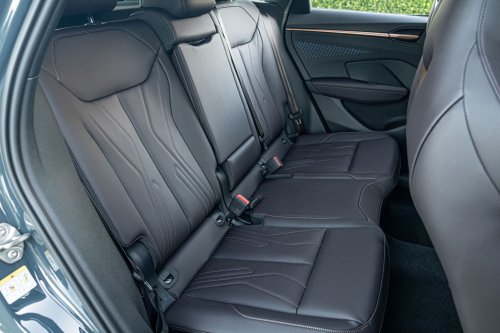
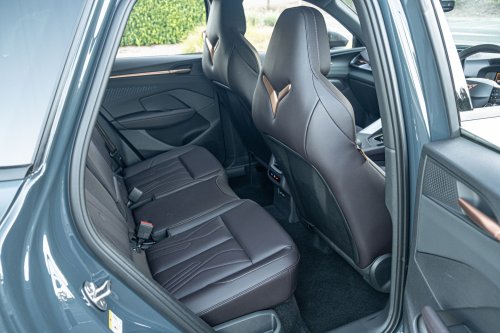
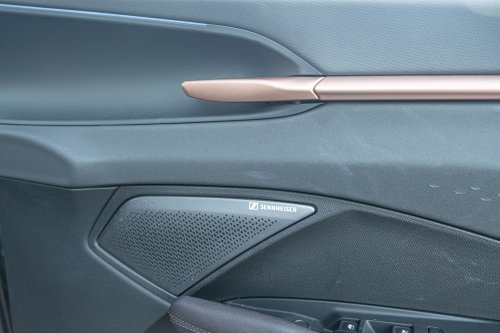
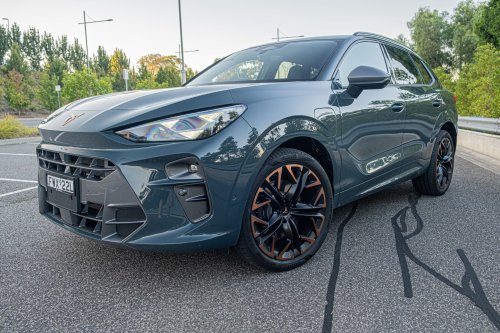
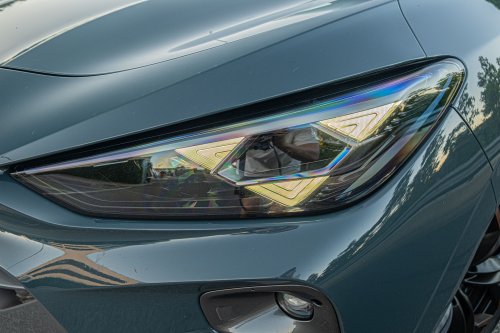
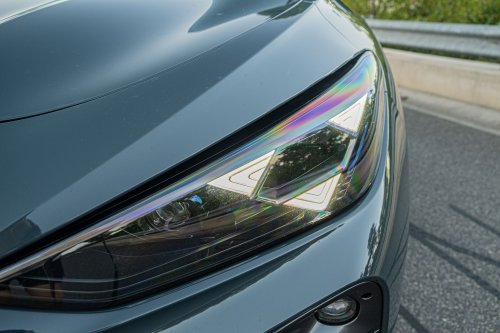
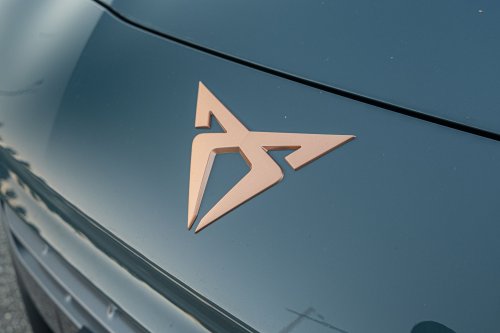
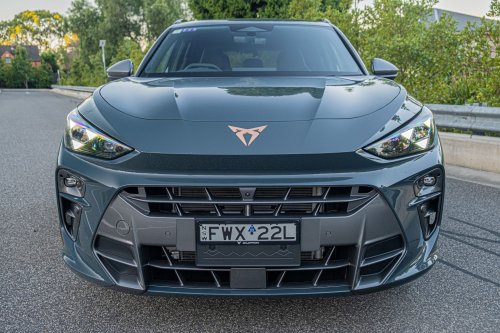
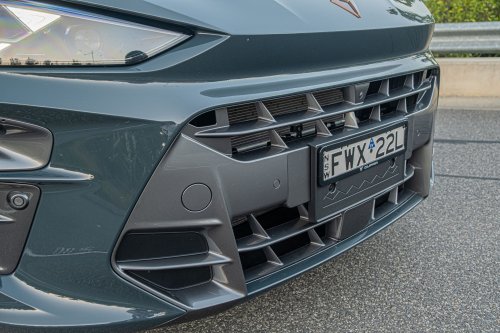
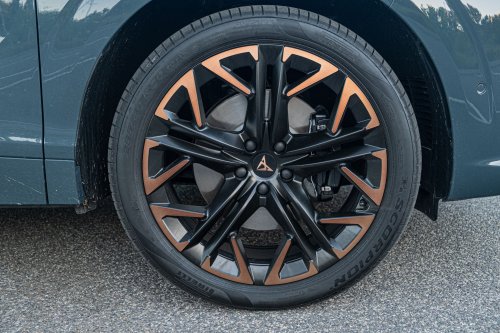
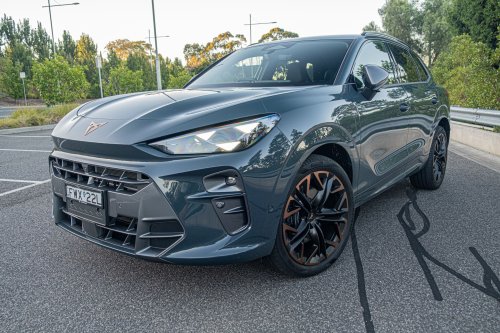
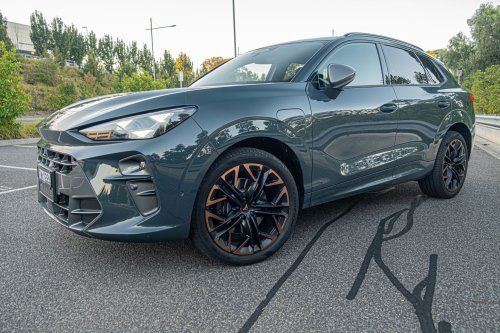
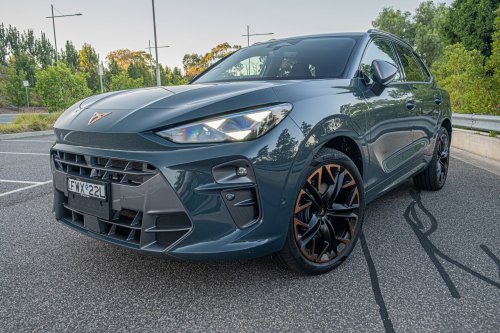
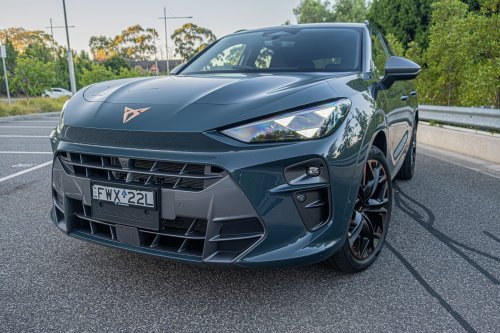
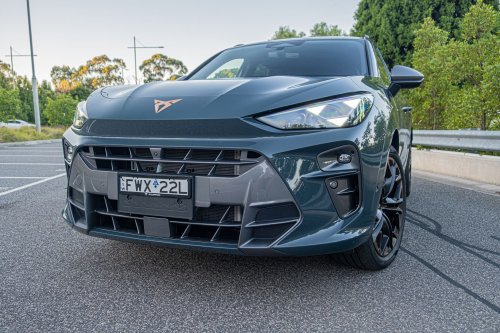
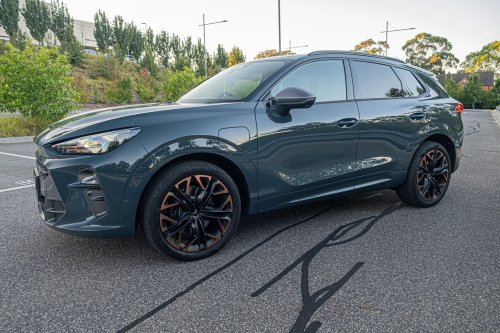
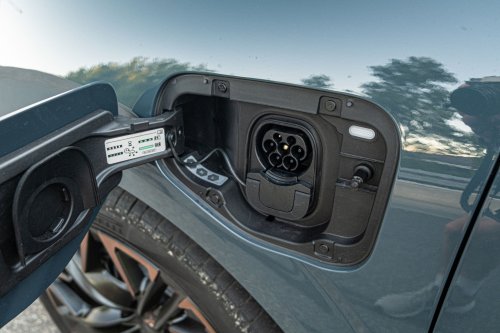
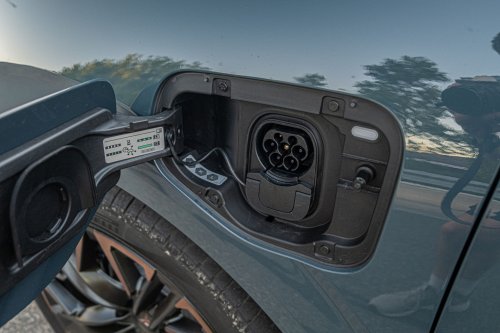
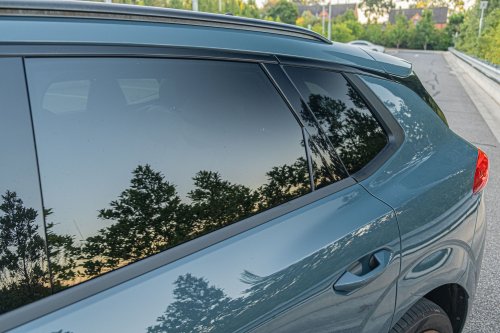
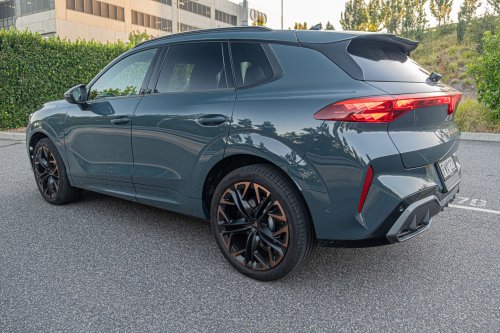
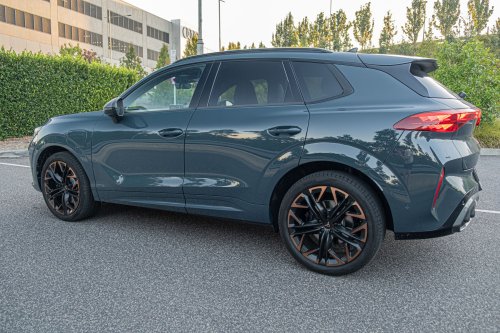
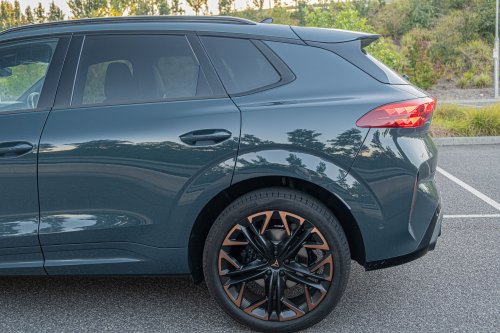
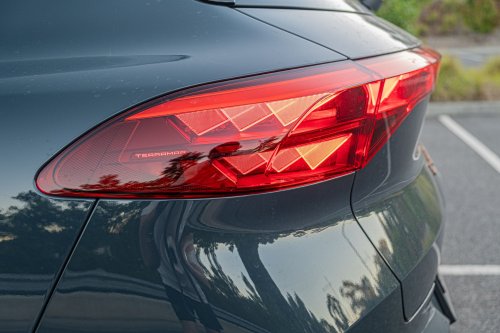
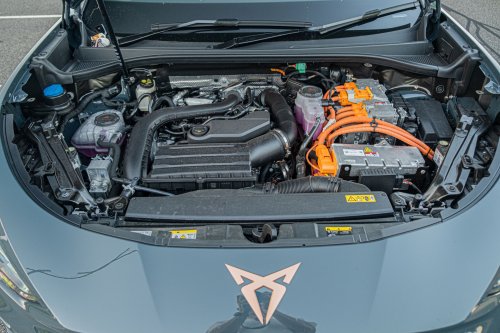
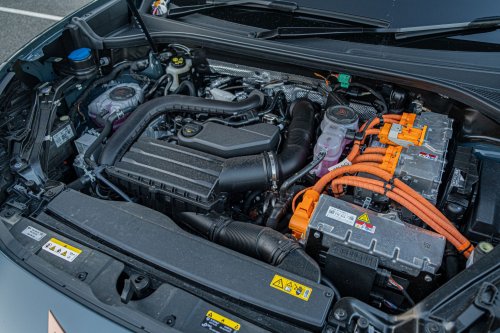
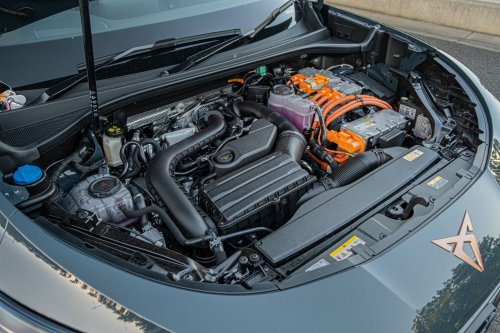
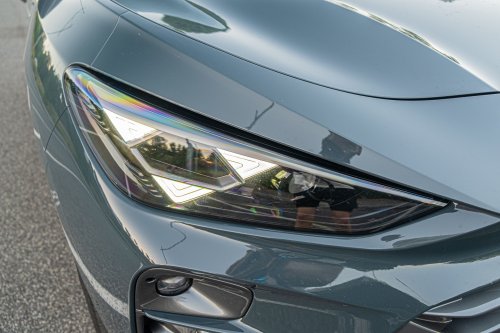
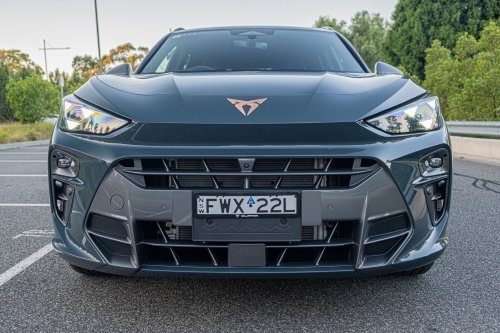
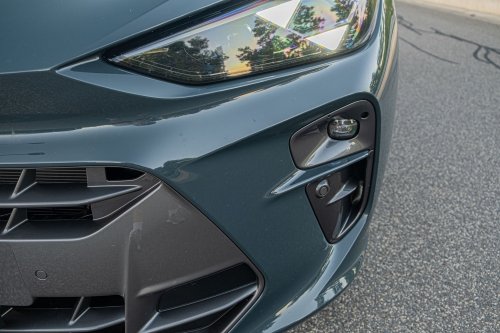
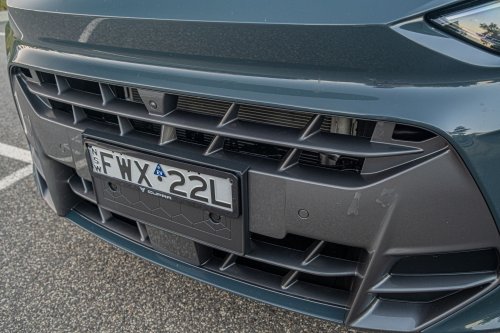
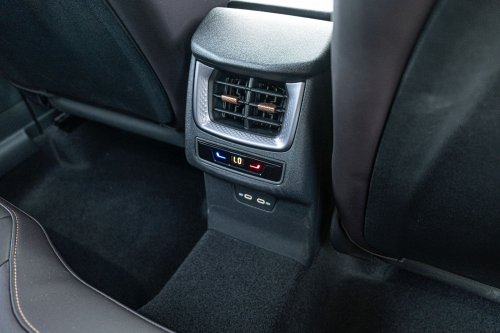
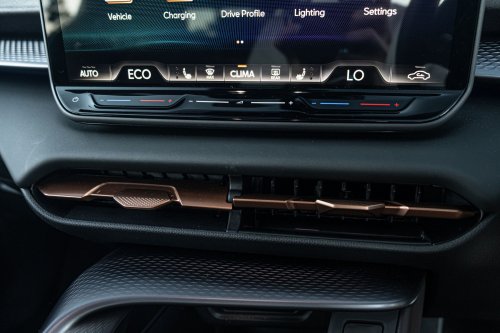



















PROS ›› Looks great, classy cabin, efficient CONS ›› Torque steer, sounds boring, poor brake feel The Volkswagen Group’s call to spin off Cupra as a standalone brand, rather than keeping it as SEAT’s performance arm, once looked like a gamble. In hindsight, it reads as one of the smarter moves in the group’s recent playbook. The decision landed in early 2018, and the payoff has been clear. While SEAT has drifted into a rather uninspired groove, Cupra has pushed out a string of sharper, more youthful models that have carved out real traction. Last year alone, Cupra shifted 328,800 vehicles, up 32.5 percent from 2024, comfortably ahead of the 257,400 cars sold by its former parent. One of the latest additions to the Cupra lineup is the Terramar. Closely related to the Volkswagen Tiguan, it certainly looks the part. Whether it deserves a spot on your shortlist is a more nuanced question. In some respects, yes, though the VZe is not necessarily the version to prioritize. QUICK FACTS › Model:2026 Cupra Terramar VZe› Starting Price:AU$77,990 ($56,000) plus on-road costs› Dimensions:177.9 L x 73.3 W x 63.3 in H (4,519 x 1,860 x 1,610 mm)› Wheelbase:105.5 in (2,681 mm)› Curb Weight:1,940 kg (4,276 lbs)› Powertrain:1.5 turbo four-cylinder, electric motor› Output:268 hp (200 kW) / 295 lb-ft (400 Nm)› 0-62 mph7.3 seconds (0-100 km/h)› Transmission:Six-speed dual-clutch› Efficiency:6.2 l/100 km (37.9 US mpg) as tested› On Sale:Now SWIPE While Cupra had planned to start selling vehicles in the US by 2030, it’s since pumped the brakes and put the plans on ice. Over in Australia, it is thriving, having recently delivered its 10,000th vehicle and selling six models, not including the all-electric Born, which was scrapped in 2024. Of all the Cupra models, the Terramar VZe that we recently lived with is the most expensive. Starting at AU$77,990 ($56,000), it sits above the AU$53,990 ($38,800) Terramar S, the AU$61,990 ($44,500) Terramar V, and the AU$68,200 ($49,000) Terramar VZ. Photos Brad Anderson/Carscoops So, what powers it? As you may have guessed from the ‘e’ in its name, this version is electrified with a plug-in hybrid system. It uses a 1.5-liter turbocharged four-cylinder engine delivering 130 kW (174 hp) and 250 Nm (184 lb-ft) of torque, in addition to an electric motor with 85 kW (114 hp) and 330 Nm (243 lb-ft). Combined output sits at 200 kW (268 hp) and 400 Nm (295 lb-ft). Unlike what you might think, the Terramar VZe is not all-wheel drive and only sends power to the front wheels. This brings with it some issues, but more on that later. Although the VZe is the most powerful and expensive Terramar on offer, it’s not the quickest. The run to 100 km/h (62 mph) takes a claimed 7.3 seconds. By comparison, the cheaper VZ, with its 2.0-liter turbocharged four-cylinder engine producing 195 kW (262 hp) and 400 Nm (295 lb-ft), completes the run in 5.9 seconds, as it’s all-wheel drive. The VZe could perhaps be considered as a good middle ground between performance and efficiency. A Sporty VW Cabin Photos Brad Anderson/Carscoops The cabin of the Terramar is great, even though it shares plenty of parts with VW-branded models. Thanks to several bespoke touches, though, dropping into the driver’s seat always feels special. The flat-bottomed steering wheel is no doubt one of the highlights, complete with a sporty design and a faux carbon fiber center, the engine Start/Stop button, and a button to switch between the different drive modes. Positioned behind the wheel is a 10.25-inch digital gauge cluster that offers good, albeit not exceptional, configurability. One questionable addition is the 12.9-inch infotainment display. It’s the same one used by a host of VW models, and while the software is quite good and offers snappy responses, the climate control settings aren’t very nice. Photos Brad Anderson/Carscoops Positioned at the base of the screen are touch-sensitive sliders to adjust the temperature and the media volume. They’re often finicky to use, especially while on the move, and the piano black finish attracts loads of fingerprints. The stalks behind the wheel are also worth mentioning. They’re not quite as complex as the horizontal bar found in the new-gen Audi Q3, but they take a while to get used to, as the left stalk’s functions include the lights, turn signals, and windshield wipers. The right stalk serves as the gear selector. The rest of the cabin is lovely. Cupra has incorporated bronze accents to give it a premium feel, and the seats are excellent. There’s also a wireless smartphone charger, and overall, space is good. Given the price tag, however, there’s a little too much hard black plastic for my liking, but it’s certainly not a deal breaker. Photos Brad Anderson/Carscoops Both the Terramar VZ and VZe models also come with a 12-speaker sound system from Sennheiser, which proved underwhelming, at least for me. As I’m quite tall, I had to push the front seat back quite far, meaning the speakers in the upper corner rear door panels were within about 12 inches of my ears. Compared to the front speakers, which are very good, these rear ones lack clarity. To rectify this, I switched off the rear speakers altogether. The second row is nice and spacious, even for adults, and includes temperature controls and two USB-C ports. Given the price, it’s a shame that a panoramic sunroof isn’t fitted as standard, but one is available as an option. In terms of practicality, the VZe offers a disappointing 400 liters (14.1 cubic feet) of cargo space in the rear because the battery pack is positioned under the floor. A Performance Hybrid No One Asked For? Driving the Terramar VZe proved rather underwhelming for the first few days I had it, primarily due to the hybrid powertrain and how it delivers power. Due to the front-wheel drive setup and the instant power delivery of the electric motor, it’ll quickly spin up the wheels if you’re only a little greedy with the throttle, even with the traction control enabled. When the TC does kick in, it does so quite abruptly, quickly halting your progress as the computer decides how best to dish out the power. Then there’s the matter of torque steer. Outputs of 200 kW (268 hp) and 400 Nm (295 lb-ft) are right in line with most modern hot hatches, but the Terramar VZe suffers from more torque steer than all of them. Pin the throttle, and the steering wheel will aggressively tug from left to right as you build up speed. This is a vehicle that’s crying out for all-wheel drive. Photos Brad Anderson/Carscoops Coupled to the engine is a six-speed dual-clutch transmission. It’s a good system, but given there are only six ratios, it holds onto gears for quite a long time. The key perk to the Terramar VZe’s powertrain is efficiency. During our test, we averaged 6.2 l/100 km (37.9 US mpg), which is good considering the solid performance on offer. It’s also worth noting that we didn’t charge the battery while we had it, so we didn’t run in all-electric mode very often. If the battery is fully charged, Cupra says the VZe can travel up to 110 km (68 miles) without needing the 1.5-liter turbo. Like plenty of other plug-in hybrids, the Terramar VZe’s battery pack can be charged while on the move via regenerative braking. However, it charges incredibly slowly, and after an hour of driving, we’d often only recuperate 2 or 3 km of electric range. Dynamite Handling A notable inclusion is VW’s Dynamic Chassis Control Pro suspension that offers more than a dozen different damping levels. In the softest of these settings, the VZe rides nicely, although it is still quite firm – hardly a surprise considering the SUV weighs 1,940 kg (4,276 lbs). Dial things up to the harshest setting, and you have a vehicle that feels almost completely solid, providing little to no damping and generating loud ‘thuds’ any time you drive over a speed bump or a pothole. It’s far too harsh on the road, but might be good on a racetrack. Read: Cupra’s Raval Rivals The Alpine A290, And Comes With A Trick Differential All Cupra models have a keen focus on handling dynamism, and the Terramar is no different. The steering is superb, and the SUV bites into the tarmac through turns like a Golf GTI. Unfortunately, the powertrain feels too convoluted out of turns, dishing out torque steer galore and delivering a disappointing soundtrack. Cupra also hasn’t done a very good job of calibrating the brakes. Feel through the first 25 percent of the pedal travel is virtually non-existent, and when the SUV does actually begin to slow down, there’s no feedback whatsoever. Worse still, there were a couple of times when the ABS momentarily kicked in at a braking threshold where it wasn’t even nearly needed. Verdict There’s plenty to like about Cupra’s new Terramar. It looks distinctive and aggressive, and the cabin feels sporty and well-appointed. However, the VZe probably isn’t the one you should choose. Those seeking a stylish, efficient SUV would be best to opt for the entry-level 1.5-liter turbo mild-hybrid with 110 kW (147 hp) and 250 Nm (184 lb-ft), paired with front-wheel drive. If you want a properly sporty Terramar, go with the VZ, as the 2.0-liter turbo-four and all-wheel drive should make for a far better performance package. Photos Brad Anderson/Carscoops