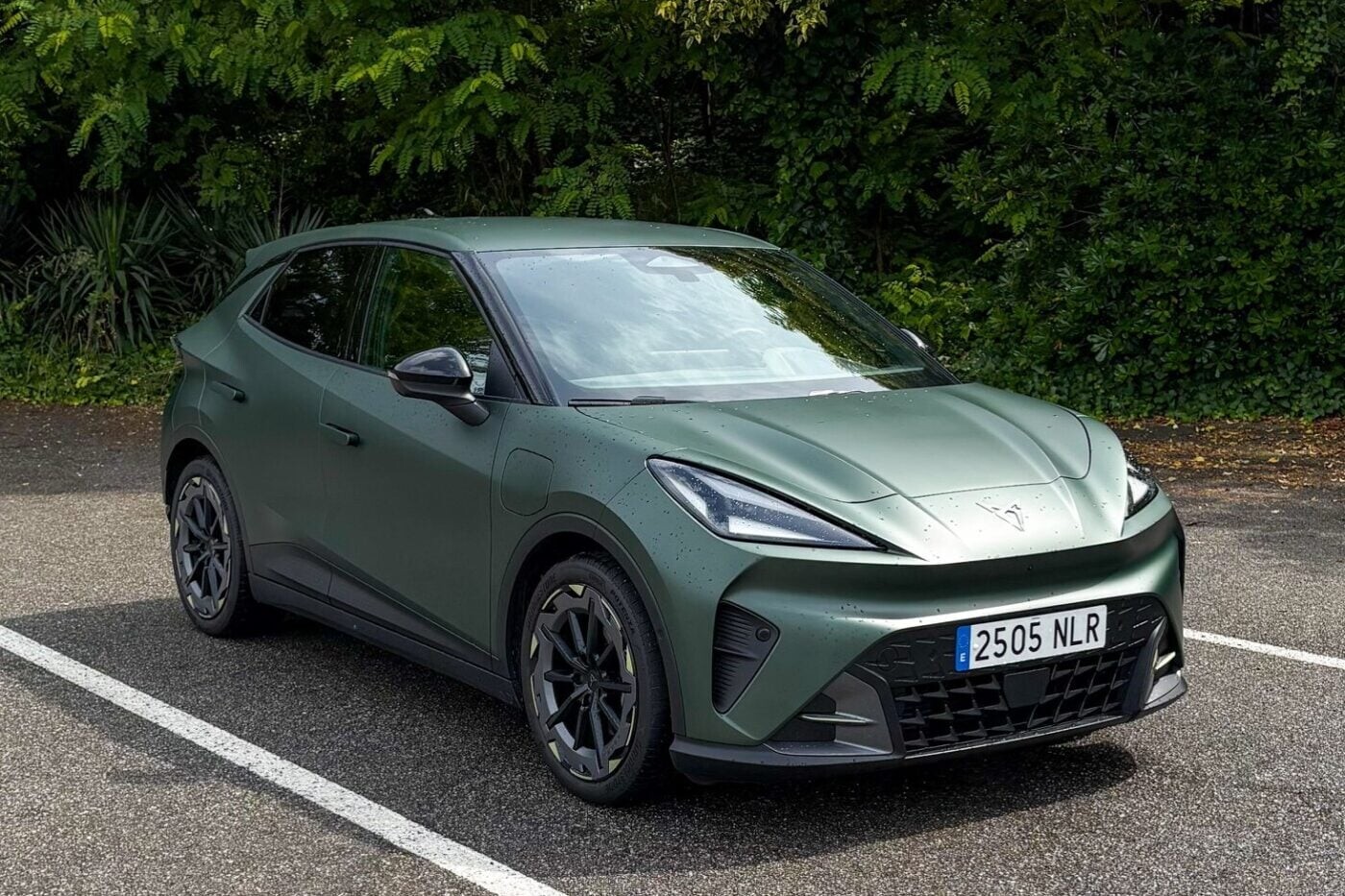
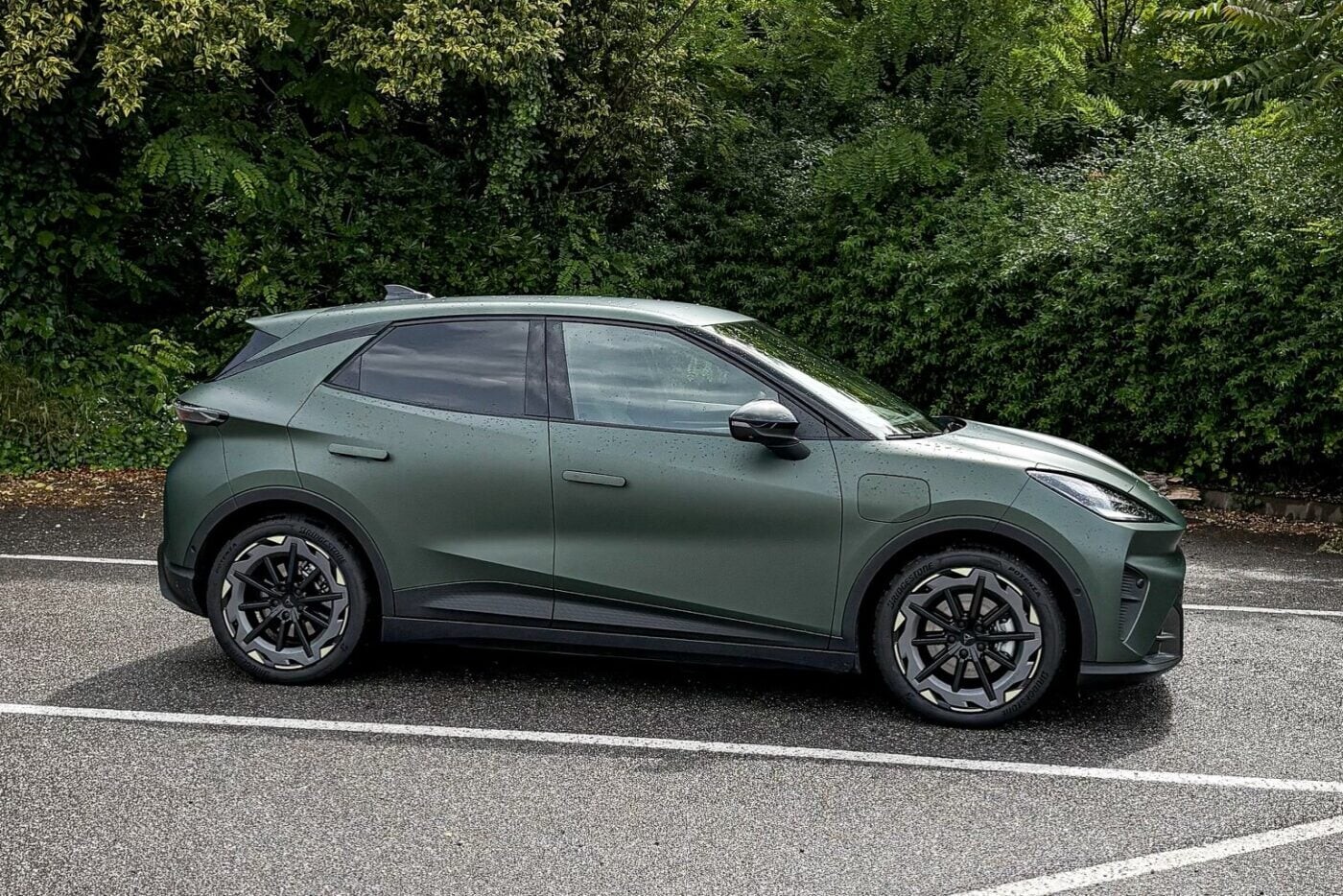
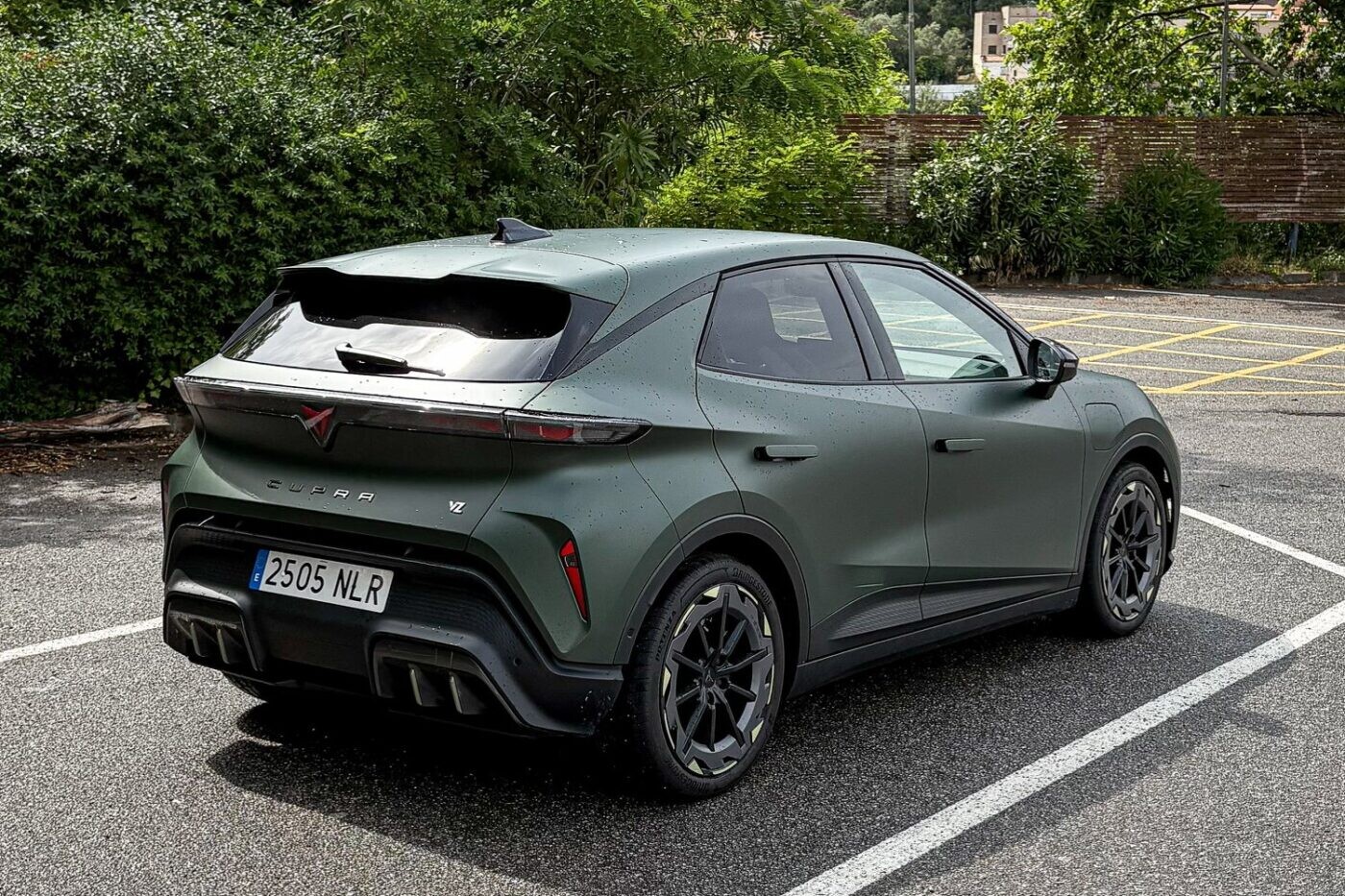
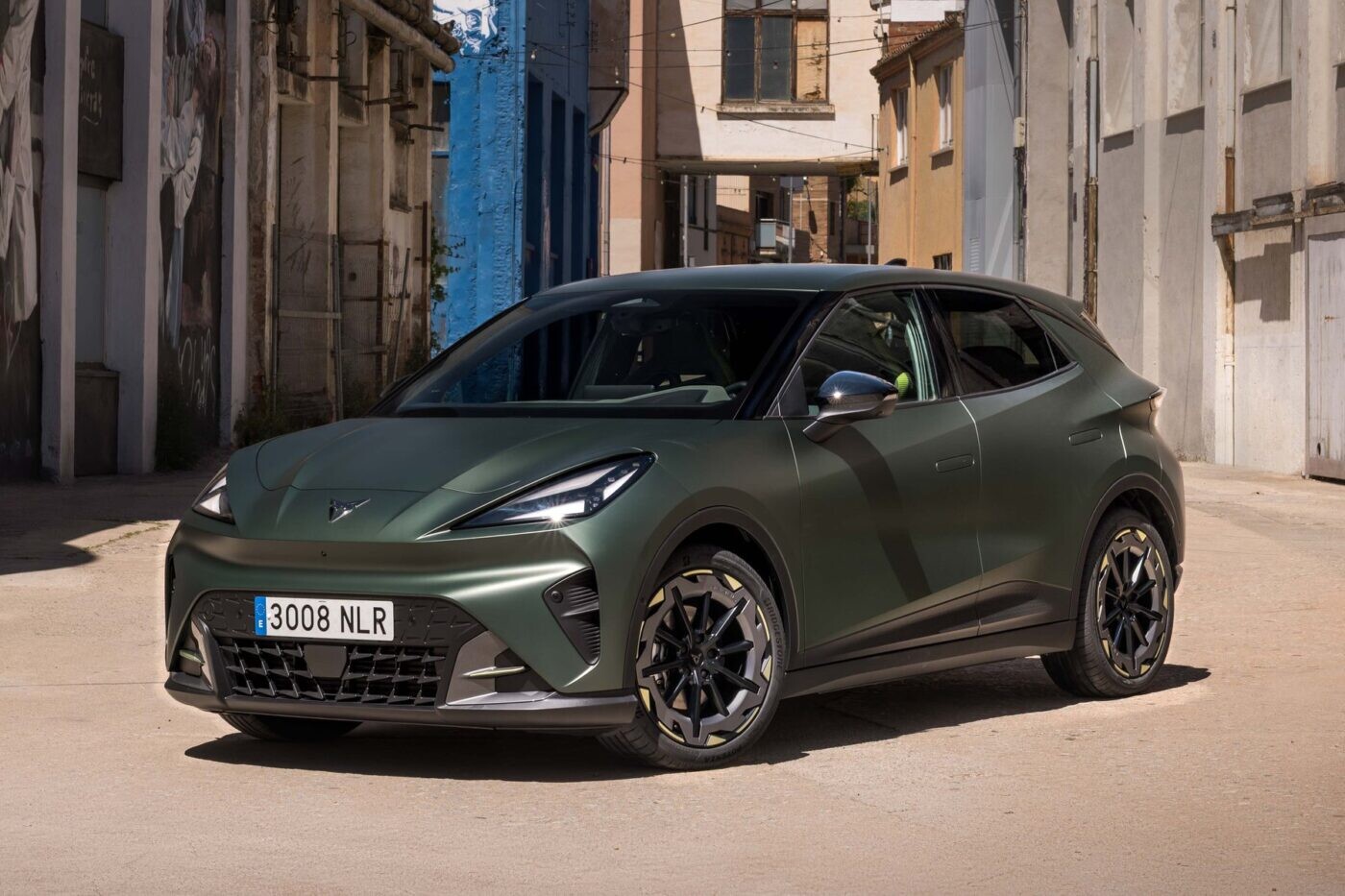
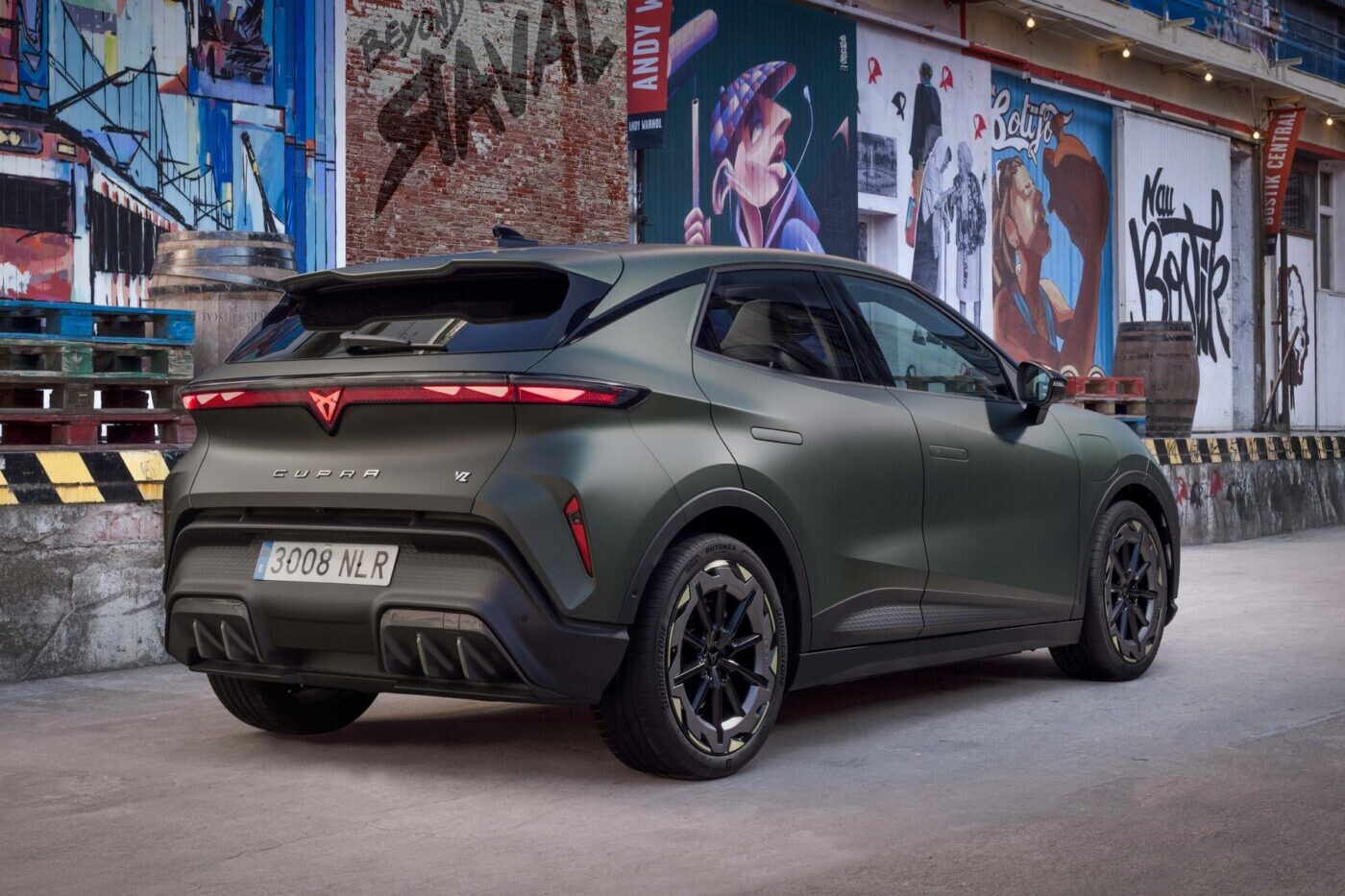
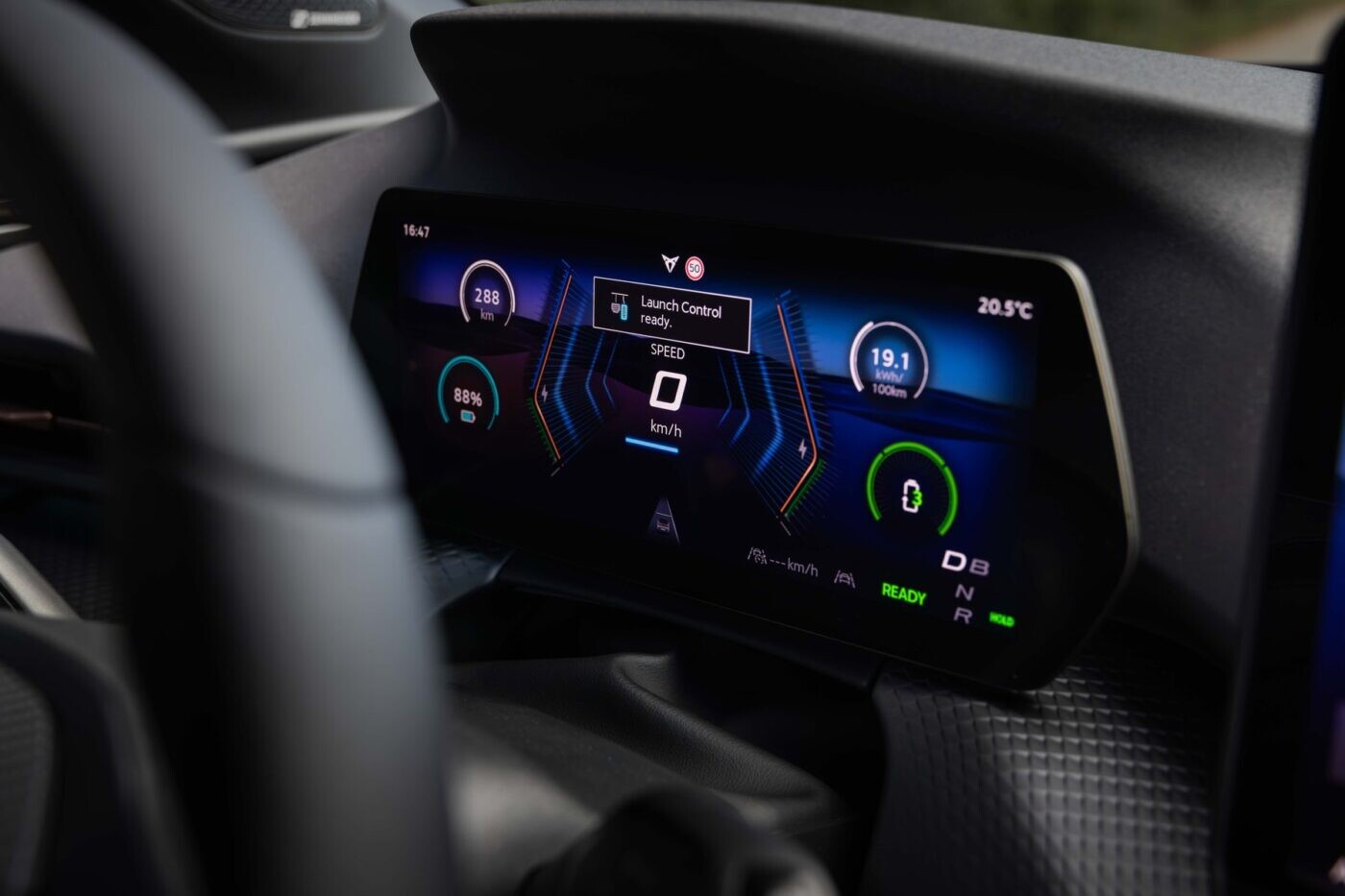
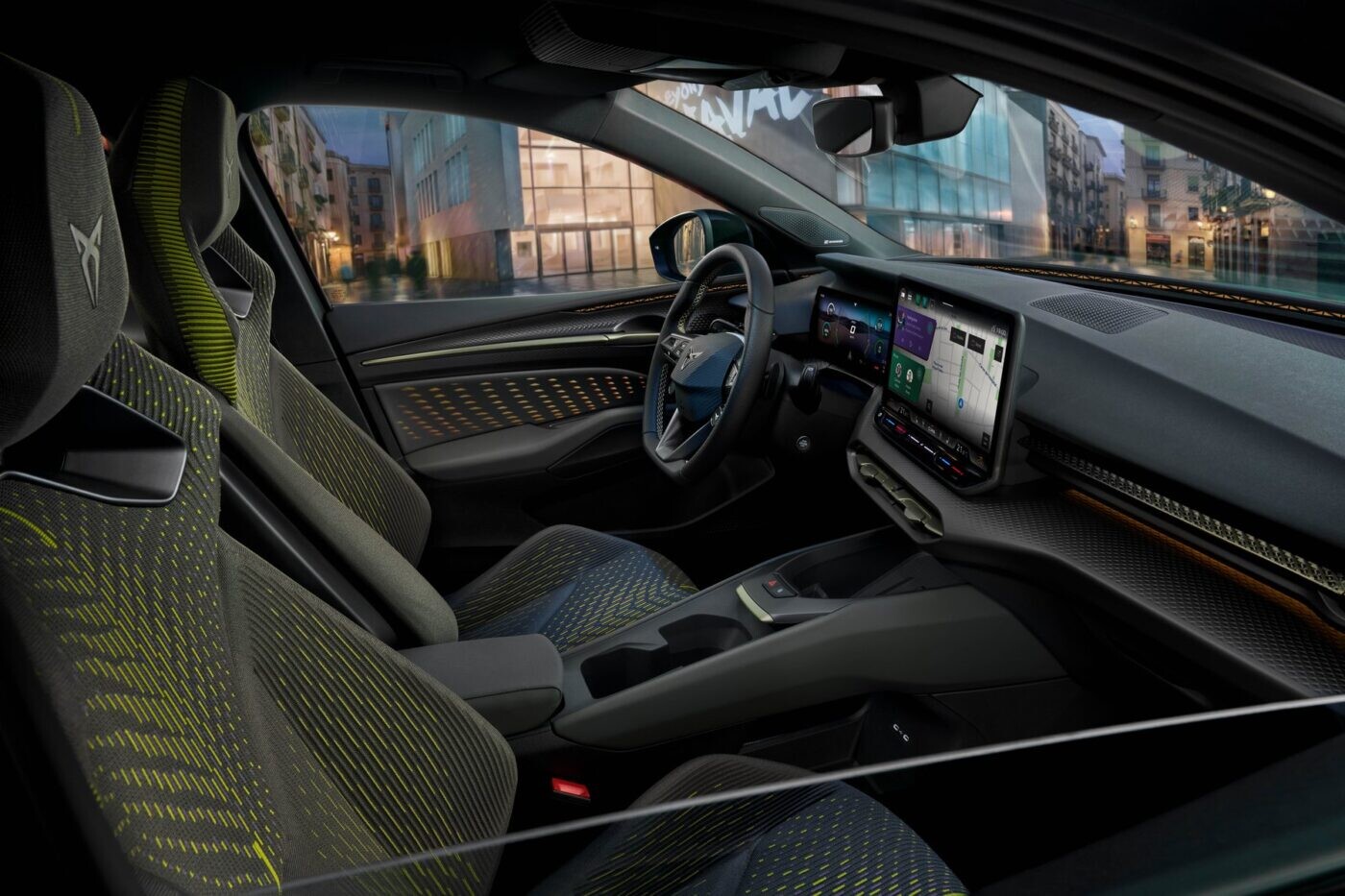
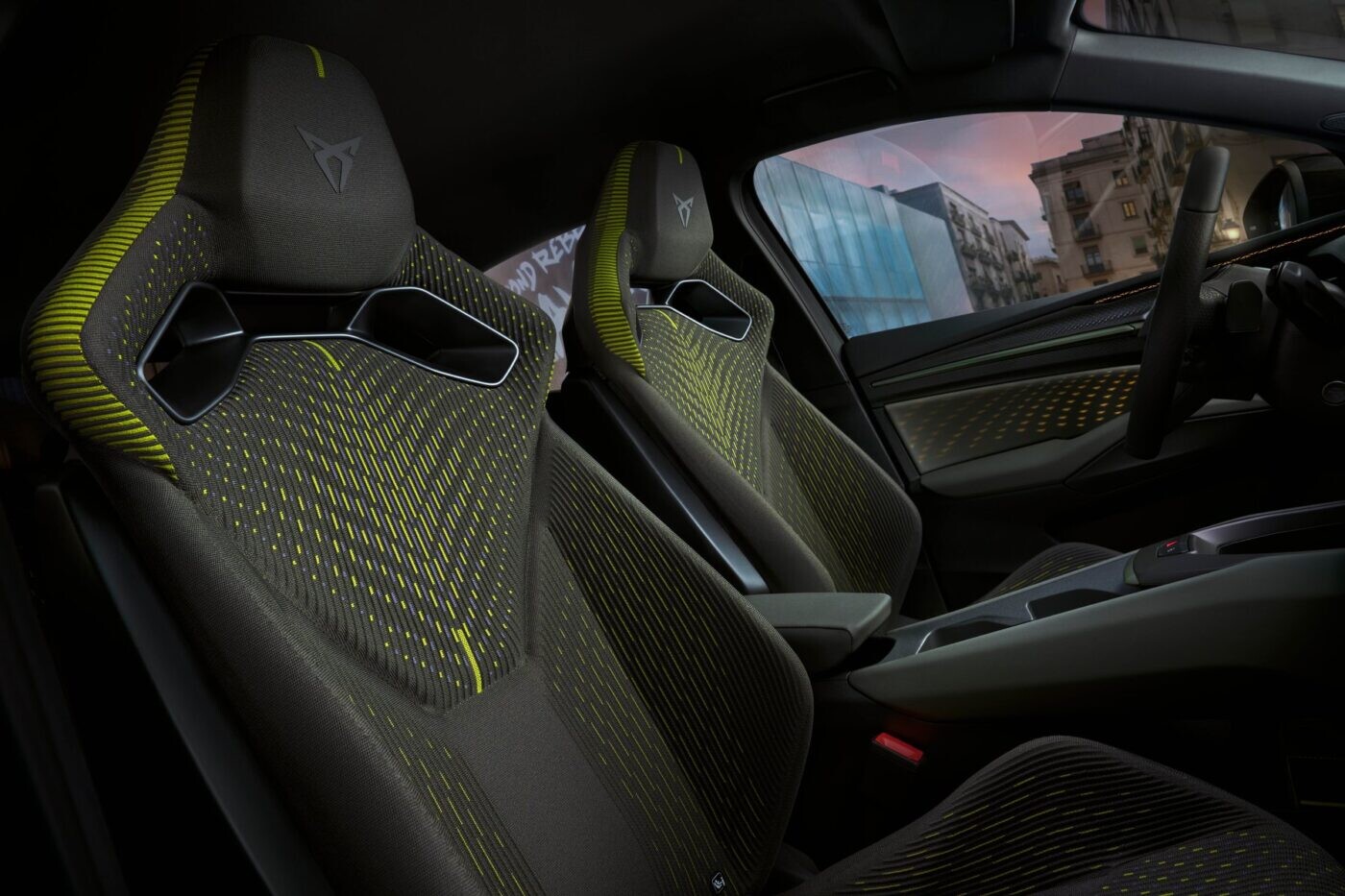
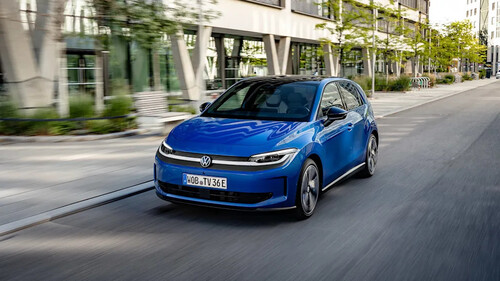
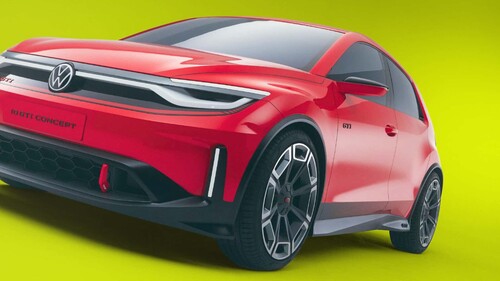
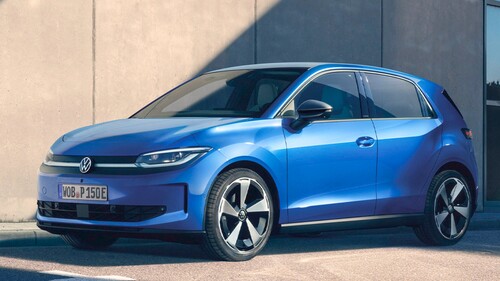
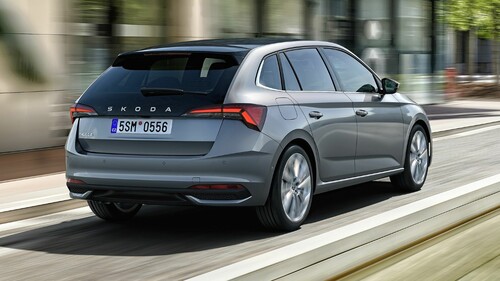
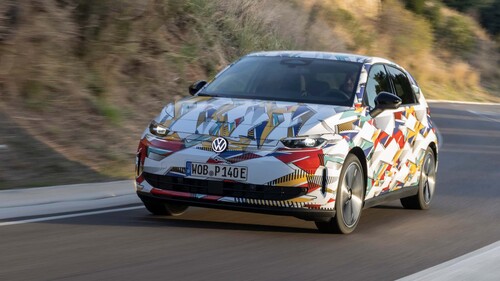
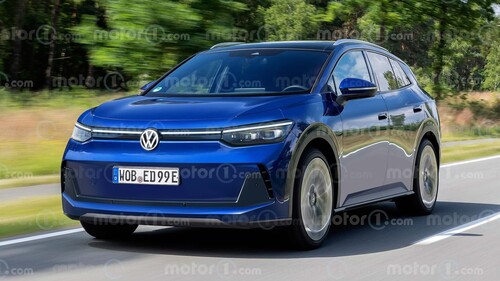
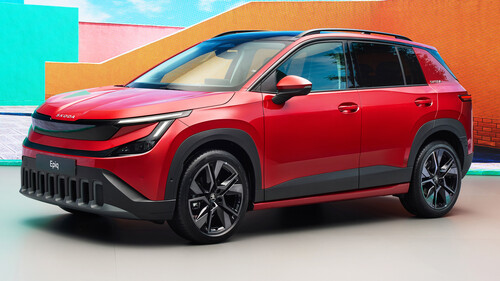
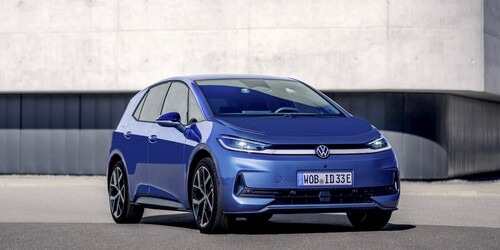
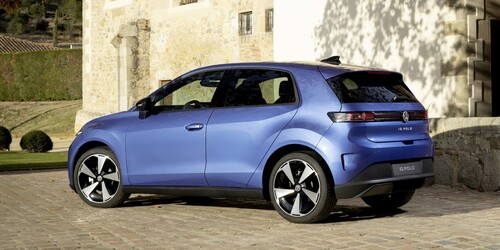
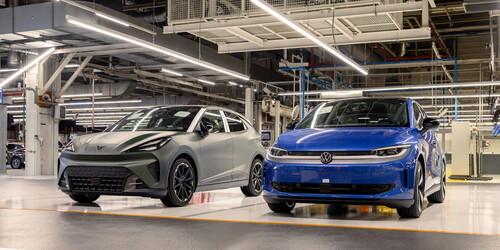
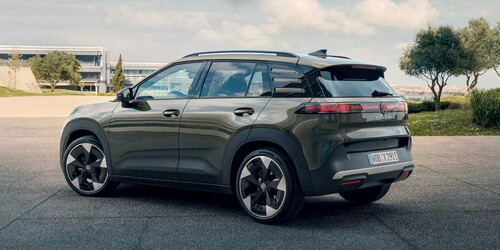
Cupra already signalled at last year’s IAA that it would take the lead within the Volkswagen Group’s new family of electric compact cars. At the time, the Raval still wore camouflage but was essentially production-ready. Now, the next stage has begun: the electric compact car is not only available to order, but has also appeared on public roads around Barcelona for the first time.The model’s role within the Group reflects this strategy. Cupra builds the Raval, the VW ID. Polo and its GTI variant in Martorell, while Volkswagen manufactures the VW ID. Cross and the recently unveiled Skoda Epiq in Navarra. Cupra is therefore effectively playing on home turf among the new compact models and is using this advantage to position the Raval as the ‘sportiest’ and most extroverted member of the family in nearby Barcelona.The Raval demands attentionAt first glance, the Raval VZ — with VZ standing for Veloz, meaning fast, swift or agile — makes clear that it has no intention of fading into the background. Measuring 4.05 metres in length, the Raval combines compact dimensions with a sporty appearance, supported by its 2.6-metre wheelbase, 1.78-metre width and 1.52-metre height. At the front, Sharknose styling, sharp lines and, depending on the trim level, Matrix LED headlights define the design. The side profile appears slightly softer but gains a sporty character through flush-mounted illuminated door handles and large wheels. The tested VZ Extreme rode on 19-inch Bridgestone Potenza Sport tyres in size 235/40 R19.Cupra continues the dramatic styling at the rear. The prominent diffuser serves more as a design feature than a functional element, but suits the car’s deliberately extroverted character. A full-width rear light strip and illuminated Cupra logo further accentuate the vehicle’s width. Buyers can choose from seven exterior colours, two roof colours and eight wheel designs. The Manganese Green Matt paint finish of the test vehicle, combined with matching green interior accents, creates a particularly cohesive appearance. Image: Daniel Bönnighausen Image: Daniel Bönnighausen Image: Daniel Bönnighausen Image: Cupra Image: Cupra Image: Cupra Image: Cupra Image: Daniel BönnighausenHowever, the design is not without compromises. The matt paint finish is one of the more expensive options, Matrix LED headlights are not standard, and some details prioritise style over practicality. For example, the tailgate handle is less intuitive than it could be, as two similarly positioned recesses can cause momentary confusion when opening. This is certainly a matter of habit, but it clearly shows that form occasionally takes precedence over function at Cupra.One motor, four power levelsCupra offers the Raval in four variants. While the visual differences are minor, the technical distinctions are substantial. Like the other new battery-electric compact cars within the Volkswagen Group, the Raval uses the MEB+ platform with front-wheel drive. Cupra equips the model with the APP290 electric motor developed for front-wheel-drive vehicles, with the designation referring to a maximum torque output of 290 Nm under Volkswagen’s naming system. The Raval offers the motor in four power levels: 85 kW, 99 kW, 155 kW and, in the tested VZ version, 166 kW.Cupra limits the top speed of the VZ version to 175 km/h, which is 15 km/h higher than in the other Raval variants. This is a respectable figure for a battery-electric compact car, but it also underlines that the Raval VZ is not intended as a motorway cruiser. The sprint from 0 to 100 km/h takes 6.8 seconds — solid performance, though not the car’s main focus. The Raval’s strengths lie elsewhere.A battery-electric car built for cornersThe Raval VZ shows its real strengths not in straight-line acceleration, but on winding roads. The drive through the mountain roads around Barcelona demonstrated this clearly. Cupra lowered the sports suspension by 15 millimetres, widened the track by 10 millimetres compared to the standard platform setup and equipped the VZ with adaptive DCC suspension offering up to 15 adjustment levels. In Cupra mode, the dampers stiffen, body movements decrease and the car responds more directly. Progressive steering and an ESC sport programme further sharpen the driving dynamics.The VZ version also features an electronic limited-slip differential, which continuously monitors driving conditions via sensors and adjusts torque distribution between the wheels to maximise grip, particularly in tight corners. The car turns in precisely and delivers power with impressive traction when accelerating out of narrow bends. Understeer is virtually absent. The Raval grips the road confidently and handles even very tight corners with ease.The result is that the Spanish engineers have not created a compact car that merely simulates sportiness through sound, lighting, and driving modes. The Raval VZ truly excels in corners! At medium speeds and on narrow roads, it feels compact, precise, and surprisingly planted.Less impressive, however, is its acceleration. The “e-Launch” function puts on quite a show: sound, lighting, animations, and seatbelt tensioners create a cinematic experience inside the cabin. Yet, the actual standing start does not leave a lasting impression. The throttle response does not quite match the rest of the car’s theatrics. Put simply: the Raval VZ impresses far more at the exit of a corner than at a traffic light.Fun comes at a priceCupra has also accepted compromises in comfort. Although the DCC suspension offers a clearly noticeable adjustment range, even its softest setting does not turn the sportily tuned VZ into a relaxed cruiser. In Cupra or Performance mode, the car remains firmly planted on the road, body movements stay minimal and the seats provide strong lateral support. This is exactly where the Raval performs best — on well-surfaced, winding roads.However, this setup can be taxing in everyday use. Over speed bumps or poor road surfaces, the Raval reacts harshly in sporty mode. If driven even slightly too fast over uneven roads, the car serves as a stark reminder that wide sports tyres and a lowered suspension come at the cost of comfort.The most comfortable Individual mode softens the setup to some extent. The suspension absorbs speed bumps and uneven surfaces more effectively, the steering becomes lighter and the car feels slightly more relaxed overall. Even so, the Raval VZ never turns genuinely soft. It remains firmly on the sporty side, even in its most comfort-oriented setting. Buyers prioritising maximum suspension comfort in a compact car are likely to find more suitable alternatives from Volkswagen or Skoda.At the same time, the Raval retains the character of a compact car despite its sporty setup. Unlike some small SUVs, it never feels tall or cumbersome. Its compact dimensions remain noticeable and contribute significantly to the driving experience. Buyers who miss the appeal of a classic hot hatch and are open to electric propulsion will find the VZ an attractive option.It can be efficient, tooUnsurprisingly, the Raval VZ delivers a broad range of energy consumption figures. When driven enthusiastically, the compact Cupra can use a considerable amount of energy. On mountainous sections, the display occasionally indicated consumption of around 33 kWh/100 km, although this mainly occurred during uphill driving at a brisk pace. On downhill stretches, recuperation reduced consumption to single-digit figures. After the first dynamic test route covering 50 kilometres, the onboard computer showed an average consumption of 19.9 kWh/100 km.When driven more calmly, the Raval reveals its efficient side: across various routes with motorway sections, consumption ranged between 15 and just over 16 kWh/100 km. How this translates to real-world consumption in everyday use remains to be seen. A more comprehensive test will be required to answer that. However, one thing is already clear: despite its sporty character, the Raval does not have to be inefficient—at least not with the larger battery. Cupra clearly differentiates its model range in terms of battery size and cell chemistry.Two batteries, two cell chemistriesLocated between the front and rear axles in the vehicle floor is the battery system featuring the Group Unified Cell. As the name suggests, this is a completely new development by the Volkswagen Group and its subsidiary PowerCo.The new battery system utilises Cell-to-Pack technology, where cells are integrated directly into the battery pack without the intermediate step of module housings. The smaller LFP battery has a net energy content of 37 kWh and is standardly paired with the 85 kW or 99 kW powertrains. The larger 52 kWh battery, on the other hand, uses NMC cell chemistry and is available with the 155 kW or 166 kW powertrains.However, the communication around range figures is not entirely consistent. Cupra initially stated in its press release that the Raval VZ could achieve up to 440 kilometres of range, but the configurator now lists a lower figure of 387 kilometres for the VZ version. The technically related VW ID. Polo GTI is rated at up to 424 kilometres. How far the Raval VZ will travel in everyday conditions will only become clear in a more extensive test involving higher motorway speeds, varying temperatures and less idealised driving conditions.The heat pump will also play a crucial role—especially in colder temperatures. It was not yet available during the driving event. However, Cupra confirmed upon request that it will be introduced for the Raval, though not until September 2026.Fast charging without the hypeThe Raval VZ supports DC fast charging at up to 105 kW. While this is not a spectacular figure in absolute terms, it is competitive for a battery-electric compact car with a 52 kWh battery.Cupra states a charging time of 24 minutes for a 10 to 80 per cent charge. The key here is not the peak charging power but how long the Raval can maintain high charging speeds. We were unable to conduct our own charging test during the drive, but the stated charging time is at least competitive on paper for this class.The currently available Endurance variant with 155 kW also uses the large 52 kWh NMC battery and charges at up to 105 kW. The smaller LFP variants feature a 37 kWh battery. Depending on the powertrain, these can be charged at up to 50 or 88 kW DC; Cupra states charging times of 33 and 23 minutes, respectively, for a 10 to 80 percent charge. However, these figures are still preliminary.A positive aspect for everyday use is that battery preconditioning is possible both automatically and manually. An interesting detail is that even buyers who do not opt for the optional navigation system can manually precondition the battery. According to Cupra, the necessary hardware is installed as standard but is not software-activated without the paid option. While the more convenient charging planning remains a paid extra, preparing the battery for a fast-charging stop is not entirely dependent on the navigation system.Those who choose the navigation system benefit from a well-thought-out route planning feature with charging stops. In addition to the usual filters, users can specify whether certain charging providers should be prioritised or avoided. This brings the charging question directly into the cockpit: how well such functions work in everyday use depends not only on the technology under the floor but also on the software, usability, and interior concept. Image: Cupra Image: Cupra Image: Cupra Image: Cupra Image: Cupra Image: Daniel Bönnighausen Image: Daniel Bönnighausen Image: Daniel BönnighausenInterior: plenty of Cupra, little spaceLike the new Born, the Raval uses physical buttons on the steering wheel. Cupra also equips the model with a 10.25-inch digital cockpit and a 12.9-inch touchscreen running an Android-based operating system. In addition, the Raval features a dedicated interior sound inspired by Formula E, which activates in ‘Performance’ and ‘Cupra’ driving modes.However, the climate control system still relies on the widely criticised touch slider. The ID. Polo takes a different approach by using a separate control panel with physical buttons below the infotainment display — returning the discussion to the familiar debate between form and function.Cupra continues its extroverted design approach throughout the interior. Green accents, contrasting stitching, 3D knit upholstery, a plasma colour scheme that appears slightly violet depending on the lighting and a 3D-printed trim strip give the Raval a far more distinctive character than its more understated Group counterparts. The upper section of the dashboard uses soft-touch materials, while the lighting package — including ambient lighting, driver assistance integration and door projections — adds a more atmospheric feel. However, it does not deliver quite the same premium impression as the illuminated elements found in more expensive Cupra models.During the seat trial for the new ID. Polo, the driver’s area surprised with a spacious feel, even for taller individuals. The Cupra Raval tells a different story. Here, space is more limited, partly due to the unique design elements in the cockpit.The optional CUP Supersport bucket seats look fantastic and provide excellent lateral support. During sporty driving, this is a real advantage: you sit firmly, do not slide around, and feel more connected to the car. However, for drivers over 1.90 metres tall, the situation changes. The abdominal and thigh areas become tight, and the heavily contoured seat bolsters leave little room for adjustment. Finding the optimal seating position is not straightforward either. Subjectively, the seating position feels slightly too high. Taller or broader drivers should definitely test-drive the Raval VZ. In this case, the standard sports seats may be the better choice.EnduranceVZDrivetrainFWDFWDPower155 kW166 kWTorque290 Nm290 NmAcceleration (0–100 km/h)7.1 s6.8 sTop speed160 km/h175 km/hBattery (net)52 kWh52 kWhWLTP range445 km387 kmDC charging power105 kW105 kWDC charging time (10–80%)24 min24 minAC charging power11 kW11 kWAC charging time (10–100%)05:30 h05:30 hBoot volume441 l441 lTowing capacity (braked)1.2 t1.2 tRear seats: more for short trips than family useRear-seat comfort depends heavily on the position of the front seats. With the driver’s seat adjusted for a person measuring 1.80 metres tall, rear passengers still have some knee room and sufficient headroom. However, space becomes tight behind taller drivers. In addition, the hard backrests of the Supersport bucket seats can press uncomfortably against rear passengers’ knees. For someone around 1.90 metres tall, the space behind the driver’s seat is effectively only suitable for a child.As a result, the Raval is better suited as a four-seater for occupants around 1.80 metres tall — and even then, it is not necessarily the ideal choice for long holiday journeys with four adults. The rear seats are adequate for short trips, city driving and occasional passengers. Buyers who regularly carry adults in the rear should take a closer look during a test drive.The Raval offers far more space for luggage, however. The boot holds 441 litres when the load floor is removed—a figure that is impressive for a car of this size. This is made possible by the front-wheel-drive layout, which eliminates the need to accommodate drive components in the rear. If this volume is not enough, the Raval can tow up to 1.2 tonnes when braked. This is another standout figure for a compact car.Price remains the key challengeThe price is less impressive. The Raval VZ is currently no bargain. The entry-level Raval with 85 kW is priced at €25,950, but this model will not be available for order until at least September. Currently, the Cupra Raval starts at €31,790 in the Endurance trim, while the Raval VZ is priced at €36,990. This already includes the ‘Cupra Tribe Bonus’ of €3,000, available until 30 June 2026. The regular list price of the VZ, according to Cupra’s price list, is €39,990.Additionally, some potentially everyday-relevant features are optional extras. Seat and steering wheel heating are part of a Winter Package costing €350, the navigation system costs €750 extra, a tow bar is another €650, and Matrix LED headlights are priced at €895. The V2L (Vehicle-to-Load) function is also an extra for the Endurance variant and is only available in combination with a €910 package. In the VZ, V2L is standard.The real question, therefore, is not whether the Raval VZ is objectively affordable—it is not. The question is whether its character justifies the price. Compared to the VW ID. Polo, it is clearly more emotional, sportier, and more eye-catching. The Skoda Epiq, on the other hand, is likely to focus more on practicality and pragmatism. The Raval does not position itself between these two; instead, it deliberately pushes the boundaries: extroverted, firm, and driver-focused. For those who love carving corners, this is the place to be.