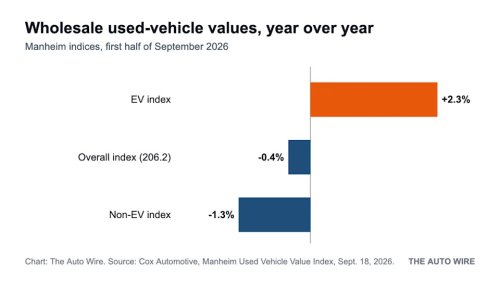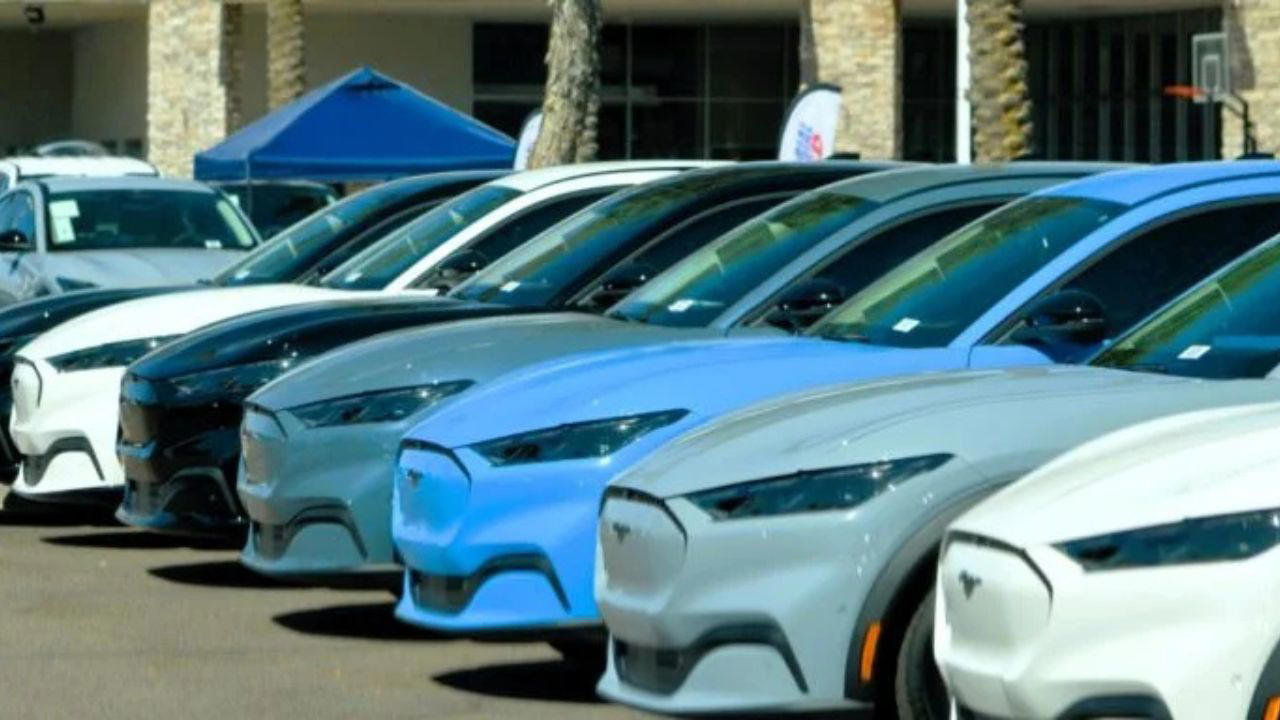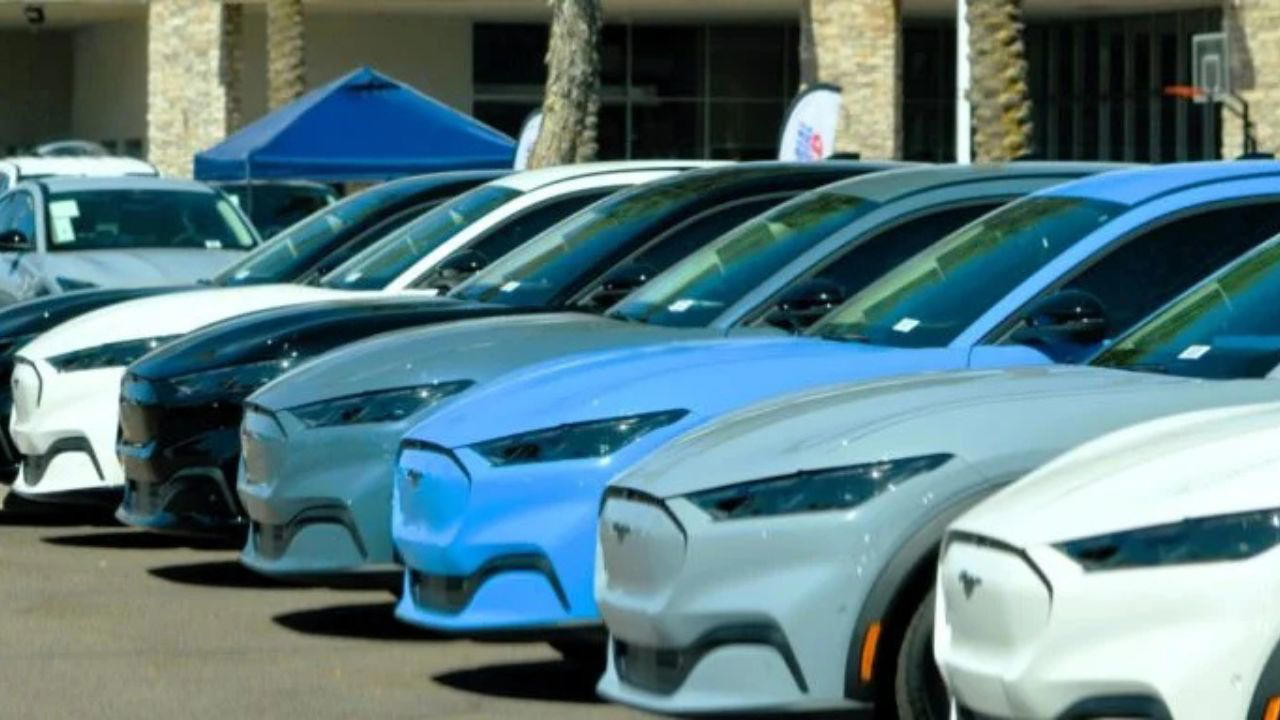



















Cheap used EVs could cost automaker finance arms billionsUsed electric vehicles are suddenly the hottest bargains on American dealer lots, yet the same trend is quietly morphing into a balance sheet problem for the companies that financed them. As off-lease EVs come back worth far less than expected, cheap used models could turn into a multibillion dollar hit for automakers’ own finance arms. The story is not just about falling prices. It is about how policy, aggressive leasing strategies and rapid changes in EV technology combined to leave banks and captive lenders holding the risk on cars that no longer match the optimistic values baked into their contracts. The leasing boom that set up the fall The current wave of discounted used EVs can be traced directly to a leasing frenzy that began after the Inflation Reduction Act of 2022. The law created what critics quickly labeled a “leasing loophole,” and by Feb automakers were using that opening to qualify leased EVs for incentives that many buyers could not access on a straight purchase. One viral analysis described how the Inflation Reduction Act, often shortened to IRA, allowed manufacturers to bypass strict content rules and funnel federal support into monthly payments rather than sticker prices. That shift helped fill showrooms with new electric crossovers and trucks that might otherwise have been too expensive for mainstream shoppers, according to Cheap Used. Leasing quickly became the preferred way to move metal. Captive lenders, the in-house finance companies that sit inside the likes of Ford, General Motors and Tesla, wrote aggressive lease deals on everything from compact hatchbacks to large pickups. Those contracts were built on residual values that assumed EVs would hold their worth roughly in line with comparable gasoline models once they hit the used market. That assumption is now colliding with reality. A large cohort of three-year leases signed at the height of the boom is expiring, and the vehicles are returning to dealers just as consumer demand softens and new EV prices slide. The result is a classic asset valuation mismatch, only this time it is wrapped in lithium-ion. Used EVs flood the market Analysts have been warning for months that 2026 could be remembered as the year cheap electric cars took over the secondhand market. One early look at dealer inventories described how Cheap Used EVs are “Flooding the Lots The” U.S. auto market, with rows of off-lease crossovers and sedans piling up at auctions and on franchise store backlines, a trend that Flooding the Lots traced back to the leasing surge that followed the IRA. Industry voices have started calling 2026 the “year of the used EV.” Local coverage of Electric vehicle shopping has highlighted that buyers who once saw battery models as niche products are now finding them priced like ordinary compact SUVs, especially as dealers sharpen discounts to keep inventory moving. Experts have urged shoppers to pay close attention to battery warranties and to understand what can void them, since those protections are now the main safety net for second and third owners, advice that has been repeated in segments amplified by Experts say. Analysts who track registration data and auction lanes say the volume of used EVs is only going to grow. Tesla and GM dominate 2025 EV lease volume, according to research that combined full-year EV registration figures from S&P Global Mobility and auction pricing. That same work, cited by Automotive News, concluded that captive lenders tied to Tesla and GM are particularly exposed as those vehicles roll back into the wholesale market, a risk profile described in more detail by Automotive News. Residual values meet a harsh reality The core of the looming loss sits in the gap between what finance companies assumed these cars would be worth at lease end and what they can actually fetch now. An analysis shared in Mar warned that a wave of leased electric vehicles is returning to market with a problem: They are each worth thousands of dollars less than expected at grounding. The post noted that They were often priced optimistically when the leases were written, and that auction data now shows a steep discount to those early projections, a pattern highlighted in an industry thread on a wave. Captive lenders typically guarantee a buyback price on leased vehicles, which is the residual value written into the contract. When the market value falls below that figure, the lender eats the difference. In normal times, this risk is manageable because used car prices move gradually. EVs have not followed that script. Data compiled by EV market researchers shows that used EV prices plunged far faster than gasoline cars from 2022 through early 2025. By 2025, late-model used EVs were routinely selling at discounts that would have been unthinkable a few years earlier, a pattern summarized in a pricing review of Used EV trends. The supply side is also shifting. Lower battery pack costs are feeding into cheaper new EVs, which further drags down used values. One supply chain analysis noted that Lower pack prices do not just help new buyers. Cheaper new EVs reshape depreciation curves by forcing older vehicles to compete with more affordable, better-equipped models on showroom floors. The same report argued that Cheaper cells and motors, combined with more efficient platforms, are compressing the price gap between new and used cars faster than in previous technology cycles, a dynamic explored in detail in Lower pack research. The multibillion dollar hole for captive lenders For now, the biggest numbers are still projections, but they are sobering. A widely shared note from Mar, attributed to OCR, warned that Automakers and their captive finance arms are facing a projected $8 billion industry loss by 2028 as a massive wave of electric vehicles returns from leases with market values thousands of dollars lower than the values guaranteed in lease contracts. The same analysis argued that the gap between residuals and real-world prices is widening fastest on high-priced trucks and luxury crossovers, a risk highlighted in a discussion among Kia EV owners that cited Automakers and their lenders. Separate reporting has examined how off-lease electric vehicles, such as Ford F-150 Lightning models and other high-dollar trucks, are grounding far below their book values. One analysis of How automakers’ finance arms could lose billions on off-lease EVs described how Off-lease electric vehicles are often being wholesaled at losses that run into the thousands per unit. It cited examples of Ford F-150 Lightning trucks that cost more than 150 dollars per day in depreciation over the course of a three-year lease, a figure that illustrates how quickly the math can turn against lenders, according to How automakers’ breakdown. Those prospective losses come on top of the already heavy cost of the EV pivot. The Big Three automakers have collectively taken a $52.1 billion hit tied to their electric strategies, according to financial filings that surfaced after Feb earnings reports. Following Stellantis, listed under ticker STLA, the industry has been forced to acknowledge that early EV investments have not yet produced the profits once promised, a reckoning documented in a breakdown of how the $52.1 billion loss accumulated. Stellantis Lost $26.3 Billion Last Year, Says It is Pivoting Back to Combustion Engines, a headline figure that captures how one major player is rethinking its product mix in response to those losses. Executives have signaled that the company is Pivoting Back toward Combustion Engines for parts of its lineup, a shift that underscores how fragile the economics of EVs remain for legacy manufacturers, according to a report that framed Stellantis Lost that $26.3 Billion Last Year. Why used EVs are so cheap for buyers From the consumer side, these same forces look like a windfall. Analysts have been telling shoppers that 2026 will be the year of the used EV, and the numbers support that view. One national segment on Charging an electric vehicle highlighted that the price of used electric vehicles has come down to levels comparable with gasoline cars, a dynamic that could finally push fence-sitters to try battery power, according to a breakdown that framed Charging an EV as a mainstream choice. Consumer guides have started to pitch 2026 as the moment when cheap used EVs become too good to ignore. One buyer-focused feature argued that Used EVs Are Suddenly Everywhere and Surprisingly Affordable, and that Here is Why 2026 Could Be the Year You Finally Make the Switch if you have been waiting for prices to settle. The same piece, which credited Image Credit to Brandon Woyshnis, pointed to deep discounts on three-year-old crossovers and hatchbacks that now undercut comparable gasoline models, a trend captured in an overview that explained Here is Why they Could Be the Year You Finally Make the Switch, with photos by Brandon Woyshnis. Another analysis framed the coming surge in simple terms. Why the Used EV Market Is Rising, it argued, has everything to do with the leasing boom that started in 2023 and 2024. That boom is now sending hundreds of thousands of vehicles back into circulation at once, and the only way to clear that metal is to cut prices until buyers bite, a logic laid out in a feature that explored Why the Used. Advocates on social media have seized on the trend. One post that circulated widely in Mar opened with a blunt line: “Just another friendly reminder to NEVER BUY A NEW EV only …” before arguing that the smart money is in waiting for lease returns. The author pointed to data showing that total cost of ownership for a three-year-old EV is now often lower than for comparable gasoline cars, once fuel and maintenance are factored in, a view that aligns with research claiming that used battery models are among the cheapest vehicles to own over a five-year horizon. Automakers reverse course on EV volume Meanwhile, manufacturers are quietly pulling back on EV production. A detailed look at the EV Manufacturing Crisis 2026 argued that the U.S. market is experiencing a contraction, with a forecast 15 percent decline in EV sales for 2026. The report linked that decline directly to the Inflation Reduction Act’s shifting incentives and to consumer hesitation about charging infrastructure and resale values, a connection drawn in an analysis of why EV Manufacturing Crisis has pushed automakers into reverse. For captive lenders, that contraction presents a double bind. On one hand, lower new EV sales could slow the future flow of off-lease vehicles, reducing long-term exposure. On the other, weaker demand today makes it harder to sell the cars already coming back, which deepens residual losses in the near term. Some executives are responding by tightening credit standards, raising money factors on new leases and quietly trimming residuals on popular models. Others are experimenting with certified pre-owned EV programs that bundle extended battery warranties and home charging support in an effort to justify higher used prices and protect auction values. More from Fast Lane Only Unboxing the WWII Jeep in a Crate 15 rare Chevys collectors are quietly buying 10 underrated V8s still worth hunting down Police notice this before you even roll window down