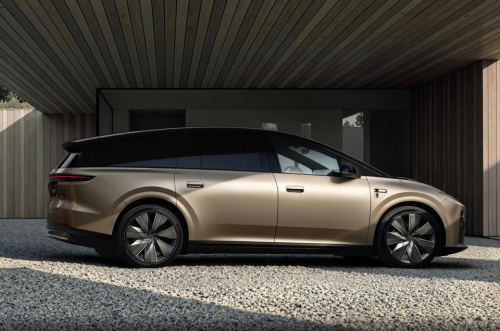
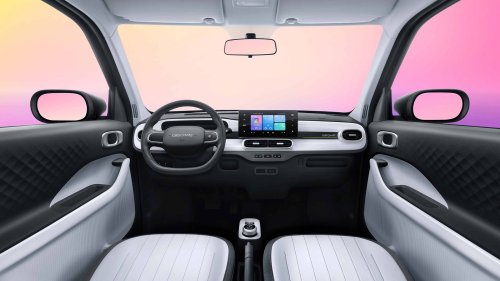
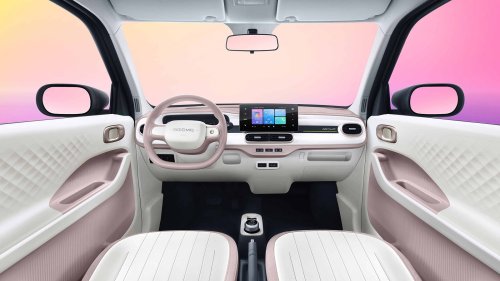
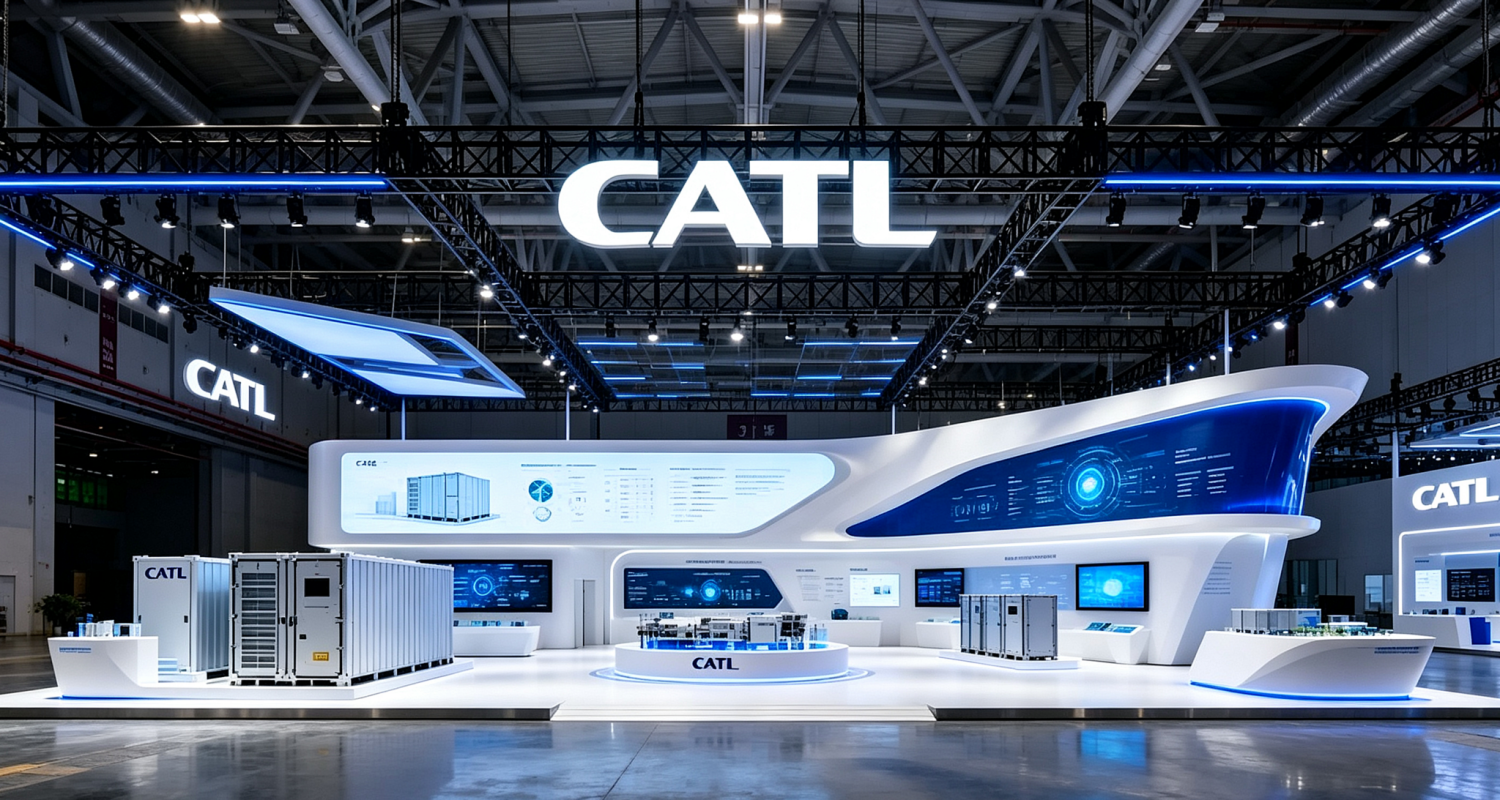
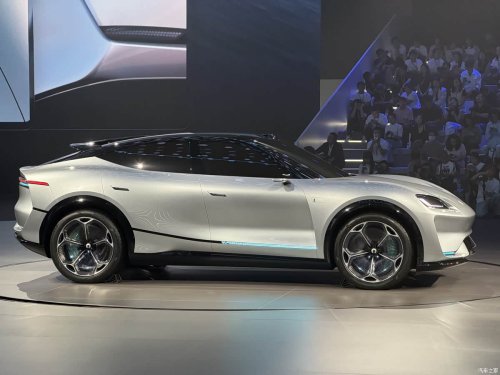
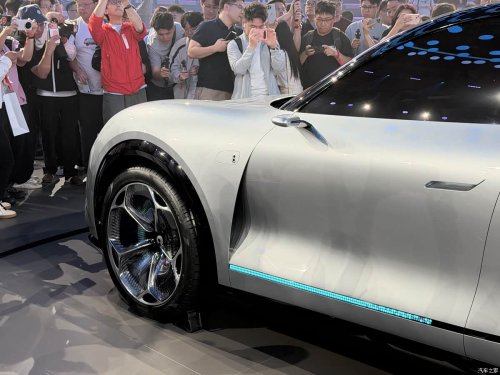
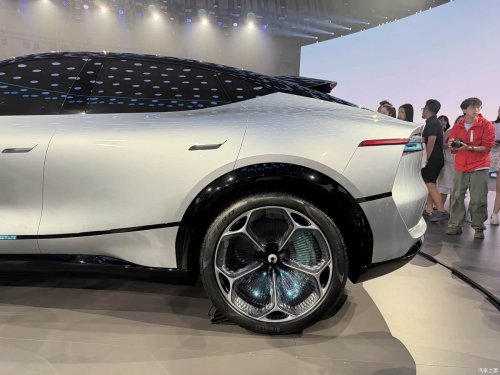
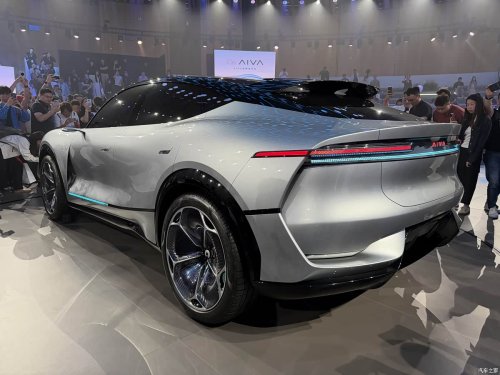
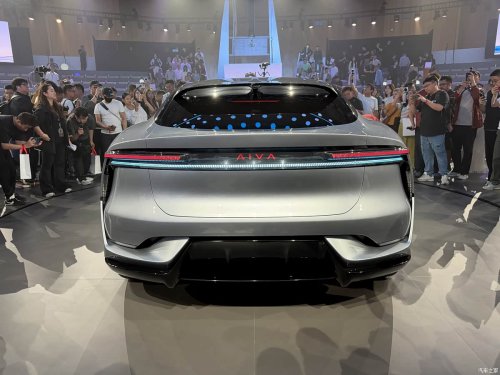
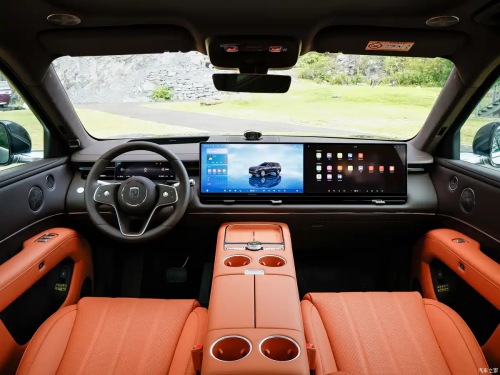
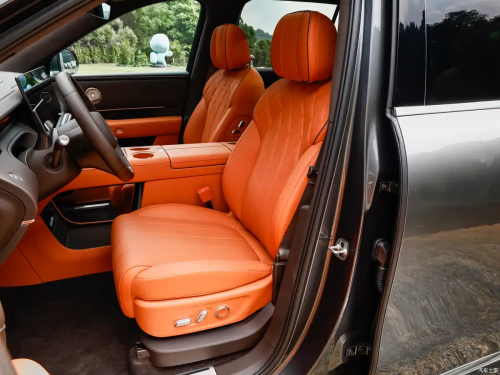
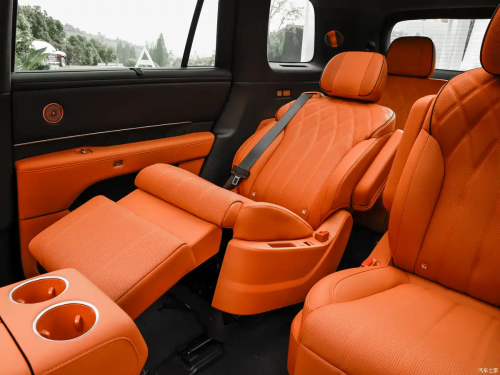
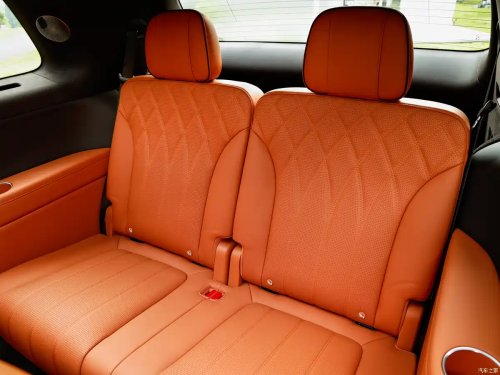
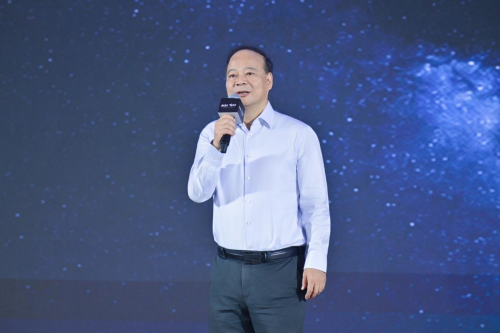
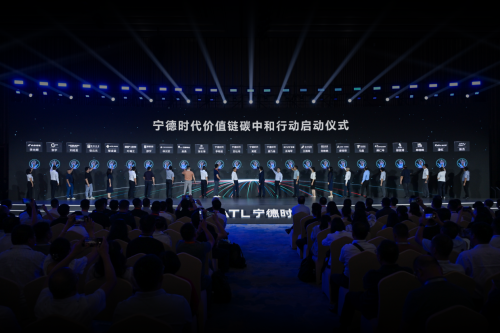
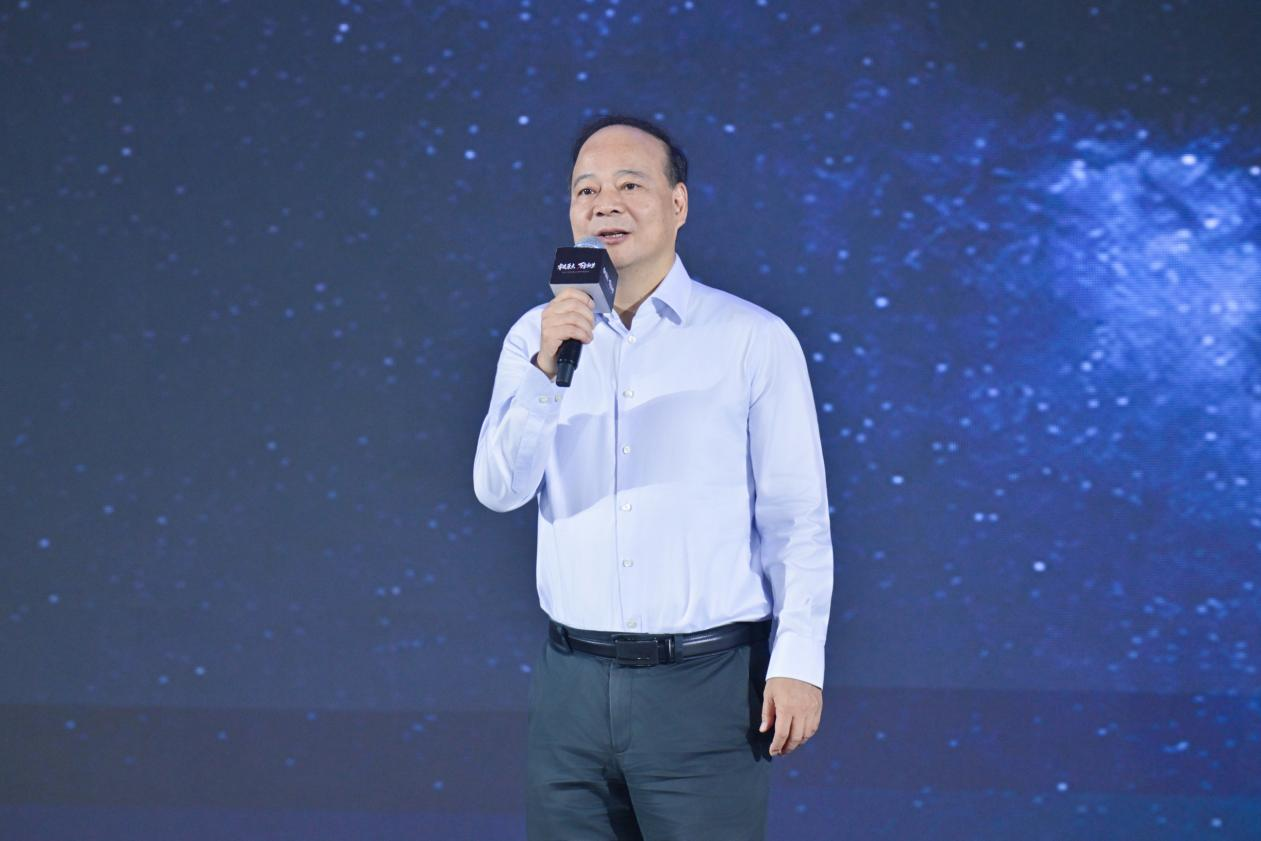
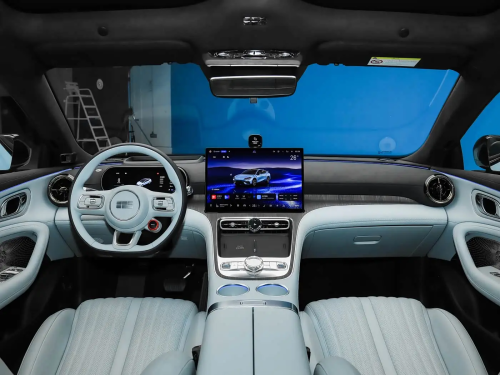
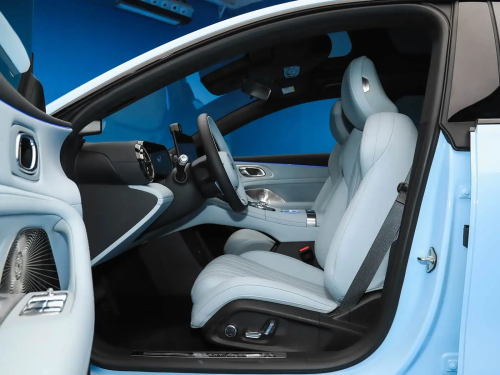
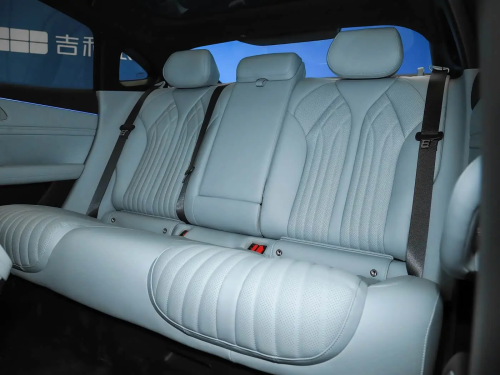
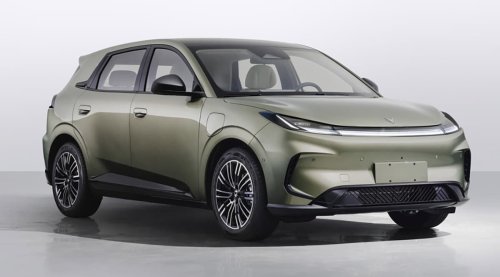
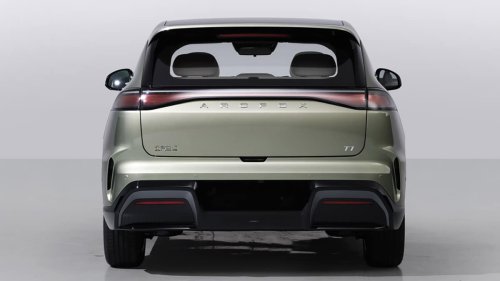
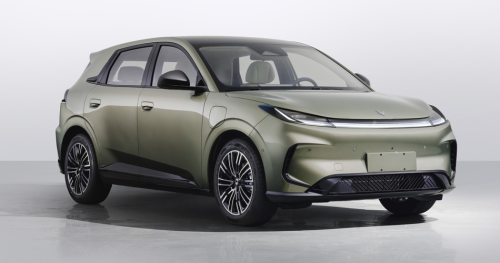
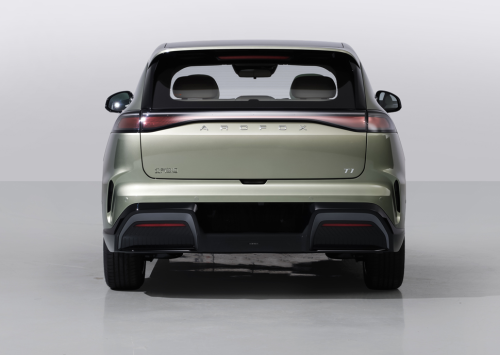
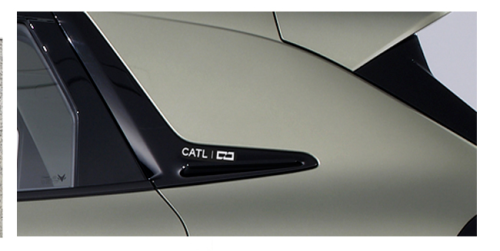
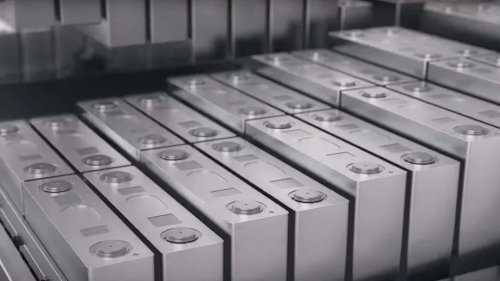
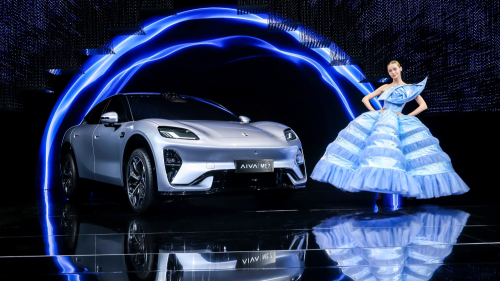
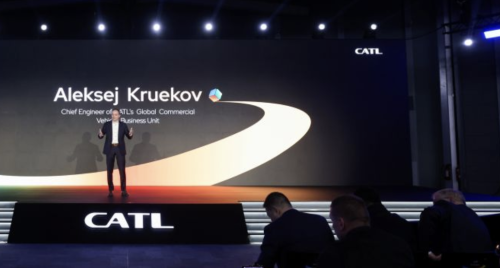
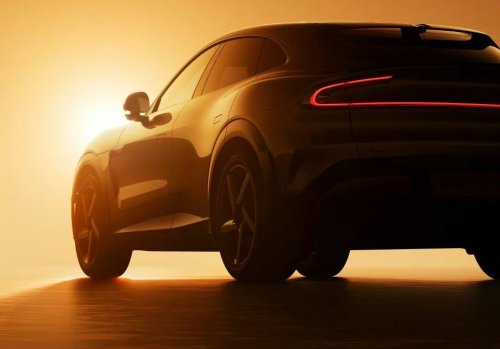
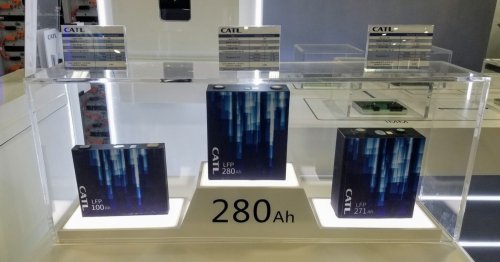
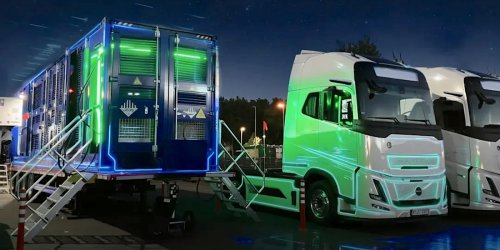
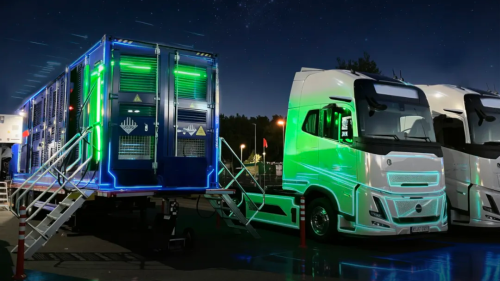
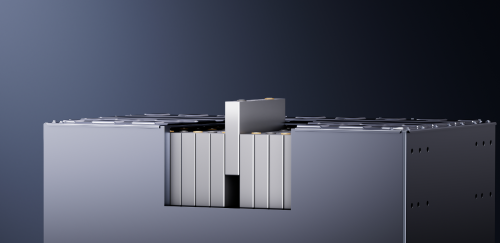
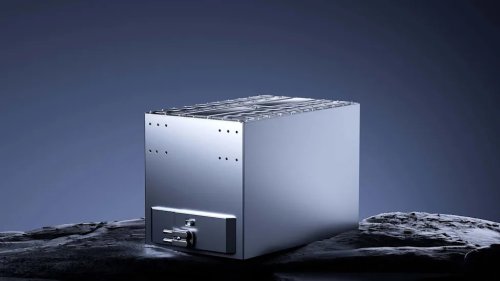
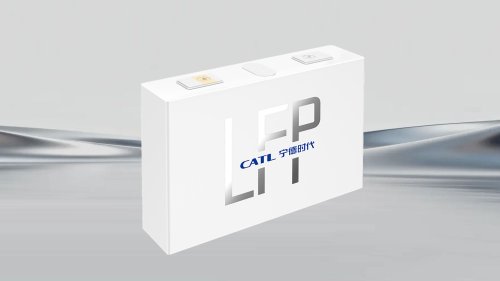
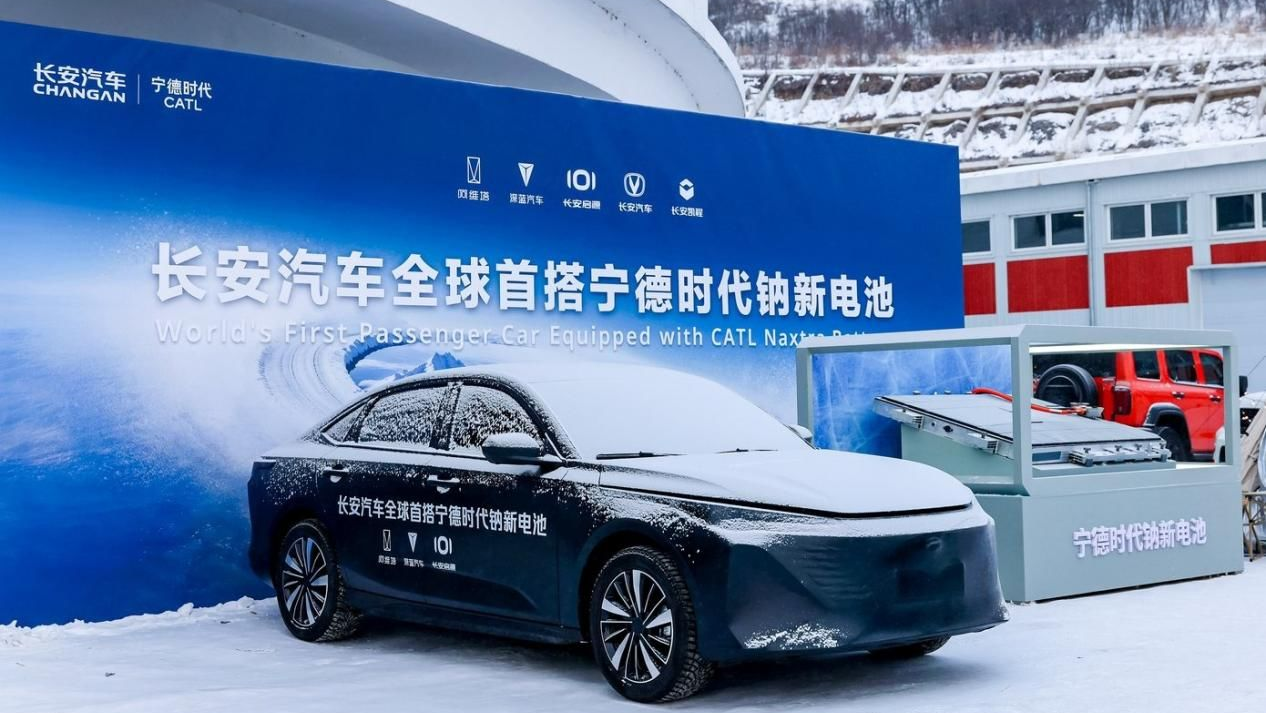
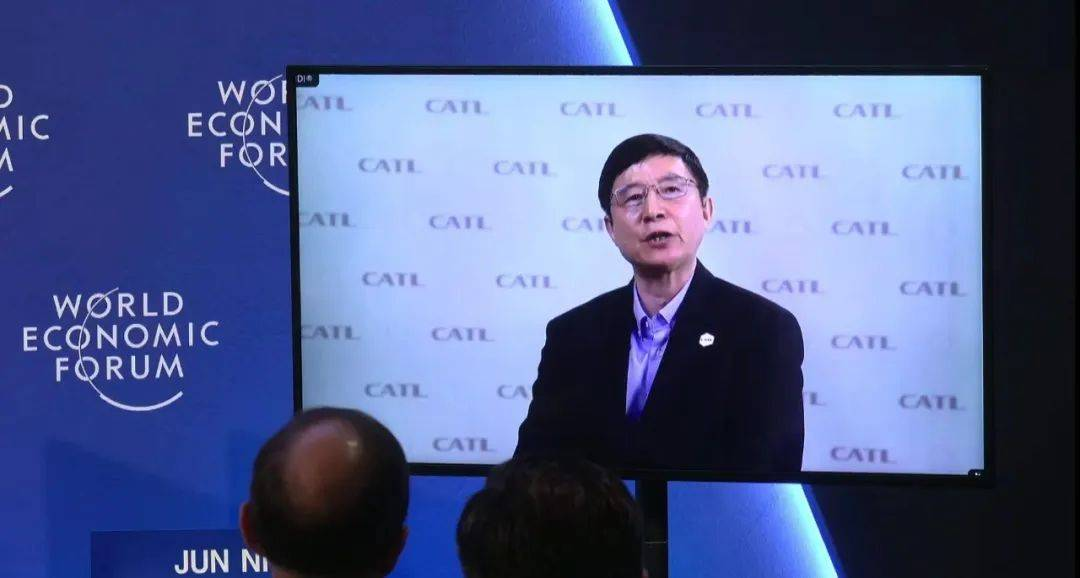
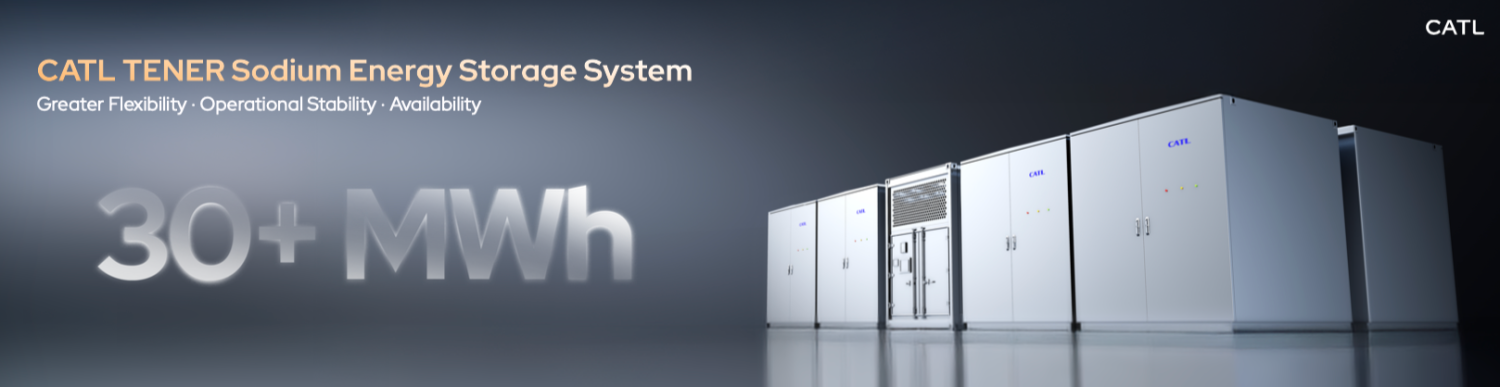
World's first passenger car with CATL's Naxtra sodium-ion battery is Changan's Nevo A06. Credit: Changan Understand China EV’s Market Real-time notifications when critical EV data is released All important data in one place 2,000,000+ data points Become a member As the global automotive industry navigates the volatility of lithium prices, battery giant CATL is accelerating its “lithium-sodium” dual-track strategy. Ni Jun, Chief Manufacturing Officer of CATL, announced at the World Economic Forum in Dalian yesterday that the company expects 10,000 to 20,000 electric vehicles to be equipped with its sodium-ion batteries this year. This week, CATL also unveiled Tener Sodium, a new sodium-ion battery energy storage system. The company plans to begin initial deliveries in China this September, with global shipments scheduled to commence in June 2027. Technological breakthroughs and cold-weather performance CATL has invested nearly 10 billion yuan (1.5 billion USD) in sodium-ion battery research over the past decade, expanding its R&D team by over 300 members. According to Gao Huan, CATL’s Chief Technology Officer, these innovations have increased energy density by 50%. The company considers its products to be at a “milestone stage,” with mass production slated for the fourth quarter of this year. Ni Jun, Chief Manufacturing Officer of CATL. A core selling point of CATL’s new technology is its extreme temperature adaptability. Ni Jun noted that the batteries are designed to operate normally in temperatures ranging from -20°C to -30°C. This capability opens market opportunities in regions with harsh winters, such as Northern North America, Canada, and parts of Japan. In February, real-world testing conducted at a proving ground in Yakeshi, Inner Mongolia, saw Changan vehicles successfully navigate icy roads and steep slopes using CATL’s sodium-ion technology. Calvin Quek, Executive Director of Nature Finance at the Oxford Sustainable Finance Group, observed the tests and described them as a “breakthrough moment” for sodium-ion technology in the EV sector, as reported by WallstreetCN. Reports indicate that Changan is set to begin sales of models featuring this technology mid-year. Tener Sodium ESS. Credit: CATL Hedging against lithium volatility The recent resurgence of interest in sodium-ion batteries is largely driven by the dramatic fluctuations in lithium prices. Data shows that China’s lithium carbonate prices surged by nearly 190% between June of last year and April 20, 2026, significantly increasing raw material cost pressures. CATL is positioning sodium-ion batteries as an “alternative risk management” tool to hedge against such volatility. With sodium resources being globally abundant, this strategy aims to enhance supply chain resilience and diversify raw material dependencies. CATL also views 2026 as a watershed year, forecasting that sodium-ion costs will match those of lithium-ion batteries by the end of this year.



















 +24 others