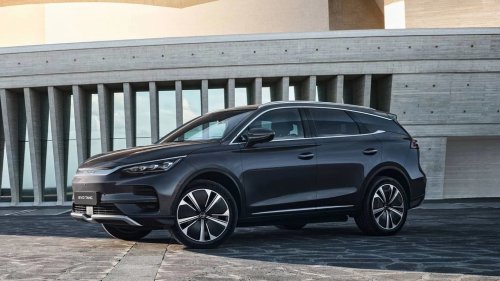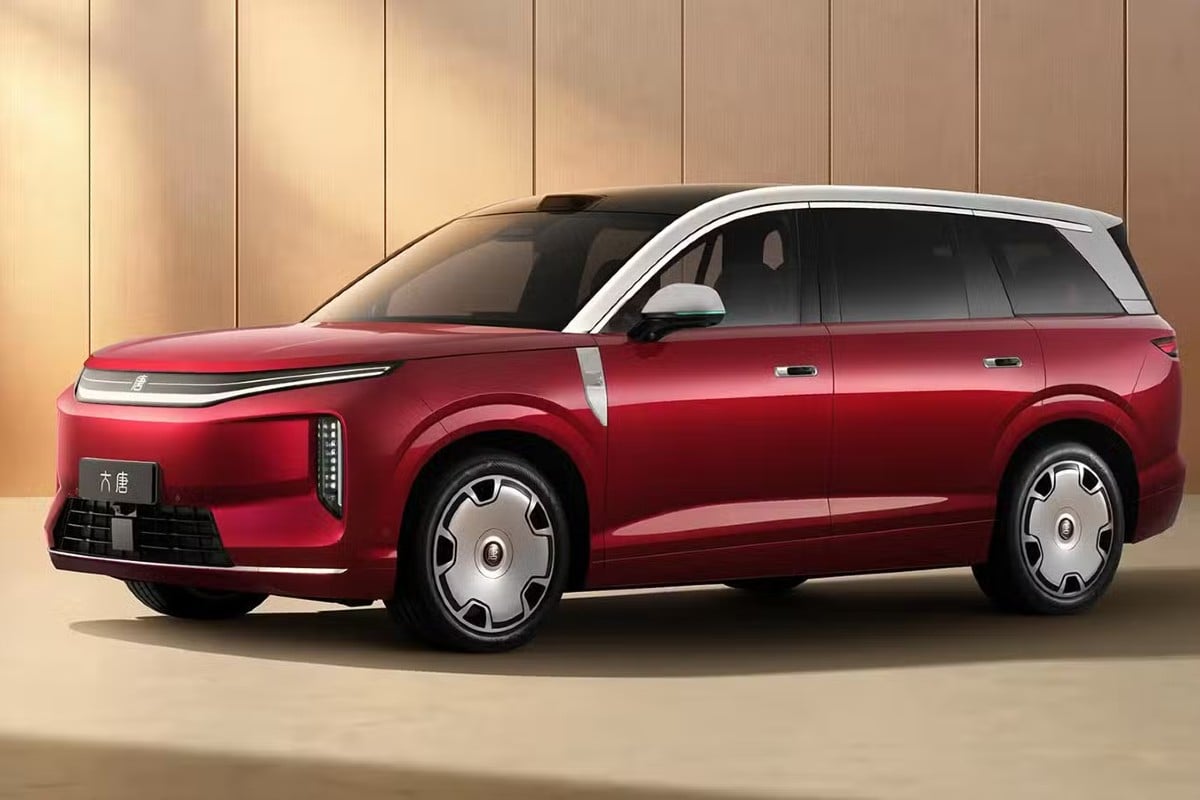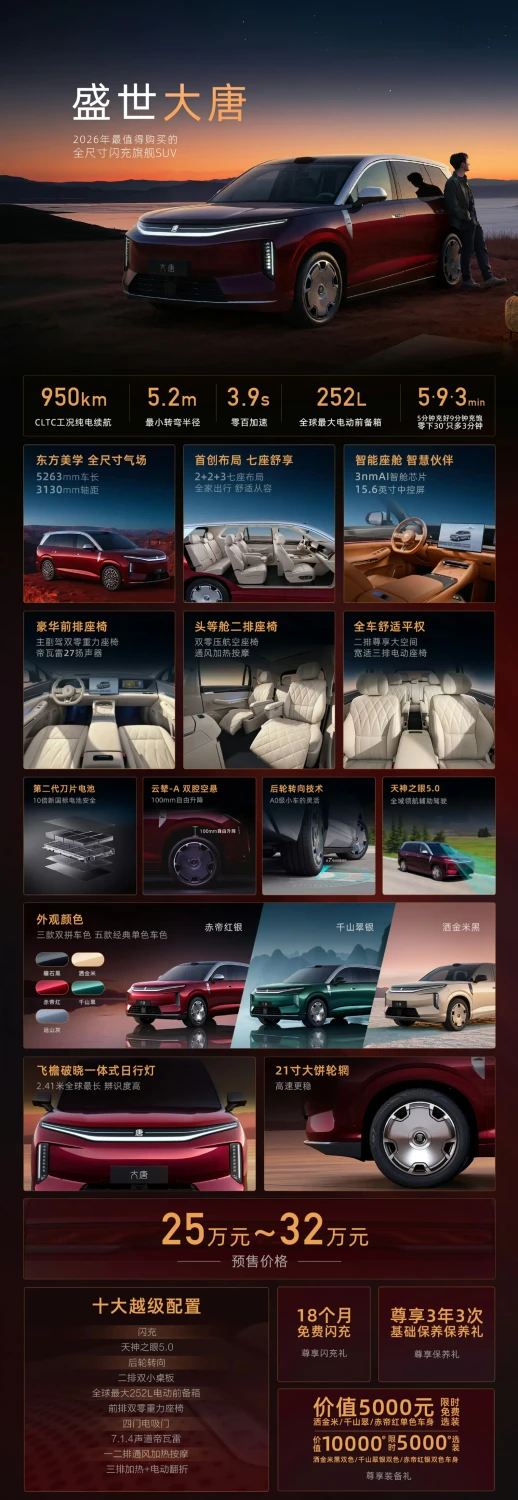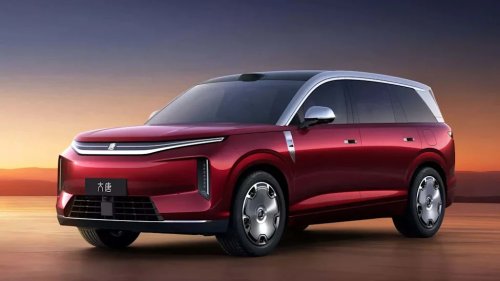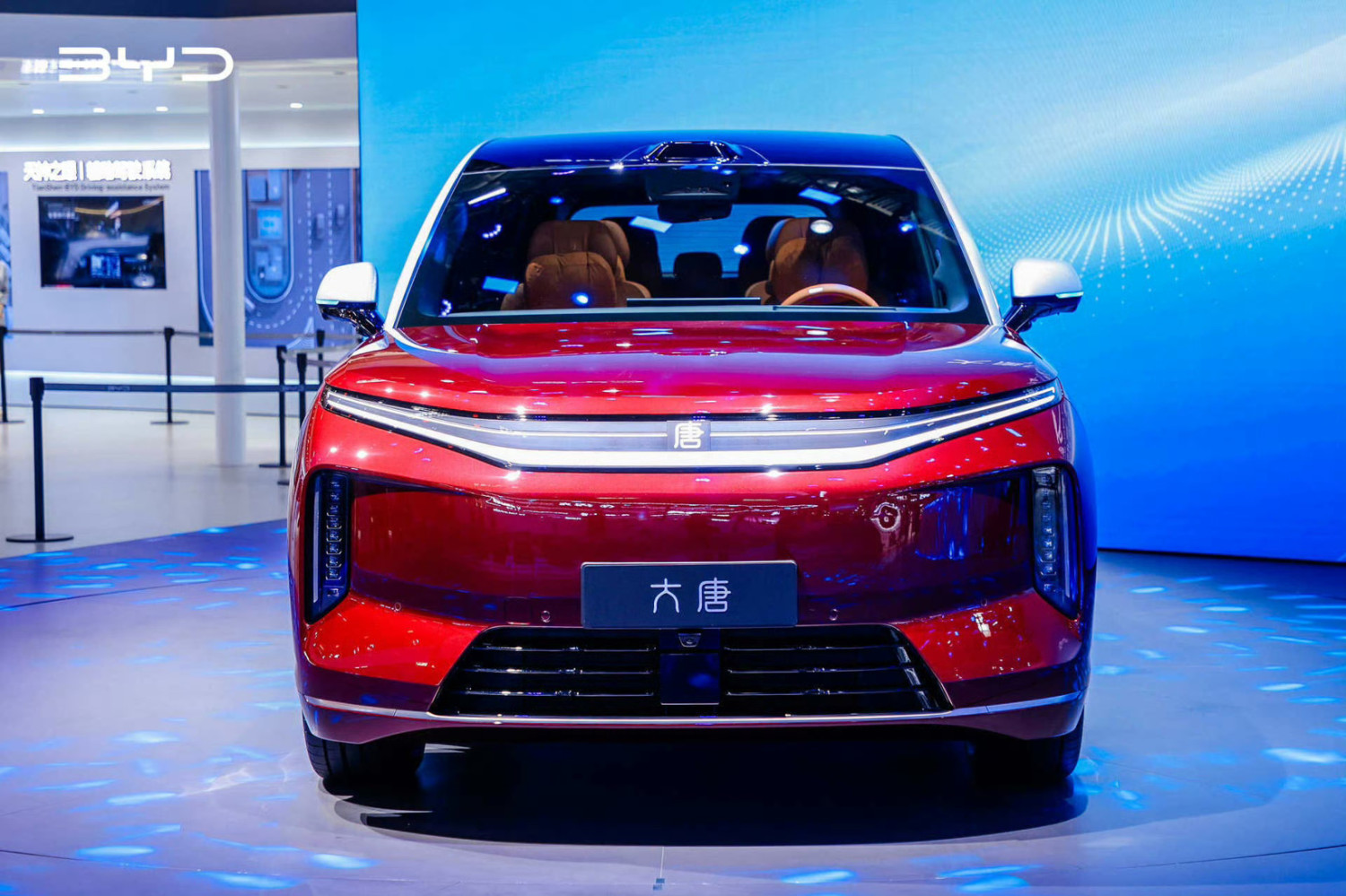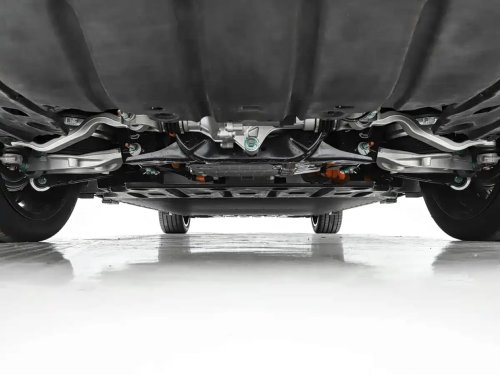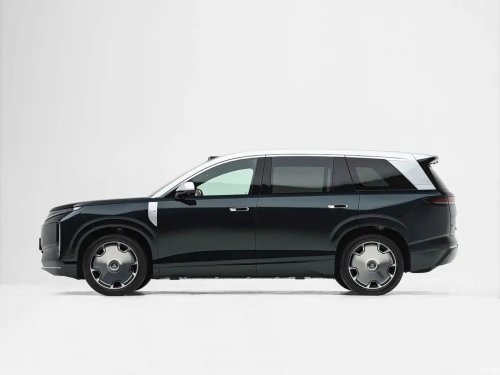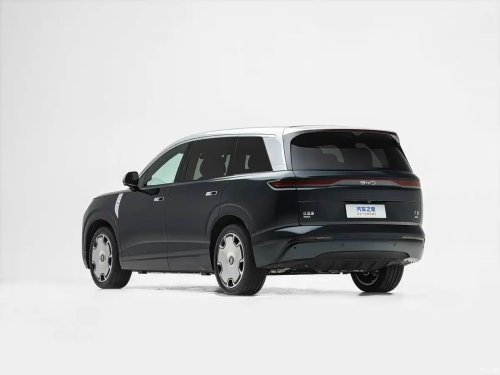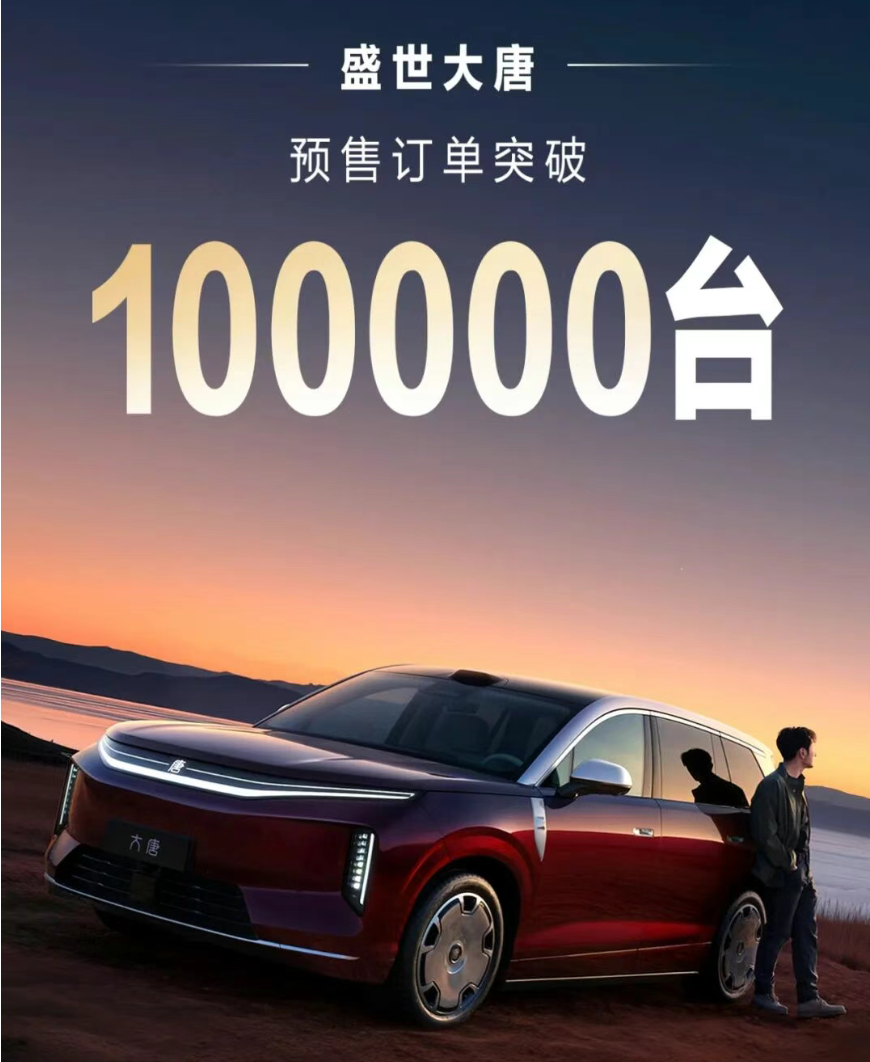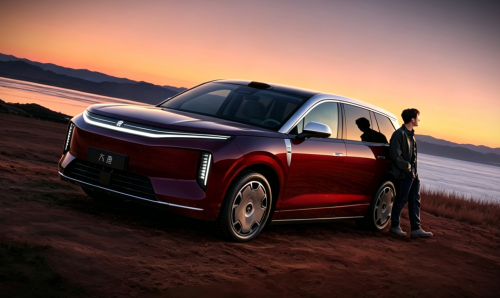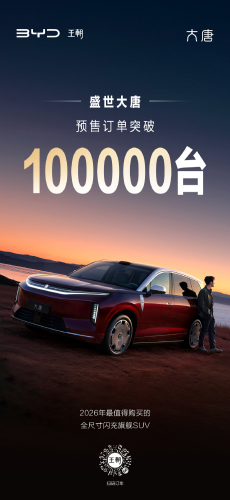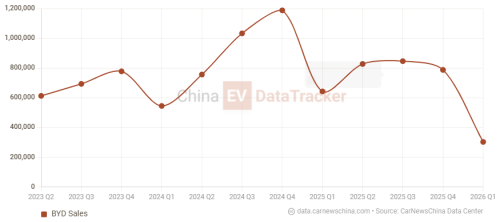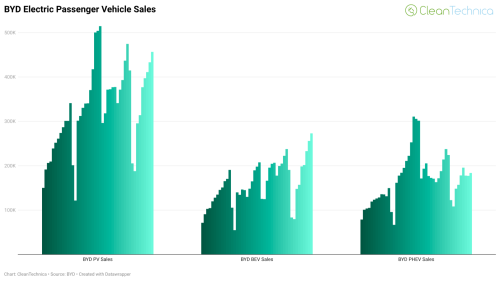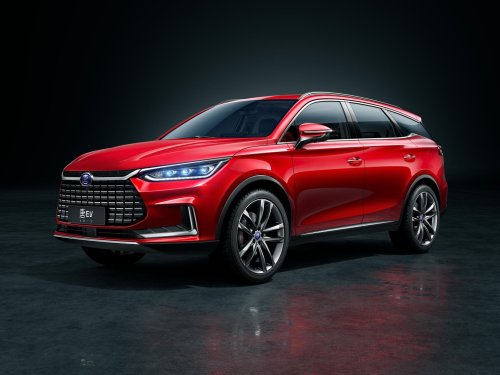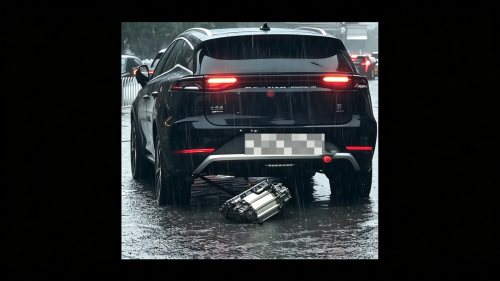
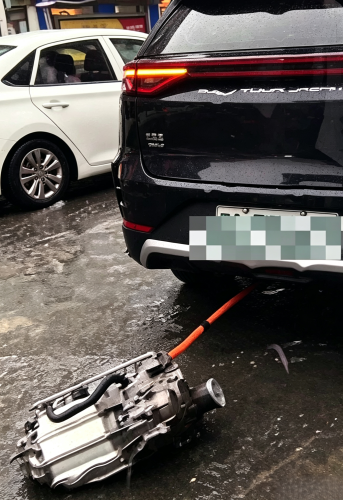
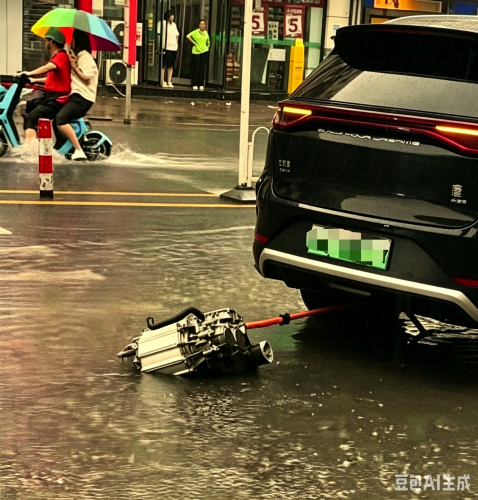
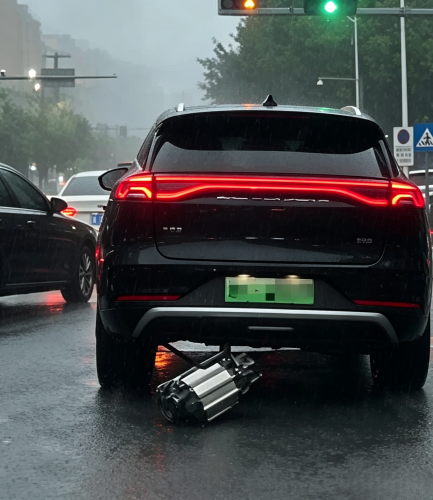



















The vehicle in the viral video continued moving smoothly, confirming the core powertrain remained intact. Credit: Douyin Understand China EV’s Market Real-time notifications when critical EV data is released All important data in one place 2,000,000+ data points Become a member BYD passenger vehicles navigating deep urban water accumulation became the centre of a social media debate on July 13, 2026, after video footage from Shenyang, China, showed an underbody component separating from a BYD Tang. The clip triggered online rumours claiming that the electric powertrain motor had uncoupled and dropped directly into the floodwater. Netizens quickly weaponised the incident, using satirical nicknames to mock the automaker even as the vehicle continued to drive forward after the component fell. The detached part involves the lower protective skid plate rather than the physical electric motor assembly. Ripping off large plastic or composite shields is a known mechanical byproduct of the high hydrodynamic pressure that occurs when vehicles force their way through deep water. Because the vehicle maintained operational power and functioning rear lamps, the internal electrical systems remained entirely intact. Engineering reality From an automotive engineering perspective, separating an electric motor while driving is impossible without causing an instantaneous electrical shutdown. High-voltage orange power lines and cooling conduits connect the powertrain directly to the chassis, so a structural drop would instantly tear them apart. This would immediately activate insulation-fault safety mechanisms, resulting in a power cut. Furthermore, the powertrain transfers energy to the wheels through metallic half-shafts. Had the motor housing fallen, these spinning shafts would have warped or been completely severed, locking the wheels and stopping the vehicle. Instead, the video shows the vehicle gliding smoothly through the water, confirming that the propulsion unit remained securely in place in the engine bay. Executive warnings The social media response highlights a growing public misunderstanding regarding the limits of electric vehicle waterproofing. This event occurred five days after BYD Executive Vice President He Zhiqi published a safety brief on July 8, 2026, clarifying the boundary between hardware resilience and risky driving habits. He noted that while the signature Blade battery pack features IP67 and IP68 water resistance, allowing immersion at a depth of 1 meter for 24 hours without leakage, these specifications are engineering safety limits rather than operational guidelines. Drivers frequently overestimate these ratings, treating family vehicles like amphibious craft, as seen in previous severe weather events across China. This mindset reflects a pattern in which car owners attempt risky crossings, as seen in the widely discussed instances of the BYD Yangwang U8 navigating deep flood waters during Super Typhoon Ragasa. Official advice states that if water levels cover more than half of the tyre, drivers must bypass the area. Market trajectory The incident occurs during a shifting demand cycle for the company. In June 2026, BYD domestic sales reached 177,442 units, up 7.6% month on month, even as year-on-year sales contracted by 44.4%, according to China EV DataTracker. The brand maintained an 11.0% domestic market share for the month, demonstrating steady momentum despite shifting industry conditions. To assist in severe weather crises, specialised BYD emergency support convoys entered flood zones to provide disaster relief earlier this month. As electric vehicles capture substantial portions of the local automotive ecosystem, public scrutiny of underbody durability under weather conditions will likely intensify. High hydrodynamic pressure from wading through deep water can easily tear off exterior protective underbody panels.